
The Dynamics of Trade within the Gupta Empire: A Historical Analysis


Welcome to Ancient India History, where we embark on a captivating journey through the rich tapestry of India's past. Dive into the fascinating world of the Gupta Empire, a remarkable period known not only for its profound cultural achievements but also for its intricate trade dynamics. In our featured article, "The Dynamics of Trade within the Gupta Empire: A Historical Analysis," we unravel the complexities of commerce that fueled this golden age. Prepare to explore how trade shaped societies and influenced cultures, igniting your curiosity about the depth of ancient Indian civilizations. Let's begin this enlightening adventure together!
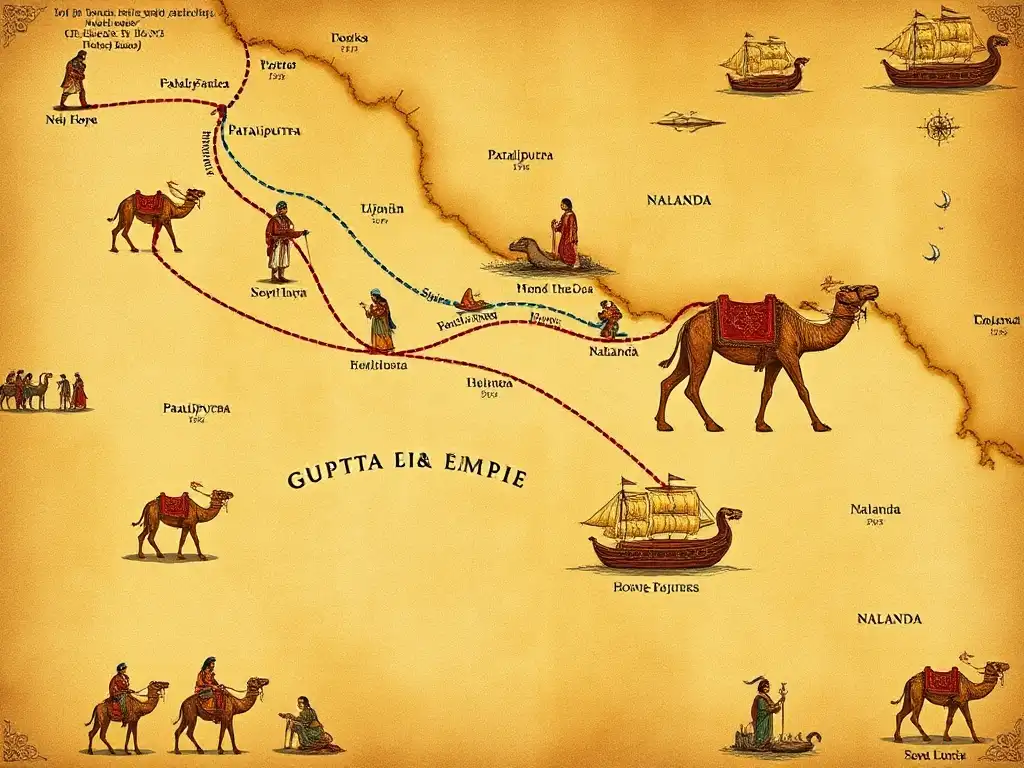
Introduction to Gupta Empire Trade Dynamics
The Gupta Empire, often regarded as the Golden Age of ancient India, was a period marked by remarkable advancements in various fields, including science, art, and philosophy. However, one of the critical factors that contributed to the prosperity and stability of this era was its trade dynamics. The Gupta Empire's trade not only facilitated economic growth but also fostered cultural exchanges and integration within its vast territories and beyond. By delving into the intricacies of Gupta Empire trade dynamics, we can gain insights into how commerce shaped the social and political landscape of this influential civilization.
Overview of the Gupta Empire
Established around the early 4th century CE, the Gupta Empire reached its zenith under the reign of Chandragupta II and is characterized by its strong central government and flourishing culture. The empire encompassed a significant portion of the Indian subcontinent, including parts of modern-day India, Pakistan, and Bangladesh. The Gupta period saw advancements in various fields, including mathematics, astronomy, and literature, largely supported by a robust economy fueled by trade. The empire's strategic positioning allowed it to become a hub for commerce, connecting it with various regions such as Southeast Asia, the Middle East, and beyond.
Importance of Trade in Ancient India
Trade played an essential role in ancient Indian society, serving as a catalyst for economic development and cultural exchange. It was during the Gupta Empire that trade dynamics became more sophisticated, with the establishment of extensive trade networks and routes that facilitated the exchange of goods, ideas, and technologies. Some key aspects of the importance of trade in ancient India include:
- Economic Growth: Trade contributed to the wealth of the Gupta Empire, allowing for the accumulation of resources and the development of urban centers.
- Cultural Exchange: The interactions between various cultures through trade led to the spread of ideas, religions, and artistic influences, enriching the cultural tapestry of the empire.
- Political Stability: A thriving trade environment helped maintain political stability by ensuring the flow of goods and resources necessary for governance and military sustenance.
The Historical Context of Gupta Empire Trade
Understanding the trade dynamics of the Gupta Empire requires an exploration of the historical context in which it thrived. This involves examining the economic foundations that underpinned trade activities and the networks that facilitated them.
Economic Foundations of the Gupta Empire
The economic structure of the Gupta Empire was multifaceted, relying on agriculture, handicrafts, and trade. The fertile plains of the Ganges River supported agriculture, which was the backbone of the economy. Additionally, skilled artisans produced textiles, pottery, and metalwork, which were highly sought after in both domestic and international markets. Key economic features include:
- Agricultural Surplus: The empire's agricultural productivity generated surplus, which was vital for trade and sustenance.
- Craft Production: The rise of artisanal crafts contributed to the empire's export market, enhancing trade dynamics.
- Monetary System: The introduction of standardized coins facilitated trade transactions, which further stimulated economic activity.
Trade Routes and Networks in Ancient India
The Gupta Empire thrived on a well-established network of trade routes that connected it with various regions. These routes were not only vital for the movement of goods but also for cultural exchanges. The prominent trade routes included:
- The Silk Route: Connecting India with Central Asia and beyond, this route facilitated trade in silk, spices, and precious stones.
- Maritime Routes: Indian ports along the coasts allowed for maritime trade with Southeast Asia and the Arabian Peninsula, exchanging goods like spices, textiles, and exotic items.
- Land Routes: Extensive land networks enabled the exchange of agricultural products and artisanal goods across the empire and into neighboring regions.
By examining these routes and networks, we can appreciate how the Gupta Empire's trade dynamics were intricately woven into the fabric of ancient Indian civilization, shaping its legacy for centuries to come.
Key Features of Gupta Empire Trade Dynamics
The trade dynamics of the Gupta Empire, which flourished from approximately 320 to 550 CE, were characterized by a multifaceted approach that integrated internal and external elements seamlessly. This era is often referred to as a golden age due to its advancements in various fields, including trade. Notably, the Gupta Empire emphasized the importance of trade routes, marketplaces, and the use of currency, which collectively contributed to its economic prosperity.
Several key features defined the trade dynamics during this period:
- Diverse Trade Routes: The Gupta Empire benefitted from an extensive network of trade routes, both overland and maritime. These routes facilitated the movement of goods, ideas, and cultures across vast distances, linking the empire to regions as far as Southeast Asia, the Middle East, and even Europe.
- Market Regulation: The Gupta administration played a significant role in regulating trade practices, ensuring fair trade through defined weights and measures. This regulation fostered trust among traders, which in turn encouraged trade activities.
- Cultural Exchange: Trade during the Gupta period was not merely an economic activity; it also facilitated cultural exchanges. Interactions between different civilizations led to the sharing of ideas, art, and religious beliefs, enriching the cultural fabric of the empire.
- Wealth Accumulation: The flourishing trade contributed to the accumulation of wealth among merchants and the ruling class, which was reinvested into the economy, leading to further advancements in arts, sciences, and infrastructure.
Internal Trade: Marketplaces and Trade Centers
Internal trade within the Gupta Empire was robust, characterized by vibrant marketplaces and key trade centers that played pivotal roles in the economy. Urban centers like Pataliputra, the capital, emerged as significant hubs where merchants gathered to exchange goods and services.
- Marketplaces: Local markets acted as crucial points for trade, where farmers, artisans, and merchants sold their products. These marketplaces not only facilitated the exchange of local goods but also served as venues for social interactions and cultural exchanges.
- Trade Centers: Key cities such as Ujjain and Taxila became renowned trade centers, attracting merchants from various regions. Ujjain, located on the west coast, was particularly important due to its strategic position along major trade routes, while Taxila was renowned for its educational institutions and cultural significance.
- Regulatory Framework: The Gupta rulers implemented regulations to maintain order in these marketplaces, establishing standards for weights and measures, which ensured fairness in trade transactions. This regulation helped foster a stable trading environment.
External Trade: Connections with Other Civilizations
The Gupta Empire's external trade was marked by its connections with various civilizations, which significantly expanded its trade horizons. This trade not only brought wealth but also facilitated cultural exchanges that enriched the empire.
- Trade Partners: The Gupta Empire engaged in trade with numerous foreign civilizations, including the Roman Empire, China, and Southeast Asian states. This interconnectedness allowed for the exchange of goods, ideas, and technologies.
- Maritime Trade: The empire's coastal regions, particularly along the Arabian Sea, enabled maritime trade routes that connected India to the Middle East and East Africa. Ships carried spices, textiles, and precious stones, making the Gupta Empire a vital player in international trade.
- Cultural Influences: The interactions with foreign traders led to the introduction of new techniques and ideas, enriching the local culture and contributing to the overall development of the Gupta Empire. For example, the spread of Buddhism and Hinduism into Southeast Asia was largely facilitated by these trade relations.
Commodities Traded: Goods and Resources
The Gupta Empire was known for a diverse range of commodities that were traded both internally and externally. The rich resources of the region allowed for a flourishing economy based on various goods.
- Textiles: India was famous for its high-quality textiles, especially cotton and silk. These textiles were sought after by traders from other empires, leading to a thriving export market.
- Spices and Herbs: The export of spices, particularly black pepper, cardamom, and turmeric, was a significant aspect of Gupta trade. These commodities were highly valued in international markets, enhancing the empire's wealth.
- Metals and Gemstones: The Gupta Empire was rich in precious metals and gemstones. Gold and silver coins were widely used, and the trade of these resources played a crucial role in economic transactions.
- Cultural Artifacts: In addition to tangible goods, trade also included cultural artifacts, such as sculptures, pottery, and manuscripts, which reflected the artistic achievements of the Gupta period.
The Role of Currency in Gupta Trade
Currency played a vital role in the trade dynamics of the Gupta Empire, facilitating smoother transactions and enhancing economic growth. The introduction of standardized currency helped streamline trade practices and fostered economic stability.
Types of Currency Used in Gupta Empire
The Gupta Empire utilized several types of currency that were essential for trade transactions:
- Gold Coins (Dinara): The most prestigious currency during the Gupta period was the gold dinara, which featured intricate designs and symbols. These coins were widely accepted and facilitated large-scale trade.
- Silver and Copper Coins: In addition to gold, silver and copper coins were used for everyday transactions. These coins were essential for local trade and were often produced in various denominations to accommodate different purchasing needs.
- Barter System: While coins were the standard method of trade, a barter system still existed, especially in rural areas where goods were exchanged directly without the use of currency.
Impact of Coinage on Trade Dynamics
The introduction of coinage during the Gupta Empire had a profound impact on trade dynamics:
- Standardization of Transactions: The use of coins allowed for standardized transactions, which simplified trade and reduced disputes over value. This standardization was crucial in fostering trust among traders.
- Increased Trade Volume: The availability of a reliable currency system encouraged more people to engage in trade, thus increasing the overall volume of goods exchanged. This growth in trade contributed significantly to the empire's economic prosperity.
- Economic Connectivity: Coinage facilitated trade not only within the empire but also with foreign civilizations. Merchants could easily conduct transactions across regions, enhancing economic connectivity and cultural exchange.
- Wealth Distribution: The circulation of coins helped distribute wealth more evenly among various social classes, promoting economic stability and growth throughout the empire.
The trade dynamics of the Gupta Empire were thus a complex interplay of internal and external factors, significantly influenced by the role of currency and the rich diversity of commodities traded.

The Gupta Empire, often referred to as the "Golden Age" of ancient India, saw remarkable cultural and social developments influenced by its trade dynamics. The flourishing trade routes facilitated not only the exchange of goods but also the exchange of ideas, beliefs, and cultural practices that shaped Gupta society. This period, spanning from approximately 320 to 550 CE, witnessed a significant transformation in the social fabric of Indian civilization, largely due to the interactions fostered by trade.
Influence of Trade on Gupta Culture and Society
Trade played a pivotal role in the cultural evolution of the Gupta Empire. As merchants traveled along the Silk Road and maritime routes, they brought with them not only valuable commodities but also diverse cultural influences. The introduction of foreign art forms, languages, and customs contributed to a rich tapestry of cultural exchange.
- Art and Architecture: The influx of wealth from trade led to a flourishing of art and architecture. Temples and sculptures from this period reflect a blend of local styles with influences from Greco-Roman and Hellenistic art, showcasing the Gupta artisans' ability to fuse various cultural elements.
- Literature and Scholarship: The trade dynamics also encouraged literacy and learning. Scholars and poets, supported by wealthy merchants, produced significant literary works, including the famous writings of Kalidasa. The exchange of manuscripts and texts with other cultures enriched the intellectual environment of the empire.
Overall, the vibrant trade networks not only enhanced economic prosperity but also fostered a cosmopolitan society where ideas and cultural practices thrived.
Trade and the Spread of Religion and Ideas
The Gupta Empire was a melting pot of religious beliefs, and trade dynamics contributed significantly to the spread of various religions, including Hinduism, Buddhism, and Jainism. Merchants often acted as intermediaries, facilitating the exchange of religious texts and ideas.
- Buddhism's Expansion: The establishment of trade routes allowed Buddhist monks to travel extensively, spreading their teachings across Asia. Significant sites like Sarnath and Bodh Gaya grew in prominence due to the influx of pilgrims and traders.
- Hinduism and Jainism: The prosperity of trade also enabled the patronage of temples and religious institutions, reinforcing Hindu and Jain practices. The Gupta rulers themselves were known for their support of various religious traditions, which helped in the synthesis of beliefs and practices.
The interactions along trade routes led to a rich exchange of philosophical and religious ideas that significantly influenced the spiritual landscape of the Gupta Empire and beyond.
Challenges to Trade in the Gupta Empire
Despite its vibrant trade dynamics, the Gupta Empire faced several challenges that affected its trade networks. Internal strife, external invasions, and environmental factors posed significant threats to the stability and growth of trade within the empire.
Political Instability and Its Effects on Trade
Political instability during the later years of the Gupta Empire had a detrimental impact on trade. As regional powers emerged and conflicts arose, trade routes became increasingly unsafe.
- Invasions and Raids: The incursions by foreign invaders, including the Huns, disrupted trade activities. Merchants faced threats not only from bandits but also from political entities vying for control over lucrative trade routes.
- Decline in Central Authority: The weakening of central authority led to fragmentation within the empire. Local rulers prioritized regional interests over trade, which disrupted the flow of goods and services. This instability ultimately caused a decline in economic activity, affecting both local and long-distance trade.
The cumulative effects of political unrest resulted in a significant decline in trade by the end of the Gupta period, undermining the economic foundations of the empire.
Environmental Factors Affecting Trade Dynamics
Environmental factors also played a crucial role in shaping trade dynamics within the Gupta Empire. The geography of the region, along with climate changes, impacted trade routes and the availability of resources.
- Natural Disasters: Events such as floods, droughts, and earthquakes could disrupt trade routes and agricultural production. The unpredictable nature of these environmental factors posed risks for merchants and traders, making long-distance trade less reliable.
- Resource Scarcity: Changes in climate could lead to resource scarcity, affecting the production of goods essential for trade. For instance, if agricultural yields declined due to unfavorable weather, it would directly impact the availability of staple goods for trade.
While trade was a vital component of the Gupta Empire's economy and culture, it was not without its challenges. Political instability and environmental factors significantly influenced the trade dynamics, ultimately shaping the trajectory of the empire during its decline.
Conclusion: The Legacy of Gupta Empire Trade
The trade dynamics of the Gupta Empire played a pivotal role in shaping not only the economic landscape of ancient India but also its cultural and social fabric. The Gupta period, often referred to as the Golden Age, was marked by an unprecedented flourishing of trade, driven by advancements in various sectors. This dynamic trade network established vital connections between regions, fostering the exchange of goods, ideas, and technologies that would resonate through the ages.
The legacy of Gupta trade is evident in the extensive trade routes that linked India to distant lands, including the Roman Empire, Southeast Asia, and the Middle East. This interconnectedness not only facilitated the flow of commodities such as spices, textiles, and precious metals but also promoted the diffusion of culture, religion, and knowledge. The use of standardized currency and the establishment of trade guilds further enhanced commercial interactions, laying the groundwork for future economic systems in the region.
Lasting Impact on Future Indian Trade Dynamics
The impact of Gupta trade dynamics extended far beyond its time, influencing subsequent Indian trade practices and economic policies. The sophisticated methods of trade organization and regulation established during this period served as a model for later empires, including the Chola and Mughal dynasties. The emphasis on maritime trade, particularly along the coasts of the Indian Ocean, continued to thrive, facilitating not only regional trade but also international commerce.
Moreover, the cultural exchanges initiated during the Gupta period had long-term implications, as they contributed to the development of Indian art, architecture, and literature. The spread of Buddhism and Hinduism along trade routes helped create a shared cultural identity that would endure through centuries. The legacy of these trade dynamics can still be seen today, as India continues to be a significant player in global trade, drawing on its ancient practices and networks.
Reflections on Gupta Trade in Historical Context
In the broader context of world history, the trade dynamics of the Gupta Empire illustrate the significance of commerce as a catalyst for cultural and societal advancement. The Gupta period is often viewed as a time when trade facilitated not only economic prosperity but also intellectual growth and cultural exchange. The exchange of ideas, particularly in the fields of mathematics, astronomy, and philosophy, was greatly enhanced through commercial interactions with other civilizations.
Historically, the Gupta Empire's trade dynamics underscore the importance of commerce in shaping civilizations. The wealth generated from trade allowed for patronage of the arts and sciences, creating a flourishing environment where innovation could thrive. This interplay between trade and cultural development serves as an essential lesson in understanding the interconnectedness of economic and social progress throughout history.
References
Suggested Readings on Gupta Empire Trade Dynamics
- "The Gupta Empire: A Historical Overview": - This book provides a comprehensive examination of the Gupta Empire's trade practices and their implications on regional and international trade dynamics.
- "Trade and Traders in the Gupta Period" - A focused analysis on the various trade routes, commodities, and merchant communities during the Gupta Empire.
- "Cultural Exchanges in Ancient India" - This text discusses the cultural ramifications of trade, including the diffusion of religions and ideas during the Gupta period.
Academic Sources on Ancient Indian Trade Systems
- "Ancient Indian Trade: A Historical Perspective": - A scholarly article that delves into the trade systems of ancient India, with particular emphasis on the Gupta era and its innovations.
- "Economic History of Ancient India" - This academic work explores the economic structures, including trade dynamics, that characterized ancient Indian civilizations, including the Gupta Empire.
- "The Role of Trade in Indian Civilization" - A critical study that examines how trade shaped societal norms, cultural exchanges, and economic prosperity throughout Indian history, especially during the Gupta period.
- Introduction to Gupta Empire Trade Dynamics
- The Historical Context of Gupta Empire Trade
- Key Features of Gupta Empire Trade Dynamics
- The Role of Currency in Gupta Trade
- Cultural and Social Impacts of Trade in the Gupta Empire
- Challenges to Trade in the Gupta Empire
- Conclusion: The Legacy of Gupta Empire Trade
- References
- What were the main features of Gupta Empire trade dynamics?
- How did the Gupta Empire influence trade in ancient India?
- What goods were primarily traded during the Gupta period?
- How did trade during the Gupta Empire contribute to cultural exchange?
- What role did maritime trade play in the Gupta Empire?
Frequently Asked Questions
What were the main features of Gupta Empire trade dynamics?
The Gupta Empire trade dynamics were characterized by extensive trade networks, both overland and maritime, which facilitated the exchange of goods like textiles, spices, and precious metals across Asia and beyond.
How did the Gupta Empire influence trade in ancient India?
The Gupta Empire established a stable political environment and improved infrastructure, such as roads and ports, which significantly enhanced trade opportunities and economic prosperity.
What goods were primarily traded during the Gupta period?
During the Gupta period, merchants primarily traded silks, spices, jewelry, and artifacts, with significant demand for Indian products in regions like Southeast Asia and the Middle East.
How did trade during the Gupta Empire contribute to cultural exchange?
Trade facilitated cultural exchange by introducing foreign ideas, religions, and art forms into Indian society, leading to a blend of cultures that enriched the Indian cultural landscape.
What role did maritime trade play in the Gupta Empire?
Maritime trade was crucial for the Gupta Empire, allowing for direct access to international markets, which not only boosted economic growth but also enhanced cultural interactions with other civilizations.
Final Reflection: The Enduring Legacy of Gupta Empire Trade Dynamics
The trade dynamics of the Gupta Empire remain a vital lens through which we can understand the complexities of ancient economies and their relevance to modern commerce. The Gupta Empire, often hailed as a golden age of prosperity and cultural flourishing, exemplifies how trade not only facilitated economic growth but also fostered cultural exchange and innovation. In today's interconnected world, the lessons gleaned from the Gupta Empire's trade practices resonate more than ever, reminding us that the flow of goods and ideas is essential for societal advancement.
The influence of Gupta trade dynamics extends beyond mere historical interest; it shapes our contemporary understanding of globalization and economic interdependence. The sophisticated trade networks established during this period laid the groundwork for future economic systems, illustrating the importance of collaboration and cultural exchange. As noted by historian Romila Thapar, Trade is not merely an economic activity; it is a cultural phenomenon that shapes societies.
This observation underscores the ongoing relevance of Gupta trade dynamics in fostering relationships that transcend borders and cultures, highlighting the interconnectedness of our global community.
As we reflect on the Gupta Empire's trade legacy, let us consider how we can apply these lessons in our own lives and communities. Embrace the spirit of collaboration and cultural exchange, recognizing that our actions today can contribute to a more interconnected and prosperous future.
Whether through supporting local businesses, engaging in fair trade practices, or fostering cross-cultural dialogues, we each have the power to influence the dynamics of trade in our own spheres. Let the Gupta Empire's rich history inspire us to build bridges, share knowledge, and create a world where trade serves as a catalyst for unity and progress.
Unveil the Secrets of Gupta Trade - Act Now!
Thank you for diving deep into the fascinating world of trade in the Gupta Empire! You've uncovered a wealth of insights into how commerce shaped ancient India and its lasting impact on modern economies. Now, it's time to transform your newfound knowledge into action!
Here's how you can continue your journey:
- Explore further: Read more about trade routes and their influences on contemporary trade practices in our additional articles.
- Share the knowledge: Discuss this article with friends or share it on social media to inspire others about the rich history of the Gupta Empire.
- Join our community: Engage with historians and enthusiasts on our forum to exchange ideas and deepen your understanding.
What aspects of Gupta trade do you find most surprising or relevant today? We invite you to share your thoughts below!