
The Gupta Empire's Influence on Religious Art: Hinduism, Buddhism, and Jainism

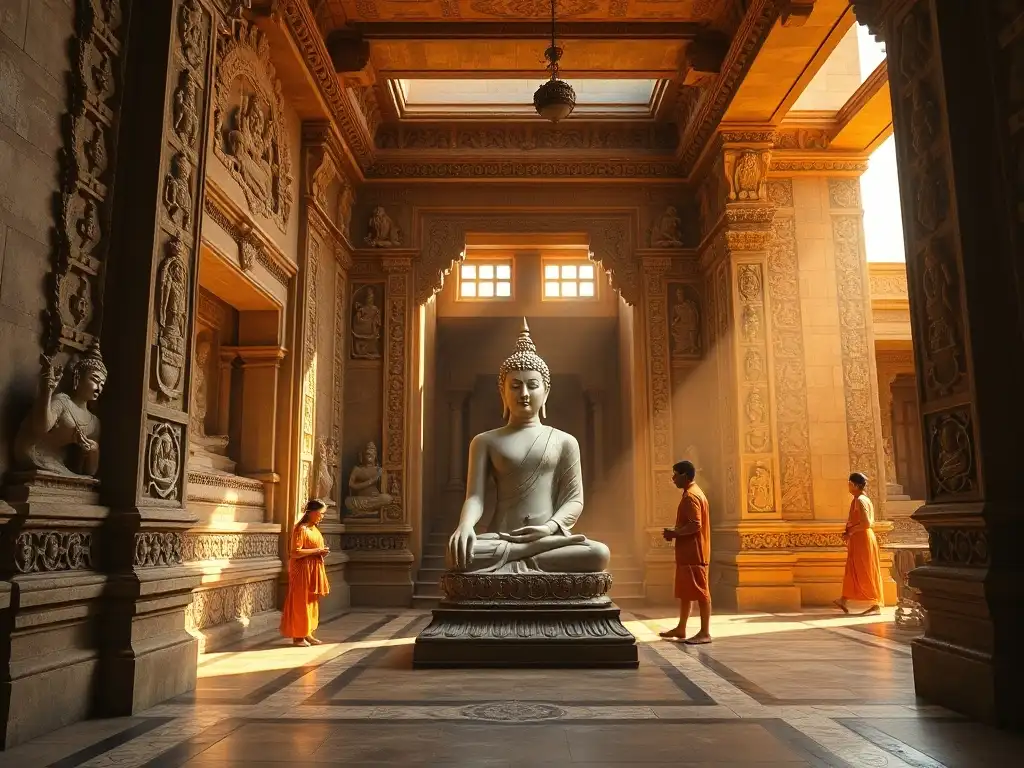
Welcome to Ancient India History, where we embark on a fascinating journey through the rich tapestry of India's past. Dive into our featured article on the Gupta Empire's Influence on Religious Art, where we unravel the intricate connections between Hinduism, Buddhism, and Jainism that flourished during this remarkable era. Discover how the artistic expressions of the Gupta period not only shaped religious practices but also left an indelible mark on the cultural landscape of ancient India. Curious about how these influences continue to resonate today? Let’s explore together!
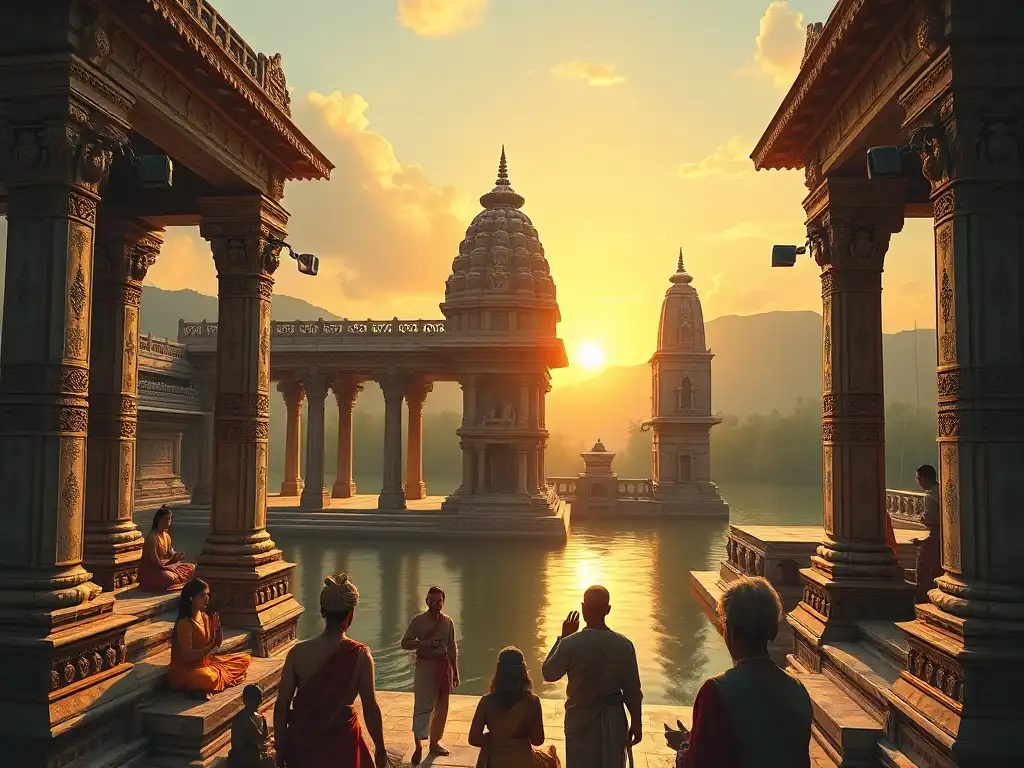
Introduction to the Gupta Empire and Its Cultural Context
The Gupta Empire, often referred to as the Golden Age of India, thrived from approximately 240 to 550 CE. This period is marked by remarkable advancements in various fields, including science, mathematics, literature, and especially, art. The Gupta period stands out for its profound impact on religious art, particularly in the realms of Hinduism, Buddhism, and Jainism.
During this era, art was not merely a form of expression but a vital medium through which religious beliefs and cultural values were conveyed. The vibrant artistic traditions that emerged during this time laid the groundwork for future generations and reflected the complex interplay of spirituality and creativity that characterized ancient Indian civilization.
The significance of examining Gupta Empire religious art influences lies in understanding how these artistic expressions encapsulated the philosophical and theological underpinnings of the time. From intricate sculptures to grand temple architecture, the artwork of this era serves as a window into the spiritual life of ancient India, depicting deities, narratives, and symbols that resonate with both historical and contemporary audiences. This article aims to explore the multifaceted influences of the Gupta Empire on religious art, focusing on its contributions to Hinduism, Buddhism, and Jainism.
Overview of the Gupta Empire
The Gupta Empire was established by Maharaja Sri Gupta and reached its zenith under the rule of notable emperors like Chandragupta II and Samudragupta. This empire encompassed a significant part of the Indian subcontinent, fostering a climate of stability and prosperity that allowed arts and culture to flourish.
Key features of the Gupta Empire include:
- Political Stability: A well-organized administration that facilitated trade and commerce.
- Cultural Flourishing: The patronage of the arts and learning, leading to advancements in various disciplines.
- Religious Pluralism: A diverse religious landscape where Hinduism, Buddhism, and Jainism coexisted and influenced each other.
As a result, the Gupta Empire not only played a crucial role in shaping Indian history but also in creating a lasting legacy in religious art.
Importance of Religious Art in Ancient India
Religious art in ancient India served as a crucial means of communication, enabling societies to express their beliefs, values, and cultural identity. It was integral to the worship practices and rituals of various religions, forming a bridge between the divine and the mortal world.
Key points regarding the importance of religious art include:
- Cultural Identity: Art reflected the unique characteristics of various religious communities, contributing to their cultural identity.
- Educational Role: Artworks often depicted religious narratives, serving as visual aids for teaching and understanding complex theological concepts.
- Community Engagement: Temples and sculptures acted as focal points for community gatherings and worship, reinforcing social bonds.
In this context, the Gupta Empire's contributions to religious art were pivotal, influencing the aesthetic sensibilities and spiritual practices of subsequent generations.
Gupta Empire Religious Art Influences on Hinduism
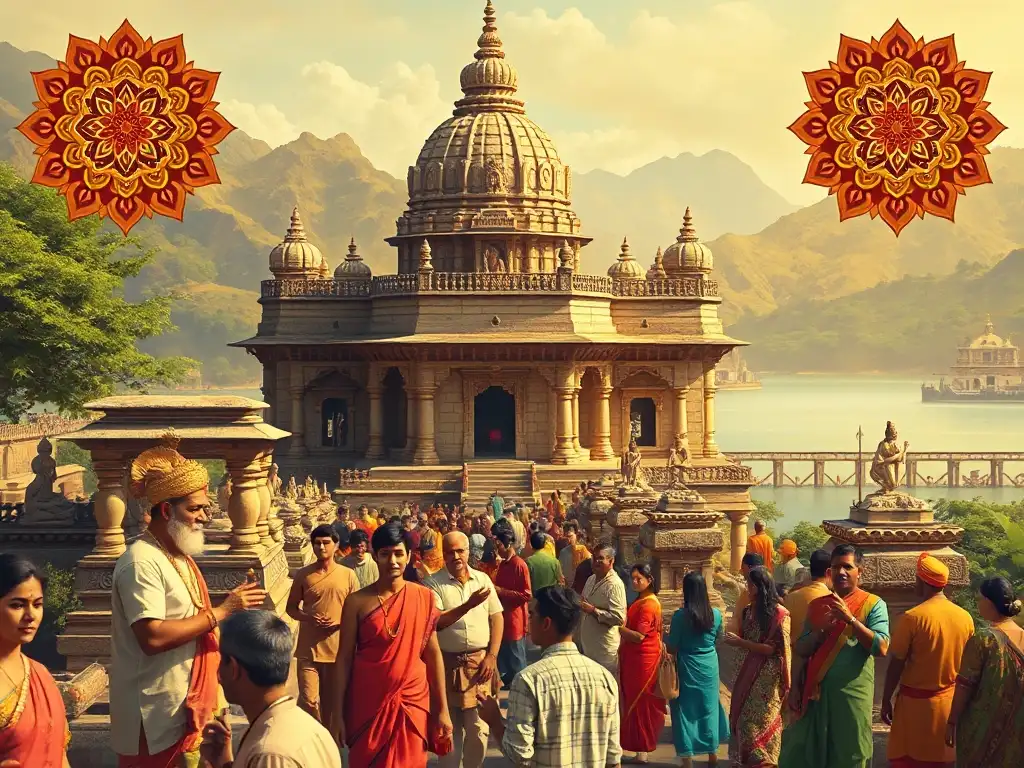
Characteristics of Hindu Religious Art during the Gupta Period
Hindu religious art during the Gupta period is characterized by its intricate craftsmanship, attention to detail, and an emphasis on divine grace. Artists employed a variety of techniques that resulted in:
- Elegant Sculptures: Figures of deities such as Vishnu, Shiva, and Devi were depicted with flowing garments and intricate jewelry.
- Narrative Reliefs: Storytelling through art became prominent, with scenes from epics like the Mahabharata and Ramayana being intricately carved.
- Architectural Innovation: Temples were constructed with a specific focus on aligning architecture with cosmological principles, embodying a sense of divine order.
These artistic achievements not only enhanced the aesthetic appeal of Hindu religious sites but also deepened the spiritual experience of worshippers.
Key Temples and Sculptures Representing Hindu Beliefs
The Gupta period saw the construction of several key temples that became iconic representations of Hindu beliefs. Noteworthy examples include:
- The Dashavatara Temple at Deogarh: Known for its intricate carvings depicting the ten incarnations of Vishnu.
- The Bhitargaon Temple: Features a unique brick construction, showcasing Gupta architectural innovations.
- The Udayagiri Caves: Home to impressive sculptures, including the famous image of Vishnu as Varaha, which exemplifies the divine's protective role.
These temples not only served as places of worship but also as centers for artistic expression and community gatherings.
Iconography and Symbolism in Gupta Hindu Art
Iconography in Gupta Hindu art is rich with symbolism, often representing complex theological concepts. Key elements include:
- Divine Attributes: Deities are portrayed with specific attributes that convey their powers and roles within the Hindu pantheon.
- Use of Mandalas: Geometric patterns and mandalas reflect the universe's structure, reinforcing the connection between the material and spiritual realms.
- Narrative Symbolism: Artworks often encapsulate moral lessons and philosophical teachings, serving as a guide for devotees.
The Gupta Empire's religious art thus encapsulates a profound spiritual heritage, illustrating the intricate relationship between faith, culture, and artistic expression during this golden age of Indian history.
The Impact of the Gupta Empire on Buddhist Art
The Gupta Empire, often referred to as the Golden Age of India, significantly influenced various cultural aspects, including artistic expressions in religion, particularly Buddhism. During this period, which spanned from approximately 320 to 550 CE, there was a remarkable flourishing of Buddhist art, driven by royal patronage and the increasing importance of Buddhism as a spiritual and philosophical system. This era marked a shift towards more sophisticated artistic techniques, which were instrumental in communicating the teachings and values of Buddhism.
The Gupta period saw an amalgamation of local styles and international influences, leading to the development of a unique aesthetic that celebrated not only the Buddha but also the broader Buddhist community. This cultural exchange contributed to the evolution of Buddhist iconography and the proliferation of artistic forms, which helped to disseminate Buddhist teachings beyond India, influencing neighboring regions in Southeast Asia and Central Asia.
Evolution of Buddhist Art Forms in the Gupta Era
Buddhist art during the Gupta era underwent significant transformation, characterized by its focus on realism and expressive detail. Sculptural works became more intricate and lifelike, moving away from the earlier, more stylized forms. This evolution can be observed in the portrayal of the Buddha, Bodhisattvas, and various scenes from Jataka tales, which narrate the previous lives of the Buddha.
The introduction of new materials, such as sandstone and terracotta, allowed for greater detail and refinement in sculpture. The Gupta artisans employed advanced techniques, such as the use of undercutting and high relief, which added depth and dynamism to their works. The artistic themes expanded beyond religious figures to include depictions of flora, fauna, and everyday life, reflecting the interconnectedness of Buddhist teachings with nature and human existence.
Major Stupas and Monasteries: Architectural Innovations
The Gupta Empire was also notable for its architectural innovations, especially in the construction of stupas and monasteries. One of the most famous stupas from this period is the Sanchi Stupa, which showcases intricate carvings and gateways (toranas) adorned with scenes from the life of the Buddha and other significant Buddhist events. The architectural design featured a hemispherical dome symbolizing the universe, surrounded by a circumambulatory path for devotees.
Monasteries such as the famous Nalanda University emerged during the Gupta period, serving as centers of learning and spiritual practice. These complexes were not only places for meditation and study but also architectural marvels that featured elaborate carvings and sculptures, reflecting the grandeur of Buddhist art. The layout and design of these structures facilitated communal worship and intellectual discourse, further solidifying Buddhism's role in Gupta society.
Artistic Depictions of Buddha: Styles and Techniques
Artistic depictions of the Buddha during the Gupta Empire underwent a significant refinement in style and technique. The portrayal of the Buddha transitioned into more humanistic representations, characterized by serene facial expressions, graceful postures, and subtle gestures (mudras). This approach emphasized the Buddha's compassion and wisdom, making the images more relatable to followers.
Gupta artists employed a variety of techniques to enhance the visual impact of their works. They utilized chiaroscuro to create depth and dimension, enhancing the three-dimensional quality of sculptures. The use of drapery and intricate details in the clothing of the Buddha and other figures showcased the skill of the artisans and contributed to the overall aesthetic appeal. This period also marked the emergence of the concept of the Bodhisattva, with distinct iconographic features that highlighted their role as compassionate beings aiding others in achieving enlightenment.
Jainism and Its Artistic Expression during the Gupta Empire
Jainism also saw significant artistic development during the Gupta Empire, characterized by its unique iconography and architectural contributions. The period marked an increase in the construction of Jain temples and the production of intricate sculptures that depicted Jain Tirthankaras, revered spiritual teachers in Jainism. The artistic expression of Jainism during this time was marked by a distinct style that emphasized simplicity, clarity, and precision.
The patronage from wealthy Jain merchants and rulers facilitated the growth of Jain art, leading to a rich tradition that complemented the broader artistic landscape of the Gupta Empire. This era highlighted the harmony between Jain beliefs and artistic expression, which often conveyed moral and philosophical messages central to Jain teachings.
Distinct Features of Jain Art in the Gupta Period
Jain art from the Gupta period is marked by several distinct features that set it apart from other religious art forms. One notable element is the emphasis on detailed iconography, where each Tirthankara is depicted with specific attributes, such as lotus flowers, which symbolize purity and spiritual awakening. The figures are often rendered in a highly stylized manner, conveying a sense of serenity and divine presence.
The use of vibrant colors and intricate patterns in Jain temple architecture is another hallmark of this period. Temples, such as the famous Dilwara Temples in Mount Abu, showcase exquisite marble carvings that depict layered narratives from Jain texts, creating a visually captivating experience for worshippers. The portrayal of celestial beings and motifs from nature further enriches the artistic tapestry of Jainism during the Gupta era.
Significant Jain Temples and Their Artistic Contributions
Several significant Jain temples emerged during the Gupta period, each contributing to the rich artistic legacy of Jainism. The Dilwara Temples, renowned for their opulent marble carvings, stand as a testament to the artistic ingenuity of the time. Each temple features intricate carvings that narrate stories of the Tirthankaras, reflecting the deep spiritual significance of these figures in Jain belief.
Another important site is the Shatrunjaya Hill temples in Palitana, where hundreds of temples were constructed, showcasing stunning architectural designs and artistic craftsmanship. These temples are adorned with elaborate sculptures and inscriptions that detail the teachings of Jainism, reinforcing the connection between faith and art. Such temples served as pilgrimage sites, where devotees could experience the beauty of Jain art while engaging in spiritual practices.
The Role of Jain Iconography in Gupta Religious Art
Jain iconography played a crucial role in the religious art of the Gupta Empire, influencing not only Jain artistic expressions but also impacting the broader landscape of religious art in ancient India. The carefully crafted representations of Tirthankaras, with their unique attributes and serene expressions, conveyed essential teachings of non-violence, truth, and asceticism central to Jain philosophy.
This iconography often found its way into the artwork of other religious traditions, including Buddhism and Hinduism, as artisans drew inspiration from the rich visual language developed by Jain artists. The meticulous attention to detail in Jain art not only highlighted the spiritual significance of the figures but also contributed to a shared artistic vocabulary that transcended individual faiths, fostering a collective cultural heritage during the Gupta Empire.
The Gupta Empire was a beacon of artistic and cultural achievement, leaving a lasting legacy on the religious art of Buddhism and Jainism. The innovative styles, architectural advancements, and iconographic developments from this period continue to resonate in the artistic expressions of subsequent generations.
Comparative Analysis of Religious Art Influences
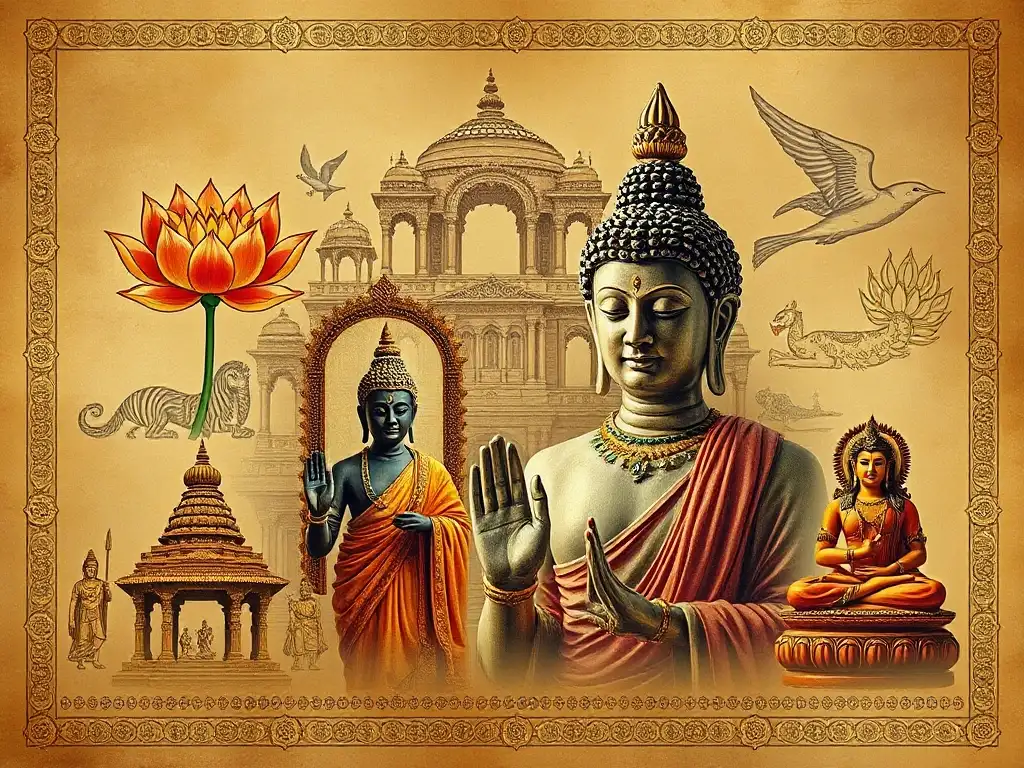
The Gupta Empire, often referred to as the "Golden Age of India," played a significant role in shaping the religious art of Hinduism, Buddhism, and Jainism. Each of these religions inspired unique artistic expressions while also embracing elements from one another. This comparative analysis examines the similarities and differences in artistic styles, the interactions among the three religions, and the influence of patronage during this period.
Similarities and Differences in Artistic Styles among Hinduism, Buddhism, and Jainism
While Hinduism, Buddhism, and Jainism each developed distinct artistic styles, they also shared a common cultural and aesthetic framework during the Gupta period.
- Hindu Art: It is characterized by vibrant sculptures and intricate temple architecture, often depicting deities such as Vishnu and Shiva. The use of iconography, symbolism, and storytelling through art was prominent, reflecting the complexities of Hindu religious narratives.
- Buddhist Art: Gupta Buddhist art is renowned for its serene and meditative quality, particularly expressed through stupas and monastic architecture. The use of symbolic elements like lotus flowers and the representation of the Buddha in various mudras (hand gestures) illustrate the spiritual teachings of Buddhism.
- Jain Art: Jain religious art, while less extensive than Hindu and Buddhist art, is notable for its meticulous and detailed representations of Tirthankaras (spiritual teachers). The use of marble and other fine materials showcases the Jain emphasis on non-possessiveness and purity.
Despite these differences, a shared emphasis on spiritual themes, divine forms, and moral teachings unites the artistic expressions across these religions. The stylistic evolution observed in sculptures and paintings of the era also reflects a blending of influences, particularly in regions where followers of different religions coexisted.
The Interactions among the Three Religions in Art and Culture
The Gupta Empire was marked by significant cultural interactions among Hinduism, Buddhism, and Jainism, which were evident in the art of the period. These interactions led to a rich dialogue that influenced artistic practices.
- Cultural Exchange: Artists often moved between religious communities, sharing techniques and styles. This fluidity contributed to hybrid forms of art that incorporated elements from all three religions. For example, certain sculptures might depict both Hindu deities alongside Buddhist figures, showcasing a syncretic approach to spirituality.
- Joint Patronage: Wealthy patrons from different religious backgrounds commissioned art for temples and monasteries, leading to collaborative projects that blended artistic traditions. This patronage not only facilitated the production of art but also encouraged the use of shared iconographic themes.
- Religious Tolerance: The Gupta Empire is noted for its religious tolerance, allowing for a flourishing of artistic expressions that celebrated diverse beliefs. Festivals, rituals, and public events often included representations from all three religions, reinforcing their interconnectedness within society.
The Role of Patronage in Shaping Religious Art during the Gupta Empire
Patronage played a critical role in the development of religious art during the Gupta period. Wealthy individuals, kings, and religious institutions funded the creation of art, leading to substantial advancements in artistic techniques and styles.
- Royal Patronage: Gupta rulers, such as Chandragupta II, were instrumental in promoting religious art. Their support for temples and monasteries not only provided financial resources but also established cultural hubs where art could thrive. Royal patronage often dictated the themes and styles of art, aligning them with the rulers' political and religious ideologies.
- Community Involvement: Local communities also participated in patronage by funding smaller temples and art projects. This grassroots involvement ensured that art reflected local traditions and religious practices, contributing to the diverse tapestry of Gupta religious art.
- Artisans and Guilds: The period saw the establishment of guilds of artisans who specialized in creating religious art. These guilds facilitated the exchange of ideas and techniques, resulting in sophisticated craftsmanship that characterized Gupta art.
Legacy of Gupta Religious Art Influences
The artistic achievements of the Gupta Empire left a lasting legacy on the religious art of India and beyond. Their influences can be seen in later art movements and contemporary interpretations of ancient styles.
Lasting Impact on Future Indian Art Movements
The religious art of the Gupta period set a benchmark for future Indian art movements, influencing styles and themes well into the medieval and modern eras.
- Medieval Indian Art: The techniques developed during the Gupta Empire, such as intricate carvings and vibrant frescoes, were adopted by subsequent dynasties like the Cholas and the Rajputs. The continued emphasis on religious themes can be traced back to Gupta traditions.
- Renaissance of Indian Art: During the Renaissance period in India, artists revisited Gupta styles, drawing inspiration from the elegance and detail of Gupta sculptures. The revival of interest in ancient Indian aesthetics can be seen in the works of artists who sought to capture the spiritual essence of their heritage.
Influence on Modern Interpretations of Ancient Religious Art
Modern interpretations of ancient religious art often draw from the Gupta period’s rich artistic vocabulary.
- Contemporary Artists: Many contemporary Indian artists incorporate elements from Gupta art into their works, responding to both historical and modern themes. This fusion creates a dialogue between ancient and contemporary practices, making Gupta influences fresh and relevant.
- Art Exhibitions and Education: Museums and galleries frequently showcase Gupta art, educating the public about its significance. This exposure not only preserves the heritage but also inspires new generations of artists to explore and reinterpret ancient techniques.
The Gupta Empire's Role in the Global History of Religious Art
The Gupta Empire's contributions to religious art have had a profound impact on the global narrative of art history.
- Cultural Exchange: The Silk Road facilitated the exchange of ideas, including art forms and religious philosophies. Gupta art traveled beyond India, influencing Buddhist art in Central Asia and East Asia, where similar themes and styles emerged.
- Historical Significance: The Gupta Empire is often cited in discussions of religious art history, serving as a critical reference point for understanding the evolution of artistic traditions across cultures. The empire's innovative approach to religious art has inspired scholars and artists worldwide to explore the intersections of faith and creativity.
The Gupta Empire's religious art influences offer a rich tapestry of cultural, artistic, and spiritual narratives that continue to resonate in contemporary society and the broader history of art.
Conclusion
The Gupta Empire, flourishing from approximately 320 to 550 CE, marked a golden age of cultural and artistic achievement in ancient India. Its influence on religious art—across Hinduism, Buddhism, and Jainism—is profound and enduring. The artistic expressions of this period not only reflect the religious beliefs and practices of the time but also serve as a visual narrative of the socio-political dynamics that shaped the Gupta civilization. The artworks from this era, characterized by intricate sculptures, detailed murals, and exquisite architecture, are critical in understanding the evolution of Indian religious art.
Summary of the Gupta Empire's Religious Art Influences
The Gupta period is often celebrated for its distinctive artistic style that seamlessly blended religious themes with cultural narratives. The influences on religious art during this time can be summarized as follows:
- Hinduism: The Gupta Empire saw a resurgence in Hindu iconography, with numerous temples constructed featuring magnificent sculptures of deities like Vishnu, Shiva, and Durga. The representation of divine figures became more humanized, showcasing a blend of spirituality and realism that greatly influenced later Hindu art.
- Buddhism: The period also witnessed significant developments in Buddhist art, particularly through the construction of rock-cut caves and stupas. The transformation of Buddha’s image from an aniconic representation to a more anthropomorphic form is a key highlight of this era. The Ajanta and Ellora caves stand as monumental testaments to the Gupta's artistic prowess in depicting Buddhist narratives and teachings.
- Jainism: Jain art experienced remarkable growth during the Gupta period, characterized by intricate carvings and detailed illustrations of Tirthankaras (spiritual teachers). The use of vibrant colors and elaborate patterns in Jain temples reflects the religious devotion and artistic skills of the time.
These influences collectively contributed to a rich tapestry of religious art that not only served devotional purposes but also conveyed philosophical ideals and cultural narratives, leaving a lasting legacy on subsequent generations.
The Importance of Preserving Gupta Artistic Heritage in Modern Times
Preserving the artistic heritage of the Gupta Empire is vital for several reasons:
- Cultural Identity: The Gupta artistic legacy is an integral part of India's cultural identity. Maintaining these works allows contemporary society to connect with its historical roots, fostering a sense of pride and belonging.
- Historical Understanding: The art from the Gupta period provides invaluable insights into the religious, social, and political life of ancient India. It helps historians, scholars, and the general public understand the evolution of religious thought and artistic expression over centuries.
- Tourism and Education: Gupta art sites, such as the Ajanta and Ellora caves, attract tourists and researchers from around the world. Preserving these sites not only promotes cultural tourism but also serves as an educational resource, enriching the knowledge of both local and international visitors.
- Inspiration for Contemporary Art: The intricate designs and themes of Gupta art continue to inspire modern artists and craftsmen. By preserving this heritage, we can ensure that the traditional techniques and aesthetic values influence future generations.
The religious art of the Gupta Empire is not merely a relic of the past; it is a living heritage that continues to inform and enrich the cultural landscape of modern India and beyond. The responsibility to preserve this legacy lies with us, ensuring that the beauty and depth of Gupta art can be appreciated by future generations.
- Introduction to the Gupta Empire and Its Cultural Context
- Overview of the Gupta Empire
- Importance of Religious Art in Ancient India
- Gupta Empire Religious Art Influences on Hinduism
- The Impact of the Gupta Empire on Buddhist Art
- Jainism and Its Artistic Expression during the Gupta Empire
- Comparative Analysis of Religious Art Influences
- Legacy of Gupta Religious Art Influences
- Conclusion
- What was the Gupta Empire's role in the development of religious art?
- How did Hinduism influence Gupta religious art?
- What are some examples of Buddhist art from the Gupta period?
- How did Jainism contribute to the art of the Gupta Empire?
- Why is the Gupta Empire considered a golden age for religious art?
Frequently Asked Questions
What was the Gupta Empire's role in the development of religious art?
The Gupta Empire significantly influenced religious art by promoting the creation of exquisite sculptures and paintings that depicted Hinduism, Buddhism, and Jainism.
How did Hinduism influence Gupta religious art?
Hinduism inspired intricate carvings and iconography in Gupta religious art, showcasing deities and mythological themes that reflected the spiritual beliefs of the time.
What are some examples of Buddhist art from the Gupta period?
The Gupta period is renowned for its Buddhist stupas and cave paintings, particularly in sites like Ajanta and Ellora, which illustrate the Buddha's life and teachings.
How did Jainism contribute to the art of the Gupta Empire?
Jainism's influence is evident in detailed sculptures and temples, emphasizing the non-violence and spiritual purity central to Jain beliefs, often depicted in stone carvings.
Why is the Gupta Empire considered a golden age for religious art?
The Gupta Empire is termed a golden age due to its patronage of the arts, leading to remarkable developments in aesthetic expression and the establishment of a rich artistic legacy that continues to inspire.
Final Reflection: The Enduring Legacy of Gupta Empire Religious Art
The Gupta Empire's religious art influences continue to resonate in today's diverse cultural landscape, reminding us of the profound connection between art and spirituality. As we explore the intricate sculptures, vibrant frescoes, and architectural marvels of this golden age, we uncover not just a historical narrative but a living testament to the power of artistic expression in shaping belief systems and cultural identities.
Clearly, the artistic achievements of the Gupta Empire have left an indelible mark on the evolution of Hinduism, Buddhism, and Jainism, influencing countless generations and fostering a rich tapestry of religious art. The intricate details and symbolic representations found in Gupta art serve as a bridge connecting the past with the present, inviting us to reflect on our own spiritual journeys. Art is the most beautiful of all lies; it is a reflection of the soul.
This sentiment encapsulates how the Gupta Empire's religious art transcends time, continuing to inspire and provoke thought about our beliefs and values.
As we conclude this exploration, I invite you to reflect on how the themes of faith and creativity intertwine in your own life. Consider how the artistic expressions of the past can inform your understanding of spirituality today. Let the legacy of the Gupta Empire encourage you to seek beauty in your beliefs and to appreciate the art that surrounds you, recognizing that each piece carries a story and a lesson that can enrich your personal journey.
Unveil the Artistic Legacy of the Gupta Empire!
Thank you for diving into the fascinating world of the Gupta Empire and its profound influence on religious art. You've explored the captivating intersections of Hinduism, Buddhism, and Jainism, uncovering a rich tapestry of creativity and devotion. Now, let’s take the next step together!
Here are a few inspiring actions you can embark on to connect more deeply with this remarkable legacy:
- Explore a local museum that features ancient Indian art or take a virtual tour to witness masterpieces from the Gupta era.
- Share your newfound knowledge by starting a conversation with friends or family about the significance of religious art in shaping cultural identity.
- Consider creating your own artwork inspired by the techniques of the Gupta period, blending ancient styles with modern perspectives.
What aspect of the Gupta Empire's artistic influence resonates with you the most, and how do you think it shapes our understanding of cultural heritage today?