
The Indus Valley Civilization: Pioneers of Advanced Water Management Systems

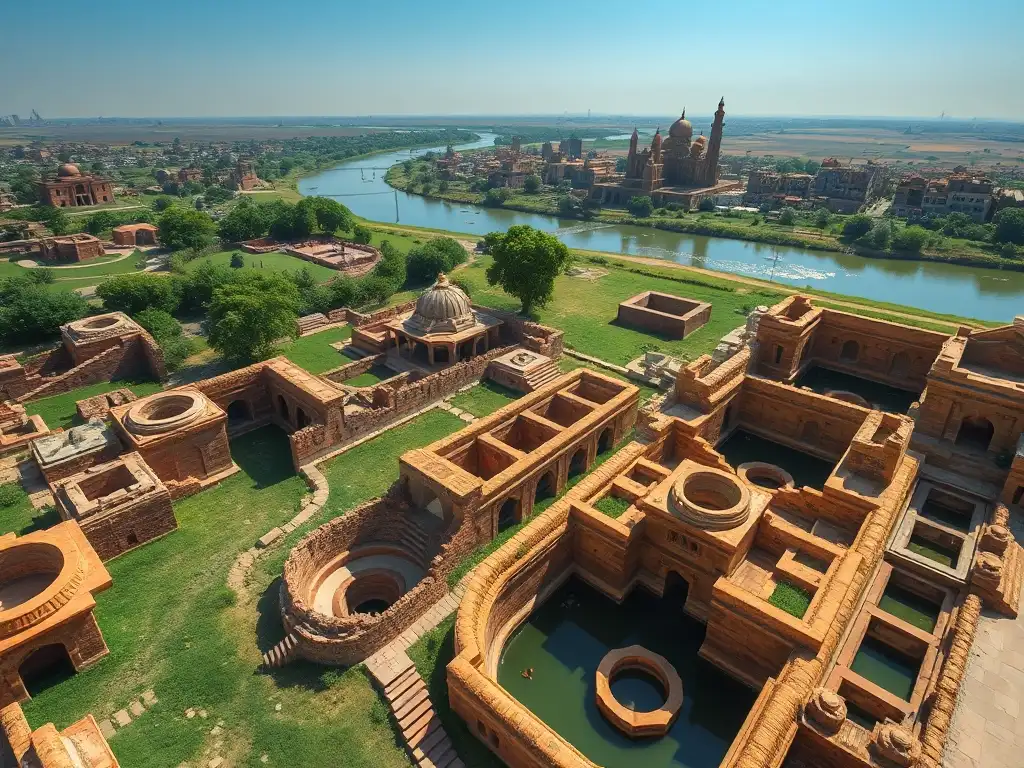
Welcome to Ancient India History, where we embark on a fascinating journey through time to uncover the rich tapestry of ancient Indian civilizations. In our featured article, "The Indus Valley Civilization: Pioneers of Advanced Water Management Systems," we delve into the ingenious engineering marvels that not only sustained a thriving society but also laid the groundwork for modern hydraulic innovations.
Curious about how these ancient techniques transformed landscapes and lives? Join us as we explore the profound legacy of the Indus Valley and its contributions to our understanding of water management, inviting you to discover the secrets that shaped one of the world's earliest urban centers.
The Indus Valley Civilization (IVC), flourishing between approximately 3300 BCE and 1300 BCE in present-day Pakistan and northwest India, is renowned for its remarkable advancements in urban planning and engineering. Among its many innovations, the water management systems of the Indus Valley stand out as a testament to their sophisticated understanding of hydrology and civil engineering. This civilization, often overshadowed by its contemporaries in Mesopotamia and Egypt, developed an extensive network of drainage, irrigation, and water storage solutions that would influence future societies.
Exploring the intricacies of the Indus Valley water management systems not only provides insight into the practical challenges faced by these ancient people but also highlights their ingenuity in overcoming environmental obstacles. This article delves into the various components of these systems, examining how they contributed to the civilization's sustainability and success, offering lessons that resonate even in modern times. As we unravel the complexities of their infrastructure, we will also reflect on the enduring legacy of this remarkable civilization in the broader context of ancient Indian history.
Overview of the Indus Valley Water Management Systems
The Indus Valley Civilization was characterized by its impressive urban centers, such as Harappa and Mohenjo-Daro, which were meticulously planned and constructed. At the core of these cities was a sophisticated water management system that included:
- Complex Drainage Systems:
- The cities had well-planned drainage systems with covered drains running along major streets, designed to carry waste and stormwater away from residential areas.
- These drains were constructed using baked bricks, showcasing advanced engineering techniques.
- Water Supply and Storage:
- The civilization built large reservoirs and wells, ensuring a steady supply of water for domestic use and agriculture.
- Evidence suggests that water was sourced from nearby rivers and through meticulous rainwater harvesting techniques.
- Irrigation Practices:
- The agricultural success of the Indus Valley depended on effective irrigation systems that diverted water from rivers to fields, supporting the cultivation of staple crops like wheat and barley.
- Techniques included the use of canals and bunds to control water flow and prevent flooding.
Importance of Water Management in the Indus Valley Civilization
The effective water management systems of the Indus Valley Civilization played a crucial role in their societal development. Key points include:
- Health and Sanitation:
- The advanced drainage systems reduced the risk of waterborne diseases, contributing to the overall health of the population.
- Access to clean water sources was vital for hygiene practices, enhancing the quality of life.
- Economic Stability:
- Efficient irrigation allowed for increased agricultural productivity, which was fundamental to the economy of the Indus Valley.
- Surplus crops facilitated trade with neighboring civilizations, fostering economic growth.
- Urban Planning and Development:
- The integration of water management into urban design reflects the civilization's foresight and planning capabilities.
- Well-organized cities attracted people, promoting urbanization and cultural exchange.
Conclusion
The water management systems of the Indus Valley Civilization exemplify their advanced technological prowess and understanding of environmental dynamics. The intricate networks of drainage, irrigation, and water storage not only served practical purposes but also laid the foundation for urban development and economic prosperity. As we continue to explore this fascinating civilization, it becomes clear that their innovations in water management have left an indelible mark on the history of ancient Indian civilizations and continue to inspire modern practices in sustainability and engineering.
- Overview of the Indus Valley Water Management Systems
- Importance of Water Management in the Indus Valley Civilization
- Conclusion
- What were the main features of the Indus Valley water management systems?
- How did the Indus Valley Civilization influence modern water management?
- What materials were used in the construction of water management systems in the Indus Valley?
- How did the geography impact the water management systems of the Indus Valley?
- What role did water management play in the success of the Indus Valley Civilization?
Introduction to the Indus Valley Civilization
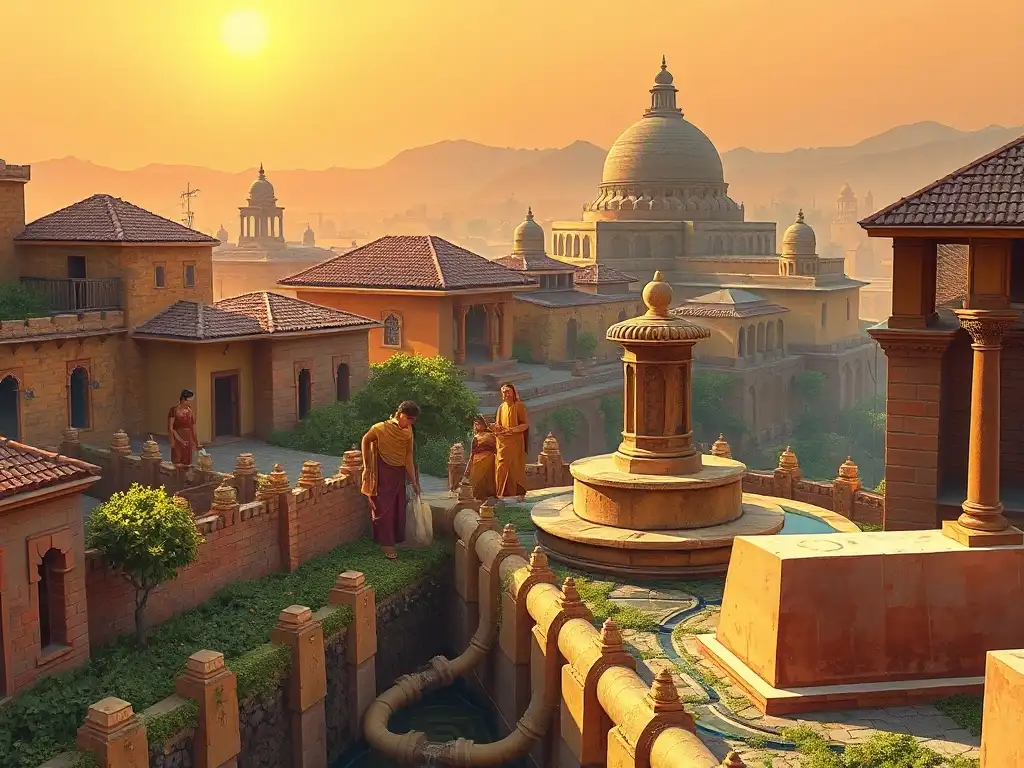
The Indus Valley Civilization (IVC), flourishing from approximately 3300 BCE to 1300 BCE in what is now Pakistan and northwest India, is recognized as one of the world's earliest urban cultures. This ancient civilization is renowned for its advanced city planning, architecture, and, notably, its sophisticated water management systems. The effective management of water resources was crucial for the sustenance of urban life, agriculture, and trade in the arid regions of the Indus Valley, highlighting the ingenuity of its inhabitants.
Overview of the Indus Valley Civilization
The IVC was characterized by well-organized cities such as Harappa and Mohenjo-Daro, featuring grid layouts and standardized baked brick buildings. The civilization was notable for:
- Urban Planning: The cities were meticulously planned with streets laid out in a grid pattern, demonstrating advanced urban design principles.
- Architecture: The use of baked bricks for construction, drainage systems, and public baths reflects architectural sophistication.
- Trade Networks: The IVC engaged in extensive trade with neighboring regions, including Mesopotamia, which facilitated the exchange of goods and ideas.
- Script and Culture: Although the Indus script remains undeciphered, artifacts suggest a rich cultural life, including pottery, seals, and figurines.
The society was primarily agrarian, relying heavily on the fertile plains along the Indus River, with cotton cultivation being a significant agricultural achievement.
Importance of Water Management in Ancient Societies
Water management was a critical aspect of life in the Indus Valley Civilization, influencing everything from agriculture to urban infrastructure. The significance of these systems can be summarized as follows:
- Agricultural Productivity: The Indus Valley's irrigation systems, including canals and reservoirs, allowed for the efficient distribution of water, supporting agriculture in a region that experienced variable rainfall. This ensured a steady food supply and contributed to population growth.
- Urban Sanitation: Advanced drainage systems were constructed to manage wastewater and prevent flooding, demonstrating a comprehensive understanding of hygiene and public health. Houses were equipped with private bathrooms that connected to a sophisticated drainage network.
- Trade and Economy: The ability to manage water resources effectively facilitated agricultural surplus, which was essential for trade. This surplus allowed the Indus Valley inhabitants to exchange goods with other civilizations, enhancing economic stability.
- Sustainability: The strategic management of water resources reflects an early understanding of sustainability practices. The Indus people developed systems that not only met immediate needs but also aimed to preserve resources for future generations.
The innovations in Indus Valley water management systems exemplify the civilization's advanced understanding of engineering and environmental stewardship, laying the groundwork for future generations to build upon and adapt their techniques.
The Need for Advanced Water Management Systems
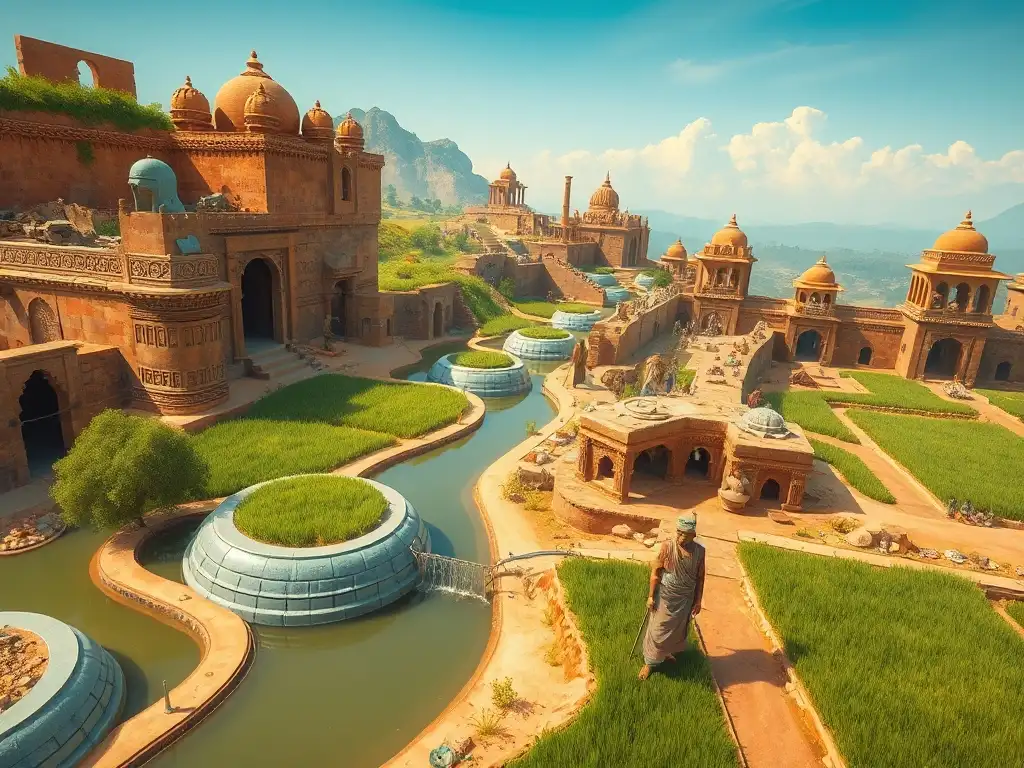
The Indus Valley Civilization, known for its remarkable urban planning and engineering, displayed an advanced understanding of water management systems that were essential for sustaining life in this ancient society. The necessity for effective water management arose from a combination of geographical factors, climatic conditions, and agricultural demands that shaped the daily lives of its inhabitants.
Geographical Context of the Indus Valley
The Indus Valley, situated in present-day Pakistan and northwest India, is characterized by a diverse landscape that includes fertile plains, river systems, and arid regions. The civilization flourished around the Indus River and its tributaries, which provided a reliable source of water for drinking, agriculture, and sanitation.
- Major Rivers: The Indus River, along with the Ravi, Chenab, Jhelum, and Sutlej rivers, formed the backbone of the civilization. These rivers not only facilitated irrigation but also enabled trade and transportation.
- Floodplain Advantages: The riverbanks were conducive to agriculture due to the alluvial soil deposited by annual floods. However, this also meant that the population was vulnerable to unpredictable flooding events, necessitating robust water management strategies.
This geographical setting compelled the Indus Valley Civilization to develop sophisticated systems to harness and regulate water resources effectively.
Climatic Challenges Faced by the Indus Valley Civilization
The climate of the Indus Valley presents a complex challenge for its inhabitants. While the region experiences a monsoon season, bringing significant rainfall, the variability in precipitation levels posed risks that required advanced management techniques.
- Monsoon Variability: The monsoon, which typically arrives between June and September, can lead to both droughts and floods. Periods of heavy rainfall can inundate crops and settlements, while dry spells can result in water scarcity.
- Seasonal Changes: The seasonal shift affects agricultural cycles, making it critical for the civilization to develop systems that could store and distribute water efficiently to mitigate these climatic extremes.
To cope with these challenges, the Indus Valley Civilization implemented innovative water management systems that included reservoirs, drainage systems, and wells, allowing them to adapt to their environment effectively.
The Role of Agriculture in Water Management Needs
Agriculture was the cornerstone of the Indus Valley Civilization, underpinning its economy and social structure. The demand for reliable water sources for irrigation directly influenced the development of advanced water management systems.
- Irrigation Techniques: The civilization utilized a combination of surface and subsurface irrigation methods. Canals were constructed to divert water from rivers to fields, ensuring crops received adequate moisture.
- Crop Diversity: The ability to manage water resources allowed for the cultivation of various crops, including wheat, barley, peas, and cotton. This agricultural diversity further enhanced food security and economic stability.
- Sustainability Practices: Evidence suggests that the Indus Valley inhabitants practiced sustainable agriculture, employing crop rotation and soil management techniques to maintain soil fertility while optimizing water usage.
The sophisticated Indus Valley water management systems were integral to addressing the geographical, climatic, and agricultural challenges faced by the civilization. These systems not only facilitated a flourishing society but also laid the groundwork for future advancements in water management practices throughout history.
Key Features of Indus Valley Water Management Systems
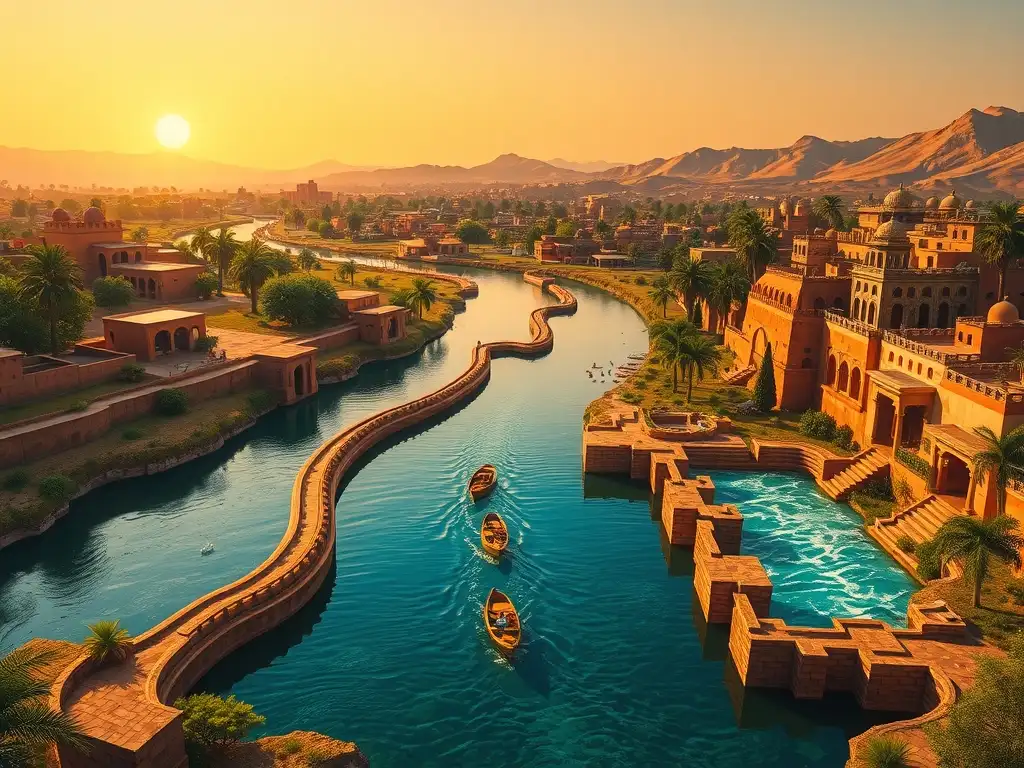
The Indus Valley Civilization, renowned for its remarkable achievements in urban planning and technology, showcased innovative water management systems that were pivotal for sustaining its populous cities. The advanced techniques developed during this era not only catered to the immediate needs of the inhabitants but also laid the groundwork for future civilizations. Below, we delve into the key features of these sophisticated water management systems.
Urban Planning and Water Distribution
The urban planning of Indus Valley cities like Harappa and Mohenjo-Daro demonstrates a highly organized approach to water distribution.
- Grid Layout: The cities were built on a grid pattern, which included well-planned streets and blocks. This design facilitated efficient water distribution from centralized sources to various sections of the city.
- Wells and Public Baths: Numerous wells were strategically placed throughout these urban centers, ensuring easy access to potable water. Additionally, the presence of public baths indicates a focus on hygiene and community sanitation.
- Water Supply System: A sophisticated system of channels and drains was employed to supply water to individual homes. The use of terracotta pipes for this purpose ensured that water was delivered efficiently and without contamination.
The meticulous planning involved in water distribution reflects the civilization's understanding of hydraulics and urban infrastructure.
Drainage Systems and Sanitation
One of the most impressive aspects of Indus Valley water management systems is the extensive drainage systems that were implemented to manage waste and stormwater.
- Covered Drains: The cities featured covered drains made from brick and stone, which were designed to carry wastewater away from residential areas. These drains were often connected to a central sewer system.
- Separation of Wastewater and Stormwater: The Indus builders implemented a system that separated sewage from rainwater. This separation prevented flooding during monsoon seasons and maintained hygiene within urban areas.
- Household Sanitation: Many homes were equipped with toilets that discharged waste into the drainage system. This level of sanitation was unprecedented for the time and highlights the civilization's commitment to public health.
The effectiveness of these drainage systems is evident in the preservation of the cities, which have remained relatively intact over millennia.
Reservoirs and Water Storage Techniques
To support agriculture and provide a steady water supply, the Indus Valley Civilization also developed sophisticated reservoirs and water storage techniques.
- Large Reservoirs: Archaeological evidence suggests that large reservoirs were constructed to collect and store rainwater. These reservoirs played a crucial role in irrigation, especially in arid regions.
- Water Harvesting Techniques: The civilization employed techniques such as check dams and embankments to enhance water retention in the landscape, maximizing the use of seasonal rains.
- Innovative Storage Solutions: Clay and stone cisterns were commonly used for storing water in homes and public buildings. The design of these cisterns ensured that water remained cool and fresh, making it suitable for consumption.
Through these advanced water storage techniques, the Indus Valley Civilization demonstrated an exceptional ability to manage and conserve water resources, ensuring sustainability for their communities.
Overall, the Indus Valley water management systems were not just functional; they were a reflection of the civilization's deep understanding of environmental dynamics and community needs, making them pioneers in the field of urban water management.
Innovations in Water Management Technologies
The Indus Valley Civilization (IVC), flourishing around 3300 to 1300 BCE, is renowned for its remarkable innovations, particularly in water management systems. These advanced techniques not only exemplify the ingenuity of ancient engineers but also underscore the civilization's ability to adapt to its environment. The IVC's water management systems played a crucial role in supporting urban life and agricultural productivity, making it one of the earliest examples of sophisticated engineering in human history.
Techniques for Rainwater Harvesting
Rainwater harvesting was a pivotal aspect of the Indus Valley water management systems. The IVC civilizations devised various methods to capture and store rainwater, ensuring a steady supply even during dry seasons. Some notable techniques include:
- Cisterns and Storage Tanks: The construction of large cisterns and storage tanks allowed for the collection of rainwater. These structures were often strategically placed to maximize runoff collection from surrounding areas. For example, the archaeological site of Dholavira features an extensive network of reservoirs designed to store rainwater.
- Sloped Terrain and Channels: The use of sloped terrain facilitated the flow of rainwater into collection points. The IVC engineers constructed channels and ditches that directed rainwater toward storage tanks, optimizing the collection process.
- Filter Systems: The civilization employed filtering systems to ensure the collected rainwater was clean. Layers of sand and gravel acted as natural filters, enhancing the water quality before it was stored for use.
These techniques not only exemplified the IVC's understanding of hydrology but also illustrated their commitment to sustainable water management—a practice that remains relevant today.
Use of Wells and Stepwells in Urban Areas
The urban centers of the Indus Valley Civilization were equipped with an intricate network of wells and stepwells, showcasing their advanced approach to groundwater management:
- Wells: The widespread use of wells allowed residents to access groundwater efficiently. These wells were often lined with bricks to prevent contamination and collapse. Evidence from sites like Mohenjo-Daro indicates that wells were meticulously constructed, often reaching significant depths.
- Stepwells: Unique to the IVC, stepwells served both functional and social purposes. These structures featured a series of steps leading down to the water level, allowing for easy access. Stepwells not only provided a reliable water source but also served as communal gathering places, highlighting the social aspects of water management.
- Water Quality Maintenance: The IVC's builders took measures to maintain the quality of well water. Regular maintenance ensured that wells remained clean and functional, reflecting an early understanding of hygiene and public health.
This sophisticated use of wells and stepwells exemplifies the IVC's commitment to ensuring a reliable water supply for their urban populations, which was essential for the thriving civilizations of the time.
Flood Control Mechanisms and River Management
The Indus Valley Civilization faced significant challenges related to flooding and river management, particularly due to the seasonal monsoons. To mitigate these challenges, they implemented several innovative strategies:
- Dikes and Embankments: The construction of dikes and embankments along riverbanks helped control flooding during the monsoon season. These structures were designed to redirect excess water away from urban areas, protecting settlements from potential inundation.
- Canal Systems: The IVC developed an extensive network of canals for irrigation and drainage. These canals facilitated controlled water distribution for agricultural purposes while also serving as flood control mechanisms during heavy rainfall. The precise engineering of these canals demonstrates a sophisticated understanding of hydrological principles.
- Urban Planning: The layout of Indus Valley cities was strategically designed to manage water flow. The grid-like city planning included avenues that allowed for efficient drainage. Streets were often elevated, helping to prevent water accumulation during floods.
The combination of these flood control mechanisms and river management strategies highlights the Indus Valley Civilization's resilience and adaptability in the face of environmental challenges, solidifying its legacy as pioneers of advanced water management systems.
Comparison with Other Ancient Civilizations
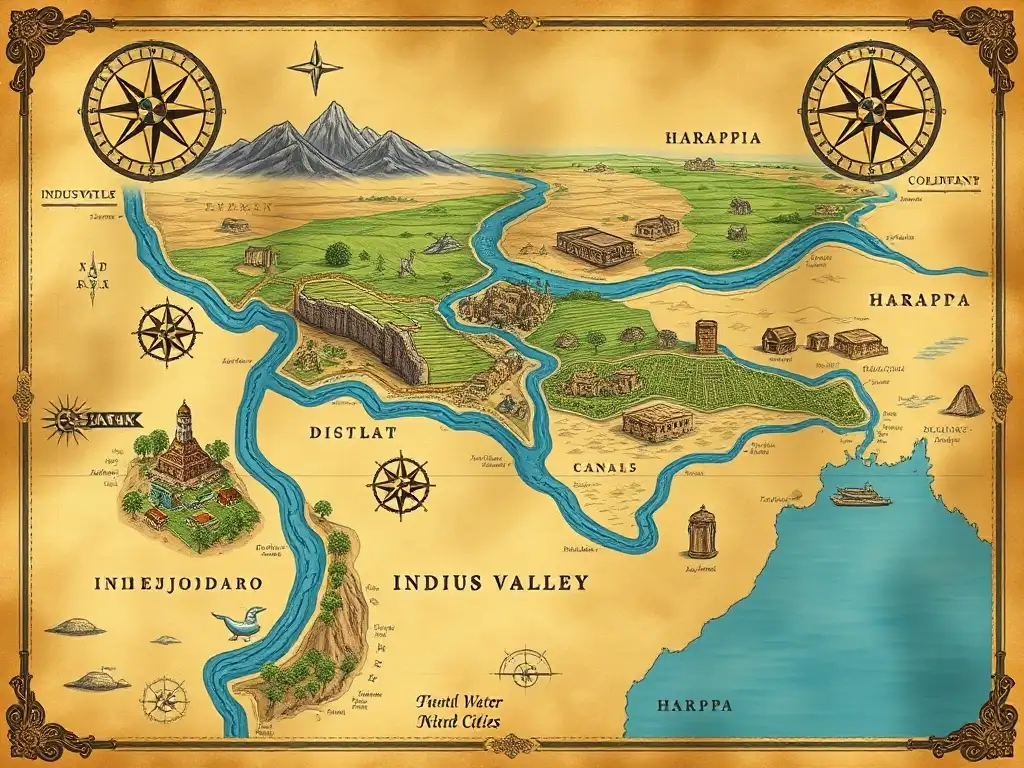
Indus Valley vs. Mesopotamian Water Management Systems
The Indus Valley Civilization (IVC) and Mesopotamia are two of the earliest urban societies known for their sophisticated water management systems. While both civilizations recognized the importance of managing water resources for agriculture, trade, and sanitation, their approaches exhibited notable differences.
- Engineering Techniques:
- The IVC is renowned for its advanced drainage systems, featuring covered drains that ran along the streets of cities like Mohenjo-Daro and Harappa. These drains were designed to carry waste and rainwater away efficiently.
- In contrast, Mesopotamians primarily relied on canals and levees to manage river systems like the Tigris and Euphrates. Their systems were often prone to flooding and required constant maintenance.
- Water Source Utilization:
- The IVC utilized a combination of river water from the Indus River and groundwater through wells, showcasing a dual approach to water sourcing.
- Mesopotamia depended heavily on river water, which required intricate irrigation systems to divert water for agricultural purposes.
- Urban Planning:
- Indus Valley cities were meticulously planned with a grid layout, where water management was an integral part of urban design, ensuring accessibility for all inhabitants.
- Mesopotamian cities, while also advanced, often grew organically, leading to varying levels of access to water resources.
The effectiveness of the Indus Valley water management systems contributed to the civilization's sustainability, allowing it to thrive for centuries without the same degree of environmental degradation faced by Mesopotamia.
Indus Valley vs. Egyptian Water Management Techniques
The Indus Valley and Ancient Egypt represent two remarkable civilizations that utilized water management systems to support their societies, yet their techniques and priorities differed significantly.
- Geographical Influence:
- The IVC's reliance on the Indus River and its tributaries led to a sophisticated use of groundwater, evident in their well-constructed wells that provided clean drinking water.
- Conversely, the Egyptians primarily depended on the Nile River, with a focus on seasonal flooding to irrigate their fields. They developed basin irrigation, which involved trapping floodwaters in fields.
- Infrastructure:
- Indus Valley cities featured a network of drainage systems and large public baths that emphasized hygiene and community health. These structures indicate a strong understanding of public health and sanitation.
- Egyptian water management revolved around canals and dikes, with less emphasis on drainage systems. Their approach was more focused on capturing and channeling floodwaters effectively.
- Cultural Significance:
- Water in the IVC was not just a resource but also a symbol of urban sophistication and community planning. The presence of public baths in Harappa signifies the importance of cleanliness in their culture.
- In ancient Egypt, the Nile held a central role in religious and cultural practices, often worshiped as a divine entity, reflecting a different approach to water management and its cultural implications.
These differences highlight the innovative nature of the Indus Valley water management systems, which combined practicality with urban planning, setting them apart from their Egyptian counterparts.
Unique Aspects of Indus Valley Water Management
The Indus Valley water management systems stand out for several unique characteristics that reflect the civilization's ingenuity and adaptability:
- Advanced Drainage Systems:
- The extensive drainage network in cities like Mohenjo-Daro was revolutionary. Drains were made from brick and were often covered, preventing blockages and maintaining hygiene standards. This system is considered one of the earliest examples of urban sanitation.
- Rainwater Harvesting:
- Evidence suggests that the IVC also practiced rainwater harvesting, collecting water during monsoon seasons for agricultural and domestic use. This method increased their resilience against droughts and water scarcity.
- Standardized Construction:
- The use of uniform bricks for wells and drainage systems indicates a high level of planning and governance. This standardization not only facilitated construction but also ensured that water management infrastructures were durable and efficient.
- Integration with Urban Planning:
- Water management was seamlessly integrated into the urban layout, with wells and drainage systems strategically placed to serve the maximum number of residents. This holistic approach to city planning reflects a deep understanding of community needs.
- Community Involvement:
- The design and maintenance of these water systems likely involved community participation, which fostered a sense of ownership and responsibility among inhabitants. This communal approach is evident in the shared public spaces and facilities like baths.
The Indus Valley water management systems were not only advanced for their time but laid the groundwork for future civilizations to build upon. Their innovative techniques and community-focused designs continue to be a topic of study and admiration today.
The Impact of Water Management on Indus Valley Society

The Indus Valley Civilization (IVC) is renowned for its remarkable achievements, particularly in the realm of water management systems. These sophisticated infrastructures not only influenced the daily lives of the inhabitants but also shaped the socioeconomic and cultural landscape of the civilization. Understanding the impact of these water management systems reveals the ingenuity and adaptability of the Indus Valley people.
Socioeconomic Development Driven by Water Systems
The water management systems of the Indus Valley were pivotal in supporting agricultural productivity, which was the backbone of the civilization's economy. The strategic construction of wells, reservoirs, and drainage systems facilitated irrigation, allowing for the cultivation of various crops, including wheat, barley, and cotton.
- Agricultural Expansion: The effective use of water resources led to increased crop yields, which in turn supported a larger population. This agricultural surplus enabled trade with neighboring regions, fostering economic growth.
- Trade Networks: The abundance of agricultural products created opportunities for commerce. The Indus Valley people established extensive trade networks, exchanging goods such as textiles and pottery with other ancient civilizations, including Mesopotamia.
- Craft Specialization: Water management systems also contributed to the development of specialized crafts. Artisans could focus on their trades, such as pottery and metallurgy, without the constant struggle for water resources, leading to a more diverse economy.
The Relationship Between Water Management and Urbanization
The urban planning of the Indus Valley Civilization is often cited as one of the most advanced of its time. The sophisticated water management systems were integral to the growth of urban centers like Harappa and Mohenjo-Daro.
- Planned Urban Layouts: Cities were meticulously designed, with streets laid out in a grid pattern and homes constructed with baked bricks. Water supply systems included wells and public baths, highlighting the importance of hygiene and sanitation.
- Drainage Systems: The presence of covered drainage systems allowed for the efficient disposal of wastewater, preventing flooding and contributing to public health. This level of urban sanitation was unparalleled in the ancient world.
- Centralized Governance: The complexity of water management likely necessitated a form of centralized authority to oversee resource allocation and urban planning. This governance structure may have contributed to the stability and longevity of the civilization.
Cultural Significance of Water in Indus Valley Civilization
Water held profound cultural significance for the people of the Indus Valley. Beyond its practical uses, water was intertwined with their spiritual and social practices.
- Rituals and Beliefs: Archaeological evidence suggests that water played a crucial role in various rituals. The presence of large baths, such as the Great Bath at Mohenjo-Daro, indicates that water was used for purification and possibly religious ceremonies.
- Symbolism of Fertility: Water was often associated with fertility and prosperity. The reliance on water for agriculture made it a vital element in the agricultural calendar, linked to seasonal festivals and community gatherings.
- Social Cohesion: Water management systems fostered a sense of community. Shared resources necessitated cooperation and collective action, strengthening social bonds among the inhabitants.
The Indus Valley water management systems were not merely functional; they were foundational to the civilization's socioeconomic development, urbanization, and cultural identity. The legacy of these advanced systems continues to be a subject of fascination and study, underscoring the ingenuity of one of history's most remarkable civilizations.
Decline of the Indus Valley Civilization and Its Water Systems
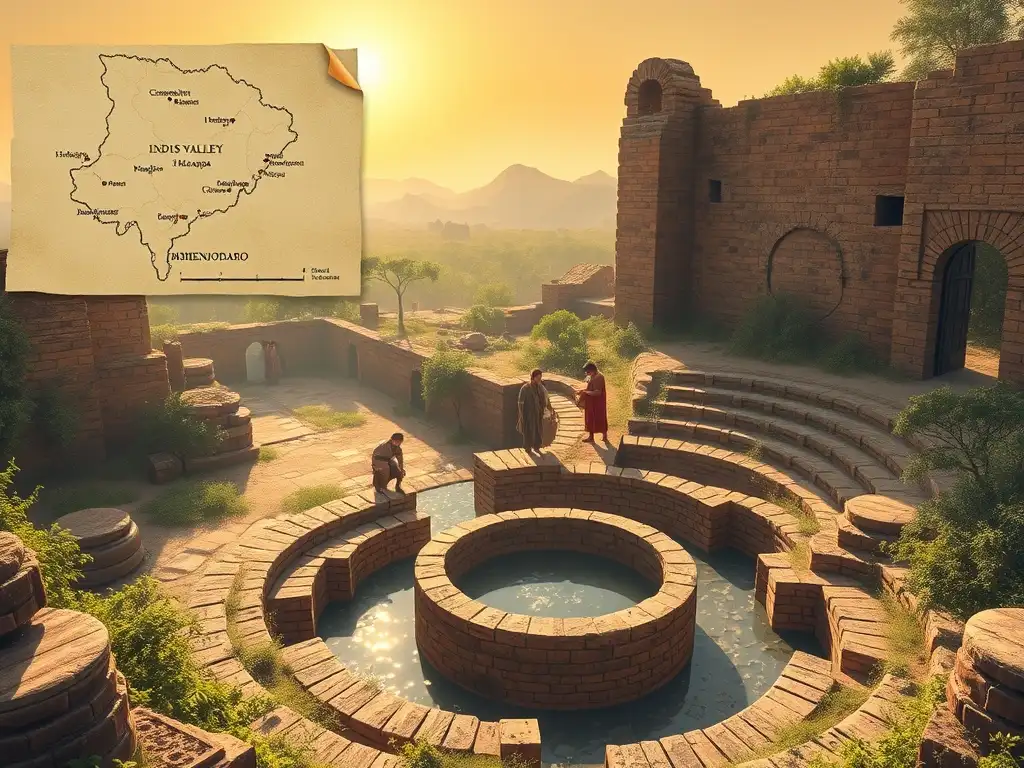
The decline of the Indus Valley Civilization (IVC) is a complex phenomenon influenced by various interrelated factors. The remarkable advancements in the Indus Valley water management systems played a significant role in the daily life and sustainability of this ancient civilization. However, as these systems faced challenges, the civilization itself began to deteriorate.
Factors Leading to the Decline
Several factors contributed to the decline of the Indus Valley Civilization, which can be categorized into environmental, socio-economic, and political influences:
- Environmental Changes:
- Climate Change: Shifts in climate resulted in decreased rainfall and prolonged droughts, affecting the agricultural productivity that sustained the population.
- River Shifts: The Sarasvati River, a crucial water source, experienced changes in its course, leading to water scarcity in formerly fertile areas.
- Socio-Economic Factors:
- Trade Declines: The IVC was heavily reliant on trade with neighboring regions. Disruptions in trade routes due to various reasons, including environmental factors and political instability, led to economic decline.
- Resource Depletion: Overexploitation of resources, particularly in agriculture and trade, diminished the local economy's resilience, contributing to societal collapse.
- Political Instability:
- Invasions and Conflicts: External invasions and internal conflicts may have weakened the central authority, leading to a breakdown of social order and infrastructure maintenance.
- Erosion of Social Structures: The decline of urban centers and the resultant migration of populations affected the management of water resources, disrupting established systems.
Impact of Environmental Changes on Water Management
Environmental changes had profound effects on the Indus Valley water management systems. The civilization's advanced infrastructure, including wells, drainage systems, and reservoirs, was intricately linked to the region's hydrology:
- Diminished Water Supply: As rainfall patterns shifted and rivers changed course, water supply became inconsistent. The extensive canal systems, which were designed to distribute water efficiently, could no longer function optimally under these new conditions.
- Increased Salinity: With reduced water flow, areas of irrigation began to suffer from salinity, making the soil less arable and impacting crop yields.
- Urban Decline: Many urban centers in the IVC were dependent on well-maintained water systems. The failure of these systems contributed to the decline of major cities like Mohenjo-Daro and Harappa, leading to their eventual abandonment.
Lessons Learned from the Indus Valley Water Systems
The Indus Valley water management systems offer valuable lessons that remain pertinent today, particularly in the context of modern environmental challenges:
- Sustainable Practices: The IVC’s integration of water management with urban planning highlights the importance of sustainable practices in resource management. Modern societies can learn from their holistic approach that combined agriculture, sanitation, and water supply.
- Adaptability: The ability to adapt to changing environmental conditions is crucial. The decline of the IVC underscores the need for flexible and resilient water management systems that can withstand climate variability.
- Community Engagement: The success of water management in the IVC was likely a collective effort. Involving communities in the management and stewardship of water resources can enhance sustainability and resilience.
- Preservation of Infrastructure: The IVC illustrates the importance of maintaining infrastructure. Regular maintenance of water systems is essential to prevent degradation and ensure long-term functionality.
The decline of the Indus Valley Civilization and its water management systems serves as a poignant reminder of the intricate relationships between environmental factors, societal resilience, and the sustainable use of resources. By studying these ancient practices, contemporary societies can glean insights to inform modern water management strategies.
Conclusion
Summary of the Indus Valley Water Management Systems
The Indus Valley Civilization (IVC), which thrived between approximately 3300 BCE and 1300 BCE, is renowned for its sophisticated water management systems that set a precedent for future civilizations. The IVC's urban planning showcased advanced techniques such as:
- Well-constructed drainage systems: The cities of Harappa and Mohenjo-Daro featured extensive networks of covered drains, which effectively removed waste and stormwater, thus minimizing flooding and ensuring sanitation.
- Water reservoirs and tanks: Large water reservoirs, like the Great Bath of Mohenjo-Daro, served both ritualistic and practical purposes, providing the community with a reliable source of water.
- Advanced irrigation techniques: The inhabitants utilized a combination of canals and embankments to channel river water for agricultural purposes, ensuring fertile lands that supported their economy.
These innovations highlight the remarkable engineering capabilities of the IVC, which prioritized public health and agricultural productivity through efficient water management.
Legacy of the Indus Valley in Modern Water Management Practices
The legacy of the Indus Valley water management systems endures in contemporary practices, influencing modern engineering and urban planning. Some notable influences include:
- Urban drainage systems: Modern cities around the world have adopted principles derived from the IVC, integrating complex drainage solutions to tackle urban flooding.
- Reservoir construction: The concept of creating large water bodies for storage, initially practiced by the Indus Valley engineers, remains a cornerstone in water resource management today.
- Irrigation engineering: Techniques for managing water flow and distribution in agriculture continue to evolve from early practices established by the IVC, particularly in regions that face water scarcity.
The importance of sustainable water management, as demonstrated by the Indus Valley, is being increasingly recognized in the face of climate change and urbanization, making their ancient practices more relevant than ever.
Final Thoughts on Ancient Innovations in Water Management
Reflecting on the Indus Valley Civilization's innovations in water management systems emphasizes the ingenuity and foresight of ancient engineers. Their ability to create complex infrastructures demonstrates a profound understanding of hydrology, urban planning, and community needs.
As we face contemporary challenges such as water scarcity and environmental degradation, revisiting these ancient practices can provide insights into sustainable solutions. The pioneering spirit of the Indus Valley not only laid the groundwork for future civilizations but also continues to inspire modern water management strategies aimed at fostering resilience and sustainability in our ever-changing world.
Frequently Asked Questions
What were the main features of the Indus Valley water management systems?
The Indus Valley water management systems included advanced drainage, well-planned reservoirs, and irrigation techniques that supported agriculture and urban sanitation.
How did the Indus Valley Civilization influence modern water management?
The Indus Valley Civilization set a foundation for modern water management practices through their innovative techniques in drainage and irrigation, which are still studied today.
What materials were used in the construction of water management systems in the Indus Valley?
The Indus Valley Civilization primarily used baked bricks, clay, and stone to construct their water management systems, ensuring durability and efficiency.
How did the geography impact the water management systems of the Indus Valley?
The geography of the Indus Valley, characterized by rivers and fertile plains, necessitated the development of robust water management systems to optimize irrigation and control flooding.
What role did water management play in the success of the Indus Valley Civilization?
Effective water management was crucial for the agricultural productivity and urban planning of the Indus Valley Civilization, ultimately contributing to its economic stability and growth.
Final Reflection: The Enduring Legacy of Indus Valley Water Management Systems
The ingenuity of the Indus Valley Civilization's water management systems continues to resonate in today's world, highlighting the critical importance of sustainable practices in our increasingly urbanized societies. As we face unprecedented challenges related to water scarcity and climate change, the lessons learned from this ancient civilization remind us that innovative solutions can emerge from a deep understanding of our environment. The sophisticated techniques employed by the Indus Valley people not only ensured their survival but also laid the groundwork for future generations to build upon.
The impact of the Indus Valley's water management systems is evident in modern discussions about sustainability and resource management. As we navigate the complexities of contemporary water issues, we can draw inspiration from the past. The meticulous planning and execution of their hydraulic engineering demonstrate a profound respect for nature and community needs. The greatest threat to our planet is the belief that someone else will save it.
– Robert Swan. This quote encapsulates the urgency of taking responsibility for our water resources, echoing the proactive spirit of the Indus Valley civilization.
As you reflect on the remarkable achievements of the Indus Valley Civilization, consider how you can apply these lessons in your own life. Embrace the challenge of sustainable living by being mindful of your water usage and advocating for responsible management in your community. Each small action contributes to a larger movement toward preserving our planet's precious resources. Let the legacy of the Indus Valley inspire you to become a steward of water, ensuring that future generations can thrive in a world where water is both abundant and wisely managed.
Uncover Your Path to Sustainability!
Thank you for diving into the fascinating world of the Indus Valley Civilization and their groundbreaking water management systems. You’ve gained valuable insights into how these pioneers shaped sustainability in ancient times. Now, it’s your turn to take inspiration from their innovations and apply them to your own life!
- Start a conversation about water conservation within your community—host a discussion group or a social media event to share insights and best practices.
- Explore local initiatives aimed at sustainable water management—volunteer or participate in projects that reflect the wisdom of ancient civilizations.
- Implement small changes in your daily routine—consider practices like rainwater harvesting or reducing water waste to contribute to a more sustainable future.
Which sustainable water practice inspired you the most, and how will you incorporate it into your life? Let's discuss!