
Homes of the Indus Valley: Architectural Marvels and Daily Living Spaces

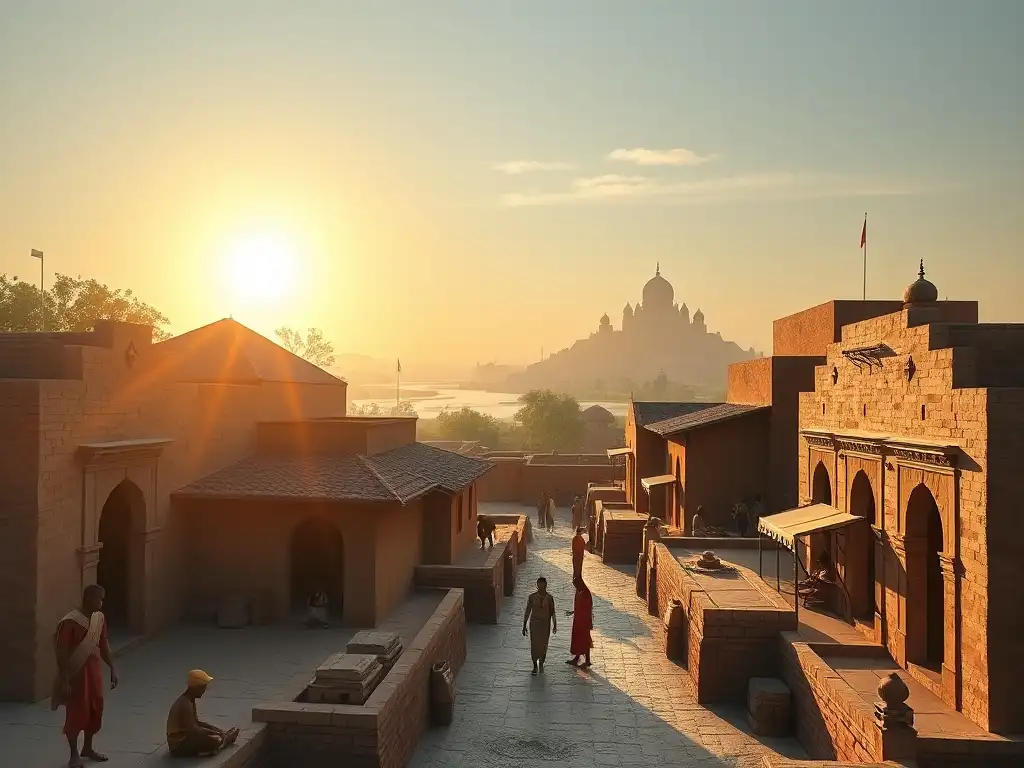
Welcome to Ancient India History, where we embark on a fascinating journey through the rich tapestry of ancient Indian civilizations. In our featured article, “Homes of the Indus Valley: Architectural Marvels and Daily Living Spaces,” we delve into the remarkable Indus Valley architectural features that shaped the living spaces of one of history's most advanced societies. Discover how these innovative designs reflect the daily life, culture, and ingenuity of the people who once thrived along the banks of the Indus River.
Curious to uncover the secrets of these ancient homes? Join us as we explore the past and unveil the marvels that continue to inspire!
- Introduction to Indus Valley Civilization Architecture
- Key Indus Valley Architectural Features
- Daily Living Spaces in the Indus Valley
- Cultural Significance of Indus Valley Architectural Features
- Conclusion: Legacy of Indus Valley Architectural Features
-
Frequently Asked Questions
- What are the key architectural features of the Indus Valley civilization?
- How did the homes in the Indus Valley differ from those in other ancient civilizations?
- What materials were primarily used in Indus Valley architecture?
- How did the urban planning of the Indus Valley cities reflect their culture?
- What was the significance of drainage systems in Indus Valley homes?
- Final Reflection: The Enduring Legacy of Indus Valley Architectural Features
- Unveil the Wonders of Indus Valley Homes!
Introduction to Indus Valley Civilization Architecture
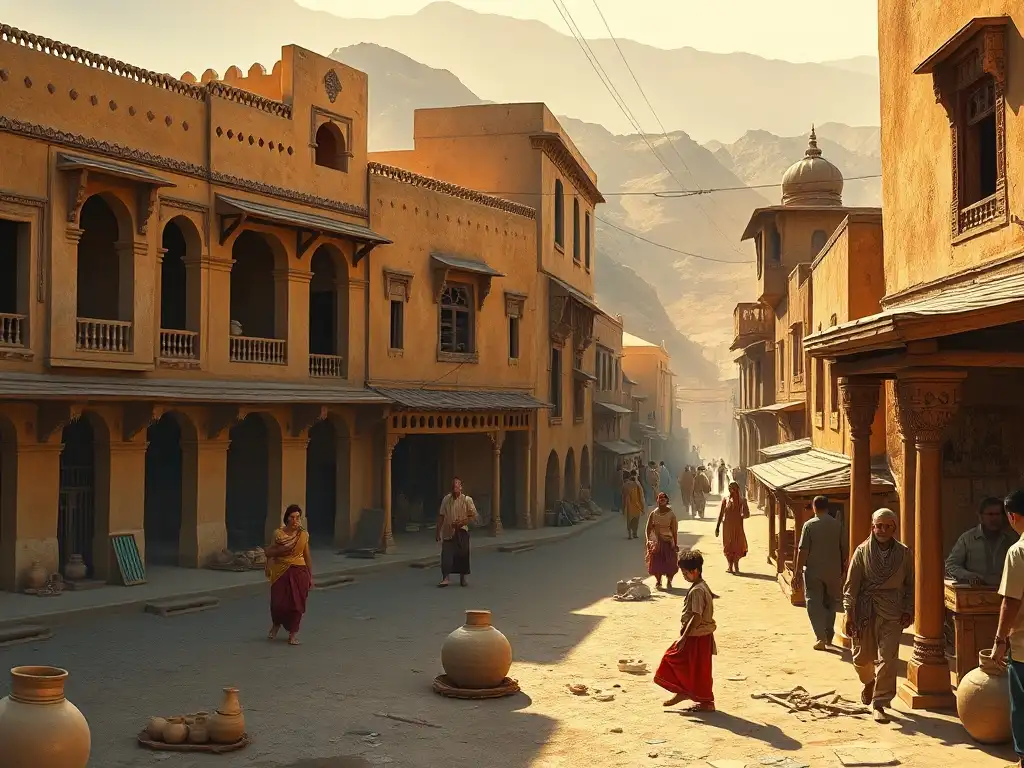
The Indus Valley Civilization (IVC), one of the world's earliest urban cultures, flourished around 2500 BCE in what is now modern-day Pakistan and northwest India. This ancient civilization is renowned for its sophisticated urban planning, advanced drainage systems, and remarkable architectural features, which reflect the ingenuity and adaptability of its people. The homes and public structures of the IVC not only served functional purposes but also provided insight into the social, economic, and cultural practices of the time.
Exploring the Indus Valley architectural features allows us to appreciate the technological advancements and aesthetic sensibilities that characterized daily life in this remarkable civilization. From the well-constructed brick houses to the intricate layouts of entire cities, the architectural marvels of the Indus Valley continue to captivate historians, archaeologists, and enthusiasts alike.
Overview of the Indus Valley Civilization
The Indus Valley Civilization thrived between approximately 3300 BCE and 1300 BCE, encompassing a vast region that included major cities such as Harappa and Mohenjo-Daro. This civilization is notable for its:
- Urban Planning: Cities were meticulously designed with a grid layout, featuring wide streets and advanced drainage systems that showcase their understanding of sanitation and urban infrastructure.
- Standardized Measurements: The use of uniform bricks and standardized weights and measures indicates a high degree of organization and trade.
- Trade Networks: The IVC engaged in extensive trade with neighboring cultures, evidenced by artifacts found in distant locations.
The blend of these factors contributed to a thriving society that excelled in various aspects, including agriculture, craftsmanship, and trade.
Importance of Architectural Features in Daily Living
Architectural features in the Indus Valley Civilization were not merely aesthetic; they played a vital role in the daily lives of its inhabitants. Key elements include:
- Residential Structures: Homes were often two or more stories high, constructed from baked bricks, with flat roofs that provided additional living space. This design allowed families to adapt their homes to the region's climate.
- Public Buildings: Structures such as granaries, warehouses, and possibly public baths highlight the civilization's emphasis on community and hygiene. The Great Bath of Mohenjo-Daro, for instance, is believed to have been a significant social and ritual site.
- Drainage Systems: The advanced drainage systems, with covered drains running along the streets and inside homes, illustrate the importance placed on cleanliness and public health.
The architectural features of the Indus Valley Civilization were intricately linked to daily living, reflecting the values, priorities, and technological advancements of this remarkable society. Understanding these features provides a deeper insight into how the people of the IVC navigated their environment and structured their lives.
Key Indus Valley Architectural Features
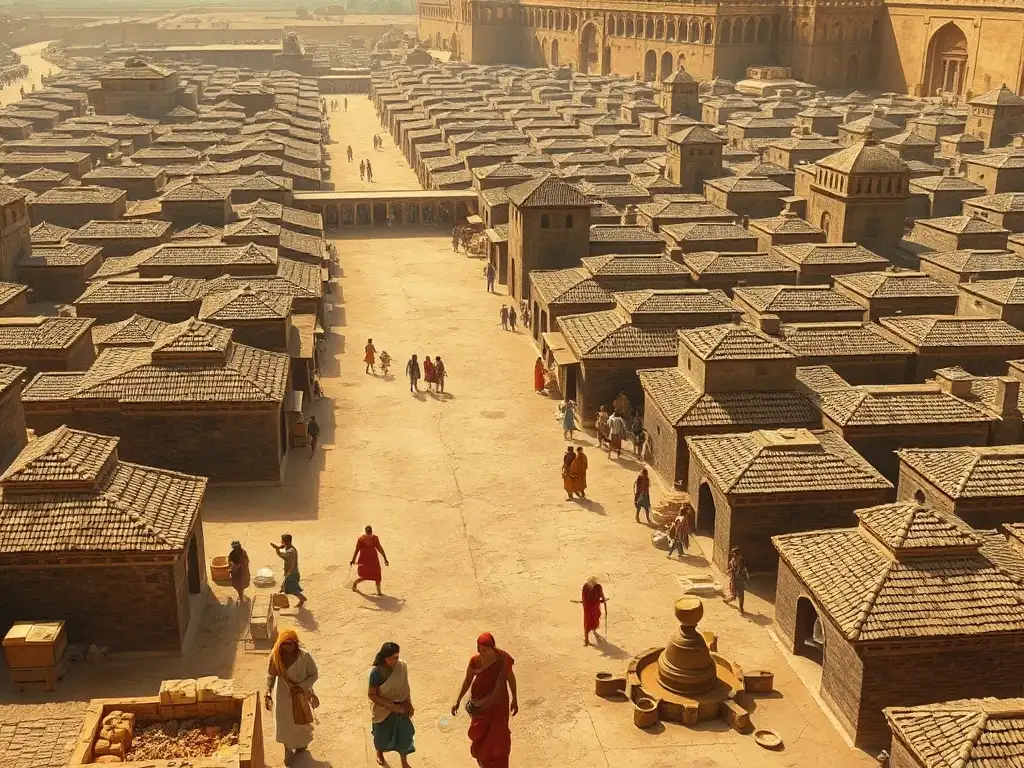
The Indus Valley Civilization, renowned for its advanced urban planning and architectural prowess, showcases a variety of architectural features that are both functional and aesthetically significant. These features reflect the sophisticated society that thrived between 2600 and 1900 BCE in what is now modern-day Pakistan and northwest India. The architectural elements not only served practical purposes but also indicated a community that prioritized organization, hygiene, and craftsmanship.
Urban Planning of Indus Valley Cities
Urban planning in the Indus Valley Civilization demonstrates a high degree of sophistication, suggesting an advanced level of social organization and civic administration.
Grid Layout and City Organization
The layout of Indus Valley cities, such as Harappa and Mohenjo-Daro, is characterized by a grid pattern, consisting of straight streets that intersect at right angles. This systematic organization can be summarized as follows:
- Regular Street Widths: Streets were typically about 30 feet wide, allowing for easy movement of people and goods.
- Zoning: Different areas were designated for residential, commercial, and industrial purposes, highlighting a planned approach to urban living.
- Public Spaces: Large public squares and marketplaces were integrated into the city layout, facilitating trade and social interaction.
The use of a grid layout not only optimized space but also allowed for efficient navigation, which was crucial for a bustling urban environment.
Drainage Systems and Sanitation
One of the most remarkable aspects of Indus Valley architecture is the sophisticated drainage systems that were implemented throughout the cities. These features included:
- Covered Drains: Most streets had covered drains made of baked bricks, which ensured that waste and rainwater were effectively channeled away from residential areas.
- Household Sanitation: Many homes had private bathrooms connected to the drainage system, reflecting a strong emphasis on hygiene and sanitation.
- Sewage Treatment: Evidence of sewage treatment suggests that the Indus Valley people had a basic understanding of waste management, which was crucial for maintaining public health in densely populated areas.
This focus on sanitation is indicative of a civilization that valued cleanliness and public health, setting a precedent for future urban planning in the region.
Materials Used in Indus Valley Construction
The construction techniques and materials utilized by the Indus Valley builders were vital to the durability and functionality of their architecture.
Brickmaking Techniques
Bricks were the primary building material in the Indus Valley Civilization, with distinctive features that contributed to their strength and longevity:
- Standardized Size: The bricks were typically made in uniform sizes, measuring approximately 10.5 x 5.5 x 3 inches, which facilitated efficient construction.
- Kiln-Fired Bricks: These bricks were baked in kilns, resulting in a hard and durable product that could withstand the test of time.
- Use of Mud and Straw: In addition to clay, mud and straw were often mixed into the brick-making process to enhance the material's stability.
The advanced brickmaking techniques not only contributed to the architectural integrity of the structures but also allowed for the creation of impressive public buildings and residential complexes.
Use of Stone and Wood
While bricks were predominant, the Indus Valley architects also employed stone and wood in their construction, adapting materials to various needs:
- Stone for Drainage and Foundations: Stone was commonly used for the foundational structures and drainage systems, ensuring durability and strength.
- Wood for Roofs and Furniture: Although not as abundant as bricks, wood was utilized in roofing and furniture, indicating a resourceful approach to construction.
The strategic combination of these materials reflects the ingenuity of the Indus Valley people and their ability to make the most of their available resources, resulting in structures that are still admired today.
The architectural features of the Indus Valley Civilization, characterized by advanced urban planning, innovative materials, and construction techniques, reveal a society that was both organized and forward-thinking, laying the groundwork for many aspects of urban living that are still relevant in contemporary society.
Major Structures in Indus Valley Architecture
The Indus Valley Civilization, one of the world's earliest urban cultures, is renowned for its sophisticated architectural features that reflect advanced urban planning and social organization. Key structures within these ancient cities showcase remarkable engineering techniques and materials, highlighting the civilization's ingenuity. The major structures can be categorized into residential homes, public buildings, and religious sites, each serving distinct functions that contributed to daily life and societal structure.
Residential Homes and Their Layouts
Residential homes in the Indus Valley were characterized by their uniformity, practicality, and advanced urban planning. Most houses were constructed with baked bricks, which provided durability and insulation. The typical layout featured:
- Courtyards: Many homes included central courtyards that served as gathering spaces, promoting community interaction and ventilation.
- Multiple Rooms: Houses often had several rooms designated for various purposes, including living quarters, storage, and cooking. Some homes even had separate bathing areas, indicative of the importance of hygiene.
- Drainage Systems: A notable feature of Indus Valley architecture was the sophisticated drainage systems integrated into residential areas, which allowed for effective waste disposal and water management.
The homes were typically organized in grid patterns, reflecting meticulous planning and an emphasis on orderliness, which facilitated efficient movement and access to common amenities.
Public Buildings and Granaries
Public buildings and granaries were central to the socio-economic framework of the Indus Valley Civilization. These structures served essential roles in trade, administration, and storage:
- Granaries: Large granaries have been discovered in key sites like Harappa and Mohenjo-Daro. These structures were strategically located to facilitate the collection and storage of surplus grain, essential for trade and food security. The design often included ventilation systems to prevent spoilage and protect against pests.
- Public Baths: The Great Bath at Mohenjo-Daro is one of the civilization's most iconic structures, believed to be used for ritualistic and communal bathing. Its advanced waterproofing techniques reflect a sophisticated understanding of hydraulics.
- Assembly Halls: Some buildings are thought to have served as assembly halls or administrative centers, possibly used for community gatherings or governance. Their large, open spaces indicate a capacity for public engagement and decision-making.
These public structures highlight the civilization's emphasis on communal activities and efficient resource management, fostering a sense of collective identity.
Religious Structures and Their Significance
Religious structures in the Indus Valley Civilization reflect a complex belief system and the importance of ritual in daily life. Although many religious sites remain undiscovered, the existing evidence suggests several key features:
- Fire Altars: Archaeological findings indicate the presence of fire altars, suggesting the practice of fire rituals. These altars were often constructed with great care, reflecting their significance in religious ceremonies.
- Sculptures and Figurines: Numerous terracotta figurines, possibly representing deities or ritualistic figures, have been recovered from various sites. These artifacts provide insight into the spiritual life of the Indus people and their artistic expressions.
- Symbols and Seals: The use of seals with intricate designs and symbols points to a rich tapestry of religious beliefs and practices. These seals likely played a role in trade and communication but also held spiritual significance.
The architectural features of religious structures not only reveal the civilization's spiritual practices but also their cultural values and community cohesion. The integration of these elements into everyday life illustrates a society deeply connected to its beliefs and traditions.
Daily Living Spaces in the Indus Valley
Home Design and Functionality
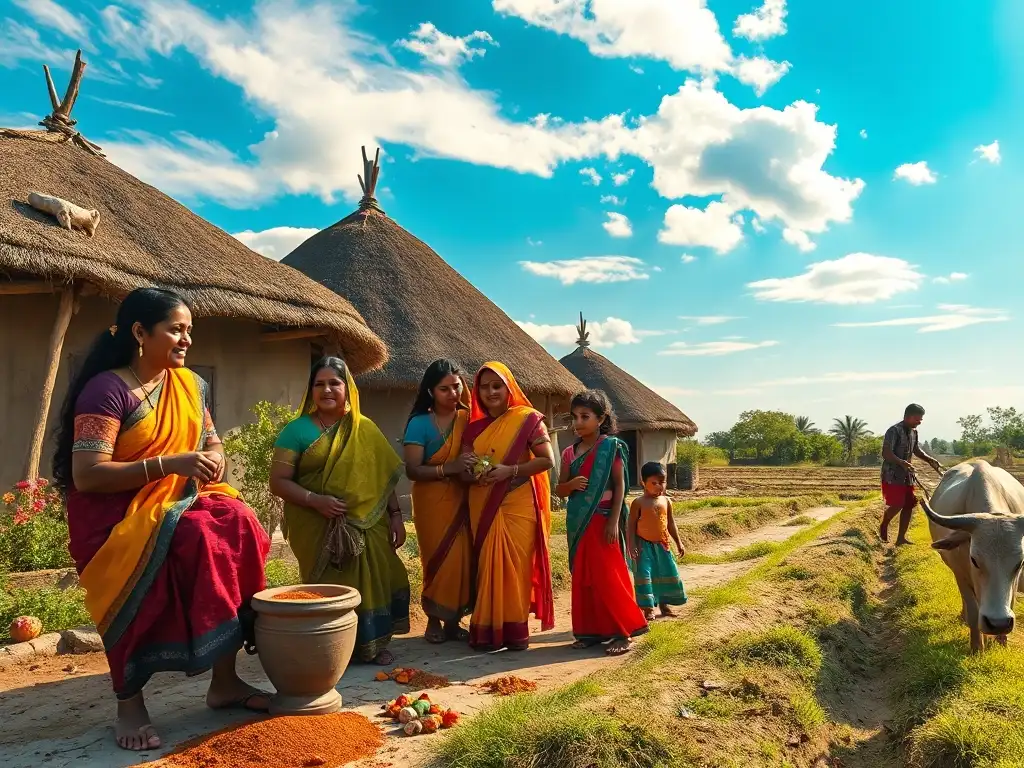
The homes of the Indus Valley Civilization are remarkable for their advanced architectural features and thoughtful design, reflecting a society that valued both functionality and aesthetics. Buildings were primarily constructed using baked bricks, which provided durability and weather resistance. The standardization of brick size and the use of mud mortar are testament to the sophisticated construction techniques employed by these ancient architects.
Indus Valley homes often featured a rectangular layout with a central courtyard, allowing for ample natural light and ventilation. The design prioritized privacy and communal living, with houses typically arranged in clusters along streets. The presence of well-planned streets, often laid out in a grid pattern, indicates a high level of urban planning, which was rare for contemporary civilizations.
Rooms and Their Purposes
Indus Valley residences generally consisted of multiple rooms, each serving distinct functions:
- Living Areas: These were used for family gatherings and daily activities, often furnished with simple mats and low seating arrangements.
- Sleeping Quarters: Designated sleeping areas were typically located at the back of the house, ensuring privacy and quiet.
- Storage Rooms: With a focus on agriculture and trade, homes had storage spaces for grains and goods, often equipped with large clay bins.
- Bathrooms: Some houses included early forms of sanitation with toilets connected to a drainage system, showcasing an advanced understanding of hygiene.
- Workshops: Certain homes were designed to accommodate workspaces for crafts and trades, allowing residents to engage in various economic activities without leaving their homes.
Outdoor Spaces and Courtyards
Outdoor spaces played a vital role in the daily lives of Indus Valley inhabitants. Courtyards served multiple purposes:
- Social Interaction: These open areas were places for socializing, children’s play, and community gatherings.
- Gardens: Many homes featured small gardens where residents cultivated herbs and vegetables, contributing to their food sources.
- Waste Management: The layout of the courtyards often facilitated effective waste disposal, integrating sanitation into daily life.
The thoughtful integration of outdoor spaces reflects the Indus Valley Civilization's emphasis on community and environmental harmony.
Innovations in Daily Living
The Indus Valley Civilization is renowned for its remarkable innovations that enhanced daily living and contributed to the overall quality of life.
Water Supply Systems
One of the most significant architectural features of the Indus Valley is its sophisticated water supply and drainage systems. Cities like Mohenjo-Daro and Harappa boasted:
- Private Wells: Many homes had access to private wells, ensuring a reliable water supply for cooking, bathing, and sanitation.
- Drainage Systems: The streets were equipped with covered drains that channeled wastewater away from homes, highlighting a complex understanding of urban engineering.
- Public Baths: The Great Bath of Mohenjo-Daro is a prime example of communal bathing facilities, likely used for religious or social purposes, demonstrating the significance of cleanliness in daily life.
Cooking and Food Preparation Areas
Cooking in the Indus Valley was conducted with great care and attention to detail. The following features were commonly found in homes:
- Hearths: Central cooking areas were often equipped with hearths made from clay, used for both cooking and heating.
- Storage for Cooking Utensils: Homes contained designated spaces for storing pots, pans, and other kitchen tools, ensuring organized food preparation.
- Food Preservation: Evidence suggests that residents used clay jars to store grains and other perishables, an innovative method for extending food shelf life.
These innovations in daily living underscore the ingenuity of the Indus Valley Civilization, reflecting a society that prioritized health, hygiene, and efficient resource management.
Cultural Significance of Indus Valley Architectural Features
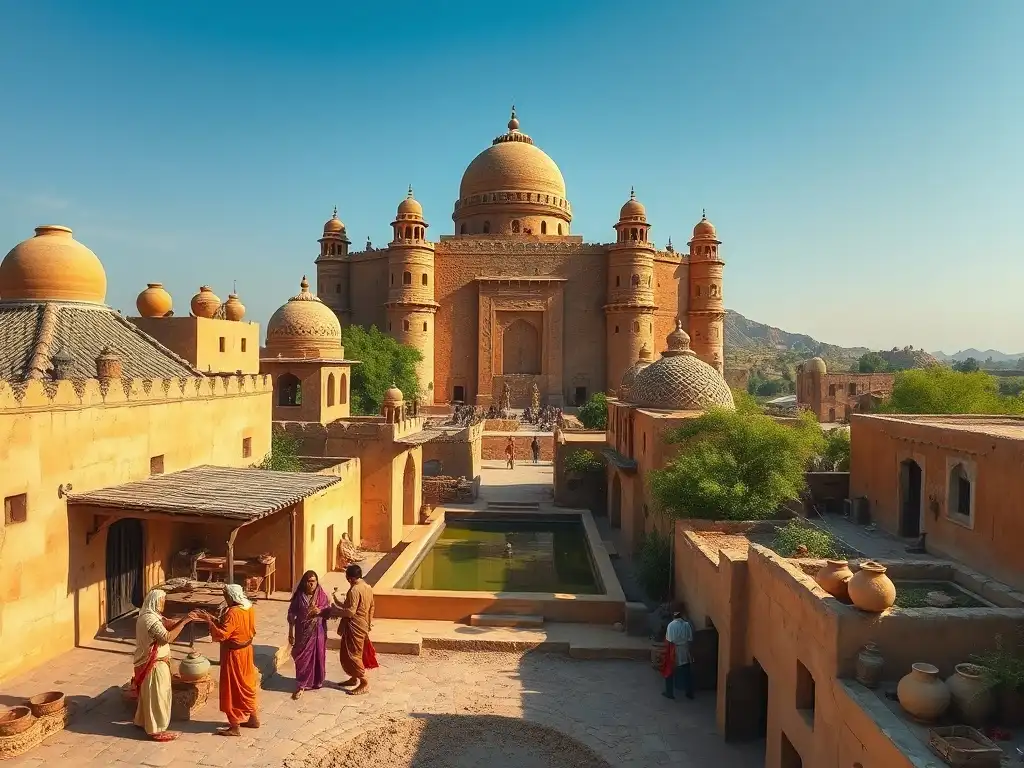
The architectural features of the Indus Valley Civilization are not merely functional; they hold deep cultural significance that reflects the society's values, beliefs, and way of life. The planning and construction of cities like Mohenjo-Daro and Harappa reveal a sophisticated understanding of urban design, which was closely tied to the social and economic frameworks of the time. The layout of these cities, characterized by grid patterns, advanced drainage systems, and standardized brick sizes, showcases the importance of order and organization in daily living.
The architectural features of the Indus Valley Civilization provide crucial insights into its social structure and daily life. The presence of large public buildings, such as the Great Bath in Mohenjo-Daro, suggests a society that valued communal activities and rituals. This structure, often interpreted as a site for religious or ceremonial purposes, indicates a collective identity among the inhabitants, promoting social cohesion through communal rituals.
Additionally, the residential areas demonstrate the existence of distinct social classes. Wealthier individuals likely occupied larger homes with multiple rooms, while lower-status families lived in smaller, more modest dwellings. The uniformity in brick size and construction techniques reflects a regulated society, possibly governed by a central authority that enforced building standards, ensuring a form of social equality in terms of basic living conditions across the population.
Moreover, the incorporation of advanced amenities, such as private wells and drainage systems, highlights the importance placed on hygiene and public health. The elaborate drainage systems, often considered an engineering marvel, reveal a society that prioritized cleanliness and health, which in turn reflects their understanding of the importance of sanitation in daily life.
Influence on Subsequent Indian Architecture
The architectural features of the Indus Valley Civilization have profoundly influenced subsequent Indian architecture, leaving a legacy that can be observed in later periods. Many of the urban planning principles established by the Indus Valley have persisted throughout Indian history. The grid-like layout of cities, seen in the Indus Valley, is echoed in the planning of cities during the Maurya and Gupta Empires.
The use of baked bricks, a hallmark of Indus Valley construction, continued to be a preferred building material in later Indian civilizations. This technique not only enhanced durability but also allowed for greater architectural creativity. The influence is particularly evident in structures like the stupas and monasteries that emerged in later periods, which often utilized similar construction methods.
Moreover, the emphasis on water management and urban sanitation established by the Indus Valley Civilization can be seen in the elaborate water management systems developed in later Indian cities. The sophisticated canals and reservoirs of the Gupta Empire, for example, reflect the enduring impact of Indus Valley engineering principles.
The cultural significance of Indus Valley architectural features extends beyond their immediate function, revealing a complex interplay between social structure, daily life, and subsequent architectural developments in India. The legacy of the Indus Valley Civilization continues to resonate, highlighting its pivotal role in shaping the architectural landscape of ancient India.
Conclusion: Legacy of Indus Valley Architectural Features
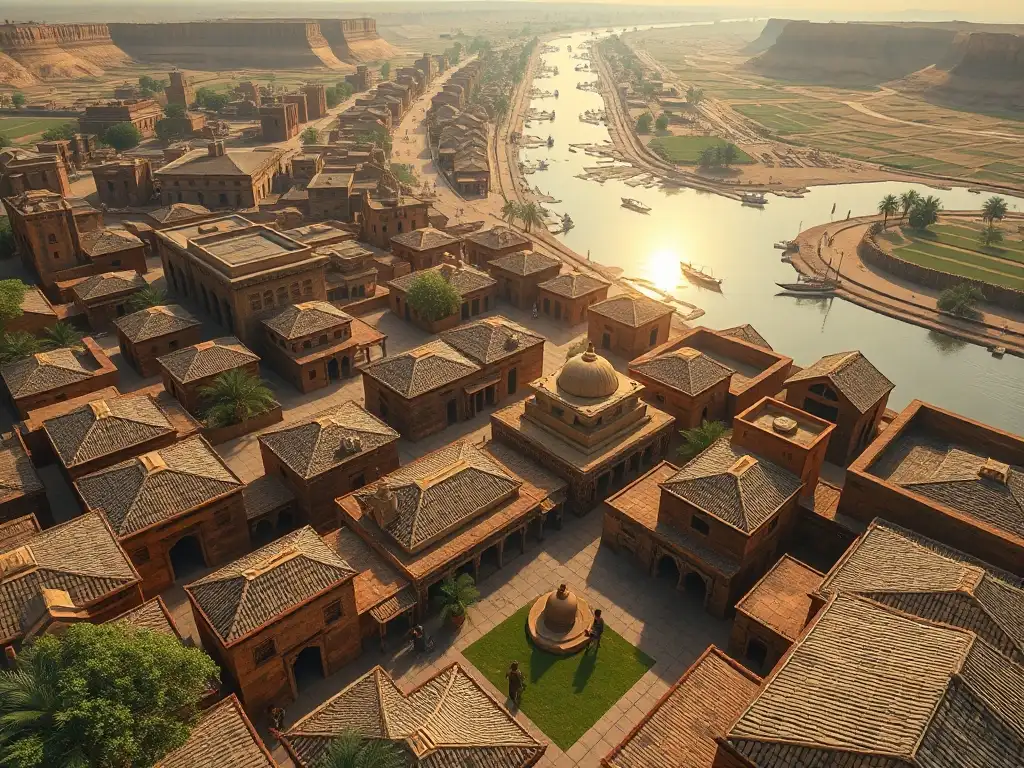
The architectural features of the Indus Valley Civilization represent a pinnacle of ancient engineering and urban planning. As we conclude our exploration of these remarkable structures, it’s essential to recognize their lasting legacy and the profound influence they have had on subsequent Indian civilizations and modern architecture.
Lasting Impact on Indian Civilization
The Indus Valley architectural features, characterized by advanced urban layouts, drainage systems, and standardized brick sizes, set a precedent for later Indian urban development. These innovations not only provided functional benefits but also reflected the social and political organization of the civilization. Key elements include:
- Urban Planning: The grid-like city layout of Harappa and Mohenjo-Daro influenced the design of many subsequent Indian cities, emphasizing order and accessibility.
- Drainage and Sanitation: The sophisticated drainage systems created in the Indus Valley paved the way for improved hygiene and public health, concepts that would resonate throughout Indian history.
- Public and Religious Architecture: The construction of large public baths, like the Great Bath of Mohenjo-Daro, highlighted the significance of communal spaces, which became central to later Indian urban life.
The emphasis on durable materials and structural integrity in Indus Valley architecture has inspired generations of builders and architects, with many features being adopted and adapted in later periods, such as the Maurya and Gupta empires.
Modern Interpretations of Indus Valley Architecture
In contemporary times, the architectural legacy of the Indus Valley Civilization is being revisited and reinterpreted. Modern architects and urban planners draw inspiration from its principles to address today’s urban challenges. Some of the notable interpretations include:
- Sustainable Design: The eco-friendly materials and methods used by the Indus Valley people are now seen as precursors to sustainable architecture. Modern buildings often incorporate similar principles, such as the use of local materials and efficient land use.
- Cultural Heritage Projects: In efforts to preserve the history of the Indus Valley, various archaeological sites are being enhanced with modern facilities while maintaining architectural authenticity. This approach serves to educate visitors about the civilization’s contributions.
- Urban Planning: Current urban development projects in India sometimes look to the Indus Valley's meticulous city planning for inspiration, aiming to create more livable, well-organized urban spaces.
The Indus Valley architectural features are not only a testament to the ingenuity of ancient engineers but also a source of inspiration for modern architecture and urban planning. Their legacy continues to shape the built environment and societal structures in India and beyond, demonstrating that the lessons from the past remain relevant even in contemporary contexts.
Frequently Asked Questions
What are the key architectural features of the Indus Valley civilization?
The Indus Valley architectural features include well-planned cities, advanced drainage systems, and the use of baked bricks for construction, showcasing their engineering prowess.
How did the homes in the Indus Valley differ from those in other ancient civilizations?
Indus Valley homes were characterized by their uniformity in design, flat roofs, and the incorporation of courtyards, which provided natural ventilation and social spaces.
What materials were primarily used in Indus Valley architecture?
The primary materials used in Indus Valley architecture included baked bricks, wood, and stone, reflecting their resourcefulness and sophistication in building techniques.
How did the urban planning of the Indus Valley cities reflect their culture?
The urban planning of cities like Mohenjo-Daro and Harappa featured a grid layout, advanced drainage systems, and public baths, indicating their focus on hygiene and community living.
What was the significance of drainage systems in Indus Valley homes?
The drainage systems were crucial for maintaining sanitation, showcasing the civil engineering skills of the Indus Valley people and their commitment to public health and urban cleanliness.
Final Reflection: The Enduring Legacy of Indus Valley Architectural Features
The architectural features of the Indus Valley civilization are not just relics of the past; they are a testament to human ingenuity and adaptability in urban planning. As we navigate the complexities of modern living, the principles of sustainability, community, and functionality that defined these ancient homes resonate deeply with contemporary society. The meticulous design and advanced engineering of the Indus Valley settlements remind us that our built environments can foster both individual comfort and communal harmony.
The influence of Indus Valley architecture extends beyond mere aesthetics; it shapes our understanding of urban living and community dynamics. The sophisticated drainage systems, standardized brick sizes, and the integration of public and private spaces in these ancient cities highlight a commitment to public health and social organization that remains relevant today. Architecture is the thoughtful making of space.
– Louis Kahn. This quote encapsulates the essence of how the Indus Valley civilization approached their living spaces, emphasizing the importance of thoughtful design in creating environments that support human interaction and well-being.
As we reflect on the lessons from the homes of the Indus Valley, let us challenge ourselves to incorporate these timeless principles into our own lives and communities. Consider how you can create spaces that not only serve your needs but also promote sustainability and connection with others. By embracing the architectural wisdom of the past, we can inspire a future where our living environments are not only functional but also enriching, fostering a sense of belonging and purpose in our daily lives.
Unveil the Wonders of Indus Valley Homes!
Thank you for exploring the captivating architectural marvels and daily living spaces of the Indus Valley with us! You've just unlocked a new understanding of how ancient communities thrived. Now, let's take this journey further by discovering how we can appreciate and share this incredible heritage.
- Dive deeper: Explore more about the daily life and cultural practices of the Indus Valley civilizations by reading our detailed articles.
- Share your insights: Connect with friends and share what you've learned about these fascinating structures on social media.
- Engage with the community: Join our forums to discuss your thoughts and ask questions about how these ancient homes compare to contemporary living spaces.
What aspect of the Indus Valley homes surprised you the most, and how does it inspire your view of architecture today?