
The Daily Life of Indus Valley Residents: A Peek into Ancient Urban Living

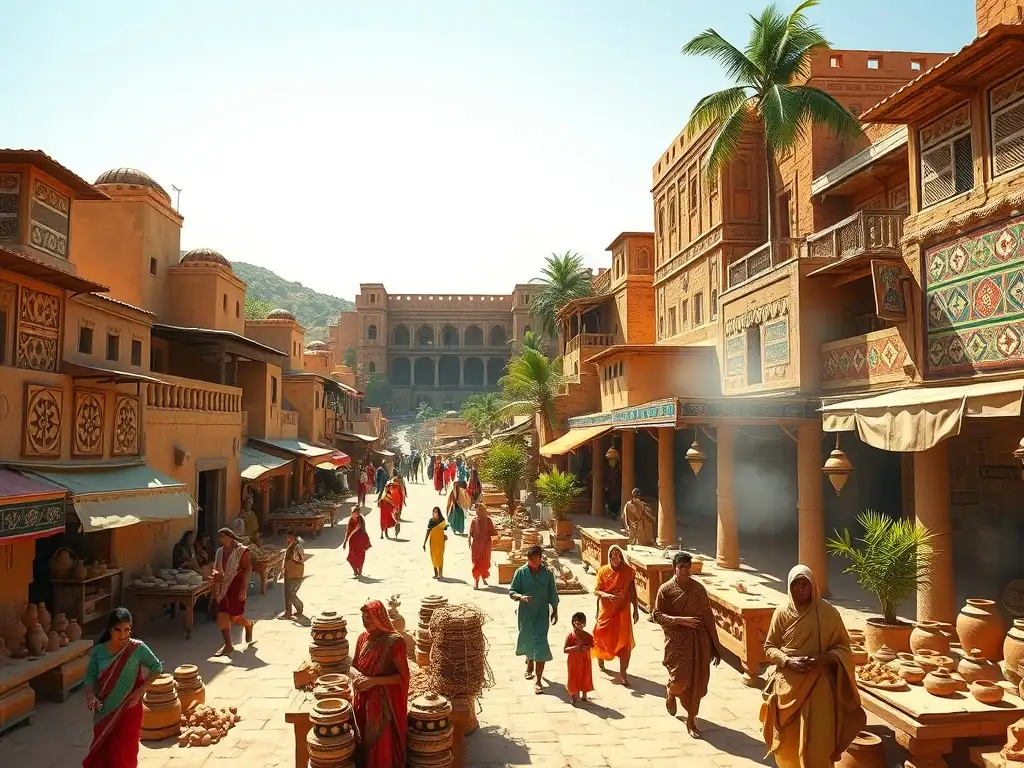
Welcome to Ancient India History, where we embark on an exhilarating journey through the rich tapestry of ancient Indian civilizations. From the bustling streets of the Indus Valley to the grandeur of the Gupta Empire, our exploration unveils the diverse cultural heritage that shaped a remarkable era. In our featured article, "The Daily Life of Indus Valley Residents: A Peek into Ancient Urban Living," we delve into the intriguing aspects of daily life in one of the world's earliest urban centers.
What secrets lie within the homes, marketplaces, and rituals of this ancient civilization? Join us as we uncover the fascinating details that bring history to life and inspire a deeper appreciation for the legacy of ancient India.
Introduction to Indus Valley Daily Life
The Indus Valley Civilization, one of the world's earliest urban societies, flourished around 2500 BCE in what is now modern-day Pakistan and northwest India. This remarkable civilization is renowned for its advanced city planning, sophisticated drainage systems, and vibrant trade networks. But what was daily life like for the residents of this ancient urban environment?
Understanding the daily routines, social structures, and cultural practices of the Indus Valley inhabitants provides invaluable insights into their sophisticated society. From their architectural marvels to their agricultural practices, the daily life of Indus Valley residents reflects a rich tapestry of cultural achievements that continue to intrigue historians and archaeologists alike. This article delves into the various aspects of their daily lives, shedding light on how they managed to thrive in a complex urban setting.
The Significance of Urban Living in the Indus Valley Civilization
Urban living in the Indus Valley Civilization was not just a matter of geography; it represented a significant leap in social organization, economic activity, and cultural expression. The cities of Harappa and Mohenjo-Daro were meticulously planned, showcasing a grid layout with well-defined streets and advanced drainage systems that highlight their engineering prowess.
- Socio-Economic Structure: The urban environment facilitated trade and commerce, with residents engaging in various crafts, including pottery, bead-making, and metallurgy. This specialization allowed for a surplus of goods, which in turn supported a growing population.
- Cultural Practices: The daily life of the Indus Valley people was enriched by cultural rituals and communal activities. Evidence of public baths, granaries, and possibly even temples suggests a society that valued both hygiene and spirituality.
- Agricultural Practices: Agriculture played a crucial role in sustaining urban life. The fertile land along the Indus River enabled the cultivation of crops such as wheat, barley, and cotton, which formed the backbone of their economy.
- Community and Social Interaction: The layout of the cities, with residential areas, public spaces, and marketplaces, underscores the importance of community interaction. Social gatherings and trade would have been vital for fostering relationships and reinforcing social hierarchies.
Urban living in the Indus Valley was characterized by a blend of innovation and tradition, where daily life was intricately woven into the fabric of a thriving civilization that left an indelible mark on history.
- Introduction to Indus Valley Daily Life
- The Significance of Urban Living in the Indus Valley Civilization
Housing and Urban Planning
Overview of Indus Valley Settlements
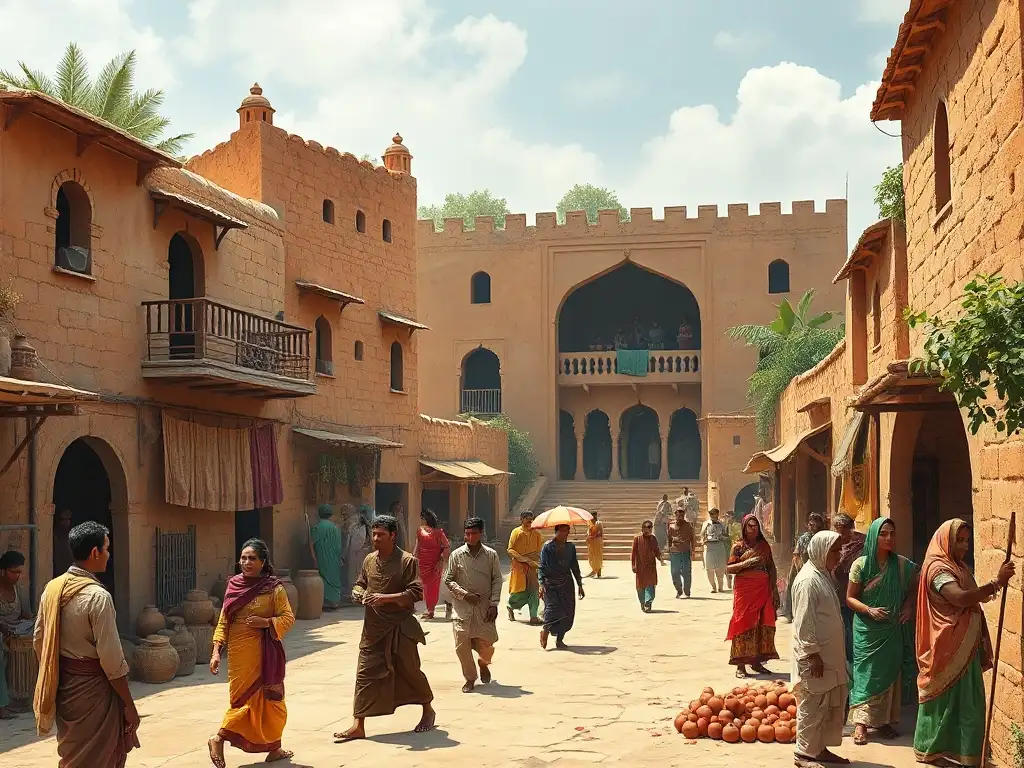
The Indus Valley Civilization, one of the world's earliest urban societies, flourished between 3300 and 1300 BCE, primarily in what is now Pakistan and northwest India. The two most notable cities of this civilization, Harappa and Mohenjo-Daro, provide valuable insights into the Indus Valley daily life and urban living conditions.
Indus Valley settlements were strategically located along rivers, which facilitated trade and agriculture. The fertile floodplains supported extensive farming, leading to the growth of prosperous urban centers. The cities were characterized by their remarkable organization and planning, featuring grid-like street layouts and advanced drainage systems.
- Key Features of Settlements:
- Grid Layout: Streets were often laid out in a north-south and east-west orientation, providing a systematic approach to urban design.
- Public and Private Spaces: Residential areas were distinct from public spaces, including markets, baths, and administrative buildings.
- Material Use: Homes were primarily constructed from baked bricks, which were more durable than mud bricks.
The meticulous planning and layout of these settlements suggest a highly developed society with an emphasis on order and functionality. The advanced urban planning significantly influenced Indus Valley daily life, facilitating trade, social interaction, and effective governance.
Architectural Features of Indus Valley Homes
The architectural design of homes in the Indus Valley Civilization reflects a blend of functionality, aesthetics, and social status. Residential structures varied in size and complexity, indicating a stratified society.
- Common Features of Homes:
- Construction Materials: Most houses were built with standardized baked bricks, which were uniform in size and shape, contributing to the structural integrity of buildings.
- Single and Multi-Story Structures: Homes ranged from simple single-room dwellings to larger multi-story buildings that could accommodate multiple families.
- Courtyards and Ventilation: Many houses featured central courtyards that provided light and ventilation. Roofs were flat and often served as additional living space.
The interiors of these homes were generally minimalistic, with essential furnishings made from wood and clay. Evidence suggests the presence of storage areas for grains and household goods, indicating an organized approach to domestic life.
- Examples of Housing Types:
- Simple Homes: Typically consisted of one or two rooms, utilized mainly for sleeping and basic activities.
- Wealthy Residences: Larger homes often included multiple rooms, bathrooms with drainage, and elaborate decorations, indicating the owner's status.
This architectural diversity not only highlights the adaptability of the Indus Valley residents but also underscores their daily life, which was intertwined with their living conditions and societal roles.
The Role of Urban Planning in Daily Life
Urban planning in the Indus Valley Civilization was essential for fostering a thriving community. The thoughtful design of urban spaces directly impacted Indus Valley daily life, from social interactions to trade practices.
- Infrastructure and Facilities:
- Drainage Systems: The civilization is renowned for its advanced drainage systems, which included covered drains along the streets and individual home sewage lines, promoting hygiene and public health.
- Public Bathing Areas: The Great Bath of Mohenjo-Daro showcases the importance of ritual cleanliness and social gatherings, serving as a community hub.
Urban planning also facilitated trade, as the strategic locations of markets and warehouses allowed for efficient commerce. The layout of streets and public spaces encouraged interaction among residents, contributing to a vibrant social life.
- Social Organization:
- Neighborhoods: Distinct residential areas indicate a sense of community, where families lived near one another, fostering social bonds.
- Public Spaces: The inclusion of marketplaces and communal facilities reflects a society that valued collaboration and shared resources.
The urban planning of the Indus Valley Civilization not only shaped the physical environment but also played a crucial role in the daily lives of its residents, influencing their social, economic, and cultural interactions. The integration of advanced infrastructure with residential spaces exemplifies the sophistication of this ancient civilization and its enduring legacy in urban development.
Daily Activities and Occupations
Agriculture and Food Production in the Indus Valley
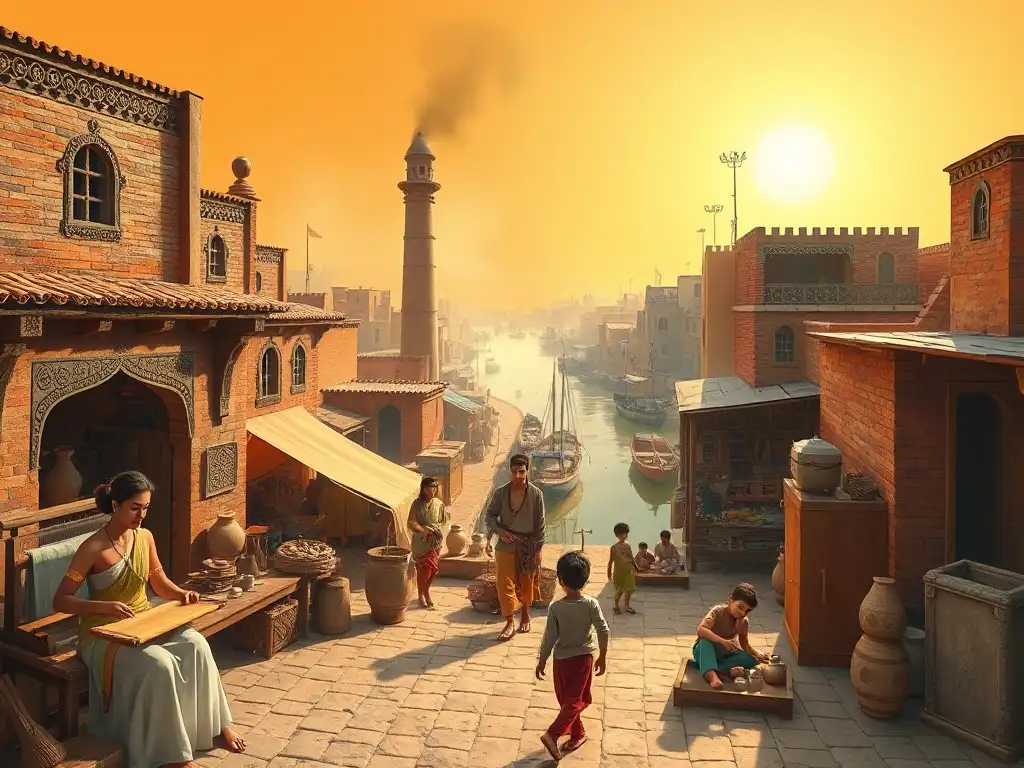
Agriculture played a pivotal role in the daily life of Indus Valley residents, shaping their society and economy. The fertile plains of the Indus River provided an ideal environment for farming, allowing inhabitants to cultivate a variety of crops.
- Crops Cultivated: The primary staples included wheat, barley, and millet. Archaeological evidence suggests that they also cultivated pulses such as lentils and chickpeas, which were crucial for a balanced diet.
- Irrigation Techniques: The Indus Valley civilization exhibited advanced irrigation techniques. The construction of canals and water storage systems facilitated the management of water resources, ensuring consistent agricultural output even during dry spells.
The agricultural surplus not only supported the local population but also allowed for trade with neighboring regions, enhancing the economic stability of the civilization.
Craftsmanship and Trade Practices
Craftsmanship was a cornerstone of daily life in the Indus Valley, with artisans producing a wide array of goods that were essential for both local use and trade.
- Types of Crafts: Residents were skilled in various crafts, including pottery, bead-making, textile production, and metallurgy. The intricate designs found on pottery and jewelry reveal a high level of artistic expertise and cultural significance.
- Trade Networks: The Indus Valley civilization engaged in extensive trade both within and beyond its borders. Evidence of trade with Mesopotamia and Persia indicates that they exchanged goods such as cotton textiles, precious stones, and metalwork.
This vibrant trade network was crucial for the economy, facilitating the exchange of ideas and cultural practices, which in turn enriched daily life in the region.
The Importance of Fishing and Animal Husbandry
Fishing and animal husbandry were integral to the sustenance and economy of Indus Valley residents, complementing agricultural practices and providing a diverse diet.
- Fishing Practices: Proximity to rivers and coastal areas allowed inhabitants to exploit aquatic resources. Fishing was not only a source of food but also a means of trade, with fish being a valuable commodity.
- Animal Husbandry: The domestication of animals such as cattle, goats, and sheep provided additional food sources, including milk, meat, and wool. The presence of seals depicting various animals suggests that livestock played a significant role in their daily lives.
Together, these practices contributed to a well-rounded diet and supported the overall health and stability of the community, illustrating the multifaceted nature of Indus Valley daily life.
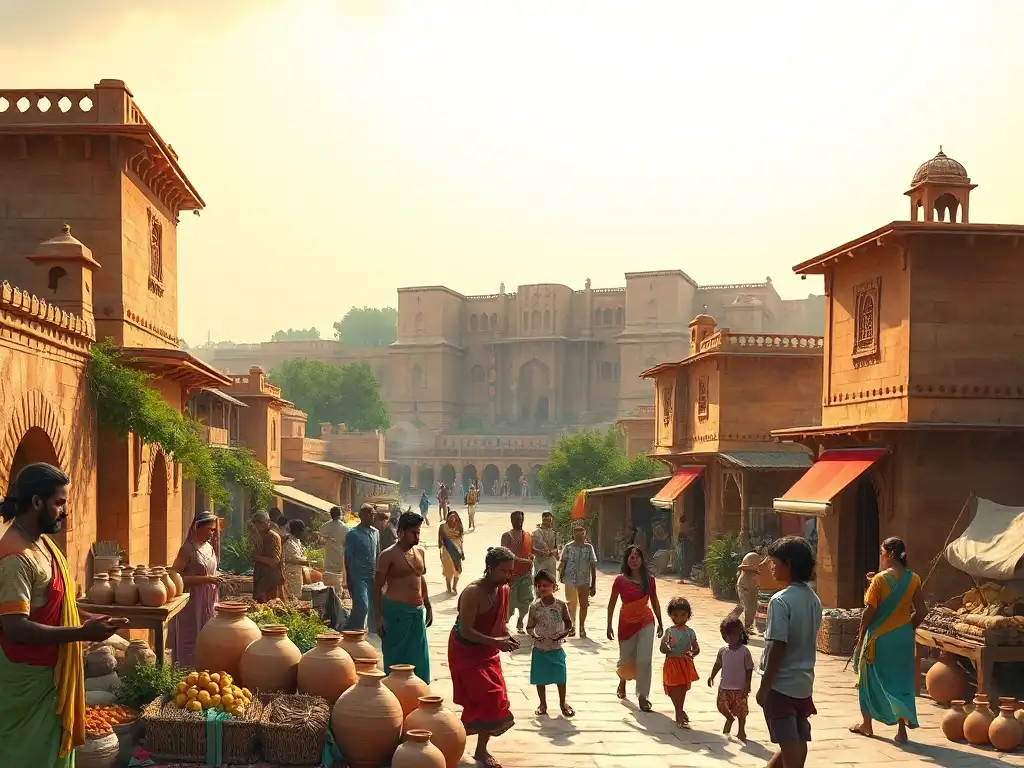
The social structure of the Indus Valley Civilization was notably complex and hierarchical, characterized by a sense of community and interdependence among its residents. Archaeological evidence suggests that society was organized into various groups, each with distinct roles and responsibilities. The urban planning of cities like Harappa and Mohenjo-Daro indicates a well-structured community, with residential areas often segmented based on socio-economic status.
Family Dynamics in Indus Valley Society
Family units were central to the daily life of Indus Valley residents. Families typically consisted of extended members, including parents, children, and relatives living under one roof. Nuclear families also existed, but the extended family structure was prevalent, fostering a strong sense of kinship. The family served as the primary social unit, providing emotional and economic support.
- Roles within the Family:
- Elders: Often held authority and made decisions regarding family matters.
- Parents: Responsible for the upbringing and education of children, instilling cultural values and social norms.
- Children: Engaged in various household chores from a young age, contributing to the family’s economy.
The evidence of toys and games, such as clay figures and dice, indicates that children had a childhood enriched with play, which was crucial for their development.
Gender Roles and Responsibilities
Gender roles in the Indus Valley society were likely defined but not as rigidly delineated as in many contemporary cultures. Both men and women contributed to the household and economy, although their roles varied.
- Men's Responsibilities:
- Primarily engaged in agriculture, trade, and craftsmanship.
- Responsible for external affairs, including dealings with other communities.
- Women's Roles:
- Involved in managing the household, which included cooking, weaving, and pottery.
- Evidence suggests that women may have participated in trade, indicating a degree of economic autonomy.
Research indicates that women in the Indus Valley might have had a more significant status than in many later civilizations. Artifacts such as jewelry and seals with female figures suggest they were respected and held a prominent place in society.
The Role of Religion and Spiritual Practices
Religion played a pivotal role in the daily life of Indus Valley residents. While direct evidence about their beliefs is limited due to the lack of deciphered written records, archaeological finds provide insights into their spiritual practices.
- Deities and Rituals:
- Numerous figurines of female deities suggest a reverence for fertility and earth goddesses.
- The presence of altars and fire pits in homes indicates that domestic rituals were common, possibly involving offerings to deities for prosperity and well-being.
- Community Involvement:
- Public baths, such as the Great Bath of Mohenjo-Daro, imply that communal rituals were significant, possibly for purification and social gatherings.
- The organization of city layouts may reflect religious beliefs, with structures aligned according to astrological principles.
The Indus Valley daily life was marked by an intricate web of social structures, family dynamics, gender roles, and religious practices. These elements combined to create a unique urban culture that thrived in one of the world's earliest civilizations.
Art, Culture, and Leisure Activities
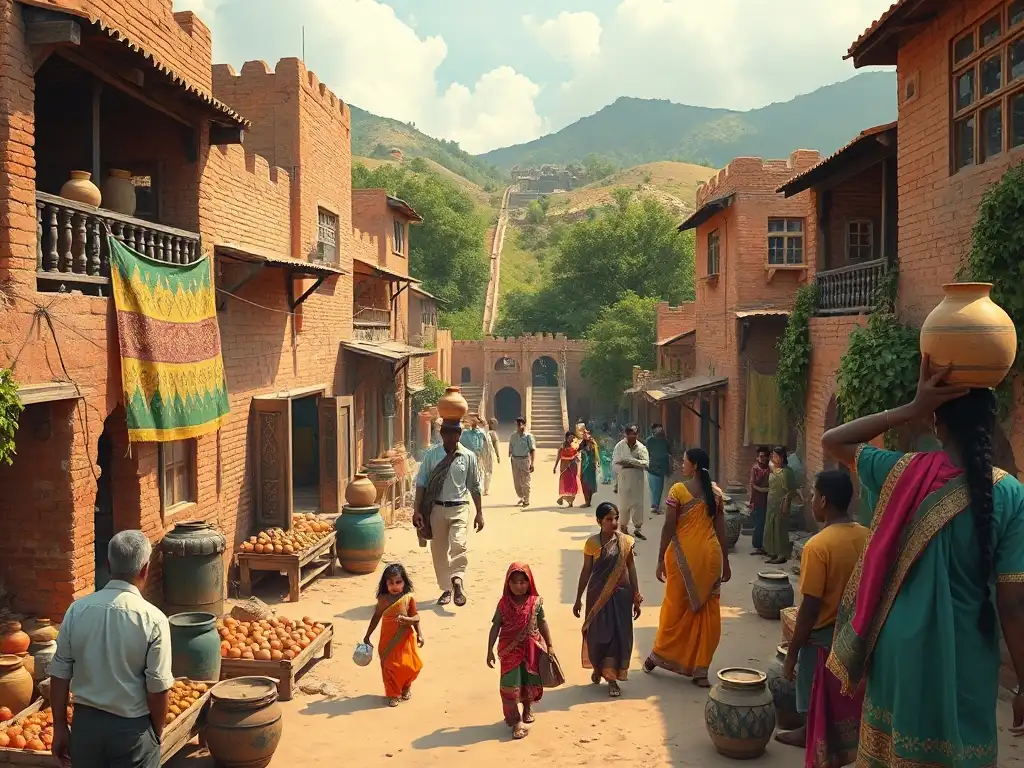
The Indus Valley Civilization, known for its remarkable urban planning and advanced societal structure, also had a vibrant cultural life that encompassed various forms of art, leisure activities, and communal celebrations. This section delves into the artistic expressions, recreational pursuits, and festive traditions that characterized the daily life of its residents, further illuminating the essence of Indus Valley daily life.
Artistic Expressions in Daily Life
Art in the Indus Valley was not merely a form of decoration; it was an integral part of daily existence. Residents demonstrated their artistic skills through various mediums:
- Pottery: The Indus Valley potters produced intricate pottery decorated with geometric patterns, animal motifs, and symbolic designs. These items were often utilitarian, serving as storage vessels, but their aesthetic qualities suggest a deep appreciation for beauty.
- Sculpture and Figurines: Terracotta figurines of animals and humans were common, with notable examples including the famous "Dancing Girl" sculpture. These artifacts indicate not only artistic talent but also possible religious or cultural significance, reflecting the society's values and beliefs.
- Seal Carving: Indus seals, used for trade and administrative purposes, featured detailed carvings of animals and script. The artistry in these seals highlights the sophistication of Indus craftsmanship and the importance of trade in their daily lives.
- Textiles: Evidence suggests that the Indus Valley people wove cotton textiles, possibly dyed in vibrant colors. Fabric remnants found at archaeological sites indicate that clothing was not only functional but also a canvas for artistic expression.
This rich artistic tradition served both practical and symbolic functions, fostering a strong sense of identity and community among the residents.
Recreational Activities and Games
Leisure activities in the Indus Valley were diverse and reflected the civilization's values and social structures. Some popular recreational pursuits included:
- Board Games: Archaeological findings suggest the presence of games similar to modern-day chess or backgammon. These games likely provided entertainment and served as social bonding activities among families and friends.
- Sports and Physical Activities: Evidence of sports such as wrestling and ball games has been found in various Indus Valley sites. These activities not only promoted physical fitness but also fostered competitive spirit and camaraderie within the community.
- Music and Dance: Indus Valley residents likely engaged in music and dance during communal gatherings. While specific instruments are not extensively documented, the presence of figurines depicting musicians suggests that these art forms were integral to social life.
- Gardening and Nature: Many homes in the Indus Valley featured courtyards and gardens, where residents could engage with nature. Gardening not only provided food but also created spaces for relaxation and enjoyment.
These recreational activities contributed significantly to the social fabric of the civilization, allowing individuals to unwind, socialize, and strengthen community ties.
Festivals and Celebrations in the Indus Valley
Festivals and celebrations in the Indus Valley were crucial aspects of communal life, reflecting the rich cultural heritage of its residents. While specific records of festivals are scarce, we can infer their significance from archaeological findings and comparative studies with contemporary cultures:
- Harvest Festivals: Given the agrarian nature of the society, it is likely that harvests were celebrated with communal feasts and rituals. These gatherings would have fostered gratitude for the land's bounty and reinforced social bonds.
- Religious Observances: The presence of figurines and seals depicting deities suggests that the residents celebrated religious festivals. These events may have involved offerings, rituals, and communal gatherings to honor their deities and seek blessings for prosperity.
- Seasonal Celebrations: Seasonal changes often bring about festivities in many cultures. The Indus Valley's changing climates may have inspired celebrations to mark the arrival of monsoon or the end of winter, with activities such as dancing, singing, and feasting.
- Community Events: Festivals likely provided opportunities for trade and social interaction. Marketplaces would have been vibrant hubs during celebrations, where artisans showcased their crafts, and people exchanged goods.
These festivals were not just occasions for merriment; they played vital roles in reinforcing community cohesion, cultural identity, and shared values among the Indus Valley residents.
The Indus Valley daily life was rich with artistic endeavors, recreational activities, and vibrant festivals, all of which contributed to a dynamic social environment and a sense of identity among its inhabitants. The remnants of their cultural practices continue to intrigue historians and archeologists, offering insights into the complexities of this ancient civilization.
Trade and Economic Interaction
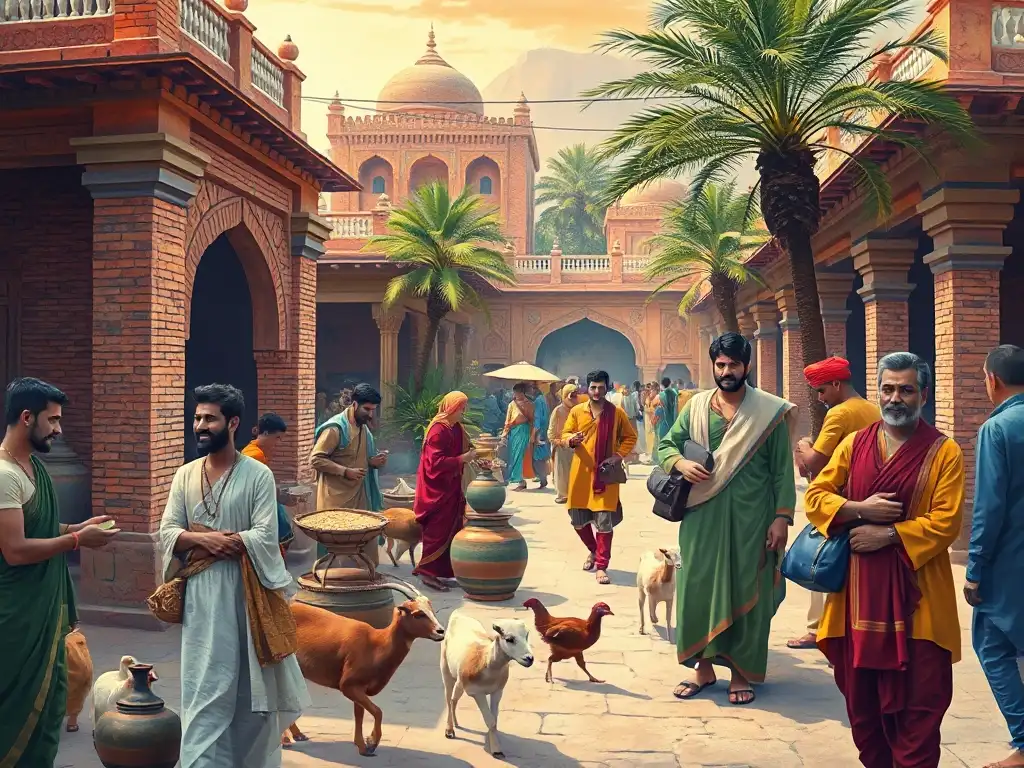
Trade Networks and Economic Exchange
The Indus Valley Civilization, flourishing between 3300 and 1300 BCE, was renowned for its sophisticated urban planning and economic systems. One of the pivotal aspects of Indus Valley daily life was its extensive trade networks that connected various regions, both within the subcontinent and beyond. Archaeological evidence suggests that the Indus people engaged in trade with neighboring civilizations, such as Mesopotamia, Persia, and even regions as far as Egypt.
- Key Trade Goods: The primary commodities traded included:
- Cotton textiles: The Indus Valley is often credited with being one of the first regions to cultivate cotton, which became a significant export.
- Metals: Copper, bronze, and precious stones were key materials traded, indicating advanced metallurgical skills.
- Pottery: Distinctive pottery styles, often adorned with intricate designs, were sought after by other cultures.
Trade was facilitated through a network of navigable rivers and well-established overland routes. The Indus River and its tributaries served as major transportation channels, allowing goods to flow efficiently. Additionally, the urban centers like Harappa and Mohenjo-Daro emerged as bustling hubs of commerce, where merchants conducted transactions, and goods were exchanged in large quantities.
The Influence of Trade on Daily Life
Trade played a crucial role in shaping the daily life of Indus Valley residents. The economic interactions that took place had a profound impact on their social structure, cultural practices, and even technological advancements.
- Social Stratification: The wealth generated from trade led to the emergence of a more structured society. Wealthier merchants and traders likely held significant influence, which may have contributed to a form of governance based on economic power rather than solely on lineage.
- Cultural Exchange: Interaction with other civilizations fostered cultural exchanges that enriched the Indus Valley daily life. For example, the adoption of new techniques in pottery and metallurgy, as well as religious and artistic influences, can be traced back to trade interactions.
- Technological Innovations: The need for efficient trade practices led to advancements in various technologies, such as the development of standardized weights and measures. This facilitated fair trade and allowed for the establishment of a reliable economic system.
Trade also influenced dietary habits and domestic life. The introduction of new food items, such as spices and grains from distant lands, diversified the local diet, while goods from trade enhanced the quality of life, as residents gained access to various luxuries previously unavailable.
Artifacts and Products of the Indus Valley Economy
Artifacts unearthed from Indus Valley sites provide valuable insights into the economic practices and daily life of its residents. The following key products highlight the ingenuity and resourcefulness of this ancient civilization:
| Artifact/Product | Description | Significance |
|---|---|---|
| Seals | Carved stone seals often depicting animals and scripts were used for trade and administrative purposes. | Indicative of a complex system of trade and possibly religious or cultural symbolism. |
| Weights and Measures | Standardized weights made from stone, allowing for fair trade transactions. | Demonstrates advanced understanding of mathematics and commerce. |
| Pottery | Distinctive pottery styles, including painted and unpainted varieties, often used for storage and cooking. | Reflects daily life and artistic expression, while also serving functional purposes. |
| Jewelry | Crafted from gold, silver, and semi-precious stones, showcasing intricate designs. | Suggests a society that valued beauty and craftsmanship, indicating social status. |
| Cotton Fabrics | Textiles woven from cotton, often dyed and embroidered. | Points to the Indus Valley's role as a pioneer in cotton production and textile trade. |
These artifacts not only reveal the economic activities of the Indus Valley but also provide a glimpse into the daily life and cultural practices of its inhabitants. The diversity of products and the complexity of trade indicate a thriving economy that was integral to the civilization’s success and sustainability.
The trade networks and economic interactions of the Indus Valley Civilization were foundational to shaping Indus Valley daily life, influencing social dynamics, cultural exchanges, and technological advancements that defined one of the world's earliest urban societies.
Conclusion: Legacy of Indus Valley Daily Life
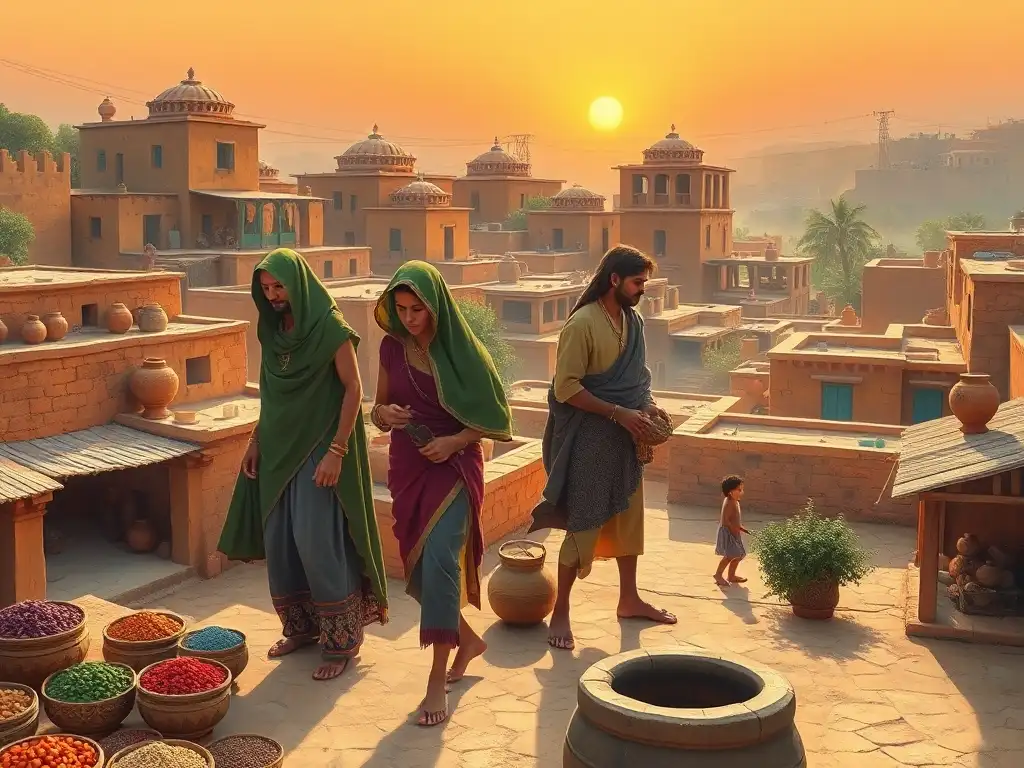
The legacy of the daily life of Indus Valley residents is profound and far-reaching, influencing subsequent Indian civilizations and contributing significantly to the broader tapestry of ancient Indian history. The sophisticated urban planning, social organization, and daily practices established by the inhabitants of this civilization laid a foundation that would resonate through time. Their innovations in agriculture, trade, and craftsmanship not only facilitated economic prosperity but also fostered cultural exchanges that enriched the Indian subcontinent.
The remnants of their advanced urban centers, such as Harappa and Mohenjo-Daro, provide critical insights into the lifestyle, values, and technologies of the Indus Valley people. These cities were characterized by well-planned streets, drainage systems, and public baths, highlighting a community-oriented approach to urban living that prioritized hygiene and organization. The significance of these attributes can be seen in later Indian cities, which often incorporated similar principles of urban design.
The Impact of Daily Life on Subsequent Indian Civilizations
The daily life of the Indus Valley civilization had lasting influences on various aspects of culture, economy, and social structure in subsequent Indian civilizations. Some key impacts include:
- Urban Planning and Architecture: The Indus Valley’s focus on urban planning influenced later cities, including those established during the Vedic period and beyond. The grid patterns and drainage systems set a precedent for future urban developments, promoting efficient land use and sanitation.
- Agricultural Practices: The agricultural techniques developed by the Indus Valley residents, including irrigation methods and crop rotation, were foundational for subsequent agricultural societies in India. These practices ensured food security and supported population growth.
- Trade Networks: The extensive trade networks established during the Indus Valley period allowed for the exchange of goods, ideas, and cultural practices with neighboring regions, including Mesopotamia. This interconnectedness contributed to the economic and cultural fabric of later Indian civilizations.
- Craftsmanship and Artistry: The high level of craftsmanship seen in Indus Valley artifacts, such as pottery, seal carving, and metallurgy, influenced artistic expressions in later periods, maintaining a continuity of cultural motifs and techniques.
Overall, the daily life of the Indus Valley residents served as a blueprint for urban living and societal organization that would resonate through the ages.
Reflections on Urban Living in Ancient India
Reflecting on urban living in ancient India, especially through the lens of the Indus Valley civilization, reveals much about human adaptation and innovation. The residents of the Indus Valley created a thriving urban environment that showcased their ability to harmonize with their surroundings while also developing complex social structures. Some notable reflections include:
- Community and Collaboration: The layout of Indus Valley cities indicates a strong sense of community. Public spaces, such as baths and granaries, suggest that social interactions were integral to daily life, promoting cooperation among residents.
- Technological Advancements: The Indus Valley society demonstrated remarkable technological advancements, particularly in construction and sanitation. Their engineering feats, such as the sophisticated drainage systems, highlight a commitment to health and well-being that was ahead of its time.
- Cultural Diversity: The presence of various artifacts, including toys, jewelry, and seals, illustrates a rich cultural life. The diversity in daily activities and trade goods points to a society that valued creativity and cultural expression.
- Sustainability Practices: The agricultural techniques and resource management strategies employed by the Indus Valley residents reflected an early understanding of sustainability. Their ability to cultivate crops while managing water resources laid groundwork for future agricultural practices in the region.
These reflections underscore the depth and complexity of daily life in the Indus Valley and its enduring influence on urban living in ancient India.
References and Further Reading on Indus Valley Civilization
To further explore the fascinating aspects of the Indus Valley civilization and its daily life, consider the following resources:
- Books:
- "The Indus Civilization: A Contemporary Perspective" by Gregory L. Possehl
- "Cities of Ancient India" by R. S. Sharma
- Research Papers:
- "Urban Planning in the Indus Valley Civilization" by Jane McIntosh
- "The Role of Trade in the Indus Valley Civilization" by R. N. Mehta
- Online Resources:
Engaging with these references will provide further insights into the daily life, culture, and societal structures of the Indus Valley civilization, enriching the understanding of this remarkable period in ancient Indian history.
Frequently Asked Questions
What were the main features of daily life in the Indus Valley civilization?
The daily life in the Indus Valley was characterized by advanced urban planning, including well-structured streets, drainage systems, and residential complexes.
How did the Indus Valley residents manage their water supply?
Residents utilized sophisticated water management systems, including wells and reservoirs, to ensure a consistent and clean water supply for their daily needs.
What role did trade play in Indus Valley society?
Trade was crucial, as the Indus Valley civilization engaged in commerce with surrounding regions, exchanging goods like cotton textiles, metals, and pottery, which enhanced their economy.
The social structure of the Indus Valley is believed to have been relatively egalitarian, with evidence suggesting a lack of grand monuments, indicating that power may not have been concentrated in a single elite class.
What were common occupations in the Indus Valley?
Common occupations included farming, pottery making, metalworking, and trade, reflecting a diverse economy that supported a thriving urban lifestyle among its residents.
Final Reflection: Unveiling the Rich Tapestry of Indus Valley Daily Life
The exploration of Indus Valley daily life reveals not just the intricacies of an ancient civilization but also its profound relevance in today's world. As we navigate our modern urban environments, the sophisticated urban planning, social organization, and cultural practices of the Indus Valley residents serve as a compelling reminder of humanity's enduring quest for community and innovation. The lessons from their daily lives resonate with us, urging us to reflect on how our own urban experiences shape our identities and connections.
The legacy of the Indus Valley civilization continues to influence our cultural and social landscapes, inviting us to appreciate the complexity of human existence. The meticulous craftsmanship, trade networks, and communal living of these ancient people underscore the importance of collaboration and sustainability in our own lives. Civilizations are not defined by their monuments but by the lives of the people who inhabit them.
This observation encourages us to recognize that the essence of a society lies in its daily interactions and shared experiences, which remain relevant across time.
As we contemplate the daily life of Indus Valley residents, I invite you to reflect on your own routines and the communities you inhabit. Consider how the values of cooperation, innovation, and respect for the environment can be woven into your daily actions. Let the stories of those who lived thousands of years ago inspire you to cultivate a deeper connection with your surroundings and foster a sense of belonging in your own urban life. Embrace the opportunity to create a vibrant tapestry of experiences that honors both the past and the future.
Dive Deeper into Ancient Urban Wonders!
Thank you for taking the time to explore the fascinating daily life of the Indus Valley residents with us. We hope you gained valuable insights into the innovative and rich culture that thrived in ancient urban settings. Now, it’s time to move beyond reading and immerse yourself further!
Here are some actionable steps you can take to continue your exploration:
- Dive into archaeological studies: Research recent discoveries from the Indus Valley to uncover more about their advanced urban planning and way of life.
- Join a community discussion: Participate in discussions with history enthusiasts in online forums or social media groups, where you can share your thoughts and learn from others.
- Visit a local museum: If possible, explore museums featuring exhibits on ancient civilizations to experience artifacts and reconstructions firsthand.
What discovery about the Indus Valley civilization intrigued you the most, and how do you think it influences our understanding of urban life today?