
The Agricultural Economy of Ancient India: A Deep Dive

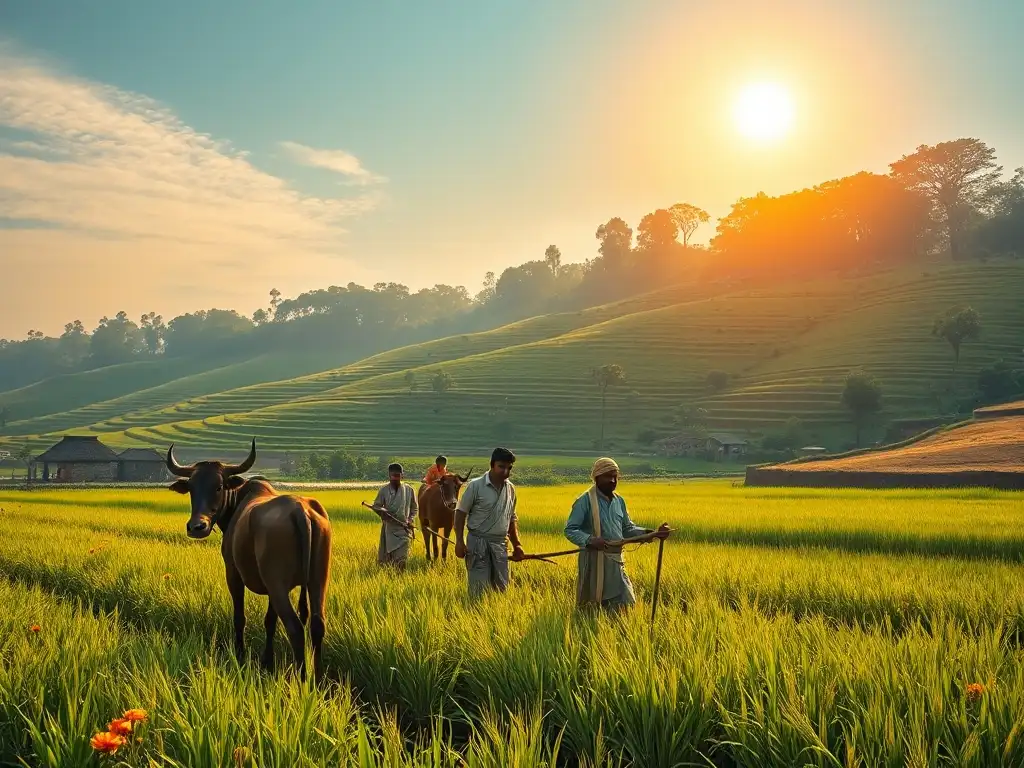
Welcome to Ancient India History, where we embark on a fascinating journey through the rich tapestry of ancient Indian civilizations. Here, you'll uncover the pivotal role that agriculture played in shaping the economy and culture of this remarkable era. In our featured article, "The Agricultural Economy of Ancient India: A Deep Dive," we delve into the innovative agricultural practices that not only sustained communities but also fueled the prosperity of great empires.
Prepare to be captivated by how these ancient techniques laid the groundwork for modern farming and enriched the lives of countless individuals. Join us as we explore the verdant fields and bustling markets of a time long past, and discover the enduring legacy of ancient Indian agricultural practices!
Introduction to Ancient Indian Agricultural Practices
The agricultural economy of Ancient India played a pivotal role in shaping the civilization's social, cultural, and economic landscapes. From the fertile plains of the Indus Valley to the expansive fields nurtured under the Gupta Empire, ancient Indian agricultural practices laid the foundation for sustainable living and community development.
This article will explore the intricate agricultural systems that flourished in ancient Indian societies, highlighting their significance in the broader context of history, culture, and economy. By examining the various methods of cultivation, crop diversity, and innovations in irrigation, we can gain insight into how these practices not only sustained populations but also contributed to the rise of one of the world's earliest civilizations.
Overview of Agriculture in Ancient India
Agriculture in Ancient India was characterized by a rich diversity of practices and crops, reflecting the country's varied geography and climate. Key elements of ancient Indian agricultural practices included:
- Crop Cultivation: Major crops included wheat, barley, rice, pulses, and oilseeds.
- Farming Techniques: Use of plows, crop rotation, and intercropping to enhance productivity.
- Irrigation Systems: Development of innovative irrigation methods, including canals and wells, to support agriculture in arid regions.
The integration of these practices was essential for the sustenance of large populations and the development of trade networks.
Importance of Agriculture in Ancient Indian Economy
Agriculture was the backbone of the ancient Indian economy, influencing various aspects of life:
- Economic Stability: It provided food security and stability to the population.
- Trade and Commerce: Surplus production allowed for trade, both locally and with distant civilizations.
- Social Structure: The agrarian economy shaped social hierarchies, with landowners and farmers playing key roles in society.
The interdependence of agriculture with other sectors like trade and craftsmanship underscored its significance in ancient Indian civilization.
Historical Context of Agriculture in Ancient India
Understanding the evolution of agricultural practices in Ancient India requires a look into its historical context, which reveals a timeline of innovation and adaptation.
Prehistoric Agricultural Developments
Prehistoric communities in India were primarily hunter-gatherers, but as they transitioned to settled life, they began to cultivate wild grains and legumes. This shift marked the beginning of agriculture in India, with evidence suggesting:
- Domestication of Plants: Early forms of wheat and barley were cultivated.
- Settlement Patterns: Communities formed around fertile areas, leading to the establishment of permanent settlements.
These early agricultural developments laid the groundwork for more complex farming systems in subsequent civilizations.
The Indus Valley Civilization: Pioneers of Farming
The Indus Valley Civilization (c. 3300–1300 BCE) is often regarded as one of the earliest urban cultures that exemplified advanced agricultural practices. Key features included:
- Urban Planning: Cities like Harappa and Mohenjo-Daro had sophisticated layouts, with granaries indicating surplus production.
- Irrigation and Water Management: The civilization implemented extensive irrigation systems, including wells and canals, to optimize crop yield.
- Crop Diversity: They cultivated a variety of crops, including cotton, which was significant for textile production.
These innovations not only supported their economy but also facilitated trade with neighboring regions.
Agricultural Innovations during Vedic Period
The Vedic period (c. 1500–500 BCE) marked significant advancements in agriculture, driven by cultural and technological developments:
- New Crop Varieties: Introduction of rice and increased reliance on barley and millets.
- Agricultural Texts: The Rigveda and later texts provided insights into farming techniques and rituals associated with agriculture.
- Community Farming: Emphasis on collective farming practices highlighted the social aspects of agriculture, fostering community ties.
These innovations and practices during the Vedic period played a crucial role in enhancing agricultural productivity and sustaining the growing population in ancient India.
Key Ancient Indian Agricultural Practices
The agricultural practices of ancient India were both innovative and adaptable, reflecting the diverse geographical and climatic conditions of the region. As the foundation of the economy, agriculture played a pivotal role in sustaining the population and fostering urban development. Some key practices included:
- Crop Rotation: Ancient Indian farmers utilized crop rotation to maintain soil fertility and reduce pest infestations. By alternating crops, they could enhance yields and ensure the land remained productive.
- Mixed Farming: This technique involved the simultaneous cultivation of various crops and the rearing of livestock. It created a diversified agricultural system that minimized risks related to crop failure.
- Organic Fertilizers: Farmers used natural fertilizers derived from animal waste, compost, and green manure to enrich the soil, a practice that has enduring relevance in sustainable agriculture today.
- Terracing: In hilly regions, terracing was employed to prevent soil erosion and maximize arable land. This method involved creating flat areas on slopes for cultivation, effectively managing water runoff and improving crop yield.
Crop Cultivation Techniques
Ancient Indian agriculture was characterized by several sophisticated crop cultivation techniques that ensured the effective use of land and resources. Key techniques included:
- Seed Selection and Sowing: Farmers practiced selective breeding to develop high-yield and drought-resistant varieties. They often timed their sowing to align with seasonal rains, optimizing growth conditions.
- Intercropping: This involved planting different crops in proximity for mutual benefits such as pest control and efficient use of nutrients. For example, the combination of legumes with cereals helped in nitrogen fixation.
- Ploughing Methods: The use of wooden ploughs, often drawn by oxen, allowed for efficient tilling of the soil. This practice was crucial for preparing land and increasing aeration.
- Harvesting Techniques: Crops were harvested using sickles, and methods like threshing were employed to separate grains from chaff, ensuring a higher quality of produce.
Irrigation Systems and Water Management
Water management was essential for agriculture in ancient India, especially in regions with irregular rainfall. The development of irrigation systems included:
- Canal Irrigation: Early civilizations, particularly the Indus Valley Civilization, constructed extensive canal systems to divert river water for irrigation purposes, significantly enhancing agricultural productivity.
- Wells and Tanks: The construction of wells and water tanks was commonplace, particularly in arid regions. These structures collected rainwater and provided a reliable source of water for crops.
- Rainwater Harvesting: Ancient Indian farmers utilized techniques to capture and store rainwater, thereby mitigating the impact of droughts and ensuring a steady water supply during dry spells.
- Crop Selection Based on Water Availability: Farmers often selected crops based on the availability of water resources, planting drought-resistant varieties in areas with limited irrigation.
Socio-Economic Impact of Agriculture on Ancient Indian Society
Agriculture's influence on ancient Indian society extended beyond mere sustenance; it shaped the socio-economic fabric, contributing to urbanization and trade.
Role of Agriculture in Urban Development
The agricultural economy laid the groundwork for urban development in ancient India. As agricultural surplus increased, it enabled:
- Population Growth: With a stable food supply, populations in agricultural regions expanded, leading to the establishment of towns and cities.
- Specialization of Labor: Surplus production allowed some individuals to engage in activities beyond farming, such as crafts, trade, and administration, fostering a complex urban society.
- Infrastructure Development: The need for storage, transport, and market facilities led to advancements in infrastructure, including roads and granaries, which supported urban growth.
Agricultural Trade and Economic Exchange
Agriculture was a vital component of ancient Indian trade networks, facilitating economic exchange both locally and regionally:
- Barter System: Farmers traded surplus produce for goods and services, creating a barter economy that was crucial for community interactions and economic relationships.
- Long-Distance Trade: Key agricultural products such as spices, grains, and textiles were traded with neighboring regions and beyond, contributing to the wealth and cultural exchange between civilizations.
- Marketplaces: Agricultural surplus led to the establishment of vibrant marketplaces where farmers and traders interacted, promoting economic activity and social cohesion.
Influence of Agricultural Surplus on Social Hierarchy
The production of surplus crops significantly impacted social hierarchies in ancient Indian society:
- Wealth Accumulation: Those with access to fertile land and efficient agricultural practices often became economically powerful, leading to the emergence of landowning classes and a stratified society.
- Political Power: Agricultural wealth provided the basis for political authority, with landowners often holding significant sway in local governance and decision-making.
- Cultural and Religious Influence: The surplus from agriculture facilitated the support of religious institutions and cultural activities, reinforcing the power of elite classes in shaping societal norms and values.
The agricultural practices of ancient India were foundational not only for sustaining life but also for shaping the economy, society, and culture through innovative techniques, effective water management, and the creation of socio-economic structures.
Challenges Faced by Ancient Indian Farmers
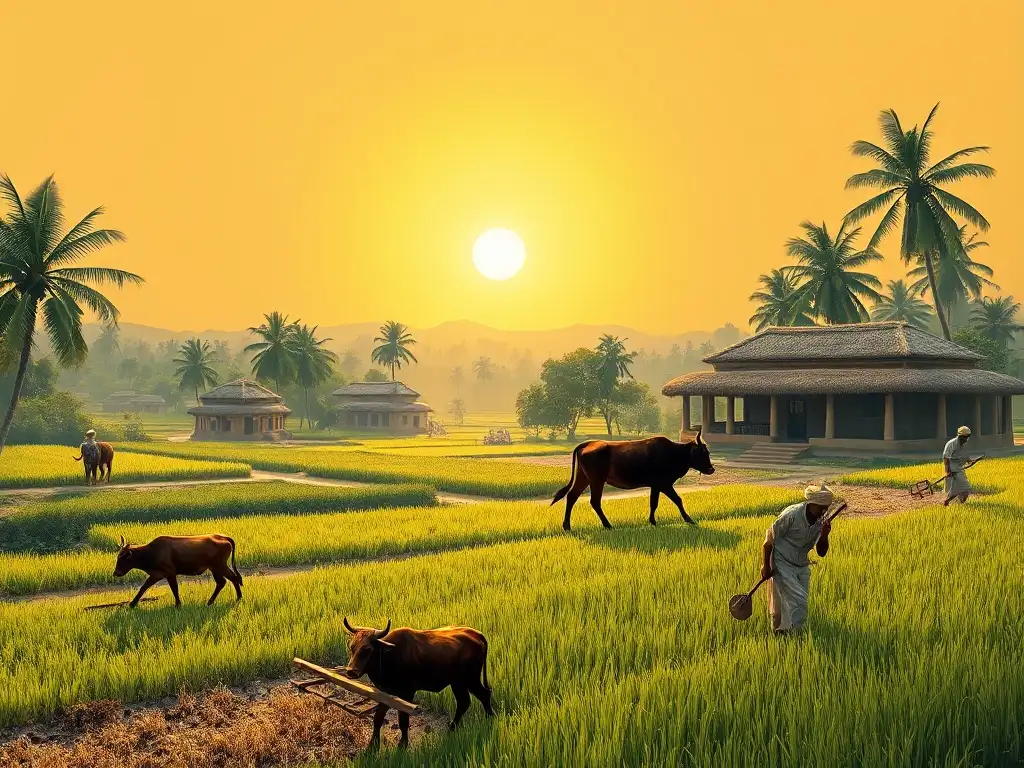
The agricultural economy of ancient India was not only a backbone of sustenance but also a complex interplay of various challenges that farmers had to navigate. Understanding these challenges provides insight into the resilience and adaptability of ancient Indian agricultural practices. The difficulties faced were multifaceted, arising from environmental, socio-political, and technological spheres.
Environmental Challenges: Climate and Geography
Ancient Indian farmers were significantly influenced by the diverse climates and geographical features of the subcontinent. The monsoon season, while essential for irrigation, was often unpredictable. Farmers faced challenges such as:
- Irregular Monsoons: Variability in rainfall could lead to droughts or floods, severely affecting crop yields. For instance, a deficit in monsoon rains could result in crop failure, leading to famine.
- Soil Fertility: The quality of soil varied across regions. While the alluvial plains of the Indus and Ganges supported rich agriculture, rocky and sandy terrains in other areas posed significant challenges for cultivation.
- Pests and Diseases: Farmers had to contend with locust swarms, rodents, and plant diseases that could devastate their crops. The lack of modern pest control measures made these threats even more formidable.
Socio-Political Factors Affecting Agriculture
The socio-political landscape of ancient India also played a crucial role in shaping agricultural practices. Factors included:
- Land Ownership and Rights: The system of land ownership varied, leading to conflicts over land rights. Many farmers worked as tenants, which could make them vulnerable to exploitation by landlords.
- Taxation and Expenditure: Heavy taxation imposed by local rulers could disincentivize farming. Farmers were often required to pay a significant share of their produce as tax, limiting their ability to save or reinvest in their farms.
- Political Instability: Frequent changes in leadership and invasions sometimes disrupted agricultural cycles. Wars and uprisings could lead to the abandonment of fertile lands and a decline in agricultural productivity.
Technological Limitations in Ancient Farming
Technological constraints significantly impacted ancient Indian agriculture. Key limitations included:
- Irrigation Techniques: Although ancient Indians developed sophisticated irrigation systems, such as canals and wells, they were often limited by available technology. The reliance on manual labor for irrigation was labor-intensive and less efficient.
- Crop Varieties: While farmers cultivated a variety of crops like rice, millet, and barley, the lack of advanced breeding techniques limited agricultural diversity and resilience against changing climatic conditions.
- Tools and Implements: The agricultural tools available during ancient times were basic compared to modern standards. While the plow was a significant advancement, its effectiveness was limited by the materials used, which often resulted in less efficient farming practices.
Conclusion: Legacy of Ancient Indian Agricultural Economy
The agricultural economy of ancient India laid a foundation for future agricultural practices and played a vital role in the development of civilization in the region. Despite the myriad challenges faced, ancient Indian farmers demonstrated remarkable resilience and ingenuity.
Lasting Impacts on Modern Indian Agriculture
The agricultural practices of ancient India have left a lasting legacy that continues to influence modern farming techniques. Elements such as crop rotation, diverse cropping systems, and traditional knowledge of local flora and fauna have been integrated into contemporary agriculture. Moreover, the importance of sustainable farming practices and water conservation methods, evident in ancient practices, are increasingly recognized in today's agricultural discourse.
Lessons from Ancient Agricultural Practices for Contemporary Farming
Modern agriculture can draw valuable lessons from ancient practices, particularly in sustainability and community-based farming. For example:
- Sustainable Practices: The use of organic fertilizers, crop rotation, and intercropping observed in ancient India can inspire modern approaches to reducing chemical dependency and enhancing soil health.
- Community Cooperation: The collaborative farming methods and community management of resources in ancient times highlight the importance of cooperative models in addressing current agricultural challenges, including food security and environmental sustainability.
The agricultural economy of ancient India, marked by its challenges and innovations, provides rich insights that remain relevant to contemporary agricultural practices and policies. Understanding this legacy not only honors the past but also guides future agricultural development.
References and Further Reading on Ancient Indian Agricultural Practices
Understanding the agricultural economy of ancient India requires a multi-faceted approach, and a wealth of resources exists for those interested in deepening their knowledge. Below are curated recommendations for books, articles, and online resources that provide valuable insights into ancient Indian agricultural practices.
Recommended Books and Articles
- "The Archaeology of Early Historic South Asia: The Emergence of Cities and States" by Robin Coningham and Ruth Young
- This book explores the transition from agricultural societies to urban centers in ancient India, offering a thorough analysis of agricultural practices during this pivotal period.
- "Agriculture in Ancient India" by K. R. N. Rao
- Rao’s comprehensive study delves into the various agricultural methods employed in ancient India, focusing on regional variations and the evolution of farming techniques.
- "The Indus Civilization: A Contemporary Perspective" by Gregory L. Possehl
- This work provides insights into the agricultural practices of the Indus Valley Civilization, highlighting the technological advancements that contributed to their economic success.
- "A History of Indian Agriculture" by D. C. Gupta
- Gupta’s historical overview traces the development of agricultural practices from ancient times through various dynasties, emphasizing the role of agriculture in shaping Indian society.
- "Ancient Indian History and Culture" by R. S. Sharma
- This book offers a broader context of ancient Indian civilization, including a detailed examination of agricultural practices and their socio-economic implications.
Online Resources and Documentaries
- The British Museum's Online Collection
- This resource provides access to artifacts and documents related to ancient Indian agriculture, offering visual context to the practices discussed in literature.
- Digital South Asia Library
- A vital online repository that provides access to a wealth of historical texts, maps, and images related to ancient Indian agriculture. It is an excellent resource for researchers and enthusiasts alike.
- YouTube Documentary: "The Indus Valley Civilization: Agriculture and Trade"
- This documentary explores the agricultural techniques of the Indus Valley Civilization, showcasing how farming and trade intertwined in this ancient society.
- "Ancient India" on Khan Academy
- An educational platform that offers various resources on ancient Indian history, including detailed sections on agriculture, irrigation, and economic systems.
- "The Agricultural History of India" by the Indian Council of Agricultural Research (ICAR)
- This online publication presents a thorough analysis of the historical development of agriculture in India, with sections dedicated to ancient practices and innovations.
These resources serve as excellent starting points for anyone looking to explore the rich tapestry of ancient Indian agricultural practices and their impact on civilization.
- Introduction to Ancient Indian Agricultural Practices
- Historical Context of Agriculture in Ancient India
- Key Ancient Indian Agricultural Practices
- Socio-Economic Impact of Agriculture on Ancient Indian Society
- Challenges Faced by Ancient Indian Farmers
- Conclusion: Legacy of Ancient Indian Agricultural Economy
- References and Further Reading on Ancient Indian Agricultural Practices
- What were the primary crops cultivated in ancient India?
- How did the Indus Valley Civilization contribute to agriculture?
- What role did the monsoon play in ancient Indian agriculture?
- How did ancient Indian agricultural techniques evolve over time?
- What contributions did ancient Indian texts make to agriculture?
Frequently Asked Questions
What were the primary crops cultivated in ancient India?
Ancient Indian agricultural practices included the cultivation of staples like rice, wheat, and barley. These crops were essential for sustaining the growing populations of various civilizations.
How did the Indus Valley Civilization contribute to agriculture?
The Indus Valley Civilization is known for its advanced irrigation systems and urban planning, which facilitated efficient farming and supported its thriving economy.
What role did the monsoon play in ancient Indian agriculture?
The monsoon rains were crucial for ancient Indian agriculture, as they provided the necessary water supply for crops, influencing planting and harvesting cycles.
How did ancient Indian agricultural techniques evolve over time?
Ancient Indian farmers employed various techniques such as crop rotation and the use of natural fertilizers, which evolved with changes in climate and societal needs, enhancing productivity.
What contributions did ancient Indian texts make to agriculture?
Ancient texts like the Arthashastra and Manasollasa provided insights into agricultural methods, land management, and trade practices, influencing future generations of farmers.
Final Reflection: The Enduring Legacy of Ancient Indian Agricultural Practices
The agricultural practices of ancient India not only shaped the economy of their time but continue to resonate in today's discussions about sustainability and food security. As we navigate the complexities of modern agriculture, the wisdom embedded in these ancient techniques offers invaluable insights into how we can cultivate our land and resources more responsibly. The lessons learned from ancient Indian farmers remind us that agriculture is not merely a means of production; it is a way of life that intertwines with culture, community, and the environment.
The influence of ancient Indian agricultural practices extends far beyond historical significance; they have become a cornerstone of contemporary agricultural discourse. From organic farming to crop rotation, many of these age-old methods are being revisited as we seek sustainable solutions to modern challenges. As noted by agricultural historian Dr. Ramesh Chandra, The principles of ancient agriculture are not relics of the past; they are blueprints for a sustainable future.
This acknowledgment of the past serves as a powerful reminder of our responsibility to honor and integrate these practices into our current systems.
As you reflect on the insights gained from the agricultural economy of ancient India, consider how you can apply these lessons in your own life. Whether it's supporting local farmers, embracing sustainable practices, or simply becoming more aware of the origins of your food, every small action contributes to a larger movement. Let us take inspiration from the past to cultivate a future where agriculture thrives in harmony with nature, ensuring that the legacy of ancient Indian agricultural practices continues to flourish for generations to come.
Unveil the Secrets of Ancient Indian Agriculture!
Thank you for taking the time to explore the fascinating world of ancient India's agricultural economy. You've gained valuable insights into the practices and innovations that shaped this vibrant civilization. Now, it’s time to put that newfound knowledge into action!
Here are a few engaging steps you can take:
- Dive deeper into ancient farming methods by researching specific crops and agricultural practices. Consider visiting local museums or libraries for more resources!
- Share your thoughts! Discuss the significance of agriculture in ancient India with friends or colleagues—what surprised you the most?
- Join an online community or forum focused on ancient history to connect with others who are passionate about this topic. Your voice can contribute to the larger conversation!
What aspect of ancient Indian agriculture fascinates you the most, and how do you think it influences our modern agricultural practices?