
How Ancient Indians Cultivated Crop Diversity for Economic Growth

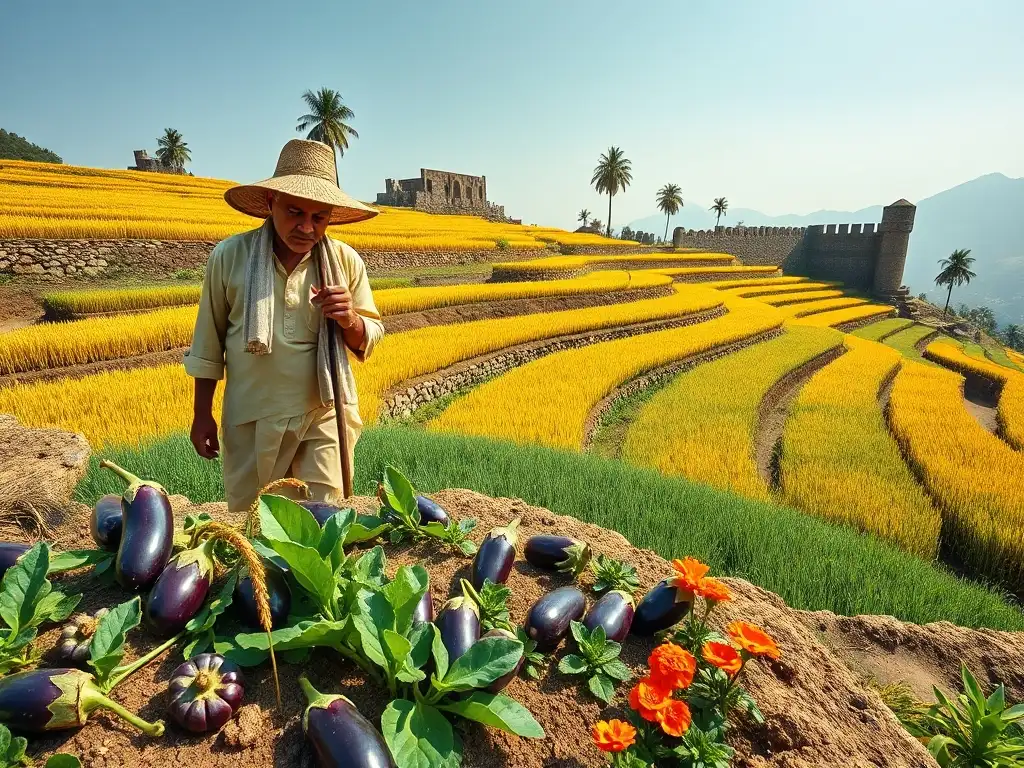
Welcome to Ancient India History, where we embark on a fascinating journey through time to uncover the rich tapestry of ancient Indian civilizations. In this article, we delve into the remarkable world of ancient Indian crop diversity, exploring how innovative agricultural practices not only sustained communities but also fueled economic growth. What secrets lie behind the cultivation techniques of the past, and how did they shape the thriving societies of the Indus Valley and beyond? Join us as we unravel the intricate connections between agriculture and economy, and discover the profound legacy that continues to influence us today.
- Introduction to Ancient Indian Crop Diversity
- Historical Context of Agriculture in Ancient India
- Types of Crops Cultivated in Ancient India
- Techniques for Enhancing Crop Diversity
- Impact of Irrigation Systems on Crop Diversity
- Economic Implications of Crop Diversity
- Cultural Significance of Crop Diversity
- Conclusion
-
Frequently Asked Questions
- What is the significance of ancient Indian crop diversity?
- Which crops were commonly cultivated in ancient India?
- How did ancient Indians manage crop diversity?
- What impact did crop diversity have on trade in ancient India?
- How does the study of ancient Indian crop diversity benefit modern agriculture?
- Final Reflection: Embracing the Legacy of Ancient Indian Crop Diversity
- Unleash Your Curiosity and Cultivate Knowledge!
Introduction to Ancient Indian Crop Diversity
The agricultural practices of ancient India played a pivotal role in shaping not only the economy but also the cultural fabric of the civilization. With a diverse range of environmental conditions across the subcontinent, ancient Indians developed an impressive array of agricultural techniques and crop varieties that were essential for sustaining their growing populations.
The concept of ancient Indian crop diversity is not merely a historical footnote; it represents a sophisticated understanding of ecology, economy, and community resilience. From the fertile plains of the Indus Valley to the lush fields of the Ganges, ancient Indian farmers cultivated a variety of crops that were crucial for both sustenance and trade, thereby laying the foundation for economic growth that resonated through the ages.
Importance of Crop Diversity in Ancient India
Crop diversity in ancient India was not only a means of ensuring food security but also a reflection of the region's rich cultural heritage and biodiversity. Farmers cultivated a plethora of staple crops, including rice, wheat, barley, and pulses, alongside a variety of fruits and vegetables. This diversity was vital for several reasons:
- Nutritional Security: A diverse diet was essential for maintaining health and nutrition among the population. Different crops provided various vitamins and minerals, reducing the risk of deficiencies.
- Risk Mitigation: By cultivating multiple crop varieties, farmers could mitigate the risks associated with crop failure due to pests, diseases, or adverse weather conditions. This practice ensured a more stable food supply.
- Ecological Balance: Crop rotation and intercropping techniques promoted soil fertility and reduced the need for chemical inputs, fostering an ecological balance that benefited the environment.
The ancient texts and agricultural manuals, such as the Arthashastra and Krishi Parashara, provide evidence of the sophisticated agricultural knowledge possessed by ancient Indian farmers, emphasizing the critical role of crop diversity.
Overview of Economic Growth Through Agriculture
Agriculture was the backbone of ancient Indian economy, driving trade and wealth accumulation. The cultivation of diverse crops contributed significantly to economic growth in several ways:
- Trade Networks: The surplus production of various crops allowed ancient Indians to engage in trade with neighboring regions, exporting grains, spices, and textiles. This trade not only boosted local economies but also established India as a key player in the global market.
- Urbanization: The growth of agricultural productivity led to the rise of urban centers, where trade and commerce flourished. Cities like Mohenjo-Daro and Harappa became hubs for economic activity, contributing to the overall prosperity of the civilization.
- Agricultural Innovations: The need for enhanced productivity spurred innovations in irrigation, plowing techniques, and crop management. These advances not only improved yields but also set the stage for future agricultural practices.
The intricate relationship between ancient Indian crop diversity and economic growth is a testament to the ingenuity and adaptability of ancient Indian civilizations. Their agricultural practices not only sustained their societies but also laid the groundwork for enduring economic prosperity that would influence generations to come.
Historical Context of Agriculture in Ancient India
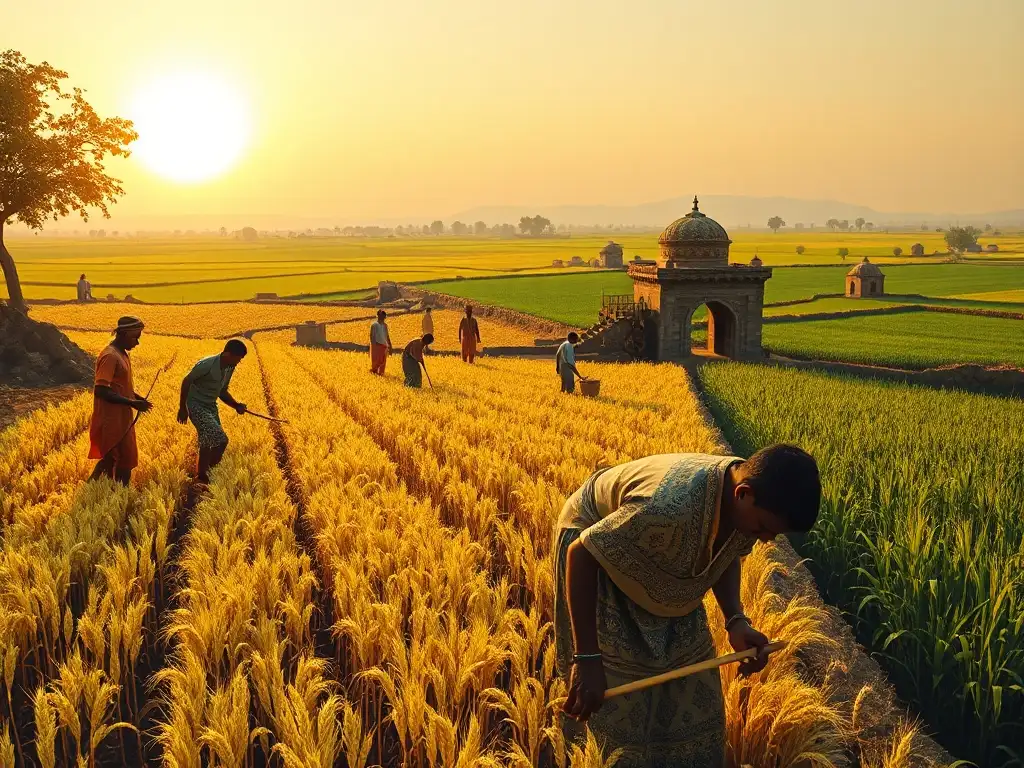
Agriculture has been the backbone of ancient Indian civilization, providing sustenance and economic stability. The history of agriculture in India dates back to the prehistoric times, with evidence suggesting that the Indus Valley Civilization (c. 3300–1300 BCE) was one of the first to employ systematic agricultural practices. This period laid the foundation for what would develop into a rich tapestry of agricultural diversity that was essential for trade, sustenance, and cultural practices.
The geographical diversity of India, ranging from the fertile plains of the Ganges to the arid deserts of Rajasthan, contributed to a variety of crops being cultivated. Ancient Indians adeptly utilized their environment to maximize agricultural output, leading to the development of various irrigation techniques that facilitated crop cultivation even in less fertile regions. This adaptability not only ensured food security but also allowed for the emergence of a surplus that could support trade and economic growth.
The progression of agricultural techniques and crop varieties continued through various historical periods, each contributing to the evolution of ancient Indian crop diversity. From the sophisticated urban planning of the Indus Valley to the agrarian reforms during the Vedic period, each era played a crucial role in shaping agricultural practices.
Agricultural Practices in the Indus Valley Civilization
The Indus Valley Civilization showcased advanced agricultural practices that were vital for its economic prosperity. Archaeological findings indicate that the inhabitants cultivated a range of crops, including wheat, barley, peas, and cotton. The region's sophisticated irrigation systems, including wells and canals, allowed for effective water management, crucial for sustaining agriculture in a semi-arid climate.
- Crop Rotation: This technique was likely practiced to maintain soil fertility. By alternating the types of crops planted, farmers could reduce soil depletion and pest infestations.
- Terracotta Models: Evidence of terracotta models depicting plows suggests that the Indus Valley farmers utilized plowing techniques to till the land more effectively.
- Storage Facilities: Granaries discovered at sites like Mohenjo-Daro indicate a keen understanding of post-harvest management, ensuring that surplus grains could be stored for future use or trade.
These practices not only provided food but also laid the groundwork for trade networks, as surplus crops could be exchanged for goods and services, enhancing economic growth.
The Role of the Vedic Period in Crop Cultivation
The Vedic period (c. 1500–500 BCE) marked a significant evolution in agricultural practices, influenced by the socio-religious context of the time. The introduction of new crop varieties, rituals, and agricultural techniques transformed the landscape of ancient Indian agriculture.
- New Crop Varieties: The Vedic texts mention various crops such as rice, millet, and legumes, reflecting a diversification in agriculture. This diversification was essential for both nutrition and trade.
- Rituals and Agriculture: The agrarian society placed significant emphasis on rituals and prayers for a successful harvest. This cultural aspect reinforced the importance of agriculture in daily life and its ties to spiritual beliefs.
- Use of Iron Tools: The introduction of iron tools during this period enhanced agricultural productivity. These tools allowed for more efficient farming, leading to increased crop yields and a greater capacity for land cultivation.
The integration of these new practices not only improved food security but also stimulated economic growth through trade, as agricultural surplus became a vital component of the economy.
Innovations in Agriculture During the Maurya and Gupta Empires
The Maurya (c. 322–185 BCE) and Gupta (c. 320–550 CE) Empires were pivotal in advancing agricultural practices and crop diversity in ancient India. The consolidation of political power during these periods facilitated agricultural innovations that significantly impacted the economy.
- State Support for Agriculture: Both empires recognized the importance of agriculture by implementing policies that supported farmers, including tax incentives and improved irrigation.
- Crop Diversification: The introduction of cash crops, such as sugarcane and spices, during these periods expanded the agricultural landscape. This diversification not only catered to local consumption but also enhanced trade with other regions.
- Agricultural Manuals: The emergence of texts such as Kautilya's Arthashastra provided detailed guidelines on agriculture, including crop selection, land management, and irrigation methods. These manuals served as essential resources for farmers, promoting best practices.
Through these innovations, the Maurya and Gupta Empires significantly contributed to the rich legacy of ancient Indian crop diversity, fostering economic growth that resonated through trade and cultural exchanges across the subcontinent. The agricultural advancements during these periods not only sustained large populations but also laid a foundation that would influence future generations in India.
Types of Crops Cultivated in Ancient India
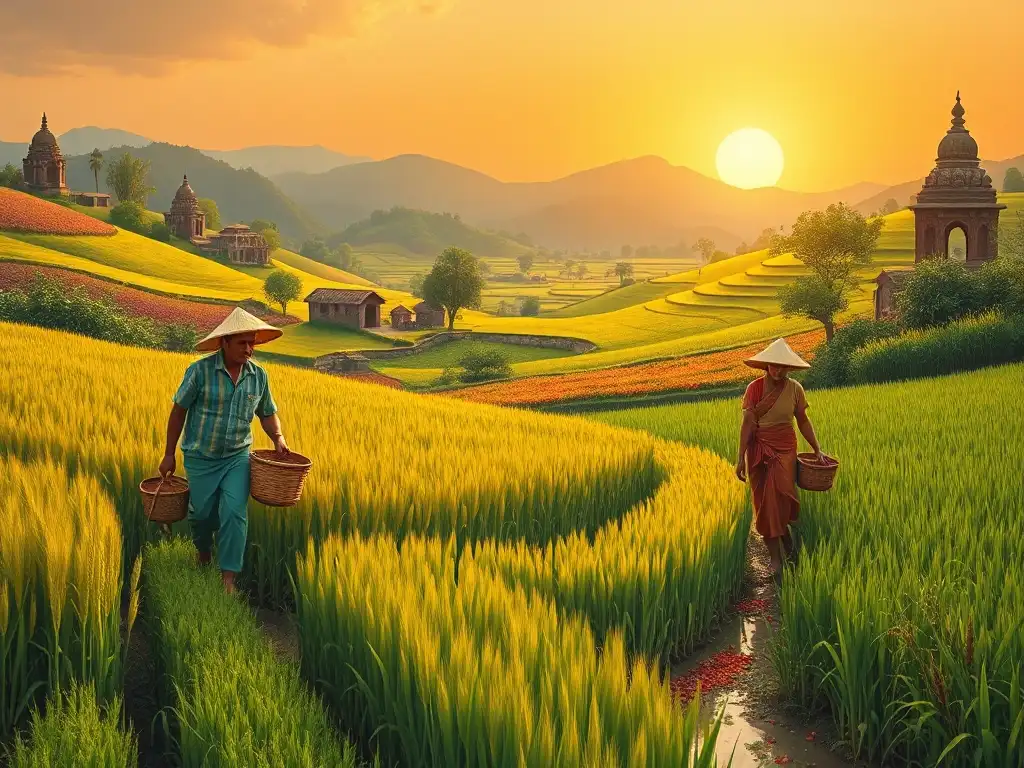
Ancient India was a cradle of agricultural innovation, characterized by a remarkable diversity of crops that underpinned its economy and culture. The cultivation of various crops not only supported local diets but also facilitated trade and economic growth. This section delves into the types of crops that were commonly cultivated across ancient Indian civilizations, highlighting their significance and contributions to society.
Major Food Crops: Rice, Wheat, and Barley
Rice, wheat, and barley were the cornerstone of ancient Indian agriculture. Each of these crops played a crucial role in sustaining the population and forming the basis of the economy.
- Rice:
- Cultivation Regions: Primarily grown in the fertile river valleys, especially along the Ganges, rice was a staple food for many communities.
- Varieties: Ancient texts reference a variety of rice types, such as Sali and Mahsuri, indicating a sophisticated understanding of cultivation techniques.
- Economic Importance: As a staple food source, rice contributed significantly to trade, both locally and with neighboring regions.
- Wheat:
- Adaptability: Wheat was particularly suited to the drier, cooler regions of northern India. The crop thrived on the black soil of the Deccan plateau.
- Culinary Uses: It formed the basis for a variety of traditional foods, such as roti and paratha, which are still popular today.
- Agricultural Practices: Ancient Indians developed irrigation systems that facilitated wheat cultivation, showcasing their agricultural ingenuity.
- Barley:
- Nutritional Value: Barley was valued not only as a food source but also for its use in brewing and fodder for livestock.
- Cultural Significance: Barley is mentioned in various ancient texts, indicating its importance in rituals and daily life.
- Adaptation to Climate: Its resilience to harsh conditions made barley a reliable crop in diverse climates across India.
Cash Crops: Cotton and Spices
In addition to food crops, ancient India was renowned for its cash crops, particularly cotton and spices, which played a pivotal role in trade and economic prosperity.
- Cotton:
- Historical Significance: Evidence of cotton cultivation dates back to 5000 BCE in the Indus Valley Civilization, highlighting its long-standing importance.
- Textile Industry: Cotton became a cornerstone of the Indian textile industry, with intricate weaving techniques leading to the creation of fine fabrics that were highly sought after in international markets.
- Trade Routes: The export of cotton textiles contributed significantly to the wealth of ancient Indian kingdoms, establishing trade routes with regions like the Middle East and Europe.
- Spices:
- Diversity of Spices: Ancient India was a hub for a variety of spices, including black pepper, cardamom, and turmeric, which were prized for their flavor and medicinal properties.
- Economic Impact: The spice trade was a major economic driver, leading to cultural exchanges and the establishment of trade relationships with foreign lands.
- Culinary Influence: Spices not only enhanced food flavors but also played a significant role in the preservation of food, crucial for long-distance trade.
Legumes and Pulses: Nutritional Diversity
Legumes and pulses were integral to ancient Indian agriculture, contributing to nutritional diversity and soil fertility.
- Types of Legumes:
- Common varieties included lentils ( masoor), chickpeas ( chana), and pigeon peas ( toor). These crops were rich in protein, making them essential for balanced diets.
- Crop Rotation: The practice of rotating legumes with cereal crops improved soil health, reducing the need for synthetic fertilizers.
- Culinary and Economic Benefits:
- Legumes were staple food items and were often used in traditional dishes, enhancing the flavor and nutritional profile of meals.
- Their cultivation supported local economies by providing a source of income and trade, particularly in regions where other crops struggled to thrive.
The ancient Indian crop diversity was a vital aspect of agricultural practices, influencing not only the economy but also the culture and daily lives of its people. The effective use of crop rotation, irrigation, and the cultivation of a variety of food and cash crops laid the foundation for a thriving agrarian society that continues to influence India's agricultural landscape today.
Techniques for Enhancing Crop Diversity
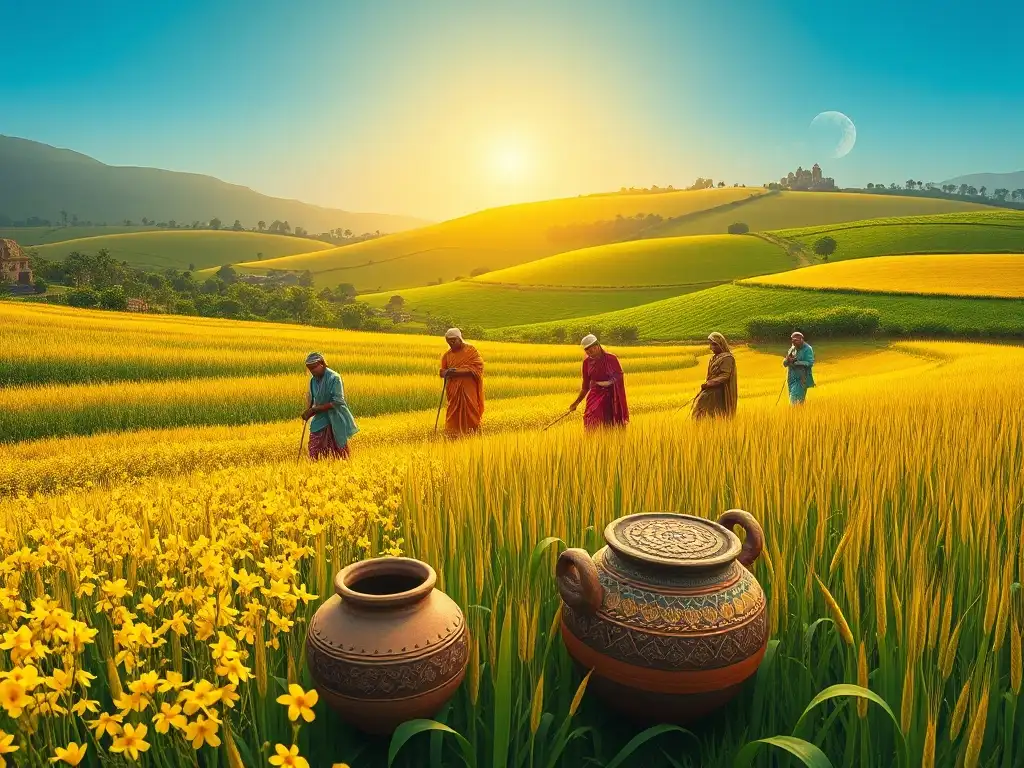
Cultivating crop diversity was a hallmark of ancient Indian agriculture, significantly contributing to economic growth and sustainability. Various techniques were employed by ancient Indian farmers to enhance crop diversity, ensuring food security and resilience against pests and diseases. The following sections will delve into some of the most prominent techniques used in ancient India to promote a rich variety of crops.
Crop Rotation and Its Economic Benefits
Crop rotation refers to the practice of alternating different crops on the same land across seasons. This technique was vital in ancient Indian agriculture for several reasons:
- Soil Fertility: Different crops have varying nutrient requirements and contribute differently to soil health. For instance, leguminous plants, like lentils and chickpeas, fixed nitrogen in the soil, enhancing fertility for subsequent crops.
- Pest and Disease Control: By rotating crops, ancient farmers reduced the buildup of pests and diseases that often occur when the same crop is grown repeatedly. This natural pest control reduced the need for chemical interventions, which were non-existent at the time.
- Economic Resilience: Crop rotation allowed farmers to maximize yield and minimize risk. By diversifying the types of crops planted, they could buffer against market fluctuations and crop failures due to unforeseen weather conditions.
Crop rotation was a strategic approach that not only improved soil health but also provided economic stability to ancient farmers.
Intercropping: A Sustainable Practice
Intercropping involves growing two or more crops in proximity during a single growing season. This technique was widely practiced in ancient India and offered numerous advantages:
- Resource Optimization: Different crops often utilize resources such as sunlight and water differently. For example, tall crops like maize can provide shade for shorter crops like beans, allowing both to thrive.
- Enhanced Biodiversity: Intercropping promoted a rich ecosystem, attracting beneficial insects and pollinators, which further supported crop health and productivity.
- Increased Yields: Studies indicate that intercropped systems can yield more total biomass than monoculture systems. Ancient farmers experienced increased overall productivity by cultivating complementary crops.
- Economic Diversification: Farmers could harvest multiple crops at once, providing varied income sources and improving food security within their communities.
Intercropping was not only a sustainable agricultural practice but also a critical strategy for economic growth in ancient Indian societies.
Use of Traditional Seed Varieties
The significance of traditional seed varieties in enhancing crop diversity cannot be overstated. Ancient Indian farmers relied on indigenous seeds that were well-suited to local climates and soil conditions. Key aspects of this practice included:
- Adaptability: Traditional varieties were often more resilient to local pests, diseases, and environmental stresses, ensuring stable yields even in challenging conditions.
- Preservation of Heritage: The use of traditional seeds helped maintain agricultural biodiversity, preserving cultural heritage and knowledge passed down through generations.
- Nutritional Value: Many indigenous crops, such as millets and pulses, are known for their high nutritional content, contributing to better health outcomes for communities.
- Economic Viability: By planting diverse traditional varieties, farmers could access niche markets for unique crops, enhancing their economic prospects.
The emphasis on traditional seed varieties played a crucial role in shaping the agricultural landscape of ancient India, ensuring both food security and economic growth through diversified cultivation practices.
Impact of Irrigation Systems on Crop Diversity
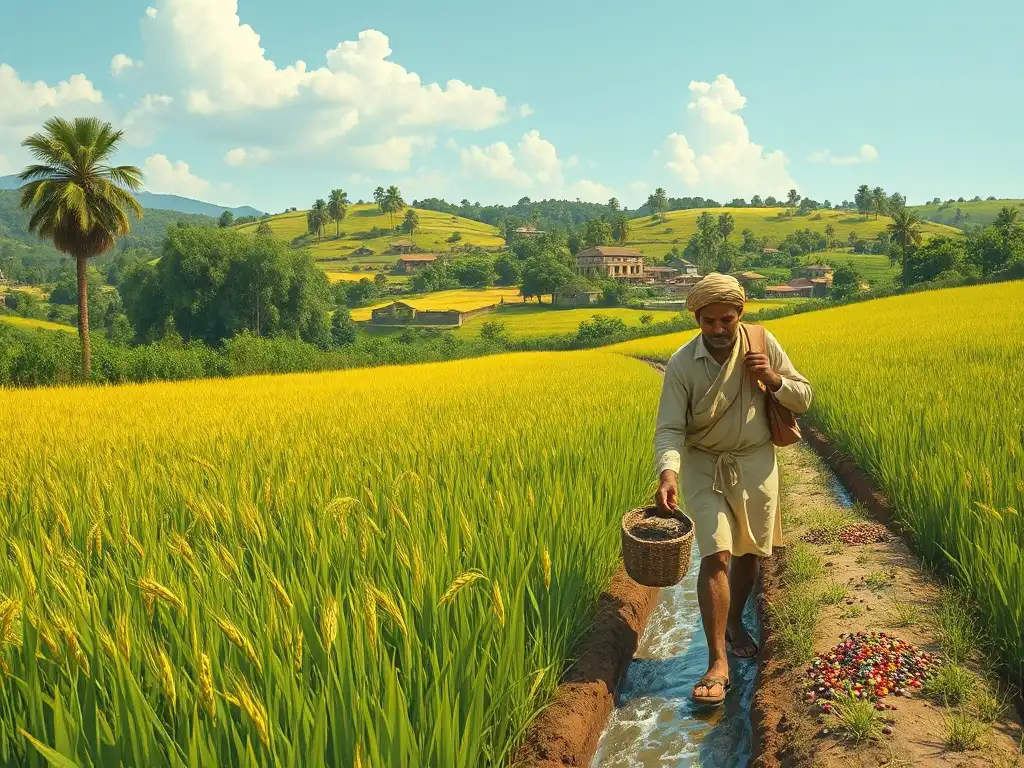
The development of irrigation systems in ancient India played a pivotal role in promoting crop diversity, which in turn fueled economic growth. By providing a consistent water supply, these systems allowed farmers to cultivate a wider variety of crops, leading to increased food production and improved resilience against climatic fluctuations. The ability to manage water resources effectively transformed agricultural practices and established a foundation for thriving agrarian societies.
Ancient Indian Irrigation Techniques
Ancient Indians employed a range of innovative irrigation techniques tailored to their diverse geographical landscapes. Some notable methods included:
- Canals: Water from rivers was diverted through canals to irrigate fields, particularly in regions like the Indus Valley and the Ganges basin.
- Stepwells: These structures not only provided water for irrigation but also served as reservoirs for drinking water, especially in arid regions.
- Baolis (Stepwells): This unique technique involved creating deep wells with steps leading down to the water, ensuring access during dry periods.
- Tank Systems: Large water storage tanks were built to collect rainwater, which could then be used for irrigation, especially beneficial in regions with seasonal rainfall.
The integration of these techniques allowed ancient Indian farmers to maximize their agricultural output by expanding the types of crops they could grow, thereby enhancing ancient Indian crop diversity.
Relationship Between Irrigation and Agricultural Productivity
The correlation between irrigation and agricultural productivity in ancient India cannot be overstated. With a reliable water supply, farmers could engage in multiple cropping cycles throughout the year. Key aspects of this relationship include:
- Increased Yields: Irrigation systems significantly boosted yield per acre, enabling the cultivation of high-value crops such as rice, wheat, barley, and pulses.
- Crop Rotation: The availability of water allowed for the practice of crop rotation, which improved soil health and reduced pest buildup, further enhancing productivity.
- Resilience to Climate Variability: Efficient irrigation systems mitigated the impacts of droughts and floods, providing a more stable food supply and economic security for communities.
Through these practices, ancient Indian societies cultivated a rich tapestry of crops, which not only met local needs but also supported trade and commerce with neighboring regions.
Case Study: The Ghaggar-Hakra River System
The Ghaggar-Hakra River System serves as a compelling case study in understanding the interplay between irrigation and crop diversity in ancient India. This river, which flowed through present-day Punjab and Rajasthan, was crucial for the agricultural development of the surrounding regions.
- Irrigation Infrastructure: Ancient communities constructed sophisticated irrigation channels from the Ghaggar-Hakra river, allowing for the efficient distribution of water to nearby fields.
- Crop Diversity: The fertile alluvial plains supported the growth of diverse crops, including millet, barley, and various legumes, which were essential for local diets and trade.
- Economic Impact: The surplus produced through these irrigation efforts facilitated trade with other regions, contributing to the economic prosperity of the societies that thrived around the Ghaggar-Hakra River.
This case highlights how ancient irrigation systems were not merely an agricultural tool but a cornerstone of economic and cultural development in ancient Indian civilizations. The legacy of these practices continues to influence modern agricultural strategies in the region.
Economic Implications of Crop Diversity
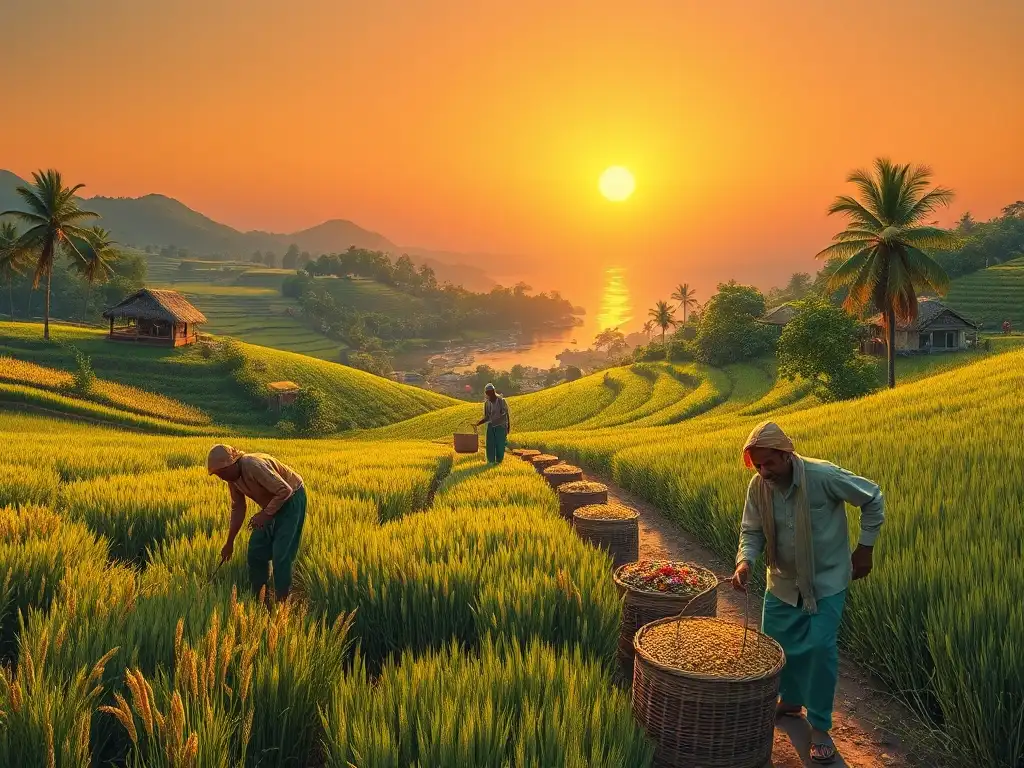
The concept of ancient Indian crop diversity played a fundamental role in shaping the economic landscape of various Indian civilizations. This diversity was not merely a reflection of agricultural practices but also served as a catalyst for trade, food security, and societal development. The cultivation of a wide range of crops contributed significantly to the economy, enabling societies to thrive and evolve.
Contribution to Trade and Commerce
Ancient Indian civilizations, particularly during the periods of the Indus Valley Civilization and later empires, recognized the importance of crop diversity in fostering trade. The ability to cultivate various crops allowed for:
- Increased Market Value: Different crops held distinct values in local and regional markets. For instance, spices, grains, and textiles became important commodities for trade, both domestically and with foreign lands.
- Bartering Systems: Diverse crop production enabled more complex bartering systems. Farmers could exchange surplus crops for other goods, enhancing economic interdependence among communities.
- Export Opportunities: Ancient texts indicate that India was a significant exporter of crops like rice, cotton, and spices to regions such as the Middle East and Southeast Asia. This trade not only boosted the economy but also facilitated cultural exchanges.
According to historical records, the trade routes established during the Mauryan and Gupta Empires were heavily influenced by the agricultural surplus derived from crop diversity, leading to prosperous trade networks.
Role of Crop Diversity in Food Security
Food security was a pivotal concern for ancient Indian civilizations, and crop diversity played a crucial role in addressing this issue. The cultivation of multiple crop varieties ensured:
- Resilience to Climate Variability: Different crops have varying tolerances to climate conditions. By diversifying crops, ancient farmers could mitigate the risks posed by droughts or floods, ensuring a more stable food supply.
- Nutritional Balance: A diverse diet, supported by varied crop production, contributed to better health and nutrition among the population. This was especially important in maintaining a healthy workforce essential for agricultural and economic productivity.
- Sustainability of Resources: Diverse cropping systems allowed for the sustainable use of land and water resources. Crop rotation and intercropping practices helped maintain soil fertility, reducing the need for external inputs.
Historical evidence suggests that regions with high crop diversity, such as the fertile plains of the Ganges, experienced less food scarcity and better overall health among their populations, contributing to their economic stability.
Agricultural Surplus and Its Impact on Society
The surplus generated from diverse agricultural practices had profound implications for ancient Indian society. This surplus facilitated:
- Urbanization: As agricultural productivity increased, communities could support larger populations. This led to the growth of urban centers and the development of complex societies.
- Social Stratification: With agricultural surplus, wealth accumulation became possible, resulting in social hierarchies. Landowners and traders emerged as influential classes, affecting the social dynamics of ancient India.
- Cultural Development: The availability of surplus food allowed individuals to focus on pursuits beyond farming, promoting advancements in art, science, and philosophy. The flourishing of cities like Pataliputra during the Gupta Empire is a prime example of this phenomenon.
| Economic Aspect | Impact of Crop Diversity |
|---|---|
| Trade and Commerce | Enhanced market values and barter systems |
| Food Security | Improved resilience and nutritional balance |
| Societal Development | Urbanization and cultural advancements |
The ancient Indian crop diversity was a multifaceted asset that significantly influenced economic growth, trade, and societal structure. By understanding the historical significance of crop diversity, one can appreciate the intricate relationship between agriculture and the development of ancient Indian civilizations.
Cultural Significance of Crop Diversity
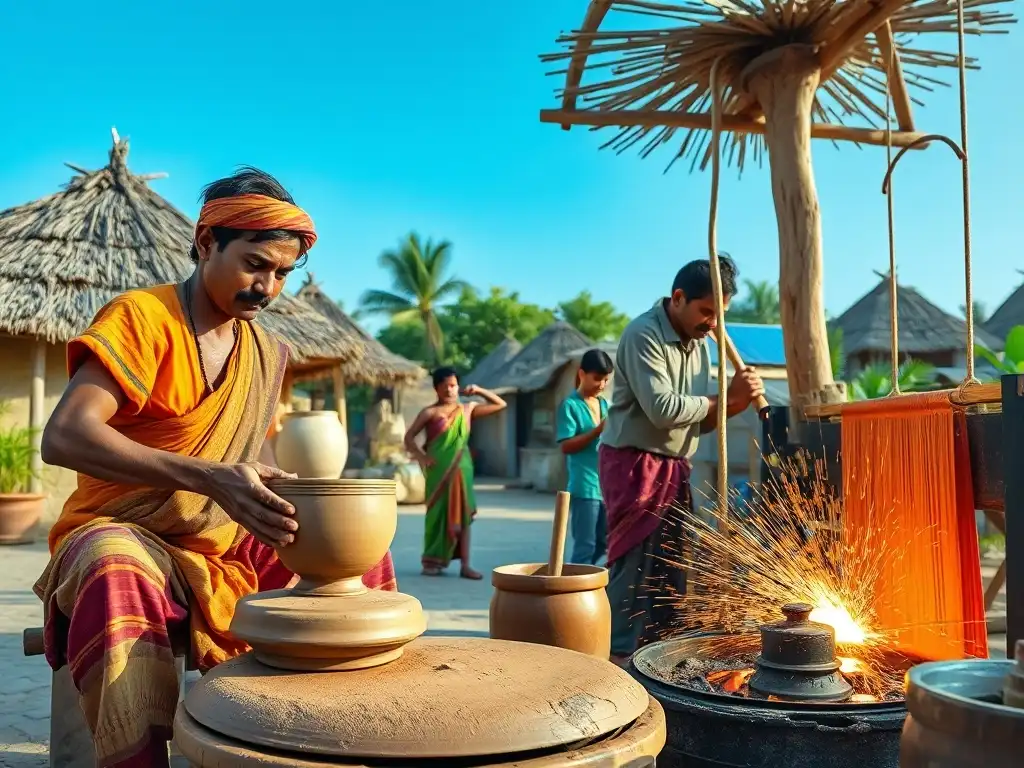
Crop diversity in ancient India played a vital role not only in agriculture but also in shaping the cultural and economic landscape of the civilization. The variety of crops cultivated contributed to food security, economic prosperity, and the overall societal structure. Ancient Indians understood the importance of different crops in their diets, which led to the cultivation of a wide array of species, each with its unique value.
The significance of crop diversity extended beyond mere sustenance; it was intertwined with the cultural identity and practices of various communities. Different regions specialized in specific crops, leading to a rich tapestry of agricultural practices that reflected local customs and traditions. This diversity fostered resilience against pests, diseases, and climate variability, ensuring the survival of communities even during challenging times.
Festivals Celebrating Harvests
In ancient India, the celebration of harvests was deeply rooted in cultural practices, with various festivals dedicated to thanking the deities for a bountiful yield. These festivals not only honored the agricultural cycle but also reinforced community bonds.
- Pongal: Celebrated primarily in Tamil Nadu, Pongal is a harvest festival that marks the end of the harvest season. It involves cooking a special dish made from newly harvested rice, which is offered to the Sun God as a sign of gratitude. The festival emphasizes the importance of rice, a staple crop, and showcases the diversity of grains grown in the region.
- Makar Sankranti: This festival signifies the transition of the sun into Capricorn and is celebrated across India. It involves kite flying and feasting on traditional sweets made from sesame and jaggery. The festival marks the harvesting of various crops, including sugarcane and millet, celebrating the agricultural diversity found in different regions.
- Baisakhi: Primarily celebrated in Punjab, Baisakhi commemorates the harvest of wheat and the onset of the new year in the Sikh calendar. The festival is marked by vibrant celebrations, folk dances, and the sharing of traditional foods, showcasing the significance of wheat as a major crop in the region.
These festivals highlight how ancient Indian crop diversity was not only essential for economic growth but also served as a foundation for cultural expressions and community celebrations.
Crop Diversity in Ancient Indian Literature and Art
The richness of ancient Indian crop diversity is vividly reflected in the literature and art of the time. Texts such as the Rigveda and Arthashastra mention various crops, portraying their significance in daily life and economy.
- Rigveda: This ancient text contains hymns that reference agricultural practices, including the cultivation of barley, wheat, and rice. The emphasis on diverse crops illustrates the agrarian lifestyle and its integral role in sustaining the community.
- Arthashastra: Written by Kautilya, this treatise discusses various aspects of governance, including agriculture. It highlights the importance of crop rotation and diversification to enhance soil fertility and maximize yields, showcasing an advanced understanding of sustainable agricultural practices.
In art, ancient Indian sculptures and paintings often depict agricultural scenes, illustrating the relationship between humans and the land. For instance, the Ajanta Caves feature murals that showcase farmers engaged in cultivation, emphasizing the importance of diverse crops in daily life.
The presence of various symbols and motifs related to agriculture in pottery and textiles further reinforces the cultural significance of crop diversity. These artistic expressions not only celebrate the bounty of the land but also serve as a historical record of the agricultural practices that shaped ancient Indian civilization.
Ancient Indian crop diversity was a cornerstone of cultural identity, celebrated through festivals and immortalized in literature and art, reflecting the intricate connection between agriculture and the broader socio-economic framework of the time.
Conclusion
Summary of Ancient Indian Crop Diversity and Economic Growth
The ancient Indian crop diversity was a cornerstone of the agricultural economy, fostering resilience and sustainability. From the fertile plains of the Indus Valley to the diverse climatic regions across the subcontinent, ancient Indian civilizations cultivated a wide array of crops, including cereals, pulses, oilseeds, and spices. This diversity not only provided food security but also created trade opportunities that significantly contributed to economic growth.
- Cereals: Wheat and barley were predominant in the north, while rice thrived in the southern and eastern regions.
- Pulses: Lentils and chickpeas were staple protein sources that complemented the diets of ancient communities.
- Oilseeds: Sesame and mustard were cultivated for their oil, essential for cooking and rituals.
- Spices: Black pepper, cardamom, and turmeric were highly valued, both for culinary use and as commodities in trade.
The ancient agricultural techniques, such as crop rotation and intercropping, further enhanced soil fertility and increased yield, which laid the foundation for a robust economy. Additionally, the development of irrigation systems, such as canals and wells, allowed for year-round cultivation, significantly boosting productivity.
Legacy of Ancient Agricultural Practices in Modern India
The agricultural practices of ancient India have left an indelible mark on contemporary farming methods. Many of the principles established thousands of years ago continue to influence modern agriculture in India.
- Sustainable Practices: Concepts of crop rotation and polyculture, which were practiced in ancient times, are gaining renewed interest in modern sustainable farming. These methods promote biodiversity, improve soil health, and reduce dependency on chemical fertilizers.
- Irrigation Techniques: The ancient systems of irrigation, such as step wells and tanks, are still in use today, particularly in arid regions. Modern adaptations of these techniques underscore their effectiveness in managing water resources efficiently.
- Crop Varieties: The rich heritage of ancient Indian crop diversity has contributed to the preservation of numerous indigenous seed varieties. Farmers today are increasingly recognizing the importance of these heirloom varieties for their resilience to climate change and pest resistance.
- Cultural Significance: The reverence for agriculture in ancient Indian culture continues to be reflected in modern agricultural festivals and practices. Celebrations like Makar Sankranti and Pongal honor the agrarian roots of society, showcasing the ongoing connection to ancient agricultural traditions.
Understanding the significance of ancient Indian crop diversity not only enriches our knowledge of historical agricultural practices but also offers valuable insights into sustainable farming for future generations. The legacy of these practices is a testament to the ingenuity and adaptability of ancient Indian civilizations, which continue to inspire modern agricultural strategies.
Frequently Asked Questions
What is the significance of ancient Indian crop diversity?
Ancient Indian crop diversity played a crucial role in sustaining various civilizations by providing a stable food supply and fostering economic growth.
Which crops were commonly cultivated in ancient India?
Ancient Indians cultivated a wide range of crops, including rice, wheat, barley, and millets, contributing to the diversification of their agricultural practices.
How did ancient Indians manage crop diversity?
Ancient Indian farmers utilized sustainable farming techniques and local knowledge to enhance crop diversity, ensuring resilience against pests and climatic changes.
What impact did crop diversity have on trade in ancient India?
The diverse agricultural output allowed ancient India to engage in extensive trade with neighboring regions, enhancing economic prosperity and cultural exchange.
How does the study of ancient Indian crop diversity benefit modern agriculture?
Studying ancient Indian crop diversity can provide insights into sustainable farming practices and biodiversity, which are essential for tackling contemporary agricultural challenges.
Final Reflection: Embracing the Legacy of Ancient Indian Crop Diversity
The cultivation of crop diversity in ancient India is not just a historical phenomenon; it is a testament to the ingenuity and resilience of a civilization that understood the profound connection between agriculture and economic prosperity. Today, as we face challenges like climate change and food security, the lessons from ancient Indian agricultural practices resonate more than ever. The ability to cultivate a variety of crops not only ensured sustenance but also fostered economic growth, highlighting the importance of biodiversity in our modern agricultural systems.
The impact of ancient Indian crop diversity extends beyond mere historical significance; it continues to shape our cultural and social landscapes. The practices of our ancestors remind us of the value of sustainable agriculture and the need for a diversified approach to farming. As we strive to create a more resilient food system, we can draw inspiration from the wisdom of the past. Diversity is the key to resilience in agriculture, just as it is in life.
This quote encapsulates the essence of how embracing diversity can lead to stronger communities and economies.
As we reflect on the lessons of ancient Indian crop diversity, I invite you to consider how you can incorporate these principles into your own life. Think about the ways you can support local agriculture, advocate for sustainable practices, and appreciate the rich tapestry of food that our ancestors cultivated. By honoring this legacy, we not only pay tribute to the past but also pave the way for a more sustainable and prosperous future for generations to come.
Unleash Your Curiosity and Cultivate Knowledge!
Thank you for diving into the fascinating world of ancient Indian agricultural practices! You've gained valuable insights into how a diverse array of crops contributed to economic growth and sustainability. Now, it’s time to take that knowledge further and make your own impact.
Here are some actionable steps you can take:
- Explore local agricultural diversity: Visit a nearby farm or farmer's market to discover and support local crops, while understanding their role in promoting modern sustainability.
- Share your insights: Discuss what you’ve learned with friends or on social media to inspire others about the importance of crop diversity and its economic implications.
- Get involved in community gardening: Join a local gardening initiative to experience firsthand the benefits of cultivating a variety of plants and how it fosters both economic and social growth.
What unique crops have you discovered in your community that could contribute to local economic diversity? Share your thoughts below!