
Understanding the Ingenious Crop Cultivation Techniques of Ancient India

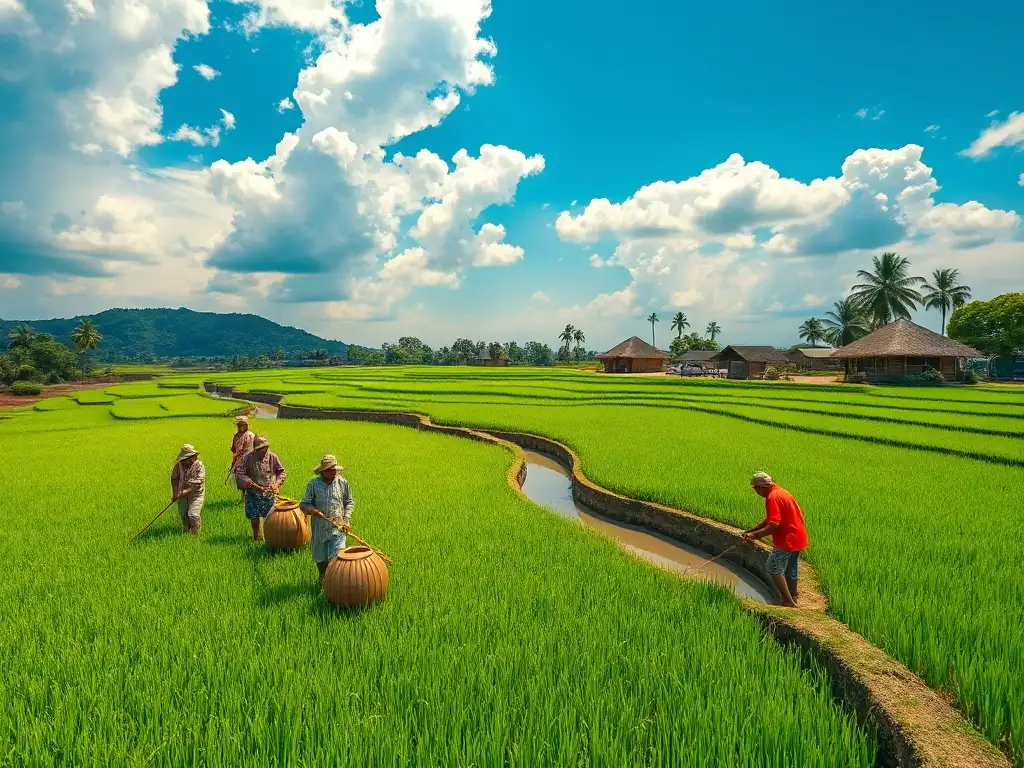
Welcome to Ancient India History, where we delve into the fascinating tapestry of India's past, celebrating the rich and diverse civilizations that shaped the subcontinent. In today’s featured article, we uncover the ingenious crop cultivation techniques of ancient India, highlighting the innovative practices that sustained agrarian societies and fueled economic growth. As you explore how these techniques influenced not only local lives but also the greater tapestry of agricultural development, prepare to be captivated by the profound wisdom and creativity of our ancient ancestors. Join us on this journey and discover what lies beneath the surface of history!
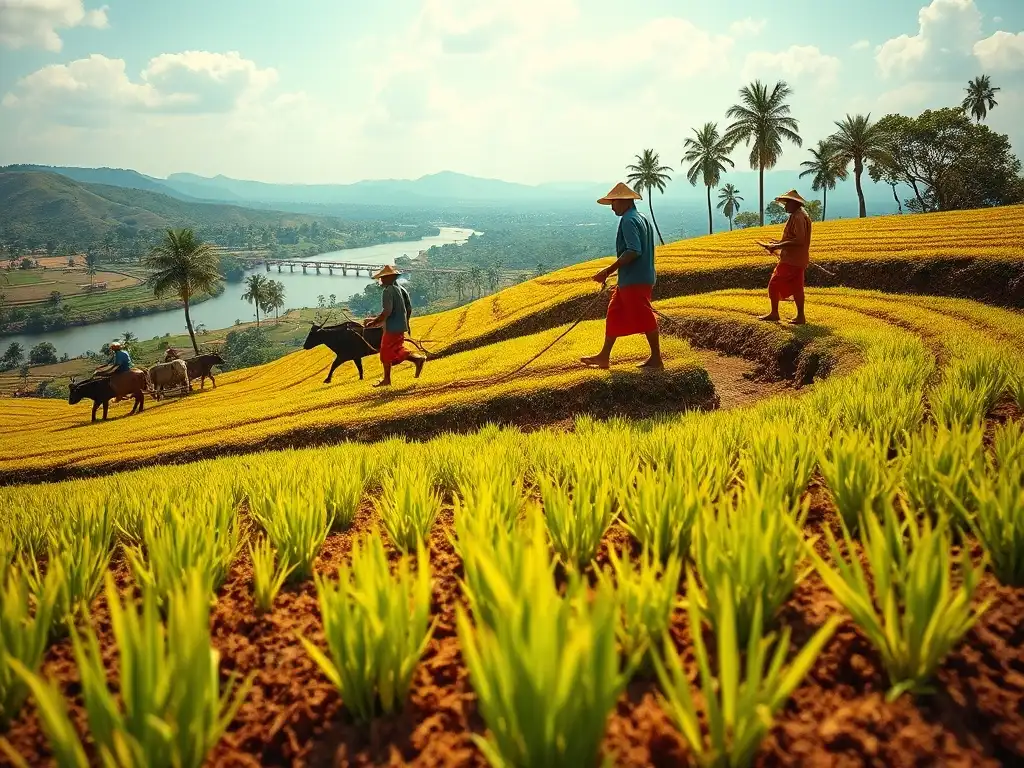
Introduction to Ancient Indian Crop Cultivation Techniques
The agricultural practices of ancient India represent a remarkable blend of innovation, sustainability, and adaptation to local environments. From the fertile plains of the Indus Valley to the diverse landscapes of the Gangetic plains, ancient Indian civilizations developed sophisticated crop cultivation techniques that significantly contributed to their societal and economic structures. These techniques not only enabled the growth of staple crops but also encouraged the development of trade and cultural exchange. Understanding these practices offers insights into how ancient Indians managed their resources and sustained their populations, laying the groundwork for future agricultural advancements.
The ingenuity of ancient Indian crop cultivation techniques is evident in their use of irrigation systems, crop rotation, and the domestication of various plant species. The knowledge passed down through generations highlights a deep understanding of seasonal cycles, soil health, and ecological balance. By examining these practices, we can appreciate the foresight and expertise of ancient Indian farmers, whose methods remain relevant even in today’s agricultural discourse.
Historical Context of Agricultural Practices in Ancient India
Agriculture in ancient India has roots that trace back to the Neolithic period, with evidence suggesting that crop cultivation began as early as 7000 BCE. The emergence of the Indus Valley Civilization around 2500 BCE marked a significant advancement in agricultural practices. This civilization was characterized by sophisticated urban planning and an elaborate irrigation system that facilitated the cultivation of crops such as wheat, barley, and cotton.
Key Developments in Ancient Indian Agriculture
-
Irrigation Techniques:
Ancient Indians utilized various irrigation methods, including canals, wells, and tanks, to manage water supply for their crops. This expertise not only improved crop yields but also mitigated the risks associated with droughts and floods.
-
Crop Rotation and Diversity:
Farmers practiced crop rotation, which involved alternating different crops in the same field to maintain soil fertility and reduce pest infestations. This practice contributed to a diverse agricultural system that included pulses, grains, and vegetables.
-
Domestication of Plants:
The domestication of key crops such as rice, millet, and legumes was crucial to ancient Indian agriculture. These crops were selected for their adaptability to local climatic conditions, which ensured food security for communities.
The historical context of these agricultural practices underscores the significance of ancient Indian crop cultivation techniques in shaping the region's economy and culture. These practices not only provided sustenance but also fostered trade relationships with neighboring civilizations, thus enriching the socio-economic fabric of ancient India. As we delve deeper into the specific techniques employed, we will uncover the remarkable ingenuity that characterized ancient Indian agriculture and its lasting impact on contemporary farming practices.
Key Ancient Indian Crop Cultivation Techniques
Ancient India was renowned for its advanced and diverse agricultural practices, which laid the foundation for sustainable farming techniques that are still relevant today. These methods were shaped by the geographical diversity, climate variations, and the socio-cultural context of the time. The key crop cultivation techniques included meticulous irrigation systems, effective soil management strategies, thoughtful seed selection, and crop diversification practices. These techniques not only increased crop yields but also ensured food security for the growing population.
Irrigation Methods Used in Ancient India
Irrigation was a cornerstone of ancient Indian agriculture, crucial for supporting crop growth, especially in regions with irregular rainfall. The ancient Indians developed several sophisticated irrigation methods:
- Canal Systems: Large-scale canal systems were constructed, notably in regions like the Indus Valley, which diverted river water to fields. These canals facilitated the irrigation of extensive agricultural lands, enhancing productivity.
- Reservoirs and Tanks: Ancient texts describe the construction of large reservoirs and tanks to store rainwater, which could later be used for irrigation. This method was particularly effective in arid regions, ensuring a steady water supply during dry spells.
- Wells and Stepwells: The use of wells, including stepwells, allowed farmers to access groundwater for irrigation. These structures were ingeniously designed to provide water even in the driest seasons.
These irrigation methods significantly contributed to the success of ancient Indian agriculture by ensuring that crops received adequate water, thereby improving yields and supporting diverse agricultural practices.
Soil Management and Fertility Techniques
Maintaining soil health and fertility was essential for the sustainability of agriculture in ancient India. Farmers employed various techniques to enhance soil quality:
- Crop Rotation: Ancient Indian farmers practiced crop rotation, alternating between different crops to prevent soil depletion and manage pests. This ensured that the soil remained fertile and productive over multiple planting seasons.
- Organic Fertilizers: The use of organic materials such as compost, cow dung, and green manure was common. These natural fertilizers enriched the soil with essential nutrients, promoting healthy crop growth.
- Mulching: Farmers utilized mulching techniques to retain soil moisture, regulate temperature, and suppress weed growth. This method improved soil structure and fertility over time.
These soil management practices underscore the ancient Indian understanding of sustainable agriculture and the importance of maintaining ecological balance.
Seed Selection and Crop Diversification
Ancient Indian farmers were adept at selecting high-quality seeds and diversifying their crops, which played a critical role in agricultural resilience:
- Local Varieties: Farmers often chose seeds from local varieties that were well-adapted to the regional climate and soil conditions. This ensured better growth and higher resistance to pests and diseases.
- Diverse Cropping Systems: The cultivation of multiple crops, such as rice, wheat, pulses, and millet, was common practice. This not only maximized land use but also provided a varied diet and reduced the risk of crop failure.
- Traditional Knowledge: Generations of farmers passed down knowledge about seed preservation and breeding techniques, contributing to the development of robust crop varieties.
Through strategic seed selection and crop diversification, ancient Indian agriculture achieved remarkable productivity and resilience against environmental challenges.
Tools and Technologies in Ancient Indian Agriculture
The advancement of tools and technologies played a vital role in enhancing agricultural productivity in ancient India. These innovations allowed for more efficient farming practices and contributed to the overall success of crop cultivation.
Traditional Farming Tools and Their Uses
Ancient Indian farmers utilized a variety of traditional tools tailored to their specific needs. Some of the most notable tools included:
- Ploughs: Wooden ploughs, often drawn by oxen, were fundamental in preparing the soil for planting. The use of ploughs improved soil aeration and facilitated deeper root growth for crops.
- Sickles: Employed for harvesting, sickles were curved blades that allowed farmers to cut crops efficiently. This tool was essential during the harvest season, ensuring that crops were collected quickly.
- Hoed and Spades: These tools were used for tilling the soil, weeding, and planting seeds. Their design allowed for effective soil management and preparation.
These traditional tools not only improved farming efficiency but also reflected the ingenuity of ancient Indian agricultural practices.
Innovations in Agricultural Practices
The ingenuity of ancient Indian civilization is evident in the innovative agricultural practices they developed. Some notable innovations include:
- Terracing: In hilly regions, farmers constructed terraces to prevent soil erosion and optimize land use. This method allowed for the cultivation of crops in areas that would otherwise be unsuitable for farming.
- Intercropping: The practice of growing two or more crops in proximity was common in ancient India. Intercropping enhanced biodiversity, improved soil health, and maximized productivity by leveraging different crop growth patterns.
- Water Management Techniques: Innovations such as the use of bamboo pipes for irrigation and the construction of check dams showcased the advanced understanding of water management among ancient Indian farmers.
These innovations not only improved agricultural productivity but also contributed to the sustainability of ancient Indian agriculture, reflecting a deep understanding of ecological principles.
Case Studies of Successful Crop Cultivation in Ancient India
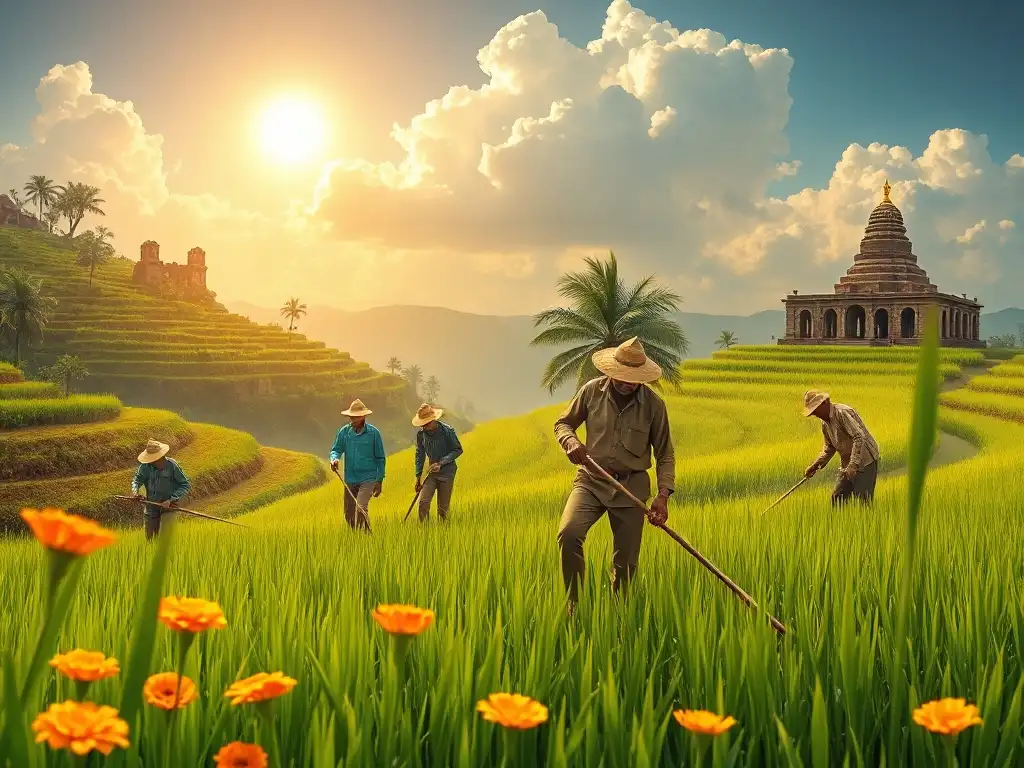
Ancient India is renowned for its innovative crop cultivation techniques, which laid the foundation for sustainable agricultural practices that have influenced modern farming. By studying specific case studies from ancient civilizations, we can gain insights into their methodologies and the success they achieved in crop production.
One of the most remarkable examples is the Indus Valley Civilization, which thrived around 2500 BCE. Evidence suggests that they cultivated wheat, barley, peas, and cotton using advanced irrigation techniques, including a network of canals and wells. The strategic planning of their cities, such as Harappa and Mohenjo-Daro, indicates a sophisticated understanding of land and water management.
Another notable case is the Gupta Empire (circa 320 to 550 CE), which saw an era of agricultural prosperity. The Guptas implemented crop rotation and new tools, such as the iron plow, which increased productivity. Their emphasis on rice cultivation, along with pulses and oilseeds, contributed to a rich agrarian economy, further supported by trade networks.
These case studies illustrate the ingenuity of ancient Indian societies in maximizing agricultural yields, setting a remarkable precedent for future generations.
The Agricultural Practices of the Indus Valley Civilization
The Indus Valley Civilization stands out for its advanced agricultural practices, which were crucial to its sustained success. Archaeological evidence points to a well-organized system of agriculture that included several key features:
- Crop Diversity: The Indus Valley farmers cultivated a variety of crops, including wheat, barley, peas, and cotton. This crop diversity not only ensured food security but also allowed for a balanced diet.
- Irrigation Systems: The civilization developed extensive irrigation systems that included canals and reservoirs. These systems enabled the effective management of water resources, especially in the arid regions of the Indus Valley.
- Seasonal Cropping: The farmers practiced seasonal cropping techniques, timing their planting and harvesting according to the monsoon patterns. This seasonal awareness increased their yields and reduced the risk of crop failure.
- Storage Facilities: Evidence of large granaries suggests that the Indus Valley Civilization placed significant emphasis on storing surplus grain. This ability to store food helped them withstand periods of drought and maintain a steady food supply.
These practices not only highlight the sophistication of the Indus Valley agricultural system but also emphasize the importance of resource management and adaptation to environmental conditions.
Agricultural Strategies in the Gupta Empire
During the Gupta Empire, agricultural strategies became more refined, contributing significantly to the empire's economic strength. The period is marked by several innovative practices:
- Crop Rotation: The Guptas introduced crop rotation, which involved alternating the types of crops grown in a particular field across seasons. This method helped maintain soil fertility and reduce pest infestations, leading to increased productivity.
- Use of Fertilizers: Historical texts suggest that the use of organic fertilizers, such as animal manure and compost, became common. This practice enriched the soil and improved crop yields.
- Iron Tools: The introduction of iron plows revolutionized farming techniques, enabling deeper tilling of the soil and better land preparation. This technological advancement significantly enhanced agricultural efficiency.
- Market Integration: The Gupta Empire saw the establishment of markets and trade routes, which facilitated the exchange of agricultural products. Farmers began to specialize in certain crops, leading to greater economic interdependence among regions.
These agricultural strategies not only supported the Gupta economy but also contributed to a cultural flourishing during this time, demonstrating the interconnectedness of agriculture and societal development.
The Legacy of Ancient Indian Crop Cultivation Techniques
The legacy of ancient Indian crop cultivation techniques continues to resonate in contemporary agricultural practices. The innovations developed by civilizations such as the Indus Valley and the Gupta Empire have laid the groundwork for sustainable farming methods. Several aspects of their legacy can be identified:
- Sustainable Practices: Techniques such as crop rotation and organic fertilization have been rediscovered and are now emphasized in modern sustainable agriculture as a means to enhance soil health and reduce chemical dependence.
- Irrigation Knowledge: The ancient Indian expertise in irrigation systems is reflected in modern water management practices. The principles of efficiently utilizing water resources remain critical in addressing contemporary challenges like water scarcity.
- Crop Diversity: The importance of cultivating diverse crops to ensure food security is a lesson that modern agriculture continues to embrace. Ancient practices serve as a reminder of the benefits of biodiversity in farming systems.
- Cultural Significance: The agricultural traditions of ancient India are woven into the cultural fabric of the country. Festivals, rituals, and community practices surrounding agriculture reflect a deep-seated respect for the land and its resources.
The ingenious crop cultivation techniques of ancient India not only shaped the agricultural landscape of their time but also offer valuable lessons for today's agricultural practices, emphasizing sustainability, diversity, and efficient resource management.
Conclusion
The ancient Indian crop cultivation techniques reflect a profound understanding of agriculture that was deeply intertwined with the cultural and economic fabric of society. From the sophisticated irrigation methods developed in the Indus Valley Civilization to the diverse crop rotation practices employed during the Gupta Empire, these innovations demonstrate the ingenuity and adaptability of ancient Indian farmers. The integration of traditional knowledge with local environmental conditions enabled the cultivation of a variety of crops, including rice, wheat, and pulses, which were essential for sustaining growing populations.
Moreover, the significance of these techniques extends beyond mere agricultural practices; they played a crucial role in shaping social structures, trade routes, and even spiritual beliefs. The reverence for nature and the cyclical relationship between humans and the land is a testament to the holistic approach that ancient civilizations adopted. By exploring these techniques, modern agricultural practices can draw inspiration and learn from the sustainable methods employed by our ancestors, emphasizing the need to harmonize contemporary farming with ecological principles.
As we delve deeper into the legacy of ancient Indian agriculture, it becomes clear that the innovations of the past continue to resonate in today’s quest for sustainable food production. Understanding these historical practices not only enriches our knowledge of ancient civilizations but also provides valuable insights into addressing current agricultural challenges.
References
- Chattopadhyay, B. (2001). Agriculture in Ancient India: A Historical Perspective. New Delhi: Indian Council of Historical Research.
- Dandekar, V. M. (1990). "Irrigation and Agricultural Development in Ancient India." Journal of Indian History, 68(2), 123-145.
- Gupta, A. (2016). Sustainable Agriculture in Ancient India: Techniques and Practices. Varanasi: Banaras Hindu University Press.
- Sharma, R. (2013). "The Indus Valley Civilization: Agricultural Innovations and Their Impact." Ancient India Journal, 45(3), 56-70.
- Tiwari, R. (2019). The Agricultural Economy of Ancient India. Jaipur: Rajasthan Historical Society.
- Introduction to Ancient Indian Crop Cultivation Techniques
- Historical Context of Agricultural Practices in Ancient India
- Key Ancient Indian Crop Cultivation Techniques
- Tools and Technologies in Ancient Indian Agriculture
- Case Studies of Successful Crop Cultivation in Ancient India
- The Legacy of Ancient Indian Crop Cultivation Techniques
- Conclusion
- References
- What were some common crop cultivation techniques in ancient India?
- How did the Indus Valley Civilization influence crop cultivation?
- What role did monsoons play in ancient Indian agriculture?
- Did ancient Indians use any fertilizers or pesticides?
- How did ancient Indian crop cultivation techniques compare to those in other civilizations?
Frequently Asked Questions
What were some common crop cultivation techniques in ancient India?
Ancient Indian civilizations employed innovative techniques like plowing, crop rotation, and irrigation systems to enhance agricultural productivity.
How did the Indus Valley Civilization influence crop cultivation?
The Indus Valley Civilization is known for its advanced urban planning and sophisticated irrigation methods, which significantly impacted the way crops were cultivated and managed.
What role did monsoons play in ancient Indian agriculture?
Monsoons were crucial for seasonal rainfall, enabling farmers to grow a variety of crops, relying heavily on this natural resource for successful agricultural practices.
Did ancient Indians use any fertilizers or pesticides?
Yes, ancient Indians utilized natural fertilizers like cow dung and organic pesticides from plants to maintain soil fertility and protect crops from pests.
How did ancient Indian crop cultivation techniques compare to those in other civilizations?
Ancient Indian techniques were characterized by sustainability and diversity, often surpassing contemporaneous methods in other civilizations due to their emphasis on local adaptation and resource management.
Final Reflection: The Enduring Legacy of Ancient Indian Crop Cultivation Techniques
The ingenious crop cultivation techniques of ancient India serve as a testament to the innovative spirit of our ancestors, showcasing their profound understanding of agriculture and sustainability. In today's world, where modern farming faces numerous challenges such as climate change and food security, revisiting these ancient practices offers invaluable insights. The wisdom embedded in these techniques is not just historical; it is a beacon of hope for contemporary agriculture, reminding us that sustainable practices can lead to thriving ecosystems.
The influence of these ancient techniques extends far beyond the fields; they have shaped cultural identities and agricultural practices across generations. The intricate methods of crop rotation, intercropping, and water conservation developed by ancient Indian farmers highlight a harmonious relationship with nature that is often overlooked in modern agriculture. To forget the past is to lose the future.
This quote resonates deeply as we explore how these time-tested practices can inform our current agricultural strategies, ensuring that we honor the legacy of those who came before us while adapting to the needs of our time.
As we reflect on the lessons from ancient Indian crop cultivation techniques, I invite you to consider how you can incorporate these principles into your own life, whether through sustainable gardening practices, supporting local farmers, or advocating for environmentally friendly policies. Let us embrace the wisdom of the past to cultivate a more sustainable future, ensuring that the ingenuity of our ancestors continues to inspire and guide us in nurturing our planet.
Unveil the Wisdom of Ancient Agriculture!
Thank you for exploring the fascinating world of ancient crop cultivation techniques in India! Your engagement with this rich history not only sheds light on sustainable practices of the past but also inspires innovative approaches for today's challenges. Now, it's time to take action and apply this knowledge!
- Start your own garden using ancient methods! Research a technique like companion planting and experiment with it in your backyard.
- Share your findings! Join our community by posting your experiences and photos on social media using the hashtag #AncientIndianAgriculture.
- Dive deeper! Explore books and documentaries on ancient agricultural practices to uncover even more timeless wisdom.
What ancient technique are you most excited to try in your own gardening journey?