
How Ancient Indian Civilizations Revolutionized Land Use Practices


Welcome to Ancient India History, where we embark on a journey through the rich tapestry of India's past. Uncover the secrets of how ancient Indian land use practices not only shaped the agricultural landscape but also laid the groundwork for economic prosperity. From the ingenious techniques of the Indus Valley to the innovative strategies of the Gupta Empire, each civilization contributed uniquely to our understanding of sustainable living.
Are you ready to explore how these practices revolutionized the way we interact with the land? Dive deeper into this fascinating topic and discover the legacy that continues to influence us today!
- Introduction to Ancient Indian Land Use Practices
- The Indus Valley Civilization: Pioneers of Agriculture
- Vedic Period: Land Use and Societal Development
- Mauryan Empire: Advancements in Land Use Practices
- Gupta Empire: The Golden Age of Agriculture
- Comparative Analysis of Ancient Indian Land Use Practices
- The Legacy of Ancient Indian Land Use Practices
- Conclusion: The Impact of Ancient Indian Land Use Practices on Civilization
- Frequently Asked Questions
- Final Reflection: The Lasting Legacy of Ancient Indian Land Use Practices
- Unveil the Secrets of Sustainable Land Use Today!
Introduction to Ancient Indian Land Use Practices
Ancient Indian civilizations were remarkable in their ability to adapt and innovate their land use practices, setting the foundation for agricultural advancements that would influence future generations. From the fertile plains of the Indus Valley to the diverse terrains of the Gupta Empire, these civilizations developed sophisticated methods to harness and manage their natural resources.
The intricate relationship between agriculture, economy, and culture in ancient India not only facilitated sustainable living but also allowed for the flourishing of urban centers and trade networks. This article delves into the ancient Indian land use practices, exploring how these methods revolutionized agriculture and shaped the socio-economic landscape of their time.
Overview of Ancient Indian Civilizations
Ancient India is home to several significant civilizations, each contributing to the evolution of land use practices. Among the most notable are:
- Indus Valley Civilization (c. 3300–1300 BCE): Known for its urban planning and advanced drainage systems, the Indus Valley civilization implemented early forms of agriculture that prioritized crop rotation and irrigation.
- Vedic Period (c. 1500–500 BCE): This era saw the rise of agrarian communities that utilized plowing techniques, domesticated animals for farming, and developed extensive irrigation systems to manage the monsoon rains.
- Maurya Empire (c. 322–185 BCE): Under the reign of Ashoka, agricultural policies were formalized, promoting sustainable farming methods and the establishment of state-sponsored irrigation projects.
- Gupta Empire (c. 320–550 CE): Often referred to as the Golden Age of India, this period witnessed advancements in agriculture, including the introduction of new crops, improved tools, and the establishment of trade routes that facilitated the exchange of agricultural goods.
Each civilization made unique contributions that reflected their understanding of geography, climate, and technology, ultimately leading to a diverse tapestry of land use practices that would lay the groundwork for future agricultural developments.
Importance of Land Use in Ancient India
The significance of land use in ancient India cannot be overstated. It served as the backbone of economic stability and social organization. Some key points to consider include:
- Sustainable Agriculture: Ancient Indian societies developed techniques that promoted sustainable practices, such as:
- Crop Rotation: This method enhanced soil fertility and reduced pest infestations.
- Irrigation Systems: Innovations like wells, canals, and tanks were crucial for managing water resources, especially in arid regions.
- Economic Growth: The efficient use of land directly contributed to economic prosperity by:
- Increasing agricultural yields, which supported larger populations.
- Creating surplus crops that facilitated trade and commerce.
- Cultural Significance: Land use practices were deeply intertwined with cultural beliefs and rituals, reflecting:
- The agricultural calendar, which influenced festivals and social gatherings.
- The reverence for the earth, often depicted in art and literature.
- Urban Development: As agricultural practices improved, urban centers emerged, leading to:
- The growth of trade hubs that connected various regions.
- The establishment of complex social structures based on agricultural productivity.
The land use practices of ancient Indian civilizations were foundational to their agricultural success and societal development, leaving a lasting legacy that continues to be studied and appreciated today.
The Indus Valley Civilization: Pioneers of Agriculture
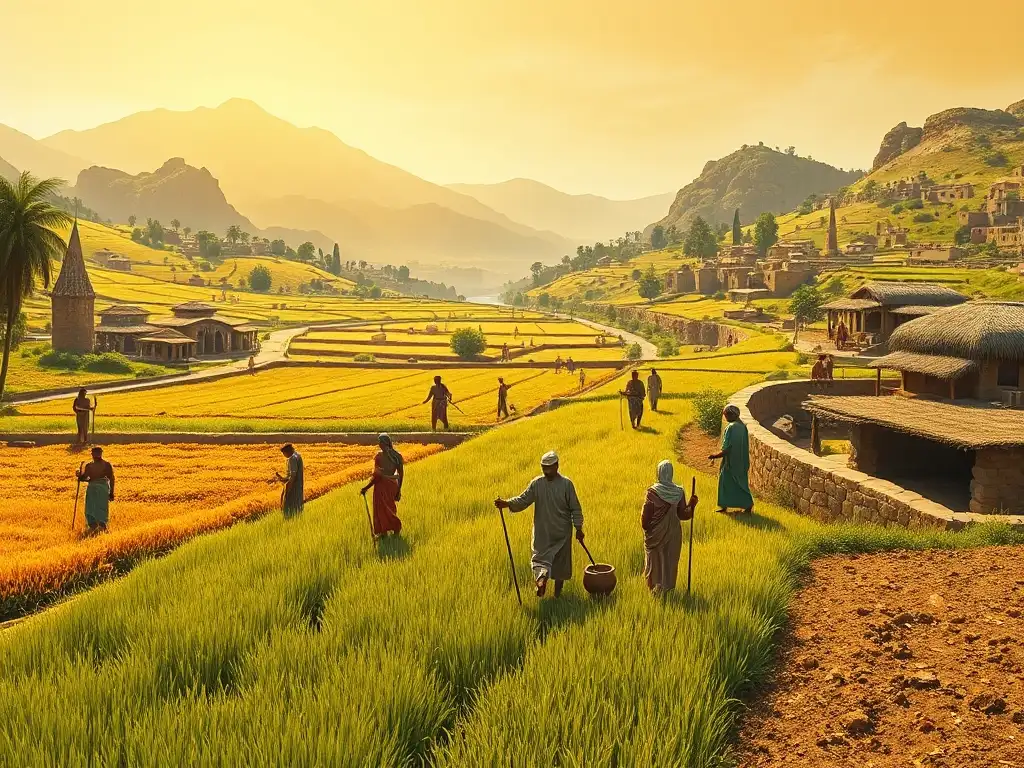
The Indus Valley Civilization (IVC), flourishing between approximately 3300 BCE and 1300 BCE, stands as one of the earliest and most advanced urban cultures in ancient history. Located in what is today Pakistan and northwest India, this civilization made significant strides in agricultural practices that laid the groundwork for future land use strategies in the region. The innovative approaches to farming and resource management of the Indus Valley people played a vital role in supporting their large urban centers and diverse population.
Agricultural Techniques in the Indus Valley
The agricultural techniques employed by the inhabitants of the Indus Valley were sophisticated and varied. The primary crops cultivated included wheat, barley, peas, and cotton. Here are some key practices that contributed to their success:
- Plowing and Tillage: The use of wooden plows, as evidenced by archaeological finds, indicates that the IVC people were among the first to employ plowing techniques, which enhanced soil aeration and improved crop yields.
- Crop Rotation: The practice of rotating crops was likely employed to maintain soil fertility and mitigate pest infestations. This method allowed for the sustainable use of land over time, ensuring long-term agricultural productivity.
- Seed Selection and Storage: The understanding of seed selection for better yield and the development of granaries for storage were crucial for ensuring food security during adverse conditions. This foresight enabled them to cultivate more resilient crop varieties.
Irrigation Systems and Water Management
Effective water management and irrigation systems were pivotal to the agricultural success of the Indus Valley Civilization. The region's topography and climate required innovative solutions to harness water resources effectively:
- Canal Systems: The creation of an extensive network of canals facilitated the distribution of water from rivers to farmland. This infrastructure allowed for the irrigation of vast areas, ensuring reliable water supply for crops.
- Rainwater Harvesting: Evidence suggests the use of rainwater harvesting techniques, where structures were built to capture and store rainwater during the monsoon season. This practice maximized water availability and reduced dependence on seasonal rainfall.
- Well Construction: The construction of wells for groundwater extraction was another significant advancement. These wells provided a consistent water source, particularly during dry periods, enabling agriculture to thrive even in less favorable climatic conditions.
Crop Diversification and Land Use Strategies
The agricultural practices of the Indus Valley Civilization were characterized by a remarkable degree of crop diversification, which played a crucial role in their resilience and economic stability:
- Mixed Cropping: The cultivation of multiple crops in a single field not only maximized land use but also reduced the risk of total crop failure. This strategy was particularly effective in adapting to varying climatic conditions.
- Focus on Cash Crops: The IVC also engaged in the cultivation of cash crops, such as cotton, which became a significant trade commodity. This diversification not only bolstered the economy but also integrated the civilization into extensive trade networks.
- Land Management Practices: A well-organized approach to land management, including the division of plots among families and communal land usage, ensured that agricultural practices were sustainable and equitable.
The innovations in ancient Indian land use practices during the Indus Valley Civilization set a precedent for future agricultural developments in the region, influencing land use strategies and irrigation systems for centuries to come. These practices highlight the deep understanding of agriculture and resource management possessed by ancient Indian civilizations, paving the way for their enduring legacy in land use and irrigation.
Vedic Period: Land Use and Societal Development

Transition from Nomadic to Settled Agriculture
The Vedic period, which spanned approximately from 1500 BCE to 500 BCE, marked a significant transformation in the land use practices of ancient Indian civilizations. During this era, societies transitioned from a predominantly nomadic lifestyle, characterized by hunting and gathering, to settled agricultural practices. This shift was driven by several factors:
- Environmental Changes: The climate of the Indian subcontinent underwent changes that favored agriculture. The end of the Ice Age led to the warming of the region, resulting in more fertile lands, especially in the river valleys like those of the Ganges and Indus.
- Domestication of Plants and Animals: The Vedic people began to domesticate key crops such as barley, wheat, and rice, as well as livestock such as cattle, goats, and sheep. This allowed for a more stable food supply and encouraged permanent settlements.
- Development of Tools: Innovations in agricultural tools, such as the plow and sickle, enabled more efficient farming practices. The use of these tools facilitated the cultivation of larger plots of land, ultimately leading to increased agricultural productivity.
This transition not only changed dietary habits but also influenced social structures, leading to the establishment of more complex communities and hierarchies based on land ownership and agricultural output.
Role of Land in Vedic Society
Land held a central place in Vedic society, shaping economic, social, and spiritual dimensions. The concept of land in this period was multifaceted:
- Economic Significance: Land was the primary source of wealth and sustenance. Agricultural surplus enabled the rise of trade, with communities exchanging goods and services, leading to the development of markets.
- Social Hierarchies: Ownership of land became a critical factor in social stratification. Those who controlled larger tracts of fertile land often gained higher status within the community, influencing power dynamics and governance.
- Spiritual Connection: The Vedic texts reflect a deep reverence for land and nature. The earth (Prithvi) was often personified and worshipped, signifying the belief that land was not merely a resource but a sacred entity. Rituals and ceremonies were performed to honor the land and seek blessings for bountiful harvests.
In essence, the Vedic understanding of land was holistic, intertwining economic activities with social and spiritual life.
Innovations in Agriculture During the Vedic Era
The Vedic era witnessed several key innovations that revolutionized ancient Indian land use practices, contributing to sustainable agriculture:
- Crop Rotation: Early Vedic farmers practiced crop rotation, allowing soil to replenish nutrients naturally. This method enhanced soil fertility and ensured continuous agricultural productivity.
- Irrigation Techniques: The development of irrigation systems, such as canals and water-storage structures, enabled farmers to harness river waters for agricultural use, mitigating the risks of drought. This was particularly important in the arid regions of northern India.
- Fertilization Practices: The use of organic fertilizers, derived from livestock manure and plant residues, was common. This practice improved soil quality and increased yields.
- Scientific Approach to Agriculture: The Vedic texts, particularly the Atharva Veda, contain references to agricultural practices, including seasonal planting and harvesting, which reflect an understanding of climate and environmental conditions.
These innovations laid the groundwork for advanced agricultural practices in subsequent periods, showcasing the ingenuity of ancient Indian civilizations in adapting to and transforming their environment.
Mauryan Empire: Advancements in Land Use Practices

The Mauryan Empire, which flourished from 322 to 185 BCE, marked a significant period in ancient Indian history characterized by remarkable advancements in land use practices. Under the leadership of notable emperors such as Chandragupta Maurya and his grandson Ashoka, the empire developed a sophisticated approach to agriculture and management of land resources that laid the groundwork for subsequent civilizations.
State Control and Agricultural Policies
The Mauryan Empire implemented centralized agricultural policies that prioritized the efficient use of land for maximizing production. The state took an active role in regulating agricultural practices, which included:
- Land Reforms: The Mauryan administration introduced various land reforms to ensure equitable distribution and optimal use of land. This involved reassigning land to farmers based on productivity and need, incentivizing cultivation.
- Taxation Systems: A systematic taxation policy was established, where a portion of the agricultural produce was collected as tax. This tax was set at a reasonable rate, allowing farmers to retain sufficient surplus for their sustenance and reinvestment in farming activities.
- Irrigation Projects: The empire invested in extensive irrigation projects, enhancing the capacity of farmers to cultivate crops. Canals and reservoirs were constructed, which significantly improved water availability in arid regions, thus expanding arable land.
- Agricultural Research: The Mauryan rulers encouraged research and development in agricultural techniques, promoting the use of crop rotation and improved seed varieties. This led to increased yields and sustainability of farming practices.
Agricultural Surpluses and Economic Growth
The advancements in land use practices during the Mauryan Empire resulted in significant agricultural surpluses, which played a crucial role in the empire's economic growth. Key factors contributing to this phenomenon included:
- Increased Crop Production: The combination of state support, improved irrigation, and advanced farming techniques led to a marked increase in crop production. Staple crops such as rice, wheat, and pulses were cultivated extensively, ensuring food security.
- Trade Expansion: Surpluses allowed for surplus production to be traded, both within the empire and with neighboring regions. The development of trade routes facilitated the exchange of goods, including textiles and spices, further stimulating economic activity.
- Urbanization: Agricultural surpluses supported the growth of urban centers as surplus populations moved to cities for trade and commerce. This urbanization led to a burgeoning economy, characterized by increased specialization of labor and the rise of various crafts and industries.
- Wealth Accumulation: The economic prosperity resulting from effective land use practices contributed to wealth accumulation among merchants and landowners. This wealth was often reinvested into agriculture, further enhancing productivity.
Impact of Land Use on Trade and Commerce
The sophisticated land use practices established during the Mauryan Empire had a profound impact on trade and commerce. Several aspects illustrate this relationship:
- Trade Networks: The agricultural surplus generated by improved land use practices enabled the Mauryan Empire to establish extensive trade networks. Goods were transported along established trade routes, both overland and via rivers, connecting different regions and fostering economic ties.
- Market Development: The increase in agricultural production and the resulting surpluses led to the emergence of markets where goods could be bought and sold. This contributed to the development of a vibrant economy characterized by a variety of traded commodities.
- Cultural Exchange: Trade not only facilitated the exchange of goods but also promoted cultural interactions. The movement of merchants and traders led to the exchange of ideas, technologies, and practices across regions, enriching the cultural fabric of the empire.
- Strategic Alliances: The economic strength derived from effective land use practices enabled the Mauryan Empire to forge strategic alliances with neighboring kingdoms. These alliances often revolved around trade agreements that benefited all parties involved.
The Mauryan Empire's advancements in land use practices laid a robust foundation for agricultural productivity, economic growth, and the expansion of trade networks, significantly influencing the trajectory of ancient Indian civilization. The legacy of these practices can still be seen in modern agricultural techniques and economic strategies.
Gupta Empire: The Golden Age of Agriculture
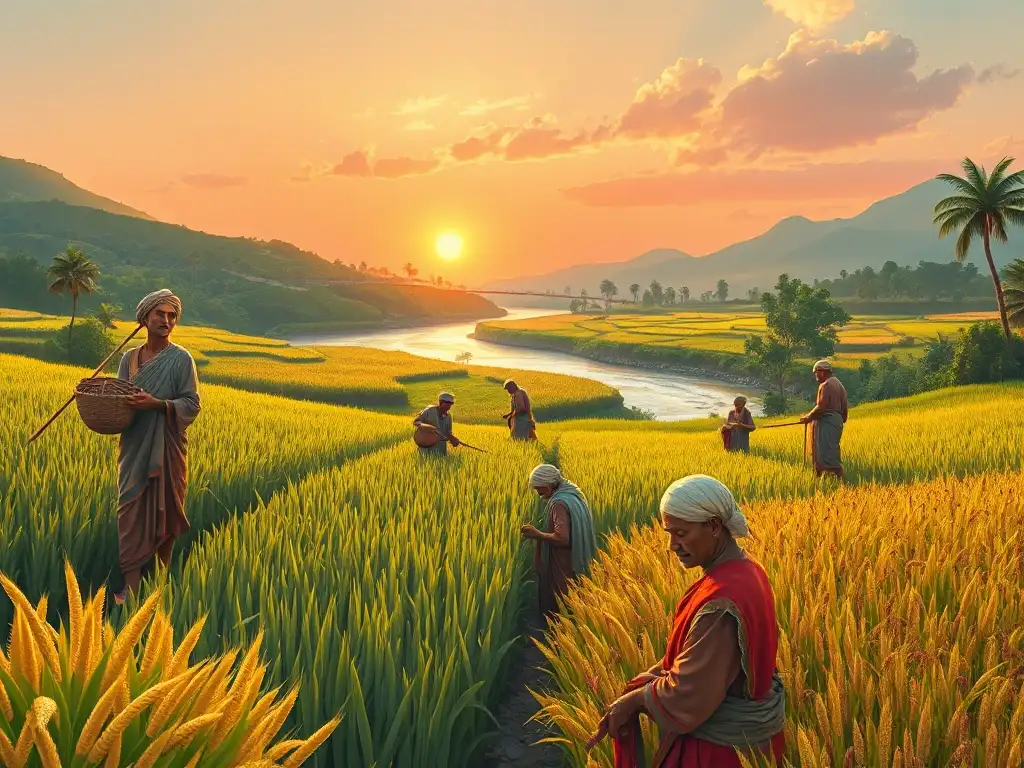
The Gupta Empire, often referred to as the Golden Age of India, witnessed significant advancements in various aspects of society, particularly in agriculture. This era, spanning from approximately 240 to 550 CE, marked a period of prosperity, stability, and innovation that had a profound impact on ancient Indian land use practices. Agriculture was the backbone of the Gupta economy, and the empire's rulers implemented several strategies to enhance agricultural productivity.
Technological Innovations in Farming
During the Gupta period, several technological innovations revolutionized farming practices, leading to increased crop yields. Key advancements included:
- Plow Technology: Improved plow designs, including the use of iron-tipped plows, allowed for deeper tillage of the soil. This not only improved soil aeration but also facilitated the cultivation of harder soils, expanding arable land.
- Irrigation Systems: The Gupta Empire saw the construction of sophisticated irrigation systems, utilizing canals and reservoirs. These systems ensured a more reliable water supply, crucial for agriculture, especially during dry seasons. The strategic placement of these systems enhanced the cultivation of crops such as rice, wheat, and barley.
- Crop Rotation: Farmers began to adopt more systematic methods of crop rotation, which helped maintain soil fertility and reduce pest infestations. By alternating different crops, they could optimize land use and enhance overall productivity.
- Fertilization Techniques: The use of organic fertilizers, such as animal dung, was common practice. This not only enriched the soil but also promoted sustainable agricultural practices, ensuring long-term productivity.
These innovations played a pivotal role in transforming ancient Indian land use practices, contributing to a flourishing agricultural economy.
Land Reforms and Their Socioeconomic Impact
Land reforms during the Gupta Empire significantly altered the socioeconomic landscape of ancient India. The rulers recognized the importance of land ownership and its impact on agricultural production. Key reforms included:
- Land Grants: The Gupta monarchs issued land grants to Brahmins and temples, promoting agricultural expansion. These grants incentivized the cultivation of previously uncultivated lands, thereby increasing agricultural output.
- Taxation Policies: The implementation of fair taxation policies ensured that farmers retained a larger share of their produce. This not only motivated them to increase production but also contributed to rural prosperity.
- Social Stratification: While land reforms promoted agricultural growth, they also led to the emergence of a more pronounced social hierarchy. Wealthy landowners gained significant power, influencing local economies and governance.
- Rural Development: The focus on agriculture led to the development of rural infrastructure, including roads and markets. This facilitated trade and exchange, further enhancing the region's economic stability.
The impact of these land reforms on ancient Indian land use practices was profound, as they fostered a sense of community and collaboration among farmers while also laying the groundwork for future agricultural policies.
Sustainable Practices in Gupta Agriculture
Sustainability was a crucial element of agriculture during the Gupta Empire, reflecting a profound understanding of ecological balance. Some notable practices included:
- Mixed Farming: Farmers often practiced mixed farming, integrating both crop cultivation and animal husbandry. This approach not only diversified income sources but also contributed to soil health through natural fertilization.
- Water Conservation Techniques: The Gupta period emphasized water conservation through the construction of check dams and percolation tanks. These structures helped in recharging groundwater and maintaining moisture levels in the soil.
- Community Farming: Collaborative farming practices emerged, wherein communities worked together to manage irrigation systems and share resources. This collective approach promoted efficient land use and fostered social bonds among farmers.
- Biodiversity Conservation: Farmers cultivated a variety of crops, which not only reduced the risk of complete crop failure but also supported local ecosystems. This practice reflected an early understanding of biodiversity's role in sustainable agriculture.
These sustainable practices were integral to the ancient Indian land use practices during the Gupta Empire, ensuring that agriculture thrived without compromising the environment. The legacy of these practices can be seen in modern agricultural techniques that emphasize sustainability and ecological balance.
Comparative Analysis of Ancient Indian Land Use Practices

Differences Across Civilizations
Ancient Indian land use practices varied significantly across different civilizations due to diverse geographical, climatic, and cultural factors. Each civilization adapted its agricultural techniques to meet the unique challenges of its environment, leading to distinctive land use patterns.
- Indus Valley Civilization (c. 2500-1900 BCE): This civilization is renowned for its advanced urban planning and sophisticated irrigation systems. The cities of Harappa and Mohenjo-Daro featured:
- Grid-like street layouts: Facilitating efficient land use.
- Water management techniques: Including elaborate drainage systems and wells that provided water for agriculture and domestic use.
- Vedic Period (c. 1500-500 BCE): The agrarian practices during the Vedic period shifted towards slash-and-burn agriculture, particularly in forested areas. Key features included:
- Crop rotation: Farmers rotated different crops to maintain soil fertility.
- Use of cattle: Oxen were crucial for plowing, significantly enhancing productivity.
- Mauryan Empire (c. 322-185 BCE): The Mauryan period saw the establishment of a more centralized agricultural policy. Important aspects included:
- State control over land: The government regulated agricultural practices to ensure a surplus for trade and taxation.
- Irrigation advancements: Construction of canals and reservoirs improved water availability for crops.
- Gupta Empire (c. 240-550 CE): During this era, land use practices emphasized sustainability and innovation:
- Terracing and contour farming: Adopted in hilly regions to combat soil erosion.
- Introduction of new crops: Such as cotton and sugarcane, leading to diversification in agriculture.
Similarities in Agricultural Techniques and Innovations
Despite the differences across civilizations, certain agricultural techniques and innovations were prevalent throughout ancient India, showcasing a shared understanding of land use and irrigation systems.
- Irrigation Techniques:
- Most ancient Indian societies recognized the importance of water management. Techniques such as canal systems, wells, and water harvesting were common across different regions. For instance, the Indus Valley's sophisticated drainage systems influenced later irrigation practices in the Mauryan and Gupta periods.
- Crop Diversity:
- Ancient Indian farmers cultivated a variety of crops, including rice, wheat, barley, and legumes. This crop diversity not only provided food security but also allowed for the exploration of different agricultural practices suited to local conditions.
- Use of Organic Fertilizers:
- The application of organic fertilizers, such as cow dung and compost, was widespread. This practice helped improve soil fertility and demonstrated an early understanding of sustainable agriculture.
- Community-Based Farming:
- Many ancient Indian civilizations practiced community-based farming, where land was collectively cultivated. This not only maximized land use but also fostered cooperation and resource sharing among farmers.
- Tool Innovations:
- The development of tools such as the plow and sickle facilitated agricultural efficiency. The use of iron tools, particularly during the later centuries, marked a significant advancement in farming techniques.
Ancient Indian land use practices were characterized by both diversity and commonality. Each civilization developed unique methods tailored to its environment while contributing to a broader understanding of agriculture that laid the groundwork for future innovations in land use and irrigation systems.
The Legacy of Ancient Indian Land Use Practices
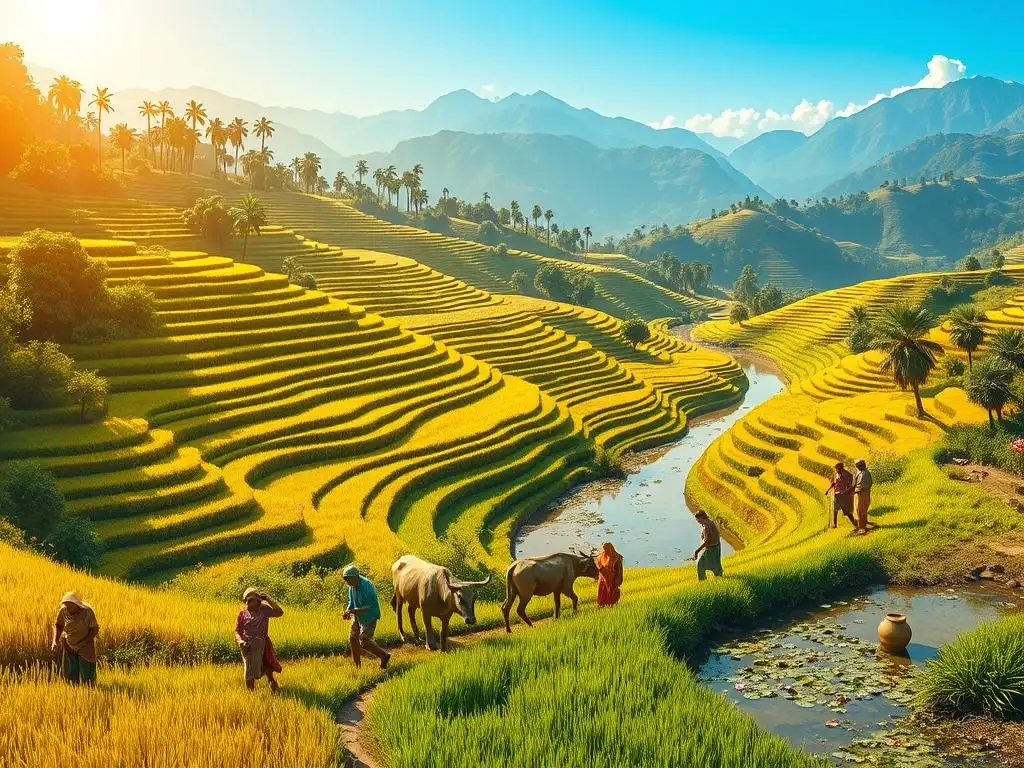
Ancient Indian civilizations laid the groundwork for sophisticated land use practices that have significantly shaped agricultural techniques and sustainability. The Indus Valley Civilization (c. 3300–1300 BCE) serves as a prime example, showcasing advanced urban planning and agricultural innovation. By developing intricate drainage systems and water management techniques, they maximized arable land and ensured crop production even in fluctuating climatic conditions.
One of the key aspects of ancient Indian land use was the integration of agriculture with local ecosystems. Farmers practiced crop rotation and mixed farming, cultivating diverse crops such as wheat, barley, and pulses, alongside livestock rearing. This biodiversity not only improved soil fertility but also reduced the risks associated with crop failures, illustrating an early understanding of sustainable farming practices.
Moreover, the agrarian texts from ancient India, such as the Arthashastra and various Vedic scriptures, provide insight into the agricultural methods of the time, including the use of plows, irrigation canals, and water conservation techniques. These practices were not only pivotal for food production but also played a crucial role in the socio-economic structure of ancient Indian societies, fostering trade and facilitating urbanization.
Influence on Modern Agricultural Practices in India
The legacy of ancient Indian land use practices continues to influence modern agricultural methods in India. Many contemporary farming techniques can be traced back to practices established thousands of years ago. For instance, the use of terrace farming in hilly regions is a direct descendant of ancient practices aimed at conserving soil and water. This method reduces soil erosion and enhances the efficiency of irrigation, demonstrating the enduring relevance of ancient strategies.
Additionally, the principles of mixed cropping and crop rotation are still widely implemented in today’s agricultural landscape. Farmers are increasingly recognizing the benefits of cultivating multiple crops on the same land, which not only improves soil health but also maximizes yield. The revival of traditional seed varieties, which are more resilient to local conditions, echoes the ancient practice of maintaining biodiversity to safeguard against pest infestations and climate variability.
Furthermore, the ancient Indian focus on sustainable water management has gained renewed attention in the face of modern challenges such as water scarcity and climate change. Techniques like rainwater harvesting and the use of check dams, rooted in ancient practices, are being promoted to enhance water conservation and improve irrigation efficiency across various regions in India.
Lessons from Ancient Techniques for Sustainable Agriculture Today
The ancient Indian approach to land use offers valuable lessons for contemporary agriculture, particularly in the context of sustainability. One important concept is the holistic view of agriculture, which emphasizes the interconnection between crops, soil, water, and local ecosystems. This sustainable perspective encourages farmers to adopt practices that enhance soil health, preserve biodiversity, and optimize resource use.
Another significant lesson is the importance of community involvement in land management. Ancient societies often relied on collective efforts in irrigation and farming, fostering a sense of responsibility towards shared resources. This community-based approach can be crucial in addressing modern challenges, such as land degradation and social inequalities in agriculture.
Moreover, the adaptability of ancient techniques to local conditions highlights the need for context-specific solutions in agriculture. By respecting traditional knowledge systems and integrating them with modern science, farmers can develop resilient agricultural practices that are both environmentally sustainable and economically viable.
The rich legacy of ancient Indian land use practices not only provides insights into the agricultural innovations of the past but also serves as a guiding framework for developing sustainable practices in the present. By learning from these historical techniques, modern agriculture can work towards achieving food security while preserving the environment for future generations.
Conclusion: The Impact of Ancient Indian Land Use Practices on Civilization
The intricate land use practices of ancient Indian civilizations significantly shaped their agricultural productivity and socio-economic structures. By developing advanced irrigation techniques, such as canals and reservoirs, these societies maximized crop yields and ensured food security, which were essential for sustaining large populations and supporting urban centers.
Summary of Key Contributions
The contributions of ancient Indian land use practices are multifaceted and can be summarized as follows:
- Innovative Irrigation Systems: Ancient Indians constructed an extensive network of irrigation systems, including:
- Stepwells for accessing groundwater.
- Canal systems that diverted river water for agricultural use.
- Reservoirs that helped in storing rainwater for dry seasons.
- Crop Diversity and Rotation: Ancient agricultural techniques emphasized the importance of crop rotation and cultivation of diverse crops, which helped maintain soil fertility and reduce pest infestations. Notable crops included:
- Rice
- Wheat
- Barley
- Millets
- Sustainable Practices: The integration of traditional ecological knowledge promoted sustainable land use, which included:
- Use of organic fertilizers.
- Techniques such as intercropping and mixed cropping.
- Urban Planning: The layout of cities, such as Mohenjo-Daro and Harappa, reflected a sophisticated understanding of land use, with designated areas for agriculture, trade, and habitation, ensuring efficient resource management.
Reflection on the Importance of Ancient Agricultural Knowledge
The agricultural knowledge developed by ancient Indian civilizations holds immense relevance today. By understanding their land use practices, modern societies can glean insights into sustainable agricultural methods that promote environmental conservation and food security.
This ancient wisdom is particularly vital in the context of contemporary challenges such as climate change and urbanization. Emphasizing sustainable practices and crop diversity can enhance resilience against climate variability. Additionally, the revival of traditional irrigation techniques could address water scarcity in many regions today.
The ancient Indian land use practices not only revolutionized agriculture within their time but continue to inspire modern agricultural strategies aimed at sustainability and efficiency. The legacy of these practices underscores the enduring connection between culture, innovation, and the environment, reminding us of the importance of integrating traditional knowledge into contemporary practices for future generations.
Frequently Asked Questions
What were some key land use practices in ancient India?
Ancient Indian civilizations implemented innovative agricultural techniques, such as crop rotation and irrigation systems, to enhance productivity and sustain their growing populations.
How did the Indus Valley Civilization influence land use?
The Indus Valley Civilization showcased advanced urban planning with sophisticated drainage and water management systems, which significantly improved agricultural efficiency and settlement sustainability.
What role did religion play in land use practices?
Religious beliefs often dictated land use, as certain lands were deemed sacred and protected, influencing agricultural methods and the distribution of resources among communities.
How did the Gupta Empire contribute to land use practices?
During the Gupta Empire, there was a notable emphasis on agricultural development and land reforms, including the enhancement of irrigation techniques and support for farming communities, leading to increased productivity.
What modern lessons can we learn from ancient Indian land use practices?
Ancient Indian land use practices highlight the importance of sustainability, community-based agriculture, and innovative techniques, offering valuable insights for contemporary environmental challenges and food security.
Final Reflection: The Lasting Legacy of Ancient Indian Land Use Practices
The innovative land use practices of ancient Indian civilizations continue to resonate in today's agricultural and environmental strategies. As we face pressing global challenges such as climate change and food security, the wisdom embedded in these ancient practices offers invaluable insights. The ability of these civilizations to harmonize with their environment serves as a powerful reminder of the importance of sustainable land management in our modern world.
The influence of ancient Indian land use practices extends beyond agriculture; it has shaped cultural identities and social structures throughout history. These practices were not merely methods of cultivation but were deeply intertwined with the spiritual and communal lives of the people. As Mahatma Gandhi once said, The earth provides enough to satisfy every man's needs, but not every man's greed.
This quote encapsulates the essence of ancient practices that prioritized balance and respect for nature, urging us to reflect on our current relationship with the land.
As we move forward, I invite you to consider how the lessons from ancient Indian land use practices can be applied in your own life. Reflect on your interactions with the environment and seek ways to adopt sustainable practices that honor the earth. Whether it's through mindful consumption, supporting local agriculture, or advocating for environmental stewardship, each small action contributes to a larger movement towards sustainability. Embrace the wisdom of the past as we forge a path toward a more harmonious future with our planet.
Unveil the Secrets of Sustainable Land Use Today!
Thank you for diving into the fascinating world of ancient Indian civilizations and their revolutionary land use practices! You've uncovered valuable insights that can inspire modern approaches to sustainable living. Now, it's time to take that knowledge and transform it into action.
Here’s how you can make a lasting impact:
- Start a Community Garden: Join forces with your neighbors to cultivate a shared garden, utilizing techniques inspired by ancient practices to enhance biodiversity and promote sustainability.
- Participate in local agricultural workshops or enroll in online courses that focus on traditional farming methods and responsible land management.
- Share Your Learnings: Engage in conversations about these innovative practices on social media or with your friends to spread awareness and inspire others to reconnect with sustainable land use.
How will you apply the lessons from ancient civilizations to your daily life and community?