
The Connection Between Climate and Crop Varieties in Ancient India

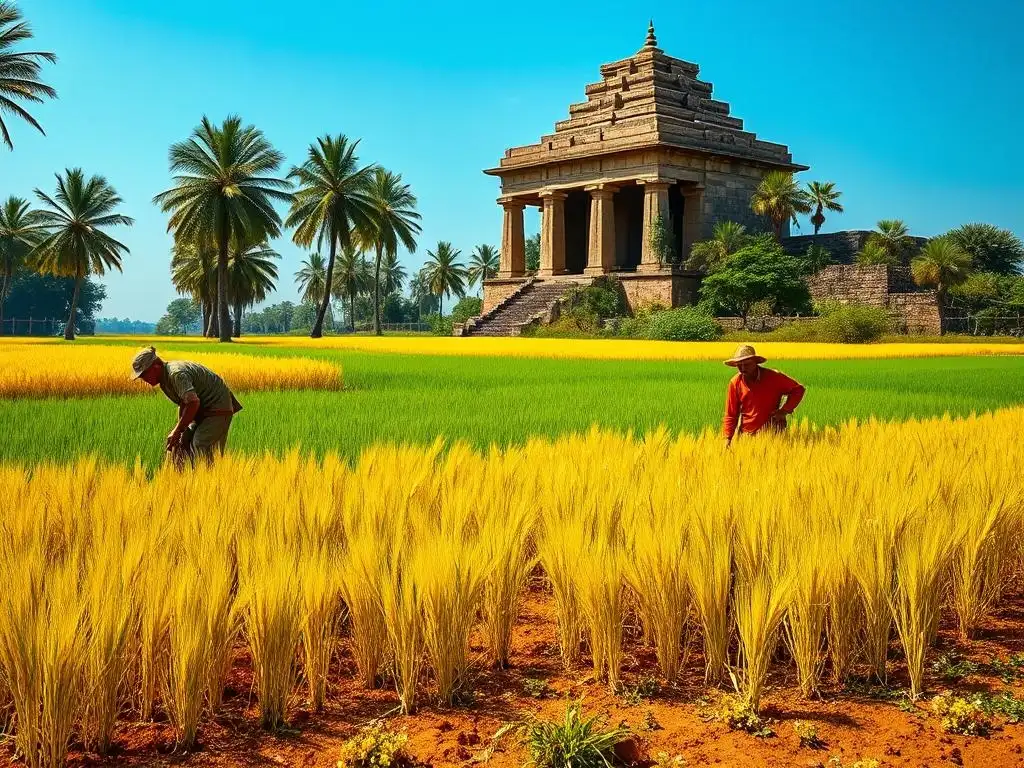
Welcome to Ancient India History, where we embark on a fascinating journey through the vibrant tapestry of ancient Indian civilizations. In our latest exploration, we delve into the intricate relationship between climate and crop varieties, unraveling how environmental factors shaped agriculture and influenced the economy of this great land. Discover how the climatic conditions of ancient India not only nurtured diverse crop varieties but also played a pivotal role in the rise and prosperity of its civilizations. Join us as we uncover these compelling connections and invite you to deepen your understanding of this extraordinary historical narrative.
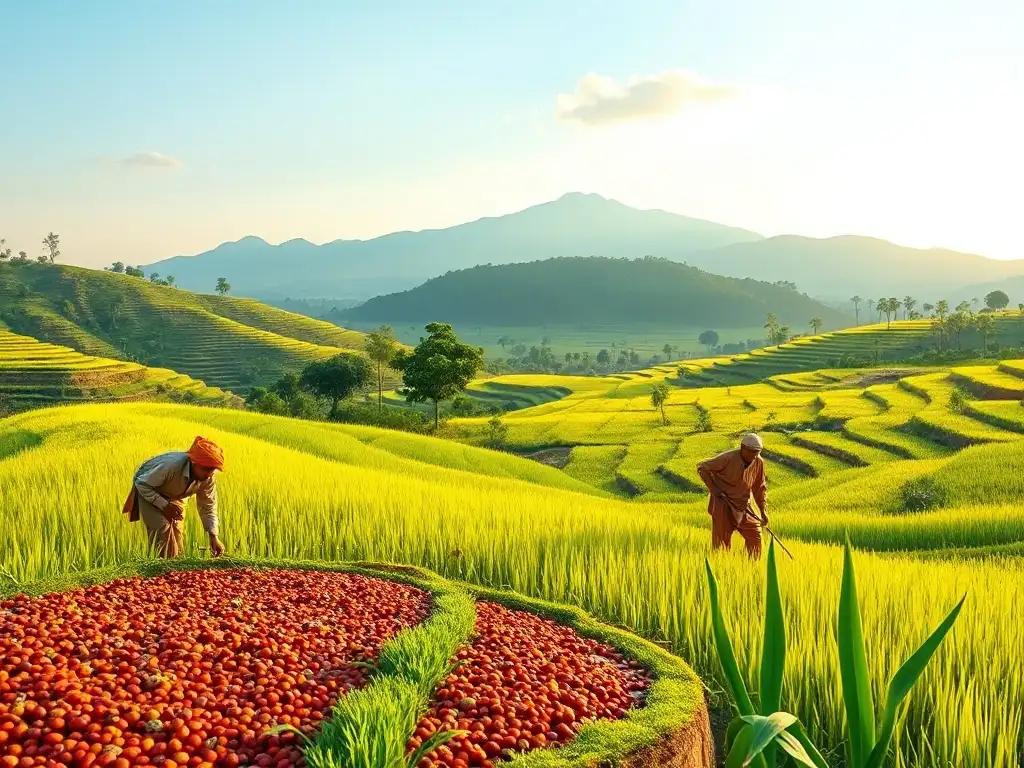
Agriculture has always been the backbone of human civilization, and ancient India is no exception. The rich and diverse history of agriculture in this region is deeply intertwined with its varied climatic conditions. Understanding the connection between climate and crop varieties is crucial to appreciating how ancient Indian civilizations thrived and adapted to their environment.
From the fertile plains of the Indus Valley to the mountainous terrains in the north, ancient India's agricultural practices were profoundly influenced by local climate patterns. This article delves into the intricate relationship between climate and crop varieties in ancient India, highlighting how climatic factors shaped agricultural practices from the early Harappan civilization to the flourishing Gupta Empire.
Introduction to Ancient Indian Agriculture
Ancient Indian agriculture was characterized by the cultivation of a wide range of crops, including cereals, pulses, and cash crops. The methods employed by ancient farmers were not only innovative but also indicative of their deep understanding of the environment. Farmers used traditional techniques to adapt to the diverse climatic conditions across the subcontinent, which varied significantly from region to region. This adaptability was crucial for sustaining the population and supporting the burgeoning cities of ancient India.
Overview of Climate in Ancient India
The climate of ancient India was marked by significant variations, influenced by geographic factors such as altitude, latitude, and proximity to water bodies. Understanding these climatic conditions is essential to grasp how they affected crop cultivation and agricultural productivity in ancient times.
Geographic Diversity and Its Impact on Climate
Ancient India boasts a remarkable geographic diversity that played a pivotal role in shaping its climate. The subcontinent is home to:
- The Himalayan Range: Acting as a barrier to cold winds from the north, it creates a unique climatic zone in the northern plains.
- The Indo-Gangetic Plain: Fertile and alluvial, this region benefitted from the seasonal flooding of rivers, providing rich soil for agriculture.
- The Deccan Plateau: Characterized by a drier climate, it required innovative irrigation techniques to support agriculture.
- Coastal Areas: With a tropical climate, these regions supported the cultivation of rice, coconut, and spices.
This geographic diversity led to varied microclimates that allowed for the cultivation of different crops suited to specific conditions.
Seasonal Variations in Ancient Indian Weather Patterns
Ancient India experienced distinct seasonal variations, primarily influenced by the monsoon system. The two major seasons that dictated agricultural practices were:
- The Monsoon Season (June to September):
- Characterized by heavy rainfall, this period was crucial for the cultivation of kharif crops, such as rice, maize, and pulses.
- Farmers relied on the onset of the monsoon to prepare their fields and sow seeds.
- The Dry Season (October to March):
- This season was primarily for the cultivation of rabi crops, like wheat, barley, and mustard.
- Farmers utilized irrigation methods to support crop growth in regions where rainfall was insufficient.
These seasonal patterns not only influenced the choice of crops but also the agricultural calendar, ensuring that ancient Indian civilizations maximized their agricultural output in harmony with nature.
The Role of Climate in Crop Selection
Climate played a pivotal role in determining the agricultural practices and crop varieties cultivated in ancient India. The diverse climatic zones across the Indian subcontinent—from the arid deserts of Rajasthan to the fertile plains of the Ganges—shaped the agricultural landscape. Farmers had to adapt their crop selection based on the seasonal variations, temperature, rainfall, and soil conditions prevalent in their regions.
The monsoon season, characterized by heavy rainfall, was particularly crucial for crop cultivation. The timing and intensity of monsoons influenced planting schedules and harvest times. For instance, in regions with substantial monsoon rains, farmers could cultivate water-intensive crops like rice, while in drier areas, drought-resistant varieties such as millet and barley were preferred.
Additionally, variations in altitude also dictated crop selection. In the Himalayan foothills, cooler temperatures favored crops like wheat and barley, while the warmer climate of southern India supported the growth of tropical crops such as spices and pulses. This intricate relationship between climate and crop selection highlights the adaptive strategies employed by ancient Indian civilizations to optimize agricultural productivity.
Understanding Crop Varieties in Ancient India
Ancient India was home to a rich diversity of crop varieties, each finely tuned to the local climate and soil conditions. The cultivation of these crops was not merely a matter of subsistence but also a reflection of cultural practices and trade. The knowledge of which crops thrived in specific climates was passed down through generations, often embedded within local folklore and agricultural rituals.
Farmers in ancient India categorized crops based on their growth habits, seasonal cycles, and climatic preferences. For instance, Kharif crops (monsoon crops) such as rice, sorghum, and pulses were sown with the onset of the monsoon and harvested in the autumn. Conversely, Rabi crops like wheat, barley, and mustard were planted post-monsoon during the cooler months. This systematic understanding allowed for a diverse agricultural output, ensuring food security throughout the year.
Moreover, ancient texts like the Arthashastra and various agricultural treatises provide insights into the selection of crop varieties and the significance of climate in their cultivation. These works underscore the importance of environmental factors in agricultural success, emphasizing how ancient Indians cultivated crops that were not only suited to their climate but also enriched their diets and economies.
How Climate Influenced Crop Adaptation and Resilience
The ancient Indian agricultural system demonstrated remarkable resilience, largely due to the adaptive strategies employed in response to climatic challenges. Farmers developed techniques to enhance crop resilience against unpredictable weather patterns, such as droughts or floods, which were common in certain regions.
One of the key adaptations was the selection and breeding of crop varieties that could withstand harsh climatic conditions. For example, the development of drought-resistant varieties of millet and sorghum allowed farmers in arid regions to maintain yields even during periods of low rainfall. Furthermore, practices such as crop rotation and intercropping helped in maximizing soil nutrients and minimizing the risk of total crop failure.
The ancient Indian agricultural community also relied on traditional knowledge to predict climatic changes and prepare accordingly. By observing natural indicators, such as the behavior of animals and seasonal winds, farmers could make informed decisions about planting and harvesting times. This deep understanding of climate patterns fostered a sustainable agricultural system that thrived for centuries, showcasing the ingenuity of ancient Indian civilizations in the face of environmental challenges.
Major Crop Varieties Cultivated in Ancient India
The agricultural tapestry of ancient India was woven with a multitude of crop varieties, each playing a crucial role in the sustenance and economy of the civilization. Major crop varieties were categorized based on their climatic preferences, and understanding these distinctions is key to appreciating ancient agricultural practices.
Staple Crops and Their Climate Requirements
Staple crops formed the backbone of ancient Indian agriculture, providing essential nutrients and calories for the population. Rice, wheat, and pulses were among the most significant staples, each requiring specific climatic conditions for optimal growth:
- Rice: Thrived in warm, humid climates with abundant rainfall, particularly in regions like Bengal and Kerala. It required a flooded field environment during the growing season.
- Wheat: Gained ground in the northern plains where the cooler climate suited its growth cycle. It required moderate rainfall and well-drained soil, thriving in areas like Punjab and Haryana.
- Pulses: Varieties such as lentils and chickpeas were cultivated across diverse climatic zones. They were drought-resistant and could grow in poorer soils, making them valuable in regions with variable rainfall.
These staple crops not only supported human health and nutrition but also served as vital trade commodities, enhancing the economic resilience of ancient Indian societies.
Specialty Crops and Their Unique Climate Needs
In addition to staple crops, ancient India cultivated a variety of specialty crops that catered to local tastes, medicinal needs, and trade. These crops often had unique climatic requirements:
- Spices: Such as black pepper and cardamom thrived in the humid, tropical climates of southern India, particularly in regions like Kerala. Their demand in international trade networks elevated their status and economic importance.
- Cotton: Flourished in the warmer, drier regions of Gujarat and Maharashtra. The cultivation of cotton not only contributed to local economies but also laid the foundation for a thriving textile industry.
- Oilseeds: Crops like sesame and mustard were grown in various regions, adapting to both wet and moderately dry climates. Their oils were essential for cooking and trade, highlighting the agricultural diversity.
These specialty crops enriched the cultural and economic landscape of ancient India, contributing significantly to the trade networks that connected the subcontinent with other regions, and showcasing the adaptability of farmers to their climatic environments.
Historical Evidence of Climate Impact on Agriculture

The history of ancient India is intricately linked to its diverse climatic conditions, which significantly influenced agricultural practices and crop varieties. Archaeological evidence indicates that the Harappan Civilization, flourishing around 2600-1900 BCE, thrived in the fertile plains of the Indus River, where monsoon rains facilitated the growth of various crops. Excavations at sites like Mohenjo-Daro and Harappa have uncovered granaries and irrigation systems, showcasing a sophisticated understanding of climate patterns and their effects on agriculture.
Furthermore, climate variations, such as the arid conditions in the western regions, led to the cultivation of drought-resistant crops like millet and barley. In contrast, the more humid eastern regions favored rice cultivation, marking a significant adaptation to local climatic conditions. This historical context highlights the profound influence of climate on agricultural development in ancient India, shaping the livelihood and sustenance of its civilizations.
Archaeological Findings Related to Crop Varieties
Archaeological discoveries across ancient Indian sites reveal a rich tapestry of crop varieties cultivated in response to climatic conditions. For instance, at the Indus Valley sites, researchers have found evidence of wheat, barley, and legumes, which were likely cultivated in response to specific climatic conditions that favored their growth. Pollen analysis and seed remains from these sites provide insights into the agricultural diversity and adaptability of ancient farmers.
Additionally, in the context of the Vedic period (1500-500 BCE), excavations have uncovered remnants of rice and other grains, indicating a shift in agricultural practices as climate patterns evolved. The presence of diverse agricultural tools suggests that farmers were not only reliant on natural rainfall but also developed irrigation systems to maximize crop yields in varying climatic conditions.
Ancient Texts and Their References to Climate and Agriculture
Ancient Indian texts, particularly the Vedas and later agricultural treatises like the "Arthashastra" and "Krishi Parashara," provide valuable insights into how climate influenced agricultural practices. These texts often highlight the significance of monsoon patterns and seasonal changes, which were crucial for successful crop cultivation. For example, the "Arthashastra," attributed to Kautilya, includes guidelines on timing sowing and harvesting based on climatic indicators, reflecting an advanced understanding of agriculture's dependence on climate.
Moreover, the "Rigveda" contains hymns that celebrate the fertility of the land and invoke rain, indicating the people's reliance on climate for agricultural prosperity. Such literary evidence underscores the cultural importance placed on climate and its direct impact on crop varieties and farming practices in ancient India.
Agricultural Techniques in Relation to Climate
Agricultural techniques in ancient India evolved in direct response to the climatic conditions of various regions. The adaptability of farmers is evident in their use of different cultivation methods tailored to suit local environments. In regions with abundant rainfall, such as the Gangetic plains, farmers practiced wet rice cultivation, utilizing paddy fields designed to retain water. Conversely, in arid regions like Rajasthan, dryland farming techniques were employed, focusing on drought-resistant crops and rainwater harvesting.
This adaptability not only ensured food security but also contributed to the sustainability of agricultural practices over centuries. The integration of local knowledge and experiences with climatic patterns enabled ancient Indian civilizations to thrive and develop a diverse array of crops suited to their specific environments.
Traditional Farming Practices Adapted to Climate
Traditional farming practices in ancient India were deeply influenced by climatic conditions, leading to the development of sustainable techniques that maximized agricultural output. Crop rotation was commonly practiced, allowing for soil restoration and preventing the depletion of nutrients. Farmers often alternated between legumes, which enriched the soil, and cereals, ensuring a balanced agricultural ecosystem.
Additionally, the use of organic fertilizers, such as compost and animal manure, was widespread, reflecting an understanding of soil health in relation to climate. These practices not only enhanced crop yields but also minimized environmental impact, showcasing the harmony between agriculture and climate in ancient Indian society.
Innovations in Crop Cultivation Techniques
Innovations in crop cultivation techniques were pivotal in ancient India's agricultural advancements. The introduction of advanced irrigation systems, such as stepwells and canal networks, allowed farmers to harness water resources effectively, especially in regions prone to drought. These innovations facilitated the cultivation of a wider variety of crops, enabling farmers to experiment with new varieties that could thrive under specific climatic conditions.
Moreover, selective breeding practices were employed to enhance crop resilience against pests and adverse weather, further illustrating the dynamic relationship between climate and agriculture. Evidence from ancient texts suggests that farmers actively sought to improve yield through these innovative methods, ensuring food security and sustainability in the face of changing climate patterns.
Conclusion: The Interplay of Climate and Crop Varieties
The relationship between climate and crop varieties in ancient India is a testament to the ingenuity and adaptability of its agricultural practices. Ancient Indian civilizations not only responded to the climatic conditions of their regions but also utilized this knowledge to cultivate a diverse array of crops. This interplay allowed for greater food security, sustainable farming practices, and the flourishing of societies across different geographical areas. The ability to select and develop crop varieties suited to varying climatic conditions laid the groundwork for agricultural advancements that would benefit future generations.
As we reflect on this historical connection, it becomes clear that the agricultural practices of ancient India were deeply intertwined with the natural environment. The careful observation of seasonal patterns, rainfall, and temperature fluctuations informed the choices made by farmers, leading to the cultivation of crops that thrived under specific climatic conditions. This adaptive approach not only maximized yield but also preserved the ecological balance, ensuring that farming remained sustainable over time.
Reflection on Ancient Indian Agricultural Practices
Ancient Indian agricultural practices were characterized by a profound understanding of local climates and their effects on crop growth. Diverse climatic zones, ranging from the arid regions of Rajasthan to the fertile plains of the Ganges, shaped the types of crops cultivated. For instance, in the northwestern regions, wheat was predominantly grown due to its compatibility with the cooler climate, while rice flourished in the humid, tropical conditions of the southern areas.
Farmers employed various techniques to enhance productivity, including crop rotation and intercropping, which not only improved soil fertility but also mitigated the risks associated with climate variability. The use of indigenous knowledge, passed down through generations, played a crucial role in selecting the right seeds and optimizing planting times. This intimate relationship with the land and its climate highlights the sophistication of ancient Indian agriculture and its adaptability to changing environmental conditions.
The Legacy of Climate-Informed Crop Selection in Modern India
The legacy of ancient India's climate-informed crop selection continues to resonate in modern agricultural practices. Today, farmers still rely on traditional knowledge alongside modern scientific approaches to address climate challenges. The understanding of local climatic conditions remains essential for selecting crop varieties that can withstand drought, floods, and other environmental stresses.
Moreover, the rich biodiversity of ancient crop varieties, many of which have been preserved and cultivated today, provides a valuable resource for enhancing food security and resilience. Initiatives aimed at reviving traditional farming methods and promoting indigenous crop varieties are gaining momentum, as they not only honor ancient practices but also contribute to sustainable agriculture in the face of climate change.
In essence, the connection between climate and crop varieties in ancient India serves as a foundational principle for contemporary agricultural strategies, highlighting the importance of integrating historical wisdom with modern innovations to ensure a thriving agricultural future.
- Introduction to Ancient Indian Agriculture
- Overview of Climate in Ancient India
- The Role of Climate in Crop Selection
- Major Crop Varieties Cultivated in Ancient India
- Historical Evidence of Climate Impact on Agriculture
- Agricultural Techniques in Relation to Climate
- Conclusion: The Interplay of Climate and Crop Varieties
- What was the climate like in ancient India?
- How did the climate affect agricultural practices in ancient India?
- What were some major crop varieties in ancient India?
- How did the Indus Valley civilization utilize climate for agriculture?
- What role did the Gupta Empire play in agricultural development?
Frequently Asked Questions
What was the climate like in ancient India?
The climate in ancient India varied significantly across regions, influencing the types of crops that could be cultivated. Generally, it included tropical, arid, and temperate zones, each supporting different agricultural practices.
How did the climate affect agricultural practices in ancient India?
The climate played a crucial role in determining which crop varieties were grown. Farmers adapted by selecting crops that could withstand local conditions, such as drought-resistant varieties in arid regions.
What were some major crop varieties in ancient India?
Ancient Indian farmers cultivated a diverse range of crops, including rice, wheat, barley, and various pulses. These crops were integral to sustaining civilizations and supporting trade networks.
How did the Indus Valley civilization utilize climate for agriculture?
The Indus Valley civilization thrived due to its understanding of the local climate and efficient irrigation techniques, allowing them to grow a variety of crops and support large urban populations.
What role did the Gupta Empire play in agricultural development?
During the Gupta Empire, advancements in agriculture were significant, with improved crop varieties and farming techniques that enhanced productivity, reflecting a deeper understanding of the climate and its effects on agriculture.
Final Reflection: The Enduring Legacy of Ancient India's Climate and Crop Varieties
The intricate relationship between climate and crop varieties in ancient India remains profoundly relevant today, as we grapple with the pressing challenges of climate change and food security. The lessons learned from our ancestors' agricultural practices offer invaluable insights into sustainable farming and biodiversity, reminding us that the past holds keys to navigating our future. As we face unprecedented environmental shifts, understanding how ancient civilizations adapted their crop choices to climatic conditions can inspire modern solutions.
The influence of ancient agricultural practices continues to resonate in our cultural and social landscapes, shaping contemporary discussions around sustainability and resilience. The wisdom of ancient farmers, who skillfully selected and cultivated diverse crop varieties in response to their environment, serves as a powerful reminder of our interconnectedness with nature. To forget the past is to lose the future.
This quote encapsulates the essence of our need to honor and learn from the agricultural heritage that has shaped civilizations, emphasizing the importance of preserving biodiversity in our current practices.
As we reflect on the insights gleaned from the connection between climate and crop varieties in ancient India, I invite you to consider how these lessons can be applied in your own life. What steps can you take to embrace sustainable practices in your community? Whether it's supporting local farmers, advocating for biodiversity, or simply being mindful of your consumption choices, each action contributes to a more resilient future. Let us carry forward the wisdom of the past, ensuring that the legacy of ancient agricultural practices informs our journey toward a sustainable and harmonious relationship with our environment.
🌱 Unleash the Power of Ancient Practices!
Thank you for taking the time to explore the profound connection between climate and crop varieties in ancient India. Your interest in this remarkable topic enhances our understanding of agricultural heritage and sustainability. Now, let’s transform this knowledge into action that can make a difference today!
Here’s how you can dive deeper and make an impact:
- Rediscover ancient agricultural techniques: Research and experiment with resilient crop varieties inspired by traditional practices. This can foster sustainability in your own garden or community farming efforts.
- Share your findings: Connect with other history enthusiasts or farmers online. Start a conversation by sharing your insights on social media or forums that focus on sustainable agriculture.
- Support local and heirloom crops: Visit farmers' markets or local co-ops to buy and promote indigenous plant species, creating a ripple effect toward sustaining traditional farming methods.
What practices from ancient India do you think could inspire modern sustainable farming? Let’s spark a discussion!