
Crop Rotation in Ancient India: Strategies for Sustainable Farming


Welcome to Ancient India History, where we embark on a journey through time to uncover the rich tapestry of India's past. Delve into the fascinating world of ancient Indian farming techniques, a cornerstone of civilization that shaped agricultural practices and sustained thriving communities. In our featured article, "Crop Rotation in Ancient India: Strategies for Sustainable Farming," we invite you to explore how innovative methods not only boosted productivity but also laid the groundwork for sustainable agriculture. Prepare to be intrigued by the insights and discoveries that await you as we unravel the legacy of these remarkable techniques!
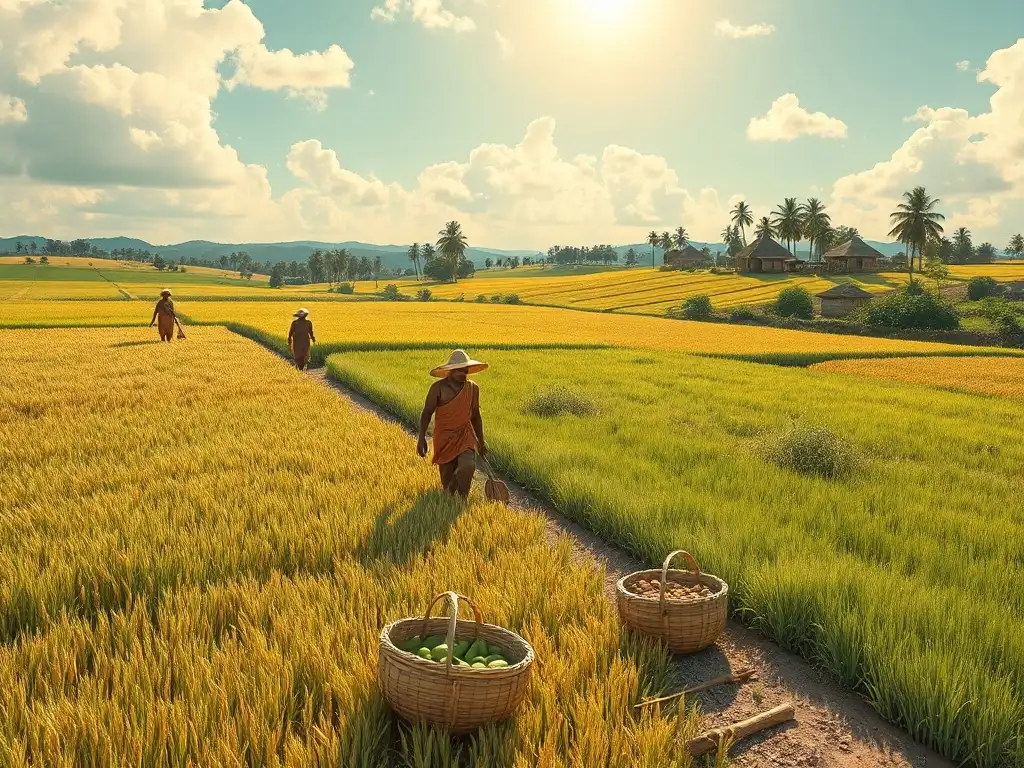
Introduction to Ancient Indian Farming Techniques
The agricultural practices of ancient India are a testament to the ingenuity and adaptability of its civilizations. Among these practices, crop rotation stands out as a key strategy for sustainable farming. This technique not only enhanced soil fertility but also helped in pest management, ensuring a stable food supply for growing populations.
Understanding ancient Indian farming techniques, such as crop rotation, provides valuable insights into the sophisticated agricultural systems that supported some of the world's earliest urban societies, from the Indus Valley Civilization to the Gupta Empire. By exploring these historical practices, we can draw lessons for modern sustainable agriculture and appreciate the rich heritage of ancient Indian civilizations.
Overview of Agricultural Practices in Ancient India
Ancient Indian agriculture was characterized by a variety of techniques that demonstrated a deep understanding of the environment and crop management. Key practices included:
- Irrigation Systems: Development of advanced irrigation methods, including canals and wells, to support farming in arid regions.
- Use of Fertilizers: Application of organic fertilizers, like compost and green manure, to enhance soil fertility.
- Diverse Crop Cultivation: Growing multiple crops in tandem, which not only maximized land use but also minimized risks from crop failures.
These practices laid the groundwork for a robust agricultural economy that sustained large populations and fostered trade networks.
Importance of Sustainable Farming in Ancient Civilizations
Sustainable farming practices were crucial for the survival and prosperity of ancient civilizations in India. The principles of sustainability ensured that:
- Soil Health: Techniques like crop rotation and the use of natural fertilizers helped maintain soil health over time, preventing degradation.
- Biodiversity: The cultivation of various crops promoted biodiversity, which is essential for ecosystem resilience.
- Food Security: Sustainable techniques allowed for consistent food production, supporting dense populations and complex societies.
The longevity of ancient Indian civilizations can be attributed, in part, to these sustainable agricultural practices that harmonized human needs with environmental stewardship.
Understanding Crop Rotation
Definition of Crop Rotation in Ancient Farming
Crop rotation is the systematic planting of different crops in the same area across a sequence of seasons. This method was employed in ancient India to:
- Enhance Soil Nutrients: Different crops have varying nutrient requirements and contributions, which helps to restore and balance soil health.
- Reduce Pest and Disease Incidence: Rotating crops disrupts the life cycles of pests and diseases, leading to healthier plants and reduced reliance on chemical interventions.
By adopting crop rotation, ancient farmers not only optimized their yields but also promoted ecological balance.
Historical Context of Crop Rotation in Ancient India
The practice of crop rotation was well-documented in ancient Indian texts, indicating its significance in agricultural systems. Evidence suggests that:
- Vedic Texts: References in texts like the Vedas highlight the importance of alternating crops to enhance soil fertility.
- Regional Variations: Different regions adapted crop rotation based on local climate, soil types, and available crops, showcasing the diversity of agricultural knowledge.
These historical practices of crop rotation illustrate the advanced understanding of sustainable farming that existed in ancient India, laying the foundation for agricultural innovations that continue to influence farming today.
Benefits of Crop Rotation in Ancient Indian Agriculture
Crop rotation was a foundational practice in ancient Indian agriculture, offering numerous benefits that contributed to sustainable farming systems. This technique not only enhanced agricultural productivity but also played a crucial role in maintaining ecological balance. The diverse benefits of crop rotation included improvements in soil fertility, effective pest and disease management, and economic advantages that ensured the viability of farming communities.
Enhancing Soil Fertility through Crop Rotation
One of the primary advantages of crop rotation in ancient India was its positive impact on soil fertility. By alternating crops, farmers could prevent nutrient depletion that occurs when the same crop is grown repeatedly. Certain crops, particularly legumes, played a significant role in this process. They have the ability to fix atmospheric nitrogen in the soil through symbiotic relationships with bacteria, enriching the soil with essential nutrients. This natural replenishment reduced the need for chemical fertilizers, promoting healthier crop yields over time.
Moreover, varied root structures from different crops helped aerate the soil and facilitated better water retention. The practice of rotating crops also contributed to the physical structure of the soil, preventing erosion and enhancing its overall health, which was vital for sustained agricultural productivity.
Pest and Disease Management in Ancient Farming
Crop rotation served as an effective strategy for managing pests and diseases that could devastate crops. By changing the types of crops planted in a given area, ancient Indian farmers disrupted the life cycles of pests and pathogens that thrived on specific plants. For instance, planting a different crop after a susceptible species would often lead to a natural decline in pest populations, as their host plants were no longer available.
This method not only reduced the reliance on chemical pesticides— which were largely unavailable in ancient times—but also promoted biodiversity within agricultural ecosystems. A diverse planting strategy helped create a balanced environment where beneficial insects could thrive, further enhancing pest control naturally.
Economic Advantages of Crop Rotation Systems
The economic benefits of crop rotation were significant for ancient Indian farmers. By diversifying crops, farmers could mitigate risks associated with crop failure due to adverse weather conditions or pest infestations. This diversification allowed for a more stable food supply, which in turn supported larger populations and more complex societal structures.
Additionally, different crops often had varying market values. By rotating crops, farmers could take advantage of higher market prices for certain staples, increasing their overall income. This economic flexibility contributed to the prosperity of farming communities, enabling them to invest in improved agricultural techniques and tools.
Key Crop Rotation Strategies Used in Ancient India
Ancient Indian farmers employed several key strategies in crop rotation, each tailored to local conditions and available resources. These strategies varied significantly across different regions, reflecting a deep understanding of the land and its needs.
Traditional Crop Rotation Practices
Traditional crop rotation practices in ancient India were often based on long-standing agricultural wisdom. Farmers rotated staple crops like rice, wheat, and millet with various pulses and oilseeds. This approach not only maintained soil health but also ensured that critical nutrients were replenished regularly.
For example, a common practice involved planting legumes after cereal crops. This sequence maximized land use and minimized fallow periods, allowing for continuous productivity. Additionally, ancient texts and agricultural manuals often documented these practices, providing valuable insights into the methods that sustained Indian agriculture for centuries.
Use of Legumes and Their Role in Soil Enrichment
Legumes, such as chickpeas, lentils, and pigeon peas, occupied a central role in crop rotation systems due to their nitrogen-fixing abilities. Ancient Indian farmers recognized the importance of legumes not only for their nutritional value but also for their capacity to enhance soil fertility.
By incorporating legumes into their crop rotation schedules, farmers could significantly improve soil nitrogen levels, benefiting subsequent crops. This understanding of legumes' role in soil enrichment was pivotal in establishing sustainable farming practices that would support agricultural communities for generations.
Seasonal Crop Rotation Patterns in Different Regions
Seasonal crop rotation patterns in ancient India were influenced by regional climates and monsoon cycles. Farmers in the northern plains, for example, often rotated between rabi (winter) and kharif (monsoon) crops, taking advantage of the distinct growing seasons.
In contrast, regions with less predictable rainfall patterns tended to focus on more drought-resistant crops during dry spells. This regional adaptability in crop rotation not only optimized yield but also ensured food security in varying climatic conditions. By embracing these seasonal strategies, ancient Indian farmers demonstrated a profound understanding of their environment and resource management, laying the groundwork for future agricultural advancements.
Case Studies of Crop Rotation in Ancient Indian Civilizations

The practice of crop rotation in ancient India serves as a testament to the ingenuity and adaptability of early agricultural societies. By diversifying the crops grown in a given field over time, these civilizations enhanced soil fertility, reduced pest infestations, and improved yield sustainability. Below, we explore specific examples from notable ancient Indian civilizations that illustrate the effective application of crop rotation.
Crop Rotation in the Indus Valley Civilization
The Indus Valley Civilization, which thrived around 2500 BCE, showcased remarkable agricultural practices that included the implementation of crop rotation. Archaeological findings suggest that the farmers rotated staple crops such as wheat and barley with legumes like lentils and chickpeas. This method not only replenished soil nutrients but also minimized the risk of crop failure caused by pests or diseases.
The use of legumes was particularly significant, as they are capable of fixing nitrogen in the soil, an essential nutrient for plant growth. The rotation of these crops fostered a sustainable agricultural environment, allowing the Indus Valley farmers to support large urban populations and contribute to the civilization's overall prosperity.
Agricultural Innovations during the Maurya Empire
During the Maurya Empire (322–185 BCE), agricultural practices advanced significantly, benefiting from the empire's emphasis on economic stability and agricultural productivity. Historical texts, including the Arthashastra by Kautilya, highlight the importance of crop rotation as a strategy for enhancing soil fertility and maximizing yields.
Farmers during this period rotated cereals like rice with oilseeds and pulses. This diversification not only improved the resilience of the agricultural system but also supported a varied diet for the population. Furthermore, the Mauryan administration encouraged the development of irrigation systems, which, when combined with crop rotation, led to more consistent agricultural outputs. These innovations laid the groundwork for sustainable farming practices that would be vital for the empire's economy.
Gupta Empire's Approach to Sustainable Farming Practices
The Gupta Empire (c. 240–550 CE) is often regarded as a golden age for Indian culture and science, and its agricultural practices were no exception. The Guptas recognized the significance of crop rotation in maintaining soil health and enhancing agricultural productivity. They implemented systematic rotations of staple crops with cash crops such as cotton and sugarcane.
Additionally, the Gupta period saw advancements in agricultural tools and techniques, which facilitated more effective crop rotation. The introduction of ploughs and other farming implements allowed for better soil preparation and management, further supporting sustainable agriculture practices. Texts from this era document the careful planning of crop cycles and the incorporation of fallow periods, demonstrating a sophisticated understanding of sustainable farming.
Comparison of Ancient Indian Crop Rotation with Modern Techniques
The principles of crop rotation employed in ancient India share several similarities with contemporary farming practices, yet notable differences also exist. Understanding these can provide valuable insights into sustainable agriculture today.
Similarities and Differences in Crop Rotation Methods
Both ancient and modern crop rotation methods aim to improve soil fertility, reduce pest populations, and optimize crop yields. Ancient Indian farmers utilized a diverse range of crops, similar to modern practices where rotation often includes legumes, grains, and cover crops.
However, modern agricultural techniques have become more specialized, often relying on scientific research to determine optimal crop combinations and sequencing. Moreover, contemporary methods may incorporate synthetic fertilizers and pesticides, which contrasts with the organic approaches of ancient farmers who relied on natural methods to maintain soil health and control pests.
Lessons from Ancient Farming Techniques for Modern Agriculture
Ancient Indian farming techniques offer valuable lessons for modern agriculture, particularly in the pursuit of sustainability. The emphasis on biodiversity, soil health, and ecological balance practiced by ancient civilizations can inform today's agricultural strategies.
For instance, the integration of legumes in crop rotations not only improves soil nitrogen levels but also enhances biodiversity, thereby supporting a more resilient agricultural ecosystem. Additionally, the ancient practice of allowing fields to lie fallow can help mitigate soil degradation, a pressing issue in modern farming. By revisiting these time-tested techniques, contemporary agriculture can move towards more sustainable and environmentally friendly practices, ensuring food security for future generations.
Conclusion
The practice of crop rotation in ancient India stands as a testament to the ingenuity and foresight of early Indian farmers. By alternating crops, they not only enhanced soil fertility but also minimized pest infestations and improved yields. This sustainable farming technique played a crucial role in supporting the agrarian economy of ancient civilizations, allowing them to thrive and develop complex societies. The principles of crop rotation reflect a deep understanding of ecological balance and resource management, which can still be applied in modern agricultural practices.
As we reflect on ancient Indian farming techniques, it’s essential to recognize the sophisticated methods employed by farmers who sought to maximize their output while preserving the land for future generations. Their legacy continues to influence contemporary agricultural strategies, promoting sustainable practices that align with environmental conservation.
The Legacy of Crop Rotation in Ancient Indian Farming Techniques
The legacy of crop rotation in ancient Indian farming techniques is profound and multifaceted. Historical records indicate that farmers utilized a variety of crops, including pulses, cereals, and oilseeds, to enrich the soil and ensure a diverse diet. This method not only enhanced agricultural productivity but also established a sustainable framework that modern farmers are beginning to revisit.
Key aspects of this legacy include:
- Soil Health: The rotation of crops helped maintain soil fertility by preventing nutrient depletion. Leguminous crops, such as lentils and chickpeas, were often rotated with cereals to fix nitrogen in the soil, enriching it for subsequent crops.
- Biodiversity: By planting a variety of crops, ancient Indian farmers promoted biodiversity, which in turn supported a more resilient agricultural ecosystem. This diversity reduced the risk of crop failure due to disease or adverse weather conditions.
- Cultural Practices: The traditions surrounding crop rotation were deeply embedded in the agricultural practices and festivals of ancient India, reflecting a holistic view of farming that integrated community and the environment.
The enduring impact of these techniques has inspired modern agricultural practices aimed at sustainability and ecological balance.
Future Implications for Sustainable Agriculture Inspired by Ancient Practices
Looking ahead, the principles of crop rotation utilized in ancient India offer valuable insights for contemporary sustainable agriculture. As the world faces challenges such as climate change, soil degradation, and food security, the revival of ancient farming techniques can play a pivotal role in addressing these issues.
Potential implications include:
- Adoption of Sustainable Practices: Modern farming can benefit from the integration of crop rotation, which has been shown to improve soil health and reduce reliance on chemical fertilizers and pesticides.
- Community Engagement: The communal aspects of ancient farming practices can inform modern agricultural initiatives, fostering cooperation among farmers and promoting knowledge sharing about sustainable methods.
- Research and Education: Further research into ancient agricultural techniques can provide innovative solutions to current agricultural challenges. Educational programs that emphasize these historical practices may cultivate a new generation of environmentally conscious farmers.
The sustainable farming strategies of ancient Indian civilizations, particularly crop rotation, hold significant promise for future agricultural practices. By learning from the past, we can cultivate a more sustainable and resilient agricultural landscape that honors both tradition and innovation.
- Introduction to Ancient Indian Farming Techniques
- Understanding Crop Rotation
- Benefits of Crop Rotation in Ancient Indian Agriculture
- Key Crop Rotation Strategies Used in Ancient India
- Case Studies of Crop Rotation in Ancient Indian Civilizations
- Comparison of Ancient Indian Crop Rotation with Modern Techniques
- Conclusion
- What is crop rotation in ancient Indian farming techniques?
- How did ancient Indian civilizations implement crop rotation?
- What were the benefits of crop rotation in ancient India?
- Were there any specific crops used in ancient Indian crop rotation systems?
- How do ancient Indian farming techniques influence modern agriculture?
Frequently Asked Questions
What is crop rotation in ancient Indian farming techniques?
Crop rotation is a sustainable farming practice where different crops are planted in the same area across seasons to maintain soil fertility and reduce pests.
How did ancient Indian civilizations implement crop rotation?
Ancient Indian farmers practiced crop rotation by alternating legumes with cereals, which helped to enhance soil nutrients and prevent depletion of essential minerals.
What were the benefits of crop rotation in ancient India?
The benefits included improved soil health, increased crop yields, and reduced reliance on chemical fertilizers, promoting a more sustainable agricultural system.
Were there any specific crops used in ancient Indian crop rotation systems?
Yes, ancient farmers often used legumes like lentils and peas alongside cereals such as wheat and rice to create a balanced crop rotation system.
How do ancient Indian farming techniques influence modern agriculture?
Many ancient Indian farming techniques, including crop rotation, are being revisited today for their sustainability and effectiveness in promoting ecological balance in agriculture.
Final Reflection: Embracing Ancient Wisdom for Sustainable Futures
The principles of sustainable farming, as demonstrated through ancient Indian farming techniques, remain profoundly relevant today. In a world grappling with climate change and food security, the wisdom of our ancestors offers invaluable insights into creating resilient agricultural systems. The practice of crop rotation, a cornerstone of ancient Indian farming, not only maximizes soil health but also fosters biodiversity, reminding us that sustainability is not a modern invention but a time-honored tradition.
The enduring influence of these ancient practices can be seen in contemporary movements advocating for organic farming and permaculture. As we strive to reconnect with our roots, we recognize that the lessons learned from ancient Indian farmers are crucial in shaping our agricultural policies and practices today. The greatest threat to our planet is the belief that someone else will save it.
– Robert Swan. This quote encapsulates the urgency of taking responsibility for our agricultural choices, drawing inspiration from the sustainable methods of the past.
As we reflect on the significance of crop rotation and other ancient Indian farming techniques, I invite you to consider how you can incorporate these principles into your own life. Whether you are a gardener, a farmer, or simply a consumer, your choices matter. Embrace the wisdom of sustainable practices, advocate for local farming, and support initiatives that prioritize ecological balance. By doing so, we not only honor the legacy of our ancestors but also pave the way for a healthier planet for future generations.
Unlock Sustainable Farming Wisdom Today!
Thank you for exploring the fascinating world of crop rotation in ancient India! By delving into these sustainable farming strategies, you've uncovered invaluable lessons that can transform modern agriculture. Now, let's take that knowledge and put it into practice!
Here are some actionable steps you can take to embrace these ancient techniques:
- Experiment with crop rotation in your garden or farm: Start by rotating two to three different crops each season to enhance soil health and increase your harvest.
- Join a local community gardening group: Share your experiences with crop rotation and learn new techniques from fellow gardening enthusiasts.
- Explore resources on sustainable agriculture: Deepen your understanding of ancient practices by reading books or articles focused on permaculture and holistic farming approaches.
How do you envision incorporating these ancient farming techniques into your own practices? Share your thoughts below!