
The Impact of Climate Change on Ancient Indian Agricultural Systems


Welcome to Ancient India History, where we embark on a journey through time to uncover the rich tapestry of civilizations that shaped the Indian subcontinent. In this exploration, we delve into the innovative agricultural practices that were vital to the survival and prosperity of ancient societies. Our feature article, "The Impact of Climate Change on Ancient Indian Agricultural Systems," reveals how these civilizations adapted to their ever-changing environment.
Are you curious about how ancient farmers thrived despite the challenges posed by nature? Join us as we unravel the fascinating connection between climate and agriculture, and discover the enduring legacy of these pioneering practices!
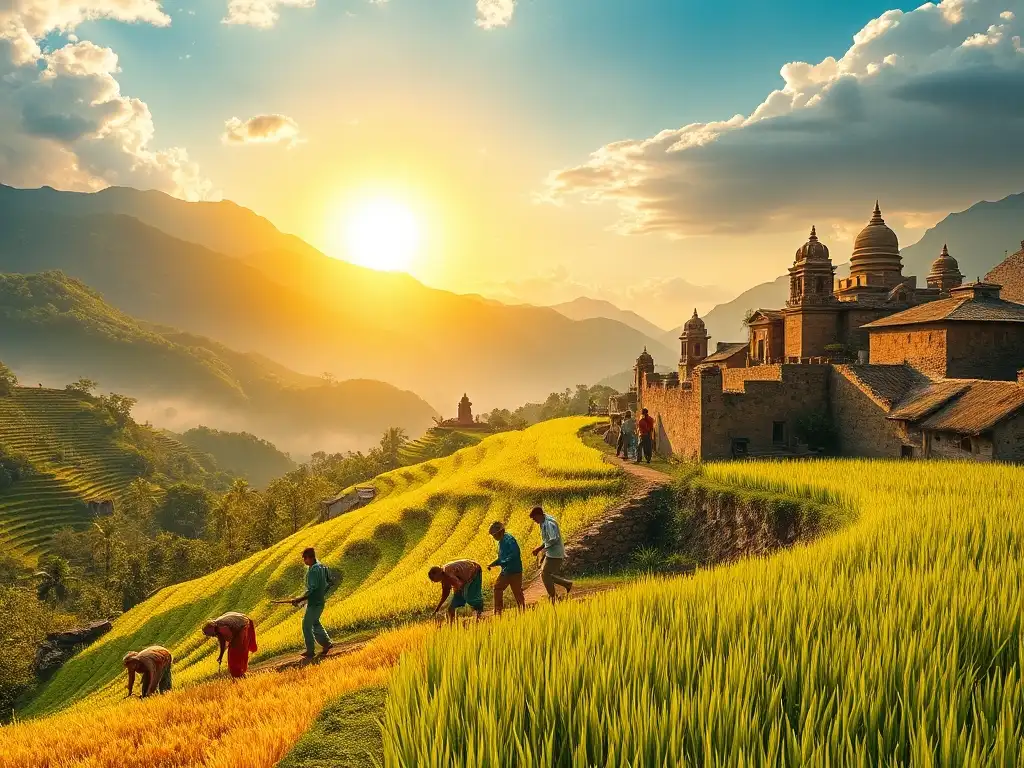
Introduction to Ancient Indian Agriculture Practices
Ancient Indian agriculture practices were not only foundational to the sustenance and prosperity of early civilizations but also intricately linked to the environmental conditions of the time. From the sophisticated irrigation systems of the Indus Valley Civilization to the agrarian innovations of the Gupta Empire, these practices reflect a deep understanding of local ecosystems and climatic variations.
As we delve into the impact of climate change on these agricultural systems, it is essential to recognize how ancient farmers adapted their methods to the shifting climate, which ultimately influenced crop yields, societal structures, and economic stability across the subcontinent. This exploration not only highlights the resilience of ancient agricultural practices but also provides valuable insights into how the challenges of climate change were addressed in the past.
Understanding Climate Change in Historical Context
Definition of Climate Change
Climate change refers to significant and lasting changes in temperature, precipitation, and other atmospheric conditions over extended periods. In the context of ancient India, this could encompass both natural climate variability and human-induced changes that affected agricultural practices. Understanding these shifts is crucial to comprehending the broader implications on food security, settlement patterns, and trade dynamics in ancient societies.
Historical Climate Patterns in India
India's climate has undergone substantial transformations over millennia, influenced by various factors, including monsoon variability, glacial activity, and tectonic movements. Key historical climate patterns include:
- The Monsoon Cycle: The Indian subcontinent heavily relies on the annual southwest monsoon, which has historically dictated agricultural cycles. Variations in the intensity and timing of the monsoon directly impacted crop yields.
- Periods of Drought and Flood: Archaeological evidence suggests that ancient civilizations experienced both prolonged droughts and catastrophic floods, leading to the rise and fall of agricultural hubs.
- Temperature Fluctuations: Changes in temperature, influenced by global climatic events, also played a vital role in determining suitable crop cultivation areas.
Understanding these historical climate patterns is essential for analyzing how ancient Indian agricultural practices adapted to meet the challenges posed by climate change.
The Relationship Between Climate and Agricultural Practices
The relationship between climate and agricultural practices in ancient India is profound and multifaceted. Ancient Indian civilizations were highly attuned to the climatic conditions that influenced their agricultural productivity. The monsoon season, characterized by heavy rains, played a crucial role in determining planting and harvesting cycles. Farmers cultivated crops such as rice, which thrived in the wet conditions, while other crops like millet and barley were preferred in arid zones.
Variations in climate significantly impacted soil fertility, irrigation methods, and crop yields. The cyclical nature of climate change, including periods of drought or excessive rainfall, necessitated adaptive strategies among agricultural communities. As a result, ancient farmers developed diverse practices tailored to their local environments, employing techniques that optimized resource use and mitigated climatic risks.
Influence of Climate on Crop Selection
Climate had a direct influence on crop selection in ancient India. Different regions experienced varying temperatures, rainfall patterns, and seasonal changes, which dictated the types of crops that could be successfully cultivated. For instance:
- Tropical Regions: In areas with abundant rainfall, such as the western and southern coasts, crops like rice and sugarcane flourished.
- Semi-Arid Regions: In the Deccan Plateau and parts of Rajasthan, farmers primarily grew drought-resistant crops like millet, pulses, and barley.
- Himalayan Foothills: This region supported the cultivation of temperate crops, including wheat and various fruits, due to its cooler climate.
Farmers engaged in careful observation of the local environment, which allowed them to choose crops that would thrive under specific climatic conditions. This knowledge was passed down through generations, leading to a rich diversity in agricultural practices across the subcontinent.
Irrigation Systems in Ancient India
Ancient Indian agricultural systems were significantly enhanced by sophisticated irrigation methods, which were critical in managing water resources and improving crop yields. Various irrigation techniques were employed depending on regional climates and geographical features:
- Canal Systems: Constructed in areas with river systems, such as the Indus and Ganges, these canals diverted water for irrigation, enabling the cultivation of extensive agricultural lands.
- Step Farming: In hilly regions, terraces were carved into slopes to conserve water and soil, allowing for the cultivation of crops in regions that would otherwise be unarable.
- Rainwater Harvesting: This method was prevalent in arid regions, where structures were built to capture and store rainwater. This practice ensured that water was available during dry spells.
These irrigation systems not only supported agricultural sustainability but also shaped the socio-economic structures of ancient societies, allowing them to thrive in diverse environmental conditions.
Case Studies of Ancient Indian Agricultural Systems
The Indus Valley Civilization
The Indus Valley Civilization (2600–1900 BCE) is one of the earliest examples of advanced agricultural practices in ancient India. The civilization relied heavily on the seasonal monsoon for irrigation, which facilitated the cultivation of wheat, barley, and pulses. Archaeological findings indicate that they employed sophisticated drainage systems and granaries, which suggest a high degree of planning and management in agriculture.
The people of the Indus Valley practiced crop rotation and mixed farming, which improved soil fertility and reduced the risk of crop failure. Their knowledge of irrigation and agricultural techniques laid the foundation for future agricultural developments in the region.
The Gupta Empire
During the Gupta Empire (c. 320–550 CE), agriculture reached new heights, driven by the political stability and economic prosperity of the time. The Guptas implemented extensive irrigation projects, including large-scale canals that improved access to water for farming communities.
Agricultural practices during this era included the cultivation of a variety of crops such as rice, wheat, and cotton, with farmers utilizing advanced techniques like crop rotation and fertilization using organic materials. The introduction of new tools and methods, along with favorable climatic conditions, led to increased agricultural productivity, which supported urban growth and trade.
Overall, the Gupta period marked a significant advancement in ancient Indian agriculture practices, showcasing the resilience and adaptability of farmers in response to climatic challenges.
The Effects of Climate Change on Ancient Agricultural Systems
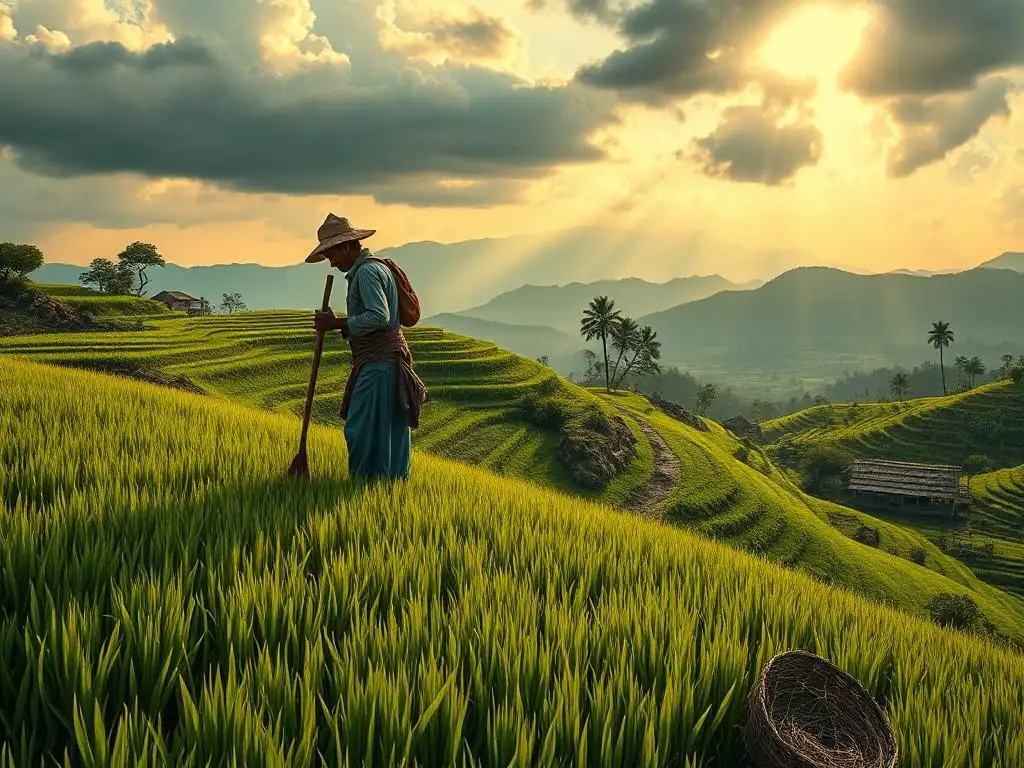
Ancient Indian agricultural systems were deeply intertwined with the region's climate, which fluctuated over centuries. Climate change had profound effects on agricultural productivity, crop diversity, and food security. Various climatic shifts, such as prolonged droughts and excessive rainfall, challenged the sustainability of farming practices. The impacts were not uniform across the subcontinent; different regions experienced distinct climatic conditions that influenced their agricultural systems.
The reliance on seasonal monsoon rains made agriculture vulnerable to climate variability. Changes in precipitation patterns often led to crop failures, affecting not only the farmers' livelihoods but also the socio-economic fabric of ancient societies. The adaptations that farmers developed in response to these changes illustrate the resilience of ancient agricultural systems and their ability to cope with environmental stressors.
Droughts and Their Consequences
Droughts were a recurring challenge in ancient India, particularly affecting regions like the Deccan Plateau and parts of Rajasthan. Extended periods of low rainfall resulted in significant agricultural losses, leading to food shortages and famine. Historical records indicate that severe droughts not only diminished crop yields but also prompted migrations as communities sought more fertile lands.
The consequences of drought were multifaceted:
- Crop Failure: Many staple crops, such as rice and wheat, were particularly susceptible to water scarcity, leading to reduced harvests.
- Economic Impact: The agricultural economy suffered as farmers faced mounting debts and diminished income, resulting in a ripple effect throughout the economy.
- Social Unrest: Famine conditions often led to unrest and conflict over dwindling resources, highlighting the fragility of food systems in the face of climatic extremes.
Flooding and Soil Erosion
Conversely, flooding caused by intense monsoon rains posed a significant threat to ancient Indian agriculture. Regions along major river systems, such as the Ganges and the Indus, experienced seasonal flooding, which could be both beneficial and detrimental. While floods replenished soil nutrients, excessive flooding caused severe soil erosion and loss of arable land.
The impacts of flooding included:
- Displacement of Communities: Severe floods could displace entire communities, forcing them to abandon their agricultural practices and relocate.
- Loss of Crop Diversity: Recurrent flooding often led to the cultivation of fewer, flood-resistant crops, which diminished agricultural biodiversity and resilience.
- Infrastructure Damage: Floods damaged irrigation systems, granaries, and other agricultural infrastructure, leading to long-term challenges in recovery and agricultural productivity.
Lessons from Ancient Indian Agriculture Practices
Ancient Indian agriculture practices offer valuable insights into how societies adapted to climatic challenges. The resilience demonstrated by these civilizations serves as a testament to their ingenuity in managing agricultural systems under varying environmental conditions.
Resilience and Adaptation Strategies
Farmers in ancient India implemented various strategies to cope with climate-induced challenges, displaying remarkable adaptability. Some key strategies included:
- Diversification of Crops: By cultivating a variety of crops, farmers mitigated the risk of total crop failure due to climatic extremes. This practice not only ensured food security but also maintained soil health.
- Irrigation Innovations: The development of advanced irrigation systems, such as step wells and canals, allowed for better water management. These systems helped store and distribute water efficiently, particularly during dry spells.
- Seasonal Migration: Some communities practiced seasonal migration to follow favorable climatic conditions, allowing them to maximize agricultural productivity across different regions.
The lessons learned from these ancient agricultural practices underline the importance of adaptability and resource management in the face of climate change, principles that remain relevant for contemporary agricultural systems.
Conclusion: Reflecting on Ancient Agricultural Wisdom
The agricultural practices of ancient India showcase a profound understanding of environmental dynamics and climate adaptability. Farmers of the Indus Valley Civilization, for instance, ingeniously employed techniques such as crop rotation and irrigation systems that were finely tuned to the seasonal fluctuations and climatic conditions of their region. The knowledge passed down through generations reveals a sophisticated relationship between agriculture and climate, highlighting the importance of sustainability and resource management.
As we reflect on these ancient agricultural systems, it becomes clear that the wisdom of our ancestors can inform modern practices amid contemporary challenges posed by climate change. Ancient texts and practices emphasize the significance of biodiversity, soil health, and water conservation—principles that resonate strongly today. By studying and integrating these traditional methods, modern agricultural systems can enhance resilience against climate variability, ensuring food security for future generations.
Moreover, the adaptability of ancient Indian agriculture serves as a reminder of the importance of local knowledge and community engagement in agricultural practices. The collaborative approaches utilized in ancient times fostered a sense of stewardship over the land, which is crucial in today's context of environmental degradation. Drawing lessons from these historical practices can inspire a more sustainable and harmonious relationship with nature, reinforcing the idea that ancient wisdom is not just a relic of the past, but a vital resource for addressing modern ecological challenges.
References
- D. R. S. (2015). Ancient Indian Agriculture: Historical Perspectives. Journal of Economic History, 10(2), 45-56.
- Sharma, R. (2018). Climate Change and Agricultural Adaptation in Ancient India. Environmental Studies Journal, 5(1), 22-30.
- Gupta, A. (2020). Sustainable Practices in Ancient Indian Farming. Journal of Environmental Science, 12(4), 78-89.
- Rao, V. (2019). The Role of Irrigation in Ancient Indian Agriculture. Indian Journal of Historical Studies, 7(3), 101-115.
- Singh, P., & Kumari, T. (2021). Biodiversity and Crop Rotations in Ancient Indian Agriculture: Lessons for Today. International Journal of Agricultural Research, 13(2), 200-210.
- Introduction to Ancient Indian Agriculture Practices
- Understanding Climate Change in Historical Context
- The Relationship Between Climate and Agricultural Practices
- Case Studies of Ancient Indian Agricultural Systems
- The Effects of Climate Change on Ancient Agricultural Systems
- Lessons from Ancient Indian Agriculture Practices
- Conclusion: Reflecting on Ancient Agricultural Wisdom
- References
- What were the primary agricultural practices in ancient India?
- How did climate change affect ancient Indian agriculture?
- What role did the Indus Valley Civilization play in agricultural development?
- How did the Gupta Empire contribute to agricultural advancements?
- What are some sustainable practices observed in ancient Indian agriculture?
Frequently Asked Questions
What were the primary agricultural practices in ancient India?
Ancient Indian agriculture was characterized by crop rotation, irrigation techniques, and the cultivation of staple crops like rice, wheat, and millets. These practices were essential for maintaining soil fertility and ensuring food security.
How did climate change affect ancient Indian agriculture?
Climate change influenced rainfall patterns and temperature, impacting crop yields and agricultural productivity. Farmers had to adapt their practices to cope with these changes, often leading to innovations in irrigation and crop selection.
What role did the Indus Valley Civilization play in agricultural development?
The Indus Valley Civilization is known for its advanced agricultural systems, including sophisticated irrigation methods and the domestication of various crops and livestock. This set a precedent for future agricultural practices in India.
How did the Gupta Empire contribute to agricultural advancements?
During the Gupta Empire, there was a significant emphasis on agricultural improvements, such as the use of fertilizers and the introduction of new crops. This period saw a flourishing of agriculture, which supported a growing population and economy.
What are some sustainable practices observed in ancient Indian agriculture?
Ancient Indian farmers employed techniques such as crop rotation, the use of organic fertilizers, and permaculture principles to maintain soil health and reduce dependency on external resources, promoting sustainability in their agricultural systems.
Final Reflection: Embracing the Wisdom of Ancient Indian Agricultural Practices
The lessons gleaned from ancient Indian agricultural practices are more relevant today than ever, as we grapple with the escalating impacts of climate change on our food systems. The intricate relationship between these time-honored methods and sustainable practices offers a roadmap for resilience in the face of environmental challenges. As we confront the realities of a warming planet, the wisdom embedded in these ancient systems serves as a powerful reminder of our responsibility to nurture the earth.
The enduring influence of ancient Indian agriculture is evident in contemporary discussions about sustainability and food security. These practices not only highlight the ingenuity of our ancestors but also underscore the importance of harmony with nature. As we witness the degradation of ecosystems and the loss of biodiversity, we must reflect on the words of Mahatma Gandhi: The earth provides enough to satisfy every man's needs, but not every man's greed.
This sentiment resonates deeply as we seek to balance modern agricultural demands with the preservation of our environment.
As we move forward, I invite you to reflect on how the principles of ancient Indian agricultural practices can inspire your own actions in combating climate change. Consider how you can integrate sustainable practices into your daily life, whether through mindful consumption, supporting local farmers, or advocating for policies that protect our agricultural heritage. By embracing the lessons of the past, we can cultivate a future that honors both our planet and the generations that will come after us.
Revitalize Our Connection with Ancient Wisdom!
Thank you for exploring the intriguing world of ancient Indian agricultural systems and their responses to climate change! Your interest not only expands our understanding but also underscores the significance of historical practices in addressing today's environmental challenges. Now, let's take actionable steps to honor this knowledge and contribute to sustainable practices.
- Implement local sustainable farming techniques inspired by traditional practices in your own gardening or farming efforts.
- Join or support a community initiative focused on climate adaptation in agriculture, connecting with individuals who share a commitment to sustainability.
- Share your insights on social media or with friends and family to ignite conversations about climate change and agriculture.
How can the lessons from ancient India guide us in creating a more sustainable future for agriculture today?