
From Seed to Harvest: The Lifecycle of Crops in Ancient Indian Civilizations

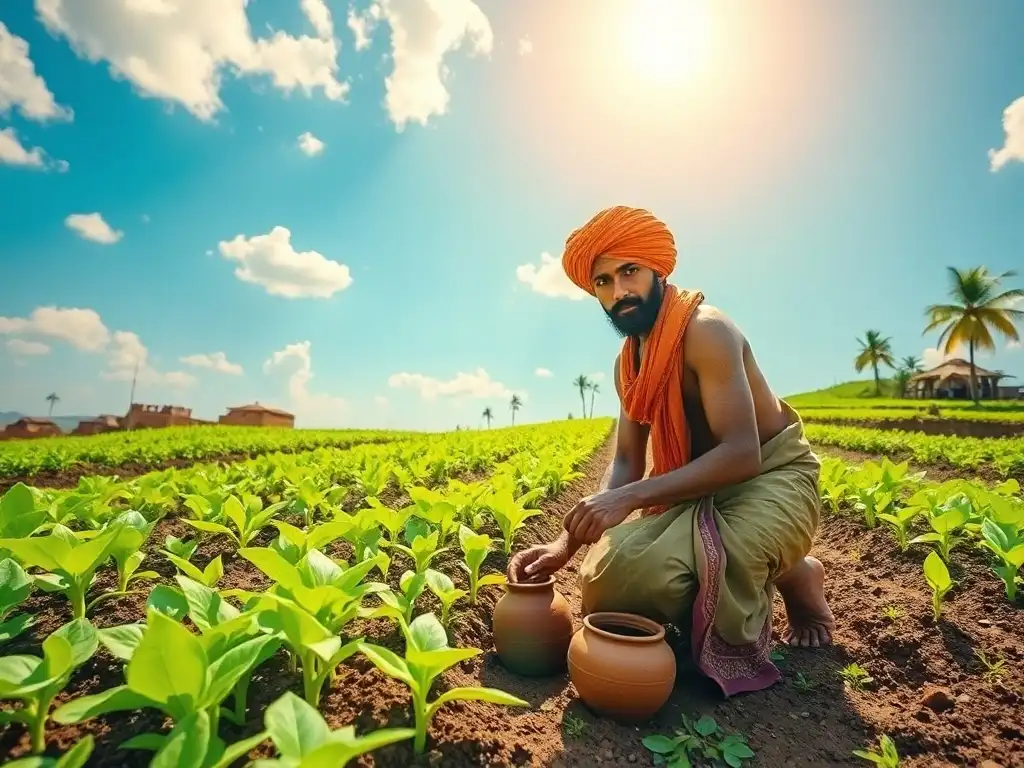
Welcome to Ancient India History, where we delve into the rich tapestry of ancient Indian civilizations and their remarkable contributions to culture and society. In our featured article, From Seed to Harvest: The Lifecycle of Crops in Ancient Indian Civilizations, we invite you to explore the fascinating world of ancient Indian agriculture practices. Discover how these innovative techniques not only sustained their communities but also shaped the very foundations of an economy that thrived for centuries.
Prepare to embark on a journey that uncovers the secrets of the past and inspires a deeper understanding of our agricultural heritage. Let's sow the seeds of knowledge together!
Introduction to Ancient Indian Agriculture Practices
The history of ancient Indian agriculture practices is a testament to the ingenuity and adaptability of early civilizations that thrived in the Indian subcontinent. From the fertile plains of the Indus Valley to the expansive lands of the Gupta Empire, agriculture formed the backbone of socio-economic development, shaping the culture and lifestyle of its people. This article delves into the intricate lifecycle of crops in ancient Indian civilizations, exploring the techniques, innovations, and cultural significance that defined agriculture during this pivotal era.
Overview of Agriculture in Ancient India
Agriculture in ancient India was not just a means of sustenance; it was a complex system that involved a profound understanding of the environment, seasonal cycles, and crop management. The primary crops cultivated included cereals such as wheat, barley, and rice, along with pulses and oilseeds. The diverse climatic conditions across regions allowed for a variety of agricultural practices, each tailored to local needs.
Key facets of ancient Indian agriculture included:
- Irrigation Techniques: Ancient Indians developed sophisticated irrigation systems, including wells, canals, and tanks, to ensure a reliable water supply for their crops.
- Crop Rotation: Farmers practiced crop rotation to maintain soil fertility and maximize yields, an early form of sustainable agriculture.
- Use of Organic Fertilizers: The incorporation of natural fertilizers, such as animal dung and compost, was common to enhance soil nutrient content.
Importance of Agriculture in Ancient Indian Civilizations
The significance of agriculture in ancient Indian civilizations extends beyond mere food production. It played a critical role in shaping social structures, economic stability, and cultural practices. Key points include:
- Economic Backbone: Agriculture was the principal source of wealth, supporting trade and commerce both locally and with neighboring regions.
- Cultural Influence: Agricultural festivals and rituals were integral to community life, reflecting the deep connection between the people and the land.
- Population Growth: The advancements in agricultural practices contributed to population growth by ensuring food security, thus facilitating urbanization and the rise of complex societies.
Historical Context of Crop Cultivation in Ancient India
Understanding the historical context of crop cultivation in ancient India reveals the evolution of agricultural practices and their influence on civilization development.
The Indus Valley Civilization and Its Agricultural Innovations
The Indus Valley Civilization (c. 3300–1300 BCE) stands out as one of the earliest urban cultures to implement advanced agricultural techniques. Notable innovations include:
- Urban Planning: Cities like Harappa and Mohenjo-Daro featured grid layouts and sophisticated drainage systems, indicating a well-organized approach to agriculture.
- Crop Diversity: Evidence suggests that the people cultivated a variety of crops, including wheat, barley, cotton, and legumes, which were foundational for future agricultural practices.
- Trade Networks: The agricultural surplus supported extensive trade, connecting the Indus Valley with distant regions, including Mesopotamia.
Agricultural Techniques in the Vedic Period
The Vedic period (c. 1500–500 BCE) witnessed significant developments in agricultural practices, influenced by the socio-cultural transformations of the time. Key techniques included:
- Use of Ploughs: The introduction of wooden ploughs enhanced the efficiency of land cultivation, leading to increased crop yields.
- Seasonal Farming: Farmers became adept at timing their planting and harvesting according to the monsoon cycles, further optimizing agricultural output.
- Cattle Domestication: The domestication of cattle provided essential labor for plowing and transportation, revolutionizing farming methods.
The Maurya and Gupta Empires: Advances in Farming
The Maurya (c. 322–185 BCE) and Gupta (c. 240–550 CE) Empires marked a golden age for agriculture in ancient India, characterized by notable advancements:
- State Support: Both empires implemented policies to support agriculture, including land grants for farmers and the establishment of state-run granaries.
- Technological Innovations: Improvements in irrigation, such as the construction of canals and reservoirs, facilitated farming in arid regions.
- Agricultural Literature: Texts like the Arthashastra of Kautilya and Krishi Parashara outlined agricultural techniques, crop management, and economic policies, reflecting a sophisticated understanding of agronomy.
This exploration of ancient Indian agriculture practices highlights the critical role of farming in shaping the civilization's economy, culture, and technological advancements. As we journey through the lifecycle of crops, we uncover the rich tapestry of knowledge and innovation that has influenced modern agricultural practices.
Key Ancient Indian Agriculture Practices
Ancient Indian agriculture practices were a cornerstone of civilization, enabling communities to thrive and grow. These practices evolved over thousands of years, integrating local environmental knowledge with innovative techniques. The key components of ancient Indian agriculture included seed selection, soil preparation, irrigation methods, and pest management. Each aspect played a critical role in ensuring a successful crop yield, reflecting the agricultural sophistication of the time. Additionally, the diversity of crops cultivated, including staples like rice, wheat, and pulses, showcases the adaptability of ancient farmers to regional climates and soil types.
Selecting Seeds: Importance of Crop Varieties
Selecting the right seeds was crucial in ancient Indian agriculture, as it directly influenced crop yields and resilience. Farmers often relied on heirloom varieties that were well-adapted to local conditions, ensuring better growth and resistance to diseases. For instance, the Indus Valley Civilization is known to have cultivated a range of crops, including barley and wheat, selecting seeds that could thrive in the region's arid climate.
The importance of crop varieties extended to the practice of crop rotation, which helped maintain soil fertility and reduce pest populations. By carefully selecting and preserving seeds, ancient farmers ensured a sustainable agricultural system that supported their communities over generations.
Soil Preparation: Techniques and Tools Used
Soil preparation in ancient India involved a series of meticulous steps aimed at enhancing soil fertility and structure. Techniques included plowing, leveling, and fertilizing. Farmers utilized wooden plows drawn by oxen, which were effective in breaking up the soil and incorporating organic matter. The use of animal dung as fertilizer was common, enriching the soil and promoting healthy crop growth. Additionally, ancient texts like the Arthashastra outline various methods for enhancing soil fertility, including the use of green manure and composting. These practices not only improved soil health but also contributed to the overall productivity of ancient Indian agriculture.
Irrigation Methods: Ancient Systems and Their Impact
Irrigation was a vital component of ancient Indian agriculture, particularly in regions with uncertain rainfall. The development of sophisticated irrigation systems allowed farmers to cultivate crops more reliably. Ancient civilizations employed various methods such as wells, canals, and tanks to store and distribute water. Notably, the civilization of the Indus Valley had an extensive network of drainage and irrigation systems, indicating advanced engineering skills. Additionally, ancient texts highlight the importance of timing irrigation to coincide with critical growth stages of crops. The effective management of water resources significantly impacted crop yields, enabling communities to flourish even in challenging climates.
The Lifecycle of Crops in Ancient Indian Farming
The lifecycle of crops in ancient Indian farming encompassed several stages, from sowing to harvesting, each critical for ensuring successful yields. Understanding this lifecycle allowed farmers to optimize their practices, aligning agricultural activities with seasonal changes and environmental conditions. The intricate relationship between these stages and the agricultural practices employed is key to appreciating the sophistication of ancient Indian agriculture.
Sowing: Timing and Techniques in Ancient Practices
Sowing marked the beginning of the crop lifecycle and was a time-sensitive activity in ancient Indian agriculture. Farmers typically relied on lunar calendars to determine the optimal time for sowing, correlating it with the arrival of monsoon rains to ensure adequate moisture. Techniques varied depending on the crop; broadcasting was common for smaller seeds, while larger seeds were often planted in rows using a method akin to drilling.
Research indicates that ancient farmers also engaged in companion planting, where different crops were sown together to enhance growth and deter pests. This understanding of timing and technique reflected a deep knowledge of agricultural cycles and environmental cues.
Crop Growth Stages: Understanding the Phases of Development
The growth stages of crops were meticulously observed by ancient Indian farmers, as each phase required specific care and attention. Initially, after sowing, the germination phase involved the sprouting of seeds, which required sufficient moisture and warmth. Following germination, the seedling stage was critical for establishing a strong root system.
Farmers practiced techniques such as thinning to reduce competition among plants and improve air circulation. As crops matured, they entered the vegetative and reproductive stages, during which proper irrigation and pest management became increasingly important. Understanding these growth stages allowed ancient farmers to implement targeted interventions, optimizing yields at each phase of development.
Pests and Weeds: Management Techniques in Ancient Agriculture
Managing pests and weeds was an essential aspect of ancient Indian agriculture, directly influencing crop health and productivity. Farmers employed a variety of techniques to control unwanted plants and pests, including manual weeding and the use of natural repellents. For instance, certain herbs and plants were recognized for their pest-repelling properties and were strategically interplanted with crops. Additionally, ancient texts provide insights into the use of traps and barriers to manage pest populations effectively. The integration of these management techniques illustrates the advanced understanding of ecology and sustainable practices within ancient Indian agriculture, helping to ensure successful harvests.
Harvesting Techniques in Ancient Indian Civilizations

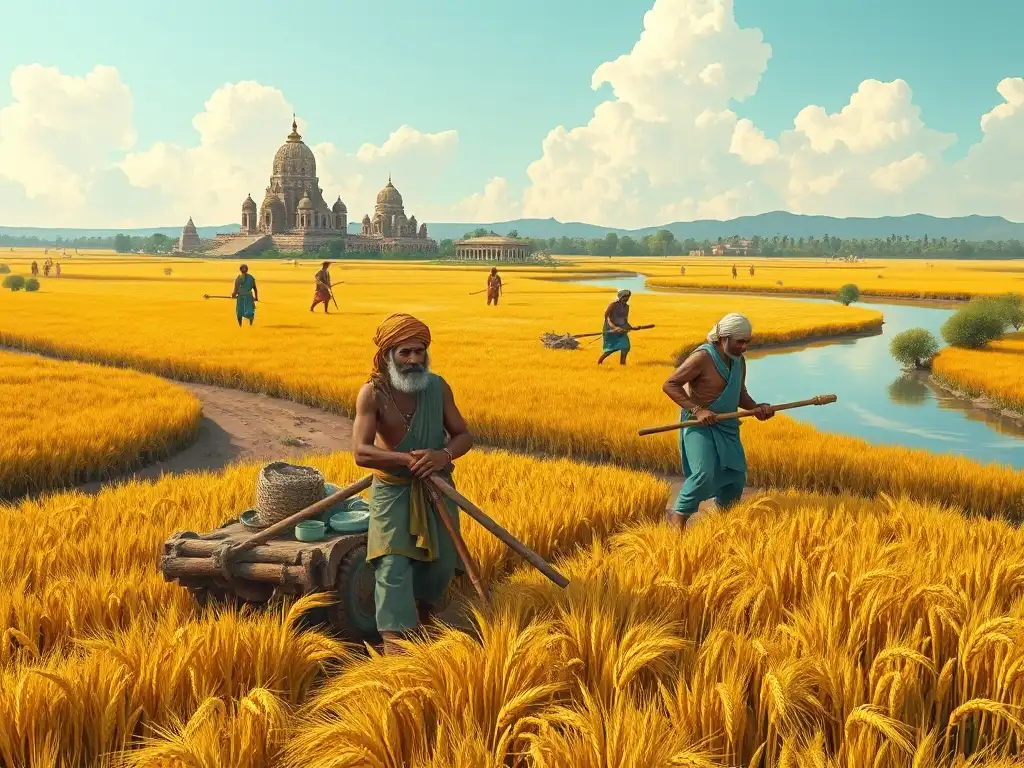
The harvesting techniques in ancient Indian civilizations were deeply rooted in the cultural and environmental contexts of the time. Primarily dependent on the type of crops cultivated, these methods evolved over centuries, reflecting the advancements in agricultural practices and the availability of tools. The process of harvesting was not merely a task but a significant event that involved the entire community, often accompanied by rituals and celebrations.
Traditional Harvesting Methods: Tools and Processes
Ancient Indian farmers utilized a variety of tools for harvesting, which were often made from locally sourced materials. The primary instruments included:
- Sickles: Curved blades attached to a handle, sickles were the most commonly used tools for cutting grain crops, such as wheat and barley. The design allowed for efficient cutting close to the ground.
- Knives: For certain crops, such as rice, sharp knives were employed for harvest, particularly when dealing with softer stalks.
- Reaping Hooks: A more specialized tool, these hooks were used for larger fields and were effective for quickly bringing down large swathes of crops.
The harvesting process typically involved cutting the crops at their base, gathering them into bundles, and then transporting them to a central location for further processing. It was a labor-intensive period that required coordination among community members, often culminating in communal meals and celebrations to mark the end of the season.
Timing the Harvest: Cultural Beliefs and Practices
The timing of the harvest in ancient India was influenced by a blend of agricultural knowledge and cultural beliefs. Farmers relied on various indicators, including:
- Weather Patterns: Seasonal changes and climatic conditions played a critical role in determining the right time for harvest. Monsoon rains were especially significant, as they directly affected crop maturity.
- Lunar Calendar: Many communities followed lunar cycles to decide on the best harvest times, believing certain phases were more auspicious for cutting crops and storing grains.
- Rituals and Festivals: Harvesting was often aligned with local festivals, such as Makar Sankranti and Pongal, which celebrated the completion of the agricultural cycle. These events not only marked the time for harvesting but also reinforced community bonds and cultural identity.
Post-Harvest Processing: Storage and Preservation Techniques
Once harvested, crops underwent several post-harvest processing techniques to ensure preservation and storage. Ancient Indian civilizations developed various methods to maintain the quality of grains and other produce:
- Threshing: This process involved separating the edible parts of the crop from the chaff. Techniques varied from manual beating with sticks to using animals to trample the harvested crops.
- Drying: Crops were spread out in the sun to reduce moisture content, which helped prevent spoilage and pest infestations.
- Storage: Grains were stored in clay pots, woven baskets, or granaries, often elevated to protect against rodents and moisture. Some communities also practiced fermentation and drying of fruits and vegetables to prolong their shelf life.
These techniques were essential for creating a reliable food supply, especially during periods of scarcity.
The Role of Agriculture in Ancient Indian Economy
Agriculture was the backbone of ancient Indian economies, fundamentally shaping trade, culture, and social structures. The productivity of farms determined the wealth of communities and their ability to engage in trade with neighboring regions.
Trade and Agricultural Surplus: Economic Implications
The surplus generated from agriculture had profound implications for trade in ancient India. Key points include:
- Barter System: Surplus crops enabled farmers to trade with artisans and merchants, creating a barter economy. This exchange fostered a network of interdependence among different crafts and professions.
- Marketplaces: Agricultural surplus contributed to the growth of marketplaces, where goods were exchanged. Towns and cities began to thrive as trade hubs, promoting economic expansion.
- Taxation: Agricultural output was often taxed by local rulers, providing revenue for state functions and public projects.
The economic stability provided by agriculture allowed for the flourishing of arts, literature, and culture, underscoring its significance in the broader historical context.
Agricultural Festivals and Their Cultural Significance
Agricultural festivals in ancient India were vital in celebrating the relationship between people and their land. These festivals not only marked the changing seasons and agricultural cycles but also served as a means to:
- Strengthen Community Bonds: Festivals brought together farmers and their families, reinforcing social ties and shared cultural practices.
- Ritualistic Significance: Many festivals involved rituals aimed at seeking blessings for bountiful harvests, demonstrating the spiritual connection to agriculture.
- Cultural Expression: These celebrations were often accompanied by music, dance, and local cuisine, showcasing the rich cultural heritage tied to agricultural practices.
Such festivals played a crucial role in the social fabric of ancient Indian societies, embodying the harmony between humanity and nature.
Impact of Agriculture on Social Structures in Ancient India
The impact of agriculture extended beyond the economy, influencing the social structures of ancient Indian civilizations. Key influences included:
- Settlement Patterns: The establishment of agricultural practices allowed for permanent settlements, leading to the development of villages and eventually cities.
- Social Hierarchies: The accumulation of wealth from surplus crops often resulted in social stratification, with landowners and wealthy farmers holding power and influence over laborers and smaller farmers.
- Caste System: Agriculture played a significant role in the formation of the caste system, where different societal roles became associated with agricultural tasks, such as farming, trading, and artisanal work.
Overall, agriculture was a cornerstone of ancient Indian civilization, shaping its economy, culture, and social dynamics in profound ways.
Conclusion: Legacy of Ancient Indian Agriculture Practices
The agricultural practices of ancient India have left an indelible mark on the landscape of modern farming techniques. From the sophisticated irrigation systems to the diverse crop rotation methods, the legacy of these practices continues to be relevant in today’s agricultural discourse. The understanding of soil fertility, seasonal changes, and the symbiotic relationships between various crops laid a foundation that modern agricultural science builds upon.
As we look back, it becomes evident that ancient Indian civilizations not only cultivated crops but also nurtured a sustainable approach to farming that resonates with contemporary organic and eco-friendly practices. This legacy serves as a reminder of the innovative spirit of ancient farmers and their deep connection with the land.
Influence on Modern Agricultural Techniques
Ancient Indian agriculture practices have significantly influenced modern agricultural techniques in several ways:
- Irrigation Practices: The development of extensive irrigation systems, such as the use of wells, canals, and tanks, paved the way for modern irrigation methods. These ancient designs emphasized water conservation and management, which are crucial in current agricultural practices.
- Crop Diversity: The ancient practice of polyculture, where multiple crops are grown together, has inspired modern sustainable farming techniques. This approach enhances biodiversity, improves soil health, and reduces pest outbreaks.
- Organic Fertilizers: The use of natural fertilizers, such as compost and cow dung, was prevalent in ancient times. This practice has been resurrected in today's organic farming movement, emphasizing the importance of sustainability and the reduction of chemical inputs.
- Seasonal Crop Rotation: Ancient Indian farmers understood the importance of rotating crops to maintain soil health and maximize yield. This practice is now fundamental in modern agriculture, helping to prevent soil degradation and disease proliferation.
Lessons from Ancient Indian Crop Cultivation for Today's Farmers
The wisdom gleaned from ancient Indian crop cultivation practices offers valuable lessons for today’s farmers:
- Sustainability: Ancient farmers emphasized a balanced relationship with the environment, utilizing techniques that preserved soil fertility and biodiversity. Modern farmers can learn from these practices to create sustainable systems that do not deplete resources.
- Community Collaboration: Agricultural practices in ancient India often involved community efforts, such as collective irrigation management and shared labor during harvests. Today's farmers can benefit from collaborative approaches, which foster resilience and knowledge sharing.
- Adaptation to Climate: Ancient civilizations were adept at adapting their farming practices to local climatic conditions. Modern farmers can take inspiration from this adaptability, implementing flexible farming strategies that respond to changing weather patterns.
- Cultural Significance of Agriculture: Ancient Indian agriculture was deeply entwined with cultural and spiritual practices. Understanding the cultural significance of farming can enhance modern agricultural practices by incorporating traditional knowledge and community values.
Further Reading on Ancient Indian Agriculture Practices
For those interested in delving deeper into the agricultural practices of ancient India, a variety of resources are available that explore both historical and contemporary perspectives.
Recommended Books and Resources
- "The History of Indian Agriculture" by B. R. Ambedkar: This book provides a comprehensive overview of the evolution of agriculture in India, showcasing ancient practices and their impact on modern farming.
- "Agriculture in Ancient India" by R. S. Sharma: A detailed exploration of the techniques and methods employed by ancient Indian farmers, focusing on the social and economic factors that influenced agricultural development.
- "The Indian Farmer: A Historical Perspective" by K. S. Shukla: This resource examines the role of the farmer in ancient India, highlighting the cultural and economic importance of agriculture in shaping society.
- Online Databases and Journals: Websites like JSTOR and Google Scholar contain numerous research papers and articles related to ancient agricultural practices, providing valuable insights for further study.
Related Articles on Crop Cultivation and Harvesting Techniques
- "The Role of the Monsoon in Ancient Indian Agriculture": An article discussing how seasonal rains influenced farming practices and crop selection in ancient India.
- "Traditional Harvesting Techniques in Ancient India": A detailed study of the various methods employed during harvest time, including tools and community practices.
- "Crop Rotation and Its Historical Significance in India": This article explores the importance of crop rotation in ancient agricultural practices and its relevance in modern sustainable farming.
These resources collectively contribute to a richer understanding of ancient Indian agriculture practices and their lasting impact on contemporary farming techniques.
- Introduction to Ancient Indian Agriculture Practices
- Historical Context of Crop Cultivation in Ancient India
- Key Ancient Indian Agriculture Practices
- The Lifecycle of Crops in Ancient Indian Farming
- Harvesting Techniques in Ancient Indian Civilizations
- The Role of Agriculture in Ancient Indian Economy
- Conclusion: Legacy of Ancient Indian Agriculture Practices
- Further Reading on Ancient Indian Agriculture Practices
Frequently Asked Questions
What were some common crops grown in ancient Indian agriculture?
Ancient Indian agriculture primarily focused on cereal grains like rice, wheat, and barley, as well as legumes and oilseeds. These crops were essential for sustaining the population.
How did ancient Indian civilizations irrigate their crops?
The civilizations developed advanced irrigation systems, including canals and wells, to efficiently manage water resources. This innovation greatly enhanced crop yields and agricultural productivity.
What role did the monsoon season play in agriculture?
The monsoon season was crucial for ancient Indian agriculture, providing the necessary rainfall for crop cultivation. Farmers relied heavily on this seasonal pattern for successful planting and harvests.
How did agricultural practices influence ancient Indian society?
Agricultural practices laid the foundation for the economic stability and social structure of ancient Indian societies. A surplus in crops allowed for trade, population growth, and the development of urban centers.
What were some traditional farming techniques used?
Farmers employed various traditional techniques, such as crop rotation, intercropping, and the use of organic fertilizers. These methods helped maintain soil fertility and optimize harvests over time.
Final Reflection: The Enduring Legacy of Ancient Indian Agriculture Practices
The intricate relationship between ancient Indian agriculture practices and modern sustainability is more relevant than ever. As we face pressing global challenges such as climate change and food security, the wisdom embedded in these age-old techniques offers invaluable insights. The cultivation methods, crop rotation, and community-based farming systems of ancient civilizations remind us that sustainable practices are not merely a modern trend but a time-tested approach to nurturing our planet.
The influence of these ancient practices extends beyond historical significance; they continue to shape our cultural and social landscapes today. The principles of harmony with nature and respect for the land resonate in contemporary movements advocating for organic farming and sustainable agriculture. As Mahatma Gandhi once said, "> The earth provides enough to satisfy every man's needs, but not every man's greed." This quote encapsulates the essence of ancient agricultural wisdom, urging us to reflect on our consumption patterns and the impact of our choices on the environment.
As we contemplate the lessons from ancient Indian agriculture, I invite you to consider how these practices can inspire your own relationship with food and the environment. Reflect on your daily choices and actions—how can you incorporate sustainable practices into your life? Whether it's supporting local farmers, reducing waste, or exploring traditional gardening techniques, each step contributes to a healthier planet. Let us honor the legacy of our ancestors by nurturing the earth and fostering a sustainable future for generations to come.
Unearth Your Agricultural Passion Today!
Thank you for diving into the rich tapestry of ancient Indian agricultural practices! We hope you gained insight into the incredible journey of crops from seed to harvest. Now, it's time to take what you've learned and transform your curiosity into action.
Here are some practical steps you can take right now:
- Start your own mini garden: Whether it’s cultivating herbs on your windowsill or creating a small vegetable patch, nurturing plants can deepen your understanding of the lifecycle we explored.
- Join a local farming community: Connect with fellow enthusiasts to share knowledge, resources, and even crops! Look for workshops or volunteer opportunities in your area.
- Share your newfound knowledge online: Consider writing a blog post, sharing updates on social media, or starting discussions on forums about what you’ve learned regarding ancient agricultural practices.
What crops or gardening ideas are you excited to explore in your own life? Let’s inspire each other!