
Ancient Indian Cuisine During the Gupta Period: Cultural Reflections in Food

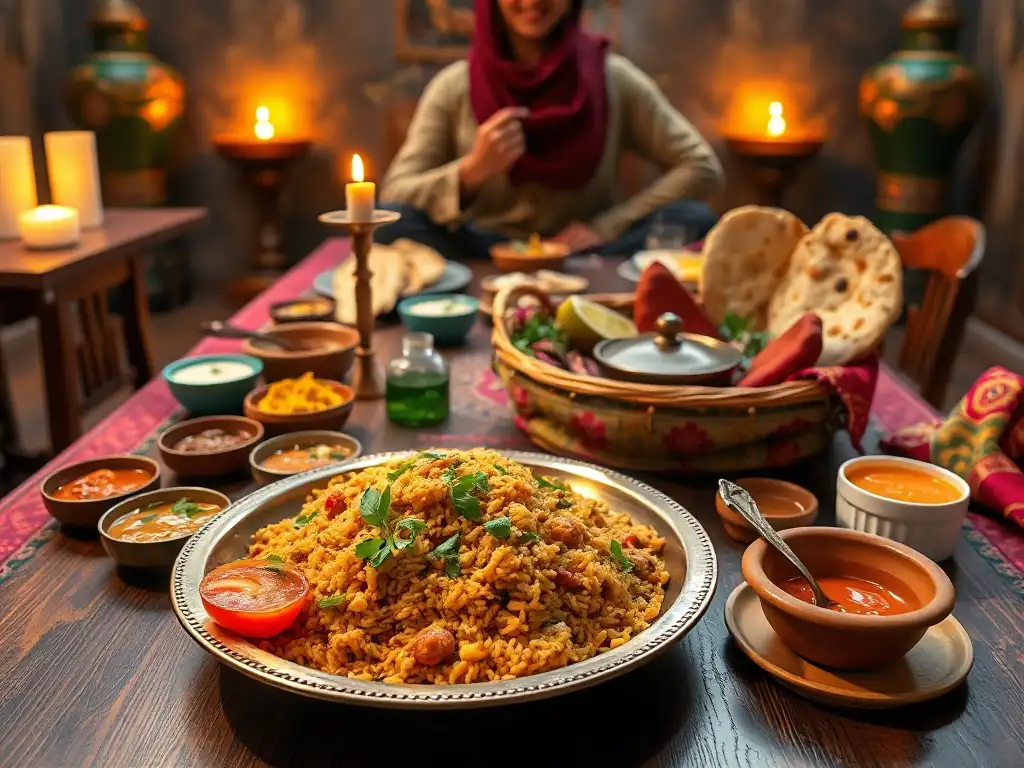
Welcome to Ancient India History, where we embark on a captivating journey through the rich tapestry of ancient Indian civilizations. Here, we delve into the fascinating world of Ancient Indian cuisine during the Gupta Empire, uncovering how food not only nourished the body but also reflected the vibrant culture and traditions of the time. As we explore the intricate flavors and culinary practices that shaped this golden age, you'll find that each dish tells a story of innovation and cultural fusion.
Get ready to savor the past and discover how the Gupta Empire's culinary legacy continues to influence modern Indian cuisine. Join us as we dive deeper into this delectable chapter of history!
The Gupta Empire (circa 320 to 550 CE) marks a golden age in ancient Indian history, renowned for its remarkable achievements in art, science, literature, and culture. Among the many aspects of daily life that flourished during this period, cuisine stands out as a vital reflection of the society's values, traditions, and innovations. Ancient Indian cuisine during the Gupta Empire was not merely about sustenance; it encompassed a rich tapestry of flavors, techniques, and cultural exchanges that mirrored the era's prosperity and diversity.
As trade routes expanded and interactions with different cultures occurred, the culinary landscape of India evolved significantly. The incorporation of various ingredients, cooking methods, and influences from neighboring regions enriched the food culture, making it a fascinating subject of study. This article explores the intricacies of ancient Indian cuisine during the Gupta period, examining how food served as a medium of cultural expression and communal identity while showcasing the advancements in agricultural practices and culinary techniques.
Through this exploration, we will delve into the types of foods consumed, the significance of spices, regional variations, and the social aspects of dining that characterized this remarkable era. By understanding ancient Indian cuisine in the context of the Gupta Empire, we can gain valuable insights into the broader cultural and historical narratives that shaped one of India's most illustrious civilizations.
- Introduction to Ancient Indian Cuisine in the Gupta Empire
- Historical Context of Gupta Period Cuisine
- Key Ingredients in Ancient Indian Cuisine of the Gupta Period
- Cooking Techniques and Culinary Practices
- Cultural Reflections in Gupta Cuisine
- Regional Variations in Gupta Period Cuisine
- Conclusion: Lasting Legacy of Gupta Cuisine in Modern Indian Food
- References for Further Reading on Ancient Indian Cuisine
-
Frequently Asked Questions
- What is the significance of ancient Indian cuisine during the Gupta Empire?
- What were some common ingredients used in Gupta period cuisine?
- How did trade influence ancient Indian cuisine during the Gupta Empire?
- What role did religion play in ancient Indian cuisine during this period?
- Are there any modern dishes that originated from Gupta period cuisine?
- Final Reflection: The Lasting Legacy of Ancient Indian Cuisine in the Gupta Empire
- Savor the Flavors: Dive Deeper into Gupta Cuisine!
Introduction to Ancient Indian Cuisine in the Gupta Empire
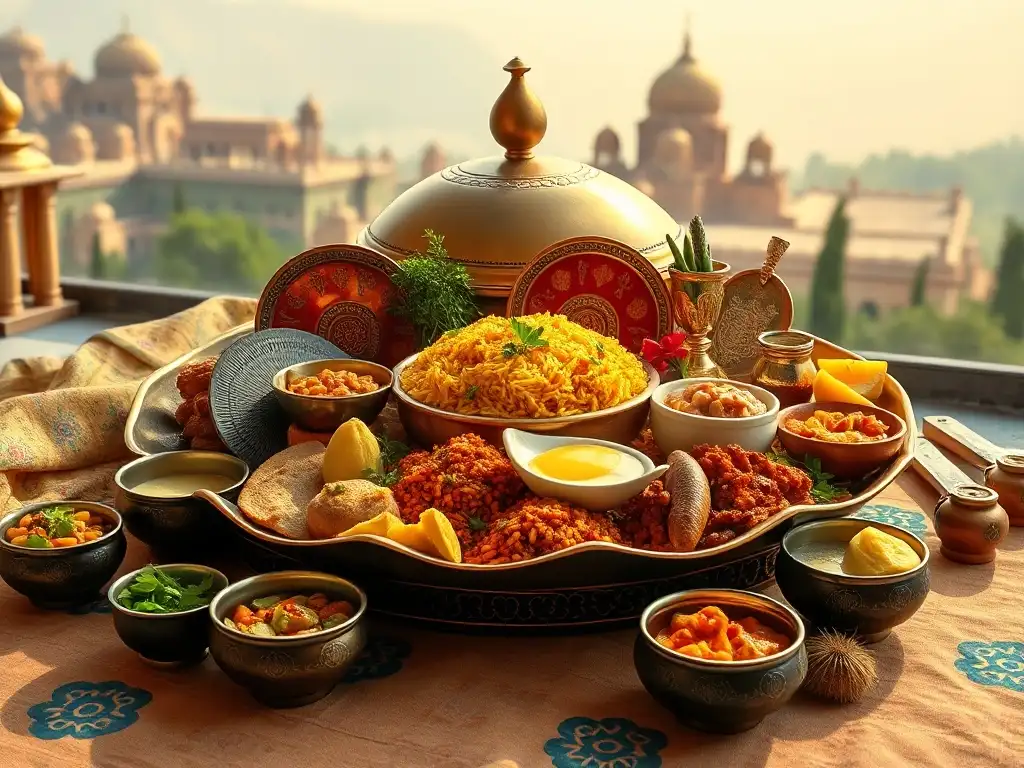
The Gupta Empire, often referred to as the "Golden Age" of ancient India, spanned from approximately 320 to 550 CE. This period was marked by significant advancements in various fields, including art, science, and culture. One of the most intriguing aspects of Gupta society is its cuisine, which serves as a reflection of the empire’s rich cultural tapestry. Ancient Indian cuisine during the Gupta Empire was not merely about sustenance; it was intertwined with social customs, religious practices, and trade, showcasing the diversity and sophistication of the time.
Overview of the Gupta Empire's Cultural Significance
The Gupta Empire is renowned for its remarkable contributions to Indian civilization. It was a time when Hinduism, Buddhism, and Jainism flourished, leading to a rich cultural synthesis. The empire's capital, Pataliputra (modern-day Patna), became a hub for scholars, artists, and traders from various regions.
- Cultural Flourishing: The era saw significant developments in literature, art, and science. Notable figures like Kalidasa and Aryabhata emerged during this period, and their works reflected the cultural ethos of the time.
- Trade and Commerce: The Gupta Empire was known for its robust trade networks, both inland and overseas. Spices, textiles, and other goods were exchanged, influencing culinary practices and introducing new ingredients into the Indian diet.
The cuisine of the Gupta period was a reflection of this vibrant culture, characterized by a variety of ingredients and cooking techniques that evolved through interactions with other regions.
The Role of Food in Ancient Indian Society
Food in ancient Indian society was far more than a means of nourishment; it was a symbol of identity, status, and community. The Gupta period exemplified this multifaceted role of food:
- Culinary Diversity: Ancient Indian cuisine during the Gupta Empire was marked by regional variations, with an abundance of grains, legumes, fruits, and vegetables. Popular staples included rice, wheat, and barley, while lentils and chickpeas were commonly used in dishes. The use of spices such as turmeric, cumin, and coriander not only enhanced flavor but also had medicinal properties.
- Rituals and Festivals: Food played a central role in religious rituals and festivals. Offerings of food to deities were common, and certain dishes were prepared specifically for auspicious occasions. For instance, Pongal, a rice dish, was celebrated during harvest festivals, symbolizing prosperity and gratitude.
- Social Hierarchy: The types of food consumed often reflected social status. While the affluent enjoyed elaborate meals with a variety of dishes, the lower classes had simpler diets. This distinction was evident in the preparation and presentation of food, which was often a display of wealth and refinement.
- Health and Nutrition: The Gupta era also saw a growing awareness of nutrition and health. Texts like the Charaka Samhita emphasized the importance of a balanced diet, linking food to overall well-being. This understanding influenced dietary practices, with meals often tailored to individual health needs.
Ancient Indian cuisine during the Gupta Empire offers a fascinating lens through which to explore the cultural dynamics of the time. Food was not only a source of nourishment but also a vital element of social structure, religious practice, and cultural identity, reflecting the diverse and interconnected world of ancient India.
Historical Context of Gupta Period Cuisine
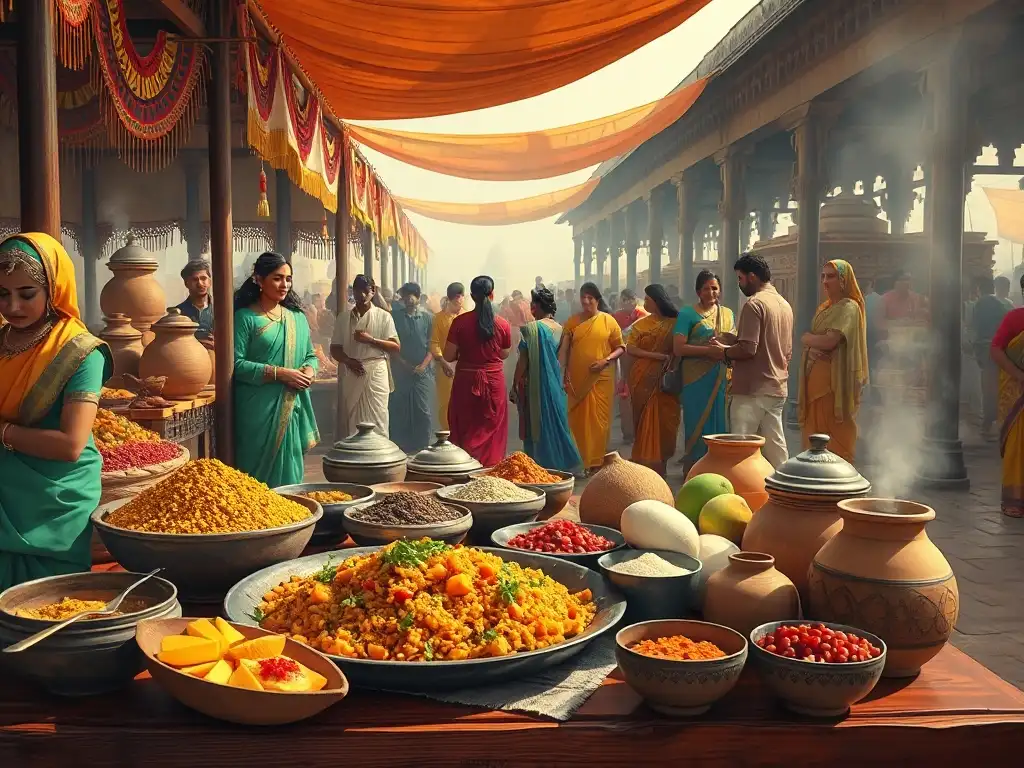
The Gupta period, often referred to as the Golden Age of India (approximately 320-550 CE), was characterized by significant advancements in art, science, and culture. This era saw the flourishing of various aspects of society, including ancient Indian cuisine. The food culture during this time was not just a matter of sustenance but also a reflection of the values, beliefs, and social structures of the Gupta Empire.
Timeline of the Gupta Empire (Approx. 320-550 CE)
- Early Gupta Period (c. 320-350 CE): The empire was founded by Chandragupta I, and it marked the beginning of a new era in Indian history. During this time, the culinary practices began to evolve, influenced by local ingredients and trade.
- Middle Gupta Period (c. 350-450 CE): Under the reign of Samudragupta and Chandragupta II, the empire expanded, leading to increased cultural exchanges. This period saw the introduction of new culinary techniques and ingredients through trade with other regions, enhancing the diversity of ancient Indian cuisine.
- Late Gupta Period (c. 450-550 CE): This era was marked by the consolidation of Gupta rule and a peak in cultural achievements. The cuisine became more refined, with the emergence of vegetarianism influenced by religious philosophies, particularly Jainism and Buddhism, which were prevalent during this time.
The Gupta period's cuisine was characterized by its regional diversity, reflecting the various local traditions and ingredients available. The influence of trade routes also played a crucial role in shaping the flavors and practices of ancient Indian cuisine during this time.
Influence of Earlier Indian Civilizations on Gupta Cuisine
The cuisine of the Gupta Empire was significantly shaped by the culinary traditions of earlier Indian civilizations, particularly the Indus Valley Civilization and the Vedic period.
- Indus Valley Civilization (c. 2600-1900 BCE):
- The remains of ancient granaries and evidence of agricultural practices suggest that the people of the Indus Valley cultivated wheat, barley, and pulses, which continued to be staples in Gupta cuisine.
- The use of spices and herbs can be traced back to this period, with findings indicating early trade of goods like cumin, coriander, and turmeric, which became essential in Gupta culinary practices.
- Vedic Period (c. 1500-500 BCE):
- The Vedic texts provide insight into early dietary practices, highlighting the importance of food offerings in rituals. This emphasis on food as a spiritual and cultural element influenced Gupta cuisine.
- The concept of sattva (pure foods) and rajas (passionate foods) from the Vedic texts shaped dietary choices during the Gupta period, promoting vegetarianism for spiritual purity and health.
- Regional Varieties:
- Different regions within the Gupta Empire contributed unique ingredients and cooking methods. For instance, the availability of rice in the eastern regions versus wheat in the north influenced various staple dishes.
- The culinary practices of local tribes and communities were integrated into the broader Gupta culinary framework, resulting in a rich tapestry of flavors and techniques.
The synthesis of these earlier influences led to a vibrant and diverse culinary culture during the Gupta Empire, where food was not only a means of nourishment but also a reflection of the empire's rich cultural heritage.
Key Ingredients in Ancient Indian Cuisine of the Gupta Period

Staples: Grains and Pulses in Gupta Cuisine
The Gupta Empire, often referred to as a golden age of Indian history, also reflected its prosperity in the realm of cuisine. The staple ingredients of this era were primarily grains and pulses, which formed the backbone of the ancient Indian diet. Wheat, rice, barley, and millet were the most commonly used grains, and they played a crucial role in the daily sustenance of the populace.
- Wheat: This was predominantly cultivated in the northern regions, particularly around the Punjab area. Wheat was often ground into flour to make various types of bread, such as roti and chapati, which were essential components of meals.
- Rice: Especially favored in the eastern regions, rice was often consumed boiled or used in various preparations like khichdi (a comforting dish made from rice and lentils).
- Barley and Millet: These grains were also significant, especially in arid regions where they thrived better than rice or wheat. Barley was used in the preparation of porridge and was valued for its nutritional content.
Pulses, such as lentils (masoor), chickpeas (chana), and mung beans, were vital for their protein content, complementing the carbohydrate-rich staples. These legumes were typically cooked into hearty dals, which were often served alongside breads or rice. The combination of grains and pulses not only provided sustenance but also reflected the agricultural advancements of the Gupta period, showcasing a society that was both innovative and resourceful.
Spices and Herbs: Flavor Profiles of Ancient Indian Food
The spices and herbs used during the Gupta Empire were essential in defining the flavor profiles of ancient Indian cuisine. This period saw an increase in the variety of spices utilized, thanks to trade routes that facilitated the exchange of ingredients across regions.
- Prominent Spices:
- Cumin (jeera) and Coriander (dhania) were staples in many dishes, lending their distinct flavors and aromas.
- Turmeric (haldi) not only added color but was also prized for its medicinal properties.
- Black Pepper (kali mirch), known as the "king of spices," was highly sought after and often used in various meat dishes and gravies.
- Herbs: Fresh herbs such as cilantro (dhania) and mint (pudina) were commonly used to garnish dishes, adding freshness and enhancing flavors.
The blending of these spices and herbs into cooking methods, often involving slow cooking or frying, allowed for the creation of complex flavors that characterized Gupta cuisine. The use of ghee (clarified butter) as a cooking medium further enriched the dishes, making them sumptuous and appealing.
Fruits and Vegetables: Seasonal Varieties in Gupta Diet
The diet during the Gupta period was not only about grains and spices; fruits and vegetables played a significant role as well. The availability of seasonal produce influenced meal preparations, with a variety of options enriching the diet.
- Fruits:
- Common fruits included mangoes, bananas, pomegranates, and citrus fruits. These were often consumed fresh or used in desserts and drinks.
- Dates and figs were also popular, sometimes used in sweet preparations or as snacks.
- Vegetables:
- A wide range of vegetables, such as pumpkins, gourds, and leafy greens, were used in curries and side dishes.
- Onions and garlic were essential in flavoring dishes, providing a savory depth to the overall meal.
The emphasis on seasonal and locally sourced ingredients not only contributed to a balanced diet but also reflected the agricultural practices of the time. The Gupta period's culinary traditions demonstrated an intricate relationship between culture, environment, and food, showcasing a vibrant and diverse culinary landscape that continues to influence modern Indian cuisine.
Cooking Techniques and Culinary Practices
Traditional Cooking Methods in Ancient Indian Cuisine
Ancient Indian cuisine during the Gupta Empire was characterized by a variety of traditional cooking methods, many of which were rooted in the cultural practices of the time. Techniques such as boiling, steaming, and roasting were commonly employed, with a strong emphasis on preserving the natural flavors and nutritional qualities of ingredients.
- Boiling:
- This method was widely used for cooking grains, legumes, and vegetables. Boiling not only softened food but also made it easier to digest.
- Example: Dishes like khichdi, a mixture of rice and lentils, were staples.
- Steaming:
- Steaming was typically done using banana leaves or cloths, which helped retain moisture and nutrients.
- Example: Idli, a fermented steamed rice cake, is believed to have origins tracing back to this period.
- Roasting:
- Roasting was a favored method for cooking meats and certain grains. This technique added a smoky flavor that was highly appreciated.
- Example: Tandoor cooking, where bread and meats were roasted in clay ovens, was likely practiced.
- Frying:
- Though less common than boiling or roasting, frying was used to prepare snacks and savory items, often involving the use of ghee (clarified butter) for added flavor.
The combination of these methods allowed for a rich tapestry of flavors and textures in Gupta cuisine, reflecting the era's agricultural practices and the availability of various ingredients.
Use of Utensils and Kitchenware During the Gupta Era
The utensils and kitchenware used during the Gupta Empire reveal much about the culinary practices and societal norms of the time. Materials such as clay, metal, and stone were commonly utilized, each serving distinct purposes in food preparation and serving.
- Clay Pots:
- Widely used for boiling and storing food, clay pots were valued for their ability to retain heat and moisture. They were often used in traditional cooking methods like boiling and slow cooking.
- Example: Clay pots were essential for making dishes like curries and stews, allowing flavors to meld beautifully.
- Metal Utensils:
- Copper and bronze utensils became increasingly popular during the Gupta period, especially for serving and frying. These materials were durable and aesthetically pleasing.
- Example: Thalis (platters) made of metal were commonly used for serving a variety of dishes during feasts and celebrations.
- Stone Mortars and Pestles:
- Grinding spices and herbs was a critical part of cooking, and stone mortars and pestles were indispensable tools in the Gupta kitchen. They allowed for the creation of fresh spice mixes and pastes, integral to many recipes.
- Example: Spices like cumin, coriander, and turmeric were often ground fresh to enhance flavor.
- Cooking Implements:
- Other kitchen tools included ladles, spatulas, and knives made from both metal and wood, which facilitated various cooking techniques.
- Example: Wooden spatulas were commonly used for stirring and serving, while metal knives were essential for preparation.
The evolution of kitchenware during the Gupta Empire not only reflects advances in technology and materials but also illustrates the cultural significance of food in society. The tools and techniques developed in this era laid the foundation for many culinary traditions that continue to thrive in modern Indian cuisine today.
Cultural Reflections in Gupta Cuisine
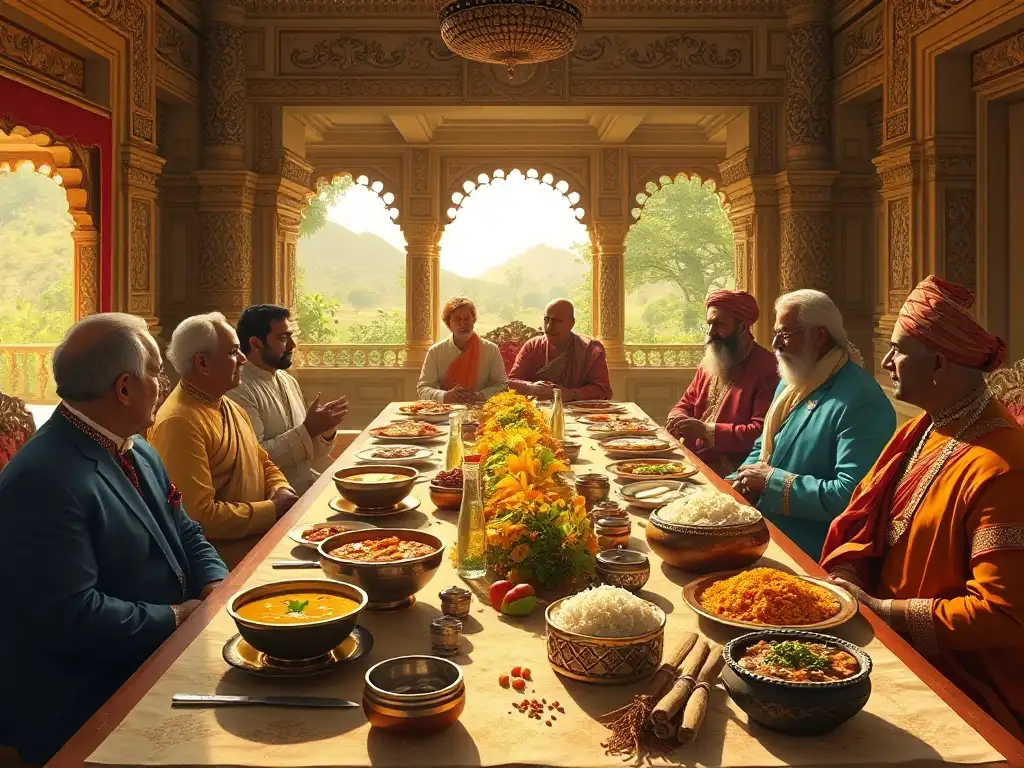
The Gupta Empire, often referred to as the Golden Age of India, was a period marked by significant advancements in art, science, and culture, including cuisine. Ancient Indian cuisine during the Gupta Empire was not merely about sustenance; it served as a powerful symbol of social status, identity, and cultural values. The food choices, preparation methods, and dining customs of this era reflected the diverse influences and societal structures of the time, showcasing the intricate relationship between food and identity in ancient Indian culture.
In the Gupta period, food transcended basic nourishment, becoming intertwined with social hierarchy and identity. The dietary habits of individuals were often indicative of their social standing.
- Elaborate Dishes for the Elite: The nobility and wealthy classes enjoyed a varied diet that included luxurious ingredients such as saffron, rich spices, and imported foods. Dishes like kheer (a sweet rice pudding) and biryani (spiced rice with meat) were staples at their lavish banquets.
- Simple Fare for the Common People: In contrast, the lower classes primarily consumed simpler meals centered around grains and legumes. Staples like rice, millet, and lentils formed the foundation of their diet, often accompanied by seasonal vegetables.
- Cultural Identity through Cuisine: Different regions within the Gupta Empire exhibited unique culinary styles that reflected local resources and traditions. For instance, coastal areas had a diet rich in fish, while the agrarian regions focused on agriculture-based foods. This regional diversity contributed to a rich tapestry of flavors and culinary practices that defined Gupta identity.
Festivals and Feasts: Culinary Traditions of the Gupta Period
Festivals and communal feasts during the Gupta period were vibrant expressions of culture and community, with food playing a central role in these celebrations.
- Seasonal Festivals: Festivals such as Makar Sankranti and Navaratri were celebrated with specific food items that held cultural significance. For example, during Makar Sankranti, people prepared til ladoos (sesame seed sweets) to commemorate the harvest.
- Banquets and Royal Feasts: The Gupta kings hosted grand banquets that showcased the empire's wealth and culinary prowess. These events featured multiple courses, including appetizers, main dishes, and desserts, often accompanied by music and dance.
- Religious Offerings: Food also played a vital role in religious practices. Offerings made to deities included fruits, grains, and sweets, which were believed to carry blessings. The preparation of these offerings adhered to strict guidelines that emphasized purity and devotion.
Influence of Religion on Food Practices in Ancient India
Religion profoundly influenced food practices during the Gupta Empire, shaping dietary laws, cooking methods, and the overall culinary landscape.
- Vegetarianism and Jain Influence: The rise of Buddhism and Jainism during the Gupta period significantly promoted vegetarianism. Many adherents believed in ahimsa (non-violence), leading to a diet that avoided meat and emphasized plant-based foods. This not only affected individual diets but also influenced communal eating practices.
- Hindu Rituals and Food: Hindu traditions incorporated food into religious rituals, emphasizing the importance of purity and sanctity in food preparation. Offerings made to deities were often vegetarian, and certain foods were considered sacred, reinforcing their significance in both spiritual and social contexts.
- Culinary Texts and Guidelines: Texts such as the Manusmriti provided guidelines on food consumption, outlining what was considered pure or impure. This had a lasting impact on culinary practices, dictating dietary restrictions based on caste and community.
The Gupta period's cuisine not only nourished its people but also served as a vital reflection of their social structures, cultural identity, and religious beliefs. The interplay of these elements in ancient Indian cuisine provides a fascinating glimpse into the complexities of daily life during one of India's most illustrious eras.
Regional Variations in Gupta Period Cuisine
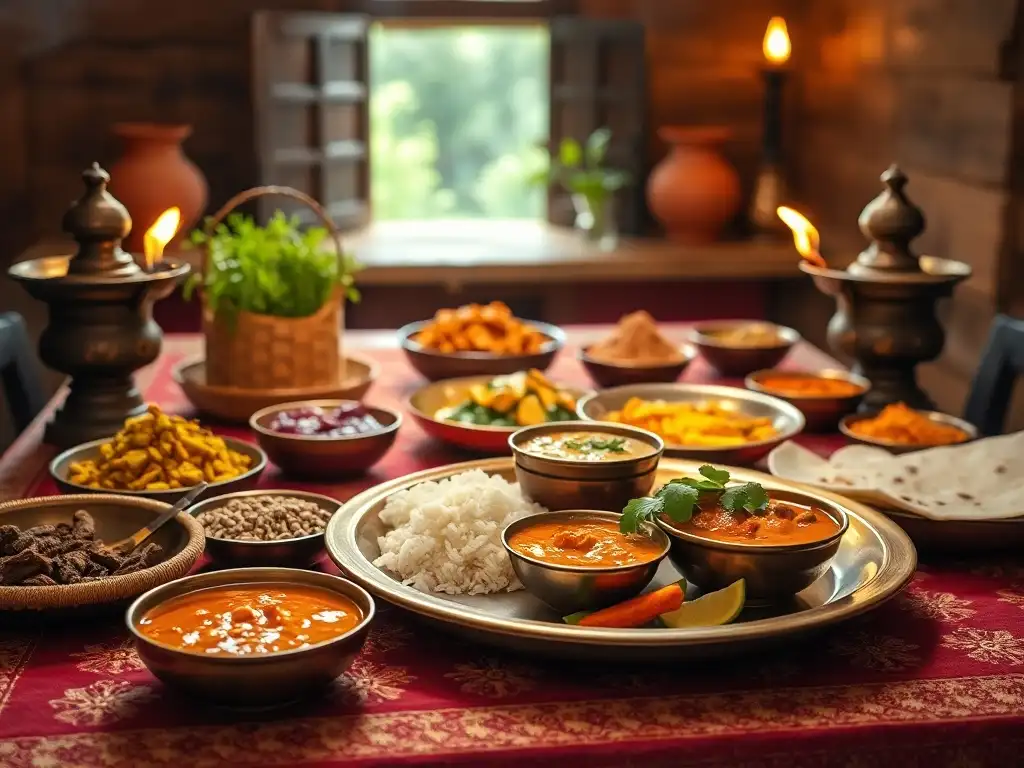
The cuisine during the Gupta Empire (circa 320 to 550 CE) was marked by a rich tapestry of regional variations that reflected the diverse cultures, resources, and traditions of ancient India. This period saw a flourishing of culinary practices influenced by geography, trade, and the social fabric of the time. Understanding these regional variations offers a glimpse into the daily lives and cultural exchanges of the people in this era.
North Indian Culinary Traditions during the Gupta Empire
North India served as a significant hub of culinary development during the Gupta period, characterized by a variety of grains, vegetables, and spices. The fertile plains of the Ganges River provided ample agricultural resources, leading to a diet rich in wheat and barley. Here are some highlights of the North Indian culinary landscape:
- Staple Foods: The primary staples included rotis (unleavened flatbreads) made from wheat, alongside rice, which was gaining popularity.
- Vegetables and Pulses: A diverse array of vegetables such as eggplants, lentils, and leafy greens were common. Pulses like moong and chana were integral to their diet, providing essential proteins.
- Spices and Flavors: The use of spices was prevalent, with cumin, coriander, and mustard seeds frequently used in cooking. Additionally, asafoetida (hing) was popular for its unique flavor and digestive properties.
The food was often prepared with an emphasis on seasonal ingredients, showcasing a sustainable approach to culinary practices. Cooking methods included boiling, frying, and baking, with clay ovens being a common feature in households.
South Indian Influences on Gupta Cuisine
Despite the Gupta Empire being primarily centered in North India, South Indian culinary influences began to permeate the broader culinary landscape during this period. The following aspects stand out:
- Rice as a Staple: Unlike the North, rice was the staple grain in the southern regions, cultivated extensively in the fertile deltas of the Godavari and Krishna rivers.
- Coconut and Spices: The use of coconut, both grated and as oil, became more prominent, along with spices such as turmeric, black pepper, and curry leaves.
- Fermented Foods: Fermented foods like idli and dosa were likely influenced by ancient practices, showcasing a blend of health and flavor.
The exchange between North and South India during the Gupta period facilitated a dynamic culinary dialogue, contributing to an evolving palate and diversified food practices that would lay the groundwork for future culinary traditions.
East and West: Diversity in Ancient Indian Food Practices
Culinary traditions in the eastern and western regions of the Gupta Empire also exhibited unique characteristics influenced by local ingredients and cultural practices:
- Eastern India: The fertile regions of Bengal and Odisha were known for their abundance of fish and rice. Fish like hilsa was a staple, complemented by local spices and mustard oil. The use of jaggery (unrefined sugar) in desserts also became popular.
- Western India: In contrast, the arid conditions of Gujarat and Rajasthan fostered a reliance on millets and legumes. Dishes like dal baati churma became emblematic of this region. The use of dried fruits and nuts, such as cashews and almonds, enriched the cuisine, reflecting trade connections with distant lands.
These regional variations highlight the diversity in ancient Indian food practices during the Gupta Empire. The culinary traditions not only catered to the nutritional needs of the people but also played a vital role in cultural identity and social gatherings, reflecting the underlying unity amidst diversity that characterized ancient Indian civilization.
The exploration of ancient Indian cuisine during the Gupta Empire reveals a complex interplay of regional influences, showcasing how food not only nourished the body but also served as a canvas for cultural expression and exchange.
Conclusion: Lasting Legacy of Gupta Cuisine in Modern Indian Food
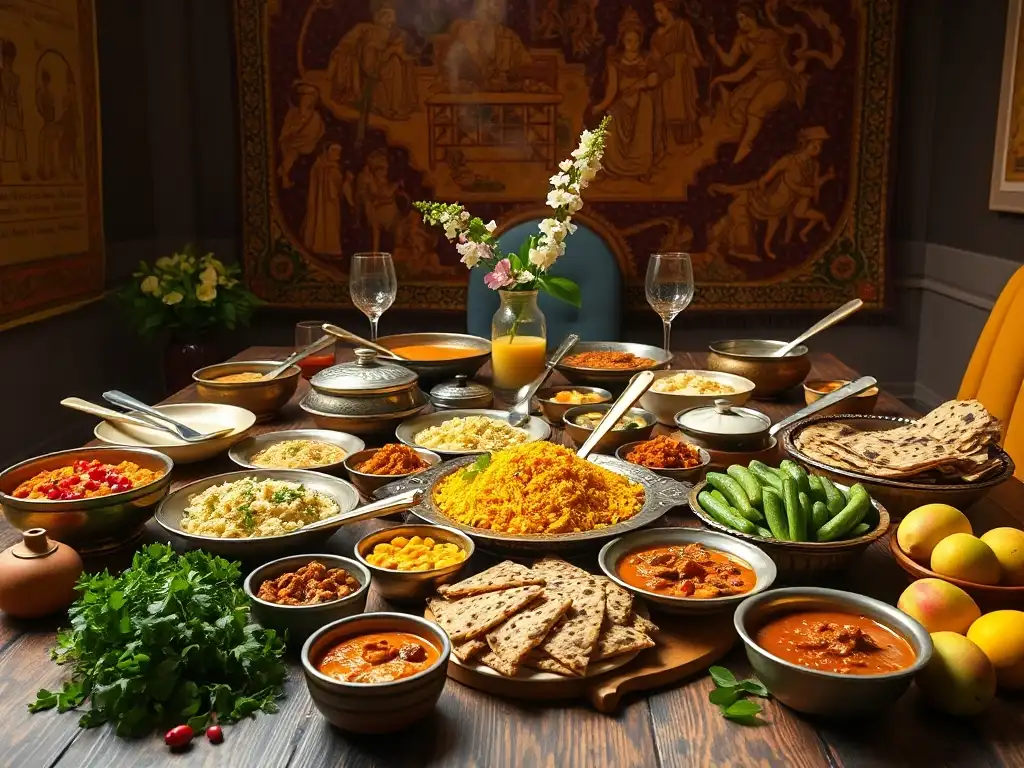
The culinary practices and traditions established during the Gupta Empire have left an indelible mark on modern Indian cuisine. With a focus on regional diversity, the Gupta period emphasized the use of local ingredients and spices, which continue to be integral to Indian cooking today. The interplay between various culinary influences, including those from neighboring regions and communities, has shaped the rich tapestry of flavors that characterize contemporary Indian dishes.
Reflection on the Evolution of Indian Cuisine from the Gupta Period
The Gupta Empire, often referred to as the Golden Age of India, was not only a period of remarkable achievements in art and science but also a significant time for culinary development. The food culture of this era reflected a complex interplay of various traditions and practices.
- Regional Ingredients: The Guptas emphasized the use of locally sourced ingredients, which led to a diverse range of flavors across different regions. This practice is still evident today, where regional cuisines boast unique dishes influenced by local produce and climate.
- Culinary Techniques: Techniques such as roasting, frying, and pickling were perfected during this time, laying the groundwork for modern cooking methods. For instance, the popular dish Biryani, which combines rice and meat, can trace its roots back to this period, evolving through various regional adaptations.
- Cultural Exchange: The Gupta Empire was a hub of trade and cultural exchange, introducing new ingredients and cooking styles. The integration of spices from trade routes is a testament to this, resulting in a cuisine that is as diverse as it is rich.
As a result, the evolution from Gupta cuisine to modern Indian food illustrates a remarkable continuity of culinary practices while also showcasing the adaptability and creativity of Indian chefs through the ages.
The Contemporary Relevance of Ancient Indian Culinary Traditions
In the modern context, the culinary traditions of the Gupta period continue to resonate and influence contemporary Indian cuisine in various ways:
- Spice Blends: The use of intricate spice blends, known as masalas, dates back to the Gupta era. These blends form the backbone of many Indian dishes today, highlighting the importance of flavor in Indian culinary practices. The balance of spices not only enhances taste but also reflects the medicinal philosophy prevalent during the Gupta period.
- Festive Foods: Many traditional Indian festivals celebrate with foods that have historical roots in the Gupta period. For instance, Kheer, a rice pudding made with milk and sugar, is a dish that has been enjoyed since ancient times and remains a staple during celebrations.
- Health and Nutrition: The Gupta Empire also emphasized the health benefits of food, with many ancient texts discussing the nutritional value of various ingredients. Modern Indian cuisine continues to uphold this philosophy, with an increasing focus on health-conscious cooking that incorporates ancient wisdom.
The culinary legacy of the Gupta Empire is a profound illustration of how ancient practices continue to shape and define modern Indian cuisine. By understanding and appreciating these historical influences, we can better appreciate the complexity and richness of ancient Indian cuisine during the Gupta Empire and its lasting impact on today’s food culture.
References for Further Reading on Ancient Indian Cuisine
Recommended Books and Articles on Gupta Empire Cuisine
-
"The Cuisine of Ancient India: A Historical Overview"
This book provides an in-depth exploration of various culinary practices during the Gupta Empire. It highlights the influence of regional ingredients and cooking techniques, offering readers a comprehensive understanding of ancient Indian cuisine.
-
"Food and Feasting in Ancient India"
This article discusses the social and cultural significance of food during the Gupta period. It examines how culinary practices reflected the values and traditions of the time, highlighting the role of food in celebrations and religious rituals.
-
"Flavors of the Gupta Empire: A Culinary Journey"
A detailed examination of popular dishes from the Gupta period, this book delves into the spices and ingredients that defined ancient Indian cuisine. It also explores the methods of preparation and presentation, providing insight into the dining customs of the era.
-
"Ancient Indian Recipes: From the Gupta Era"
A practical guide featuring authentic recipes inspired by the Gupta period, this book allows readers to recreate traditional dishes at home. It includes historical context for each recipe, offering a unique blend of culinary practice and historical learning.
Online Resources for Exploring Ancient Indian Culinary History
-
Digital South Asia Library
This online repository hosts a wealth of resources related to ancient Indian history, including specific sections on culinary practices. It provides access to digitized texts, maps, and photographs that highlight the evolution of ancient Indian cuisine.
-
The Indian History Congress Website
A platform that features research papers and articles on various aspects of Indian history, including cuisine during the Gupta Empire. The site offers valuable insights from scholars specializing in ancient Indian studies.
-
YouTube Channels: Ancient Indian Culture
Various channels dedicated to ancient history often feature documentaries and discussions about ancient Indian cuisine, including the Gupta period. These visual resources can be a great way to understand the cultural context behind the food.
-
Culinary Heritage of India Blog
This blog focuses on the history of Indian cuisine, with specific entries dedicated to the Gupta Empire. It includes recipes, historical anecdotes, and cultural reflections that enrich the understanding of ancient Indian cuisine.
By engaging with these resources, one can gain a deeper appreciation for the complexities and nuances of ancient Indian cuisine during the Gupta Empire, reflecting the rich cultural tapestry of the time.
Frequently Asked Questions
What is the significance of ancient Indian cuisine during the Gupta Empire?
Ancient Indian cuisine during the Gupta Empire reflects the cultural richness and diversity of the period, showcasing how food was intertwined with social practices and traditions.
What were some common ingredients used in Gupta period cuisine?
During the Gupta period, common ingredients included rice, wheat, lentils, and a variety of spices that highlighted the emphasis on flavor and health in ancient Indian cooking.
How did trade influence ancient Indian cuisine during the Gupta Empire?
Trade routes during the Gupta Empire facilitated the exchange of ingredients and cooking techniques, leading to a more diverse and enriched culinary landscape that incorporated influences from various regions.
What role did religion play in ancient Indian cuisine during this period?
Religion significantly impacted food practices in the Gupta Empire, where vegetarianism was promoted by Hinduism and Buddhism, influencing the types of dishes and ingredients used in daily meals.
Are there any modern dishes that originated from Gupta period cuisine?
Yes, many modern dishes can trace their roots back to the Gupta period, showcasing the evolution of spices and cooking methods that have persisted through generations, such as dal and various bread types.
Final Reflection: The Lasting Legacy of Ancient Indian Cuisine in the Gupta Empire
Ancient Indian cuisine during the Gupta Empire serves as a vibrant tapestry woven with cultural, social, and historical threads that continue to resonate today. The flavors, techniques, and traditions established during this golden age of Indian history not only shaped the culinary landscape of their time but also laid the groundwork for the diverse and rich gastronomic heritage we celebrate in India today. As we explore the significance of these ancient practices, we uncover a profound connection to our past that informs our present and future culinary experiences.
Cuisine is a mirror reflecting the cultural identity of a society, and the Gupta period exemplifies this beautifully. The exchange of ideas, ingredients, and cooking methods during this era has influenced not only regional dishes but has also fostered a sense of unity and diversity within Indian culture. As noted by culinary historian K.T. Achaya, “Food is the essence of culture; it is a language that speaks of our heritage and identity.” This enduring influence reminds us that the meals we share are not just sustenance but a celebration of our collective history and identity.
As we savor the flavors of our meals, let us take a moment to reflect on the lessons embedded in the culinary traditions of the Gupta Empire. I invite you to explore and embrace the rich history behind your food, recognizing that each dish tells a story of resilience, innovation, and cultural exchange.
By honoring these ancient practices, we not only preserve our heritage but also inspire future generations to appreciate the profound connections between food, culture, and identity. Let us carry forward this legacy, ensuring that the essence of ancient Indian cuisine continues to thrive in our kitchens and communities.
Savor the Flavors: Dive Deeper into Gupta Cuisine!
Thank you for exploring the rich tapestry of Ancient Indian Cuisine during the Gupta Period! You've discovered how food not only nourishes but also reflects the culture and traditions of a remarkable era. Now, it’s time to take the next step and fully immerse yourself in this culinary journey.
Here are some exciting actions you can embark on:
- Try your hand at a historical recipe: Find an authentic dish from the Gupta era, gather the ingredients, and create a taste of history in your kitchen!
- Join a community cooking class: Connect with fellow food enthusiasts and learn how to craft traditional Indian meals that have stood the test of time.
- Share your culinary creations: Post pictures of your dishes on social media with the hashtag #GuptaCuisine and inspire others to explore this ancient food culture.
What do you find most intriguing about how ancient food reflects the society it comes from? Share your thoughts in the comments!