
The Role of Religion in the Maurya Political Structure: Ashoka's Edicts and Beyond

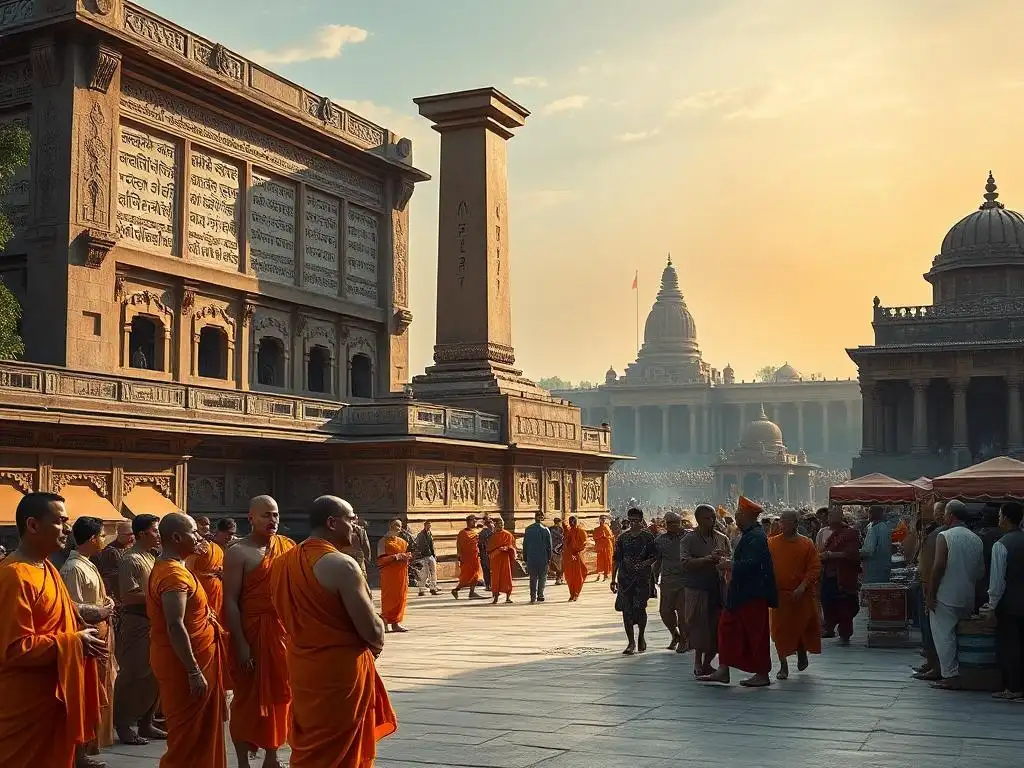
Welcome to Ancient India History, where we delve into the rich tapestry of India's ancient civilizations. Today, we invite you on a captivating journey through the Maurya Empire, uncovering the intricate relationship between religion and politics that shaped its governance. In our featured article, "The Role of Religion in the Maurya Political Structure: Ashoka's Edicts and Beyond," you'll discover how the principles of faith influenced political decisions and societal norms during one of India's most illustrious eras.
Get ready to explore the profound impact of Ashoka's edicts and the legacy they left on the subcontinent. Join us as we unravel these historical threads and ignite your curiosity about India's ancient past!
Introduction to the Maurya Empire Religion and Politics
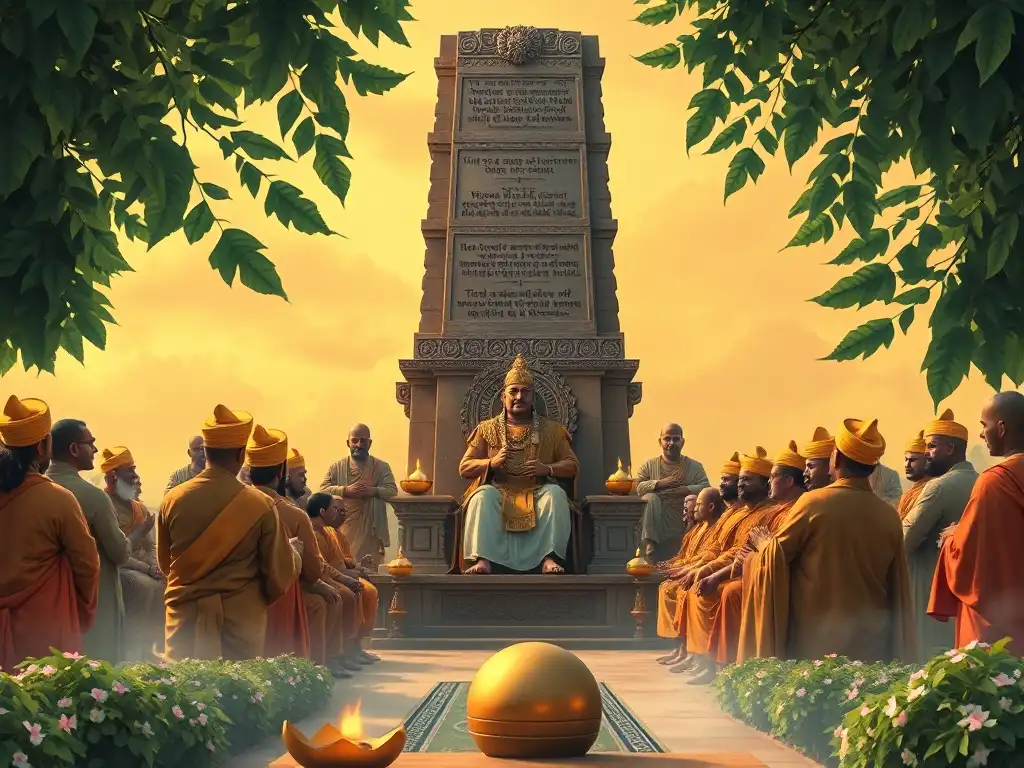
The Maurya Empire, which flourished from 322 to 185 BCE, represents one of the most significant and influential periods in ancient Indian history. At the helm of a vast territory stretching from the Indus Valley in the west to Bengal in the east, the Mauryan rulers established a complex political structure that was deeply intertwined with religious principles and ideologies.
This relationship between religion and politics played a pivotal role in shaping the governance and societal norms of the time, particularly under the reign of Emperor Ashoka, whose edicts not only conveyed political decrees but also reflected a profound commitment to moral and ethical governance influenced by Buddhist teachings. Understanding the dynamics of Maurya Empire religion and politics offers crucial insights into how belief systems contributed to the authority and legitimacy of rulers, the administration of the state, and the overall cohesion of society.
Overview of the Maurya Empire
The Maurya Empire was founded by Chandragupta Maurya, who, with the help of his mentor Chanakya, successfully united a large part of the Indian subcontinent. This empire is notable for its significant advancements in administration, economy, and culture. Under the leadership of Chandragupta and later his grandson Ashoka, the Mauryan Empire saw extensive territorial expansion, a sophisticated bureaucracy, and a flourishing of trade and arts.
- Key Features of the Maurya Empire:
- Political Unity: The Maurya Empire brought together diverse regions and cultures under a centralized authority.
- Economic Prosperity: A robust trade network and agricultural productivity contributed to the empire's wealth.
- Cultural Flourishing: The period witnessed remarkable developments in art, literature, and architecture, including the famous Ashoka Pillars.
Importance of Religion in Ancient Indian Politics
Religion played an essential role in the political landscape of ancient India, serving as a tool for rulers to legitimize their power and unify their subjects. The Maurya Empire was no exception, as rulers often invoked religious doctrines to reinforce their authority and promote social harmony.
- Functions of Religion in Politics:
- Legitimization of Rule: Rulers were often seen as divinely ordained, with their authority deriving from religious beliefs.
- Moral Governance: Religious teachings provided ethical frameworks for rulers, guiding their decisions and policies.
- Social Cohesion: Shared religious practices and beliefs fostered a sense of community and loyalty among subjects.
The Political Landscape of the Maurya Empire
The Maurya Empire's political structure was characterized by a combination of centralized governance and local administration, with religion playing a crucial role in both. The integration of religious ideals into political practices helped to solidify the empire's stability and longevity.
Key Political Figures in the Maurya Empire
The Maurya Empire was shaped by a series of influential leaders, each contributing to the interplay of religion and politics in their unique way.
- Chandragupta Maurya: The founder of the empire, whose strategic acumen laid the groundwork for its expansion.
- Ashoka the Great: Perhaps the most renowned Mauryan ruler, Ashoka's conversion to Buddhism and promotion of non-violence transformed the political landscape.
- Bindusara: Ashoka's father, who continued expanding the empire and established its initial political framework.
The Integration of Religion and Governance
The Maurya Empire is notable for its unique approach to governance, where religion and politics were not mutually exclusive but rather integrated to achieve a harmonious society. Ashoka's edicts, inscribed on pillars and rocks throughout the empire, serve as a testament to this integration.
- Ashoka's Edicts: These inscriptions promote moral values, ethical conduct, and Buddhist teachings, illustrating how Ashoka sought to guide his subjects toward a righteous path.
- Impact on Governance: The incorporation of religious principles into state policy not only strengthened Ashoka's rule but also laid the foundation for future rulers to follow a similar model of governance.
The Maurya Empire's political structure, deeply influenced by religion, demonstrates the significant role that belief systems played in shaping governance and societal norms. Ashoka's edicts stand as a powerful reminder of the enduring connection between religion and politics in ancient India.
Ashoka: The Pillar of Maurya Empire Religion and Politics
Ashoka the Great, the third emperor of the Maurya Empire, is often regarded as a pivotal figure in the intertwining of religion and politics during his reign from 268 to 232 BCE. His transformative approach to governance was deeply influenced by his embrace of Buddhism, which not only shaped his personal beliefs but also permeated the political structure of the Maurya Empire.
Ashoka's commitment to the principles of Dharma, or moral law, guided his administration and is evident in the extensive reforms he instituted. By promoting a governance model rooted in religious ethics, Ashoka established a unique framework that emphasized compassion, non-violence, and social justice, thereby setting a precedent for future rulers in India.
Ashoka’s Conversion to Buddhism
Ashoka's conversion to Buddhism marked a significant turning point in his rule and had profound implications for the Maurya Empire. Initially, he was a traditional king, embracing the militaristic values typical of his predecessors. However, after witnessing the devastating consequences of the Kalinga War, which resulted in immense suffering and loss of life, Ashoka experienced a deep moral crisis.
This led him to adopt Buddhism, a faith that espouses peace, compassion, and the renunciation of violence. His conversion was not merely personal; it became a guiding principle for his reign. Ashoka actively promoted Buddhist teachings, which encouraged a more humane approach to governance and sought to uplift the moral and spiritual fabric of society.
The Impact of Ashoka’s Personal Beliefs on Governance
Ashoka’s personal beliefs had a transformative effect on the political landscape of the Maurya Empire. His commitment to the principles of Buddhism influenced various aspects of governance, including justice, administration, and foreign relations. Ashoka introduced policies aimed at social welfare, such as the establishment of hospitals, the planting of trees for shade, and the construction of wells.
His belief in non-violence extended beyond his kingdom's borders, leading him to advocate for peaceful diplomacy rather than aggressive conquests. This shift in approach not only fostered stability within the empire but also enhanced its reputation as a center of peace and prosperity in the ancient world.
Ashoka's Edicts: A Reflection of Political and Religious Ideals
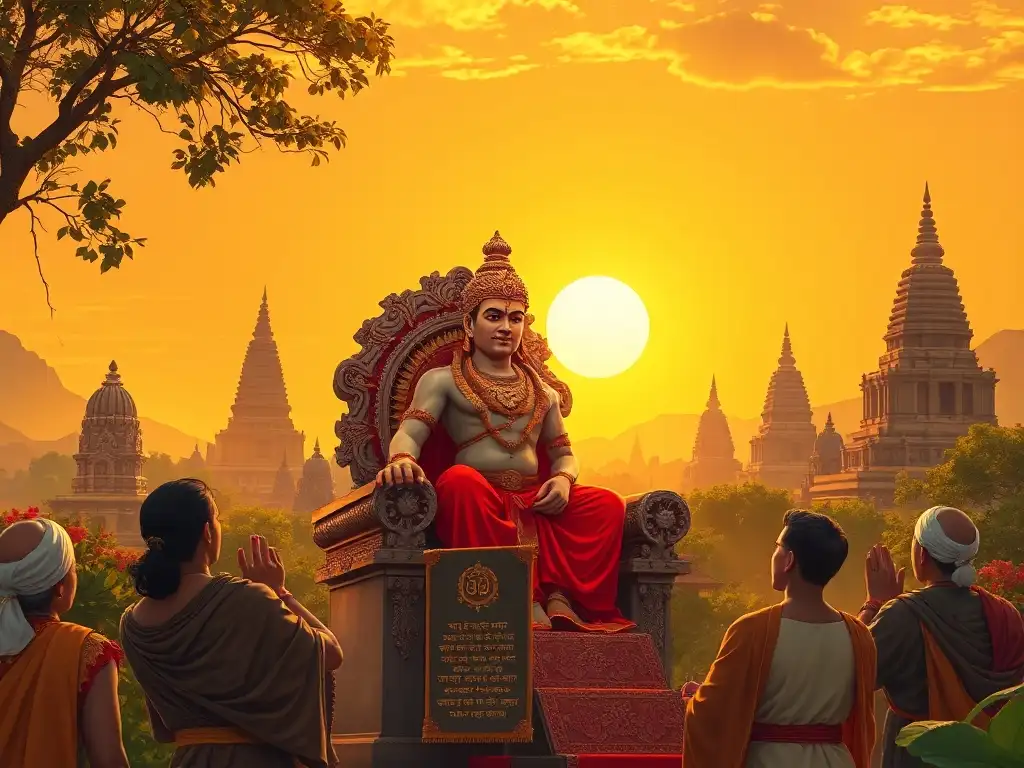
Ashoka's edicts, inscribed on pillars and rocks throughout his empire, serve as significant historical documents that reflect his political and religious ideals. These edicts were designed to communicate his policies and principles to his subjects, ensuring that the values of Buddhism and Dharma were integrated into the everyday lives of the people. Through these inscriptions, Ashoka articulated his vision of a righteous and ethical society, highlighting his commitment to both the spiritual and temporal well-being of his subjects.
Overview of Ashoka’s Edicts
The edicts of Ashoka consist of 33 inscriptions that can be categorized into major and minor edicts, each addressing different aspects of governance and moral conduct. Major edicts, such as those found at Sarnath and Lumbini, focus on universal moral principles, while minor edicts provide more localized directives, reflecting the diverse needs of various regions within the empire.
These inscriptions not only served as tools for governance but also functioned as public reminders of the ethical standards expected from both rulers and citizens. The widespread dissemination of these edicts enhanced Ashoka's authority and reinforced the role of religion in the political sphere.
Themes in Ashoka's Edicts: Moral Governance and Dharma
Central themes in Ashoka's edicts include moral governance and the promotion of Dharma. The edicts emphasize the importance of ethical behavior, compassion towards all living beings, and the pursuit of truth. Ashoka sought to instill a sense of moral responsibility in his subjects, advocating for justice and the welfare of the populace.
His insistence on the application of Dharma in governance highlighted the belief that political authority must be exercised in alignment with moral values. This connection between religion and politics under Ashoka's rule exemplifies how governance can be shaped by spiritual ideals, creating a legacy that resonates throughout Indian history.
The Role of Edicts in Promoting Religious Tolerance
One of the most significant aspects of Ashoka's edicts is their emphasis on religious tolerance and coexistence. Recognizing the diverse religious landscape of his empire, Ashoka promoted a message of respect and acceptance for all faiths. His edicts encourage understanding and harmony among different religious communities, reflecting his belief in the universality of moral principles.
By advocating for mutual respect and dialogue, Ashoka laid the groundwork for a pluralistic society, where various beliefs could coexist peacefully. This emphasis on religious tolerance not only strengthened the fabric of the Maurya Empire but also set an important precedent for future Indian rulers, promoting a legacy of inclusivity that would endure for centuries.
Religion as a Tool for Political Legitimacy
Religion played a pivotal role in establishing and maintaining the legitimacy of the Maurya Empire, particularly during the reign of Ashoka. By aligning political authority with religious doctrine, the Mauryan rulers were able to present themselves as not only secular leaders but also divine figures tasked with upholding dharma, or righteousness. This connection to religion provided a moral foundation for their rule, allowing them to unify a vast and culturally diverse empire under a common ethical framework.
Ashoka's embrace of Buddhism is particularly noteworthy; he adopted its teachings as a guiding principle for governance. The dissemination of his edicts, inscribed on pillars and rock faces across the empire, served not only as proclamations of law but also as moral directives derived from Buddhist principles. This strategic use of religion enabled Ashoka to reinforce his authority and foster loyalty among his subjects, who were encouraged to adhere to the tenets of compassion, non-violence, and respect for life.
By promoting a religious narrative that emphasized social harmony and ethical governance, the Mauryan leaders effectively utilized religion as a tool to consolidate power and justify their rule. The intertwining of religion and politics became a defining characteristic of the Maurya political structure, shaping both governance and public life.
The Use of Religion for Unifying Diverse Populations
The Maurya Empire encompassed a vast array of ethnicities, cultures, and beliefs. To govern such a diverse populace, the Mauryan rulers recognized the necessity of a unifying framework, which religion provided. By promoting a state-sponsored religion, particularly Buddhism, Ashoka sought to transcend regional and cultural differences, fostering a sense of shared identity among his subjects.
Ashoka's edicts reflected this strategy, as they articulated universal values that resonated across various communities. For instance, the principles of non-violence and compassion were not only central to Buddhist philosophy but also aligned with the moral codes of other religious traditions present in the empire. This inclusivity helped to mitigate tensions among different groups, allowing for a more cohesive society.
Additionally, Ashoka’s efforts to send missionaries to spread Buddhism beyond the Indian subcontinent exemplified his commitment to using religion as a means of unification. By promoting a common belief system, the Maurya Empire could maintain stability and foster loyalty, essential components for any successful governance.
Religious Patronage and Its Political Implications
Religious patronage was a significant aspect of the Maurya political structure, providing rulers with a mechanism to solidify their power and influence over various religious communities. Ashoka’s extensive patronage of Buddhism, for example, not only facilitated the religion's growth but also positioned him as a protector of the faith. This association enhanced his legitimacy, as subjects viewed him as a ruler who upheld moral and ethical standards.
The construction of stupas, monasteries, and other religious structures during Ashoka’s reign served both spiritual and political purposes. These monumental projects provided employment, stimulated local economies, and fostered a sense of community among diverse populations. The resulting loyalty from religious leaders and communities further bolstered the political power of the Mauryan rulers.
Moreover, the practice of granting land and resources to religious institutions created a network of support for the empire. Through this patronage system, rulers could ensure that religious authorities remained aligned with their political objectives, thereby reinforcing the legitimacy of their rule while also addressing the spiritual needs of their subjects.
Beyond Ashoka: The Continuing Influence of Religion in Maurya Politics
The influence of religion did not end with Ashoka; rather, it continued to shape the political landscape of the Maurya Empire in the years that followed. His successors adopted various religious policies that reflected both the legacy of Ashoka and their own interpretations of governance.
Successors of Ashoka and Their Religious Policies
Following Ashoka’s death, the Maurya Empire experienced a shift in the religious landscape. While some successors, like Ashoka's son, were committed to Buddhism, others leaned towards Hinduism and Jainism, reflecting the empire's cultural diversity. This adaptability in religious policy allowed the Maurya rulers to maintain the loyalty of different segments of the population.
For instance, while Ashoka emphasized non-violence and compassion through Buddhist teachings, his successors sometimes adopted more traditional Hindu practices to appeal to the majority of their subjects. This balancing act showcased the continuing significance of religion in political governance, as rulers sought to navigate the complexities of a multi-religious empire. The incorporation of various religious traditions highlighted the Maurya leaders' understanding of the necessity of religious flexibility in maintaining order and stability.
The Decline of the Maurya Empire and the Role of Religion
As the Maurya Empire began to decline, the role of religion continued to play a critical part in the socio-political dynamics of the region. The fragmentation of the empire led to the rise of regional powers, many of which adopted distinct religious identities to assert their authority. For instance, various kingdoms began to re-emphasize Hinduism, marking a shift from the predominantly Buddhist ethos of the Maurya reign.
The decline also saw the emergence of new religious movements and the resurgence of local traditions, indicating a departure from the centralized religious policies established by Ashoka. These developments underscored the ongoing influence of religion in shaping political structures, as new rulers leveraged religious affiliation to consolidate their power and gain legitimacy in the eyes of their subjects.
The interplay between religion and politics in the Maurya Empire was complex and multifaceted. While Ashoka laid the groundwork for using religion as a tool for political legitimacy, his successors navigated a shifting landscape that required adaptability and an understanding of the diverse religious sentiments within their realms. The enduring legacy of religion in Maurya politics is a testament to its role as a foundational element in governance and societal cohesion.
Conclusion: The Lasting Legacy of Religion in Maurya Political Structure

The Maurya Empire, particularly under the reign of Ashoka, exemplified a unique intertwining of religion and politics that has left an indelible mark on Indian history. Ashoka's promotion of Buddhism transformed the political landscape, where governance was not merely about power and control but also about moral and ethical responsibilities. The Edicts of Ashoka serve as a testament to this integration, emphasizing values such as compassion, non-violence, and social welfare, which became central to the Mauryan administration.
The enduring legacy of this religious-political synergy is evident in the way it shaped subsequent Indian empires and their governance philosophies. Ashoka's approach illustrated that rulers could wield their authority not just through military prowess but also through the moral and spiritual upliftment of their subjects. This ethos resonated through the centuries, influencing leaders and policymakers in India, who sought to balance statecraft with ethical governance.
Reflections on the Maurya Empire Religion and Politics
The Maurya Empire's approach to religion as a tool for political cohesion reveals several insights into ancient Indian governance. Firstly, the Mauryan rulers understood the significance of religion as a unifying force among diverse populations. By embracing Buddhism, Ashoka was able to appeal to a wide array of subjects, fostering a sense of belonging and shared values across various ethnic and cultural groups.
Moreover, the use of religious edicts to communicate policies exemplified an innovative method of governance. These inscriptions were not only directives but also moral guidelines intended to shape the behavior of the populace. The emphasis on dharma, or righteous living, highlighted a philosophical underpinning to political authority, urging citizens to engage in ethical conduct. The Mauryan model thus reflects a sophisticated understanding of how religion can both legitimize authority and promote societal welfare.
The Influence of Maurya Religious Practices on Subsequent Indian Politics
The religious practices established during the Maurya Empire, particularly under Ashoka, had profound influences on the political dynamics of future Indian states. The integration of Buddhism into the political framework set a precedent for later rulers, who often employed similar strategies to legitimize their rule and foster social harmony.
For instance, the emphasis on non-violence and tolerance in Ashoka's edicts paved the way for a more peaceful approach to governance that many subsequent dynasties embraced. The Gupta Empire, emerging centuries later, also drew upon the Mauryan legacy, blending religious principles with governance to create a stable and prosperous state.
Additionally, the concept of using religious institutions as vehicles for administration became a hallmark of Indian politics. Temples and monasteries evolved into centers of power, influencing local and regional governance. This shift not only underscored the importance of religion in public life but also reinforced the idea that political legitimacy could be derived from spiritual authority.
The Maurya Empire’s innovative fusion of religion and politics not only defined its era but also laid foundational principles that would influence Indian governance for centuries to come.
- Introduction to the Maurya Empire Religion and Politics
- The Political Landscape of the Maurya Empire
- Ashoka: The Pillar of Maurya Empire Religion and Politics
- Ashoka's Edicts: A Reflection of Political and Religious Ideals
- Religion as a Tool for Political Legitimacy
- Beyond Ashoka: The Continuing Influence of Religion in Maurya Politics
- Conclusion: The Lasting Legacy of Religion in Maurya Political Structure
- Reflections on the Maurya Empire Religion and Politics
- The Influence of Maurya Religious Practices on Subsequent Indian Politics
- What was the significance of Ashoka's Edicts in the Maurya Empire?
- How did religion influence politics in the Maurya Empire?
- What was the relationship between the Maurya Empire and Buddhism?
- Did the Maurya Empire practice religious tolerance?
- How did the Maurya Empire's religion and politics impact its legacy?
Frequently Asked Questions
What was the significance of Ashoka's Edicts in the Maurya Empire?
Ashoka's Edicts were a set of inscriptions that conveyed his commitment to Buddhism and moral governance, promoting non-violence, tolerance, and social welfare throughout the empire.
How did religion influence politics in the Maurya Empire?
Religion played a pivotal role in the Maurya Empire, as leaders like Ashoka used Buddhism to legitimize their rule and promote ethical governance, blending spirituality with political authority.
What was the relationship between the Maurya Empire and Buddhism?
The Maurya Empire, particularly under Ashoka, greatly supported Buddhism, facilitating its spread across the region and integrating its principles into the political and social fabric of the empire.
Did the Maurya Empire practice religious tolerance?
Yes, the Maurya Empire was known for its religious tolerance, especially under Ashoka, who encouraged respect for all faiths and sought to create a harmonious society by promoting interfaith dialogue.
How did the Maurya Empire's religion and politics impact its legacy?
The integration of religion and politics under the Maurya Empire, particularly through Ashoka's policies, left a lasting impact on the region's cultural and political landscape, emphasizing the importance of moral governance in future empires.
Final Reflection: The Intertwining of Religion and Politics in the Maurya Empire
The relationship between religion and politics in the Maurya Empire remains profoundly relevant today, as it underscores the enduring influence of belief systems on governance and societal values. In an era where political leaders often invoke religious sentiments to gain support, the lessons from Ashoka's edicts remind us of the potential for faith to guide ethical leadership and promote social harmony. The Maurya Empire's unique blend of political authority and religious philosophy offers a compelling framework for understanding how these forces can coexist and shape civilizations.
The impact of Ashoka's edicts transcends time, serving as a testament to the power of moral governance rooted in spiritual principles. The Maurya Empire exemplifies how religion can be harnessed to unify diverse populations and foster a sense of collective identity. As Ashoka famously stated, “All men are my children,” highlighting his commitment to compassion and welfare. > This sentiment resonates in contemporary discussions about the role of leaders in advocating for the common good, illustrating that the principles of empathy and justice remain vital in today's political landscape.
As we reflect on the intricate dance between religion and politics, let us consider how these dynamics play out in our own lives and communities. I invite you to explore how your beliefs can inform your understanding of leadership and civic responsibility. By embracing the lessons from the Maurya Empire, we can strive to create a more compassionate and just society, where the values of empathy and ethical governance guide our actions. In doing so, we honor the legacy of Ashoka and the profound impact of religion on the political structures that shape our world.
Embrace the Legacy: Dive Deeper into Ashoka's Wisdom
Thank you for joining us on this enlightening exploration of the pivotal role religion played in the Maurya political structure, particularly through Ashoka's impactful edicts. We hope you feel inspired by the profound insights shared and recognize the importance of understanding how these teachings continue to shape our world today. Now, let’s take actionable steps to further engage with this historical legacy.
- Explore Ashoka's Edicts: Read translations or analyses of these edicts online to understand their relevance in contemporary society.
- Share Your Insights: Discuss these findings with friends or in online forums; your perspective could spark meaningful conversations.
- Visit a museum or cultural event featuring Mauryan history to experience this rich heritage firsthand.
As you reflect on the richness of Ashoka's teachings, consider this: How can the principles of compassion and ethical governance found in Ashoka's edicts influence today's leaders and societies? Let’s ignite a conversation!