
The Art of Living in the Indus Valley: Craftsmanship and Daily Activities

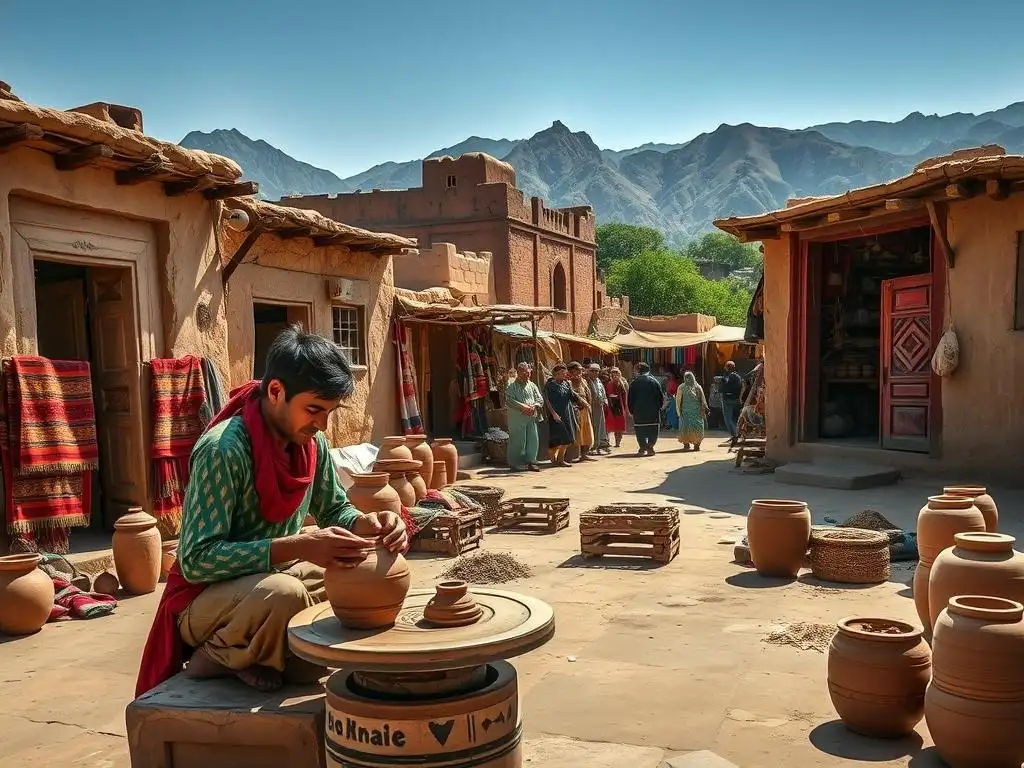
Welcome to Ancient India History, where we embark on a fascinating journey through the intricate tapestry of one of the world's oldest civilizations. Dive into the captivating world of Indus Valley craftsmanship and lifestyle, where every artifact tells a story of innovation and daily life that shaped a thriving society. From exquisite pottery to sophisticated urban planning, the secrets of the Indus Valley await your discovery. Are you ready to uncover the artistry and daily activities that defined this remarkable era? Continue reading to explore how these ancient practices still resonate in our lives today!
- Introduction to Indus Valley Craftsmanship and Lifestyle
- Craftsmanship in the Indus Valley
- Daily Activities in Indus Valley Society
- Cultural Aspects Influencing Indus Valley Lifestyle
- The Legacy of Indus Valley Craftsmanship and Lifestyle
- Conclusion: The Significance of Indus Valley Craftsmanship and Lifestyle
-
Frequently Asked Questions
- What were the primary features of Indus Valley craftsmanship?
- How did daily activities shape the lifestyle in the Indus Valley?
- What materials were commonly used in Indus Valley art?
- How did the Indus Valley Civilization influence later cultures?
- What role did trade play in the lifestyle of the Indus Valley?
- Final Reflection: The Enduring Legacy of Indus Valley Craftsmanship and Lifestyle
- Unleash Your Inner Artisan: Dive into Indus Valley Living!
Introduction to Indus Valley Craftsmanship and Lifestyle
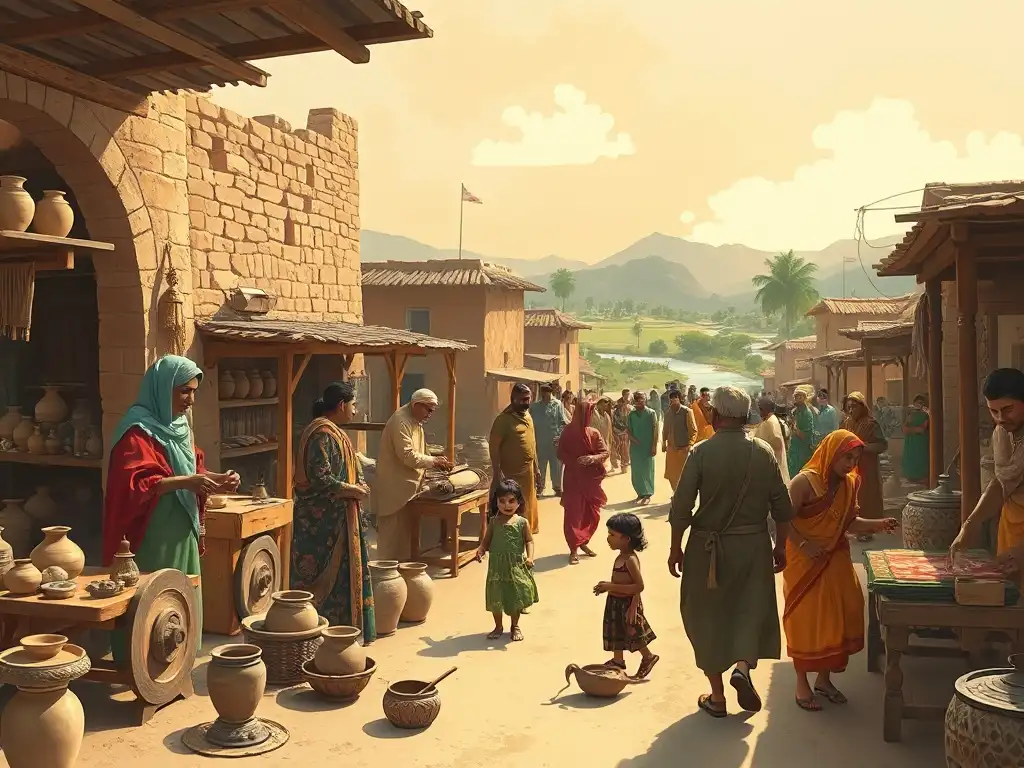
The Indus Valley Civilization, one of the world's earliest urban cultures, flourished around 2500 BCE in what is today Pakistan and northwest India. This ancient society is renowned for its advanced urban planning, sophisticated architecture, and, notably, its exquisite craftsmanship and lifestyle. Exploring the Indus Valley craftsmanship and lifestyle reveals a rich tapestry of daily activities, artistic expression, and the social dynamics that defined this civilization.
Through the lens of their craftsmanship—from pottery and textiles to metallurgy and bead-making—we gain insight into their values, trade practices, and the intricate ways in which they interacted with their environment. This article delves into the various aspects of craftsmanship and daily life in the Indus Valley, highlighting its significance in understanding the broader context of ancient Indian civilizations.
Overview of the Indus Valley Civilization
The Indus Valley Civilization (IVC) thrived during the Bronze Age, characterized by its sophisticated city planning, advanced drainage systems, and impressive architectural feats such as the Great Bath of Mohenjo-Daro. The civilization spanned a vast territory, encompassing major urban centers like Harappa and Dholavira, which served as hubs of commerce and culture.
Key features of the IVC include:
- Urban Planning: Cities were meticulously planned with grid patterns, featuring wide streets and fortified structures.
- Trade Networks: The IVC engaged in extensive trade with neighboring regions, including Mesopotamia, exchanging goods such as textiles, jewelry, and pottery.
- Agricultural Practices: The fertile plains of the Indus River supported agriculture, with crops like wheat and barley playing a crucial role in their diet and economy.
The civilization's decline around 1900 BCE remains a topic of ongoing research, with theories ranging from climate change to invasions. Understanding the social structure and daily activities of the IVC inhabitants provides a clearer picture of their resilience and adaptability during this period.
Importance of Craftsmanship and Daily Activities in Ancient Societies
Craftsmanship and daily activities are vital components in understanding any ancient civilization, serving not only as a reflection of their artistic abilities but also as indicators of their social structure, economy, and cultural practices. In the context of the Indus Valley, craftsmanship manifests in various forms, including:
- Pottery: The IVC is famous for its beautifully crafted pottery, often decorated with intricate designs and motifs depicting animals and nature.
- Textile Production: Evidence suggests that cotton was cultivated and woven into textiles, which were likely used for trade and domestic purposes.
- Metallurgy: The skillful production of tools and ornaments from metals like copper and bronze reveals advanced technological knowledge.
Daily activities encompassed various aspects of life, from domestic chores and food preparation to trade and social gatherings. The organization of these activities not only highlights the civilization's economic systems but also sheds light on the roles and responsibilities of individuals within their communities.
The craftsmanship and lifestyle of the Indus Valley Civilization provide a rich narrative that extends beyond mere artifacts. They offer a glimpse into the complexities of ancient life, illustrating how individuals and communities interacted with their environment and each other in this remarkable period of history.
Craftsmanship in the Indus Valley
Types of Crafts and Artisans in the Indus Valley
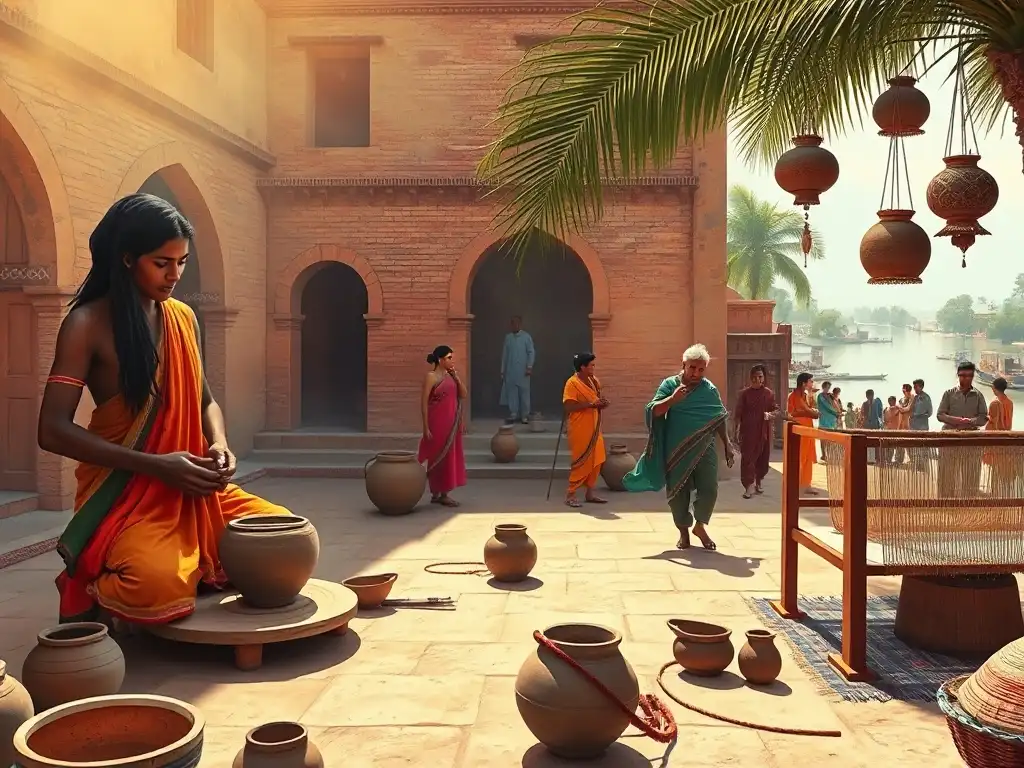
The Indus Valley Civilization, known for its sophisticated urban planning and advanced societal structures, also boasted a rich tradition of craftsmanship. The artisans of this ancient civilization were skilled in various crafts, contributing to both daily life and the economy.
Pottery and Ceramics
Pottery was a significant craft in the Indus Valley, showcasing both utility and artistry. The artisans produced a variety of pottery types, including:
- Storage jars: Used for grain and liquids, often featuring intricate designs.
- Cooking pots: Functional and often decorated, reflecting the culinary practices of the time.
- Terracotta figurines: These small sculptures often depicted animals and human figures, offering insight into the religious and cultural beliefs of the Indus people.
The pottery was typically made from locally sourced clay, which was then shaped using a potter's wheel. The use of glazing techniques, though not as advanced as later periods, indicated a developing aesthetic awareness.
Textile Production and Weaving
Textile production was another vital aspect of Indus Valley craftsmanship. Evidence suggests that the inhabitants cultivated cotton, making them among the first to do so. Key elements include:
- Weaving techniques: Artisans employed complex weaving methods, producing both plain and patterned fabrics.
- Dyes and colors: Natural dyes were derived from plants, minerals, and insects, resulting in vibrant textiles that were likely used for clothing and trade.
The textiles produced played a crucial role in everyday life, trade, and cultural expression, reflecting the sophistication of Indus Valley society.
Metalwork and Jewelry Making
Metalwork in the Indus Valley was characterized by the use of bronze, copper, and gold. Artisans crafted:
- Tools and weapons: Essential for agriculture and defense, showcasing functional design.
- Jewelry: Intricate pieces, including necklaces, bracelets, and earrings, often adorned with semi-precious stones, reflected the status and wealth of individuals.
The craftsmanship involved advanced techniques, including lost-wax casting, which allowed for detailed and complex designs.
Sculpture and Terracotta Art
Sculpture and terracotta art were prevalent in the Indus Valley. Key features include:
- Busts and figurines: Carved from stone or molded from clay, these artifacts often depicted deities, animals, and everyday activities.
- Architectural reliefs: Decorative elements found in public buildings and homes, showcasing the artistry of the civilization.
These artistic expressions not only served decorative purposes but also provided insights into the spiritual and social values of the Indus people.
Techniques and Materials Used in Indus Valley Craftsmanship
The craftsmanship of the Indus Valley was underpinned by a strong understanding of materials and techniques, allowing artisans to create functional and decorative items.
Clay and Natural Resources
The primary material for many crafts was clay, abundant in the region. Artisans utilized:
- Local clay deposits: Ensuring the availability of materials for pottery and sculpture.
- Natural resources: Such as stones, metals, and plant fibers, enabling diverse craftsmanship.
The strategic use of these resources was pivotal for both everyday items and trade goods.
Tools and Methods of Production
Indus Valley artisans employed various tools and methods, including:
- Potter’s wheel: A significant innovation that allowed for uniform shapes and rapid production of pottery.
- Hand tools: Used for carving and shaping metal and wood, reflecting a high degree of skill and precision.
These tools facilitated the production of intricate designs and standardized goods, contributing to the economy of the civilization.
Innovations and Specialization in Craftsmanship
The Indus Valley Civilization was marked by innovations that advanced craftsmanship:
- Specialization: Many artisans focused on specific crafts, leading to high-quality production and the establishment of trade networks.
- Innovative techniques: Such as the lost-wax method in metal casting and advanced weaving methods, showcased their technological prowess.
This specialization not only enhanced the quality of goods but also enabled the growth of a vibrant economy, allowing for trade with neighboring regions.
The craftsmanship and lifestyle of the Indus Valley Civilization reflect a complex society with advanced skills in various crafts, highlighting their innovative spirit and artistic expression. The legacy of their craftsmanship continues to be a subject of fascination and study today.
Daily Activities in Indus Valley Society
Structure of Daily Life in the Indus Valley
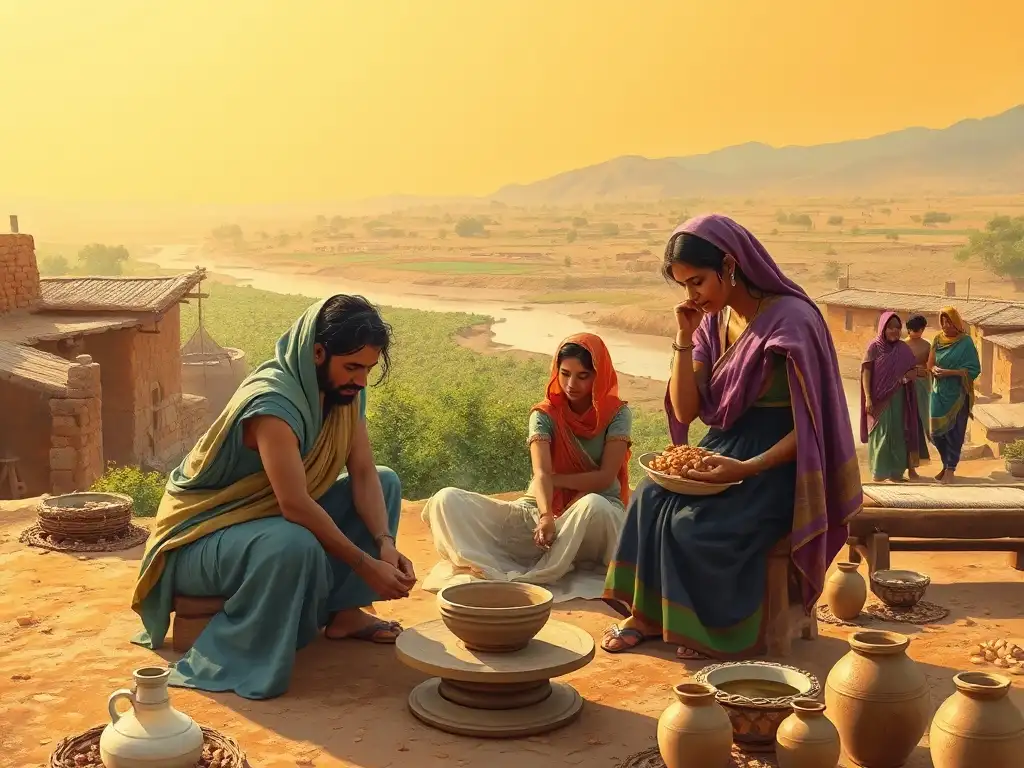
The daily life of the Indus Valley civilization was intricately woven into a tapestry of social norms, customs, and responsibilities. The urban centers, such as Harappa and Mohenjo-Daro, showcased a structured society where citizens engaged in various activities that supported their community and individual livelihoods.
- Urban Planning: Indus Valley cities were meticulously planned, featuring grid-like streets, advanced drainage systems, and public baths. This urban organization facilitated daily activities, ensuring that residents had access to essential services.
- Community Engagement: Social life revolved around community gatherings, religious practices, and trade. Markets were bustling centers of commerce where artisans displayed their craftsmanship, contributing to the vibrant economy.
- Cultural Practices: Ritualistic activities, including worship and festivals, were integral to the societal structure. These events fostered a sense of belonging and reinforced cultural values among the inhabitants.
Family and Social Structure
The family unit was central to the social fabric of the Indus Valley civilization.
- Nuclear Families: Most households were nuclear, comprising parents and their children. This structure allowed for a close-knit family dynamic, promoting cooperation in daily tasks.
- Extended Families: In some cases, extended families also existed, where multiple generations lived under one roof, sharing resources and responsibilities.
- Social Hierarchy: While the society was fairly egalitarian, there were indications of a social hierarchy based on trade, wealth, and occupation. Artisans and traders often held higher status due to their specialized skills and contributions to the economy.
Roles of Men, Women, and Children in Daily Activities
In the Indus Valley, the roles of men, women, and children were distinctly defined yet complementary, contributing to the overall productivity of the household.
- Men: Predominantly engaged in agriculture, trade, and craftsmanship, men were the primary breadwinners. They participated in farming, animal husbandry, and various trades, often traveling to other regions for commerce.
- Women: Women played a crucial role in managing households, raising children, and engaging in textile production and pottery. Evidence of intricate beadwork and pottery indicates that women were skilled artisans, contributing to the family’s income.
- Children: Children were involved in various activities from a young age, learning skills through observation and participation. They helped with chores, tended to animals, and assisted parents in their trades, preparing them for adult responsibilities.
Agriculture and Food Production
Agriculture was the backbone of the Indus Valley economy, supporting a stable food supply that allowed the civilization to thrive.
Farming Techniques and Crops Cultivated
The Indus Valley farmers employed advanced farming techniques that maximized their agricultural output.
- Irrigation Systems: To combat the challenges posed by seasonal monsoons, the civilization developed sophisticated irrigation systems, utilizing canals to distribute water effectively.
- Diverse Crops: The fertile plains allowed for the cultivation of various crops, including:
- Wheat and Barley: Staple grains that formed the basis of their diet.
- Legumes: Such as lentils and chickpeas, which provided essential protein.
- Cotton: Evidence suggests that cotton was cultivated as early as 5000 BCE, indicating a burgeoning textile industry.
Food Preparation and Culinary Practices
Food preparation in the Indus Valley was a reflection of both practicality and artistry, showcasing the civilization's culinary skills.
- Cooking Methods: The use of clay ovens and open fires for cooking was common. Grains were ground into flour using hand-operated stone mills, and various dishes were prepared using seasonal ingredients.
- Dietary Practices: The diet was largely vegetarian, supplemented by dairy products. Archaeological findings suggest that fish and meat were also consumed, though less frequently.
- Culinary Traditions: The preparation of food was often communal, with families and neighbors coming together to share meals and celebrate seasonal harvests. This practice fostered community bonds and reinforced social ties.
The daily activities of the Indus Valley civilization illustrate a rich tapestry of craftsmanship and lifestyle, where social structures, agricultural practices, and culinary traditions intermingled to create a vibrant society. Understanding these elements provides a deeper appreciation of the ingenuity and resilience of the Indus people.
Trade and Economic Activities
Trade and economic activities played a crucial role in the Indus Valley Civilization, showcasing the advanced nature of their society. The exchange of goods and services not only facilitated economic growth but also fostered cultural interactions with neighboring regions. The Indus Valley people engaged in various forms of trade, both internally and externally, which contributed to the richness of their daily lives and enhanced their craftsmanship.
Internal and External Trade
The internal trade of the Indus Valley was characterized by a well-organized network of markets that facilitated the exchange of local goods. Archaeological evidence suggests that cities like Harappa and Mohenjo-Daro had designated areas for trading, where artisans and farmers could sell their products, such as pottery, textiles, and agricultural produce. This internal commerce was vital in ensuring that resources were efficiently distributed throughout the civilization.
External trade, on the other hand, extended beyond the boundaries of the Indus Valley, reaching regions such as Mesopotamia, Persia, and even parts of the Arabian Peninsula. The Indus Valley traders exported various commodities, including:
- Cotton textiles: Renowned for their quality, these textiles were highly sought after in foreign markets.
- Metals: The civilization had access to metals like bronze, which were used in tools and ornaments.
- Semi-precious stones: Craftsmanship in bead-making from carnelian, agate, and lapis lazuli was a prominent trade item.
The Indus Valley people developed sophisticated trade routes, utilizing rivers and overland paths, which were essential for the transportation of goods. Evidence of seals and inscriptions found in Mesopotamia indicates that the Indus Valley civilization had established trade connections with other ancient cultures, highlighting their significant role in the ancient economy.
Markets and Barter Systems
Markets in the Indus Valley were bustling centers of economic activity, where a variety of goods were exchanged. Evidence of standardized weights and measures suggests that the people of the Indus Valley had a sophisticated system for trade, ensuring fairness in transactions. These markets were often located near major urban centers, making them accessible to both local producers and consumers.
The barter system was the primary means of trade in the Indus Valley civilization. People exchanged goods directly without the use of currency. For instance, a farmer might trade a portion of their grain for pottery or tools from an artisan. This system fostered community interdependence, as individuals relied on each other for different goods and services.
The emergence of specialized crafts led to an increase in the variety of goods available in the markets. Artisans, skilled in pottery, weaving, metallurgy, and bead-making, contributed to a diverse economy. The interplay between artisans and traders created a vibrant marketplace atmosphere, where the exchange of ideas and cultural practices also took place.
Trade and economic activities in the Indus Valley civilization were integral to its social fabric, significantly impacting daily life and showcasing the advanced nature of their craftsmanship and lifestyle. The internal and external trade networks, along with the functional markets and barter systems, illustrate the complexity of economic interactions during this remarkable period in ancient Indian history.
Cultural Aspects Influencing Indus Valley Lifestyle
Religion and Spiritual Practices
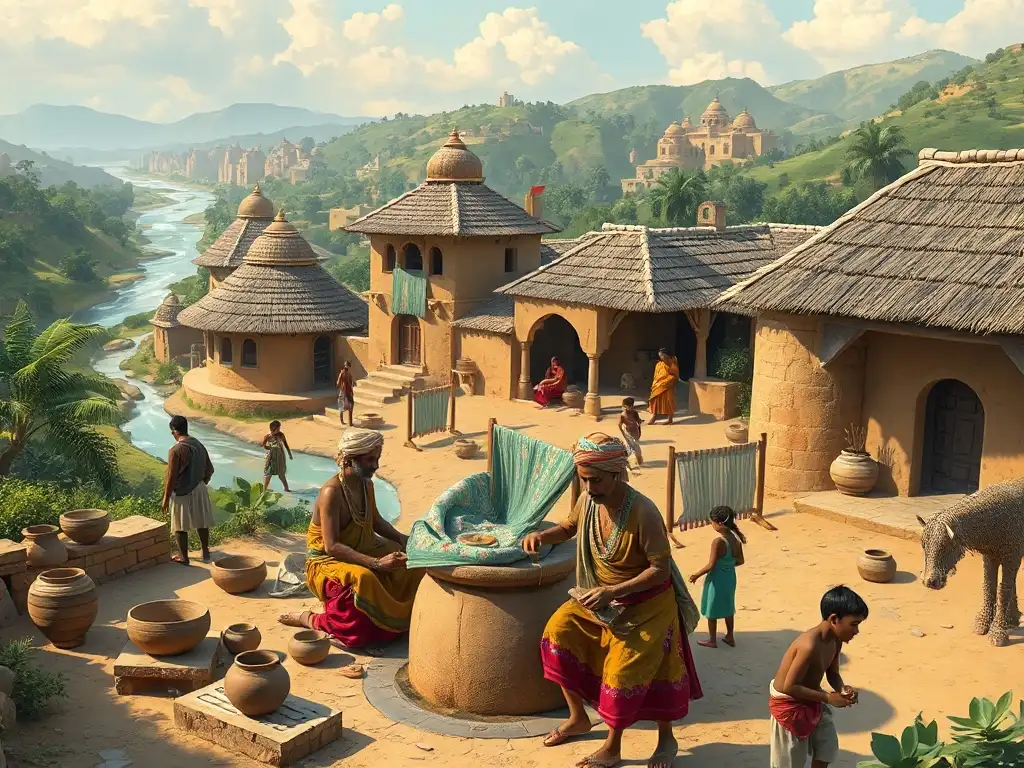
The Indus Valley Civilization, one of the world's earliest urban cultures, was deeply intertwined with religious and spiritual practices that influenced daily life. Archaeological findings suggest that the people of the Indus Valley engaged in various rituals, likely centered around nature and fertility. Deities were worshipped, with figurines resembling mother goddesses indicating a reverence for fertility and the earth.
- Ritual Bathing: The Great Bath of Mohenjo-Daro, an impressive structure, is indicative of the importance of ritual cleansing. This communal pool likely served a dual purpose of spiritual purification and social gatherings.
- Sacred Symbols: Numerous seals have been discovered, featuring intricate designs that may represent spiritual beliefs or deities. These seals were possibly used for trade but also held religious significance, acting as talismans or amulets for protection.
The spiritual landscape of the Indus Valley was not monolithic; rather, it was characterized by a diversity of beliefs that fostered a sense of community and cohesion among its inhabitants, influencing their craftsmanship and daily activities.
Festivals and Community Gatherings
Festivals played a crucial role in the social fabric of the Indus Valley, serving as vibrant expressions of community life. These gatherings were likely marked by communal activities that reinforced social bonds and cultural identity.
- Agricultural Festivals: Given the agrarian nature of the civilization, festivals related to harvests would have been significant. Celebrations would coincide with seasonal changes, honoring deities associated with fertility and abundance.
- Craftsmanship Exhibitions: Craft fairs or exhibitions may have been common, showcasing the Indus Valley craftsmanship and lifestyle. Artisans would display their skills in pottery, bead-making, and metallurgy, fostering a sense of pride and community spirit.
Through these festivals, the people of the Indus Valley not only celebrated their agricultural successes but also reinforced cultural values, community ties, and identity. The gatherings likely included music, dance, and feasting, reflecting the richness of their social life.
Artistic Expression in Everyday Life
Artistic expression permeated daily life in the Indus Valley, manifesting in various forms that were both functional and aesthetic. The craftsmanship exhibited by the artisans is a testament to their advanced skills and cultural values.
-
Pottery: The pottery of the Indus Valley is renowned for its elegance and utility. Designs often featured geometric patterns and natural motifs, reflecting both artistic flair and practical function. Pottery was essential for storage, cooking, and rituals.
Type of Pottery Characteristics Painted Pottery Intricate geometric designs, often red and black Terracotta Figurines Depictions of deities or animals, used in rituals -
Textiles: Evidence suggests that the Indus Valley people wove textiles from cotton and wool, showcasing their craftsmanship. Dyes derived from natural sources provided vivid colors, making textiles both functional and decorative.
Art was not merely a luxury but was interwoven into the fabric of everyday life, enhancing the functionality of objects while also serving as an outlet for creativity and expression. Through their artistry, the people of the Indus Valley communicated cultural values and aesthetics, leaving a lasting legacy that reflects their sophisticated lifestyle.
The Legacy of Indus Valley Craftsmanship and Lifestyle
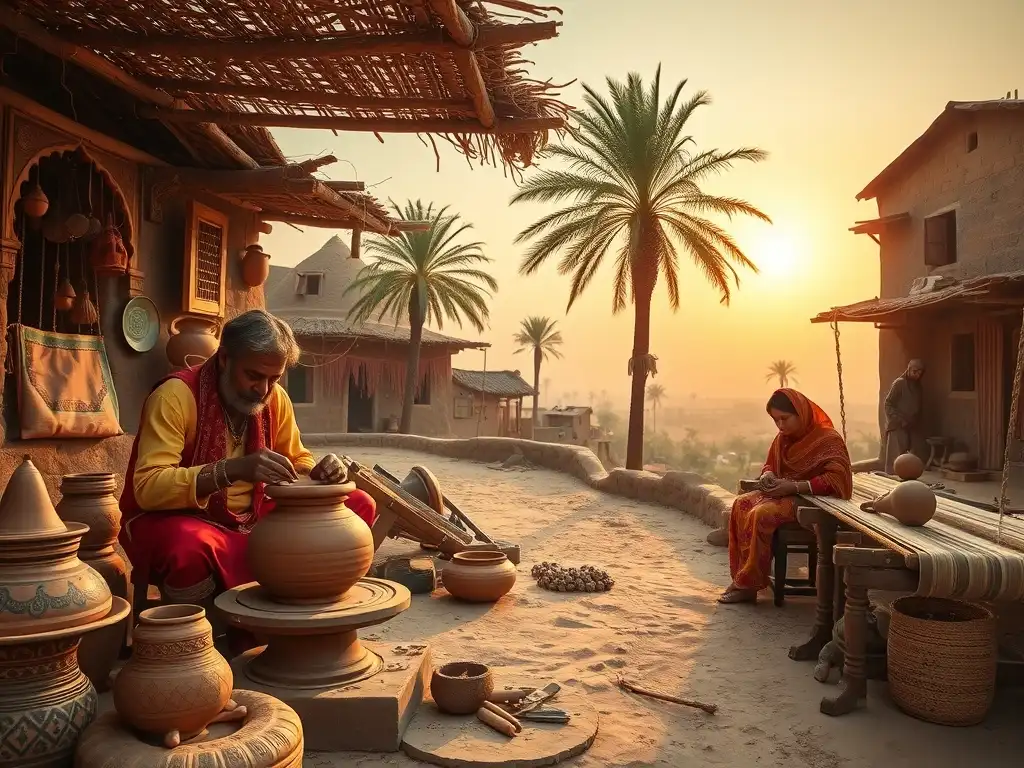
The Indus Valley Civilization (IVC), flourishing around 2500 BCE in what is now Pakistan and northwest India, left an indelible mark on the arts and lifestyle of subsequent Indian societies. The craftsmanship of this era is characterized by advanced techniques and a diversity of materials, including terracotta, bronze, and semi-precious stones. Artisans honed their skills in various crafts such as pottery, bead-making, and textile production, which not only met the daily needs of their communities but also established a rich cultural narrative that would influence later Indian civilizations.
Influence on Subsequent Indian Civilizations
The influence of Indus Valley craftsmanship and lifestyle can be seen across various dimensions in later Indian civilizations, particularly during the Vedic period and beyond. The sophisticated urban planning and craftsmanship of the IVC set a precedent for city development in ancient India. For example, the grid-like layout of cities such as Mohenjo-Daro and Harappa demonstrated advanced knowledge of urban planning, water management, and drainage systems, aspects that were emulated in subsequent settlements.
Craft Techniques:
- Pottery: The painted pottery of the Indus Valley, renowned for its geometric designs and vibrant colors, influenced pottery styles in later Indian cultures. The use of the potter's wheel, which became widespread after the IVC, can be traced back to techniques developed during this civilization.
- Bead-Making: The craftsmanship in bead-making, particularly using carnelian and other semi-precious stones, laid the foundation for trade networks that persisted throughout Indian history. Beads found in later archaeological sites often reflect styles reminiscent of those from the Indus Valley.
- Textiles: Evidence suggests that the IVC was skilled in cotton production and weaving. This tradition of textile craft continued, leading to the development of rich textile practices that are a hallmark of Indian culture today.
The artistic and functional elements of Indus Valley craftsmanship not only served practical purposes but also enriched the cultural and spiritual life of its people. The motifs and symbols found in IVC art are echoed in later Indian religious and cultural iconography, illustrating a continuity of aesthetic values.
Preservation and Rediscovery of Indus Valley Artifacts
The preservation and rediscovery of Indus Valley artifacts have played a crucial role in understanding the craftsmanship and lifestyle of this remarkable civilization. Archaeological excavations, particularly in the 1920s, brought to light a wealth of artifacts that showcased the artistic and functional aspects of daily life in the IVC.
Key Discoveries:
- Terracotta Figurines: Many terracotta figurines, often depicting animals and humans, provide insight into the artistic techniques and cultural practices of the Indus people. These artifacts reveal the significance of animal husbandry and possibly religious beliefs associated with these figures.
- Seals: The intricately carved seals, often featuring animals and script, served multiple purposes, from trade to administrative functions. These seals highlight the sophistication of IVC society and its economic systems.
- Architectural Remains: The remains of well-planned cities, including residential and public buildings, have been pivotal in understanding the lifestyle and social organization of the Indus Valley people. The presence of granaries, baths, and assembly halls indicates a highly organized and communal lifestyle.
As modern researchers continue to study the artifacts from the Indus Valley, new technologies such as digital imaging and chemical analysis are providing deeper insights into the materials and techniques used by ancient artisans. The ongoing preservation efforts aim to protect these invaluable artifacts from environmental and human threats, ensuring that the legacy of Indus Valley craftsmanship and lifestyle continues to inform and inspire future generations.
The legacy of the Indus Valley Civilization's craftsmanship and lifestyle is a testament to the ingenuity and creativity of its people. Its influence extends far beyond its geographical confines, shaping the cultural and artistic landscape of subsequent Indian civilizations and enriching the tapestry of ancient Indian history.
Conclusion: The Significance of Indus Valley Craftsmanship and Lifestyle
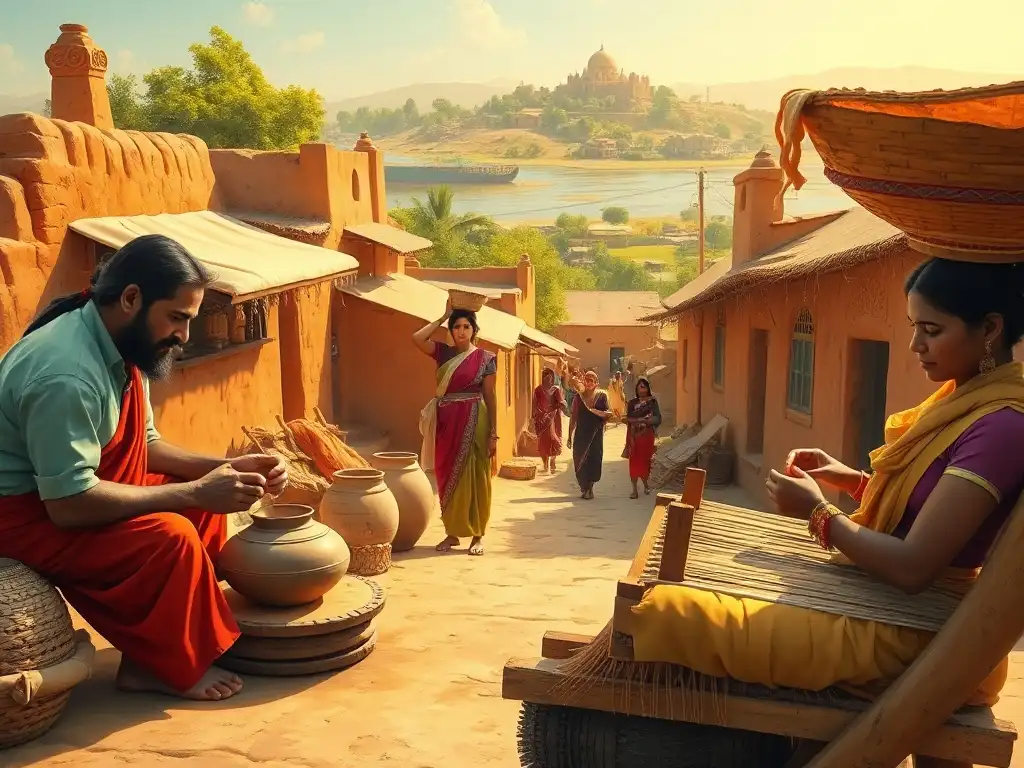
The Indus Valley Civilization, one of the world's earliest urban cultures, is renowned for its remarkable craftsmanship and sophisticated lifestyle. This ancient civilization, which flourished around 2500 BCE in what is now Pakistan and northwest India, exhibited a unique blend of artistry, functionality, and social organization. The intricate craftsmanship seen in their pottery, textiles, and metalwork reflects not only the skill of the artisans but also the values and daily activities of the people who lived there.
Reflection on the Cultural Contributions of the Indus Valley Civilization
The Indus Valley craftsmanship is emblematic of a society that prioritized aesthetics alongside utility. Artisans in this civilization were adept in various crafts, including pottery, bead-making, and metallurgy. The pottery, often decorated with geometric patterns and animal motifs, served practical purposes while also showcasing artistic expression. Furthermore, the widespread use of seals—often inscribed with unique symbols and figures—illustrates the importance of trade and communication within and beyond the civilization.
In addition to their artistic contributions, the Indus Valley Civilization also made significant advancements in urban planning and architecture. Cities like Harappa and Mohenjo-Daro were meticulously designed with well-planned streets, drainage systems, and public baths, indicating a sophisticated understanding of hygiene and community living. This level of urban organization was unprecedented for its time and laid the groundwork for future city planning in the region.
Indus Valley craftsmanship and lifestyle were intricately linked to their daily activities. Artisans not only created goods for trade but also for personal use, reflecting a society that balanced economic activity with communal and domestic life. The emphasis on trade facilitated interactions with neighboring cultures, further enriching their artistic and cultural landscape.
The Lasting Impact on Modern Indian Society and Culture
The legacy of the Indus Valley Civilization continues to resonate in modern Indian society and culture. Many of the artistic techniques and styles developed during this period have been preserved and adapted through generations. For instance, traditional pottery and textile practices can still be seen in various regions of India today, where artisans continue to employ age-old methods alongside contemporary innovations.
Moreover, the principles of urban planning and community living established by the Indus Valley people have influenced modern architecture and city layouts. The emphasis on sanitation and public spaces found in Indus cities is echoed in today’s urban development projects, reflecting an enduring commitment to community welfare.
The cultural contributions of the Indus Valley Civilization also serve as a reminder of the rich heritage that shapes Indian identity today. Festivals, rituals, and artistic expressions that trace their origins back to this ancient society continue to play a vital role in the cultural fabric of India.
The craftsmanship and lifestyle of the Indus Valley Civilization not only highlight the ingenuity of its people but also underscore their profound influence on subsequent generations. As we explore this remarkable chapter in history, we gain insights into the foundations of modern Indian culture and society, affirming the timeless relevance of the Indus Valley's artistic and social achievements.
Frequently Asked Questions
What were the primary features of Indus Valley craftsmanship?
The Indus Valley craftsmanship was characterized by its advanced metallurgy, intricate bead-making, and finely crafted pottery that showcased aesthetic appeal and technical skill.
How did daily activities shape the lifestyle in the Indus Valley?
Daily activities in the Indus Valley included agriculture, trade, and crafting, which led to a well-organized society that emphasized both economic stability and cultural richness.
What materials were commonly used in Indus Valley art?
Artisans in the Indus Valley often utilized materials like terracotta, stone, and metal to create items ranging from figurines to jewelry, reflecting their artistic sophistication.
How did the Indus Valley Civilization influence later cultures?
The Indus Valley Civilization laid the groundwork for later Indian cultures with its urban planning, trade networks, and craftsmanship, which continued to inspire subsequent societies.
What role did trade play in the lifestyle of the Indus Valley?
Trade was vital to the lifestyle of the Indus Valley, facilitating the exchange of goods such as cotton textiles and precious stones, which enhanced economic prosperity and cultural interactions.
Final Reflection: The Enduring Legacy of Indus Valley Craftsmanship and Lifestyle
**The artistry and daily practices of the Indus Valley civilization resonate profoundly in today's world, reminding us that craftsmanship is not merely a skill but a vital expression of culture and identity. As we navigate a fast-paced, technology-driven society, the intricate craftsmanship of the Indus Valley serves as a reminder of the beauty and significance of handmade creations and the stories they tell. The legacy of this ancient civilization continues to inspire contemporary artisans and enthusiasts alike, urging us to appreciate the depth of human creativity and the importance of preserving our cultural heritage.
Craftsmanship and lifestyle are intertwined threads that weave the fabric of society, shaping our values and connections. The meticulous attention to detail in Indus Valley artifacts reflects a profound respect for the materials and the environment, a principle that remains relevant today as we seek sustainable practices in our own lives. As we embrace modernity, we must not forget the wisdom of the past. Art is the most beautiful of all lies.
This quote encapsulates the essence of craftsmanship, where each piece tells a story that transcends time and speaks to our shared humanity.
As you reflect on the lessons from the Indus Valley, consider how you can incorporate elements of craftsmanship and intentional living into your daily routine. Embrace the art of living with purpose, whether through supporting local artisans, engaging in creative hobbies, or simply taking the time to appreciate the beauty around you. Let the legacy of the Indus Valley inspire you to cultivate a lifestyle that values craftsmanship, creativity, and connection, ensuring that the art of living continues to thrive in our modern world.
Unleash Your Inner Artisan: Dive into Indus Valley Living!
Thank you for exploring the remarkable craftsmanship and daily life of the Indus Valley civilization with us! We hope you gained a fresh appreciation for the skills and daily activities that shaped this ancient society. Now, let’s take those insights and turn them into action!
- Recreate a craft or traditional dish inspired by the Indus Valley to bring a taste of history into your home.
- Join a local workshop or online class to learn traditional crafting techniques—connect with fellow history enthusiasts!
- Share your newfound knowledge and creations on social media or in community discussions to inspire others to discover the wonders of ancient cultures.
What aspect of Indus Valley life are you most eager to explore or recreate in your own life?