
The Relationship Between Economy and Politics in the Maurya Empire

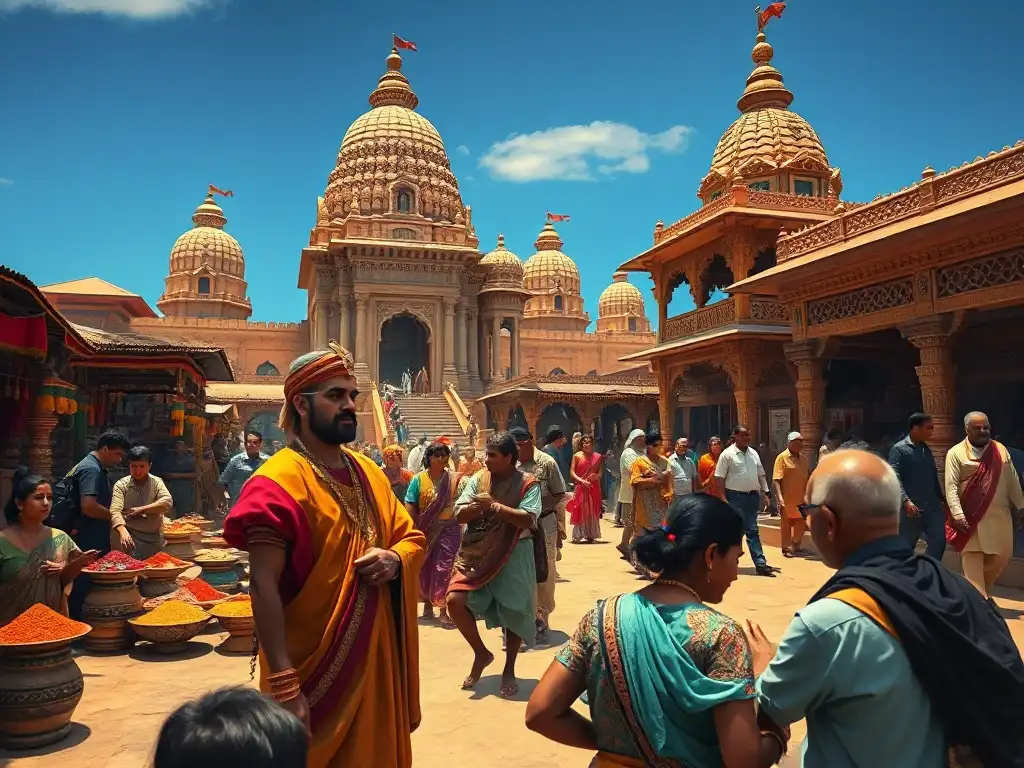
Welcome to Ancient India History, where we embark on a captivating journey through the rich and diverse tapestry of ancient Indian civilizations. Dive deep into the fascinating dynamics of the Maurya Empire, where the intricate relationship between economy and politics shaped one of the most influential empires of its time. What were the secrets behind its prosperity and power?
Join us as we unravel the complexities of this era and explore how the Maurya Empire's economic strategies intertwined with its political landscape, setting the stage for a legacy that continues to resonate today. Prepare to be intrigued and inspired as you delve into the depths of our content!
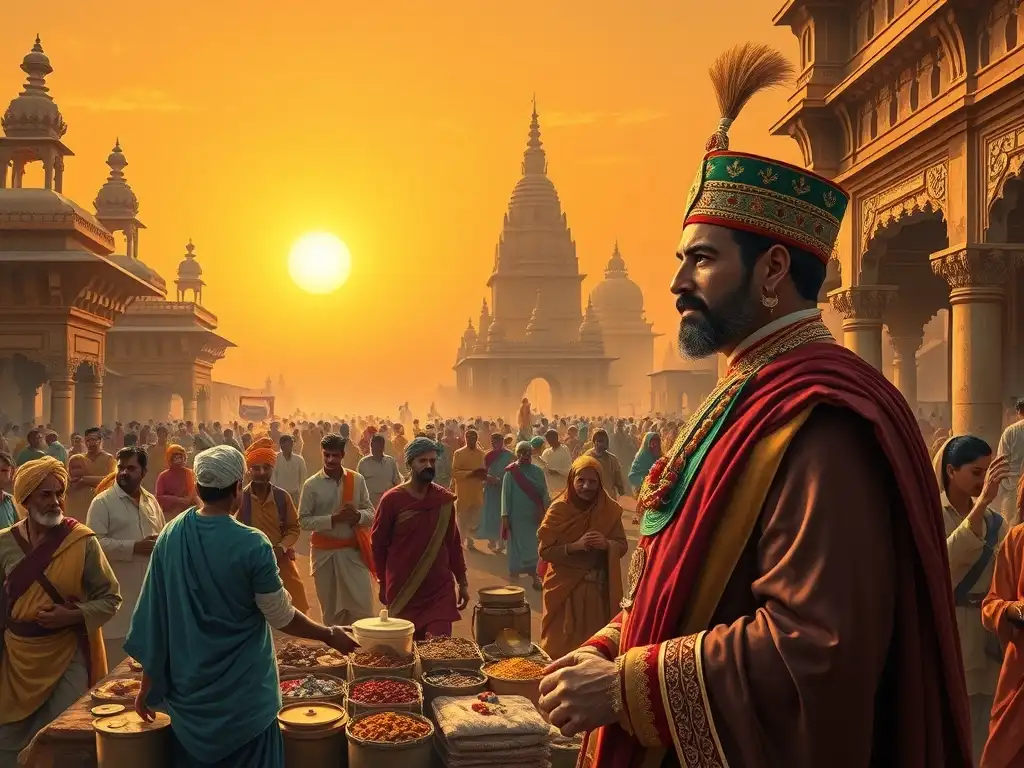
The Maurya Empire stands as one of the most significant and powerful empires in ancient Indian history, renowned for its extensive territorial expanse and sophisticated governance. Understanding the intricate relationship between the economy and politics of the Maurya Empire is crucial for unraveling the complexities of its administration and societal structure. The economy was not merely a backdrop but rather a driving force that influenced political decisions, facilitated trade, and shaped the lives of its citizens.
From the establishment of trade routes to the imposition of taxes, the economic policies of the Maurya Empire played a pivotal role in its stability and growth. This article delves into the multifaceted dynamics of the Maurya Empire's economy and politics, highlighting how they intertwined to forge one of the most remarkable civilizations of ancient India.
Introduction to the Maurya Empire
Overview of the Maurya Empire
The Maurya Empire, founded in the 4th century BCE by Chandragupta Maurya, marked a significant turning point in Indian history. It emerged as a vast political entity encompassing much of the Indian subcontinent, stretching from the modern-day regions of Afghanistan to Bengal. Under the leadership of notable emperors such as Chandragupta, his grandson Ashoka the Great, and others, the Empire not only expanded territorially but also made substantial advancements in governance, culture, and economics. The Maurya Empire is often celebrated for its administrative innovations, including a centralized bureaucracy and a complex taxation system that supported its military and infrastructure.
Significance of the Economy and Politics in Ancient India
The interrelation of economy and politics in ancient civilizations is a recurring theme that played a crucial role in their development. In the context of the Maurya Empire, the economic framework provided the necessary resources for political stability and expansion. The political authority, in turn, regulated and influenced economic activities, ensuring that trade flourished and taxes were collected effectively. This symbiotic relationship contributed not only to the prosperity of the Maurya Empire but also to its cultural and intellectual achievements, as the wealth generated allowed for advancements in arts, sciences, and philosophy.
The Political Structure of the Maurya Empire
Key Political Institutions in the Maurya Empire
The political structure of the Maurya Empire was characterized by a well-organized hierarchy that facilitated efficient governance. Key institutions included the royal court, where the emperor and his advisors deliberated on policies, and various ministries overseeing different aspects of administration, such as finance, defense, and foreign affairs. The vast bureaucracy was instrumental in implementing the emperor's policies across the expansive territory and addressing local needs, thereby maintaining control and order.
Role of the Emperor in Governance
The emperor held absolute power within the Maurya Empire, serving not only as the political leader but also as a symbol of unity and authority. The emperor's decisions directly influenced the economic strategies employed, from trade agreements to land taxation policies. Ashoka, known for his promotion of Dharma (moral law), exemplified how an emperor could use political power to guide economic practices towards ethical governance. His reign highlighted the potential of political leadership to shape economic landscapes in ways that benefited society as a whole.
Administrative Divisions and Local Governance
To manage its vast territories effectively, the Maurya Empire was divided into several provinces, each governed by appointed officials who reported directly to the emperor. This administrative division allowed for localized governance, where local needs and economic conditions could be addressed more efficiently. The local officials played a pivotal role in implementing the emperor's economic policies, collecting taxes, and overseeing trade within their jurisdictions. This system not only enhanced political control but also stimulated economic activities, as provinces competed for resources and development opportunities.
The Economic Landscape of the Maurya Empire
The Maurya Empire, which flourished from 322 to 185 BCE, was marked by a dynamic economy that was intricately linked to its political structure. Under the leadership of Chandragupta Maurya and his grandson Ashoka, the empire saw significant developments in agriculture, trade, and industries, which not only facilitated economic prosperity but also supported the central authority's governance. The empire's extensive territory allowed for diverse agricultural practices and resource distribution, establishing a robust economic framework that contributed to its political stability and influence in ancient India.
Agricultural Practices and Their Impact on Economy
Agriculture was the backbone of the Maurya Empire's economy, employing the majority of its population and generating a substantial portion of its wealth. The fertile plains of the Gangetic Valley provided an ideal environment for cultivating a variety of crops, including rice, wheat, barley, and legumes. The Mauryan administration implemented systematic irrigation techniques, which enhanced agricultural productivity.
The surplus generated from agriculture enabled trade and supported urbanization, leading to the growth of towns and cities. This agricultural foundation allowed the state to collect taxes in the form of produce, which were essential for maintaining the empire's military and administrative apparatus. Moreover, agricultural stability fostered social structures and supported the development of crafts and industries, further intertwining economic and political interests.
Trade and Commerce in the Maurya Empire
Trade played a vital role in the Maurya Empire's economy, both domestically and with neighboring regions. The empire's strategic location facilitated trade routes that connected it to the Mediterranean, Central Asia, and Southeast Asia. Major trade goods included textiles, spices, precious stones, and metalwork. The Mauryan capital, Pataliputra, emerged as a bustling trade hub, attracting merchants and traders from various lands.
The Mauryan government actively promoted commerce by establishing a network of roads and ensuring the safety and security of traders through a well-organized administrative system. This not only boosted economic activities but also strengthened political control, as trade helped integrate different regions into the empire. The wealth generated from trade also financed military campaigns and infrastructure projects, highlighting the symbiotic relationship between trade and political power.
Industries and Crafts: Economic Contributions
The Maurya Empire was renowned for its industries and crafts, which contributed significantly to its economy. Skilled artisans produced high-quality textiles, pottery, metalwork, and jewelry, which were highly valued both locally and in international markets. The presence of guilds facilitated the organization of craftsmen and traders, ensuring quality control and fair practices.
The state played a role in regulating industries, promoting innovation, and sometimes directly engaging in production. For example, state-run factories produced goods for military use or for trade, illustrating the direct involvement of the political structure in economic activities. The flourishing of industries underpinned the Mauryan economy and provided the necessary resources for its political ambitions.
Interconnections Between Economy and Politics
The relationship between economy and politics in the Maurya Empire was not merely coincidental; it was a complex interplay that shaped the empire's governance and social structure. The economic prosperity generated by agriculture, trade, and industries supported political stability and authority. Conversely, political decisions directly influenced economic policies, demonstrating a cyclical dependence between the two realms.
How Political Stability Influenced Economic Growth
Political stability was crucial for the economic growth of the Maurya Empire. The centralized authority established by Chandragupta and maintained by Ashoka facilitated consistent governance, allowing for the implementation of policies that promoted agricultural expansion and trade. A stable political environment encouraged investment and the development of infrastructure, such as roads and irrigation systems, which further boosted economic activities.
Moreover, the Mauryan rulers' commitment to Dharma, especially under Ashoka, emphasized ethical governance that fostered social harmony and economic welfare. This holistic approach to governance not only enhanced the quality of life for the subjects but also secured loyalty and reduced conflicts, creating a conducive atmosphere for economic prosperity.
Economic Policies and Their Political Implications
The Maurya Empire's economic policies were reflective of its political ideology and objectives. The rulers implemented various strategies, such as state control over key resources and trade regulation, which directly impacted the political landscape. By controlling trade routes and imposing tariffs, the Mauryan government could fund military campaigns and administrative expenses while maintaining power over regional economies.
Additionally, economic reforms aimed at improving agricultural productivity and trade stimulated regional economies and integrated them into the broader imperial framework. This integration reinforced the central authority's power, as local leaders depended on the empire for trade and security, thus aligning economic interests with political loyalty.
Taxation and Revenue Systems in the Maurya Empire
Taxation was a critical component of the Maurya Empire's economy, providing the necessary revenue for governance and military expenditures. The empire employed a systematic approach to taxation, which included land revenue, trade taxes, and tolls. The revenue system was designed to be equitable, reflecting the agrarian nature of the economy and the need for sustainable growth.
The Mauryan administration utilized a variety of tax collection methods, ensuring efficiency and minimizing corruption. This structured taxation system not only funded the state but also reinforced the political authority of the rulers. By ensuring that revenue was used for public welfare and infrastructure, the Maurya Empire was able to maintain legitimacy and support from its subjects, thereby sustaining its economic and political dominance in ancient India.
Case Studies of Economic and Political Interactions

The Maurya Empire, one of the most significant ancient Indian empires, exemplifies the intricate relationship between economy and politics. Through various case studies, we can observe how economic strategies were intertwined with political goals, shaping the empire's longevity and stability.
Chandragupta Maurya: The Founder’s Approach
Chandragupta Maurya, the founder of the Maurya Empire, implemented a series of policies that effectively merged economic strength with political power. His approach involved the consolidation of various regional kingdoms, which not only bolstered the empire's territorial expanse but also allowed for the efficient collection of taxes, primarily through agrarian outputs. By establishing a centralized administration, Chandragupta was able to ensure that resources flowed into the royal treasury, which in turn funded military campaigns and public works.
Chandragupta's economic policies included the promotion of trade by securing trade routes and establishing markets within the empire. This not only facilitated commerce but also increased the empire's wealth. The strategic alliance with the Nanda dynasty through marriage further enhanced his political legitimacy and economic stability, showcasing a blend of economic foresight and political acumen.
Ashoka the Great: Policies of Prosperity
Ashoka the Great, the grandson of Chandragupta, took the Maurya Empire to unprecedented heights of prosperity through his innovative economic and political policies. After his conversion to Buddhism, he emphasized welfare and moral governance, which translated into economic policies aimed at the well-being of his subjects.
Ashoka's "Dhamma" policy, which advocated for non-violence and ethical conduct, fostered a stable environment conducive to trade and agriculture. He invested in infrastructure, such as roads and irrigation systems, which significantly enhanced agricultural productivity and trade efficiency. Ashoka's edicts, inscribed on rocks and pillars, not only disseminated his policies but also facilitated a sense of unity and purpose among the populace. This integration of moral governance with economic growth established a model of leadership that prioritized the welfare of the citizenry while ensuring political stability.
Regional Variations in Economic and Political Dynamics
The Maurya Empire was vast and diverse, encompassing various regions with distinct economic and political characteristics. This regional variation influenced how the central authority interacted with local economies and governance structures.
In the eastern regions, such as Bengal, the economy was primarily agrarian, and local rulers often collaborated with the central government to optimize agricultural output. In contrast, the western regions, which were rich in trade due to proximity to the Arabian Sea, saw a different dynamic where local merchants played a crucial role in linking the empire to international trade networks.
The Mauryan administration recognized these differences and adapted its policies accordingly, allowing local governors a degree of autonomy while ensuring they adhered to the overarching goals of the empire. This flexibility in governance not only maintained regional stability but also ensured economic prosperity across diverse economic landscapes.
The Legacy of the Maurya Empire’s Economy and Politics
The Maurya Empire's legacy in the realms of economy and politics continues to influence modern governance and economic models. The empire's ability to merge these two elements effectively set a precedent for future Indian polities.
Influence on Subsequent Indian Empires
The economic and political strategies of the Maurya Empire laid the groundwork for subsequent Indian empires, such as the Gupta Empire. The Gupta rulers adopted similar administrative frameworks, emphasizing centralized control combined with local autonomy, which allowed them to manage vast territories effectively.
Moreover, the Mauryan emphasis on trade and infrastructure development became a model for later empires. The establishment of trade routes and the promotion of commerce were continued practices that contributed to the economic richness of India in subsequent centuries.
Lessons from the Mauryan System in Modern Governance
The Maurya Empire provides valuable lessons for modern governance, particularly in how economic policies can be aligned with political objectives to foster stability and growth. The importance of infrastructure development, ethical governance, and regional adaptability are aspects that contemporary states can learn from.
Additionally, the Mauryan experience highlights the significance of balancing central authority with local governance, a principle that remains relevant in today's globalized world. By studying the Maurya Empire’s integration of economy and politics, modern leaders can glean insights into effective governance that prioritizes both economic prosperity and the well-being of the populace.
Conclusion
The relationship between economy and politics in the Maurya Empire was intricately woven, showcasing how intertwined these two aspects were in shaping one of ancient India's most significant civilizations. The Maurya Empire, particularly under the rule of Chandragupta Maurya and later his grandson Ashoka, implemented a system where economic prosperity was both a means to political power and a product of effective governance.
Summary of the Economy and Politics Relationship
The economy of the Maurya Empire played a crucial role in its political stability and expansion. The centralized state apparatus allowed for efficient tax collection, which funded military campaigns and administrative functions. Trade routes flourished under Mauryan rule, promoting commerce that not only enriched the empire but also solidified its power through economic alliances and dependencies. The government’s involvement in regulating trade and agriculture ensured a consistent revenue stream, which was vital for maintaining the empire's vast bureaucracy and military.
Moreover, the policies of Ashoka, especially after his conversion to Buddhism, reflected a unique blend of economic and political strategies. He emphasized welfare and the well-being of his subjects, which fostered loyalty and stability within the empire. This relationship is evident in the way economic policies were often designed to support the political goals of the state, creating an environment where prosperity translated into political legitimacy.
Final Thoughts on the Maurya Empire’s Impact on Ancient Indian Civilization
The impact of the Maurya Empire on ancient Indian civilization extends far beyond its economic and political frameworks. The Mauryan rulers' efforts in establishing a cohesive administrative structure, coupled with their innovative economic policies, set a precedent for future empires in India. The integration of economic strategies with political governance helped create a model that influenced subsequent dynasties, highlighting the significance of a strong state in managing economic resources.
Furthermore, the Maurya Empire’s legacy in promoting trade, cultural exchanges, and administrative efficiency had lasting effects on the social and political landscape of India. The interplay between economy and politics during this period not only contributed to the empire’s success but also laid the groundwork for the rich tapestry of India’s historical narrative. As we explore the complexities of the Maurya Empire, it becomes evident that understanding its economy and politics is key to appreciating the broader context of ancient Indian civilization and its enduring influence on the subcontinent.
- Introduction to the Maurya Empire
- The Political Structure of the Maurya Empire
- The Economic Landscape of the Maurya Empire
- Interconnections Between Economy and Politics
- Case Studies of Economic and Political Interactions
- The Legacy of the Maurya Empire’s Economy and Politics
- Conclusion
Frequently Asked Questions
What was the primary economic structure of the Maurya Empire?
The Maurya Empire primarily operated on an agricultural economy, where farming was the backbone of its wealth. Trade and commerce also flourished, contributing to economic stability.
How did the Maurya Empire influence political power?
The Maurya Empire showcased a centralized political system, which was essential for maintaining order and control over its vast territories, allowing for effective governance and administration.
What role did trade play in the Maurya Empire's economy?
Trade was crucial in the Maurya Empire, facilitating the exchange of goods like textiles, spices, and precious stones, which not only boosted the economy but also enhanced political relationships with other regions.
How did the Maurya Empire manage taxation?
The Maurya Empire implemented a systematic taxation policy to fund public works and military expenditures, ensuring that economic resources were effectively mobilized to support the empire's political needs.
What were the political strategies used by the Maurya Empire to maintain stability?
The Maurya Empire employed various political strategies, such as diplomacy, military might, and administrative reforms, to maintain control over its diverse population and ensure the stability of its economy.
Final Reflection: The Interplay of Economy and Politics in the Maurya Empire
The intricate relationship between economy and politics in the Maurya Empire remains profoundly relevant today, as we navigate the complexities of governance and economic systems in contemporary society. The lessons drawn from this ancient civilization highlight how the foundations of political power are often built upon economic stability and growth. In a world where economic disparities can lead to political unrest, understanding this dynamic is crucial for fostering a harmonious society.
The Maurya Empire serves as a historical lens through which we can observe the ongoing influence of economic policies on political structures. The interplay of these two forces not only shaped the empire's rise and fall but also offers valuable insights into our current socio-political landscape. As we witness the effects of economic decisions on governance today, we are reminded of the wisdom in the words of Chanakya: There is some self-interest behind every friendship. There is no friendship without self-interests.
This quote underscores the necessity of recognizing the underlying motivations that drive both economic and political relationships, a theme that resonates throughout history and into our present.
As we reflect on the lessons from the Maurya Empire, I invite you to consider how the principles of economic and political interdependence can be applied in your own life. Think about the ways in which your economic choices influence your community and the political landscape around you. By engaging with these themes, we can cultivate a deeper understanding of our roles as citizens and advocates for change. Let us strive to create a future where economic prosperity and political integrity go hand in hand, fostering a society that values both individual and collective well-being.
Unveil the Connection: Explore the Impact of Politics on Economic Growth!
Thank you for delving into the fascinating relationship between the economy and politics during the Maurya Empire! Your interest in this pivotal era of Ancient Indian history not only enhances your understanding but also connects you to the foundational political and economic dynamics that continue to shape societies today.
Are you ready to take the next step in your exploration? Here’s how you can deepen your understanding:
- Share your insights: Discuss this article with friends or on social media! What did you find most intriguing about the political and economic strategies of the Maurya Empire?
- Join our community: Subscribe to our newsletter for more articles, discussions, and insights into the complexities of ancient civilizations.
- Dive deeper: Explore additional articles on our site to learn more about other influential empires and their enduring legacies.
Which aspect of the Maurya Empire’s economic policies do you believe holds the most significance in today’s political landscape? Join the conversation!