
Ashoka's Family: The Lineage That Shaped the Future of India


Welcome to Ancient India History, where we embark on a journey through the intricacies of India's past. Here, we delve into the rich tapestry of ancient civilizations, uncovering the remarkable stories that have shaped the subcontinent. In our featured article, " Ashoka's Family: The Lineage That Shaped the Future of India," we explore the profound impact of Ashoka's lineage on Indian culture and governance.
Discover the legacies of a dynasty that not only defined an era but also left an indelible mark on the world. Prepare to be captivated as we unravel the threads of history that connect us to this extraordinary family!
- Introduction to Ashoka's Family History in India
- The Lineage of Ashoka: An Overview
- Ashoka's Parents: Chandragupta Maurya and Durdhara
- Ashoka's Siblings: The Dynamics of Royal Family
- Ashoka's Children: Legacy and Continuation of the Lineage
- The Influence of Ashoka's Family on Indian Society
- Ashoka's Marriages: Alliances Through Family Ties
- Conclusion: The Enduring Legacy of Ashoka's Family History in India
- Frequently Asked Questions
- Final Reflection: The Enduring Legacy of Ashoka's Family History in India
- Unveil the Legacy: Take Action Today!
Introduction to Ashoka's Family History in India
Ashoka the Great, one of the most illustrious rulers of ancient India, is celebrated not only for his monumental contributions to the Maurya Empire but also for his profound influence on the cultural and spiritual landscape of the region. Understanding Ashoka's family history in India provides critical insight into the dynamics of the Maurya dynasty, his lineage, and the legacy that shaped the future of India.
The lineage of Ashoka, marked by powerful figures and transformative ideologies, serves as a vital narrative that connects the political, cultural, and spiritual developments of ancient Indian civilization. By exploring Ashoka's family, we can unravel the complexities of royal succession, the evolution of governance, and the dissemination of Buddhism that would resonate through the ages.
Importance of Ashoka in Indian History
Ashoka's significance in Indian history extends far beyond his reign from 268 to 232 BCE. His transformation from a fierce warrior to a benevolent ruler is a compelling tale of change that underscores the potential for personal and societal evolution. Key highlights of his importance include:
- Promotion of Buddhism: Ashoka's embrace of Buddhism after the Kalinga War marked a pivotal moment in Indian history, leading to the widespread adoption of Buddhist principles across Asia.
- Edicts of Ashoka: His edicts, inscribed on pillars and rocks throughout the empire, communicated messages of non-violence, tolerance, and ethical governance, laying the groundwork for future Indian political philosophy.
- Cultural Patronage: Ashoka was a patron of the arts and architecture, commissioning stupas, monasteries, and sculptures that enriched Indian culture and heritage.
The impact of Ashoka is still felt today, as his vision of peace and ethical governance continues to inspire leaders and thinkers around the world.
Overview of the Maurya Empire
The Maurya Empire, established by Chandragupta Maurya in 322 BCE, stands as one of the largest and most influential empires in ancient India. Spanning vast territories, from present-day Afghanistan in the west to Bengal in the east, the empire was marked by significant political, economic, and cultural advancements. Key features of the Maurya Empire include:
- Centralized Administration: The empire was characterized by a well-organized bureaucratic system, which facilitated efficient governance and resource management.
- Trade and Economy: The Maurya Empire thrived on trade, connecting India with various regions, including the Mediterranean and Southeast Asia, enhancing its wealth and cultural exchanges.
- Cultural Synthesis: The empire fostered a rich cultural milieu, blending various traditions, languages, and religions, which contributed to a diverse societal fabric.
Understanding the Maurya Empire provides a contextual backdrop for exploring Ashoka's family history, as the dynamics of this powerful dynasty played a crucial role in shaping the trajectory of ancient Indian civilization.
The Lineage of Ashoka: An Overview
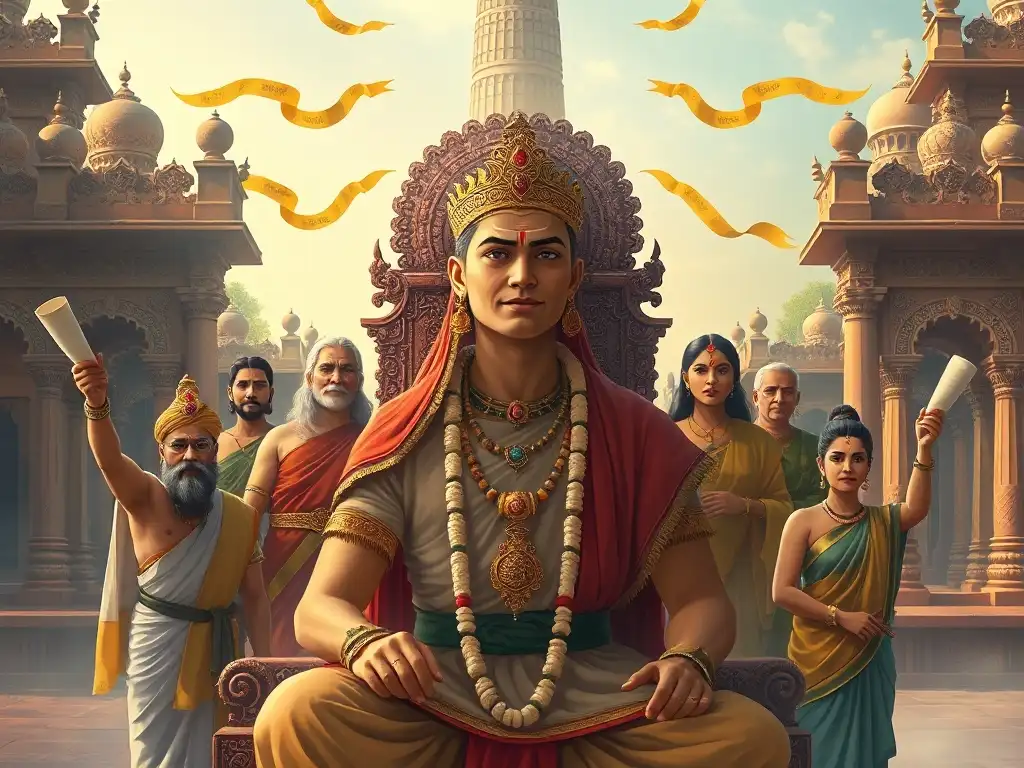
The lineage of Ashoka, one of India's most revered emperors, is a crucial aspect of understanding the Maurya Empire and its impact on Indian history. Ashoka was the third ruler of the Maurya Dynasty, which laid the foundation for one of the largest empires in ancient India. His family history is marked by significant figures who shaped the political, cultural, and religious landscape of the time.
The Maurya Dynasty is renowned for its extraordinary contributions to governance, architecture, and the spread of Buddhism. Ashoka's reign from 268 to 232 BCE was characterized by his conversion to Buddhism and his efforts to promote peace and moral governance. This lineage not only influenced the immediate political structure of the empire but also left an indelible mark on subsequent generations, shaping the evolution of Indian civilization.
The Maurya Dynasty: Founders and Influences
The Maurya Dynasty was established by Chandragupta Maurya in the 4th century BCE, who is credited with unifying the diverse regions of India under a centralized rule. Chandragupta's rise to power was significantly aided by his mentor, Chanakya, a scholar and strategist who played a pivotal role in the establishment of the empire.
- Chandragupta Maurya: Founder of the Maurya Empire, he expanded the territory through military conquests and strategic alliances. His reign set the groundwork for a strong administrative framework that would later be perfected by Ashoka.
- Chanakya: Also known as Kautilya, he authored the Arthashastra, a treatise on statecraft, economics, and military strategy. His insights into governance deeply influenced the Mauryan administration and Ashoka's policies.
The Maurya Empire reached its zenith under Ashoka, who transformed it from a militaristic regime to one focused on welfare and moral governance. His conversion to Buddhism was a turning point, leading to policies that emphasized non-violence, religious tolerance, and the spread of Buddhist teachings across Asia.
Key Ancestral Figures in Ashoka's Family History
Ashoka's family history is intertwined with several notable figures who played crucial roles in shaping the Maurya Empire:
- Bindusara: Ashoka's father and the second Mauryan emperor, Bindusara expanded the empire significantly but maintained a more militaristic approach compared to Ashoka. His reign established a strong foundation for Ashoka’s later achievements.
- Dharma: Though often overshadowed by his more famous brother Ashoka, Dharma is believed to have influenced Ashoka’s understanding of governance through moral principles. This philosophical grounding was essential in Ashoka's transition from warrior to peacemaker.
- Ashoka's Mother: While historical records about Ashoka’s mother are sparse, she is often credited with instilling values of compassion and empathy in Ashoka, which would later influence his governance style.
The familial bonds and legacies carried by these figures were instrumental in defining Ashoka's approach to leadership. The emphasis on Dharma (moral law) and the commitment to the welfare of his subjects can be seen as a direct reflection of his lineage.
Ashoka's family history in India is not merely a chronicle of names and titles but a rich tapestry of influences that shaped one of the most significant periods in ancient Indian history. Understanding these familial ties provides valuable insight into the political and cultural dynamics of the Maurya Empire and its lasting legacy on Indian civilization.
Ashoka's Parents: Chandragupta Maurya and Durdhara

Chandragupta Maurya: The Founder of the Maurya Empire
Chandragupta Maurya (c. 340–297 BCE) is credited as the founder of the Maurya Empire, which marked a significant turning point in ancient Indian history. His rise to power was characterized by strategic alliances, military conquests, and the establishment of a centralized governance model. Prior to Chandragupta's reign, India was fragmented into numerous kingdoms, often engaged in conflict. His vision was to unify these disparate regions under a single rule, which he successfully achieved.
Chandragupta's journey began with his mentorship under the philosopher Chanakya, also known as Kautilya. Chanakya played a crucial role in shaping Chandragupta's political strategies and military tactics, enabling him to overthrow the Nanda Dynasty, which had ruled over a significant portion of northern India. This coup was not only a military achievement but also a demonstration of Chandragupta's astute political maneuvering.
Under Chandragupta's leadership, the Maurya Empire expanded rapidly, encompassing vast territories including present-day India, Bangladesh, and parts of Afghanistan. His administration implemented a bureaucratic system that facilitated effective governance, taxation, and law enforcement. This approach laid the groundwork for future emperors, including his grandson Ashoka, to build upon.
Chandragupta embraced Jainism later in life, which influenced his policies towards non-violence and tolerance. His conversion marked a shift in the ideological underpinnings of Indian leadership, showcasing the interplay between governance and religion. This legacy of blending political authority with spiritual guidance would resonate throughout the history of the Maurya Empire.
Durdhara: The Role of Ashoka's Mother
Durdhara, the wife of Chandragupta Maurya, is often overshadowed in historical narratives, yet her influence on Ashoka's upbringing cannot be understated. While detailed accounts of her life are limited, she is recognized as a pivotal figure in the Maurya lineage. Durdhara's maternal role contributed significantly to the values and principles instilled in her son, Ashoka.
As a mother, Durdhara was instrumental in shaping Ashoka's character. It is believed that she emphasized the importance of compassion, justice, and ethical governance. These values played a crucial role in Ashoka's later policies, particularly his commitment to the welfare of his subjects and the spread of Buddhism. Her nurturing approach would have helped cultivate Ashoka's empathetic disposition, which ultimately defined his reign.
Moreover, Durdhara's position as a queen provided Ashoka with a unique perspective on the complexities of ruling an empire. The experiences and lessons she imparted about diplomacy, governance, and the responsibilities of leadership likely influenced Ashoka's decisions during his rule.
It is also essential to consider the cultural context surrounding Durdhara's life. As a member of the royal family, she would have had access to the educational and social resources necessary to guide her son effectively. This background contributed to Ashoka's eventual rise as one of India's most renowned emperors, known for his commitment to peace and moral governance.
While historical records may not extensively document Durdhara's life, her role as Ashoka's mother was undoubtedly significant in shaping the ideologies that would later characterize his reign and the broader Maurya Empire.
Ashoka's Siblings: The Dynamics of Royal Family
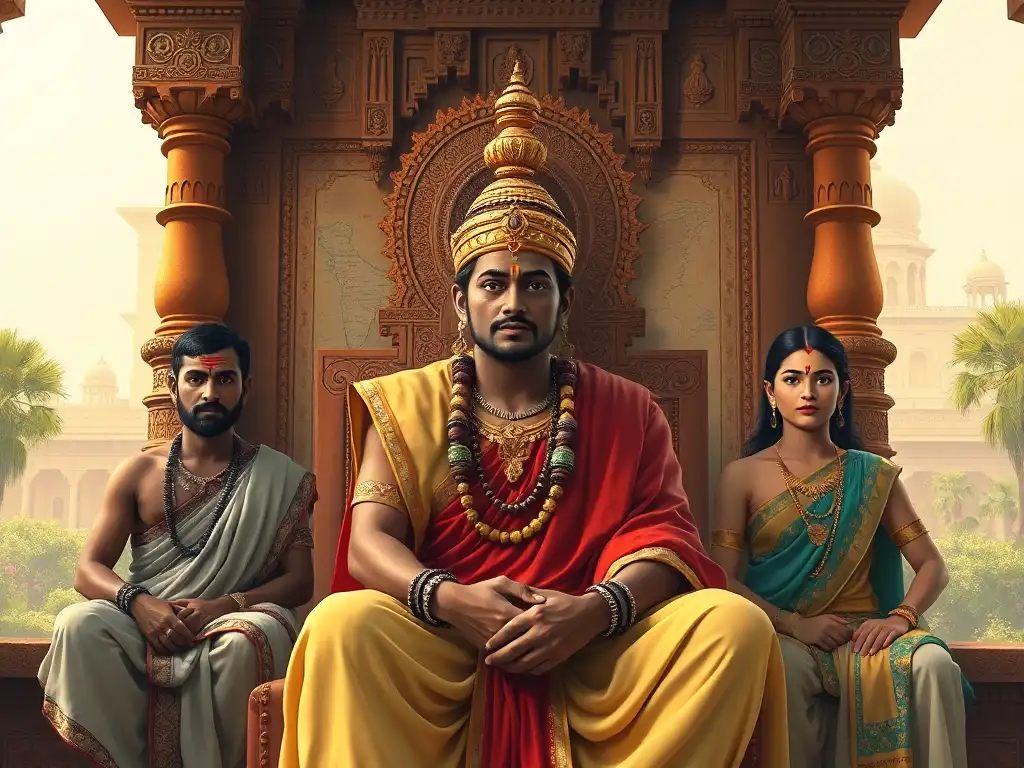
The Significance of Ashoka's Brothers and Sisters
Ashoka, the third emperor of the Maurya Dynasty, is often celebrated for his profound impact on Indian history and culture, particularly due to his promotion of Buddhism. However, the dynamics of his family, especially his siblings, played a crucial role in shaping his reign and the Maurya Empire. Ashoka had several siblings, but the most notable among them were his brothers, Susima and Tissa, as well as his sisters, who contributed to the intricate web of political and social relationships in the royal family.
- Susima: As Ashoka's elder brother, Susima was a significant figure in the royal hierarchy. He was initially favored as the heir to the throne due to his position as the eldest. However, his ambition and contentious nature often led to conflicts with Ashoka. The rivalry between the two brothers exemplifies the tension within the Mauryan family, which would eventually culminate in Ashoka's ascension to power after a violent struggle for the throne.
- Tissa: Another brother, Tissa, is less frequently mentioned but holds importance in Ashoka's story. Tissa's loyalty and support during Ashoka's rise to power were vital. His role often involved mediating the conflicts within the family, showcasing the political complexity of royal relationships during this period.
- Sisters: Ashoka's sisters also had their part to play, especially in terms of alliances and marriages that reinforced political ties. Their marriages often served to strengthen connections with other influential families and regional powers, thereby securing Ashoka's position.
The significance of Ashoka's siblings extends beyond personal relationships; they represent the intricate dynamics of power, loyalty, and rivalry that characterized the Maurya Empire's royal family. This familial network was crucial in establishing Ashoka's authority and in the broader political landscape of ancient India.
Relationships and Rivalries Within the Family
The relationships among Ashoka and his siblings were marked by a complex interplay of loyalty, rivalry, and ambition. Understanding these dynamics provides insight into the socio-political climate of the Maurya Empire during Ashoka's reign.
- Sibling Rivalries: The most notable rivalry was between Ashoka and Susima. Their competition was not merely about familial affection but involved the very future of the empire. Susima's ambition led him to seek power through various means, including political machinations and alliances. This rivalry ultimately culminated in a brutal conflict that resulted in Susima's downfall, allowing Ashoka to emerge as the undisputed ruler.
- Support Systems: While rivalries dominated, there were also alliances formed within the family. Tissa's support for Ashoka was instrumental during the transition of power. The brothers' varying loyalties often shaped the political landscape, influencing decisions that affected the empire's stability.
- Influence of Royal Women: The sisters of Ashoka played a pivotal role in mediating conflicts and fostering alliances. Their marriages into other noble families served to create bonds that were essential for maintaining peace and stability within the empire. The impact of these relationships highlights the often-overlooked role of women in political dynamics during this era.
- Impact on Governance: The internal family dynamics not only influenced personal relationships but also had a direct impact on Ashoka's governance. The lessons learned from conflicts with his siblings may have contributed to his later policies of non-violence and Buddhist principles, as he sought to unify the empire under a more harmonious rule.
The relationships and rivalries within Ashoka's family were pivotal in shaping the trajectory of the Maurya Empire. Understanding these dynamics allows for a richer appreciation of Ashoka's legacy and the historical context of his reign.
Ashoka's Children: Legacy and Continuation of the Lineage
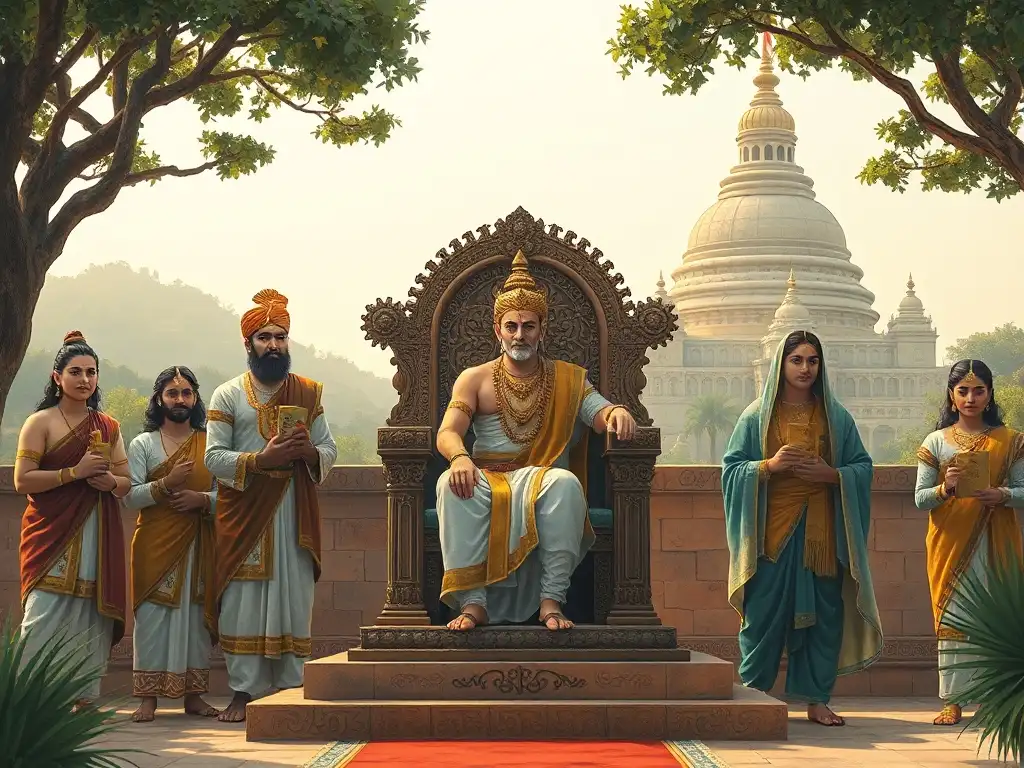
The Role of Ashoka’s Sons and Daughters
Ashoka the Great, renowned for his transformative reign, was not only a powerful emperor but also a devoted father. His children, particularly his sons, played pivotal roles in shaping the future of India. The most notable among them are Mahinda and Sanghamitra, who ventured beyond the Indian subcontinent to propagate Buddhism.
- Mahinda:
- As Ashoka's eldest son, Mahinda was instrumental in spreading Buddhism to Sri Lanka. His mission was significant in establishing a strong Buddhist foundation on the island, which continues to thrive today.
- He is credited with converting King Devanampiya Tissa, the ruler of Sri Lanka, to Buddhism, which led to the widespread acceptance of Buddhist teachings throughout the region.
- Sanghamitra:
- Mahinda's sister, Sanghamitra, also played a crucial role in the propagation of Buddhism. She is said to have taken a sapling from the sacred Bodhi tree of Bodh Gaya to Sri Lanka, where it was planted at Anuradhapura, marking the beginning of Buddhism's growth in the region.
- Sanghamitra's influence in establishing monastic communities and educational institutions in Sri Lanka was profound, reinforcing the cultural ties between India and its southern neighbor.
Contributions of Ashoka's Offspring to Indian History
The contributions of Ashoka's family extend beyond their missionary work. They were significant figures in the socio-political landscape of ancient India, with impacts that resonated through generations.
- Political Influence:
- The descendants of Ashoka maintained their influence in Indian politics for centuries. The Mauryan dynasty, founded by Chandragupta Maurya, was bolstered by Ashoka's legacy, which emphasized governance based on Dharma (moral law).
- This philosophical approach to rulership inspired later Indian rulers, who sought to emulate Ashoka's policies of non-violence and welfare.
- Cultural Legacy:
- Ashoka's family helped cement Buddhism's place in Indian culture, which had lasting effects on art, literature, and philosophy. The rock edicts and inscriptions from Ashoka's reign, often highlighting moral and ethical guidelines, were disseminated further by his children, creating a rich historical narrative.
- The establishment of stupas and monastic complexes initiated by Mahinda and Sanghamitra facilitated the growth of Buddhist art and architecture in India and abroad.
- Educational Contributions:
- The family’s efforts in promoting education, especially through the establishment of monasteries as centers of learning, contributed significantly to the cultural and intellectual development of ancient Indian society.
- These centers became hubs for scholars and monks, fostering an environment where knowledge and spiritual teachings flourished, influencing generations of thinkers and practitioners.
Ashoka's family played a crucial role in the propagation of Buddhism, the political landscape, and the cultural evolution of India. Their actions and legacies continue to resonate in Indian history, underscoring the importance of Ashoka's family history in India.
The Influence of Ashoka's Family on Indian Society
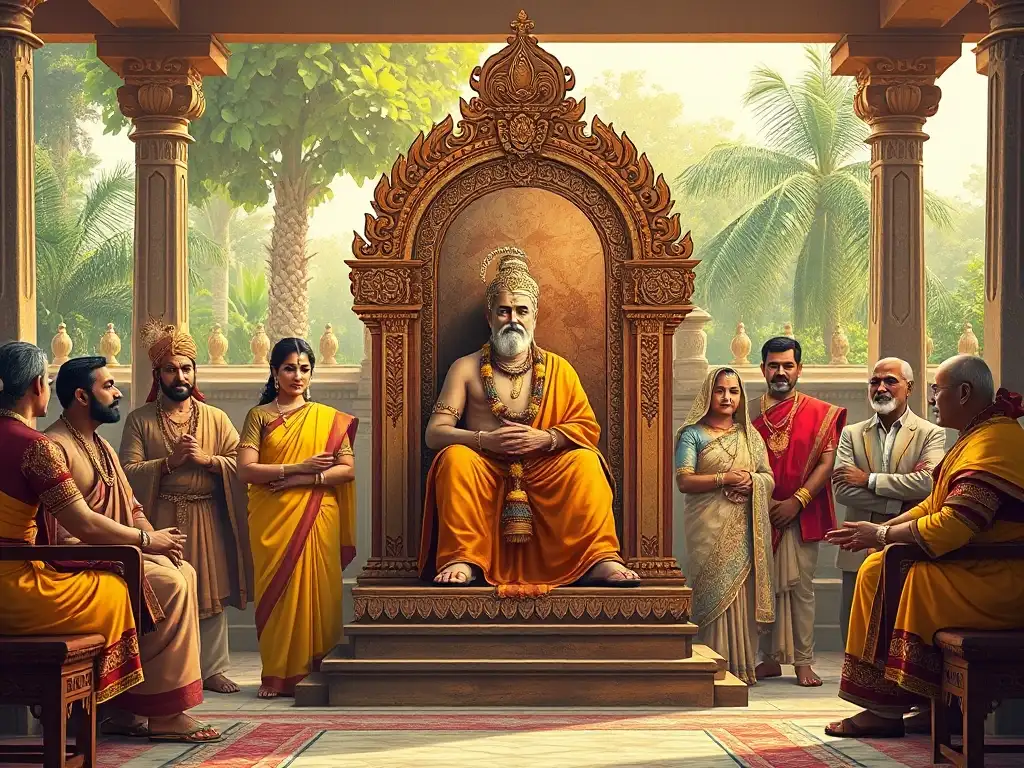
The legacy of Ashoka's family extends far beyond his reign as one of India's most celebrated emperors. The Maurya dynasty, which Ashoka belonged to, played a crucial role in shaping the social, political, and cultural fabric of ancient India. Their influence can still be traced in various aspects of Indian society, from governance structures to philosophical thought and artistic expression.
Political Impact of Ashoka's Lineage on Governance
Ashoka's family set a precedent for governance that emphasized moral leadership and welfare. Following the Kalinga War, Ashoka adopted a policy of Dhamma, which focused on non-violence, tolerance, and public welfare. This approach not only differentiated him from his predecessors but also laid the foundation for future rulers.
-
Centralization of Power:
Ashoka's lineage established a centralized administrative system that allowed for efficient governance across the vast Maurya Empire. The family’s emphasis on bureaucratic efficiency ensured that local governors were held accountable and that resources were distributed effectively.
-
Legal Reforms:
Ashoka's edicts, inscribed on pillars throughout his empire, served as a legal framework that aimed to promote justice and ethical governance. These edicts were instrumental in unifying diverse communities under a common legal structure, thereby enhancing social cohesion.
-
Promotion of Welfare Policies:
The Maurya dynasty, particularly under Ashoka, is noted for its welfare policies. Initiatives such as the establishment of hospitals, irrigation systems, and public rest houses reflected a governance model that prioritized the well-being of its citizens. This legacy influenced subsequent Indian rulers who adopted similar welfare-centric governance styles.
Cultural Contributions of Ashoka’s Family to Ancient India
The cultural contributions of Ashoka’s family were profound and multifaceted, influencing art, religion, and philosophy in ancient India.
-
Spread of Buddhism:
Perhaps the most significant cultural impact was the promotion of Buddhism. Ashoka not only embraced Buddhism after his conversion but also actively fostered its spread through missions to regions beyond India, including Sri Lanka and Central Asia. This expansion facilitated the establishment of a vast network of Buddhist monasteries and educational institutions that became centers of learning and culture.
-
Art and Architecture:
The Maurya dynasty saw a flourishing of art and architecture, characterized by the construction of stupas, pillars, and rock-cut caves. The most notable of these is the Sanchi Stupa, which remains a symbol of Buddhist architectural excellence. The intricate carvings on these structures depicted narratives from Buddhist teachings and the life of Ashoka, thereby reinforcing cultural values through visual art.
-
Philosophical Thought:
The philosophical contributions of Ashoka's family also had lasting implications. The promotion of Dhamma encouraged a discourse on ethics and morality that transcended religious boundaries. This philosophical outlook laid the groundwork for dialogue among various schools of thought in ancient India, fostering an environment of intellectual exchange.
Ashoka's family history in India is marked by significant political and cultural contributions that shaped the trajectory of Indian civilization. Their influence continues to resonate, reflecting a legacy of governance and cultural richness that has endured through the centuries.
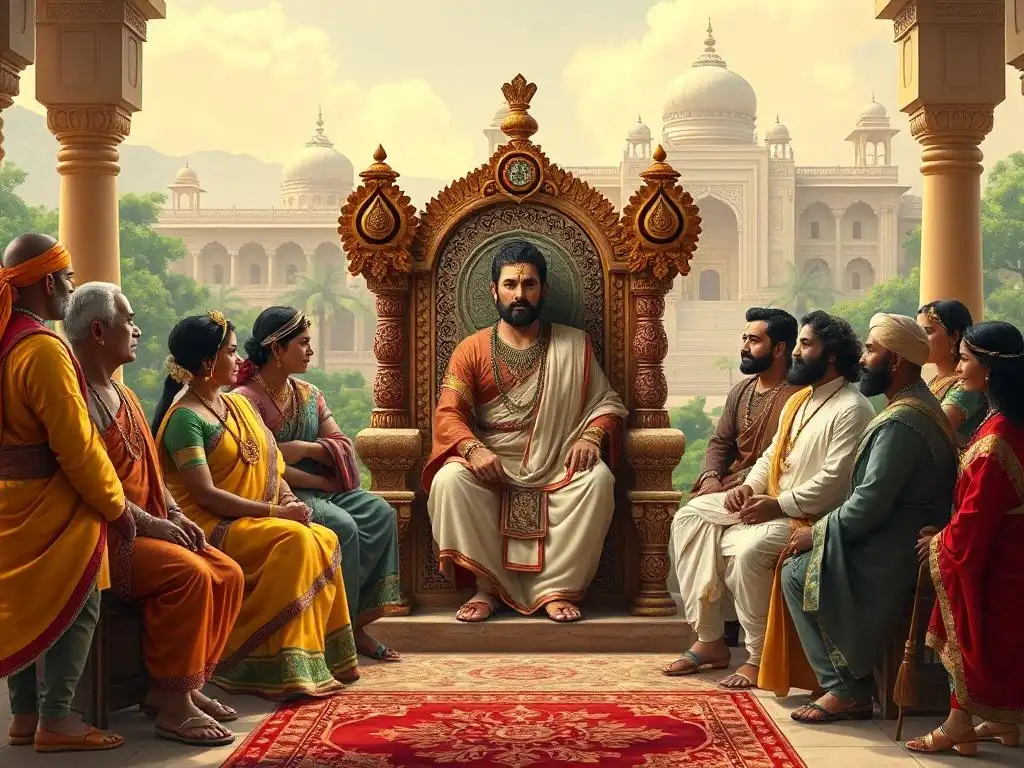
Ashoka's Marriages: Alliances Through Family Ties
Key Marriages and Their Political Importance
Ashoka, the third Mauryan Emperor, is renowned not only for his remarkable reign but also for his strategic marriages that served as crucial political alliances. These unions were instrumental in strengthening the Mauryan Empire's position in ancient India and extending its influence across the subcontinent.
- Marriages to Strengthen Alliances:
- Ashoka's first marriage to Dharma, a daughter of a prominent local ruler, was pivotal in consolidating his power in the region. This marriage helped in securing loyalty from local dynasties, enhancing political stability.
- Another notable marriage was to Vajrayogini, often cited in historical texts as a union that linked Ashoka to the influential Kalinga region. This alliance was particularly significant as it provided a buffer against potential rebellions and invasions from rival kingdoms.
- Diplomatic Ties:
- Marriages during Ashoka's reign were not merely personal but served as diplomatic tools. By marrying women from influential families across various regions, Ashoka was able to create a network of alliances that discouraged warfare and promoted trade.
- These unions often involved dowries that included not just wealth but also military support, further solidifying Ashoka’s authority and the Mauryan Empire's territorial integrity.
- Cultural Integration:
- The marriages also facilitated cultural exchanges, as Ashoka's queens brought diverse customs and traditions into the Mauryan court, enriching the cultural tapestry of the empire.
- This blending of cultures fostered a sense of unity among the diverse populations within the empire, which was crucial for maintaining peace and stability.
The Role of Ashoka's Queens in the Maurya Empire
The queens of Ashoka played a significant role in the administration and cultural life of the Maurya Empire. Their influence extended beyond the domestic sphere, impacting various aspects of governance and society.
- Political Advisors:
- The queens served as trusted advisors to Ashoka, providing insights and counsel on matters of state. Their backgrounds often equipped them with knowledge of regional politics, which Ashoka utilized to his advantage.
- For example, Queen Padmavati, known for her wisdom, was instrumental in advising Ashoka during the Kalinga War, suggesting strategies that ultimately led to a more peaceful approach post-conflict.
- Cultural Patrons:
- Ashoka’s queens were patrons of the arts and education, promoting Buddhism and the dissemination of its teachings throughout the empire. This cultural engagement not only enhanced the spiritual landscape but also reinforced the legitimacy of Ashoka’s rule.
- They supported the establishment of stupas and monasteries, which became centers of learning and cultural exchange, further embedding Buddhism into the fabric of Indian society.
- Social Welfare Initiatives:
- The queens were involved in various social welfare initiatives aimed at improving the lives of the common people. They championed causes such as health care and education, aligning with Ashoka’s vision of a just and ethical society.
- Their contributions to public projects, like the construction of wells and hospitals, demonstrated their commitment to the welfare of the empire's citizens, enhancing the Mauryan legacy.
- Legacy of Influence:
- The influence of Ashoka’s queens can be seen in the subsequent dynasties that followed the Mauryan Empire. Their roles in governance and culture set a precedent for the status of women in Indian society, contributing to a gradual evolution of gender roles in the region.
- The historical narratives surrounding their lives and contributions continue to inspire discussions about the role of women in leadership and governance in ancient civilizations.
Ashoka's family history in India is intricately tied to the strategic marriages and the pivotal roles played by his queens, leaving a lasting impact on the Mauryan Empire and Indian history at large.
Conclusion: The Enduring Legacy of Ashoka's Family History in India
The legacy of Ashoka's family history in India is profound and far-reaching, impacting not only the political landscape of ancient times but also shaping cultural and ethical frameworks that resonate even today. Ashoka, as a ruler of the Maurya Empire, is often celebrated for his transformation from a conqueror to a proponent of peace and Buddhism. His family's history provides a context for understanding how dynastic rule influenced governance, social structures, and religious practices in ancient India.
The Maurya dynasty, through its various rulers, established a foundation for administrative systems and socio-political ideologies that later empires built upon. The ethical principles promoted by Ashoka, particularly through his edicts, advocated for non-violence, compassion, and respect for all living beings. These values have contributed to India's rich tapestry of cultural heritage, influencing contemporary discussions on governance and ethics.
Reflection on the Impact of Ashoka’s Lineage on Modern India
Ashoka’s lineage reflects a pivotal era in Indian history, where the principles of governance began transitioning from mere power to ethical responsibility. This shift is particularly relevant in contemporary India, where democratic principles are rooted in the ideals of justice, equality, and human rights—concepts that can trace their philosophical lineage back to Ashoka’s reign.
Ashoka's promotion of Buddhism created an environment where philosophical inquiry flourished, leading to advancements in art, architecture, and literature. The stupas and rock edicts serve as historical reminders of this rich cultural heritage. The impact of Ashoka's family history is still visible in modern India, where the lion capital from his edicts serves as the national emblem, symbolizing courage and power.
Moreover, Ashoka's emphasis on religious tolerance and coexistence resonates in a diverse nation like India today, where multiple religions and cultures coexist. By understanding the nuances of Ashoka's family history, modern citizens can appreciate the foundational values that encourage dialogue and harmony among various communities.
The Significance of Understanding Ashoka's Family History for Future Generations
Understanding Ashoka's family history is crucial for future generations, as it provides insights into the evolution of Indian civilization. The historical context surrounding Ashoka and his predecessors illustrates the complexities of leadership, governance, and societal values.
- Civic Responsibility: Learning about Ashoka’s transformation from a ruthless conqueror to a benevolent ruler can inspire future leaders to prioritize ethical governance and civic responsibility over mere power and authority.
- Cultural Heritage: The exploration of Ashoka's family history contributes to a deeper understanding of India’s cultural heritage. Recognizing the contributions of the Maurya dynasty can foster a sense of pride and identity among the youth.
- Philosophical Inquiry: Engaging with the teachings and principles espoused by Ashoka encourages critical thinking and philosophical inquiry. Future generations can draw on these lessons to address contemporary social and political issues.
- Unity in Diversity: Finally, Ashoka's legacy of religious tolerance and coexistence can serve as a guiding principle for promoting unity in India’s diverse society. It emphasizes the importance of respecting different beliefs and traditions, thus fostering a more harmonious society.
The study of Ashoka's family history is not merely an exploration of the past but a vital link to understanding the values that continue to shape Indian society. It serves as a reminder of the enduring impact of leadership grounded in ethics, compassion, and a commitment to the greater good.
Frequently Asked Questions
What is Ashoka's significance in Indian history?
Ashoka, known as Ashoka the Great, was a prominent ruler of the Maurya Dynasty who played a crucial role in spreading Buddhism and promoting non-violence across India and beyond.
Who were Ashoka's ancestors?
Ashoka descended from the Maurya Dynasty, founded by his grandfather Chandragupta Maurya, who established one of the largest empires in ancient India, shaping its political landscape.
How did Ashoka's family influence his reign?
Ashoka's family, particularly his father Bindusara, instilled in him the values of leadership and governance, which he later adapted to promote peace and prosperity during his rule.
What are some contributions of Ashoka's lineage?
The lineage of Ashoka contributed significantly to art, architecture, and administration, with notable achievements like the Ashoka Pillars and the spread of Buddhist teachings throughout Asia.
How did Ashoka's family history impact modern India?
Ashoka's family history laid the foundation for cultural and religious unity in India, with his principles influencing contemporary values of tolerance and non-violence in Indian society.
Final Reflection: The Enduring Legacy of Ashoka's Family History in India
Ashoka's family history in India is not just a tale of royal lineage; it is a profound narrative that continues to resonate with the values of peace, tolerance, and governance today. In a world often marked by conflict and division, the principles championed by Ashoka and his descendants serve as a guiding light, reminding us of the power of compassion and ethical leadership. The relevance of their legacy is palpable in contemporary discussions about governance, social justice, and cultural identity.
Clearly, the influence of Ashoka's family extends far beyond the annals of history; it shapes the cultural and social fabric of modern India. The ideals of non-violence and moral authority that Ashoka espoused have inspired countless movements and leaders throughout the ages. As Mahatma Gandhi once said, Non-violence is the greatest force at the disposal of mankind.
This sentiment echoes the teachings of Ashoka, illustrating how deeply intertwined their legacies are in the quest for a just society. The stories of Ashoka's family remind us that history is not merely a record of the past but a living force that continues to mold our present and future.
As we reflect on the lessons from Ashoka's family history, let us invite ourselves to embody the values they represented. Consider how you can integrate compassion, ethical decision-making, and a commitment to peace in your own life. Whether through community service, advocacy for social justice, or simply fostering understanding in your daily interactions, each of us has the power to contribute to a more harmonious world. Embrace the legacy of Ashoka's family and let it inspire you to shape a future that honors their vision of unity and compassion.
Unveil the Legacy: Take Action Today!
Thank you for taking the time to explore the remarkable lineage of Ashoka's family and their profound influence on India's history. We hope you've discovered inspiring insights that enrich your understanding of this pivotal era. Now, let's take steps to further engage with this legacy!
- Dive deeper: Read more about the significant contributions of Ashoka's descendants. You can start by exploring our detailed articles on notable emperors and their achievements.
- Join the conversation: Share your thoughts on Ashoka's impact in the comments below! Engaging with others can enhance your understanding and spark new perspectives.
- Spread the word: Share this article with friends and family who have an interest in history! Utilize social media platforms to cultivate a community of history enthusiasts.
In what ways do you think the teachings of Ashoka can inspire positive societal change in today's world?