
What We Can Learn from the Indus Valley Civilization's Sustainability Practices

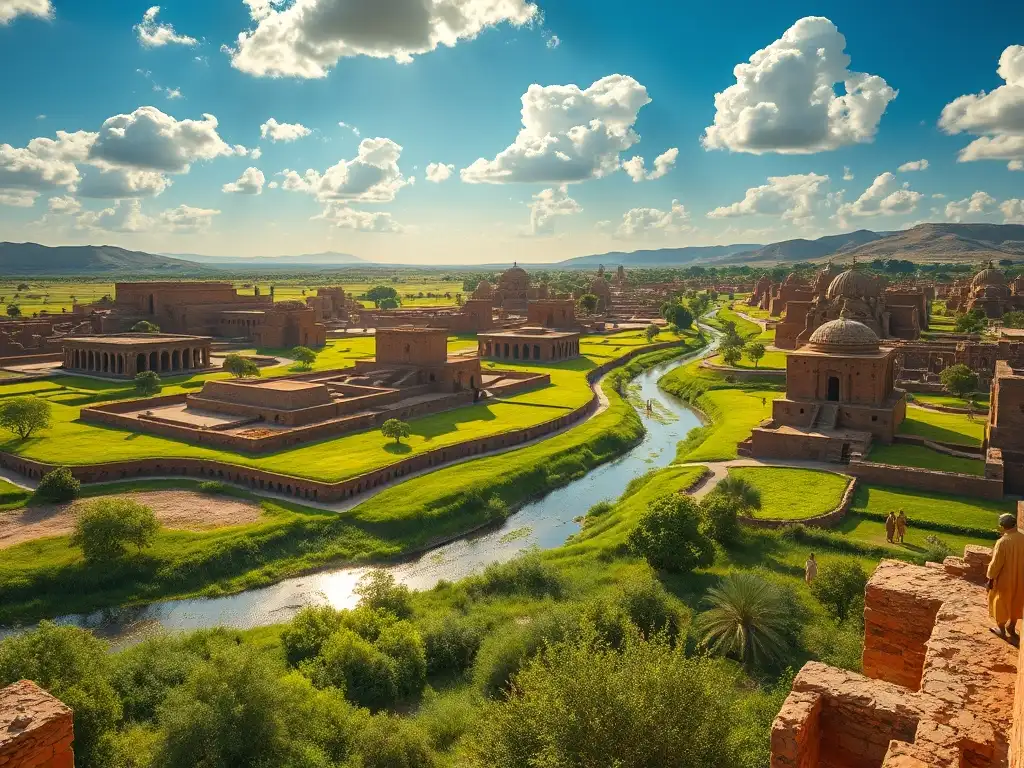
Welcome to Ancient India History, where we dive deep into the remarkable tapestry of ancient Indian civilizations. Today, we invite you to explore the fascinating sustainability practices of the Indus Valley Civilization—a society that thrived thousands of years ago yet holds invaluable lessons for our modern world. What innovative strategies did these early inhabitants employ to harmonize with their environment?
As you embark on this journey through time, prepare to uncover insights that not only highlight their remarkable achievements but also challenge us to rethink our own relationship with sustainability. Read on to discover how the ancient past can illuminate our path to a more sustainable future!
- Introduction to Indus Valley Civilization's Sustainability Practices
- Key Features of Indus Valley Sustainability Practices
- Social and Cultural Aspects of Sustainability
- Lessons from Indus Valley Sustainability Practices
- Challenges Faced by the Indus Valley Civilization
- Conclusion: Embracing Indus Valley Sustainability for Future Generations
-
Frequently Asked Questions
- What were the primary sustainability practices of the Indus Valley Civilization?
- How did the Indus Valley Civilization manage its water resources?
- What role did urban planning play in their sustainability?
- Can we apply the lessons from the Indus Valley Civilization to modern sustainability efforts?
- What contributions did the Indus Valley Civilization make to agriculture?
- Final Reflection: Embracing the Wisdom of Indus Valley Sustainability Practices
- Embrace Sustainable Wisdom from the Indus Valley!
Introduction to Indus Valley Civilization's Sustainability Practices
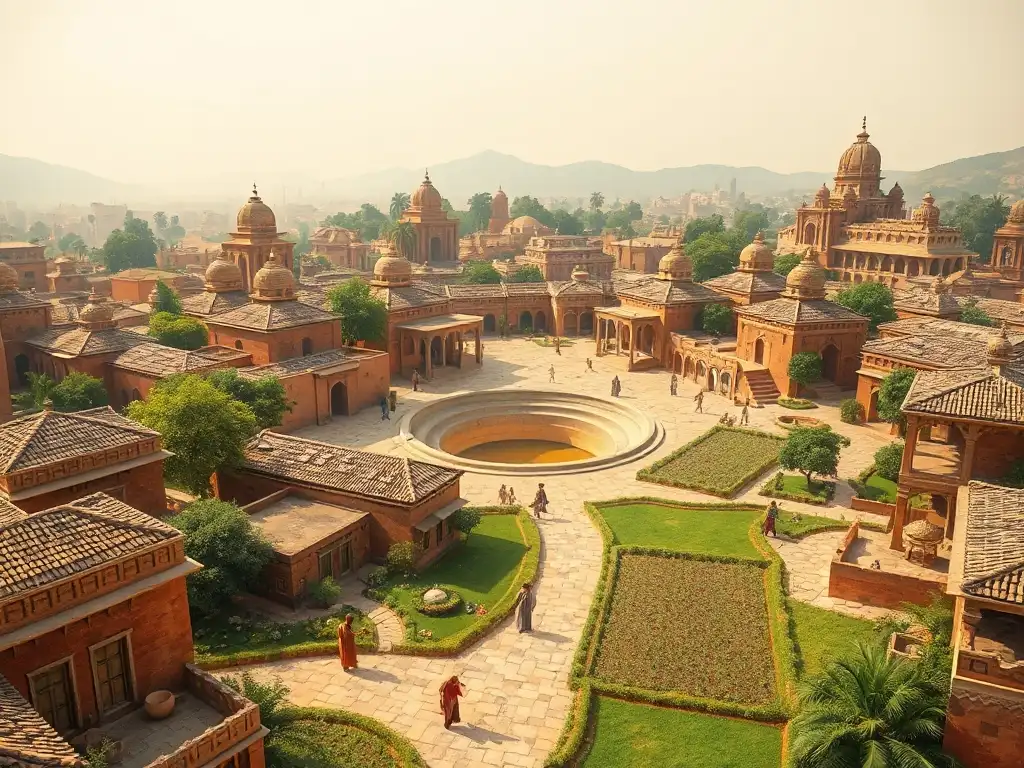
The Indus Valley Civilization (IVC), one of the world's earliest urban cultures, flourished between 3300 and 1300 BCE in what is now modern-day Pakistan and northwest India. Renowned for its advanced urban planning, architecture, and social organization, the IVC also exhibited remarkable sustainability practices that are increasingly relevant in today's context of environmental challenges.
This article delves into the sustainable methods employed by the Indus Valley inhabitants, illuminating their innovative approaches to resource management, agriculture, and urban living. By understanding these practices, we can gain valuable insights into how ancient civilizations thrived in harmony with their environment, offering lessons that can be applied in our pursuit of sustainability today.
Overview of the Indus Valley Civilization
The Indus Valley Civilization is characterized by its sophisticated city layouts, including the well-planned cities of Harappa and Mohenjo-Daro. These cities featured:
- Grid-patterned streets: Streets were laid out in a grid pattern, indicating advanced urban planning.
- Drainage systems: The use of intricate drainage systems showcased their understanding of sanitation and hygiene.
- Public baths: The Great Bath of Mohenjo-Daro is a testament to their emphasis on cleanliness and societal norms.
Key Features:
- Agriculture: The IVC thrived through agriculture, cultivating crops such as wheat, barley, and cotton, which contributed to their economic stability.
- Trade: They engaged in extensive trade networks, both within the region and with distant cultures, facilitating the exchange of goods and ideas.
- Craftsmanship: The artisans of the IVC produced high-quality pottery, jewelry, and textiles, reflecting their advanced skills and cultural sophistication.
Understanding the multifaceted aspects of the Indus Valley Civilization provides insight into their sustainable approaches, which were deeply integrated into their daily lives and societal structures.
Importance of Sustainability in Ancient Civilizations
Sustainability practices in ancient civilizations, particularly in the Indus Valley, were crucial for their survival and prosperity. These practices demonstrated a deep understanding of ecology and resource management, which ensured that communities could thrive without depleting their environment.
Key Aspects:
- Resource Management: Efficient use of water resources through sophisticated irrigation systems allowed agriculture to flourish in arid conditions.
- Biodiversity: The cultivation of diverse crops helped maintain soil health and provided a stable food supply.
- Community Collaboration: Sustainable practices often relied on collective effort, fostering strong community ties and shared responsibility.
By examining the sustainability practices of the Indus Valley Civilization, we can uncover enduring principles that resonate with contemporary efforts to create a more sustainable future. The lessons from their ingenuity and adaptability continue to inspire modern approaches to sustainability, emphasizing the importance of harmony between human societies and their environments.
Key Features of Indus Valley Sustainability Practices
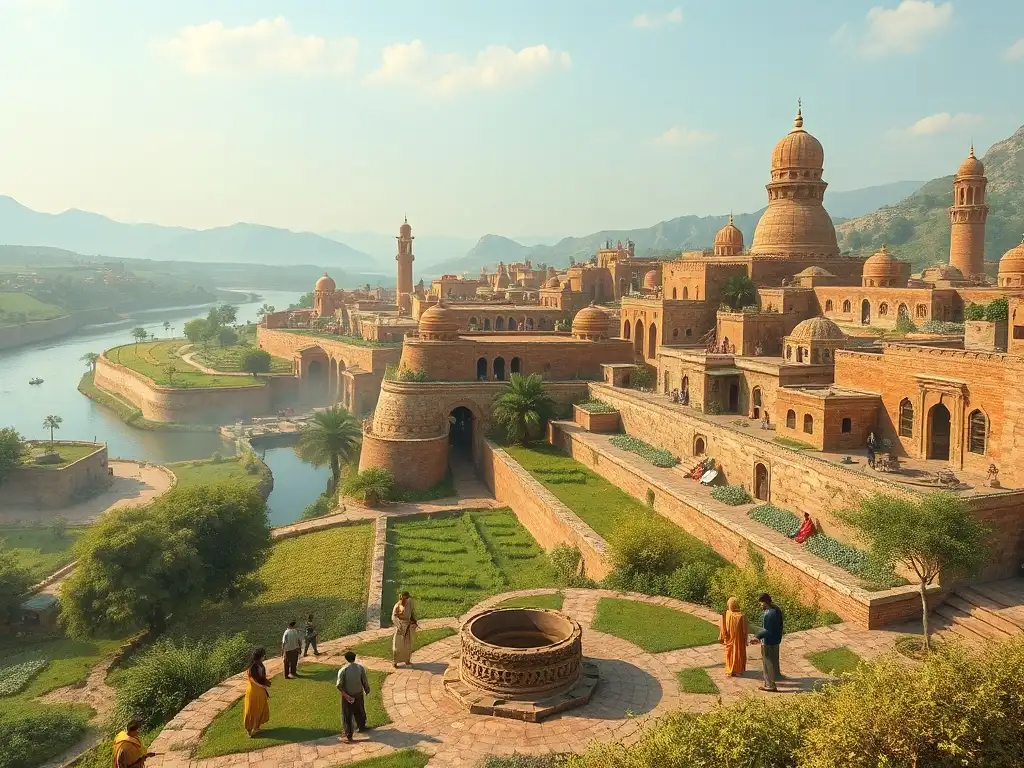
The Indus Valley Civilization (IVC), flourishing around 2500 BCE to 1900 BCE, is celebrated for its remarkable sustainability practices that reflect a profound understanding of ecological balance. These practices were integral to their urban planning, water conservation, and agricultural methods, which collectively contributed to the longevity and prosperity of this ancient civilization. Below, we explore the key features of Indus Valley sustainability practices.
Urban Planning and Environmental Management
The urban planning of the Indus Valley Civilization demonstrates a sophisticated approach to sustainability. Cities like Mohenjo-Daro and Harappa were meticulously planned with a grid layout, wide streets, and advanced drainage systems, showcasing an early understanding of urban environmental management.
- Grid Layout: The cities were built on a grid pattern, allowing for efficient movement and resource management. This layout minimized congestion and facilitated effective waste management.
- Drainage Systems: One of the most notable features was the complex drainage system, which included covered drains running along the streets. These drains were connected to individual homes, effectively managing wastewater and preventing stagnation, thus reducing health risks from waterborne diseases.
- Building Materials: The IVC utilized locally sourced materials, such as baked bricks made from mud and clay, which were not only durable but also environmentally friendly. This practice minimized the carbon footprint associated with transportation and construction.
The combination of these urban planning elements highlights the IVC's commitment to creating a livable and sustainable environment, which can serve as a model for modern urban design.
Water Conservation Techniques in the Indus Valley
Water conservation was a critical aspect of the Indus Valley Civilization, shaped by the region's geographic and climatic conditions. The civilization developed several innovative techniques to manage and conserve water resources.
- Reservoirs and Tanks: The construction of large reservoirs and water tanks enabled the storage of rainwater and runoff. These structures were vital for irrigation and daily water supply, ensuring that communities had access to water year-round.
- Rainwater Harvesting: Evidence suggests that the IVC practiced rainwater harvesting, channeling rainfall to storage systems. This method enhanced water availability during dry seasons, demonstrating their foresight in resource management.
- Well Systems: The presence of numerous wells throughout the cities indicates advanced groundwater extraction techniques. These wells were strategically located to serve different neighborhoods, ensuring equitable access to water.
The implementation of such water conservation techniques highlights the civilization's adaptive strategies for living in harmony with their environment, ensuring sustainability for future generations.
Agricultural Innovations and Sustainable Farming Methods
Agriculture was the backbone of the Indus Valley Civilization, and its sustainable farming methods played a crucial role in supporting the population. The IVC employed several agricultural innovations that exemplified their commitment to sustainability.
- Crop Rotation and Diversity: Archaeological evidence indicates that the IVC practiced crop rotation and cultivated a variety of grains, including wheat, barley, and pulses. This approach not only maximized soil fertility but also mitigated the risks associated with monoculture.
- Irrigation Systems: The civilization developed sophisticated irrigation methods, including canals and levees, to channel water from rivers to fields. This practice ensured reliable water supply for crops, particularly during fluctuating monsoon seasons.
- Organic Fertilizers: The use of organic materials, such as compost and manure, for fertilization reflects an early understanding of soil health and nutrient cycling. This practice not only enriched the soil but also reduced dependence on chemical fertilizers, promoting ecological balance.
The agricultural innovations of the Indus Valley Civilization illustrate a deep-rooted commitment to sustainable farming practices, which modern agriculture can learn from in addressing contemporary challenges related to food security and environmental impact.
The sustainability practices of the Indus Valley Civilization provide valuable insights into how ancient societies managed their resources. Their innovative approaches to urban planning, water conservation, and agriculture continue to inspire sustainable practices in the modern world.
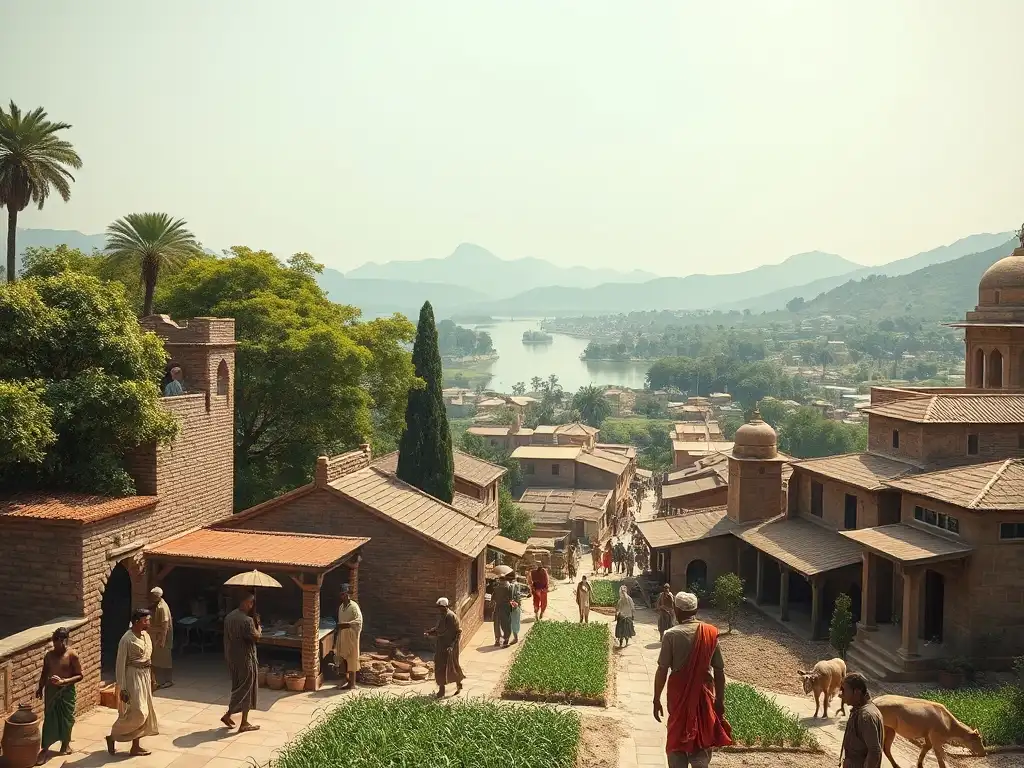
The Indus Valley Civilization (IVC) is renowned not only for its advanced urban planning and architecture but also for its remarkable social and cultural practices that contributed to sustainability. Understanding these aspects offers valuable insights into how ancient societies can inform modern sustainability efforts.
Community Roles in Sustainability Practices
In the Indus Valley, community involvement was pivotal in implementing sustainability practices. The society was organized into various roles that facilitated environmental stewardship.
- Water Management: The IVC is famous for its sophisticated drainage and water management systems. Communities collaborated to construct wells, reservoirs, and drainage systems, ensuring that water was conserved and distributed efficiently. Each neighborhood likely had designated individuals responsible for maintaining these systems, highlighting a communal responsibility toward resource management.
- Agricultural Practices: Agriculture was the backbone of the Indus economy, with crops like wheat, barley, and cotton being cultivated extensively. Communities practiced crop rotation and used organic fertilizers to enhance soil fertility, demonstrating a deep understanding of sustainable agricultural methods. Additionally, the cultivation of diverse crops helped maintain ecological balance and food security.
- Craft Specialization: The division of labor in the IVC allowed for specialized craftsmanship, which encouraged local production and reduced the need for resource depletion. Artisans produced pottery, textiles, and metalwork, fostering a sense of pride in local goods and minimizing the environmental impact associated with long-distance trade.
Trade and Resource Management in the Indus Valley
Trade was a crucial aspect of the Indus Valley Civilization, and its approach to resource management reflects a sophisticated understanding of sustainability.
- Long-Distance Trade Networks: The IVC engaged in extensive trade with neighboring regions, including Mesopotamia and Persia. This trade was not merely for luxury items but included essential resources such as metals, semi-precious stones, and agricultural products. The reliance on trade allowed the Indus people to maintain a balanced ecosystem by not over-exploiting local resources.
- Standardized Weights and Measures: To facilitate trade and ensure fair transactions, the Indus Valley established a system of standardized weights and measures. This practice minimized waste and inefficiencies in resource distribution and ensured that communities traded goods in a sustainable manner, aligning economic interests with environmental responsibility.
- Sustainable Urban Planning: Cities like Harappa and Mohenjo-Daro were strategically planned to optimize resource use. The grid layout of streets, combined with advanced drainage systems, promoted efficient water use and minimized waste. The careful placement of homes and public spaces reflects a community-oriented approach to urban sustainability, ensuring that all citizens had access to necessary resources.
The social and cultural aspects of sustainability in the Indus Valley Civilization illustrate a holistic approach to resource management, community involvement, and trade practices. These ancient sustainability practices provide a wealth of knowledge for contemporary societies aiming to balance economic growth with environmental preservation. By studying the IVC, we can glean significant lessons on fostering sustainable communities that respect both people and the planet.
Lessons from Indus Valley Sustainability Practices
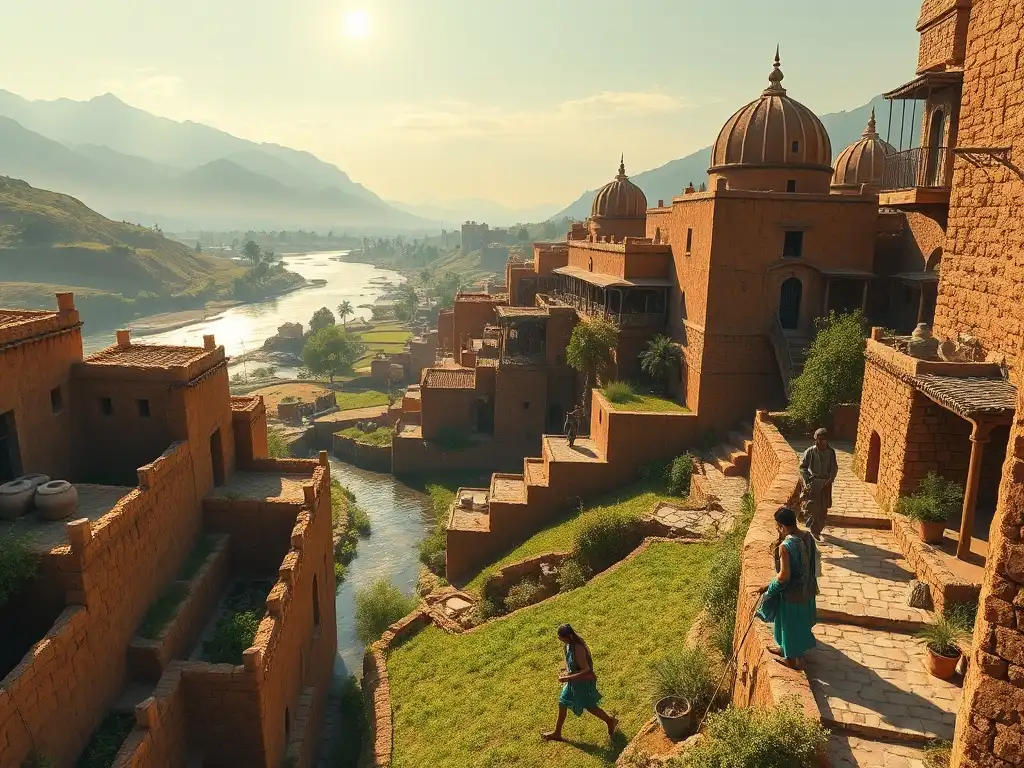
The Indus Valley Civilization, which flourished around 2500 BCE in what is now Pakistan and northwest India, is often hailed for its advanced urban planning and sustainable practices. Its inhabitants demonstrated a remarkable understanding of environmental management, resource conservation, and agricultural techniques that have significant lessons for contemporary society.
Relevance of Ancient Sustainability in Modern Context
The sustainability practices of the Indus Valley Civilization remain profoundly relevant today, as modern societies grapple with the challenges of climate change, resource depletion, and urbanization. By studying these ancient methods, we can glean insights into how communities can thrive while maintaining ecological balance.
- Water Management: The Indus Valley featured sophisticated drainage systems and wells, demonstrating a deep understanding of hydrology. Cities like Mohenjo-Daro had elaborate drainage systems that channeled wastewater away from residential areas, maintaining hygiene and sanitation. This approach underscores the importance of integrated water management systems in urban planning today.
- Agricultural Practices: The civilization employed crop rotation and irrigation techniques that minimized soil degradation and maximized agricultural output. Such practices can inspire modern agricultural strategies aimed at sustaining soil health and enhancing food security in the face of growing populations.
- Urban Planning: The grid-like layout of Indus cities reflects careful consideration of space and resources. Streets were aligned with the cardinal directions, enhancing airflow and reducing heat. This principle can guide sustainable urban development by promoting designs that optimize energy efficiency and reduce carbon footprints.
- Material Use: Indus Valley builders primarily used locally sourced materials, highlighting the benefits of reducing transportation emissions and supporting local economies. This practice is increasingly relevant as contemporary industries seek to minimize their environmental impact.
Strategies for Sustainable Development Inspired by the Indus Valley
To implement sustainable development strategies inspired by the Indus Valley Civilization, we can adopt several key practices:
- Integrated Resource Management: Just as the Indus Valley utilized a holistic approach to manage water, land, and resources, modern initiatives should integrate various environmental factors to create sustainable ecosystems. This could involve:
- Utilizing rainwater harvesting techniques.
- Promoting aquifer recharge through responsible land-use practices.
- Community Engagement: The success of the Indus Valley's sustainability practices relied heavily on community collaboration. Encouraging local participation in decision-making processes can lead to more effective and culturally relevant sustainability initiatives.
- Education and Awareness: Promoting awareness of ancient sustainability practices can inspire contemporary communities to adopt similar methods. Educational programs focused on historical practices and their relevance today can empower individuals to contribute to sustainable development.
- Adaptive Technologies: The Indus Valley’s use of innovative technologies, such as advanced metallurgy and textile production, can inspire modern-day applications of sustainable technologies. This includes:
- Development of biodegradable materials.
- Use of renewable energy sources like solar and wind power.
By embracing the lessons from the Indus Valley Civilization's sustainability practices, modern societies can create resilient, sustainable systems that respect both the environment and the needs of future generations. 🌱
Challenges Faced by the Indus Valley Civilization
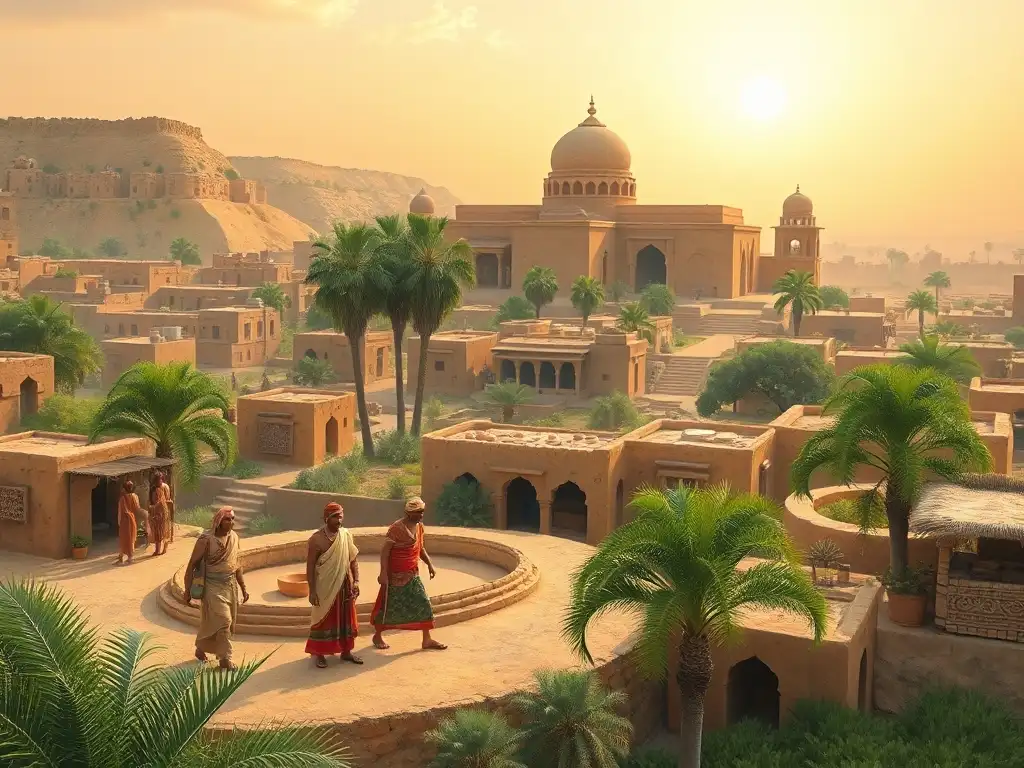
Environmental Challenges and Their Impact on Sustainability
The Indus Valley Civilization (IVC), flourishing from approximately 3300 to 1300 BCE, faced significant environmental challenges that impacted its sustainability practices. Understanding these challenges offers valuable insights into the resilience and adaptability of one of the world's earliest urban societies.
Climate Variability
One of the primary environmental challenges faced by the IVC was climate variability. Archaeological evidence suggests that the region underwent significant climatic changes during the civilization's existence. The most notable was a shift towards arid conditions, which affected agricultural productivity and water availability. The reliance on the monsoon for irrigation meant that fluctuations in rainfall could devastate crops and lead to food shortages.
- Droughts: Prolonged periods of drought likely reduced the flow of rivers, affecting agriculture and water supply.
- Flooding: Conversely, intense monsoon rains could lead to flooding, damaging infrastructure and settlements.
River System Changes
The IVC was strategically located near major river systems, including the Indus River and its tributaries. However, changes in these river systems due to tectonic activity and sedimentation impacted sustainability:
- Sedimentation: Over time, rivers would shift courses or become silted up, diminishing their effectiveness for irrigation.
- Water Management: The civilization's complex drainage systems and wells reflect their attempts to manage water effectively, yet these systems were vulnerable to changing river dynamics.
Resource Depletion
The extensive urbanization of IVC cities, such as Harappa and Mohenjo-Daro, led to significant resource depletion. Deforestation for timber and agricultural expansion may have contributed to soil erosion and loss of arable land. This depletion of natural resources would have made sustainable practices increasingly difficult to maintain.
Lessons from the Decline of the Indus Valley Civilization
The decline of the Indus Valley Civilization offers critical lessons about sustainability and environmental management that are still relevant today. Understanding these lessons can help contemporary societies navigate their own sustainability challenges.
Importance of Adaptation
The IVC demonstrated a remarkable ability to adapt to changing environmental conditions. However, as climate challenges intensified, their adaptive measures were insufficient.
- Diversification of Agriculture: The civilization initially thrived on wheat and barley, but greater biodiversity in crops could have mitigated food shortages during droughts.
- Water Conservation Techniques: Enhanced water management practices, such as rainwater harvesting and the construction of reservoirs, might have prolonged their sustainability.
Socio-Political Organization
The decline of the IVC also highlights the importance of socio-political organization in managing resources. The centralized urban planning and governance initially allowed for efficient resource distribution, but as challenges mounted, effective governance became critical.
- Community Engagement: Engaging local communities in decision-making about resource management could have fostered resilience.
- Conflict Resolution: Addressing potential conflicts over resource allocation was vital. Societies that manage disputes constructively are more likely to maintain stability.
Holistic Environmental Approach
The IVC's downfall illustrates the necessity of a holistic approach to environmental challenges. Sustainable practices should encompass not only agricultural and water management but also socio-economic factors.
- Interconnected Systems: Recognizing the interconnectedness of various systems (agriculture, water, socio-political structures) is essential for long-term sustainability.
- Sustainability Policies: Implementing policies that promote ecological balance can prevent resource depletion and promote harmony between human activities and the environment.
The challenges faced by the Indus Valley Civilization and the lessons derived from its decline underscore the importance of sustainable practices in the face of environmental change. By studying the IVC’s sustainability practices, modern societies can glean insights into effective resource management and the significance of adaptability in the pursuit of sustainability.
Conclusion: Embracing Indus Valley Sustainability for Future Generations
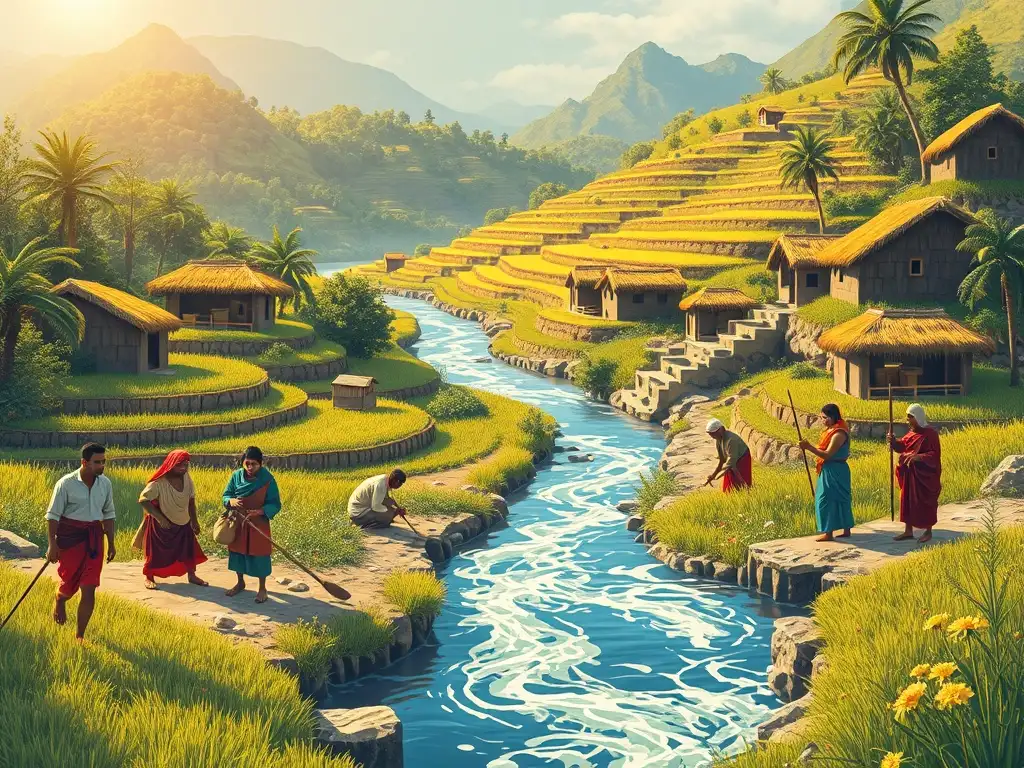
The Indus Valley Civilization stands as a remarkable example of sustainability practices that not only catered to the needs of its time but also laid the groundwork for future generations. The civilization's innovative approaches to urban planning, water management, and agriculture demonstrate a profound understanding of environmental stewardship. By examining these practices, we can glean valuable insights that are particularly relevant in our modern context, where sustainability is a pressing concern.
Final Thoughts on Learning from Ancient Practices
The sustainability practices of the Indus Valley Civilization offer us critical lessons that resonate with contemporary environmental challenges. Their meticulous urban layouts, characterized by grid patterns and advanced drainage systems, highlight the importance of thoughtful city planning. The civilization's emphasis on efficient water management, through the construction of reservoirs and wells, underscores the value of conserving vital resources in an era of increasing water scarcity.
Moreover, the agricultural techniques utilized by the Indus Valley inhabitants, including crop rotation and the use of organic fertilizers, reveal a deep-rooted understanding of soil health and productivity. These practices are not merely historical footnotes; they are blueprints that modern societies can adapt to promote ecological balance and sustainability.
By studying the ways in which the Indus Valley Civilization harmonized its existence with the environment, we can inspire a collective movement towards a more sustainable future. This requires a shift in mindset—an embrace of long-term thinking over short-term gains, fostering a deeper connection with our natural surroundings.
Call to Action: Implementing Sustainable Practices Today
As we reflect on the sustainability practices of the Indus Valley Civilization, we must ask ourselves how we can apply these lessons in our daily lives. Here are some actionable steps that individuals and communities can take to promote sustainability:
- Adopt Water Conservation Techniques: Implement rainwater harvesting systems and promote the use of greywater for irrigation.
- Support Local Agriculture: Choose locally sourced foods and support community gardens that utilize sustainable farming practices.
- Embrace Sustainable Urban Planning: Advocate for green spaces and eco-friendly designs in urban development projects.
- Educate Others: Share knowledge about sustainable practices inspired by ancient civilizations with friends, family, and community members.
By taking these steps, we can honor the legacy of the Indus Valley Civilization and foster a more sustainable world for future generations. 🌱
Frequently Asked Questions
What were the primary sustainability practices of the Indus Valley Civilization?
The Indus Valley Civilization implemented advanced agricultural techniques, efficient water management, and urban planning that emphasized hygiene and sanitation, showcasing their commitment to sustainability.
How did the Indus Valley Civilization manage its water resources?
They constructed drainage systems and water reservoirs to efficiently manage rainwater and ensure a consistent supply, highlighting their sophisticated understanding of hydrology.
What role did urban planning play in their sustainability?
The cities of the Indus Valley, like Mohenjo-Daro, were designed with grid patterns and included features like public baths and waste management systems, reflecting their focus on sustainable urban living.
Can we apply the lessons from the Indus Valley Civilization to modern sustainability efforts?
Yes, the Indus Valley’s practices in resource management and community planning can inform contemporary strategies for achieving sustainable development in urban environments.
What contributions did the Indus Valley Civilization make to agriculture?
They practiced crop rotation, utilized irrigation systems, and domesticated various plants and animals, establishing a foundation for sustainable agriculture that is relevant even today.
Final Reflection: Embracing the Wisdom of Indus Valley Sustainability Practices
The lessons drawn from the Indus Valley Civilization's sustainability practices are not just historical footnotes; they resonate profoundly in today's world. As we grapple with climate change, resource depletion, and urbanization, the innovative methods employed by this ancient society remind us that sustainable living is not a modern invention but a timeless necessity. Their ability to harmonize with their environment serves as a powerful reminder that sustainability is a shared responsibility that transcends time and culture.
Clearly, the Indus Valley Civilization has left an indelible mark on our understanding of sustainable living. Their practices, from advanced urban planning to water management, continue to influence contemporary discussions about ecological balance and resource management. As we navigate our own challenges, we can draw inspiration from their commitment to sustainability. The greatest threat to our planet is the belief that someone else will save it.
– Robert Swan. This quote encapsulates the urgency of our situation and the need for collective action, echoing the communal spirit that the Indus Valley people embodied in their practices.
As we reflect on the insights gained from the Indus Valley Civilization, I invite you to consider how these ancient practices can inform your own life. What steps can you take today to foster sustainability in your community? Whether it's reducing waste, conserving water, or supporting local agriculture, every action counts. Let us honor the wisdom of the past by integrating these lessons into our daily lives, ensuring that we not only learn from history but also actively contribute to a sustainable future for generations to come.
Embrace Sustainable Wisdom from the Indus Valley!
Thank you for exploring the fascinating sustainability practices of the Indus Valley Civilization! You’ve uncovered valuable insights that can inspire our modern world towards a greener future. Ready to take action? Here are some steps you can take to integrate these ancient learnings into your life:
- Start a Sustainability Journal: Document your daily practices and reflect on how you can adopt more sustainable habits, just as the inhabitants of the Indus Valley effectively managed their resources.
- Participate in Local Eco-initiatives: Engage with your community by joining or organizing clean-up drives, workshops, or discussions that promote sustainable living.
- Share Your Knowledge: Raise awareness by sharing this article with friends and family, or consider writing your own insights on how ancient practices can inform today’s sustainability efforts!
How can the lessons from ancient civilizations shape your personal journey towards sustainability? We invite you to share your thoughts in the comments!