
Chandragupta Maurya: The Architect of a Revolutionary Political Framework

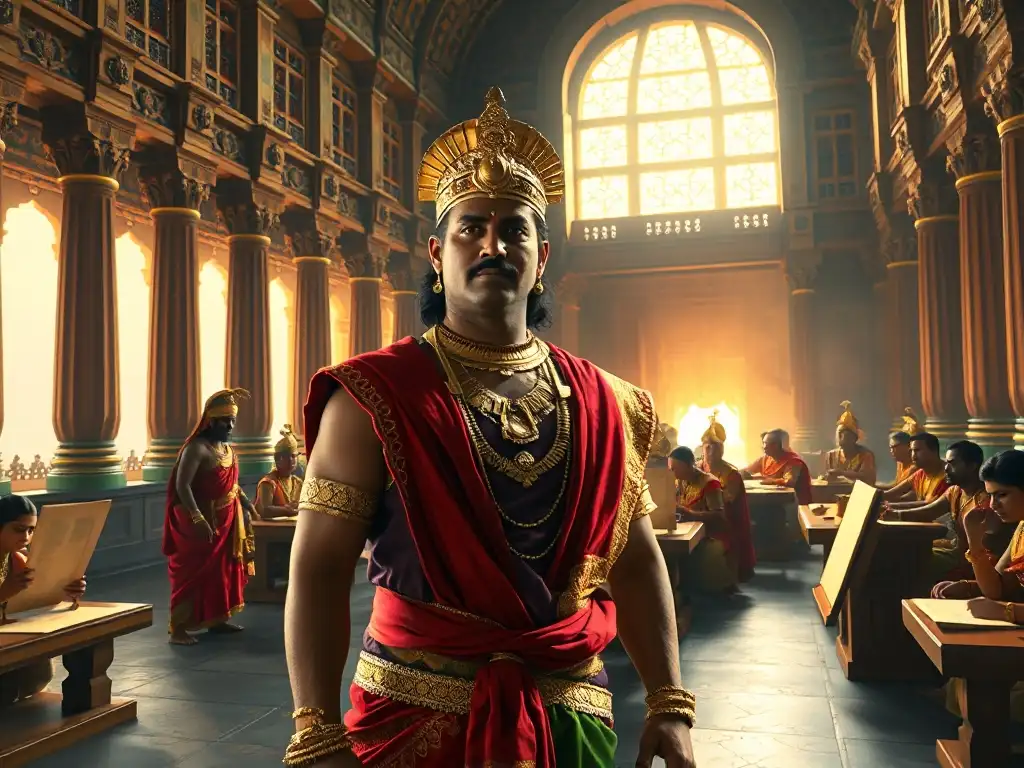
Welcome to Ancient India History, where we embark on a journey through time to uncover the rich tapestry of India's ancient civilizations. In this exploration, we delve into the remarkable life of Chandragupta Maurya, the visionary leader whose political innovations laid the groundwork for a unified empire. How did this extraordinary figure shape the course of history and influence governance in a way that resonates even today?
Join us as we unravel the fascinating details of his revolutionary political framework and its enduring impact on the world. Prepare to be intrigued and inspired as you discover the legacies of ancient India!
- Introduction to Chandragupta Maurya's Political Innovations
- Historical Context of the Maurya Empire
- Chandragupta Maurya's Political Innovations
- The Role of Chanakya in Shaping Political Strategies
- The Impact of Chandragupta Maurya's Political Innovations
- Conclusion: Legacy of Chandragupta Maurya's Political Innovations
-
Frequently Asked Questions
- What were Chandragupta Maurya's major political innovations?
- How did Chandragupta Maurya establish political stability?
- What role did Kautilya play in Chandragupta Maurya's political strategies?
- How did Chandragupta Maurya's innovations impact later Indian political systems?
- Can we see any legacy of Chandragupta Maurya's political framework today?
- Final Reflection: The Enduring Legacy of Chandragupta Maurya's Political Innovations
- Explore the Legacy of Chandragupta and Empower Your Mind!
Introduction to Chandragupta Maurya's Political Innovations
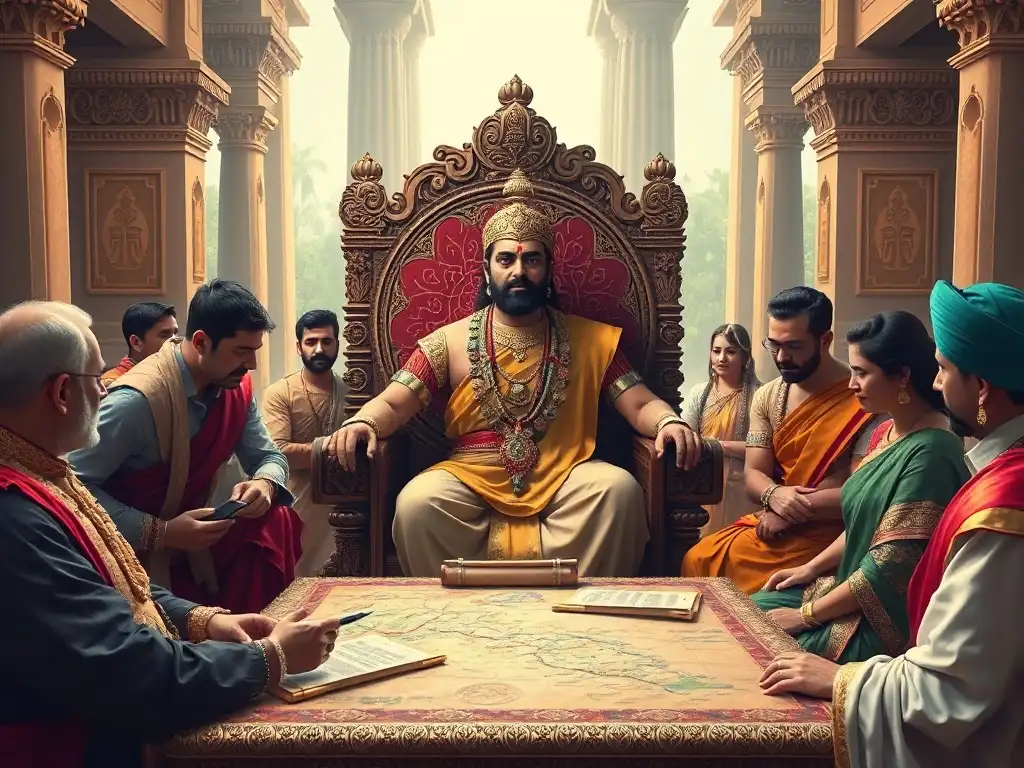
Chandragupta Maurya, often hailed as one of the most pivotal figures in ancient Indian history, revolutionized political thought and governance during his reign in the 4th century BCE. As the founder of the Maurya Empire, he established a framework that not only unified a fragmented subcontinent but also laid the groundwork for future governance in India.
His political innovations were characterized by strategic reforms, administrative efficiency, and the integration of diverse cultures and communities, which were essential in shaping the Mauryan state. This article delves into the remarkable political innovations introduced by Chandragupta Maurya, exploring their significance and lasting impact on the governance of ancient Indian civilizations.
Overview of Chandragupta Maurya's Significance in Ancient India
Chandragupta Maurya's rise to power marks a turning point in ancient Indian history. Emerging from humble beginnings, he successfully overthrew the Nanda dynasty and established the Maurya Empire, which became one of the largest empires in Indian history. His significance can be observed through several key aspects:
- Unification of Territories: Chandragupta's conquests effectively unified northern India, creating a centralized authority that had not been seen before. This unification allowed for better coordination of resources and defense against external threats.
- Innovative Governance: He introduced a bureaucratic system that facilitated efficient administration. By appointing governors to oversee different regions, he ensured that local issues were addressed promptly while maintaining overall control.
- Strategic Alliances: Chandragupta adeptly formed alliances with powerful kingdoms and regional leaders, which not only strengthened his position but also fostered trade and cultural exchange.
- Impact on Future Rulers: His policies and governance style set a precedent for future Indian rulers, including his grandson, Ashoka, who further developed the administrative and ethical framework of the empire.
Importance of Political Frameworks in Ancient Civilizations
Political frameworks are fundamental to the stability and progress of any civilization. In ancient India, the establishment of effective political systems played a crucial role in the development of culture, economy, and social structure. The significance of these frameworks can be highlighted through the following points:
- Order and Stability: A well-defined political structure helps maintain order and stability within a society. By implementing laws and regulations, leaders can manage social behavior and reduce conflicts.
- Economic Development: Political frameworks enable the establishment of trade routes, infrastructure, and resource management, fostering economic growth. For example, Chandragupta's administrative reforms facilitated trade across the Maurya Empire, enhancing prosperity.
- Cultural Integration: Effective governance encourages cultural exchange and integration among diverse communities. Chandragupta’s empire was notable for its religious tolerance and promotion of various cultural practices.
- Legacy of Governance: The political innovations introduced by leaders like Chandragupta Maurya have lasting effects, influencing not only contemporary governance but also shaping the political landscape of future generations.
Through this exploration of Chandragupta Maurya's political innovations and their significance, we can gain a deeper understanding of how ancient Indian civilizations were structured and governed, revealing the complexities and achievements of this remarkable era.
Historical Context of the Maurya Empire
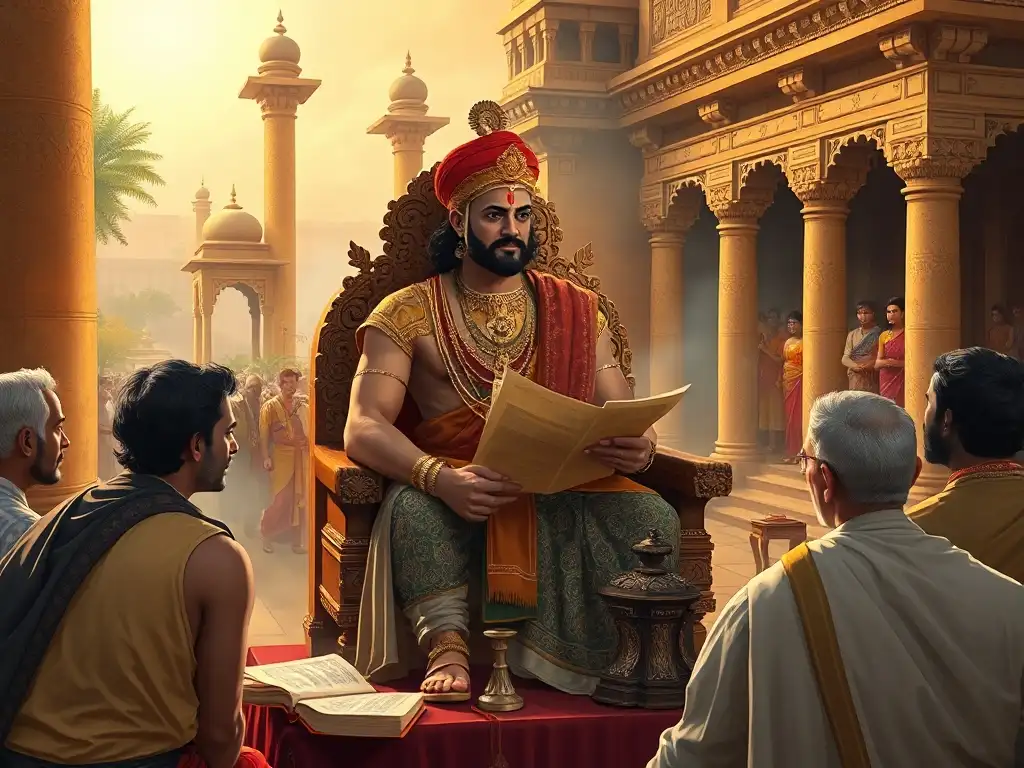
The Maurya Empire, one of the largest and most powerful empires in ancient India, emerged in a period characterized by political fragmentation and social upheaval. Established in the 4th century BCE, the empire laid the groundwork for a centralized political structure that would influence the Indian subcontinent for centuries. Understanding the historical context of the Maurya Empire is essential to appreciate the political innovations introduced by its founder, Chandragupta Maurya.
The Emergence of the Maurya Empire
The Maurya Empire arose in the wake of the decline of the Nanda Dynasty, which had ruled over a significant portion of northern India. Chandragupta Maurya, a young and ambitious leader, capitalized on the discontent among the populace towards the Nandas and sought to unify the fragmented territories of the region. His rise to power was marked by strategic alliances and military conquests, which ultimately led to the overthrow of the Nanda rulers.
Chandragupta’s journey began with the guidance of his mentor, Chanakya (also known as Kautilya), a Brahmin who harbored a deep animosity towards the Nandas. Together, they devised a plan to build a formidable army and gain popular support. This culminated in significant battles, particularly against Dhana Nanda, which established Chandragupta as the ruler of a vast empire.
The establishment of the Maurya Empire was not merely a result of military might; it also represented a significant shift in governance. Chandragupta implemented revolutionary political frameworks that emphasized centralized authority, a move away from the earlier decentralized kingdoms. The empire extended from the eastern parts of India, including Bengal, to the western regions, reaching as far as present-day Afghanistan, which was a considerable achievement for the time.
Key Challenges Faced by Chandragupta Maurya
Despite his successful rise to power, Chandragupta Maurya faced numerous challenges that tested his political acumen and leadership skills. One of the primary challenges was the need to maintain control over a vast and diverse territory. The Maurya Empire included various ethnic groups, languages, and cultures, making governance a complex task. To address this, Chandragupta emphasized the importance of local governance while ensuring loyalty to the central authority.
Another significant challenge was managing external threats. The empire was bordered by powerful entities, including the Seleucid Empire in the west. After the death of Alexander the Great, Chandragupta seized the opportunity to expand his territory, leading to conflicts that required strategic diplomacy and military preparedness. His eventual peace treaty with Seleucus I Nicator, along with the marriage alliance, showcased his innovative approach to foreign relations, balancing warfare with diplomacy.
Internal dissent posed another hurdle. The Maurya Empire, with its rapid expansion, faced resistance from various local rulers and aristocrats who were reluctant to submit to a centralized authority. Chandragupta’s political innovations, particularly as outlined in Chanakya’s Arthashastra, emphasized the use of espionage, intelligence networks, and strategic governance to quell internal unrest.
The emergence of the Maurya Empire under Chandragupta Maurya was a remarkable achievement, driven by the need for unity in a politically fragmented landscape. His ability to navigate through various challenges, including external threats and internal dissent, laid the foundation for his political innovations, which would have a lasting impact on the Indian subcontinent.
Chandragupta Maurya's Political Innovations
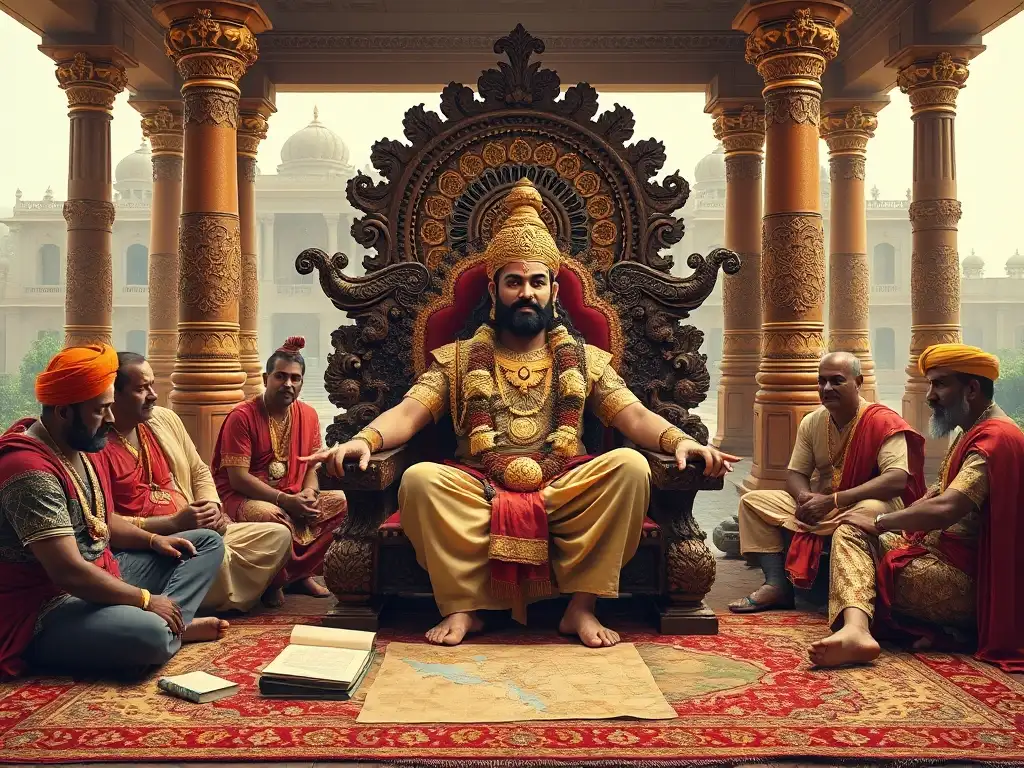
Chandragupta Maurya, the founder of the Maurya Empire, is renowned for his political innovations that laid the groundwork for a powerful and centralized state in ancient India. His strategies encompassed various aspects of governance, including the centralization of power, the establishment of a bureaucratic system, and significant reforms in taxation and revenue collection. Each of these innovations played a critical role in shaping the political landscape of the empire and ensuring its sustainability.
Centralization of Power in the Maurya Empire
One of Chandragupta Maurya's most significant political innovations was the centralization of power, which transformed the fragmented regional states into a cohesive empire. This central authority allowed for more effective governance and control over vast territories. Key elements of this centralization included:
- Unified Legal System: Chandragupta established a uniform legal framework that applied across the empire, which helped to mitigate disputes between different regions and communities. This legal uniformity promoted stability and justice, fostering loyalty among the subjects.
- Military Control: The emperor maintained a strong military presence, which was crucial for both defense and the enforcement of his policies. Chandragupta's army was well-organized and strategically positioned, allowing him to suppress rebellions swiftly and maintain order.
- Royal Authority: The emperor was regarded as the ultimate authority in all matters, which was reinforced through extensive propaganda and the support of powerful advisors, such as Chanakya (Kautilya), who played a pivotal role in consolidating power.
The centralization of power under Chandragupta Maurya not only unified the diverse regions of India but also set a precedent for future empires in the subcontinent.
Establishment of a Bureaucratic System
Chandragupta Maurya's innovations also included the establishment of a sophisticated bureaucratic system that enabled effective administration across the empire. This system was characterized by:
- Divisions of Administrative Responsibilities: The empire was divided into provinces, each headed by a governor (Uparika) who reported directly to the emperor. This hierarchical structure ensured that local governance aligned with central policies.
- Specialized Departments: Various departments were created to handle specific administrative functions, including agriculture, trade, law, and public works. Each department was staffed with qualified officials responsible for implementing policies and collecting data.
- Merit-Based Appointments: The Mauryan bureaucracy emphasized merit-based appointments rather than hereditary positions, promoting efficiency and competence within the administration. This approach not only improved governance but also encouraged loyalty among officials.
Chandragupta's bureaucratic innovations significantly enhanced the administrative capabilities of the Maurya Empire, allowing it to manage extensive territories effectively.
Reforms in Taxation and Revenue Collection
To sustain the vast empire and its administrative machinery, Chandragupta implemented critical reforms in taxation and revenue collection. These reforms were essential for maintaining economic stability and funding state activities. Key aspects included:
- Standardized Taxation System: Chandragupta established a standardized taxation system that ensured a consistent approach to revenue collection across the empire. Taxes were levied on agriculture, trade, and crafts, providing a steady income stream for the state.
- Taxation Rates: The tax rates were carefully calculated to balance the needs of the state with the welfare of the subjects. Historical texts suggest that the tax rate was approximately 25% of the agricultural produce, which was considered fair and manageable for farmers.
- Efficient Revenue Collection: The Mauryan administration developed an effective mechanism for revenue collection, involving local officials who were responsible for collecting taxes and reporting directly to the central authority. This structure minimized corruption and ensured that resources reached the treasury.
Chandragupta's reforms in taxation laid the foundation for a robust economy that supported the Maurya Empire's growth and stability, making it one of the most powerful empires in ancient India.
Military Innovations and Their Political Implications
Chandragupta Maurya’s military innovations were pivotal in establishing the Maurya Empire and shaping its political landscape. His strategic advancements not only enhanced the efficiency of the military but also integrated military power with statecraft, which became a hallmark of his rule.
One of the key military innovations was the formation of a standing army. Unlike previous Indian states that relied heavily on feudal levies and temporary forces, Chandragupta established a full-time, professional army. This allowed for quicker mobilization and a more disciplined fighting force. The standing army was supplemented by a comprehensive system of military training and logistics, ensuring that soldiers were not only well-prepared for battle but also adequately supplied. This restructuring laid the groundwork for the effective administration of military resources, which was crucial for maintaining control over vast territories.
Chandragupta also emphasized the use of war elephants in warfare. These formidable creatures were not only a source of intimidation but also provided tactical advantages in battles. Elephants were used to charge enemy ranks, disrupt formations, and carry archers and generals into combat. Their incorporation into military strategies allowed the Mauryan forces to dominate adversaries and secure victories in significant battles, such as the conquest of the Nanda Empire. The successful use of elephants further solidified Chandragupta's reputation as a formidable military leader.
In terms of intelligence and espionage, Chandragupta pioneered sophisticated methods of gathering information about enemy movements and potential dissent within his own empire. His intelligence network, often referred to as the "Sandhan", included spies who infiltrated enemy ranks, allowing for preemptive strikes and strategic withdrawals. This level of intelligence not only facilitated military success but also ensured political stability, as potential threats could be identified and neutralized before they escalated.
The political implications of these military innovations were profound. By creating a strong, centralized military force, Chandragupta was able to enforce his authority across a diverse and expansive empire. This centralization of power marked a shift from the fragmented political structures of the past, allowing for more cohesive governance. The ability to project military power effectively also deterred potential rebellions and invasions, reinforcing the stability of the Maurya Empire.
Furthermore, Chandragupta's military successes allowed him to negotiate from a position of strength, forging alliances and securing trade routes vital for economic prosperity. The political framework he established, characterized by strong military capabilities, laid the foundation for future rulers and the continued expansion of the Maurya Empire, influencing the political landscape of ancient India for generations to come.
The Role of Chanakya in Shaping Political Strategies
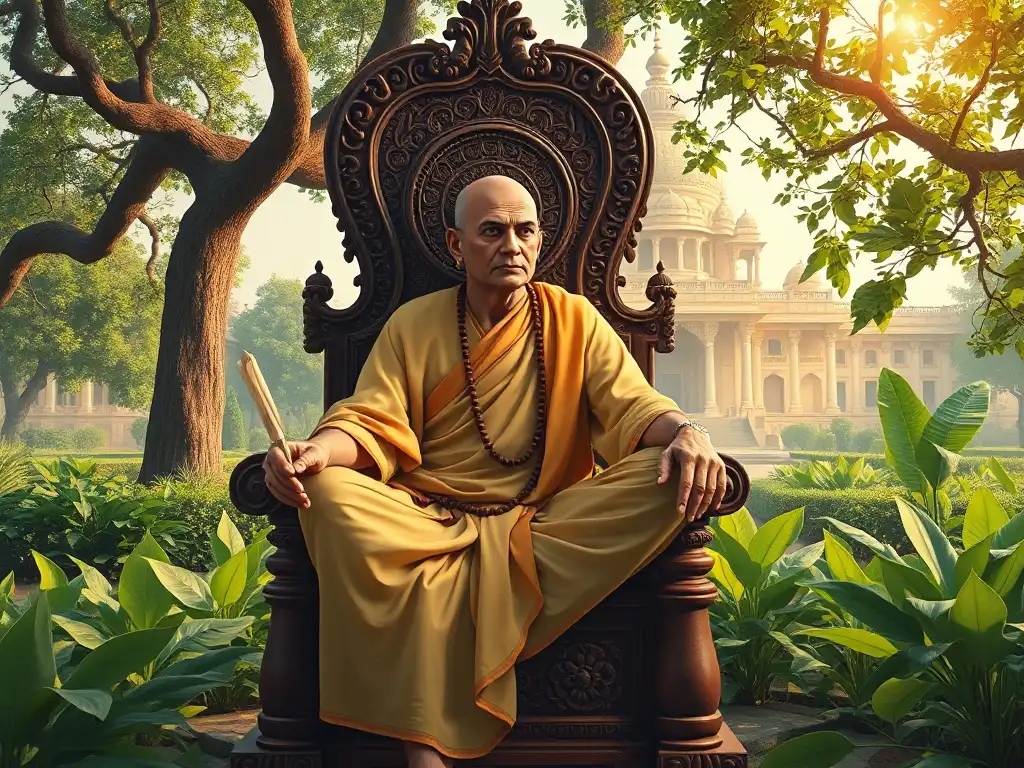
Chanakya's Contributions to Chandragupta Maurya's Success
Chanakya, also known as Kautilya, was a pivotal figure in the rise of Chandragupta Maurya and the establishment of the Maurya Empire. As a philosopher, economist, and statesman, Chanakya's strategic mind and political acumen were instrumental in shaping the political landscape of ancient India. His contributions can be categorized into several key areas:
-
Mentorship and Guidance:
Chanakya served as a mentor to Chandragupta, providing him with the necessary skills and knowledge to navigate the complexities of governance and warfare. His teachings emphasized the importance of cunning, strategy, and adaptability in leadership.
-
Formation of Alliances:
Understanding the significance of alliances, Chanakya advised Chandragupta to form strategic partnerships. He orchestrated alliances with local rulers and influential figures, which strengthened Chandragupta's position against the Nanda Dynasty.
-
Guerrilla Warfare Tactics:
Chanakya introduced innovative tactics of guerrilla warfare, which enabled Chandragupta to engage larger forces effectively. His strategies included surprise attacks and the use of deception, allowing the relatively small Mauryan forces to outmaneuver their opponents.
-
Political Philosophy:
Chanakya's political philosophy was rooted in pragmatism. He believed in the use of realpolitik, where the ends justified the means. This approach allowed Chandragupta to make bold decisions that ultimately led to the overthrow of the Nandas and the establishment of his rule.
-
Administrative Reforms:
Chanakya played a crucial role in shaping the administrative framework of the Maurya Empire. He emphasized the need for a centralized administration, establishing a bureaucracy that was efficient and responsive to the needs of the state.
Through his strategic insights and mentorship, Chanakya not only contributed to Chandragupta Maurya's immediate successes but also laid the groundwork for a lasting political framework that would influence future generations.
The Arthashastra: A Guide to Governance and Strategy
The Arthashastra, authored by Chanakya, is a seminal text that serves as a comprehensive guide to governance, economics, and military strategy. This ancient treatise provides invaluable insights into the political innovations of Chandragupta Maurya and the Maurya Empire. Key aspects of the Arthashastra include:
-
Political Science:
The text outlines the principles of statecraft, emphasizing the importance of a ruler’s wisdom and moral integrity. It discusses various forms of government, the role of the king, and the responsibilities of ministers in administering the state.
-
Economic Policies:
Chanakya recognized the significance of a strong economy in sustaining a powerful state. The Arthashastra details strategies for taxation, trade, and resource management, highlighting how economic stability is crucial for political power.
-
Military Strategy:
The Arthashastra serves as a manual for military tactics, including the organization of troops, the importance of intelligence, and the use of spies. Chanakya’s military strategies were revolutionary, advocating for both offensive and defensive measures.
-
Diplomacy:
Chanakya emphasized the importance of diplomacy in maintaining peace and stability within the empire. The text discusses various diplomatic strategies, such as negotiation and alliance formation, which were crucial in Chandragupta’s consolidation of power.
-
Legal Framework:
The Arthashastra also addresses the legal structures necessary for governance, including the administration of justice, the role of law in society, and the importance of maintaining order.
The Arthashastra not only reflects Chanakya's political innovations but also served as a foundational text that guided Chandragupta Maurya in establishing a robust and effective governance system. Its principles continue to be studied as essential components of political science and strategy today.
The Impact of Chandragupta Maurya's Political Innovations
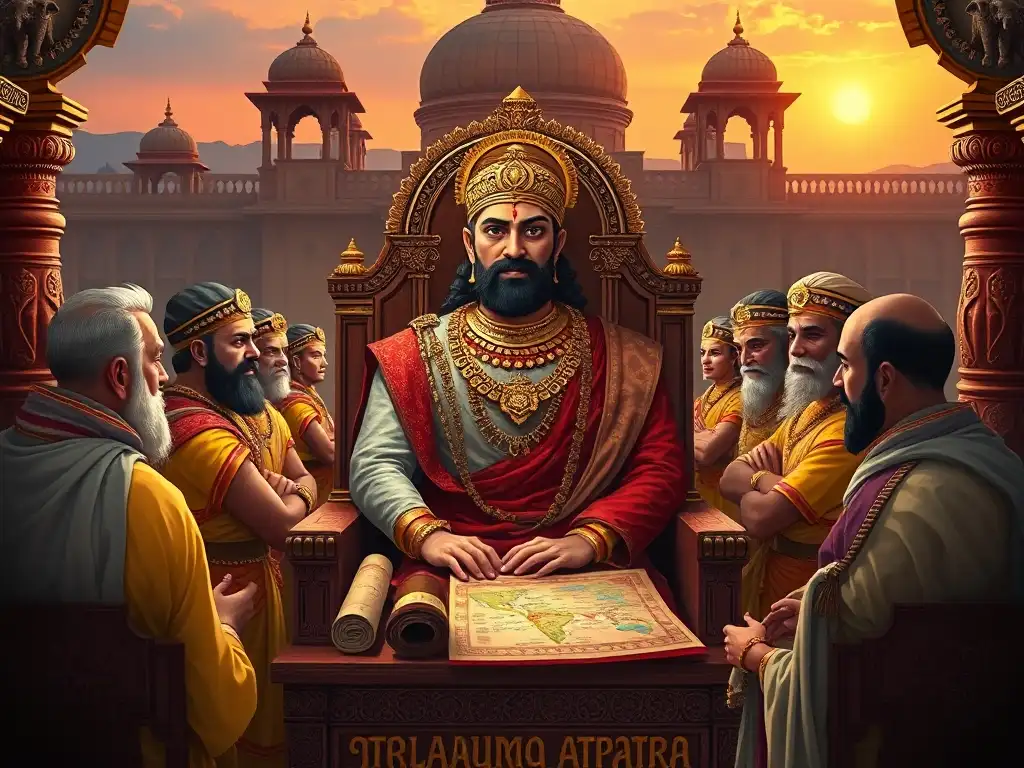
Long-term Effects on the Maurya Empire's Stability
Chandragupta Maurya's political innovations laid the foundation for a robust administrative framework that ensured the stability and longevity of the Maurya Empire. At the heart of his strategy was the establishment of a centralized government, which allowed for efficient governance across vast territories. This centralization facilitated uniform tax collection, law enforcement, and resource distribution, which were critical in maintaining order and fostering economic growth.
One of the most significant innovations was the introduction of a structured bureaucracy. Chandragupta appointed officials to oversee various regions, ensuring that local governance aligned with the central authority. This hierarchical structure allowed for swift decision-making and effective communication, essential for managing the diverse populations within the empire. Additionally, the implementation of a standardized legal system provided a sense of justice and accountability, further enhancing the empire's stability.
Moreover, Chandragupta's military reforms played a pivotal role in securing the empire's borders. By creating a professional standing army, he was able to defend against external threats and quell internal dissent. His strategic fortification of key cities and trade routes not only protected the empire but also promoted trade and commerce, contributing to economic prosperity that reinforced the political framework.
The long-term effects of Chandragupta Maurya's political innovations manifested in a stable and prosperous empire, characterized by strong governance, economic growth, and military security. These elements intertwined to create a resilient political structure that endured beyond his reign.
Influence on Subsequent Indian Dynasties and Empires
Chandragupta Maurya's political innovations significantly influenced subsequent Indian dynasties and empires, setting a precedent for governance that would be emulated by future rulers. His approach to centralized administration and bureaucratic governance became a model for later empires, including the Gupta Empire and the Chola Dynasty.
The Gupta Empire, often regarded as a golden age of Indian civilization, adopted many of Chandragupta's administrative principles. The Guptas maintained a strong central authority while promoting local governance through a system of provincial administration. This balance allowed them to manage a vast empire effectively, mirroring the successful strategies implemented by Chandragupta.
Moreover, the Mauryan emphasis on a codified legal system and uniform taxation influenced the administrative practices of later rulers. The idea of establishing a council of ministers to assist in governance was also an innovation that persisted in various forms throughout Indian history. These councils facilitated informed decision-making, allowing kings to govern more effectively in response to the needs of their subjects.
Chandragupta's legacy extended beyond mere governance; his political innovations instilled a sense of nationalism and identity among the diverse peoples of India. This sense of unity was crucial for the emergence of later empires that sought to integrate various cultures and traditions into a cohesive political entity.
The impact of Chandragupta Maurya's political innovations reverberated through subsequent dynasties, shaping the political landscape of medieval India and influencing the governance structures that followed. His contributions laid the groundwork for a tradition of effective governance that would define the region for centuries to come.
Conclusion: Legacy of Chandragupta Maurya's Political Innovations
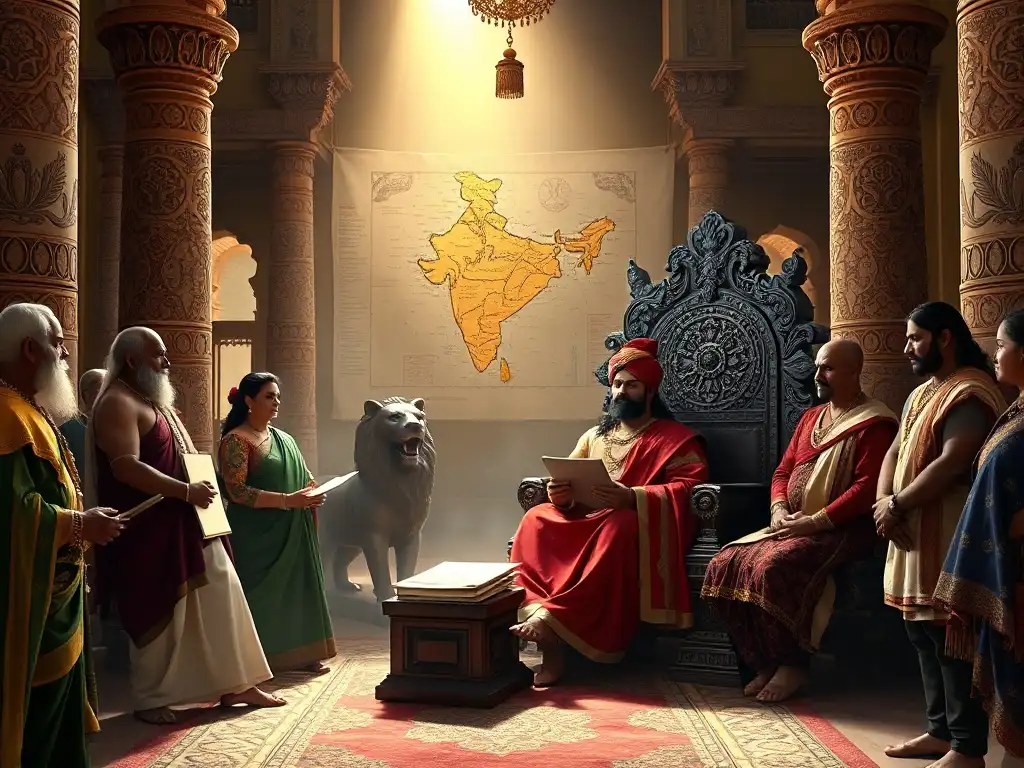
Chandragupta Maurya, as the founder of the Maurya Empire, left an indelible mark on the political landscape of ancient India. His political innovations were not merely administrative changes; they represented a comprehensive overhaul of governance that influenced subsequent rulers and shaped the trajectory of Indian history. The systems he established laid the groundwork for a centralized authority, enabling the Maurya Empire to expand and thrive amid the diverse cultures and regions of the subcontinent.
Summary of Key Contributions to Political Structures
Chandragupta's political innovations were multi-faceted, incorporating elements that enhanced governance and administration. Here are some of his key contributions:
- Centralized Government: Chandragupta established a strong central authority, moving away from the fragmented regional states that characterized earlier Indian politics. This centralization allowed for more cohesive governance across vast territories.
- Bureaucratic System: He implemented a sophisticated bureaucratic framework, which included various ministers and officials responsible for different aspects of administration. This structure ensured that the empire was managed efficiently, with clear lines of responsibility and accountability.
- Legal Reforms: Under Chandragupta, codification of laws became essential. He recognized the need for a uniform legal system to administer justice fairly across his empire, which was crucial in maintaining peace and order.
- Military Organization: He restructured the military, establishing a standing army that was well-trained and organized. This innovation ensured that the empire could defend itself effectively while also enabling swift responses to rebellion or external threats.
- Economic Policies: Chandragupta introduced policies that promoted trade and agriculture, fostering economic stability. His focus on tax collection and resource management contributed significantly to the empire’s wealth.
The ramifications of these innovations were profound, as they not only solidified Chandragupta's rule but also set precedents for future empires in India.
Reflections on the Importance of Leadership in Ancient India
The leadership of figures like Chandragupta Maurya exemplifies the critical role of effective governance in ancient India. His ability to unify diverse factions under a single political entity illustrates the necessity for strong leadership during a time of potential discord. The Maurya Empire's success can be attributed to his vision and strategic thinking, which recognized the importance of both military and administrative reforms.
Moreover, Chandragupta's legacy emphasizes the interplay between leadership and societal stability. His political innovations were not just about power but were aimed at creating a sustainable model that served the needs of his subjects. This focus on governance reflects a deeper understanding of the responsibilities that come with leadership, particularly in a culturally rich and varied landscape like India.
Ultimately, the political innovations of Chandragupta Maurya serve as a reminder of how visionary leadership can reshape societies. His contributions continue to be studied and revered, highlighting the enduring significance of effective governance in the annals of ancient Indian history.
Frequently Asked Questions
What were Chandragupta Maurya's major political innovations?
Chandragupta Maurya introduced a centralized government and a system of administrative divisions that improved governance and law enforcement throughout his empire.
How did Chandragupta Maurya establish political stability?
He built a strong military and utilized alliances with local rulers to consolidate power, ensuring a stable political environment during his reign.
What role did Kautilya play in Chandragupta Maurya's political strategies?
Kautilya, also known as Chanakya, was a significant influence, providing strategic advice and crafting policies that shaped the Mauryan Empire's governance.
How did Chandragupta Maurya's innovations impact later Indian political systems?
His centralized administration and bureaucratic practices laid the groundwork for future Indian empires, influencing governance for centuries.
Can we see any legacy of Chandragupta Maurya's political framework today?
Many aspects of modern Indian governance, such as the emphasis on a strong central authority and administrative organization, can be traced back to Chandragupta's political innovations.
Final Reflection: The Enduring Legacy of Chandragupta Maurya's Political Innovations
Chandragupta Maurya's political innovations remain profoundly relevant today, as they laid the groundwork for governance systems that prioritize unity and strategic administration. In an era where political fragmentation often leads to societal discord, the principles established by Maurya serve as a beacon for contemporary leaders seeking to foster stability and cohesion. His ability to unify diverse regions under a single banner is a testament to the power of visionary leadership in shaping the course of history.
The impact of Chandragupta Maurya's innovations extends far beyond his time, influencing not only the political landscape of ancient India but also resonating in modern governance practices. His methods of administration and statecraft have inspired countless leaders across cultures and epochs. As historian Romila Thapar aptly stated, “The Mauryan Empire was not just a political entity; it was a transformative force that redefined the very essence of governance.” This observation underscores the ongoing relevance of his contributions, reminding us that the frameworks we adopt today can trace their roots back to the revolutionary ideas of the past.
As we reflect on the lessons from Chandragupta Maurya's life and leadership, let us invite ourselves to consider how we can apply these principles in our own contexts. How can we foster unity and strategic thinking in our communities and organizations? Embracing the spirit of innovation and adaptability that characterized Maurya's reign can empower us to navigate the complexities of our modern world. Let us take inspiration from his legacy and strive to be architects of positive change in our own spheres of influence.
Explore the Legacy of Chandragupta and Empower Your Mind!
Thank you for diving deep into the fascinating world of Chandragupta Maurya and his revolutionary political framework! By learning about his impactful strategies, you've taken a significant step in understanding the foundations of governance in ancient India.
Now, it's time to put this knowledge into action! Here are some ideas on how you can further your journey:
- Join a discussion group focused on ancient political strategies and exchange insights about Chandragupta’s influence on governance.
- Read a biography or watch a documentary about his life to gain a broader perspective on his leadership and impact on society.
- Share this article with friends or on social media to ignite conversations about historical governance and its relevance in today's world.
What steps will you take to uncover more about the remarkable leaders who shaped our history?