
The Maurya Empire’s Use of Technology in Administrative Efficiency

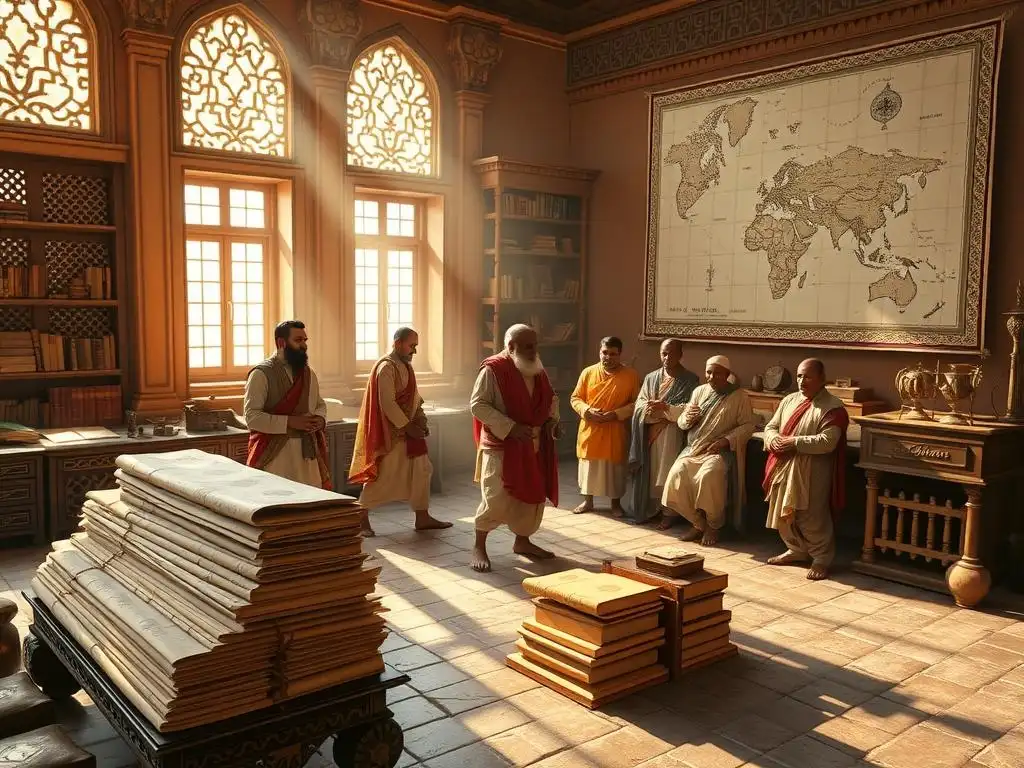
Welcome to Ancient India History, where we embark on a fascinating journey through the rich tapestry of ancient Indian civilizations. Dive deep into the remarkable story of the Maurya Empire and discover how its innovative administrative technology revolutionized governance and efficiency. What secrets lie behind the success of one of history's most powerful empires? Join us as we unravel the layers of administrative prowess that shaped not just the Maurya Empire but the very foundations of modern governance. Get ready to explore, learn, and be captivated!
- Introduction to the Maurya Empire's Administrative Technology
- Key Technologies Used in the Maurya Empire Administration
- The Role of Infrastructure in Administrative Efficiency
- Human Resources and Technological Integration
- Case Studies of Administrative Efficiency in the Maurya Empire
- Legacy of the Maurya Empire’s Administrative Technology
- Conclusion
-
Frequently Asked Questions
- What was the Maurya Empire known for in terms of administrative technology?
- How did the Maurya Empire implement communication technologies?
- What role did record keeping play in the Maurya Empire's administration?
- How did the Maurya Empire influence later administrative practices in India?
- What technological advancements contributed to the Maurya Empire's administrative success?
- Final Reflection: The Enduring Legacy of Maurya Empire Administrative Technology
- Unlock the Secrets of Administrative Innovation!
Introduction to the Maurya Empire's Administrative Technology
The Maurya Empire, one of the most significant empires in ancient Indian history, is renowned for its remarkable administrative structure and innovative use of technology. Spanning from approximately 322 to 185 BCE, this expansive empire not only unified diverse regions but also established a sophisticated governance framework that was pivotal in maintaining its vast territories.
The Maurya Empire administrative technology encompassed various tools and methods that enhanced efficiency, facilitated communication, and ensured effective management of resources and personnel. This article delves into the intricate systems employed by the Mauryan rulers, exploring how these technological advancements contributed to their administrative success and overall governance.
Overview of the Maurya Empire
The Maurya Empire emerged following the decline of the Nanda Dynasty, with Chandragupta Maurya founding it in 322 BCE. This empire marked a significant turning point in Indian history, as it was the first to unify a large portion of the Indian subcontinent under a centralized authority.
The empire reached its zenith under the leadership of Ashoka the Great, who expanded its boundaries and implemented policies that promoted peace and welfare. The Maurya Empire was characterized by:
- Territorial Expansion: At its height, it covered a vast area, including modern-day India, Pakistan, and parts of Afghanistan.
- Cultural Integration: The empire facilitated the exchange of ideas, culture, and trade, leading to a rich tapestry of societal development.
- Innovative Governance: The administrative frameworks established during this era laid the groundwork for future governance in India.
A crucial aspect of the Maurya Empire's success was its ability to leverage technology to enhance administrative practices. This included advancements in record-keeping, communication, and resource management.
Importance of Administrative Efficiency in Ancient Civilizations
In the context of ancient civilizations, administrative efficiency was vital for maintaining order, collecting taxes, and ensuring the welfare of the populace. The Maurya Empire exemplified this through its structured approach to governance:
- Centralized Administration: A well-defined hierarchy allowed for clear accountability and streamlined decision-making.
- Communication Networks: The establishment of roads and messengers facilitated efficient communication across the vast empire, ensuring that orders and information flowed smoothly.
- Record-Keeping Systems: The use of written records and inscriptions played a key role in managing resources and tracking administrative activities.
The focus on administrative efficiency not only contributed to the stability and prosperity of the Maurya Empire but also illustrated the advanced understanding of governance that existed in ancient India. By integrating technological advancements into their administration, the Mauryan rulers set a precedent for future empires, emphasizing the importance of effective governance in sustaining large civilizations.
Key Technologies Used in the Maurya Empire Administration
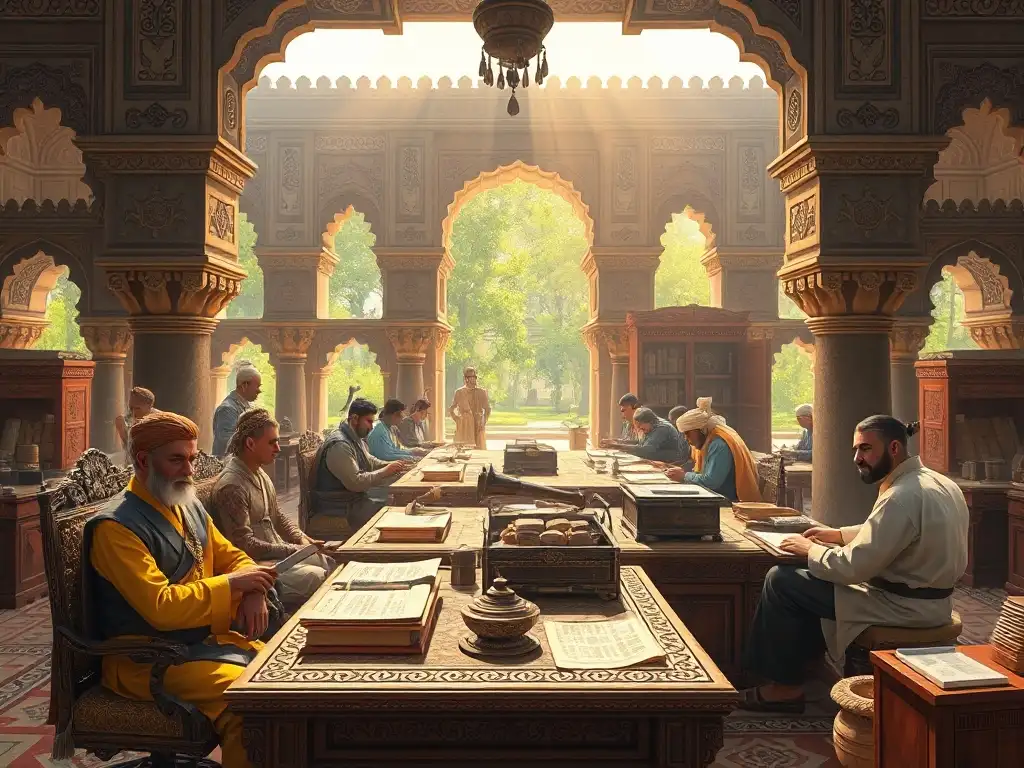
Innovations in Record Keeping
The Maurya Empire, known for its vast territorial expanse and complex governance structures, relied heavily on advanced record-keeping technologies to maintain administrative efficiency. This innovation not only facilitated better management of resources but also enhanced communication across the empire.
Use of Writing Systems
The development and utilization of writing systems were pivotal in the Maurya Empire's administration. The Brahmi script, one of the earliest writing systems in ancient India, was extensively used for documentation and record keeping. This script allowed for the:
- Standardization of Records: Localized governance was made easier as officials could write and maintain standardized records of land revenue, taxes, and other administrative activities.
- Legal Documentation: The ability to document laws and regulations provided a framework for governance, ensuring that the populace was aware of their rights and obligations.
- Cultural Transmission: Written records also facilitated the preservation and transmission of cultural, religious, and philosophical texts, reinforcing the empire's identity.
Development of Administrative Documents
The Maurya Empire's administrative efficiency was further enhanced through the systematic development of various administrative documents. Key types of documents included:
- Land Grants and Tax Records: These documents were essential for managing agricultural production and taxation. They documented land ownership and tax obligations, ensuring a systematic approach to revenue collection.
- Census Records: Conducting regular censuses allowed the Maurya administration to gather data on population distribution and resource allocation, which was crucial for planning and governance.
- Official Correspondence: Letters and decrees issued by the emperor or local governors were documented meticulously, ensuring that directives were clear and could be communicated effectively across the empire.
Communication Technologies
Effective communication was crucial in the vast Maurya Empire, and several technologies were employed to facilitate this.
Messenger Systems and Relay Stations
The Maurya Empire established a sophisticated network of messenger systems, which included:
- Relay Stations: Strategically located relay stations were established along major trade routes and administrative pathways. These stations provided rest and refreshment for messengers, enabling them to carry messages quickly across long distances.
- Horse Riders and Foot Messengers: Fast-moving horse riders and foot messengers were employed to relay messages, which ensured that communications between the capital and provincial governors were timely and efficient. This system was essential for maintaining order and governance across the empire.
Role of Local Governors in Communication
Local governors played a pivotal role in the communication framework of the Maurya Empire. Their responsibilities included:
- Acting as Liaisons: Governors served as intermediaries between the central administration and local populations, ensuring that imperial edicts were understood and implemented at the grassroots level.
- Feedback Mechanism: They were also responsible for reporting local issues back to the central government, allowing for a feedback loop that informed policies and administrative decisions.
- Crisis Management: In times of unrest or natural disaster, local governors were empowered to make quick decisions and communicate directly with the central authority, allowing for a swift response to emerging issues.
The combination of these technologies and communication strategies played a crucial role in the Maurya Empire's administrative efficiency, laying the groundwork for governance practices that would influence future Indian civilizations.
The Role of Infrastructure in Administrative Efficiency
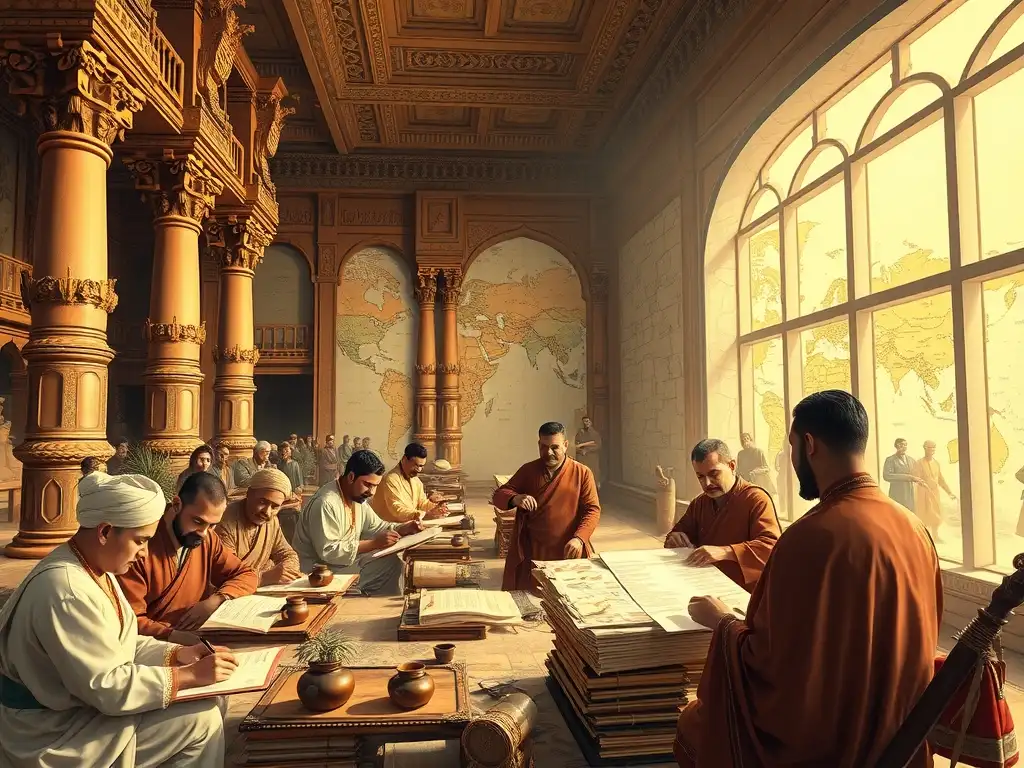
The Maurya Empire, one of the largest and most powerful empires in ancient India, made significant strides in administrative efficiency through its robust infrastructure. Central to this was the establishment of well-planned road networks and urban centers that facilitated governance, trade, and communication across vast territories. These infrastructural developments were pivotal in enhancing the effectiveness of the empire’s administration and ensuring the smooth functioning of its economy.
Road Networks and Trade Routes
The Maurya Empire is renowned for its extensive road networks, which were crucial for maintaining administrative control and promoting economic activities.
Significance of the Grand Trunk Road
One of the most notable achievements of the Mauryan infrastructure was the Grand Trunk Road, which connected different parts of the empire. Originally laid out during the Maurya period, this road facilitated:
- Efficient Communication: The road enabled swift communication between the capital, Pataliputra, and various provincial centers.
- Military Movement: Troops could be deployed rapidly in response to threats, ensuring stability and security.
- Cultural Exchange: The road served as a conduit for the exchange of ideas, culture, and religion, fostering a sense of unity within the diverse empire.
Impact on Trade and Taxation
The road networks significantly boosted trade routes, which in turn had a profound impact on taxation and revenue collection for the Maurya Empire:
- Increased Trade Volume: With improved access to markets, traders could move goods more efficiently, leading to an increase in trade volume.
- Standardized Taxation: The Mauryan administration implemented standardized taxation on trade goods, which streamlined revenue collection and reduced corruption.
- Economic Integration: The connectivity fostered by these routes contributed to economic integration, allowing for the flow of resources from rural to urban centers.
Urban Planning and City Administration
Urban planning during the Maurya Empire was characterized by strategic city layouts that optimized administrative efficiency.
Design of Administrative Centers
The design of Mauryan cities, such as Pataliputra, was meticulously planned to support governance:
- Centralized Administrative Buildings: Cities featured centralized locations for government offices, which improved coordination among officials.
- Residential Zones: Segregated residential areas for different social classes facilitated order and control, allowing for efficient management of urban populations.
- Public Utilities: Well-constructed facilities, such as water supply systems and sewage management, demonstrated the Mauryan commitment to public health and welfare, enhancing citizen satisfaction.
Importance of Public Works in Governance
Public works projects were integral to the Mauryan approach to governance:
- Infrastructure Development: The construction of roads, irrigation systems, and public buildings showcased the empire's commitment to improving quality of life.
- Employment Opportunities: These projects provided employment for local populations, contributing to economic stability.
- Civic Engagement: Public works fostered a sense of ownership and engagement among citizens, reinforcing loyalty to the empire.
The Maurya Empire's investment in infrastructure played a critical role in its administrative efficiency. The combination of extensive road networks and urban planning allowed for effective governance, enhanced trade, and improved public welfare, establishing a legacy that influenced subsequent Indian empires.
Human Resources and Technological Integration
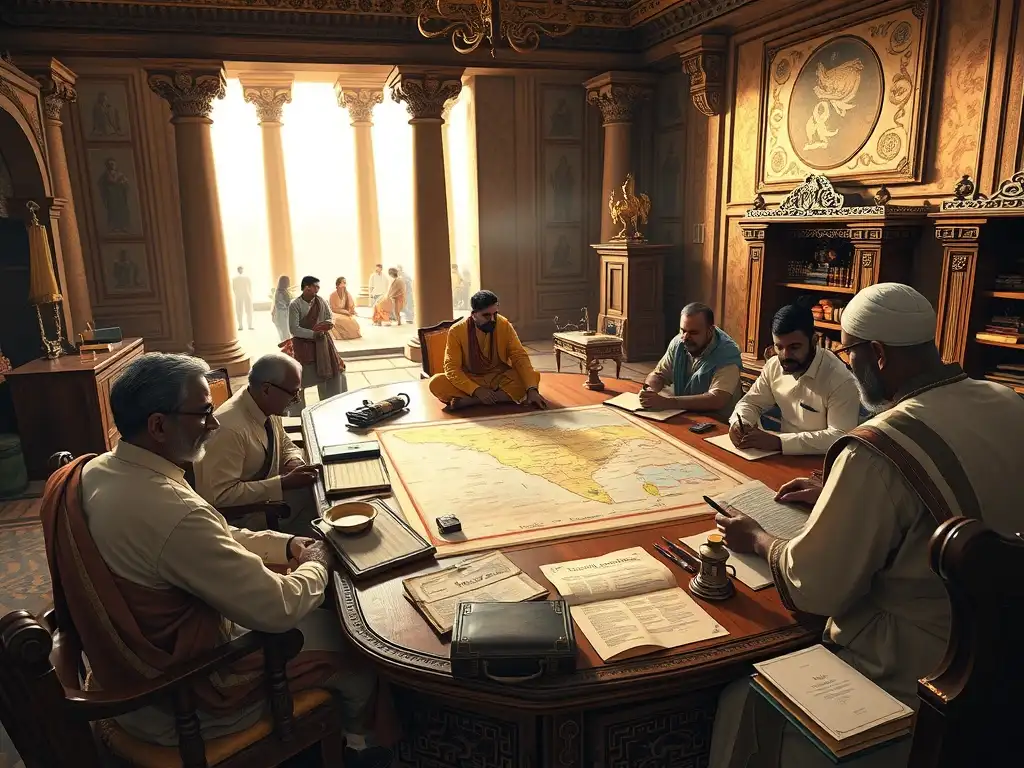
The Maurya Empire is renowned for its sophisticated administrative structure, which was greatly enhanced by the integration of human resources and technology. The efficient functioning of this vast empire relied on a well-trained and effectively recruited workforce that harnessed the potential of various technological innovations. This combination not only streamlined administrative processes but also ensured effective governance across the extensive territories of the Maurya Empire.
Training and Recruitment of Administrative Officials
The Maurya Empire placed significant emphasis on the training and recruitment of administrative officials. A systematic approach was adopted to ensure that capable individuals were selected for various administrative roles. This involved rigorous training programs designed to equip officials with essential skills and knowledge necessary for governance.
Role of Education in Governance
Education played a crucial role in the Mauryan administrative framework. The empire established institutions for higher learning, where prospective administrators could receive training in various disciplines, including law, economics, and military strategy. The education system was aimed at fostering critical thinking and analytical skills among recruits, ensuring that they could effectively address the complex challenges of governance.
Some notable educational practices included:
- Curriculum Development: Subjects were meticulously chosen to prepare officials for their roles, focusing on practical governance and ethical leadership.
- Mentorship Programs: Experienced officials often mentored new recruits, sharing their knowledge and experience to facilitate a smoother transition into their roles.
- Field Training: Practical exposure through field assignments allowed recruits to experience real-world governance challenges first-hand.
The emphasis on education not only enhanced the skill set of administrative officials but also fostered a culture of meritocracy within the empire.
Use of Expertise in Different Administrative Functions
The Maurya Empire adeptly utilized expertise in various administrative functions by assigning officials based on their skills and knowledge. This specialization allowed for a more efficient governance model, where each department could operate effectively under the guidance of qualified individuals.
Key aspects of this approach included:
- Specialized Departments: Different administrative functions, such as finance, law, and agriculture, were managed by specialists in those fields.
- Advisory Councils: The emperor often consulted councils composed of experts to guide decision-making processes, ensuring that policies were informed by the latest knowledge and practices.
- Regular Assessments: Officials were assessed periodically to ensure they remained competent in their respective fields, thus maintaining high standards of governance.
This strategic allocation of human resources contributed to the overall administrative efficiency of the Maurya Empire.
Technological Aids in Decision Making
In addition to human resources, the Maurya Empire harnessed various technological aids to enhance decision-making processes within the administration. The use of technology played a pivotal role in ensuring that decisions were data-driven and timely, which is critical in managing a vast empire.
Data Analysis and Reporting Systems
The Mauryan administration developed advanced data analysis and reporting systems that allowed for the systematic collection and evaluation of information. This technological integration was instrumental in making informed decisions at all levels of governance.
Key features of these systems included:
- Census and Record Keeping: Regular censuses were conducted to gather demographic data, which was essential for resource allocation and taxation.
- Reporting Mechanisms: A structured reporting system allowed local administrators to relay information to central authorities efficiently, ensuring that decisions could be made based on accurate and timely data.
- Feedback Loops: The administration encouraged feedback from local officials, which was used to adjust policies and improve governance continuously.
These practices not only facilitated effective governance but also ensured that the empire remained responsive to the needs of its citizens.
Innovations in Tax Collection and Management
The Maurya Empire implemented several innovative technologies in tax collection and management, which were critical for maintaining the empire's economic stability. By streamlining these processes, the administration could maximize revenue while minimizing corruption and inefficiencies.
Some of the innovations included:
- Standardized Measurement Systems: The use of standardized weights and measures ensured fair taxation and trade practices across the empire.
- Automated Record Keeping: The introduction of early forms of record-keeping technology, such as clay tablets and inscriptions, helped maintain accurate tax records.
- Efficient Collection Methods: The empire employed various collection methods, including local tax collectors who used technology to track and manage tax payments.
These innovations not only improved the efficiency of tax collection but also strengthened the economic foundation of the Maurya Empire, allowing it to thrive and expand.
Case Studies of Administrative Efficiency in the Maurya Empire
Examination of Specific Regions
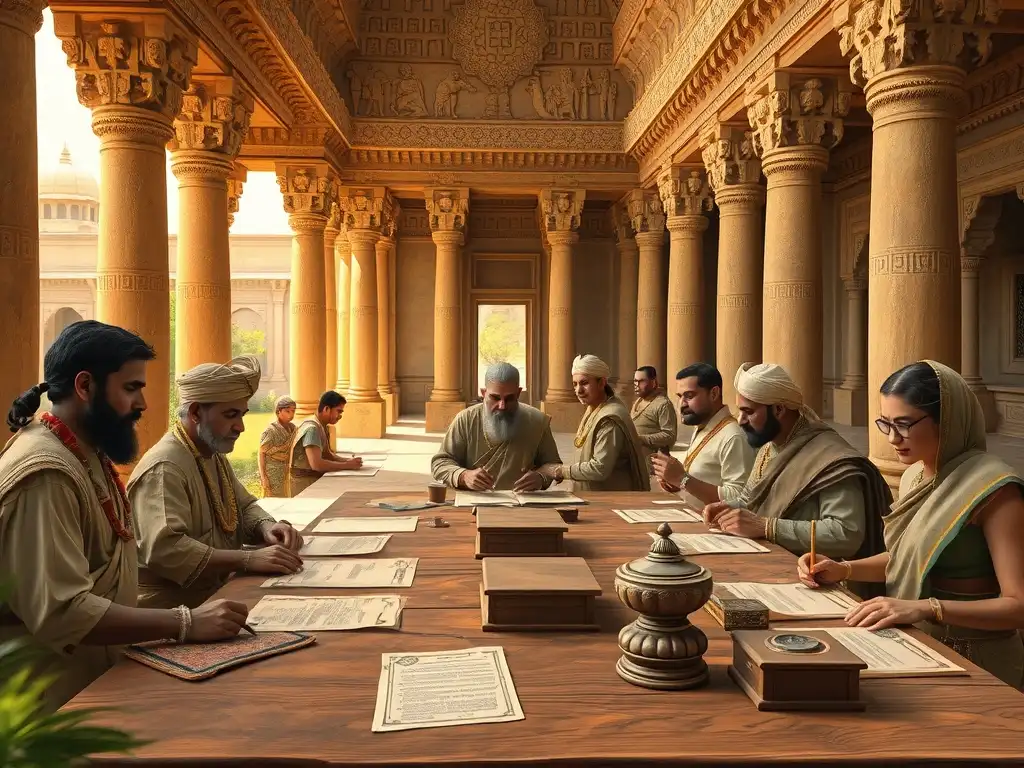
The Maurya Empire, spanning from approximately 322 to 185 BCE, was marked by remarkable administrative efficiency, largely due to its innovative use of technology and systematic governance. To understand the impact of Maurya Empire administrative technology, we can examine specific regions within the empire, particularly highlighting Magadha, the heartland of the Mauryan rule.
Administrative Innovations in Magadha
Magadha, the core region of the Maurya Empire, served as a blueprint for administrative innovations. The capital, Pataliputra, epitomized advanced urban planning and infrastructure. The city was surrounded by massive walls and moats, enhancing security while facilitating trade through well-constructed roads.
One of the notable innovations was the establishment of a comprehensive communication network. The use of messengers on horseback enabled swift communication across vast distances. This system was crucial for relaying orders and collecting taxes, essential for maintaining the empire's stability. Additionally, the Mauryan administration implemented standardized weights and measures, which streamlined trade and taxation, ensuring fairness and uniformity.
Impact of Technology on Regional Governance
The technological advancements in Magadha had a ripple effect on the governance of surrounding regions. The Mauryan administration utilized detailed record-keeping practices, employing scribes to document taxes, land ownership, and agricultural output. This meticulous approach allowed for precise resource allocation and better management of local governance.
Moreover, the introduction of water management systems—including canals and reservoirs—enhanced agricultural productivity in the regions under Mauryan control. This not only supported the local economy but also strengthened the loyalty of the populace to the central government, as they directly benefited from these advancements.
Success Stories of Efficient Administration
The Maurya Empire's successful administration can be illustrated through various examples, showcasing how technological innovations led to effective governance.
Examples of Effective Local Governance
Local governance in the Maurya Empire was characterized by the delegation of authority to regional officials known as Mahamatras. These officials were tasked with overseeing various administrative functions, including law enforcement, tax collection, and public welfare.
For instance, in regions like Ujjain and Taxila, the Mahamatras employed local councils to facilitate grassroots governance. This decentralized approach allowed for faster decision-making and responsiveness to local issues, creating a sense of community involvement in the administration.
Technological Solutions to Administrative Challenges
The Maurya Empire faced numerous administrative challenges, from maintaining order to ensuring the collection of taxes. To address these hurdles, the empire adopted several technological solutions.
- Surveying Techniques: The use of rudimentary surveying tools enabled accurate land measurement and valuation, which was critical for taxation purposes. This precision minimized disputes and enhanced revenue collection.
- Legal Codification: The compilation of laws and regulations, possibly inspired by earlier texts such as the Arthashastra, created a standardized legal framework. This not only facilitated justice but also promoted uniformity in administrative practices across the empire.
- Infrastructure Development: The construction of roads and trade routes improved connectivity, facilitating the movement of goods and people. This infrastructure played a pivotal role in the empire’s economic stability and administrative efficiency.
The Maurya Empire’s use of technology in administrative efficiency was multifaceted, with innovations in communication, record-keeping, and infrastructure significantly enhancing governance. The case studies of Magadha and other regions illustrate how these advancements contributed to the empire's success and legacy in ancient Indian history.
Legacy of the Maurya Empire’s Administrative Technology

The Maurya Empire, which flourished from 322 to 185 BCE, is renowned for its remarkable advancements in administrative technology. These innovations not only facilitated effective governance but also set a precedent that influenced subsequent Indian empires. The administrative practices established during this period are often regarded as a foundational framework for future governance in the Indian subcontinent.
Influence on Subsequent Indian Empires
The administrative technology employed by the Maurya Empire had a profound impact on later empires, such as the Gupta and Mughal Empires. Here are some key areas of influence:
-
Centralized Bureaucracy: The Mauryan model of a centralized bureaucracy allowed for efficient governance over vast territories. This structure enabled subsequent empires to adopt similar systems, ensuring that local governors had the authority to manage their regions while remaining accountable to the central administration.
-
Standardization of Weights and Measures: Under the Maurya Empire, standardized weights and measures facilitated trade and commerce. This practice was adopted by later empires, which recognized the importance of uniformity in economic transactions.
Measurement Maurya Standard Gupta Standard Length 1 Angula 1 Angula Weight 1 Karsha 1 Karsha -
Taxation Systems: The Mauryan taxation system was sophisticated, employing various taxes based on land productivity and trade. This model was emulated by later states, which refined and adapted it to suit their economic conditions.
-
Use of Communication Networks: The Maurya Empire established a vast network of roads and communication systems. This infrastructure not only enhanced trade but also allowed for swift communication between distant provinces. Successor empires recognized the significance of such networks for maintaining control and fostering economic growth.
The administrative technology of the Maurya Empire laid the groundwork for the governance structures of later Indian empires, demonstrating the lasting legacy of its innovations.
Lessons Learned from the Maurya Administrative System
The Maurya Empire's administrative technology offers valuable lessons that remain relevant even in contemporary governance. Here are some key takeaways:
- Importance of Efficiency: The Mauryan administration emphasized efficiency through well-defined roles and responsibilities. This approach minimizes bureaucratic delays and improves service delivery.
- Hierarchy of Officials: A clear hierarchy ensured that decisions could be made swiftly, with officials at all levels aware of their duties.
- Integration of Local Governance: The inclusion of local leaders in the administration allowed for greater acceptance of central authority. This model fostered collaboration between the empire and local populations, enhancing stability.
- Regional Councils: The establishment of regional councils provided local input in governance, which is essential for maintaining harmony in diverse regions.
- Data-Driven Decision Making: The Maurya Empire utilized data collection for taxation and resource management. This practice underscores the importance of informed decision-making in governance.
- Census Records: Regular censuses helped the government assess population, land use, and economic productivity, enabling more effective policy formulation.
- Adaptability: The Mauryan system demonstrated flexibility in administration, adapting to changing circumstances and local needs. This adaptability is crucial for modern governance in the face of dynamic challenges.
By studying the administrative system of the Maurya Empire, contemporary leaders can gain insights into effective governance practices that prioritize efficiency, local engagement, data-driven decisions, and adaptability. The enduring relevance of these lessons underscores the empire's significant contributions to the evolution of administrative technologies.
Conclusion
Summary of the Maurya Empire's Technological Contributions to Administration
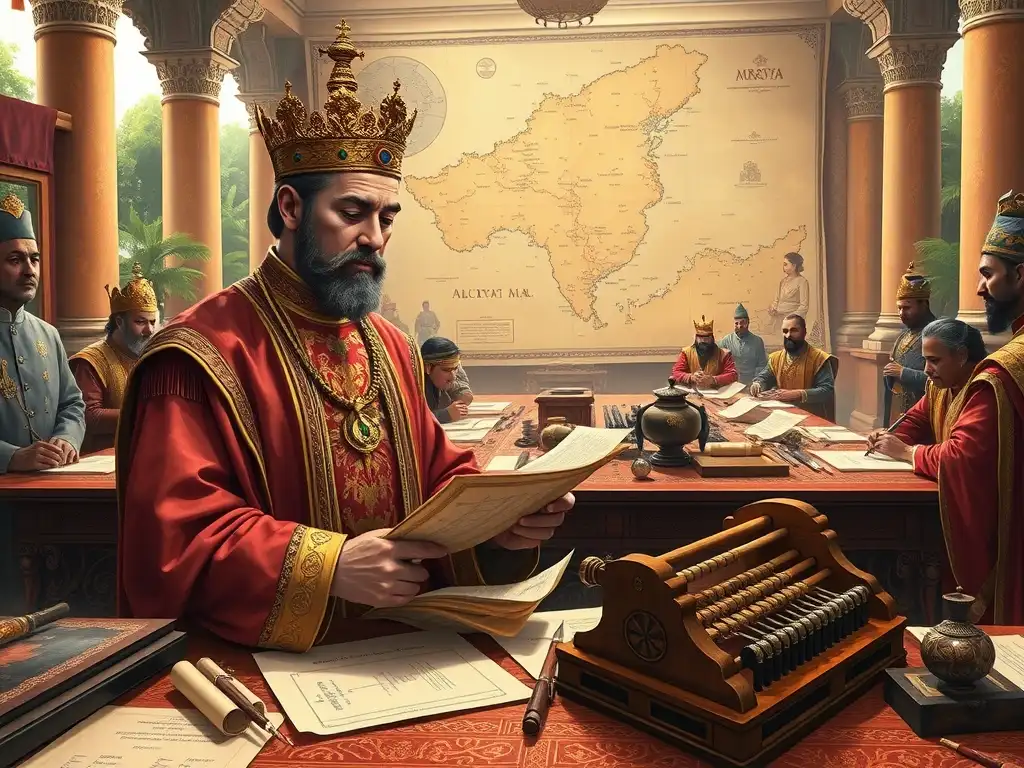
The Maurya Empire, which thrived from approximately 322 to 185 BCE, showcased remarkable advancements in administrative technology that significantly enhanced its governance. One of the most notable contributions was the establishment of an extensive communication network. The empire utilized messengers, who were often mounted on horses, to relay important information across vast distances. This system allowed for efficient communication between the central government and provincial administrations, ensuring that directives were swiftly executed.
Additionally, the Mauryas implemented sophisticated record-keeping methods. They used inscriptions on stone and metal plates to document laws, orders, and land revenue assessments. These records not only facilitated the organization of administrative tasks but also served as valuable resources for historical documentation.
The empire also made significant use of standardized weights and measures, which helped streamline trade and taxation processes. This standardization played a crucial role in enhancing economic efficiency and ensuring fairness in commercial transactions. Furthermore, the Maurya Empire's use of water management technologies, such as irrigation systems and wells, supported agricultural productivity, which in turn strengthened the economic base that underpinned the empire's governance.
Reflection on the Importance of Technology in Governance
The technological innovations employed during the Maurya Empire underscore the critical role that technology plays in effective governance. The use of advanced administrative technology not only improved the efficiency of state operations but also fostered a sense of unity and coherence across diverse regions of the empire. By enabling rapid communication and accurate record-keeping, these technologies ensured that policies were implemented consistently and effectively.
Moreover, the Maurya Empire's emphasis on technology highlights a broader historical trend: the interplay between governance and technological advancement. As societies evolve, the adoption of new technologies often leads to restructured administrative frameworks that can adapt to changing needs. The Maurya Empire exemplifies how technological foresight can enhance administrative capacity, ultimately contributing to the stability and prosperity of a civilization.
The Maurya Empire administrative technology not only facilitated efficient governance but also laid foundational practices that would influence future administrations. The legacy of these innovations serves as a reminder of the enduring significance of technology in shaping political and administrative landscapes throughout history.
Frequently Asked Questions
What was the Maurya Empire known for in terms of administrative technology?
The Maurya Empire is recognized for its innovative administrative techniques, including a sophisticated bureaucratic system that enhanced governance and facilitated effective tax collection.
How did the Maurya Empire implement communication technologies?
The Maurya Empire utilized messengers and postal systems to ensure rapid communication across its vast territories, which significantly improved administrative coordination.
What role did record keeping play in the Maurya Empire's administration?
Record keeping was crucial in the Maurya Empire for tracking taxation, land ownership, and legal matters, thereby promoting transparency and efficiency in governance.
How did the Maurya Empire influence later administrative practices in India?
The administrative practices established during the Maurya Empire, particularly in centralized governance and resource management, laid the groundwork for future Indian empires, including the Gupta Empire.
What technological advancements contributed to the Maurya Empire's administrative success?
The Maurya Empire benefited from advancements in irrigation, road construction, and the use of standardized weights and measures, all of which played a vital role in enhancing administrative efficiency.
Final Reflection: The Enduring Legacy of Maurya Empire Administrative Technology
The exploration of Maurya Empire administrative technology reveals a profound connection between innovative governance and societal progress. As we navigate an increasingly complex world, the lessons from the Maurya Empire's sophisticated use of technology in administration resonate more than ever. The ability to streamline processes and enhance communication was not merely a product of its time; it laid the groundwork for modern administrative practices that continue to shape our institutions today.
Clearly, the Maurya Empire's approach to governance has left an indelible mark on our cultural and social landscape. The principles of efficiency and organization that emerged during this era are echoed in contemporary administrative frameworks, reminding us of the importance of adaptability and foresight in leadership. As historian Romila Thapar aptly noted, The Maurya Empire exemplifies how effective governance can harness technology to create a cohesive and thriving society.
This observation highlights the ongoing relevance of the Maurya Empire's administrative strategies in fostering unity and progress, even in today's fast-paced environment.
As we reflect on the insights gained from the Maurya Empire's innovative administrative practices, I invite you to consider how these lessons can be applied in your own life. Whether in your personal endeavors or professional pursuits, think about how you can leverage technology and efficient systems to enhance your effectiveness and impact.
Embrace the spirit of innovation that characterized the Maurya Empire, and let it inspire you to create a more organized and purposeful approach to your own challenges. The legacy of the Maurya Empire is not just a historical account; it is a call to action for all of us to strive for excellence in our administrative practices and beyond.
Unlock the Secrets of Administrative Innovation!
Thank you for delving into the fascinating realm of the Maurya Empire’s technological advancements! You’ve discovered how innovative practices paved the way for administrative efficiency that continues to inspire us today. Now, it's time to deepen your understanding and take meaningful steps forward.
Here’s how you can further engage with this captivating topic:
- Explore local museums or exhibitions showcasing artifacts from the Maurya Empire to experience history firsthand.
- Share your insights from this article with friends—initiate a conversation about the impact of technology on governance in the modern world.
- Join online forums or social media groups dedicated to ancient civilizations to connect and discuss with fellow history enthusiasts.
What aspect of ancient administrative innovations intrigues you the most, and how do you think these lessons can be applied to today’s technological challenges?