
The Use of Mud Brick: A Study of Indus Valley Construction Techniques

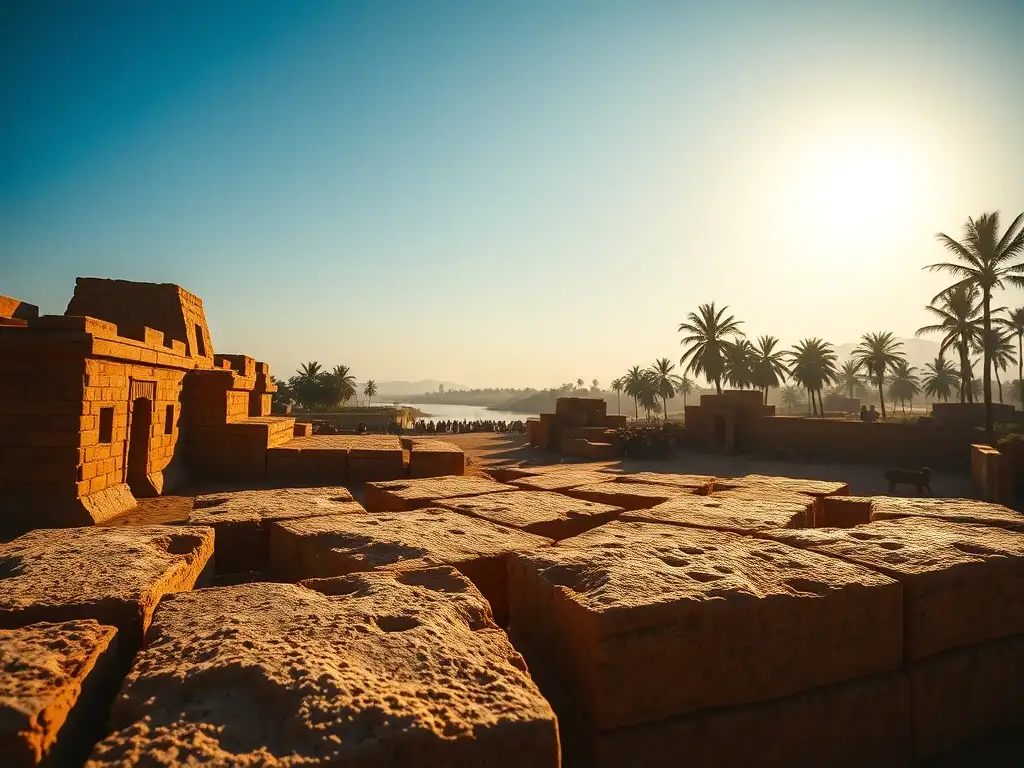
Welcome to Ancient India History, where we embark on a fascinating journey through the vibrant tapestry of ancient Indian civilizations. Prepare to delve into the intricate details of the Indus Valley mud brick construction, a cornerstone of architectural ingenuity that laid the foundation for urban development thousands of years ago. What secrets do these ancient building techniques hold, and how did they shape the lives of those who thrived in this remarkable civilization? Join us as we explore these compelling questions and uncover the rich cultural heritage that continues to inspire awe and curiosity today.
The Indus Valley Civilization, which thrived from approximately 3300 to 1300 BCE, is renowned for its remarkable urban planning, advanced drainage systems, and impressive architectural feats. Amongst its many innovations, the use of mud brick stands out as a crucial element in the construction techniques employed by these ancient peoples.
The mud brick construction not only facilitated the creation of durable and sustainable structures but also reflected the socio-economic dynamics and environmental adaptations of the civilization. This article explores the significance of mud brick, its construction methods, and its impact on the architecture of the Indus Valley, thereby shedding light on the ingenuity of one of history's earliest urban societies.
Introduction to Indus Valley Civilization
The Indus Valley Civilization, also known as the Harappan Civilization, flourished in the northwestern regions of South Asia, encompassing parts of present-day Pakistan and northwest India. It is one of the world's earliest urban cultures, contemporaneous with ancient Egypt and Mesopotamia. Characterized by its well-planned cities, such as Harappa and Mohenjo-Daro, the civilization displayed a high level of organization and sophistication.
The urban layout included:
- Grid-pattern streets: Streets were built in a grid pattern, showcasing advanced urban planning.
- Public baths: The Great Bath of Mohenjo-Daro is one of the earliest public waterworks.
- Complex drainage systems: Houses were equipped with private toilets and sophisticated drainage systems.
The construction techniques used by the Indus Valley people were pivotal in creating resilient structures that stood the test of time, with mud brick being a primary material. Understanding how mud brick was utilized provides insight into the architectural practices and cultural values of this fascinating civilization.
Importance of Mud Brick in Ancient Architecture
Mud brick became a fundamental construction material for the Indus Valley Civilization, primarily due to its availability and practicality. This building method involved the mixing of clay, water, and organic materials, which were then molded into bricks and sun-dried to create a sturdy yet lightweight building block.
Key Benefits of Mud Brick Construction
- Sustainability: The abundance of clay in the region made mud bricks an eco-friendly choice, allowing for sustainable building practices.
- Thermal efficiency: Mud bricks provided excellent insulation, helping to regulate indoor temperatures in the hot climate of the Indus Valley.
- Cost-effective: The materials were readily available and required minimal tools for production, making construction accessible to a larger population.
Architectural Features
Mud brick construction was not merely utilitarian; it also allowed for a variety of architectural styles and features, including:
- Thick walls: These walls provided stability and protection against the elements.
- Courtyards: Many homes featured central courtyards, promoting social interaction within communities.
- Multi-storied buildings: The durability of mud bricks facilitated the construction of multi-storied structures, a hallmark of Indus Valley architecture.
The use of mud brick in the construction of the Indus Valley Civilization reflects a deep understanding of local resources and environmental conditions, showcasing the ingenuity and adaptability of its people. As we delve deeper into the specific techniques and examples of mud brick construction in the following sections, we will uncover the layers of history that make the Indus Valley a cornerstone of ancient architectural achievement.
- What materials were primarily used in Indus Valley construction?
- How did the use of mud bricks influence urban planning in the Indus Valley?
- What are some notable structures built with mud bricks in the Indus Valley?
- How did mud brick construction techniques evolve in ancient Indian civilizations?
- Why is the study of mud brick construction important in understanding ancient Indian history?
Historical Context of Mud Brick Construction in the Indus Valley
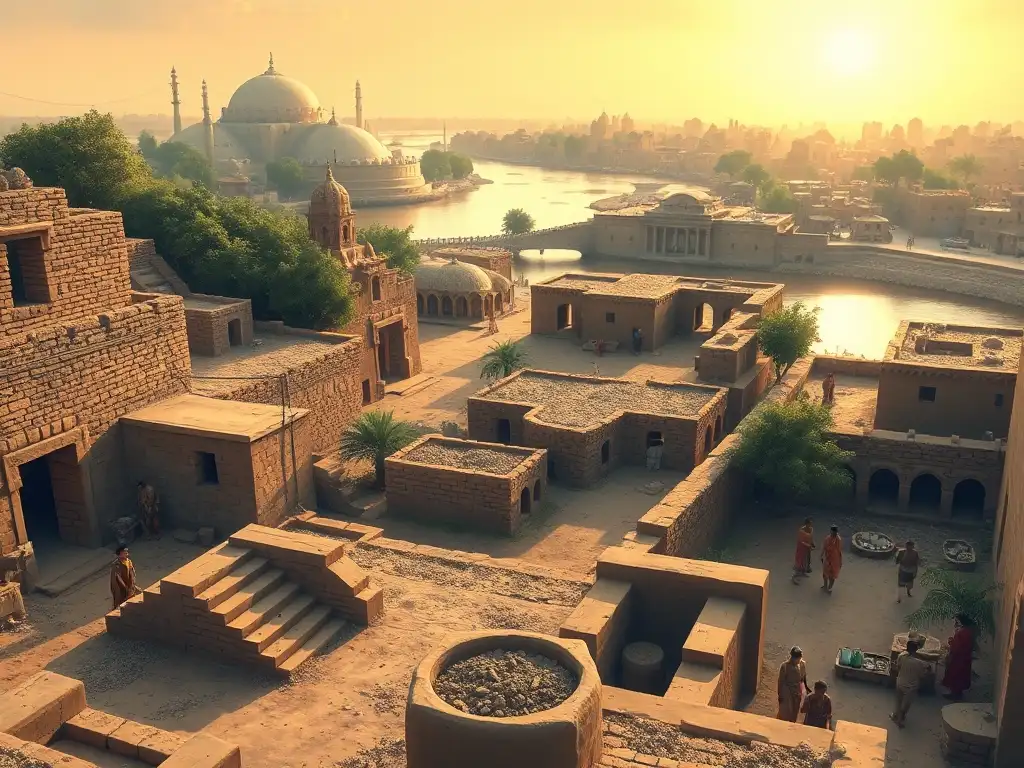
Mud brick construction played a pivotal role in the architectural achievements of the Indus Valley Civilization, which thrived from approximately 3300 BCE to 1300 BCE. This technique was not only practical but also reflective of the cultural and environmental contexts of the time. The abundant availability of clay along the riverbanks of the Indus River made mud bricks an ideal choice for the construction of homes, public buildings, and fortifications.
The Indus Valley Civilization is noted for its well-planned urban centers, such as Harappa and Mohenjo-Daro, where the uniformity and quality of mud brick construction are evident. The bricks were typically made from a mixture of clay, silt, and water, shaped into rectangular forms, and then dried in the sun. This method not only ensured durability but also provided insulation against the region's extreme temperatures.
Origins of Mud Brick in Ancient Indian Civilizations
The origins of mud brick construction in ancient Indian civilizations can be traced back to earlier societies that utilized similar materials for shelter. Archaeological evidence suggests that mud bricks were used as early as the Neolithic period (around 7000 BCE) in the Indian subcontinent. This technique can be seen as a natural progression from the use of thatch and wood to more durable building materials as communities settled and evolved.
The adoption of mud bricks in the Indus Valley was influenced by several factors:
- Environmental Adaptation: The fertile plains of the Indus River facilitated the availability of suitable clay, which was essential for mud brick making.
- Agricultural Surplus: The development of agriculture led to the emergence of permanent settlements, necessitating more robust and enduring structures.
- Technological Advances: As societies progressed, so did their building techniques, including the formulation and firing processes that improved the quality of mud bricks.
Evolution of Construction Techniques in the Indus Valley
The construction techniques of the Indus Valley Civilization evolved significantly over time, reflecting changes in technology, societal needs, and environmental challenges. Key aspects of this evolution include:
- Standardization of Brick Sizes:
- Early mud bricks varied in size and shape, but over time, a standardized size of approximately 7.5 x 15 x 30 cm became common. This uniformity facilitated efficient construction and the development of complex urban layouts.
- Advanced Structural Techniques:
- The Indus builders employed sophisticated techniques such as the use of load-bearing walls and corbelled arches. These innovations allowed for multi-story buildings and public structures, demonstrating an understanding of architectural principles.
- Water Management Systems:
- The construction of drainage systems and wells showcased the advanced engineering skills of the Indus Valley inhabitants. Mud bricks were often used to line these structures, ensuring durability and functionality.
- Integration with Other Materials:
- While mud bricks were the primary building material, the Indus Valley builders also began incorporating fired bricks and stones for specific structures, particularly in areas requiring greater strength and resilience.
- Cultural Significance:
- The use of mud bricks also had cultural implications, as it reflected the community's relationship with the environment and their technological prowess. The buildings served not only as shelters but also as social and economic hubs for the thriving urban centers.
The use of Indus Valley mud brick construction illustrates a remarkable blend of practical needs and cultural expression, showcasing how ancient civilizations adapted to their surroundings while developing sophisticated architectural techniques. The legacy of these construction methods continues to influence modern building practices in the region.
Characteristics of Indus Valley Mud Brick
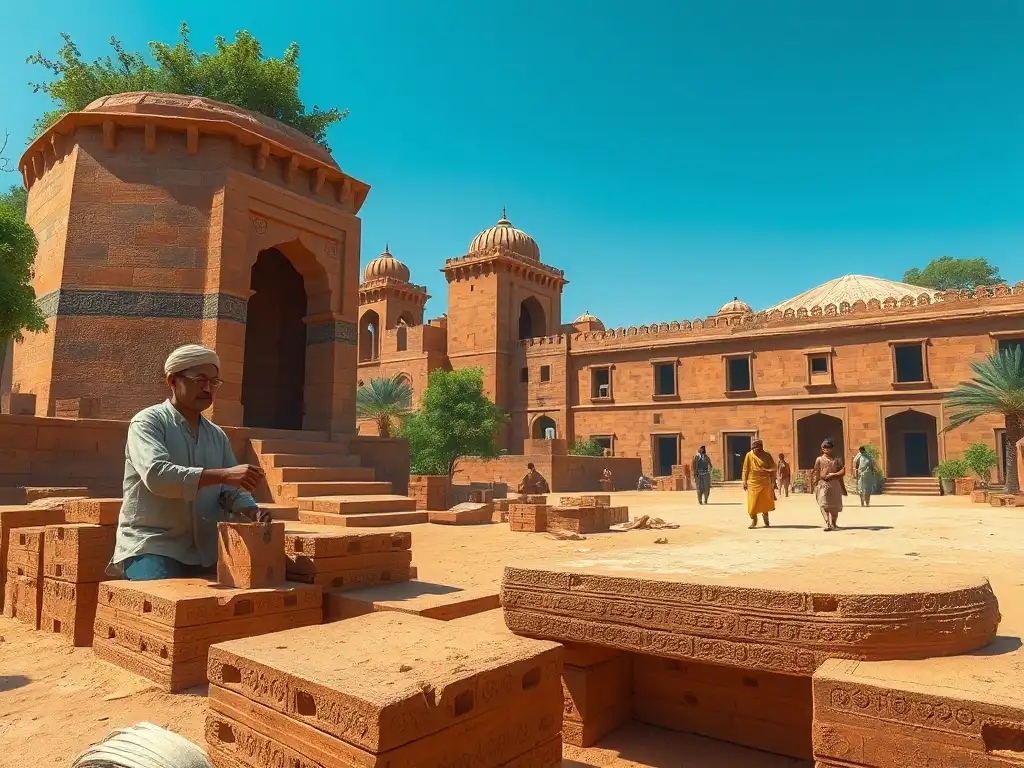
The Indus Valley Civilization, renowned for its advanced urban planning and architectural techniques, prominently utilized mud bricks in construction. These bricks were not only a vital resource but also a testament to the ingenuity of the ancient builders. The characteristics of Indus Valley mud brick construction reveal a sophisticated understanding of materials and techniques that contributed to the durability and functionality of their structures.
Composition and Manufacturing Process of Mud Bricks
The composition of Indus Valley mud bricks primarily consisted of clay, silt, and sand, which provided strength and stability. The specific ratios of these materials varied based on the local environment, showcasing the adaptability of builders to their surroundings.
The manufacturing process involved several key steps:
- Soil Selection: Builders sourced clay-rich soil, often mixed with sand to enhance the brick's structural integrity.
- Mixing: The selected soil was mixed with water to create a malleable paste, ensuring a uniform texture.
- Molding: The paste was then pressed into wooden or metal molds to form rectangular bricks, typically measuring about 30x15x7.5 cm.
- Drying: The molded bricks were left to dry in the sun for several days, allowing them to harden before being used in construction.
- Firing (optional): Some bricks were fired in kilns to increase durability, although most were air-dried.
This process not only made efficient use of local resources but also allowed for large-scale production, accommodating the needs of rapidly growing urban centers.
Advantages of Using Mud Bricks in Construction
The use of mud bricks offered numerous advantages that contributed to their popularity in the Indus Valley Civilization:
- Availability: Clay and silt were abundant in the region, making mud bricks a readily available material.
- Cost-Effective: The simplicity of the manufacturing process meant that mud bricks could be produced with minimal investment, lowering construction costs.
- Thermal Properties: Mud bricks have excellent thermal mass, helping to regulate indoor temperatures by keeping buildings cool during the day and warm at night.
- Sustainability: The natural materials used in mud bricks promoted environmental sustainability, as they were biodegradable and could be sourced locally.
- Versatility: Mud bricks could be easily shaped and modified to fit various architectural styles, from residential homes to public buildings.
These advantages made mud brick construction a preferred choice for the inhabitants of the Indus Valley, enabling the construction of sophisticated structures that have stood the test of time.
Comparison of Mud Brick with Other Construction Materials
When comparing mud brick construction with other materials used in ancient architecture, distinct differences emerge:
| Feature | Mud Brick | Stone | Wood |
|---|---|---|---|
| Availability | Highly available | Limited to specific regions | Region-dependent |
| Cost | Low cost | High cost | Moderate cost |
| Durability | Moderate durability | High durability | Low durability |
| Thermal Insulation | Excellent | Moderate | Poor |
| Workability | Easy to shape | Difficult to shape | Easy to work with |
Mud bricks, while not as durable as stone, provided significant advantages in terms of thermal insulation and cost-effectiveness. Unlike wood, which is susceptible to decay and pests, mud bricks offered a more stable and sustainable solution for construction.
The Indus Valley mud brick construction represents a remarkable achievement in ancient architecture, characterized by its innovative manufacturing process, numerous advantages, and effective use of local materials. This approach not only exemplifies the technological prowess of the Indus Valley Civilization but also highlights the adaptability of its people to their environment.
Architectural Applications of Mud Brick in Indus Valley
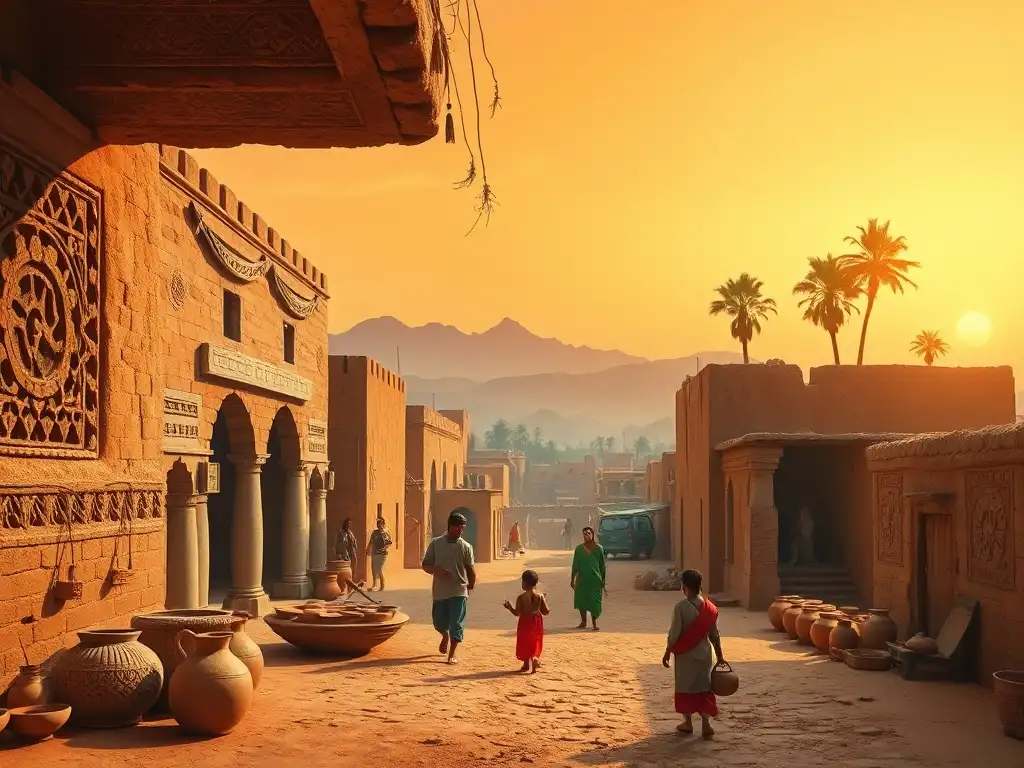
The use of mud brick construction in the Indus Valley Civilization is a testament to the ingenuity and resourcefulness of its people. Mud bricks, made from a mixture of clay, sand, and water, were essential in creating durable structures that have withstood the test of time. This section explores the architectural applications of mud brick in various aspects of Indus Valley construction, highlighting its significance in residential, public, and infrastructural developments.
Residential Structures: The Use of Mud Bricks in Homes
Residential architecture in the Indus Valley was characterized by the extensive use of mud bricks, which provided both structural stability and thermal efficiency.
- Construction Techniques: Houses were typically constructed with standardized mud bricks, measuring about 30x15x10 cm. These bricks were sun-dried or baked, ensuring durability. The walls were often thick, which helped to insulate homes against the extreme temperatures of the region.
- Layout and Design: The layout of homes often included a central courtyard, surrounded by rooms used for different purposes, such as living spaces, storage, and workshops. This design not only optimized space but also promoted ventilation.
- Cultural Significance: The choice of mud bricks for residential structures reflected the cultural values of the Indus Valley people, emphasizing community living and sustainability.
Overall, the mud brick houses of the Indus Valley Civilization exemplified a blend of functionality and aesthetic appeal, contributing to the overall urban landscape.
Public Buildings: Significance of Mud Brick in Urban Planning
Mud brick construction played a pivotal role in the planning and development of public buildings within Indus Valley cities.
- Key Structures: Notable public buildings, such as granaries, baths, and assembly halls, were constructed using mud bricks. These structures not only served practical purposes but also represented the administrative and cultural hubs of the civilization.
- Urban Planning: The use of mud bricks facilitated the construction of large, organized city layouts, with wide streets and public spaces. For example, the Great Bath of Mohenjo-Daro is a prime example, showcasing the community's emphasis on sanitation and social interaction.
- Durability and Maintenance: The resilience of mud brick against weathering allowed these public structures to remain functional for many years. Regular maintenance, such as plastering with mud or lime, ensured the longevity of these important buildings.
The impact of mud brick construction on public architecture highlights the advanced urban planning strategies employed by the Indus Valley Civilization, which set a precedent for future urban developments.
Infrastructure: Roads, Drains, and Other Civil Engineering Marvels
The Indus Valley Civilization is renowned for its sophisticated infrastructure, much of which was constructed using mud bricks.
- Road Systems: The cities featured well-planned road networks, with mud bricks often used to create stable surfaces. Roads were laid out in a grid pattern, facilitating efficient movement and trade.
- Drainage and Sanitation: One of the most remarkable achievements was the development of drainage systems. Mud bricks were utilized to line drains, ensuring that wastewater was effectively channeled away from residential areas. This emphasis on sanitation underscores the civilization's advanced understanding of public health.
- Civil Engineering Innovations: Other civil engineering projects, such as retaining walls and public wells, also made extensive use of mud bricks. These structures were essential in managing water resources and controlling flooding in the region.
The infrastructure of the Indus Valley Civilization, supported by mud brick construction techniques, reflects the remarkable engineering capabilities and foresight of its builders. The effective use of mud bricks not only enhanced the functionality of urban spaces but also contributed to the overall quality of life within these ancient cities.
Preservation and Durability of Mud Brick Structures
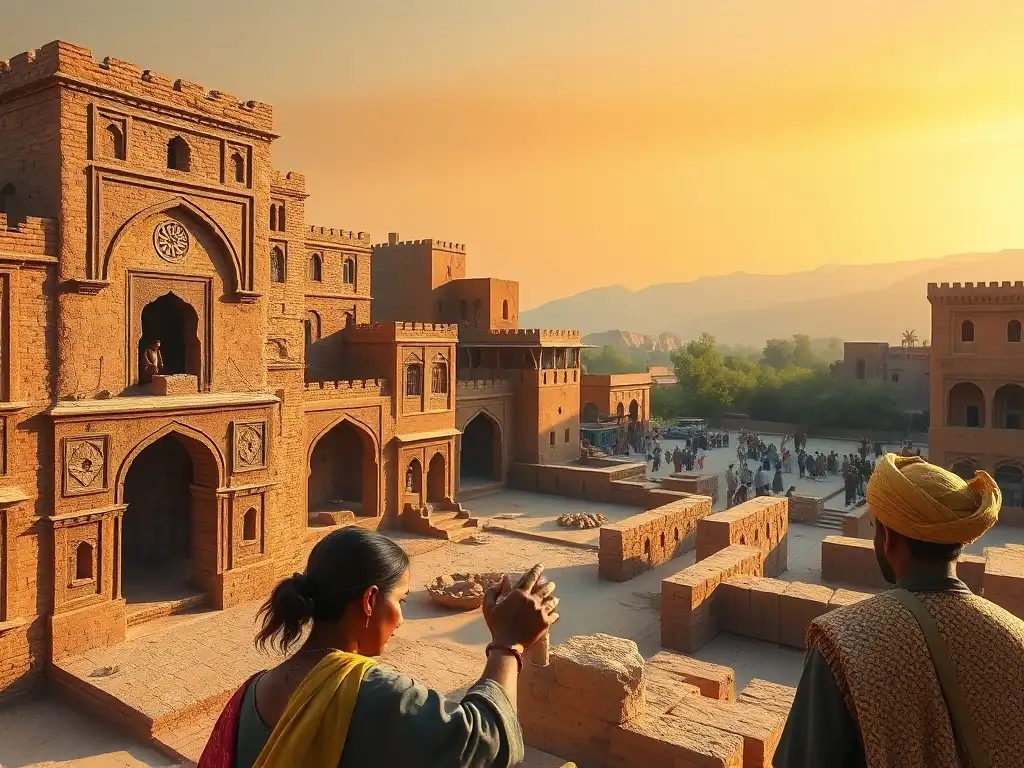
The preservation and durability of mud brick structures in the Indus Valley Civilization are among the most intriguing aspects of ancient architecture. Despite the passage of millennia, many of these structures have withstood the test of time, offering invaluable insights into the construction techniques and environmental adaptations of the time. The use of mud bricks, primarily made from clay and water, provided a versatile building material that was abundant in the region. However, several factors contribute to the longevity and preservation of these ancient structures.
Factors Affecting the Longevity of Mud Brick Architecture
- Material Composition: The durability of mud bricks largely depends on their composition. Bricks made with a higher proportion of clay tend to be stronger and more water-resistant. Additionally, the incorporation of organic materials such as straw can enhance the structural integrity and flexibility of the bricks.
- Construction Techniques: The methods employed in the construction of mud brick structures significantly impact their longevity. Techniques such as proper layering, the use of buttresses, and the creation of thick walls have been shown to enhance stability. For instance, the use of fired bricks in critical structural areas, combined with mud bricks, has helped maintain integrity over time.
- Environmental Factors: The geographical conditions of the Indus Valley played a crucial role in the preservation of mud brick architecture. Regions with less rainfall and stable temperature conditions helped to protect structures from erosion and degradation. Conversely, areas prone to flooding or heavy rainfall faced more significant challenges, leading to the deterioration of mud brick buildings.
- Maintenance Practices: Regular maintenance and repairs were essential in preserving mud brick structures. Evidence suggests that inhabitants actively engaged in the upkeep of their homes and public buildings, which included re-plastering walls and reinforcing weak areas. This proactive approach significantly contributed to the longevity of these structures.
- Cultural Significance: The importance of certain structures, such as temples and administrative buildings, often led to concerted efforts for their preservation. Historical records indicate that significant resources were allocated for the maintenance of these culturally important sites, ensuring their survival through centuries.
Case Studies of Well-Preserved Mud Brick Sites in the Indus Valley
- Mohenjo-Daro: One of the most prominent archaeological sites, Mohenjo-Daro showcases advanced mud brick construction techniques. The Great Bath, a large public water reservoir, exemplifies the durability of mud brick architecture. The use of fired bricks for waterproofing around the bath has allowed it to remain largely intact.
- Harappa: Another significant site, Harappa exhibits a grid-like urban layout built primarily of mud bricks. The site's well-preserved structures, including granaries and residential buildings, highlight the sophistication of Indus Valley construction methods. Archaeologists have noted that the bricks' size and uniformity contributed to the structural integrity of the buildings.
- Dholavira: This site stands out for its unique water conservation systems and monumental architecture. The mud brick walls of Dholavira have remained remarkably well-preserved due to the arid climate and the strategic design of the structures, which includes the use of terraces and drainage systems to manage water effectively.
- Chandraketugarh: Although lesser-known, this site provides significant insights into the regional variations of mud brick construction. The durability of its structures can be attributed to its location and the materials used, reflecting the adaptability of ancient builders to their environment.
The study of mud brick construction in the Indus Valley Civilization not only illustrates the architectural ingenuity of the time but also reveals the cultural practices surrounding construction and maintenance. Understanding these factors is crucial for appreciating the enduring legacy of Indus Valley mud brick architecture.
Cultural Significance of Mud Brick Construction
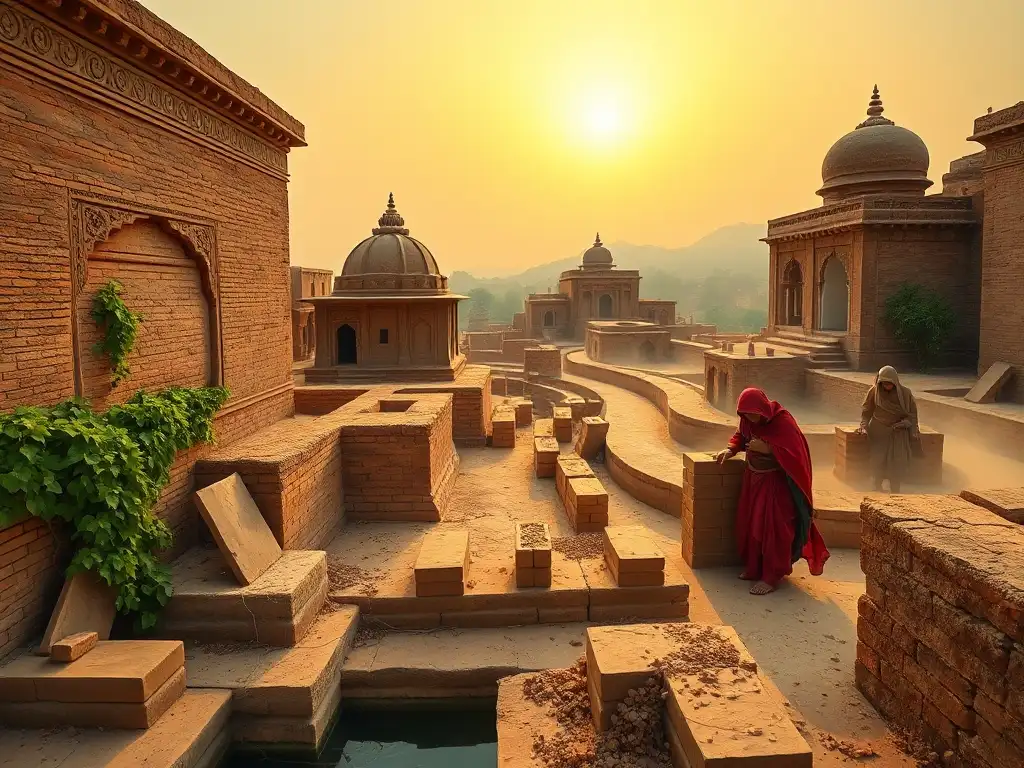
Mud brick construction in the Indus Valley Civilization represents not only a remarkable architectural achievement but also a profound cultural expression. These structures were more than mere shelters; they were foundational elements of urban planning and social organization. The widespread use of mud bricks reflects the adaptability of the Indus Valley communities to their environment and their innovative approach to resource utilization.
The Role of Mud Brick in Indus Valley Society and Culture
Mud bricks, made from a mixture of clay, water, and occasionally straw, were the primary building material in Indus Valley cities like Harappa and Mohenjo-Daro. This choice was deeply intertwined with the region's geographical and environmental context. The availability of clay along riverbanks made it a convenient resource, allowing for efficient construction techniques.
- Urban Planning: The use of mud bricks facilitated sophisticated urban planning. Cities were meticulously laid out in grid patterns, with well-defined streets and public spaces. This organization indicates a highly developed societal structure where communal living was prioritized.
- Social Hierarchy: The scale and style of mud brick constructions varied, suggesting a social hierarchy within the civilization. Larger, more elaborate buildings likely belonged to the elite, serving as administrative or religious centers, while simpler structures housed the general populace.
- Economic Impact: The production of mud bricks provided employment opportunities, fostering economic growth. As communities thrived, trade networks expanded, further embedding the significance of mud brick construction within the socio-economic framework of the Indus Valley.
- Environmental Adaptations: The choice of mud as a primary building material also reflects an understanding of environmental sustainability. Mud bricks offered thermal insulation, keeping interiors cool during hot summers and warm during winters, showcasing the civilization's ingenuity in addressing climate challenges.
Artistic Expressions: Decorations and Designs on Mud Brick Structures
Artistic expressions in the Indus Valley were seamlessly integrated into mud brick architecture. The aesthetic appeal of these constructions was enhanced through various decorative techniques, showcasing the creativity and cultural values of the civilization.
- Mural Paintings: Evidence suggests that some mud brick structures were adorned with colorful murals. These artworks often depicted scenes of daily life, religious rituals, and nature, providing insights into the beliefs and practices of the people.
- Carved Designs: Mud bricks were sometimes carved or molded into intricate designs before being set in place. Such embellishments demonstrated craftsmanship and artistic skill, contributing to the overall beauty of the structures.
- Symbolic Imagery: Certain motifs found in the decorations may have held symbolic meanings related to fertility, prosperity, and protection. These symbols reflected the spiritual beliefs of the Indus Valley civilization and their connection to the natural world.
- Architectural Innovations: The architectural style itself often featured decorative elements such as cornices and friezes, which not only enhanced the visual appeal but also indicated the status of the building. The ingenuity in design points to a society that valued aesthetics alongside functionality.
The cultural significance of mud brick construction in the Indus Valley civilization extends far beyond its practical applications. It encapsulates a rich tapestry of social structure, economic development, and artistic expression, all of which contribute to our understanding of this ancient society's complexity and depth.
Innovations and Techniques in Indus Valley Mud Brick Construction
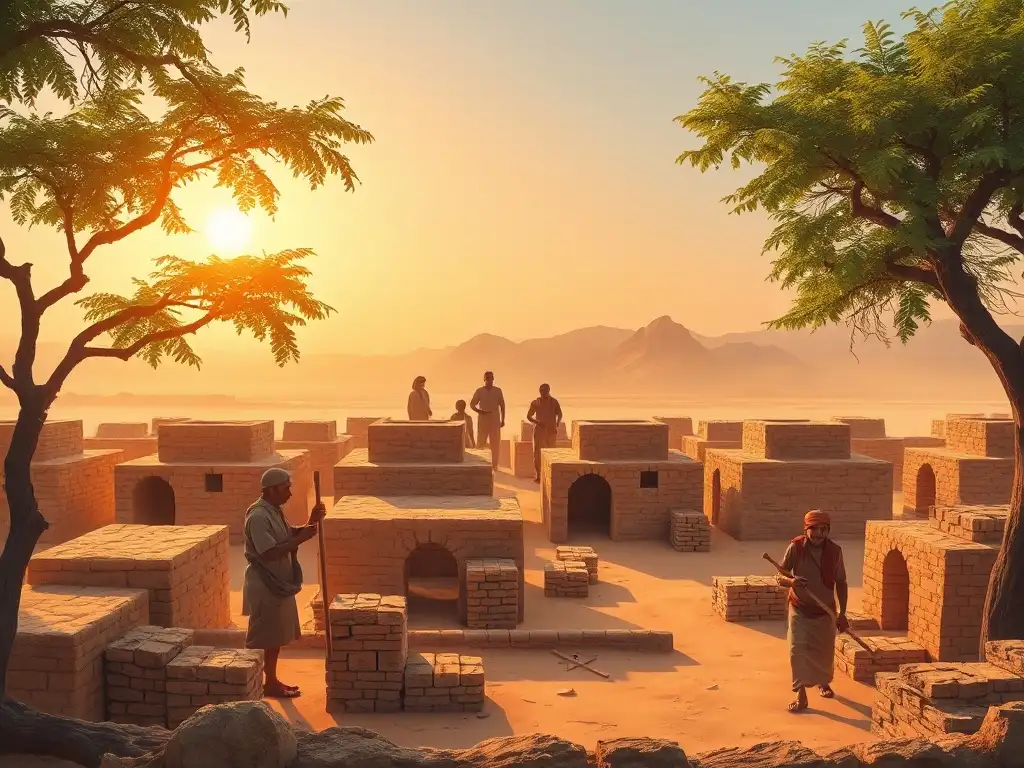
Indus Valley mud brick construction represents a significant achievement in ancient architecture, showcasing a blend of innovation, functionality, and durability. This construction method not only provided a sturdy framework for urban settlements but also reflected the advanced understanding of materials and techniques by the builders of the Indus Valley Civilization (IVC). The use of mud bricks, primarily made from clay, silt, and water, was pivotal in creating the iconic structures of cities like Harappa and Mohenjo-Daro.
The bricks were typically sun-dried, measuring approximately 40 x 20 x 10 cm, although variations existed. Their size and uniformity facilitated efficient stacking and construction, leading to robust structures capable of withstanding the elements. The design and layout of these cities also indicate a sophisticated approach to urban planning, with features such as drainage systems, streets, and public baths that highlight the builders' ingenuity.
Advanced Construction Methods Utilized by Indus Valley Builders
The builders of the Indus Valley demonstrated remarkable expertise in various advanced construction methods that set them apart from contemporary civilizations of their time. Here are some key techniques:
- Standardization of Brick Size: One of the most notable aspects of Indus Valley mud brick construction was the standardization in the dimensions of the bricks. This uniformity ensured ease of construction and structural integrity across different sites.
- Layering and Reinforcement: Indus builders employed layering techniques, where mud bricks were laid in overlapping patterns, akin to modern bricklaying practices. This enhanced the strength of walls and minimized the risk of collapse.
- Use of Fired Bricks: While sun-dried mud bricks were predominant, some structures utilized fired bricks, which offered additional durability and resistance to water. This technique is particularly evident in the construction of wells and drainage systems.
- Water-Resistant Techniques: Many buildings had mud plaster applied to walls, which not only provided a smooth finish but also acted as a protective layer against moisture. This highlights an understanding of climate and weather patterns, allowing for the construction of resilient structures.
- Terracing: To combat potential flooding in low-lying areas, builders often constructed terraces, raising the level of buildings above surrounding terrain. This innovation reflected an adaptive strategy to environmental challenges.
Comparison of Indus Valley Mud Brick Techniques with Contemporary Practices
When comparing Indus Valley mud brick construction techniques with contemporary practices, several similarities and differences emerge:
| Feature | Indus Valley Techniques | Contemporary Practices |
|---|---|---|
| Material | Primarily mud bricks (sun-dried and fired) | Variety of materials including concrete, steel, and wood |
| Construction Process | Manual labor with simple tools | Mechanized processes and advanced machinery |
| Standardization | Uniform brick sizes for structural consistency | Standardized dimensions in multiple materials |
| Water Resistance | Use of plaster and fired bricks for moisture control | Advanced waterproofing materials and techniques |
| Urban Planning | Well-planned cities with drainage systems | Sophisticated urban planning with zoning regulations |
| Sustainability | Naturally sourced materials with low environmental impact | Increased focus on sustainable and eco-friendly materials |
The enduring principles of durability, standardization, and smart urban planning in the Indus Valley continue to influence modern construction practices. However, advancements in technology and material science have led to a shift towards more diverse and complex construction methods today. Understanding these ancient techniques not only provides insight into the ingenuity of the Indus Valley builders but also emphasizes the importance of sustainable practices that can be adapted in contemporary architecture.
Challenges and Limitations of Mud Brick Construction
The construction techniques of the Indus Valley Civilization, particularly the use of mud bricks, present a fascinating study of ingenuity and adaptation. However, this method was not without its challenges and limitations. Understanding these factors is crucial to appreciate the overall architectural achievements of this ancient civilization.
Environmental Factors Impacting Mud Brick Durability
Mud bricks, while effective and resource-efficient, face significant challenges due to environmental conditions. The durability of these bricks is heavily influenced by:
- Moisture Levels: High humidity and rainfall can weaken mud bricks, leading to erosion and structural damage. The Indus Valley, particularly during monsoon seasons, posed a risk to the integrity of mud brick structures.
- Temperature Fluctuations: Extreme temperature variations between day and night can cause thermal expansion and contraction in mud bricks, leading to cracking. This issue was especially pronounced in the arid regions of the Indus Valley.
- Soil Composition: The quality of soil used to make mud bricks directly affects their strength. Different regions may have varying soil properties, which could result in inconsistently durable bricks.
Research indicates that the Indus Valley builders often incorporated specific additives, such as straw or animal dung, to enhance brick resilience. These materials help bind the mud, providing added strength and decreasing the likelihood of degradation.
Socio-economic Influences on Construction Practices
The socio-economic landscape of the Indus Valley Civilization also played a critical role in shaping construction practices. Several factors are noteworthy:
- Resource Availability: The abundance of clay in the region made mud brick a logical choice for construction. However, the availability of water for mixing and curing bricks was essential. Areas with limited access to water faced challenges in producing high-quality bricks.
- Labor Dynamics: The organization of labor influenced construction techniques. Skilled laborers were essential for brick-making, and their availability varied based on socio-economic conditions. This variability could lead to inconsistencies in brick quality and construction practices.
- Trade and Economy: The Indus Valley Civilization had extensive trade networks, which may have introduced alternative materials or techniques. However, the reliance on mud bricks remained predominant due to their accessibility and cost-effectiveness.
While the use of mud bricks was a hallmark of Indus Valley architecture, the socio-economic conditions and environmental factors posed significant challenges that affected their construction practices.
Conclusion: The Legacy of Indus Valley Mud Brick Construction
The legacy of Indus Valley mud brick construction is one of resilience and innovation. Despite the challenges posed by environmental factors and socio-economic influences, the builders of the Indus Valley Civilization demonstrated remarkable adaptability in their architectural practices. Their ability to create robust structures using locally sourced materials remains a testament to their ingenuity.
Today, the remains of mud brick constructions serve as a crucial link to understanding the lifestyle, culture, and technological advancements of ancient Indian civilizations. The techniques developed during this period not only influenced subsequent architectural practices in the region but also provide valuable lessons in sustainable construction methods that continue to resonate in modern architectural discourse.
The study of Indus Valley mud brick construction highlights the intricate relationship between environmental conditions, socio-economic factors, and architectural innovation, ensuring that this ancient civilization's contributions remain relevant in contemporary discussions on building techniques and sustainability.
Future Research Directions in Indus Valley Architecture Studies
The study of Indus Valley architecture, particularly regarding mud brick construction, is an evolving field that presents numerous avenues for future research. As scholars continue to analyze existing structures and artifacts, several key areas of focus have emerged that could enhance our understanding of this ancient civilization’s architectural practices.
One significant direction for future research is the technological advancements in mud brick production. Investigating how the Indus Valley civilization developed and optimized their mud brick-making techniques could provide insights into their resource management and innovation. Understanding the composition of the mud used, the additives that might have been incorporated, and the firing techniques could reveal much about their construction capabilities and environmental adaptation.
Another promising area is the regional variations in mud brick construction across different sites in the Indus Valley. While major urban centers like Harappa and Mohenjo-Daro showcase sophisticated architectural planning, smaller settlements may exhibit distinct styles and methods. Comparative studies could uncover regional influences, trade interactions, and cultural exchanges that shaped architectural choices.
Furthermore, the socio-political implications of mud brick architecture warrant deeper exploration. Future studies could examine how the organization of labor for construction projects reflects social hierarchies and community structures within the Indus Valley civilization. Understanding who built these structures, how labor was mobilized, and the role of communal effort in construction can shed light on the societal dynamics of the time.
The impact of environmental factors on mud brick construction is another critical research area. Given the climatic challenges faced by the Indus Valley civilization, studies could focus on how weather patterns, such as monsoons and heat, influenced building techniques and materials. Analyzing the durability of mud bricks over time in various environmental conditions could provide valuable insights into the sustainability of these structures.
Lastly, interdisciplinary approaches combining archaeology, material science, and anthropology could significantly enrich the study of Indus Valley architecture. Collaborations that integrate modern scientific techniques, such as soil analysis and 3D modeling, with traditional archaeological methods could lead to groundbreaking discoveries and a more comprehensive understanding of the construction practices of this ancient civilization.
The future of research in Indus Valley architecture holds exciting potential. By exploring technological advancements, regional variations, socio-political implications, environmental impacts, and interdisciplinary methodologies, scholars can continue to unravel the complexities of mud brick construction and its significance in the broader context of ancient Indian civilizations.
Frequently Asked Questions
What materials were primarily used in Indus Valley construction?
The Indus Valley civilization predominantly used mud bricks for construction, which were made from soil, water, and straw. This method provided durability and insulation.
How did the use of mud bricks influence urban planning in the Indus Valley?
The widespread use of mud bricks allowed for the creation of well-planned cities with standardized brick sizes, which facilitated uniform architecture and efficient drainage systems.
What are some notable structures built with mud bricks in the Indus Valley?
Key structures include the Great Bath of Mohenjo-Daro and various residential buildings, showcasing the advanced architectural techniques of the Indus Valley civilization.
How did mud brick construction techniques evolve in ancient Indian civilizations?
Over time, construction techniques evolved to include more complex designs and materials, but the Indus Valley's mud brick method laid the foundation for future architectural developments in ancient India.
Why is the study of mud brick construction important in understanding ancient Indian history?
Studying mud brick construction provides insights into the technological advancements, social organization, and cultural practices of ancient Indian civilizations, highlighting their significant contributions to history.
Final Reflection: The Enduring Legacy of Indus Valley Mud Brick Construction
The techniques of Indus Valley mud brick construction remain remarkably relevant today, illustrating the ingenuity of ancient civilizations in sustainable building practices. As we face modern challenges such as climate change and urbanization, revisiting these time-tested methods can inspire innovative solutions that honor our past while addressing contemporary needs.
The influence of mud brick construction extends beyond mere architectural techniques; it embodies a cultural ethos of resourcefulness and harmony with the environment. The structures built by the Indus Valley civilization not only showcase their advanced engineering skills but also reflect a deep understanding of local materials and climate. The past is not dead; it is not even past,
as William Faulkner poignantly stated, reminding us that the wisdom of our ancestors continues to shape our present and future.
As you reflect on the lessons drawn from the Indus Valley's mud brick construction, consider how you can incorporate sustainable practices into your own life. Embrace the spirit of innovation and resourcefulness that characterized this ancient civilization. Whether it's through sustainable building practices, mindful consumption, or community engagement, let the legacy of the Indus Valley inspire you to create a more sustainable and connected world.
Unveil the Ancient Craft of Mud Brick Construction!
Thank you for taking the time to explore the fascinating world of mud brick techniques in the Indus Valley! Your curiosity not only uncovers rich historical insights but also connects you with sustainable practices that echo through time. Now, let’s take what you’ve learned and turn it into action!
Here are a few steps you can take to deepen your connection with ancient construction methods:
- Experiment with mud brick building: Start a small-scale project using natural materials in your backyard to experience this ancient craft firsthand.
- Join local history groups or workshops: Engage with community members who share an interest in ancient building techniques—sharing knowledge enriches our collective understanding!
- Share your journey: Document your mud brick project and share it on social media to inspire others to embrace and learn about sustainable building methods.
How do you envision incorporating ancient techniques into your modern life? Your thoughts could spark a conversation that bridges history with the present!