
Crafts and Industries: Daily Life of Potters, Weavers, and Metal Workers

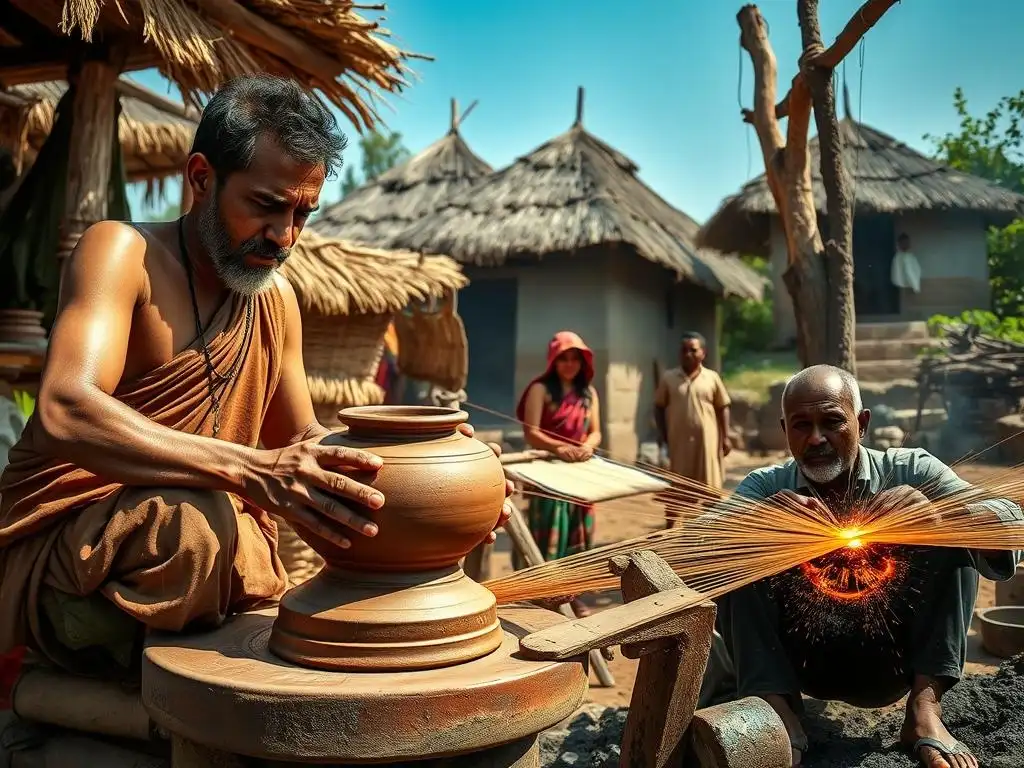
Welcome to Ancient India History, where we embark on a captivating journey through the rich tapestry of India’s past. Our exploration delves into the crafts and industries that defined daily life in ancient civilizations, revealing the artistry of potters, weavers, and metal workers who contributed to this vibrant culture. Are you ready to uncover the intricate techniques and tools that shaped the lives of these skilled artisans?
Join us as we unravel the stories behind their crafts and discover how their legacies continue to influence modern society. Dive deeper to learn more about the fascinating world of ancient Indian crafts and industries!
- Introduction to Ancient Indian Crafts and Industries
- Pottery in Ancient India
- Weaving in Ancient Indian Culture
- Metalworking in Ancient Indian Civilizations
- Interconnection Between Crafts and Daily Life
- Conclusion on the Legacy of Ancient Indian Crafts and Industries
- Frequently Asked Questions
- Final Reflection: The Enduring Legacy of Ancient Indian Crafts and Industries
- Unleash Your Creativity: Step into the World of Ancient Crafts!
Introduction to Ancient Indian Crafts and Industries
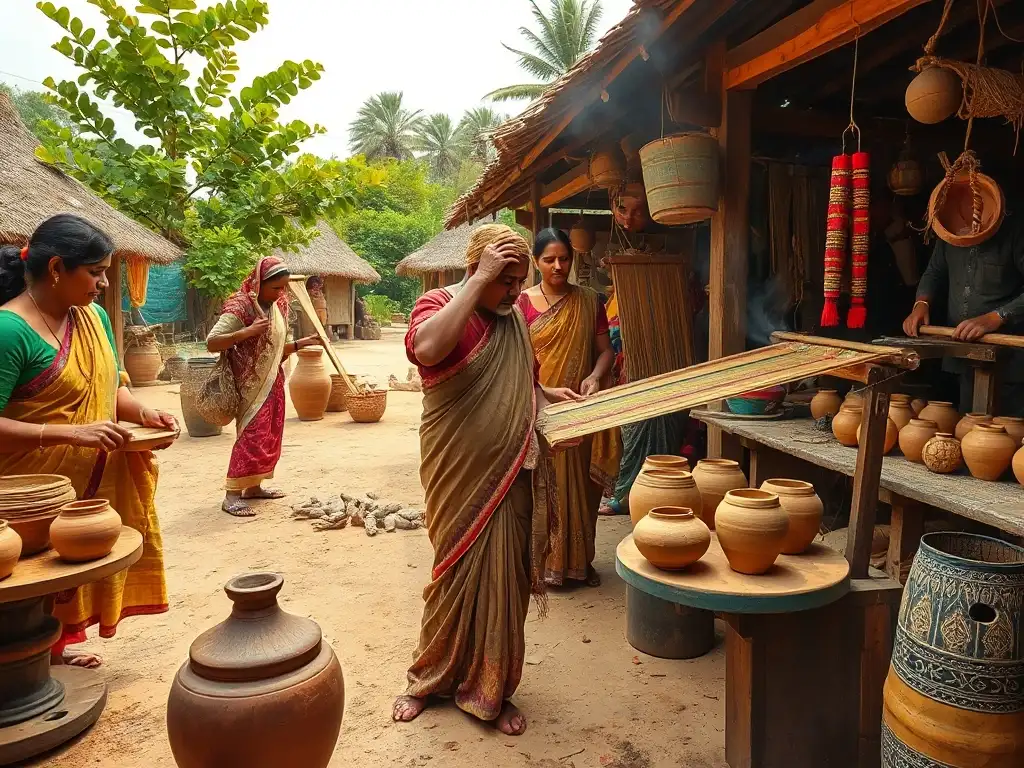
The rich tapestry of ancient Indian crafts and industries reflects the ingenuity and creativity of its civilizations. From the intricate pottery of the Indus Valley to the elaborate textiles of the Gupta Empire, these crafts not only served functional purposes but also played a significant role in the cultural and economic life of ancient societies.
This article delves into the daily lives of potters, weavers, and metal workers, highlighting their contributions to the vibrant fabric of ancient Indian civilization. By exploring these crafts and industries, we can gain a deeper understanding of the social dynamics, economic structures, and artistic expressions that characterized life in ancient India.
Overview of Ancient Indian Crafts
Ancient India was a hub of diverse crafts, each with its unique techniques and cultural significance.
- Pottery: The Indus Valley Civilization is renowned for its sophisticated pottery, characterized by intricate designs and advanced firing techniques. Potters utilized local clay to create both utilitarian and decorative items, often adorned with geometric patterns and motifs inspired by nature.
- Textiles: Weaving was another prominent craft, with evidence of cotton and silk production dating back thousands of years. The art of weaving not only catered to local needs but also established trade routes, as textiles became a significant export to other regions.
- Metalwork: Skilled metal workers were essential in ancient Indian societies, producing tools, weapons, and ornamental items. The use of various metals, including copper, bronze, and gold, showcased the advanced metallurgical skills of ancient artisans.
This diverse array of crafts reflects the resourcefulness of ancient artisans and their ability to adapt to the demands of their environment.
Importance of Crafts in Daily Life
Crafts played a crucial role in the daily lives of ancient Indians, influencing both social structures and economic activities.
- Economic Contributions: Craftsmen formed a vital part of the economy, providing goods that were essential for everyday life. The production of pottery, textiles, and metal goods not only met local demands but also facilitated trade with neighboring regions, contributing to economic growth.
- Cultural Identity: Each craft was deeply embedded in the cultural identity of its community. Artisans often belonged to specific guilds or families, passing down techniques and traditions through generations. This continuity not only preserved cultural heritage but also fostered a sense of belonging and pride among craftsmen.
- Social Status: The skills and products of craftsmen often determined their social standing within their communities. While some artisans gained recognition and influence, others remained in more humble positions. This dynamic illustrates the complex interplay between craftsmanship and social hierarchies in ancient Indian society.
Brief History of Industries in Ancient India
The development of industries in ancient India can be traced back to the Indus Valley Civilization, where urban centers thrived on various crafts and technologies.
- Indus Valley Civilization (c. 3300–1300 BCE): This period marked the emergence of organized industries, with evidence of advanced ceramics, metallurgy, and textile production. Cities like Harappa and Mohenjo-Daro showcased sophisticated urban planning that supported these industries.
- Vedic Period (c. 1500–500 BCE): As society evolved, so did the crafts, with the introduction of new materials and techniques. The Vedic texts reflect the importance of crafts and trades in society, highlighting their link to agricultural practices.
- Gupta Empire (c. 320–550 CE): The Gupta period is often regarded as a golden age of Indian arts and crafts. Advancements in metallurgy, particularly in gold and silver production, reached new heights. Additionally, the flourishing of textiles during this era established India as a significant player in global trade.
The evolution of crafts and industries in ancient India is a testament to the creativity and resilience of its people, laying the foundation for the rich cultural heritage that continues to influence contemporary society.
Pottery in Ancient India
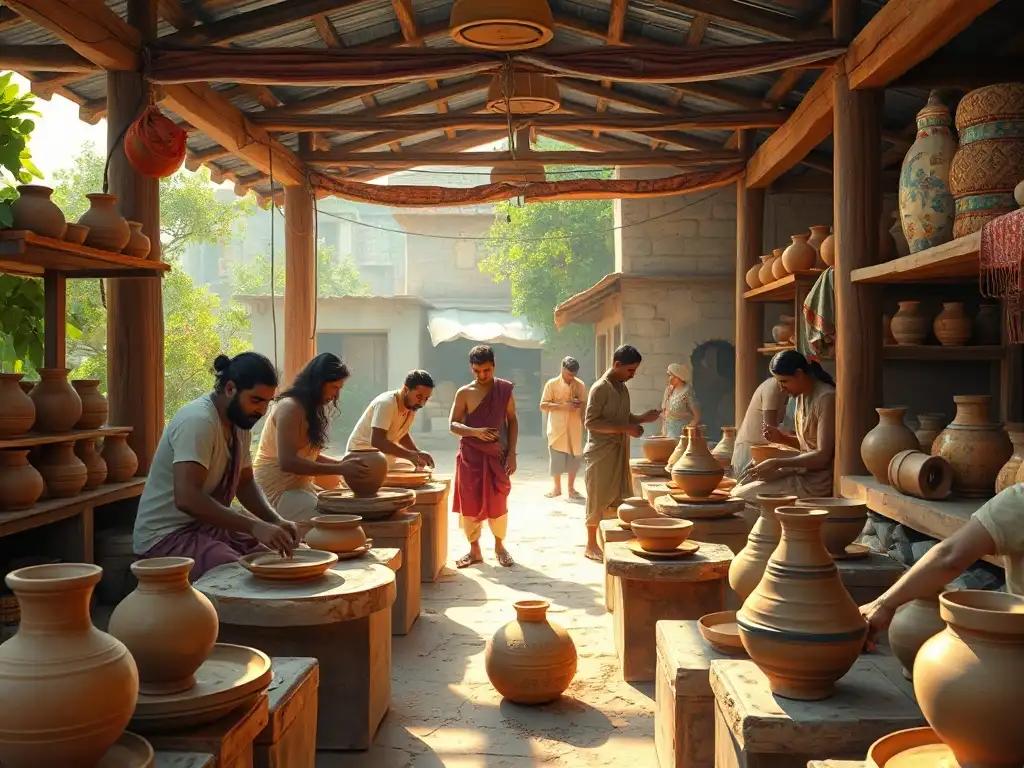
Significance of Pottery in the Indus Valley Civilization
Pottery played a crucial role in the daily life and culture of the Indus Valley Civilization (IVC), which thrived around 2500 BCE to 1900 BCE. The significance of pottery in this ancient society can be observed through various dimensions:
- Cultural Expression: Pottery served as a canvas for artistic expression. The IVC potters created intricate designs and motifs, often inspired by nature. These decorations, such as geometric patterns and animal figures, reflect the aesthetic values and beliefs of the civilization.
- Utility and Functionality: Pottery items were essential for everyday activities. Vessels were used for cooking, storage, and transportation of goods like grains, water, and other commodities. The durability of clay pots made them ideal for both domestic and commercial purposes.
- Trade and Economy: The production of pottery was not only a local craft but also a significant component of trade. Pottery was traded with neighboring regions, which facilitated economic exchanges and cultural interactions, further enhancing the sophistication of the IVC's economy.
- Archaeological Insights: The discovery of pottery in archaeological sites has provided valuable insights into the social and economic structures of the IVC. For instance, the presence of standardized pottery types suggests organized production processes and trade networks.
Techniques and Tools Used by Ancient Potters
The craft of pottery in ancient India, especially during the IVC period, involved various techniques and tools that showcased the skill and innovation of potters. Key aspects include:
- Handbuilding Techniques: Early potters primarily used handbuilding methods such as coiling and pinching to create pottery. The coiling technique involved rolling clay into long strips and stacking them to form the desired shape.
- Wheel-Throwing: The introduction of the potter's wheel marked a significant advancement in pottery-making techniques. This allowed for more uniform and symmetrical vessels. The use of wheels is believed to have been prevalent in the late IVC period, indicating technological evolution.
- Firing Techniques: Pottery was fired at high temperatures to achieve durability. Kilns, often constructed from clay, were used to control the firing process, resulting in various finishes, such as burnished or painted surfaces. The use of different firing atmospheres (oxidized or reduced) also produced distinctive color variations.
- Decorative Techniques: Potters employed various decorative techniques, including:
- Incising: Carving designs into the surface of the clay before firing.
- Painting: Applying mineral-based paints to create colorful patterns.
- Glazing: A technique used in later periods, where a glass-like coating was applied to enhance the visual appeal and functionality of the pottery.
Daily Life of Potters: Roles and Responsibilities
The daily life of potters in ancient India was characterized by a blend of artistry, craftsmanship, and social responsibilities. Key roles and responsibilities included:
- Craftsmanship: Potters were skilled artisans who dedicated their lives to mastering the craft. Daily tasks involved gathering clay, shaping and decorating pottery, and overseeing the firing process. Their expertise was often passed down through generations, creating a lineage of skilled potters within families.
- Community Engagement: Potters played a vital role in their communities, not only in producing essential goods but also in cultural practices. They often participated in local festivals, showcasing their pottery and contributing to communal events.
- Economic Contributions: As key players in the local economy, potters engaged in both production and trade. They maintained relationships with merchants and other craftsmen, ensuring a steady supply of pottery for domestic use and for trading purposes.
- Social Structure: The potter's role was often embedded within the broader social hierarchy of the IVC. They were part of a specialized artisan class that contributed to the overall economy and cultural richness of the civilization.
The craft of pottery in ancient India, particularly during the Indus Valley Civilization, was not only a reflection of artistic expression and utility but also played a pivotal role in the societal and economic frameworks of the time. The skills and techniques developed by potters laid the foundations for future advancements in ancient Indian crafts and industries.
Decorative Styles and Functional Pottery
In ancient India, particularly during the Indus Valley Civilization, pottery was not only a utilitarian craft but also a form of artistic expression. The decorative styles of pottery varied significantly, reflecting the cultural and social dynamics of the time. Artisans employed various techniques to create both functional items and ornamental pieces, showcasing their skills and the aesthetic values of their society.
Decorative Styles
The decorative styles of pottery in ancient India featured intricate designs and motifs that often had symbolic meanings. Common decorative elements included:
- Geometric Patterns: These patterns were prevalent in the pottery of the Indus Valley, often consisting of triangles, circles, and lines. The use of symmetry in these designs indicated a sophisticated understanding of aesthetics.
- Natural Imagery: Artisans frequently incorporated images of animals, plants, and human figures into their ceramic works. For instance, motifs of peacocks, elephants, and flowers were common, often symbolizing fertility and prosperity.
- Paint Techniques: The application of slip and paint was a significant aspect of decorative pottery. Potters used natural pigments derived from minerals and plants to create vibrant colors. The famous black-on-red pottery, for example, showcased a striking contrast that highlighted the craftsmanship of the potters.
The decorative styles not only served an aesthetic purpose but also communicated cultural narratives and beliefs, making each piece a reflection of the society it originated from.
Functional Pottery
While beauty was a significant aspect of ancient Indian pottery, functionality remained paramount. Potters crafted a variety of utilitarian items that played essential roles in daily life. Some key types of functional pottery included:
- Storage Vessels: Large jars and containers were designed for storing grains, water, and other goods. These vessels often featured wide mouths for easy access and were made to be durable against the elements.
- Cooking Utensils: Pottery was widely used for cooking purposes. The creation of cooking pots and dishes allowed for efficient food preparation and serving. Many of these items were designed to withstand high temperatures, reflecting the potters' knowledge of materials.
- Religious and Ritual Objects: Certain pottery items held religious significance. For example, ceremonial pots and small figurines were often used in rituals and offerings. Such items were not only functional but also imbued with spiritual meaning.
The pottery of ancient India exemplified a remarkable blend of decorative art and practical utility. The intricate designs and functional forms created by potters reflect the rich cultural heritage of the time, showcasing how crafts and industries were integral to daily life in ancient Indian civilizations.
Weaving in Ancient Indian Culture
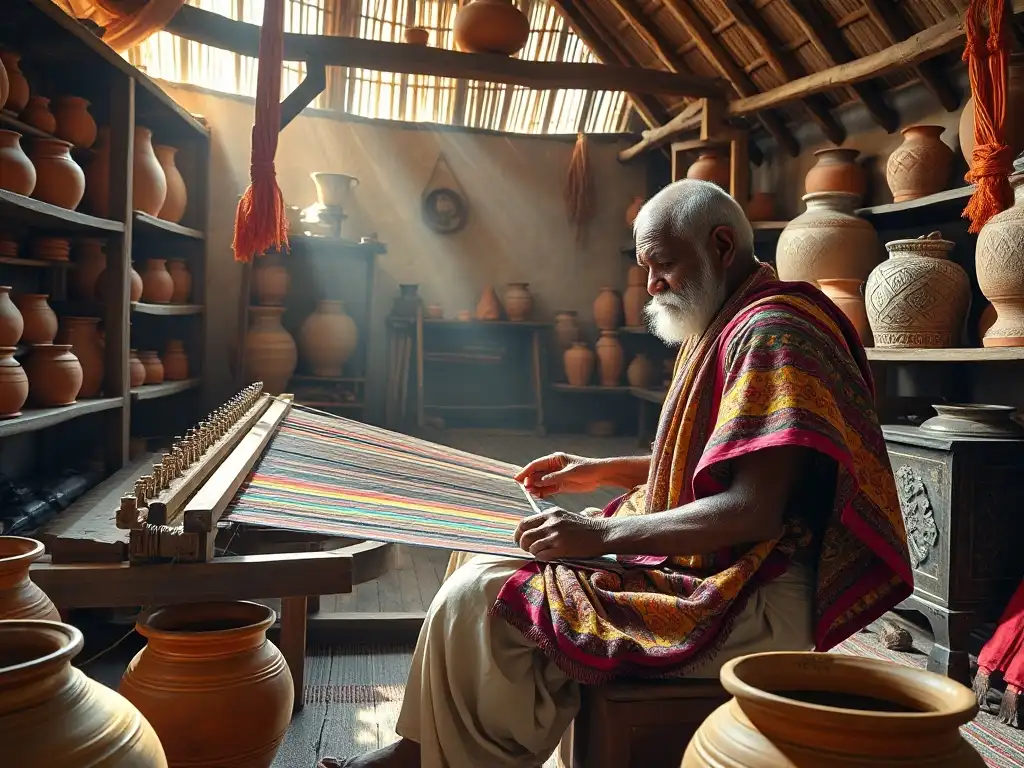
Historical Context of Weaving in Ancient India
Weaving has been a fundamental aspect of ancient Indian culture, with roots tracing back to the Indus Valley Civilization (c. 3300–1300 BCE). Archaeological findings from sites like Mohenjo-Daro and Harappa reveal evidence of advanced textile production, including remnants of cotton fabrics and intricate patterns. The presence of spindle whorls and loom weights suggests that weaving was not only a household activity but also a significant industry, contributing to trade and economic stability.
By the time of the Vedic period (c. 1500–500 BCE), weaving evolved further with the introduction of wool and silk into the Indian textile repertoire. Texts from this period, such as the Rigveda, reference garments and fabrics, indicating the importance of textiles in social and religious contexts. In subsequent eras, particularly during the Maurya (c. 322–185 BCE) and Gupta (c. 240–550 CE) empires, weaving techniques diversified, and textiles became a symbol of status and artistry.
Materials and Techniques Employed by Weavers
Ancient Indian weavers utilized a variety of materials, predominantly cotton, wool, and silk. Cotton, cultivated extensively in the Indus Valley, was favored for its softness and breathability. The introduction of silk, especially from the eastern regions of India, brought about luxurious textiles that were highly sought after in domestic and international markets.
The techniques employed by weavers included:
- Handloom Weaving: This traditional method involved manual looms, allowing for intricate designs and patterns to be woven into fabrics. The use of the pit loom was particularly prevalent, enabling greater control over tension and design.
- Dyeing Techniques: Weavers employed natural dyes derived from plants, minerals, and insects, resulting in vibrant colors. Indigo, madder, and turmeric were commonly used, each providing unique hues that enhanced the aesthetic appeal of textiles.
- Block Printing and Embroidery: Some weavers integrated block printing techniques, creating elaborate motifs on fabrics. Embroidery also played a crucial role, with skilled artisans embellishing textiles with intricate designs, often reflecting local flora and fauna.
The Role of Weavers in Society and Economy
Weavers held a vital position in ancient Indian society, not only as creators of textiles but also as custodians of cultural heritage. Their work supported various social structures, from local communities to larger trade networks. The production of textiles was not merely a craft; it was an economic engine that fueled trade both within the Indian subcontinent and with neighboring regions, including Central Asia and the Middle East.
In terms of social hierarchy, weavers often belonged to specific guilds, which provided them with a defined status within the community. These guilds facilitated skill transfer among generations, ensuring the preservation of traditional techniques and knowledge. Additionally, weavers contributed to festivals and rituals, crafting garments that played significant roles in cultural practices.
Overall, ancient Indian crafts and industries, particularly weaving, were integral to the daily life and economy of ancient civilizations, reflecting their rich cultural tapestry and artistic expression. The legacy of these early weavers continues to influence modern textile practices in India and beyond.
Patterns, Colors, and Symbolism in Ancient Textiles
The textiles of ancient India, particularly those from the Indus Valley Civilization, are renowned for their intricate patterns, vibrant colors, and deep symbolism. These elements not only reflect the craftsmanship of the weavers but also convey cultural narratives and social significances that resonate through time.
Patterns
The patterns woven into textiles during ancient periods were often geometric, floral, and figurative, showcasing the skilled artistry of weavers.
- Geometric Patterns: These designs were prevalent, consisting of repeated motifs that created a rhythmic aesthetic. Squares, triangles, and circles could be found in various combinations, leading to visually appealing fabric.
- Floral and Nature-Inspired Designs: Many textiles featured motifs drawn from nature, including flowers, leaves, and animals. These designs were not merely decorative but often held significance, symbolizing fertility, growth, and the connection between humans and nature.
- Figurative Representations: Some textiles depicted scenes of daily life or mythological narratives, providing insight into the cultural and social contexts of the time. These figurative patterns often served to tell stories, connecting the fabric to the lived experiences of the people.
Colors
Color played a significant role in ancient textiles, often derived from natural dyes sourced from plants, minerals, and insects.
- Natural Dye Sources: The use of indigo, madder, turmeric, and pomegranate provided a rich palette. Indigo, for instance, was prized for its deep blue hue, while madder yielded vibrant reds.
- Symbolic Colors: Each color carried its own symbolism. For example, red was associated with fertility and auspiciousness, while yellow represented knowledge and learning. The colors chosen for a textile could convey specific meanings, reflecting the wearer's status or the occasion for which the fabric was created.
- Cultural Significance: The color combinations and their placements within the design were carefully considered. Bright colors were often favored for festivities, while muted tones might be reserved for mourning or more solemn occasions.
Symbolism
The symbolism embedded within ancient textiles is a crucial aspect of their historical significance.
- Cultural Narratives: Many motifs and colors were deeply rooted in the myths and legends of ancient India. For instance, certain floral designs might symbolize specific deities, linking the fabric to religious practices and beliefs.
- Social Status Indicators: Textiles served as indicators of social status and identity. The complexity of a design or the richness of the colors could denote the wealth of the wearer, making textiles a form of social expression.
- Ritualistic Use: Fabrics were often used in rituals and ceremonies, where their patterns and colors played a vital role in the spiritual significance of the occasion. The choice of textile for a ritual could enhance the spiritual ambiance and contribute to the overall experience.
The patterns, colors, and symbolism in ancient Indian textiles reflect a rich tapestry of cultural heritage. These elements not only highlight the artistic capabilities of ancient weavers but also serve as a lens through which we can understand the complex social, religious, and cultural dynamics of ancient Indian civilizations.
Metalworking in Ancient Indian Civilizations
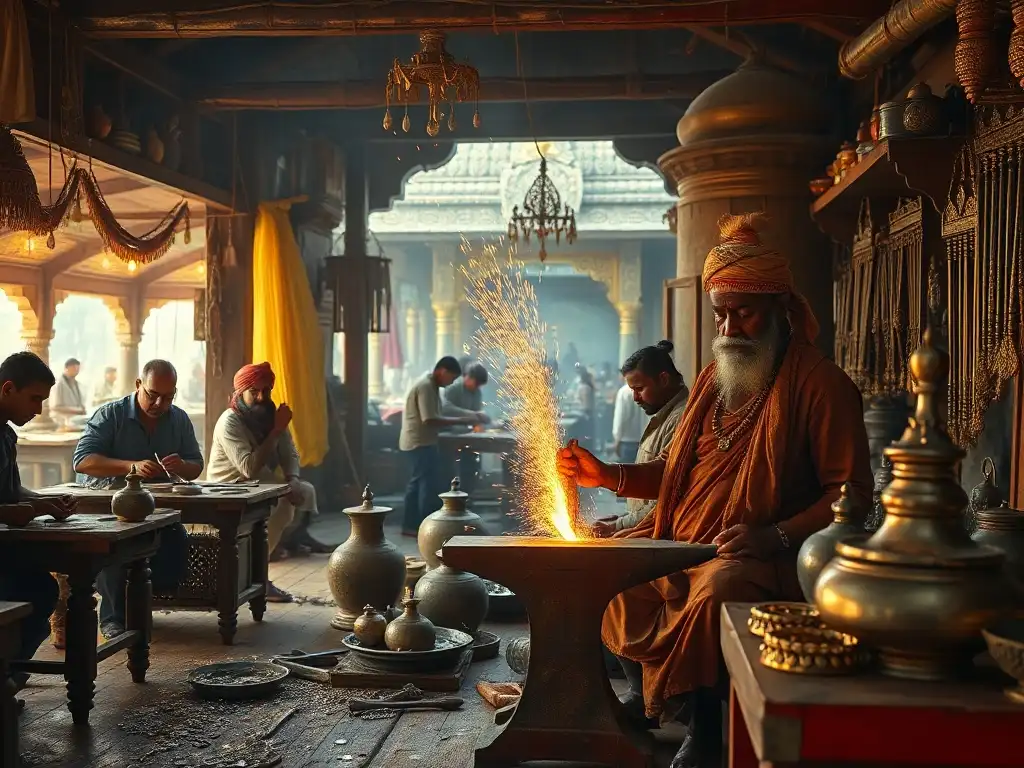
The Evolution of Metalworking Techniques
Metalworking in ancient Indian civilizations, particularly during the Indus Valley Civilization (circa 3300–1300 BCE), underwent significant evolution. Initially, the focus was on simple techniques such as cold hammering and casting, which laid the foundation for more complex processes.
- Early Techniques:
- Cold hammering involved shaping metals without heating, which allowed artisans to create tools and decorative items.
- The lost-wax casting technique emerged later, enabling craftsmen to produce intricate sculptures and jewelry.
As time progressed, especially during the later Vedic period and into the Mauryan Empire, advancements in metallurgy became evident. The introduction of smelting techniques allowed for the extraction of metals from ores, leading to the use of more sophisticated tools and weapons.
- Key Developments:
- The establishment of furnaces capable of reaching higher temperatures facilitated the melting of metals such as copper and bronze.
- By the Gupta period (circa 320–550 CE), ironworking had advanced considerably, resulting in the production of high-quality iron tools and weaponry, which were crucial for agriculture and warfare.
Types of Metals Used and Their Applications
Ancient Indian metalworkers utilized a variety of metals, each with specific applications that enhanced daily life and trade. The most notable metals included:
- Copper:
- Predominantly used for making tools, utensils, and ornamental items, copper was easily malleable and resistant to corrosion.
- Bronze:
- An alloy of copper and tin, bronze was used extensively for crafting weapons, sculptures, and ceremonial objects. The advanced casting techniques allowed for detailed and durable creations.
- Iron:
- The introduction of iron revolutionized agriculture and warfare. Iron plows improved farming efficiency, while weapons became more robust and effective.
- Gold and Silver:
- These precious metals were primarily used for jewelry and decorative artifacts, showcasing the wealth and status of individuals.
| Metal | Applications |
|---|---|
| Copper | Tools, utensils, ornamental items |
| Bronze | Weapons, sculptures, ceremonial objects |
| Iron | Agricultural tools, weapons |
| Gold | Jewelry, decorative artifacts |
| Silver | Jewelry, ceremonial items |
Daily Life of Metal Workers: Craftsmanship and Community
The daily life of metal workers in ancient India was characterized by a strong sense of craftsmanship and community. Metalworkers often formed guilds, which played a significant role in organizing production and trade.
- Craftsmanship:
- Metalworkers were highly skilled artisans, often passing their knowledge down through generations. They adhered to rigorous standards, ensuring that each piece produced met the community's needs and aesthetic values.
- Community Structure:
- Metalworking communities were typically close-knit, with families working together in workshops. This communal approach fostered collaboration and innovation, as artisans shared techniques and ideas.
- Role in Society:
- Metalworkers not only contributed to the economy through their crafts but also held social significance. Their products were integral to both daily life and religious practices, often crafted for temples and ceremonies.
The intricate relationship between metalworkers and their communities underscores the importance of ancient Indian crafts and industries in shaping societal structures and cultural practices. Through their artistry, metalworkers left a lasting impact on the heritage of ancient Indian civilizations.
Artistic Expressions in Ancient Metalwork
Ancient Indian metalwork is celebrated not only for its functional aspects but also for its intricate artistic expressions. This artistry can be traced back to the earliest civilizations, particularly the Indus Valley Civilization, where skilled artisans created metal objects that reflected both utility and aesthetics.
The Influence of Nature and Culture
Many metal artifacts from ancient India were inspired by the surrounding natural environment and cultural themes. For instance, motifs of flora and fauna were prevalent in the designs, often symbolizing prosperity, fertility, and spirituality. The use of animal figures, such as elephants and horses, in metal sculptures showcases the connection between nature and the societal values of the time. Additionally, religious iconography became a significant aspect of metalwork, with deities and mythological scenes depicted in bronze and copper.
Techniques and Skills
Artisans utilized various techniques to enhance the visual appeal of their metalwork. Techniques such as lost-wax casting and repoussé (a method of shaping metal by hammering from behind) allowed for detailed designs and engravings. The lost-wax casting technique, in particular, enabled artisans to create intricate sculptures and jewelry that were both lightweight and durable. These skills were passed down through generations, highlighting the importance of craftsmanship in ancient Indian society.
Types of Metalwork
Ancient Indian metalwork encompassed a wide range of items, including tools, weapons, jewelry, and ceremonial objects. Each category featured unique artistic expressions:
- Jewelry: Adornments such as necklaces, earrings, and bangles often featured intricate patterns and were made using precious metals like gold and silver. Gemstones were also embedded, elevating the aesthetic value.
- Weapons: Swords and shields were not only practical items but also showcased elaborate designs that reflected the status and power of the owner. Engravings and inlays were common, displaying the skill of the metalworkers.
- Religious Items: Ritual objects, including bells and statues, were crafted with great attention to detail. The artistic representation of deities was crucial for religious practices, and the quality of these items reflected the devotion of the artisans.
Regional Variations
As ancient Indian civilization expanded, regional variations in metalwork emerged. Each area developed its distinctive styles influenced by local resources, traditions, and cultural exchanges. For instance, the metalwork of South India is known for its bronze sculptures, while the North showcased intricate silver and gold jewelry. These regional differences not only illustrate the diversity of artistic expressions but also the technological advancements achieved by local artisans.
Legacy and Continuity
The artistic expressions found in ancient Indian metalwork laid the groundwork for subsequent generations of artisans. Today, many traditional techniques continue to be practiced, ensuring that the rich heritage of ancient Indian crafts and industries remains alive. The intricate designs and methods that originated thousands of years ago still inspire contemporary artists, showcasing the lasting impact of ancient metalworking traditions on modern craftsmanship.
The artistic expressions in ancient metalwork reveal much about the cultural and societal values of ancient Indian civilizations. Through careful craftsmanship and creative designs, metalworkers contributed significantly to the artistic legacy of India, making their works not just tools or ornaments, but expressions of identity and belief.
Interconnection Between Crafts and Daily Life
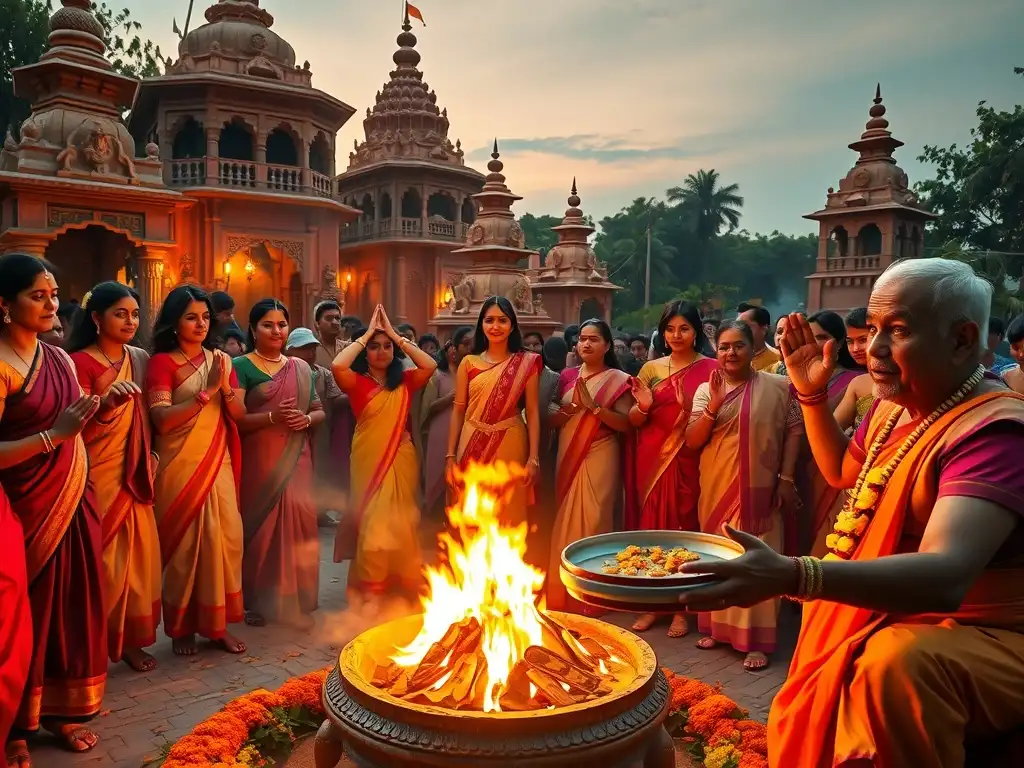
The Socioeconomic Impact of Crafts in Ancient India
Crafts played a pivotal role in the socioeconomic fabric of ancient Indian civilizations, particularly during the Indus Valley period. The production of pottery, textiles, and metalwork not only fulfilled local needs but also became a significant aspect of trade and commerce.
Pottery and Daily Life
Pottery was an essential craft, serving both functional and artistic purposes. The inhabitants of the Indus Valley created a variety of pottery types, including:
- Cooking pots: Used for food preparation.
- Storage jars: To keep grains and liquids.
- Decorative items: Such as painted pottery, which reflected social status and artistic expression.
The availability of pottery facilitated the storage and preservation of resources, which was crucial for sustenance and trade, thus impacting the overall economic stability of communities.
Textiles and Weaving
The textile industry was another cornerstone of daily life and economic activity. Evidence suggests that cotton was cultivated and woven into fabric as early as 2500 BCE. The production of textiles had several socioeconomic implications:
- Employment: Weaving provided jobs for many, especially women, thereby contributing to the household economy.
- Trade: Finished textiles were traded with neighboring regions, enhancing economic ties and cultural exchanges.
The textiles not only served practical uses but also became a symbol of identity and cultural heritage, showcasing patterns and designs unique to different communities.
Craft Specialization and Community Roles
Craft specialization emerged as societies became more complex, leading to distinct roles within communities. Different craftspeople, such as potters, weavers, and metal workers, were often recognized for their skills, which influenced social structures.
Role of Potters
Potters were vital in producing everyday items, which fostered a strong sense of community. Their skills were often passed down through generations, creating a lineage of craftsmanship. Potters typically operated within specific neighborhoods, contributing to localized economies and social interactions.
Weavers and Their Contribution
Weavers played a similar role, often forming guilds or cooperative groups. This collective approach allowed for:
- Skill development: Weavers could share techniques, improving the quality of textiles.
- Resource pooling: Materials could be sourced collectively, lowering costs and enhancing production efficiency.
Metal Workers and Societal Status
Metal workers, who crafted tools, ornaments, and weapons, held elevated status within society. Their creations were essential for both daily activities and ceremonial purposes, making them indispensable.
Trade and Exchange of Crafts in Ancient Societies
The trade networks established during the Indus Valley Civilization significantly influenced the distribution and exchange of crafts. The interconnectedness of regions facilitated the movement of goods, ideas, and cultural practices.
Local Trade Practices
Local marketplaces became centers of economic activity where artisans sold their crafts. These markets were not merely transactional spaces but also venues for social interaction and cultural exchange. For instance, potters and weavers often collaborated, allowing for the blending of styles and techniques.
Long-Distance Trade
Ancient Indian crafts were highly sought after in distant markets, with evidence of trade links stretching to Mesopotamia and beyond. The exchange of goods like:
- Pottery: Renowned for its quality and design.
- Textiles: Especially cotton and silk, which were prized in foreign lands.
- Metalwork: Including bronze tools and decorative items.
These trade activities not only enhanced the economy but also facilitated cultural exchanges, introducing new ideas and technologies to ancient Indian societies.
The intricate relationship between crafts and daily life in ancient India is a testament to the region's rich cultural heritage. The socioeconomic impact of crafts, the specialization of artisans, and the extensive trade networks highlight the importance of these industries in shaping the lives of ancient Indians.
Conclusion on the Legacy of Ancient Indian Crafts and Industries
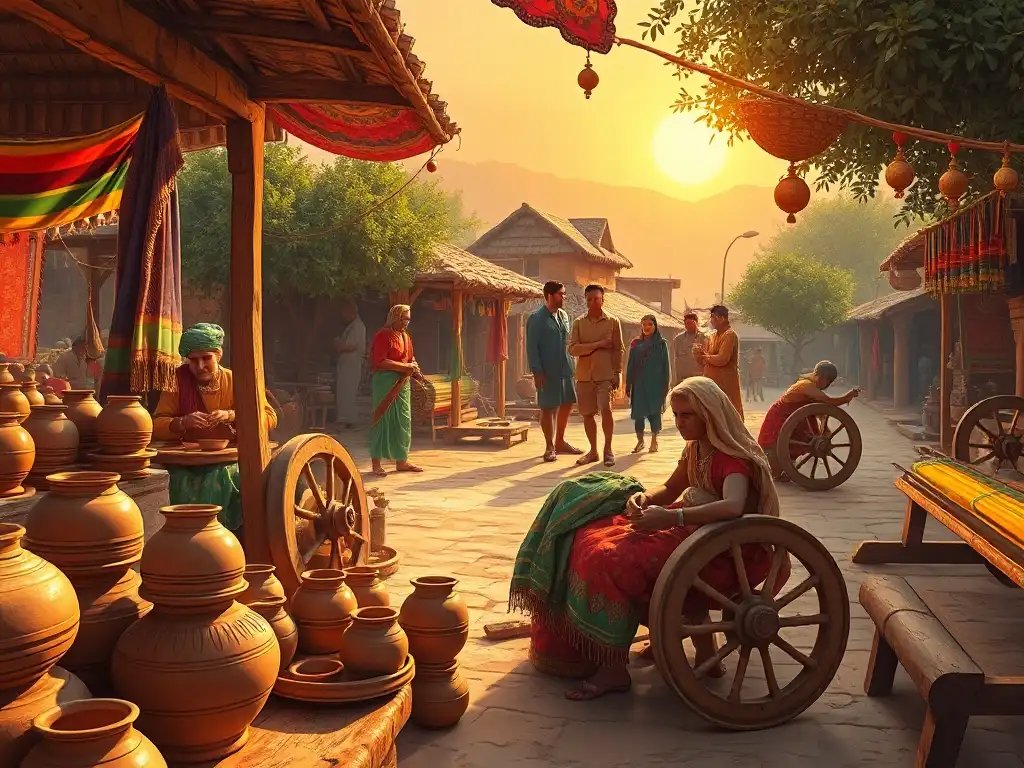
The legacy of ancient Indian crafts and industries is profound, leaving an indelible mark on the fabric of Indian culture and society. The skills and techniques developed by potters, weavers, and metal workers during the Indus Valley Civilization and subsequent periods have not only shaped the aesthetic landscape of ancient India but have also laid the groundwork for many contemporary practices. These crafts reflect the ingenuity, creativity, and adaptability of ancient artisans, who utilized local resources to create functional and decorative items that served both everyday and ceremonial purposes.
As we explore the influence of these ancient crafts, it becomes clear that they are not merely relics of the past but vibrant traditions that continue to inspire and inform modern practices. The craftsmanship, artistry, and community significance of these industries highlight the importance of preserving this rich heritage for future generations.
Lasting Influence on Modern Indian Crafts
Ancient Indian crafts have significantly influenced modern Indian artisanship, fostering a deep appreciation for traditional techniques and aesthetics. Many contemporary craftspeople draw inspiration from the intricate designs and materials used by their ancient counterparts. For instance:
- Pottery: Modern potters still employ methods reminiscent of those from the Indus Valley, such as hand-throwing and the use of natural glazes. Traditional motifs and shapes often find their way into contemporary works, celebrating the historical roots of this craft.
- Textiles: Weaving techniques from ancient times, including the use of natural dyes and traditional patterns, remain prevalent in today’s textile production. Regions like Varanasi and Kanchipuram continue to produce exquisite weaves that echo the artistry of the past.
- Metalwork: The legacy of ancient metal workers is evident in the ongoing practice of crafting intricate jewelry and utensils. Techniques such as lost-wax casting and engraving are still employed, showcasing the skills honed over millennia.
This continuous thread of influence demonstrates how ancient Indian crafts are not just historical artifacts but living traditions that evolve while honoring their origins.
Preservation of Traditional Techniques in Contemporary Society
In contemporary society, there is a growing movement to preserve traditional crafts and industries, recognizing their cultural significance and economic potential. Organizations and artisans are actively working to sustain these practices through various means:
- Training Programs: Initiatives aimed at training new generations of craftsmen help ensure the transmission of traditional techniques. Workshops and apprenticeships provide hands-on experience, allowing young artisans to learn from experienced masters.
- Cultural Festivals: Events celebrating traditional crafts, such as craft fairs and exhibitions, offer platforms for artisans to showcase their work. These gatherings foster community connections and educate the public about the importance of preserving these art forms.
- Government Support: Policies and programs aimed at promoting traditional crafts, such as subsidies and grants, help artisans sustain their livelihoods while preserving their cultural heritage. These initiatives often include marketing support to increase visibility and sales.
The preservation of these techniques not only supports artisans economically but also reinforces the cultural identity and historical continuity of communities across India.
Summary of Contributions of Potters, Weavers, and Metal Workers to Ancient Indian Civilization
The contributions of potters, weavers, and metal workers to ancient Indian civilization are multifaceted and significant:
- Potters: The production of pottery was essential for daily life in ancient communities. From storage vessels to ceremonial items, pottery played a crucial role in both practical and ritualistic contexts. The distinct styles of pottery, such as painted and molded forms, indicate regional identities and cultural practices.
- Weavers: Weaving was a fundamental craft that produced textiles for various uses, including clothing, trade, and religious ceremonies. The intricate designs and patterns not only reflected artistic expression but also conveyed social status and cultural narratives.
- Metal Workers: The skills of metal workers allowed for the creation of tools, weapons, and decorative items that were vital for both functionality and artistry. Their innovations in metallurgy, such as the development of high-quality steel and bronze, significantly impacted trade and technology.
The crafts and industries of ancient India were integral to the daily lives of its people, shaping their culture, economy, and social structure. The legacy of these artisans continues to resonate in modern practices, ensuring that the rich history of ancient Indian crafts and industries remains alive and relevant today.
Frequently Asked Questions
What were the primary crafts developed in ancient India?
Ancient India saw the development of various crafts, including pottery, weaving, and metalworking. Each craft contributed significantly to the daily life and economy of ancient Indian civilizations.
How did pottery play a role in daily life?
Pottery was essential for daily activities, providing storage for food and water. The intricate designs also reflected the artistic expression of the culture and community.
What significance did weaving have in ancient Indian society?
Weaving was not just a craft but also a cultural identity. Different regions developed unique weaving techniques, producing diverse textiles that were crucial for trade and social status.
How did metalworking influence ancient Indian industries?
Metalworking advanced significantly, allowing for the creation of tools, weapons, and decorative items. This skill contributed to both economic growth and the technological advancement of ancient Indian societies.
Were there any specific regions known for their crafts and industries?
Yes, regions like the Indus Valley and areas during the Gupta Empire were renowned for their specialized crafts. This diversity in crafts highlights the rich cultural heritage of ancient India.
Final Reflection: The Enduring Legacy of Ancient Indian Crafts and Industries
The intricate artistry of ancient Indian crafts and industries is not merely a relic of the past; it remains a vibrant thread woven into the fabric of contemporary society. As we explore the daily lives of potters, weavers, and metal workers, we uncover a rich tapestry of skills and traditions that continue to influence modern craftsmanship and cultural identity. The dedication and creativity of these artisans serve as a powerful reminder of the importance of preserving our heritage in an ever-evolving world.
The impact of these ancient crafts extends far beyond their historical significance; they shape our cultural landscape and foster a sense of community. The techniques and stories passed down through generations create a connection between the past and present, allowing us to appreciate the artistry that surrounds us. As Mahatma Gandhi once said, "> The best way to find yourself is to lose yourself in the service of others." This sentiment resonates deeply within the crafts community, where artisans contribute not only to their livelihoods but also to the cultural identity and continuity of their communities.
As we reflect on the lessons learned from the lives of potters, weavers, and metal workers, let us embrace the call to honor and support these ancient crafts in our own lives. Consider how you can engage with and promote the artisans in your community, whether through purchasing handmade goods, learning a craft, or sharing their stories. By doing so, we not only celebrate their artistry but also ensure that these invaluable traditions continue to thrive for future generations.
Unleash Your Creativity: Step into the World of Ancient Crafts!
Thank you for taking the time to explore the fascinating daily lives of potters, weavers, and metalworkers in ancient India! You’ve uncovered their artistic legacies and the rich cultural threads woven into their crafts. Now, it’s time to transform that inspiration into action!
Here are some exciting ways to connect with these ancient arts and keep the spirit of creativity alive:
- Try your hand at a craft! Start a small pottery project, weave a simple pattern, or explore basic metalworking techniques. Consider creating a piece that reflects your personal story!
- Share your discoveries. Join online communities focused on traditional crafts or showcase your creations on social media for friends and family. Let the world appreciate the beauty of ancient art through your perspective!
- Visit local artisan markets or workshops. Engage with modern artisans who carry on these traditions. You might uncover hidden gems and learn valuable skills directly from the masters!
What craft inspires you the most, and how will you incorporate it into your daily life? We’d love to hear your thoughts!