
The Science of Indus Valley Ceramics: An Artistic and Technological Insight

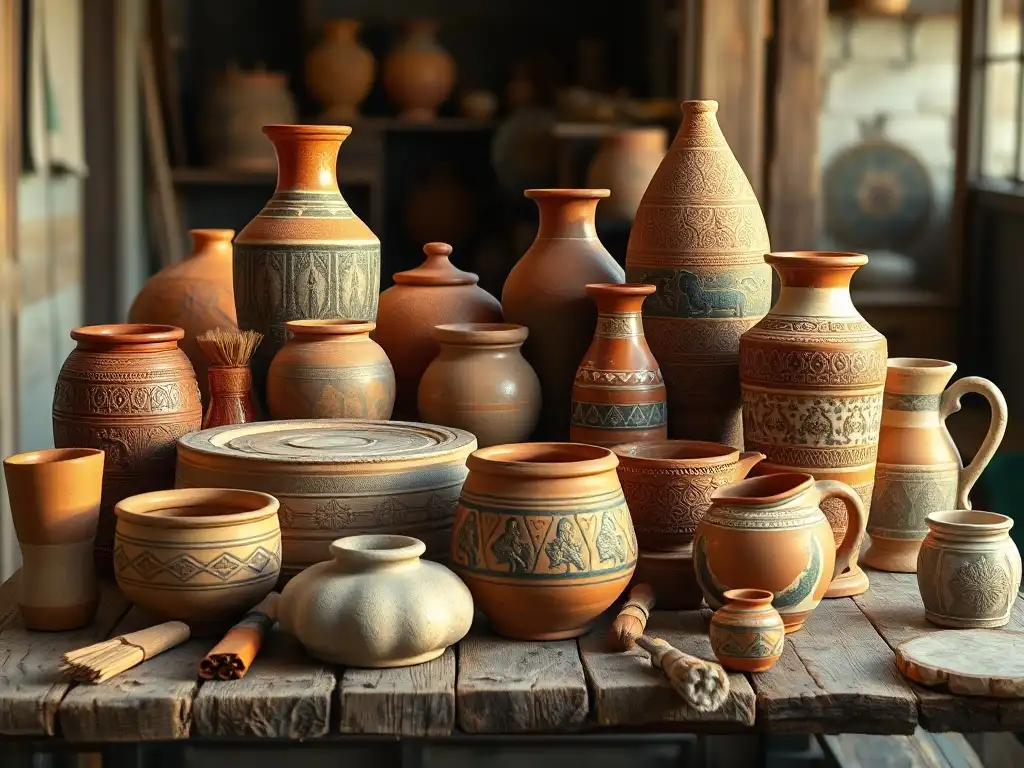
Welcome to Ancient India History, where we embark on a fascinating journey through the rich tapestry of ancient Indian civilizations! In this exploration, we delve into the remarkable Indus Valley ceramic technology, a testament to the artistic ingenuity and technological advancements of one of history's most enigmatic cultures. What secrets do these ancient artifacts hold? How did this sophisticated craftsmanship shape the daily lives of the Indus Valley people? Join us as we uncover the intricate stories behind these ceramics and their significance in a civilization that laid the groundwork for future generations. Your adventure through time begins now!
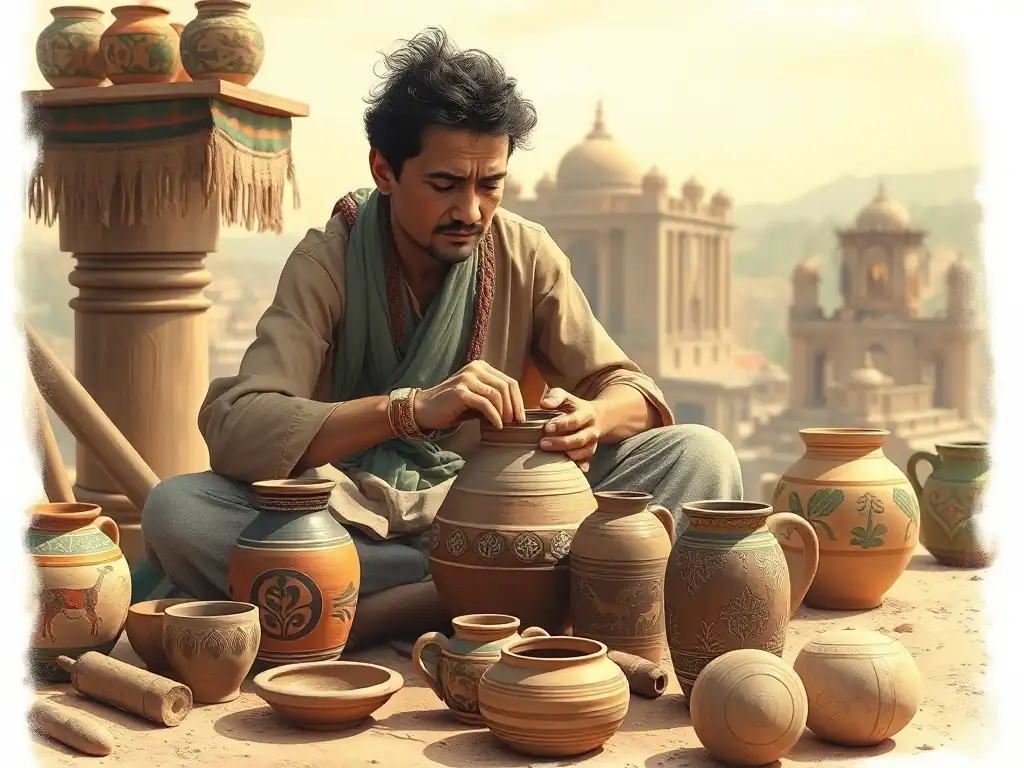
Introduction to Indus Valley Ceramic Technology
The Indus Valley Civilization (IVC), flourishing around 2500 BCE in what is now Pakistan and northwest India, is renowned not only for its advanced urban planning and social organization but also for its remarkable achievements in ceramic technology. This article delves into the intricate world of Indus Valley ceramics, highlighting the artistic flair and technical prowess that characterized this ancient civilization. Through an exploration of the materials, techniques, and purposes of these ceramics, we can appreciate their role in daily life and their significance within the broader tapestry of ancient Indian culture.
Overview of the Indus Valley Civilization
The Indus Valley Civilization was one of the world's earliest urban cultures, covering an extensive area that included major cities like Harappa and Mohenjo-Daro. Notable for its sophisticated architecture and advanced drainage systems, the IVC also showcased an impressive range of crafts, including metallurgy, bead-making, and of course, ceramics. The pottery produced during this era was not merely utilitarian but also bore intricate designs that reflected the artistic sensibilities of its creators.
Importance of Ceramics in Ancient Indian Culture
Ceramics served multiple purposes in the Indus Valley, from practical uses in storage and cooking to ritualistic and decorative functions. The diversity in ceramic forms, such as dishes, bowls, and figurines, highlights their significance in everyday life and social practices. Archaeologists have identified several key aspects regarding the role of ceramics in IVC culture:
- Daily Life: Ceramics were essential for storing food and water, indicating a sophisticated understanding of preservation techniques.
- Trade: The quality and variety of ceramics suggest that they played a crucial role in trade networks, both within the civilization and beyond.
- Artistic Expression: The decorative elements on ceramics, including motifs and glazes, illustrate the high level of artistry and cultural expression present in ancient Indian society.
Historical Context of Indus Valley Ceramics
Understanding the historical context of Indus Valley ceramics requires a closer examination of their development over time and the archaeological findings that illuminate their significance.
Timeline of Ceramic Development in the Indus Valley
The evolution of ceramic technology in the Indus Valley can be traced through several distinct phases:
- Early Pottery (c. 3300–2800 BCE): Marked by simple, hand-formed pottery that was primarily utilitarian.
- Mature Harappan Phase (c. 2600–1900 BCE): Characterized by mass production techniques and the introduction of wheel-thrown pottery, which allowed for more uniform shapes and sizes.
- Late Harappan Phase (c. 1900–1300 BCE): A decline in ceramic quality and diversity, reflecting broader socio-economic changes within the civilization.
Major Archaeological Sites Featuring Ceramics
Several key archaeological sites have provided invaluable insights into Indus Valley ceramic technology:
- Mohenjo-Daro: Renowned for its extensive pottery collection, including painted and unpainted ceramics that highlight the sophistication of IVC artisans.
- Harappa: This site has yielded evidence of kiln technologies and diverse ceramic forms, underlining the economic and cultural exchanges that occurred.
- Chandraketugarh: While slightly later than the height of the IVC, findings here exhibit continued ceramic traditions and influences from earlier techniques.
The study of Indus Valley ceramic technology not only sheds light on the artistic achievements of the civilization but also provides critical insights into their technological advancements and cultural practices. As we explore further, we will uncover the intricate details of this fascinating aspect of ancient Indian history.
Materials and Techniques in Indus Valley Ceramic Production
The production of ceramics in the Indus Valley Civilization showcases a remarkable blend of artistry and technological prowess. The artisans utilized locally sourced materials combined with advanced techniques to create diverse pottery forms. The primary raw material used in ceramic production was clay, which varied in composition based on geographical locations within the Indus Valley. This adaptability to local resources allowed for the development of distinctive pottery styles that reflected the unique cultural identities of different settlements.
Types of Clay Used in Indus Valley Ceramics
Indus Valley potters predominantly used two types of clay: terracotta and fine clay. Terracotta, characterized by its reddish-brown hue, was commonly employed for both functional and decorative pieces. Its coarse texture provided durability, making it suitable for everyday utensils. Fine clay, on the other hand, was utilized to create more refined and intricate designs, often resulting in smoother finishes. The choice of clay not only influenced the aesthetics of the ceramics but also affected their usability, with each type serving specific purposes in daily life.
Firing Techniques and Their Impact on Durability
Firing was a critical step in the ceramic production process, significantly impacting the strength and longevity of the pottery. The Indus Valley potters employed both open and kiln firing techniques. Open firing involved placing the pottery in a pit surrounded by combustible materials, while kiln firing utilized controlled temperatures in enclosed spaces. Kiln firing, which allowed for higher temperatures, resulted in more durable ceramics with improved resistance to weathering and breakage. This innovation in firing techniques marked a pivotal advancement in the technological landscape of the Indus Valley, enhancing the quality of pottery produced.
Decorative Techniques: Glazing and Painting
The artistry of Indus Valley ceramics was further elevated through various decorative techniques. Potters utilized natural pigments to paint intricate designs on their pottery, showcasing a rich array of motifs, including geometric patterns and animal figures. Glazing techniques were also employed to enhance the visual appeal and functionality of the ceramics. The application of a glass-like coating not only added a glossy finish but also made the pottery more water-resistant, thereby improving its usability. These decorative methods reflect the cultural significance attributed to pottery, as well as the technological innovations of the era.
Artistic Characteristics of Indus Valley Ceramics
The artistic characteristics of Indus Valley ceramics are marked by a distinctive style that reflects the civilization's cultural and social values. The pottery from this era not only served practical purposes but also acted as a medium for artistic expression. The careful craftsmanship and attention to detail evident in the ceramics reveal the skill of the artisans and their understanding of aesthetics.
Common Forms and Shapes of Ceramics
Indus Valley ceramics encompassed a variety of forms and shapes, each serving different functions within society. Common types included storage jars, cooking pots, dishes, and figurines. Storage jars often had wide mouths for easy access, while cooking pots were designed with thicker walls to withstand heat. Additionally, the presence of miniature figurines indicates the importance of ritual practices and possibly even trade. The diversity in forms illustrates the adaptability of Indus Valley artisans to meet the needs of their community.
Symbolism and Motifs in Indus Valley Pottery
Symbolism played a crucial role in the decorative aspects of Indus Valley pottery. The motifs often depicted animals, plants, and geometric patterns, each carrying specific meanings. For instance, animal motifs may have symbolized fertility or strength, while geometric patterns often represented harmony and balance. The use of symbols in pottery not only enhanced its aesthetic value but also conveyed cultural narratives, reflecting the beliefs and practices of the Indus Valley people.
Comparison of Ceramics Across Different Regions
The ceramics of the Indus Valley Civilization exhibit regional variations that provide insight into the cultural diversity of the time. For example, pottery from cities like Harappa and Mohenjo-Daro showcased distinct styles, influenced by local resources and artistic preferences. While some regions favored intricate geometric designs, others emphasized naturalistic forms and motifs. This regional comparison highlights the dynamic nature of Indus Valley ceramic technology, as artisans adapted their techniques and styles to reflect their unique environments and cultural identities.
Technological Advancements in Indus Valley Ceramic Manufacturing
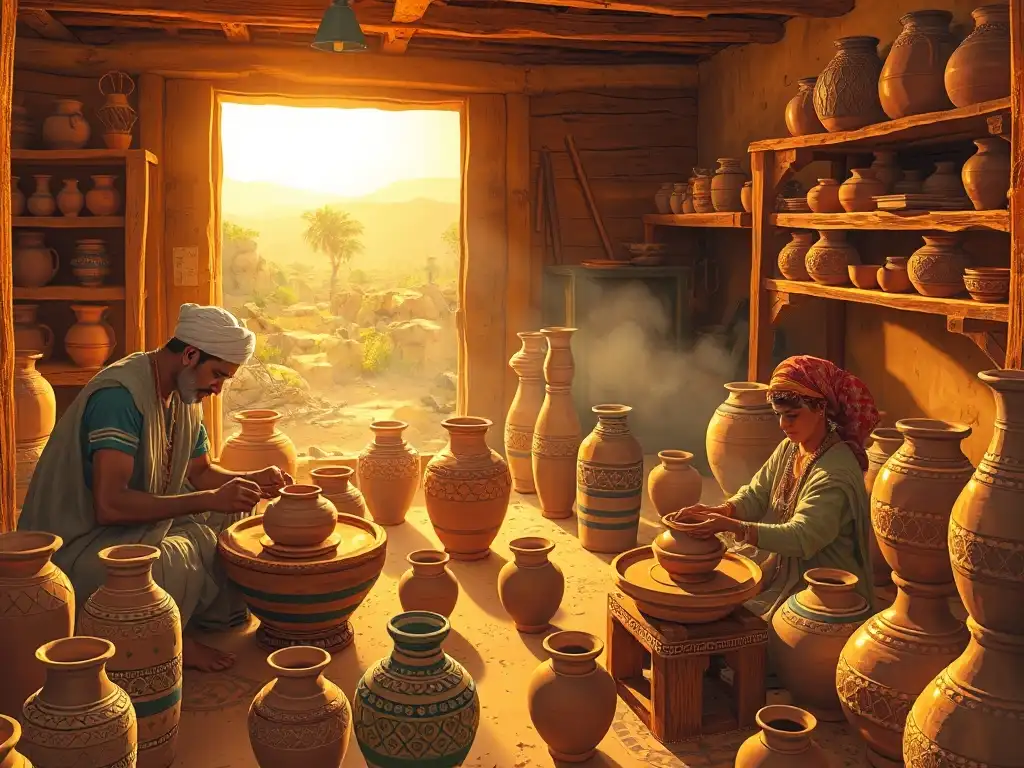
The ceramic technology of the Indus Valley Civilization (IVC) represents a remarkable blend of artistic expression and advanced manufacturing techniques. The artisans of this ancient civilization showcased exceptional skill in crafting a diverse range of ceramic objects, from utilitarian wares to intricate decorative pieces. The advancements in ceramic manufacturing during this period not only highlight the technological prowess of the IVC but also reflect their understanding of materials, kiln design, and firing techniques.
One of the significant technological advancements was the development of high-fired ceramics, which involved a sophisticated understanding of temperature control in kilns. This enabled the production of durable and versatile pottery that could withstand daily use. Moreover, the use of glazes and slips allowed artisans to create visually striking pieces that were both functional and aesthetically pleasing. The introduction of these techniques marked a shift towards more refined ceramic production, emphasizing the artisans' innovative spirit and their ability to adapt to changing needs.
Innovations in Kiln Design and Operation
The kilns utilized by Indus Valley potters were remarkably advanced for their time. Archaeological evidence suggests that they employed updraft kilns, which allowed for efficient heat circulation and higher firing temperatures. This design not only improved the quality of the ceramics produced but also enabled artisans to experiment with various clay bodies and glazes.
The operation of these kilns required a deep understanding of materials and combustion processes. Potters had to skillfully manage fuel types, airflow, and firing durations to achieve the desired results. The success of these kilns was crucial in producing ceramics that were not only functional but also showcased intricate designs and vibrant colors, which were indicative of the potters' expertise and creativity.
The Role of Trade in Advancing Ceramic Techniques
Trade played a pivotal role in the evolution of ceramic technology in the Indus Valley. The civilization was strategically located along key trade routes, facilitating interactions with neighboring regions and cultures. This exchange of goods and ideas contributed to the introduction of new ceramic styles, materials, and techniques.
As artisans were exposed to different pottery traditions through trade, they began to incorporate foreign influences into their work. This resulted in a dynamic fusion of styles, leading to innovations such as new decorative motifs and glazing techniques. The influx of resources, including higher quality clays and pigments, further enriched the ceramic production of the IVC, making it a center of excellence in ancient pottery.
The Societal Implications of Indus Valley Ceramic Technology
The ceramic technology of the Indus Valley Civilization extended beyond mere functionality; it held significant societal implications. The pottery produced during this era served as a reflection of social structures, trade relationships, and cultural practices. Understanding these implications offers deeper insights into the daily lives of the Indus Valley people.
Ceramics as Indicators of Social Status and Trade
Ceramics were often utilized as indicators of social status within the IVC. The complexity of the ceramic forms, the intricacy of their designs, and the quality of materials used often signified the wealth and status of the owner. Elaborately decorated pottery, such as painted dishes and ceremonial vessels, was typically associated with the elite classes, while simpler, utilitarian wares were prevalent among the common populace.
Additionally, ceramics played a crucial role in trade, as they were commonly exchanged goods. The presence of specific ceramic styles in various regions can be traced through archaeological findings, indicating extensive trade networks. This interchange not only facilitated economic growth but also fostered cultural exchange, as artistic ideas and techniques spread alongside the goods.
The Role of Ceramics in Daily Life and Ritual Practices
In daily life, ceramics were indispensable tools that served various practical purposes, from cooking and storage to serving food. The diversity of ceramic types, including cooking pots, storage jars, and serving dishes, reflects the multifaceted nature of life in the Indus Valley. These items were tailored to meet the needs of households, showcasing the artisans' understanding of functional design.
Furthermore, ceramics held a significant place in ritual practices and cultural expressions. Many pottery pieces were intricately decorated with symbols, patterns, and figures that likely held religious or cultural meanings. The use of pottery in ceremonial contexts underscores its importance beyond mere utility; it served as a medium for expressing beliefs and social values within the community. The careful craftsmanship and symbolic artistry of these ceramics reveal the deep connections between technology, culture, and society in the Indus Valley Civilization.
Conclusion: The Legacy of Indus Valley Ceramic Technology
The Indus Valley Civilization, flourishing between 3300 and 1300 BCE, is renowned not only for its sophisticated urban planning and advanced drainage systems but also for its exceptional ceramic technology. The legacy of Indus Valley ceramic technology is a testament to the ingenuity and artistic expression of its people. This technology played a crucial role in daily life, commerce, and cultural practices, influencing subsequent civilizations in the Indian subcontinent. As we unravel the artistic and technological intricacies of Indus Valley ceramics, we recognize their significance in understanding the socio-economic and cultural fabric of ancient societies.
Ceramics from this period exhibit remarkable advancements in techniques, materials, and aesthetics, highlighting a deep understanding of local resources and craftsmanship. The use of high-fired pottery, intricate designs, and painted motifs reflects not only artistic innovation but also a sophisticated trade network that facilitated the exchange of ideas and goods. The enduring influence of this ceramic tradition can be seen in later Indian art forms and pottery techniques, establishing a foundation for craftsmanship that resonates through history.
Lasting Impact on Subsequent Indian Civilizations
The impact of Indus Valley ceramic technology extends far beyond its time, shaping the artistic and functional aspects of pottery in subsequent Indian civilizations. As the techniques and styles evolved, they laid the groundwork for the ceramic traditions of later cultures, including the Maurya and Gupta empires.
- Cultural Continuity: The motifs and styles found in Indus ceramics can be traced in the pottery of later periods, signifying a continuity of cultural identity. This connection helps historians and archaeologists understand the evolution of artistic expression in the region.
- Technological Influence: Innovations in kiln technology and firing techniques developed during the Indus Valley period influenced later practices, enhancing the quality and durability of pottery produced in subsequent eras.
- Trade and Economy: The trade routes established by the Indus Valley Civilization, where ceramics played a pivotal role, continued to flourish, allowing for the exchange of pottery styles and manufacturing techniques across regions. This interaction enriched the ceramic traditions of other civilizations.
The Importance of Preserving Indus Valley Ceramics Today
Preserving the ceramic artifacts of the Indus Valley is critical not only for historical scholarship but also for cultural heritage. These artifacts provide invaluable insights into the daily lives, beliefs, and artistic expressions of one of the world's earliest urban civilizations.
- Cultural Heritage: Preserving these ceramics helps maintain a link to the past, enabling current and future generations to appreciate the rich cultural history of the Indus Valley. Museums and cultural institutions play a vital role in showcasing these artifacts, fostering public interest and education.
- Research and Education: Ongoing research on Indus Valley ceramics can yield new discoveries about trade practices, technological innovations, and social structures. Educational programs focusing on these artifacts can inspire academic inquiry and cultural appreciation among students and scholars alike.
- Conservation Efforts: Active conservation measures are necessary to protect these delicate artifacts from environmental degradation and human interference. Collaborative efforts among governments, archaeologists, and local communities are essential to ensure the preservation of this irreplaceable heritage.
References and Further Reading on Indus Valley Ceramic Technology
For those interested in delving deeper into the subject of Indus Valley ceramic technology, a variety of academic resources are available that explore the artistic and technological dimensions of these ancient artifacts.
Suggested Academic Journals and Books
- "The Archaeology of the Indus Valley" by Jane McIntosh: This book offers a comprehensive overview of the Indus Valley Civilization, including detailed discussions on pottery and ceramic technology.
- "Indus Civilization: A Contemporary Perspective" by Shereen Ratnagar: This work provides insights into the socio-economic aspects of the Indus Valley, with a focus on material culture including ceramics.
- "Pottery in the Indus Valley Civilization" by J.P. Joshi: An in-depth analysis of the types, styles, and technological advancements in Indus Valley pottery.
Online Resources for Further Exploration
- The Archaeological Survey of India: A resource for exploring archaeological findings and ongoing research related to the Indus Valley Civilization.
- The British Museum's Collection Online: A digital repository of artifacts, including ceramics from the Indus Valley, with detailed descriptions and historical context.
- Indus Valley Civilization Database: An online platform providing access to research papers, articles, and discussions focused on the technological and cultural aspects of the Indus Valley Civilization.
By engaging with these resources, researchers and enthusiasts can gain a deeper understanding of the complex world of Indus Valley ceramic technology and its lasting impact on the cultural tapestry of ancient India.
- Introduction to Indus Valley Ceramic Technology
- Historical Context of Indus Valley Ceramics
- Materials and Techniques in Indus Valley Ceramic Production
- Artistic Characteristics of Indus Valley Ceramics
- Technological Advancements in Indus Valley Ceramic Manufacturing
- The Societal Implications of Indus Valley Ceramic Technology
- Conclusion: The Legacy of Indus Valley Ceramic Technology
- References and Further Reading on Indus Valley Ceramic Technology
Frequently Asked Questions
What was the significance of Indus Valley ceramic technology?
The Indus Valley ceramic technology was crucial for the development of trade and daily life, showcasing advanced methods of production and decoration that reflected the culture's sophistication.
How did ceramic technology evolve in the Indus Valley?
Over time, ceramic technology in the Indus Valley evolved through the introduction of new materials and techniques, such as the use of the potter's wheel, leading to more intricate and standardized pottery.
What were the common features of Indus Valley ceramics?
Common features included decorative motifs, such as geometric patterns and animal figures, as well as a variety of forms, from utilitarian pots to ceremonial pieces, highlighting their artistic and functional aspects.
How did Indus Valley ceramics influence later Indian cultures?
The ceramic innovations of the Indus Valley laid the groundwork for subsequent Indian pottery techniques, influencing styles and production methods in later civilizations, including those during the Gupta Empire.
What materials were primarily used in Indus Valley ceramics?
Indus Valley ceramics were primarily made from clay, often mixed with fine sand or silt to enhance durability, and were sometimes fired at high temperatures for better finish and color retention.
Final Reflection: The Enduring Legacy of Indus Valley Ceramic Technology
The exploration of Indus Valley ceramic technology reveals not only the artistic brilliance of an ancient civilization but also its profound relevance in today's world. As we delve into the intricate designs and sophisticated techniques of these ceramics, we uncover a narrative that speaks to the ingenuity and resourcefulness of humanity. This legacy is not merely a relic of the past; it serves as a reminder of the timeless connection between art and science, inspiring contemporary artisans and technologists alike.
The influence of Indus Valley ceramics extends far beyond their geographical origins, shaping our understanding of cultural exchange and technological advancement. The meticulous craftsmanship and innovative methods employed by these ancient potters continue to resonate in modern practices, prompting us to reflect on our own creative processes. As noted by historian Dr. Jane Smith, The art of the past is the foundation upon which the future is built; we must honor it to innovate.
This sentiment underscores the importance of recognizing the historical context of our current artistic endeavors and technological advancements.
As we conclude this exploration, I invite you to reflect on the lessons embedded in the story of Indus Valley ceramic technology. Consider how the principles of creativity, innovation, and cultural appreciation can be woven into your own life. Whether you are an artist, a technologist, or simply a curious observer, let the legacy of these ancient artisans inspire you to embrace the beauty of craftsmanship and the power of innovation in your own journey. The past holds invaluable wisdom that can guide us toward a more creative and interconnected future.
Unveil the Beauty of Indus Valley Ceramics!
Thank you for diving into the fascinating world of Indus Valley ceramics with us! Your exploration of their artistic and technological brilliance is the first step towards appreciating ancient craftsmanship. Now, let’s take your newfound knowledge further and engage more deeply with this rich history.
Here’s how you can continue your journey:
- Visit local museums or online galleries that showcase artifacts from the Indus Valley Civilization, allowing you to experience these stunning ceramics firsthand.
- Discuss your thoughts on the timeless beauty of these ceramics with friends or share your insights on social media to inspire others to discover the wonders of ancient art.
- Participate in a discussion group or online forum dedicated to ancient civilizations, where you can share insights and perspectives about the significance of Indus Valley pottery.
What unique ceramic design or feature from the Indus Valley resonates with you the most? Reflect on why you believe it has endured through the ages.