
The Decline of Indus Valley Architecture: What Went Wrong?

Welcome to Ancient India History, where we embark on a fascinating journey through the rich tapestry of ancient Indian civilizations. Today, we delve into the intriguing topic of Indus Valley architecture decline reasons, exploring the factors that led to the fall of one of history’s most remarkable urban societies. What mysteries lie behind the crumbling structures and abandoned cities? Join us as we uncover the layers of history and culture that shaped this ancient civilization, and discover the lessons that still resonate today. Prepare to be captivated!
The decline of Indus Valley architecture is a complex phenomenon that encapsulates the intricate interplay of environmental, social, and economic factors that led to the downfall of one of the world's earliest urban civilizations. As we delve into this topic, we will explore the architectural prowess of the Indus Valley Civilization, examining the elements that made it a remarkable achievement in ancient engineering and planning.
Understanding the reasons behind the decline of such an advanced architectural tradition is crucial for appreciating the broader narrative of ancient Indian history. This article will not only highlight the characteristics of Indus Valley architecture but will also investigate the underlying causes of its eventual decline, providing insights into the civilization's legacy and its enduring influence on subsequent cultures.
Introduction to Indus Valley Architecture
Overview of Indus Valley Civilization
The Indus Valley Civilization, flourishing around 3300–1300 BCE in present-day Pakistan and northwest India, was one of the world's earliest urban societies. Known for its advanced urban planning, sophisticated drainage systems, and impressive architectural achievements, the civilization was characterized by major cities like Harappa and Mohenjo-Daro. The civilization's economy was primarily based on agriculture, trade, and craft production, which supported a burgeoning urban population. The cities were meticulously planned, featuring grid layouts, standardized brick sizes, and an array of public and private structures that reflected a high degree of organization and governance.
Significance of Architecture in Indus Valley Culture
Architecture played a pivotal role in the Indus Valley Civilization, serving not only functional purposes but also reflecting the cultural and social values of the society. The use of durable materials, innovative construction techniques, and a keen sense of aesthetics illustrated the civilization's advanced understanding of architecture. Buildings were not just shelters; they were platforms for social interaction, economic activities, and religious practices.
The elaborate public baths and granaries underscore the importance of communal living and resource management, while the residential areas indicate a preference for privacy and personal space. This architectural legacy offers vital clues about the daily lives and beliefs of the people who inhabited the Indus Valley.
Characteristics of Indus Valley Architecture
Urban Planning and City Layout
Indus Valley cities were renowned for their meticulous urban planning, showcasing a grid-like layout that facilitated organized living. Streets were typically wide and lined with houses that were constructed using standardized baked bricks, which contributed to the uniformity in design. The cities featured advanced drainage systems that included covered drains along the streets, ensuring sanitation and hygiene. Public structures like the Great Bath of Mohenjo-Daro provided evidence of communal spaces designed for social and possibly ritualistic gatherings, highlighting the civilization's emphasis on community and order.
Building Materials and Techniques
The architectural ingenuity of the Indus Valley Civilization was evident in its choice of materials and construction techniques. The primary building material was fired brick, which was more durable than sun-dried mud bricks. The use of mud plaster and wooden beams further enhanced the structural integrity of their buildings. Additionally, the civilization’s engineers displayed a profound understanding of hydraulic engineering, as seen in their sophisticated water management systems, which included wells and reservoirs that ensured a reliable water supply for their urban centers.
Notable Structures and Public Works
Among the notable structures of the Indus Valley Civilization are the citadels, granaries, and the iconic Great Bath. The citadels, likely serving as centers of administrative and religious activities, were often elevated and fortified, symbolizing the power and authority of the ruling elite. The Great Bath, a large public water tank, is thought to have had both practical and ritual significance, representing the civilization's advanced understanding of communal facilities. Other public works, including drainage systems and streets, testify to the civilization's emphasis on urban infrastructure and public health.
As we continue to explore the reasons behind the decline of Indus Valley architecture, it is essential to consider the factors that contributed to this decline and how they intertwined with the civilization's architectural achievements.
The Decline of Indus Valley Architecture
The decline of Indus Valley architecture marks a significant turning point in the history of one of the world's earliest urban civilizations. This architectural tradition, characterized by advanced urban planning, sophisticated drainage systems, and the use of standardized fired bricks, began to deteriorate around 1900 BCE. The once thriving cities of Harappa and Mohenjo-Daro showed signs of decline, leading to a gradual abandonment that has puzzled historians and archaeologists alike. The reasons behind this decline are multifaceted, involving a combination of environmental changes, socio-political factors, and economic shifts that gradually undermined the stability and sustainability of the civilization.
The intricate urban design and architectural innovations of the Indus Valley were not merely functional but also reflected the cultural and social values of the society. As the architectural prowess declined, the implications for urban life, trade, and cultural practices were profound. The dwindling architectural efforts suggest a broader societal decline, with potential impacts on the population's identity and cohesion.
Timeline of Decline: Key Periods
The decline of Indus Valley architecture can be traced through various key periods, each marked by specific changes and events:
- Early Signs (c. 2200 BCE): Archaeological evidence indicates that the Indus Valley Civilization faced early signs of stress as urban centers began to show minor alterations in planning and construction.
- Crisis Phase (c. 1900-1700 BCE): This period is characterized by significant urban decline, with reduced construction activity and signs of population movement away from major city centers. Many sites, including Harappa and Mohenjo-Daro, experienced a decrease in the quality of construction and urban planning.
- Transition Phase (c. 1700-1300 BCE): As the civilization faced increasing challenges, many cities were abandoned. The remnants of urban architecture reveal an adaptation to smaller settlements, indicating a shift in societal structure and living conditions.
- Final Abandonment (c. 1300 BCE): By this time, the once-flourishing cities of the Indus Valley were largely deserted. The architectural remains from this period show a stark contrast to the earlier sophisticated designs, reflecting a complete transformation in urban life.
Major Factors Contributing to the Decline
Several major factors contributed to the decline of Indus Valley architecture, each interlinked and compounding the challenges faced by the civilization:
- Economic Decline: Trade networks that once thrived began to falter, leading to reduced economic prosperity. The loss of trade routes affected access to essential materials, undermining the ability to sustain architectural projects.
- Social Fragmentation: As resources dwindled, social structures began to fracture. The cohesion that supported the grand architectural endeavors weakened, resulting in less organized urban planning and maintenance.
- Political Instability: There is evidence to suggest that internal strife or external pressures may have led to political instability. This instability would have hindered collective efforts to maintain and enhance architectural works.
Environmental Factors Leading to Architectural Decline
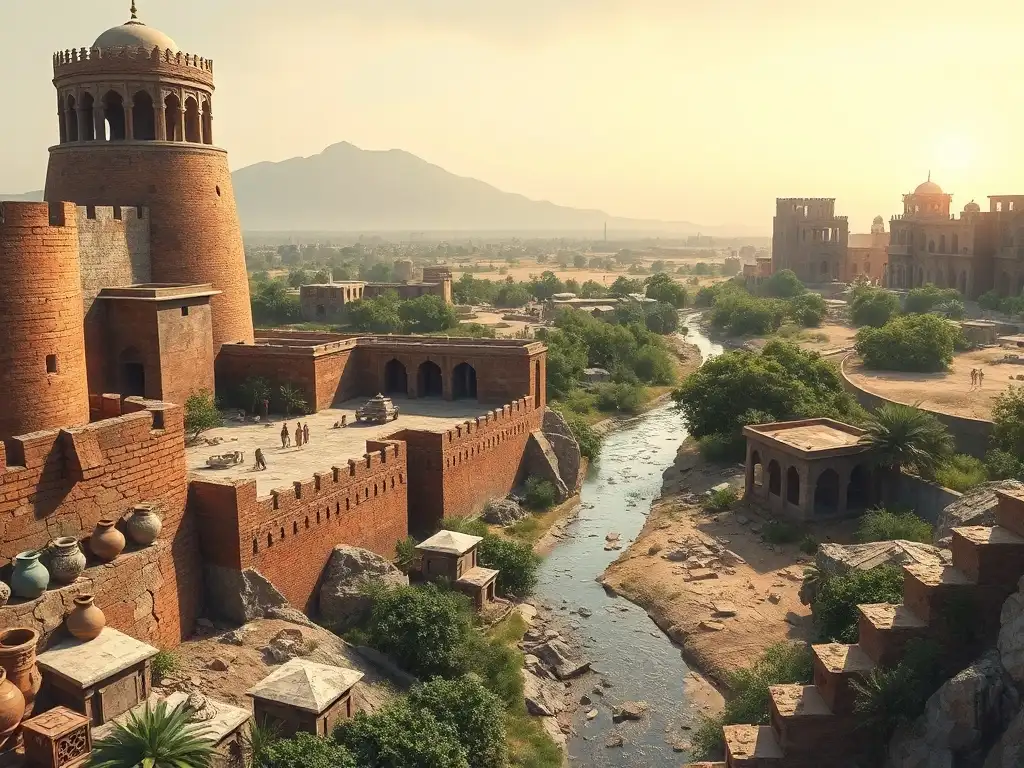
The decline of Indus Valley architecture cannot be fully understood without considering the environmental factors that played a crucial role in this process. These factors intertwined with socio-economic issues, amplifying the challenges faced by the civilization.
Climate Change and Its Impact on Resources
Climate change was a significant environmental factor contributing to the decline of Indus Valley architecture. Studies indicate that a gradual shift in climate resulted in changing rainfall patterns, which can be linked to:
- Diminished River Flow: The Indus River and its tributaries, which supported agriculture and urban life, experienced reduced flow due to changing climatic conditions. This led to crop failures and food shortages.
- Resource Scarcity: As agricultural output declined, the availability of building materials diminished. The loss of timber and other resources necessary for construction severely affected architectural practices.
- Migration Pressures: As conditions worsened, populations began migrating in search of more fertile lands. This migration resulted in the abandonment of urban centers, further contributing to the decline of architectural achievements.
Natural Disasters Affecting Urban Centers
In addition to climate change, natural disasters played a pivotal role in the decline of Indus Valley architecture:
- Flooding Events: Archaeological evidence suggests that some urban centers faced catastrophic flooding, which would have caused widespread destruction of structures and infrastructure.
- Earthquakes: The region is seismically active, and earthquakes could have led to significant damage to buildings, disrupting urban life and contributing to the decline of architectural integrity.
- Erosion and Soil Degradation: Ongoing natural processes of erosion and soil degradation impacted agricultural capacity, leading to further urban decline as communities struggled to sustain themselves.
These environmental factors, combined with socio-economic challenges, created a complex scenario that ultimately led to the decline of one of the most remarkable architectural traditions of ancient India.
Socio-Political Factors in the Decline of Indus Valley Architecture
The decline of Indus Valley architecture was significantly influenced by various socio-political factors. As the civilization evolved, shifts in governance, economic structures, and social hierarchies played crucial roles in the transformation of architectural practices. The once-flourishing urban centers began to experience instability, which directly impacted the construction and maintenance of monumental structures.
Decline of Trade and Economic Stability
Trade was a cornerstone of the Indus Valley Civilization's prosperity, facilitating the exchange of goods, ideas, and cultural practices. However, evidence suggests that the decline of trade networks, particularly with Mesopotamia and other neighboring regions, led to economic instability. The reduction in trade resulted in dwindling resources and wealth, which in turn affected the capacity for large-scale architectural projects. As economic conditions worsened, communities likely prioritized immediate survival over the construction of grand structures, leading to a noticeable decline in architectural innovation and maintenance.
Changes in Governance and Social Structure
As the Indus Valley Civilization faced challenges, changes in governance and the social structure became apparent. The centralized authority that once governed the urban centers began to fragment, leading to the emergence of localized power structures. This decentralization likely caused a lack of coordination and resources necessary for large architectural endeavors. Furthermore, the social stratification that had supported the architectural achievements became less pronounced, resulting in a shift towards simpler, more utilitarian structures rather than grandiose public buildings or complex urban planning.
Cultural and Religious Changes
Cultural and religious shifts also played a pivotal role in the decline of Indus Valley architecture. The transition from a unified cultural identity to a more fragmented one influenced architectural styles and practices. As societal values and religious beliefs evolved, the focus on monumental architecture waned, leading to changes in construction techniques and materials.
Impact of Cultural Shifts on Architectural Style
As the Indus Valley Civilization encountered new cultural influences and internal diversities, the architectural style began to reflect these changes. The once-dominant characteristics of Indus architecture—such as the use of baked bricks, advanced drainage systems, and urban planning—started to diminish. Instead, simpler and more functional designs emerged, prioritizing practicality over aesthetic grandeur. This shift represented a broader cultural transformation, where the emphasis on collective identity and monumental expression gave way to individual and localized needs.
Influence of Neighboring Civilizations
The interactions with neighboring civilizations, such as the Aryans and other emerging cultures, brought new ideas and practices that further influenced the decline of traditional Indus Valley architecture. As these groups migrated and settled in the region, they introduced different architectural styles, materials, and construction techniques. The assimilation of these influences often diluted the distinctiveness of Indus architecture, leading to a gradual erosion of its unique characteristics. This blending of styles marked a transitional phase, where traditional architectural practices were overshadowed by new cultural paradigms, ultimately contributing to the decline of the architectural legacy of the Indus Valley Civilization.
Comparison with Other Ancient Civilizations
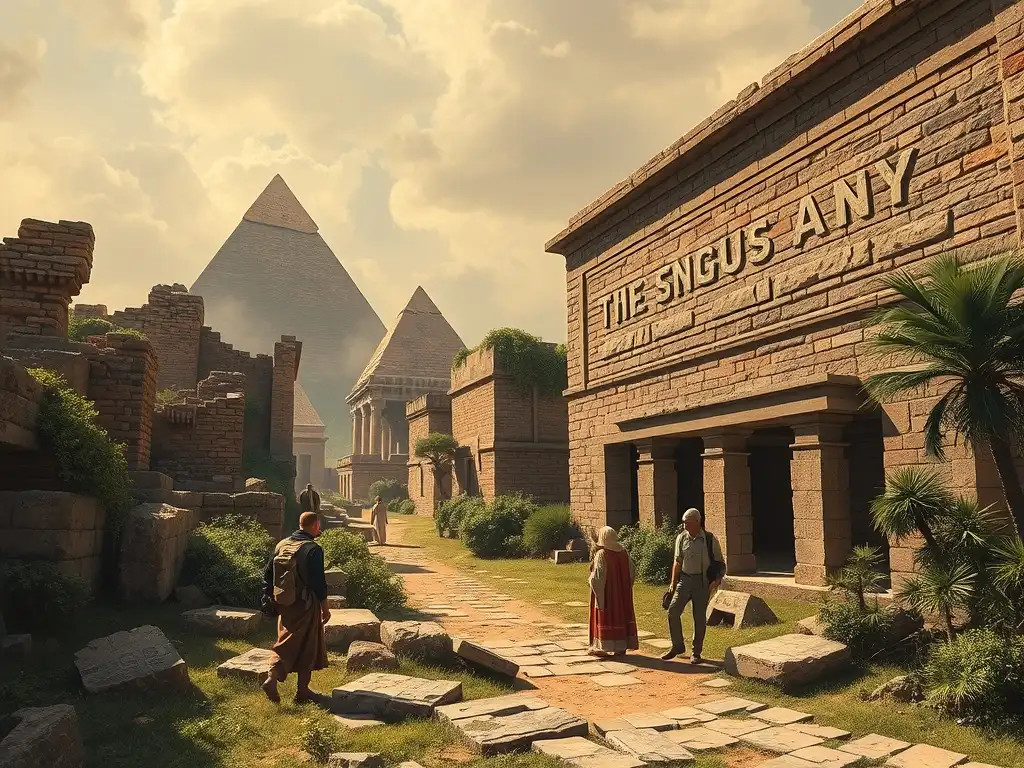
The decline of Indus Valley architecture can be better understood through comparative analysis with other ancient civilizations such as Mesopotamia and Egypt. Both these civilizations experienced architectural evolution and decline, revealing patterns and factors that may have contributed to their eventual downfall. By examining these parallels, we can garner insights into the specific reasons behind the decline of Indus Valley architecture.
Architectural Decline in Mesopotamia
Mesopotamia, known as the cradle of civilization, witnessed several cycles of architectural flourishing and decline. Factors contributing to this decline included:
- Environmental Degradation: Intensive agricultural practices led to soil salinization, which diminished arable land. The decline of agriculture directly impacted urban centers, leading to reduced economic prosperity.
- Political Instability: Invasions and internal conflicts often dismantled established political structures, resulting in the abandonment of cities and their architectural masterpieces. For instance, the fall of Babylon was influenced by both external invasions and internal strife.
- Resource Depletion: Overreliance on local resources and inadequate innovation in construction materials led to diminishing returns in architectural endeavors.
These factors created a domino effect, echoing the challenges faced by the Indus Valley Civilization in terms of sustainability and resilience.
Lessons from the Decline of Egyptian Architecture
Egyptian architecture, characterized by its monumental structures such as pyramids and temples, also faced decline due to various reasons:
- Economic Challenges: The maintenance of large-scale architectural projects required a steady influx of resources. Economic downturns, often resulting from poor agricultural yields or trade disruptions, led to a halt in construction and maintenance.
- Changing Religious Practices: As the religious landscape evolved, certain architectural styles and structures became obsolete. The shift in focus from monumental burials to other forms of worship diminished the impetus for continued grand architectural projects.
- Foreign Invasions: Egypt faced numerous invasions throughout its history, which disrupted its architectural legacy. The influence of foreign powers often led to changes in architectural styles and priorities, diluting the traditional Egyptian aesthetic.
The lessons from Egyptian architectural decline highlight the importance of adaptability and responsiveness to social and economic changes, aspects that are crucial for understanding the Indus Valley’s trajectory.
Lessons Learned from the Decline of Indus Valley Architecture
The decline of Indus Valley architecture offers several valuable lessons that can be applied to modern architectural practices and urban planning.
Importance of Sustainable Practices
One of the most critical lessons from the decline of Indus Valley architecture is the need for sustainable practices in construction and urban planning. The Indus Valley Civilization was known for its advanced urban planning, with features such as drainage systems and grid layouts. However, the lack of sustainable agricultural practices may have led to resource depletion and environmental degradation.
Modern architects and urban planners can learn from this by prioritizing:
- Sustainable Materials: Utilizing locally sourced and renewable materials can reduce environmental impact and enhance the longevity of structures.
- Water Management Systems: Implementing efficient water management and drainage systems can prevent flooding and resource wastage.
- Ecosystem Integration: Designing buildings that harmonize with the surrounding environment can mitigate adverse effects on local ecosystems.
Need for Adaptation to Environmental Changes
The environmental challenges faced by the Indus Valley Civilization underscore the importance of adaptability. Changing climate patterns, such as shifts in monsoon cycles, could have severely impacted agriculture and, consequently, urban life.
To ensure resilience in contemporary architecture, it is vital to:
- Incorporate Climate-Responsive Design: Buildings should be designed to withstand local climatic conditions, incorporating elements like natural ventilation and shading.
- Monitor Environmental Changes: Continuous assessment of environmental conditions can inform necessary adjustments to urban planning and construction practices.
- Plan for Resource Scarcity: Developing contingency plans for resource shortages can ensure that communities remain sustainable even in the face of environmental challenges.
By embracing these lessons, modern societies can avoid the pitfalls that led to the decline of the Indus Valley architecture and foster a more sustainable future.
Conclusion
The decline of Indus Valley architecture marks a crucial pivot in the narrative of ancient Indian civilizations. This architectural style, characterized by urban planning, sophisticated drainage systems, and standardized baked bricks, exemplified the advanced engineering and aesthetic sensibilities of its time. However, the eventual decline of this remarkable civilization can be attributed to several interrelated factors, including environmental changes, economic challenges, and sociopolitical shifts. Understanding these elements is vital in appreciating not only the architectural achievements of the Indus Valley but also the broader context of historical development in ancient India.
As we explore the remnants of this civilization, it becomes evident that the decline was not sudden but rather a gradual process influenced by both internal dynamics and external pressures. The lessons gleaned from this period continue to resonate, reminding us of the fragility of human achievement in the face of evolving circumstances.
Summary of Decline Reasons
The decline of Indus Valley architecture can be summarized through the following key reasons:
- Environmental Factors: Changes in climate, such as reduced monsoon rainfall, led to droughts and water scarcity. This affected agricultural productivity and, consequently, the economic stability of the cities.
- Economic Decline: With diminishing agricultural yields, trade networks that once thrived began to crumble. The decline in trade reduced the influx of resources necessary for maintaining and constructing architectural marvels.
- Sociopolitical Changes: Evidence suggests that the political structure of the Indus Valley may have experienced fragmentation. The emergence of smaller, localized powers could have disrupted the centralized governance that previously facilitated large-scale architectural projects.
- Urban Decline: As cities like Mohenjo-Daro and Harappa began to decline, many inhabitants may have migrated to more sustainable areas, leading to the abandonment of architectural sites.
Each of these factors contributed to a cumulative decline, ultimately leading to the architectural stagnation and degradation of what was once a thriving civilization.
Final Thoughts on Indus Valley Architecture's Legacy
Indus Valley architecture remains a testament to the ingenuity and sophistication of an ancient civilization that flourished over four millennia ago. Despite the decline, the architectural innovations of the Indus Valley have left a lasting legacy that continues to influence modern urban planning and architectural practices.
The meticulous city layouts, advanced drainage systems, and use of standardized materials reflect a high level of social organization and technical skill. As researchers continue to uncover new findings, our understanding of this civilization's architectural contributions only deepens, shedding light on the complexities of their society and its eventual decline.
Ultimately, the story of Indus Valley architecture is not just one of decline; it is also a narrative of resilience and adaptation. The legacy of this civilization serves as an enduring reminder of the heights that human creativity can reach and the lessons that history imparts on contemporary society.
- Introduction to Indus Valley Architecture
- Characteristics of Indus Valley Architecture
- The Decline of Indus Valley Architecture
- Environmental Factors Leading to Architectural Decline
- Socio-Political Factors in the Decline of Indus Valley Architecture
- Cultural and Religious Changes
- Comparison with Other Ancient Civilizations
- Lessons Learned from the Decline of Indus Valley Architecture
- Conclusion
- What were the main characteristics of Indus Valley architecture?
- What are the key reasons for the decline of Indus Valley architecture?
- How did climatic changes affect the Indus Valley civilization?
- What role did trade play in the decline of Indus Valley architecture?
- Is there evidence of invasion contributing to the decline?
Frequently Asked Questions
What were the main characteristics of Indus Valley architecture?
Indus Valley architecture is known for its advanced urban planning, including grid layouts, drainage systems, and standardized baked bricks. These features reflect a high level of engineering and civic organization.
What are the key reasons for the decline of Indus Valley architecture?
The decline of Indus Valley architecture can be attributed to factors such as climatic changes, resource depletion, and potential invasions. These issues disrupted the socio-economic stability of the civilization.
How did climatic changes affect the Indus Valley civilization?
Climatic changes, including shifts in monsoon patterns, may have led to droughts and reduced agricultural productivity, impacting the urban centers and their ability to sustain large populations.
What role did trade play in the decline of Indus Valley architecture?
The decline in trade networks, possibly due to environmental changes or political instability, would have weakened the economic foundation of the Indus Valley, contributing to the abandonment of cities and deterioration of their architecture.
Is there evidence of invasion contributing to the decline?
While direct evidence of invasion is limited, some historians suggest that external pressures, possibly from neighboring tribes, could have contributed to the social unrest and eventual decline of the Indus Valley civilization.
Final Reflection: Understanding the Decline of Indus Valley Architecture
The decline of Indus Valley architecture serves as a poignant reminder of how civilizations can rise and fall, shaped by a myriad of factors. Today, as we grapple with our own societal challenges, the lessons from the Indus Valley civilization resonate more than ever. The architectural marvels of this ancient society not only reflect their ingenuity but also highlight the fragility of human achievement in the face of environmental, economic, and social pressures. Understanding the reasons behind this decline can provide us with valuable insights into our current trajectory.
The impact of the decline of Indus Valley architecture extends beyond mere historical curiosity; it influences our cultural and social landscape in profound ways. As we witness modern cities grappling with sustainability and urban planning, the lessons from the past become increasingly relevant. The rise and fall of such a sophisticated civilization remind us of the importance of adaptability and resilience. Those who cannot remember the past are condemned to repeat it.
— George Santayana. This quote encapsulates the essence of our need to learn from history, as we navigate the complexities of contemporary life.
As we reflect on the decline of Indus Valley architecture, I invite you to consider how the lessons learned can be applied to your own life and community. What steps can you take to ensure that the achievements of your own environment are preserved and adapted for future generations? Embrace the opportunity to engage with history, not just as a record of what was, but as a guide for what can be. Let the story of the Indus Valley inspire you to foster resilience and innovation in your own endeavors, ensuring that the legacy of human creativity endures.
Unveil the Secrets of Ancient Architecture!
Thank you for diving into the fascinating world of Indus Valley architecture with us! Your enthusiasm helps keep the stories of our past alive. Now, it's time to take the next step and explore this incredible history further.
Here are a few actions you can take to deepen your understanding:
- Dive into further research: Explore the urban planning and innovative engineering of the Indus Valley civilization by visiting your local library or checking out reputable online resources.
- Join our community: Share your thoughts and findings by posting in our discussion forum; let’s learn together!
- Spread the knowledge: Engage your friends or share this article on social media to inspire others to discover the wonders of ancient civilizations!
What aspect of Indus Valley architecture fascinates you the most, and how do you believe it has influenced modern design?