
Indus Valley Clothing: Fashion Trends from One of the World's First Civilizations

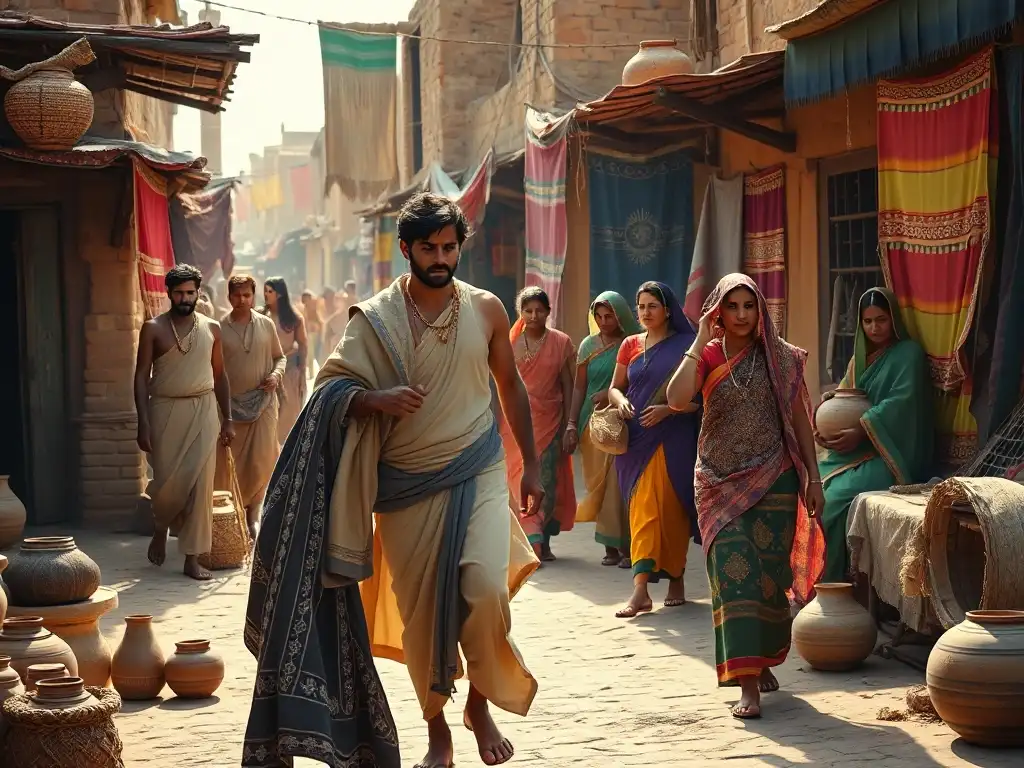
Welcome to Ancient India History! Here, we invite you to journey through the fascinating tapestry of India's rich heritage, where every thread tells a story of vibrant cultures and enduring legacies. In this article, we delve into the Indus Valley civilization clothing trends, uncovering the unique fashion expressions of one of the world’s first great civilizations. What did the ancient people of the Indus Valley wear, and how did their clothing reflect their society? Prepare to be intrigued as we explore the styles, materials, and cultural significance behind their fashion choices. Let the exploration begin!
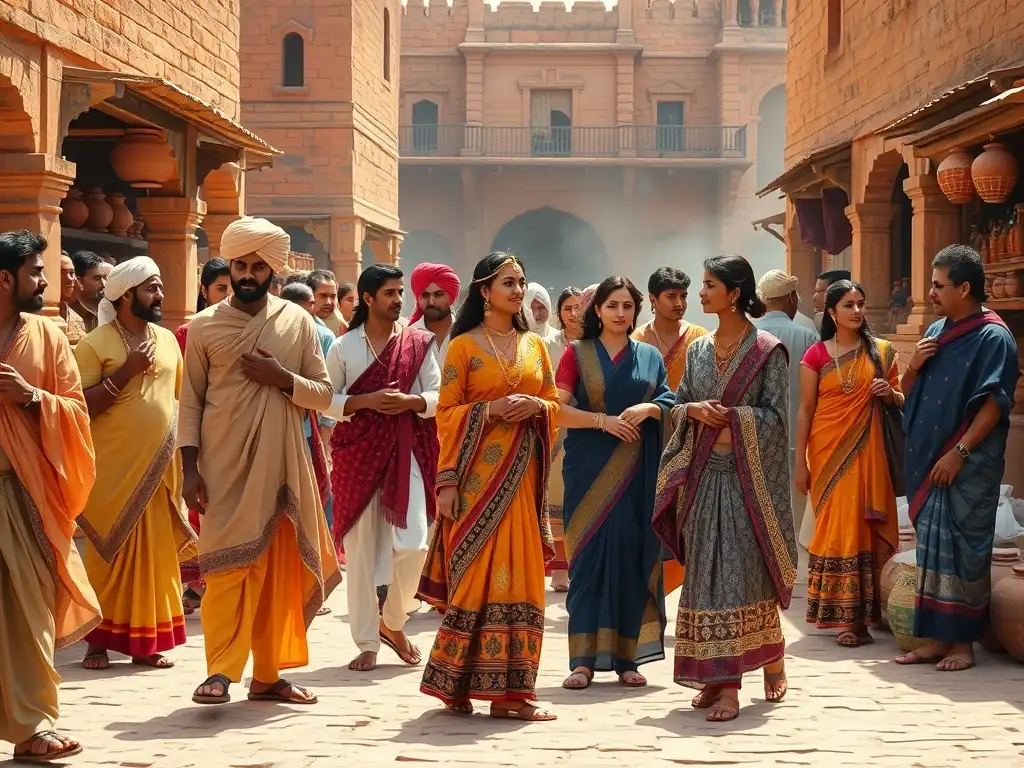
Introduction to Indus Valley Civilization Clothing Trends
The Indus Valley Civilization, one of the earliest urban cultures in the world, flourished around 2500 BCE in what is now Pakistan and northwest India. This remarkable civilization is not only known for its advanced urban planning, trade systems, and sophisticated architecture but also for its unique clothing trends that reflect its rich cultural tapestry. The clothing styles of the Indus Valley people provide valuable insights into their daily lives, social structures, and interactions with the environment.
Understanding these trends allows us to appreciate how clothing served as a fundamental aspect of identity and expression in ancient societies. In this article, we will explore the diverse clothing trends of the Indus Valley Civilization, examining their historical context and the influences that shaped these early fashion statements.
Overview of the Indus Valley Civilization
The Indus Valley Civilization, often referred to as the Harappan Civilization, emerged around 3300 BCE and reached its peak during the Mature Harappan phase (2600-1900 BCE). It encompassed a vast area, including major urban centers such as Harappa and Mohenjo-Daro. Characterized by advanced city planning, standardized weights and measures, and an intricate drainage system, the civilization was a pioneering force in urban development. The people of the Indus Valley engaged in agriculture, trade, and craftsmanship, which significantly influenced their clothing choices.
Key features of the Indus Valley Civilization include:
- Urban Planning: Cities were designed with grid patterns, featuring well-constructed homes and public buildings.
- Trade Relations: The civilization engaged in trade with neighboring regions, indicating cultural exchanges that impacted clothing styles.
- Artistic Expression: Artifacts reveal a sophisticated aesthetic sense, reflected in their clothing and adornments.
Importance of Clothing in Ancient Societies
Clothing in ancient societies served multiple purposes beyond mere protection from the elements. It was a powerful means of self-expression, social status indication, and cultural identity. In the context of the Indus Valley Civilization, clothing trends played a crucial role in:
- Social Stratification: Different styles and materials indicated social hierarchies, with wealthier individuals often wearing more elaborate garments.
- Cultural Identity: Clothing reflected regional and cultural identities, showcasing the diversity within the civilization.
- Functional Adaptation: The practical aspects of clothing were essential for survival in diverse environments, adapting to climate and activities.
Historical Context of Indus Valley Clothing
Understanding the clothing trends of the Indus Valley Civilization requires a look at the historical timeline and the geographical influences that shaped their choices.
Timeline of the Indus Valley Civilization
The timeline of the Indus Valley Civilization can be divided into several key phases:
| Period | Timeframe | Key Features |
|---|---|---|
| Early Harappan | 3300 - 2600 BCE | Initial settlements and agricultural practices. |
| Mature Harappan | 2600 - 1900 BCE | Peak urbanization, sophisticated trade networks, and distinct clothing styles. |
| Late Harappan | 1900 - 1300 BCE | Decline of urban centers, shifts in cultural practices. |
Influence of Geography and Climate on Clothing Choices
The geographical features and climate of the Indus Valley region significantly influenced the clothing trends of its inhabitants. The fertile plains were conducive to agriculture, allowing for the production of cotton and other textiles. Additionally, the climate, which varied from arid to temperate, dictated the types of fabrics and styles used.
- Materials: Cotton, wool, and linen were among the primary materials, with cotton being particularly significant due to its availability.
- Styles: Clothing styles were likely influenced by the need for comfort and practicality in varying weather conditions, leading to the adoption of loose-fitting garments.
The clothing trends of the Indus Valley Civilization not only reflect the aesthetic preferences of the time but also provide profound insights into the social, economic, and environmental factors that shaped one of the world's first civilizations.
Materials Used in Indus Valley Clothing
The clothing of the Indus Valley civilization, which thrived from approximately 3300 to 1300 BCE, reflects a sophisticated understanding of materials, weaving techniques, and social customs. The people of this ancient civilization utilized various materials that were readily available in their environment, which greatly influenced their clothing trends. The predominant materials included cotton, wool, silk, and animal hides.
Cotton, in particular, played a central role in Indus Valley clothing, as evidence suggests that it was domesticated in the region around 3000 BCE. The inhabitants were skilled in spinning and weaving cotton into fabric, which was lightweight and breathable, making it ideal for the warm climate. Wool was also used, particularly in colder regions, while silk, although less common, indicated trade connections with neighboring regions. Animal hides were fashioned into garments, especially for those engaged in outdoor activities or labor.
Common Fabrics and Textiles in the Indus Valley
The primary fabric used in the Indus Valley civilization was cotton, which was cultivated and woven into various garments. Archaeological discoveries, including spindle whorls and loom weights, provide evidence of advanced textile production techniques. The cotton textiles were not only functional but also adorned with intricate patterns and designs, showcasing the artistic skills of the weavers.
In addition to cotton, wool was utilized, particularly in colder climates or for specific garments. The people also experimented with different weaving techniques, achieving a variety of textures and styles. Linen, made from flax, was another fabric that may have been used, though less frequently than cotton. The diversity in textiles allowed for a range of clothing styles, which were often tailored to suit the wearer's social status and occupation.
Natural Dyes and Their Role in Fashion Trends
Natural dyes played a crucial role in the coloring of textiles in the Indus Valley civilization. The inhabitants sourced dyes from local plants, minerals, and insects, which allowed them to create a vibrant palette of colors. Common sources included indigo for blue hues, madder root for red, and turmeric for yellow, among others.
The use of natural dyes not only enhanced the aesthetic appeal of garments but also reflected cultural significance. Colors often held symbolic meanings, with certain hues denoting social status, gender distinctions, or even seasonal changes. The dyeing process itself was an art form, requiring knowledge and skill, which further contributed to the complexity of fashion trends within the civilization.
Comparison of Materials with Other Ancient Civilizations
When comparing the materials used in Indus Valley clothing to those of other ancient civilizations, several distinctions emerge. For instance, while the Egyptians favored linen and used bright colors for their garments, the Indus Valley civilization predominantly utilized cotton due to its local availability.
In Mesopotamia, wool was the primary fabric, often used in layered garments, whereas the Indus Valley civilization showed a preference for lighter cotton fabrics. The use of natural dyes in the Indus Valley can also be contrasted with the synthetic dyes that were developed later in other cultures. Overall, the choice of materials and textiles in the Indus Valley civilization highlights its unique adaptations to environment and culture, setting it apart from contemporaneous societies.
Clothing Styles in the Indus Valley Civilization
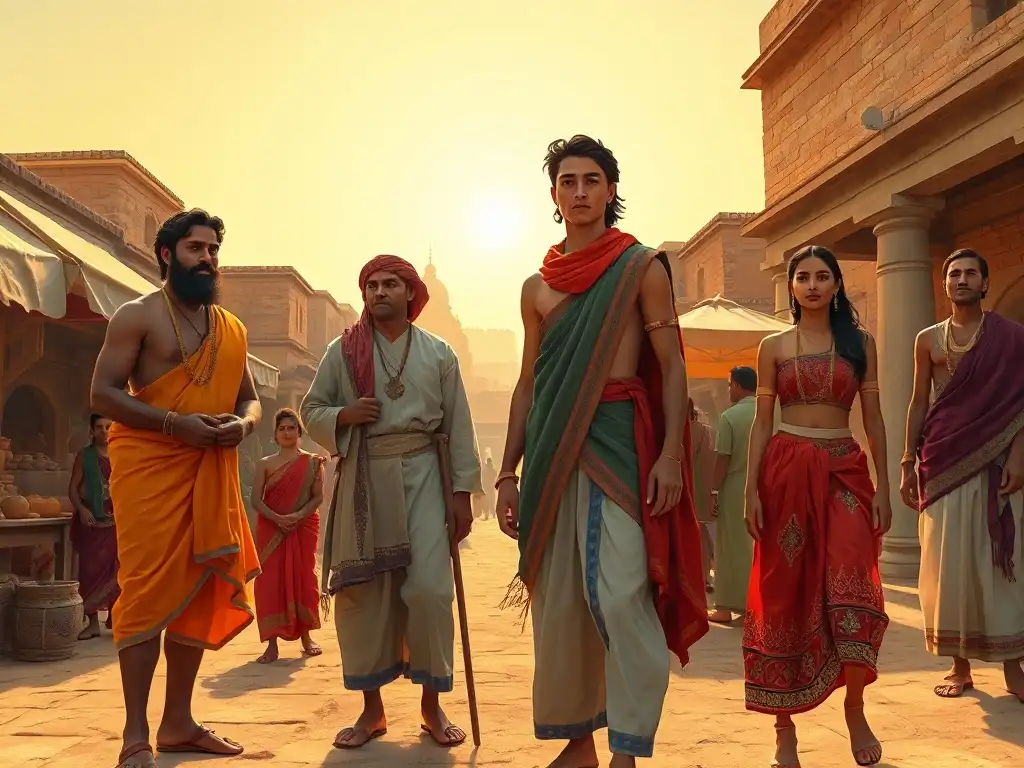
The clothing styles in the Indus Valley civilization were diverse and varied significantly based on social status, gender, and age. Garments were typically simple in design but featured intricate patterns and embroidery that reflected the artistry of the time. The typical attire consisted of draped garments rather than tailored ones, allowing for comfort and ease of movement.
Traditional Attire for Men: Styles and Significance
Men in the Indus Valley civilization commonly wore garments known as dhoti or lungi, which were draped around the waist and secured with a knot. These styles allowed for mobility and comfort in daily activities. Men’s clothing was often made from cotton, providing breathability in the hot climate.
Additionally, men might have worn short-sleeved tunics or shirts, often adorned with embroidery or dyed patterns. The styles and fabrics used also indicated social status; wealthier individuals might have access to finer materials and more elaborate designs. Accessories, such as jewelry and turbans, further complemented their attire, reflecting both personal style and cultural significance.
Traditional Attire for Women: Styles and Significance
Women’s clothing in the Indus Valley civilization typically consisted of a long garment known as a sari, which was draped around the body in various styles. This garment allowed for versatility and personal expression, with different draping styles indicating marital status or regional identity.
The fabrics used by women were often richly dyed and woven with patterns. Embellishments such as beads, mirrors, and embroidery were common, showcasing the artisanship of the weavers and the cultural importance of adornment. Women’s attire not only served practical purposes but also played a significant role in social and ceremonial contexts, often reflecting their familial and social ties.
Children’s Clothing in the Indus Valley Civilization
Children's clothing in the Indus Valley civilization was designed for comfort and practicality, reflecting their active lifestyles. Young boys often wore simple cotton garments similar to those of adult men, while girls typically donned miniature versions of women’s saris.
The clothing was usually loose-fitting, allowing for ease of movement during play. There is evidence to suggest that children’s garments were often less elaborately decorated than those of adults, focusing instead on functionality. As children grew, their clothing would adapt in style and fit, reflecting the transition into adulthood and the associated cultural expectations.
Fashion Trends: Accessories and Embellishments
The fashion trends of the Indus Valley civilization were not limited to clothing alone; accessories and embellishments played a crucial role in defining the style and status of its inhabitants. These accessories included a wide variety of items that were crafted with great skill and artistry, often reflecting the cultural and social values of the time. The use of materials such as beads, metals, and textiles contributed to creating an elaborate aesthetic that communicated identity and status.
Jewelry, in particular, was a prominent aspect of Indus Valley fashion. It was not just ornamental but also bore significant cultural meaning. Different materials were used to create intricate designs that adorned various parts of the body, from earrings to necklaces, bracelets, and anklets. The craftsmanship of these accessories indicates a high level of skill among artisans and a society that valued beauty and expression through personal adornment.
Jewelry: Types and Cultural Significance
Jewelry in the Indus Valley civilization was diverse and richly symbolic. Common types included:
- Necklaces: Often made from semi-precious stones, shells, and beads, necklaces were worn by both men and women. They served not only as decorative pieces but also as indicators of wealth and social status.
- Earrings: These came in various designs, often featuring elaborate motifs. Earrings were typically worn by women and were indicative of marital status and personal wealth.
- Bracelets and Bangles: These were made from materials like ivory, metal, and clay, often embellished with intricate designs. They were worn in multiples, showcasing a person's taste and status.
- Rings: Less common than other forms of jewelry but still present, rings were often inscribed with symbols or motifs that held personal or cultural significance.
The cultural significance of jewelry in the Indus Valley extended beyond mere adornment. It served as a means of expressing identity, marking social connections, and even as a form of currency in some contexts. The presence of jewelry in archaeological finds indicates that it played a vital role in both everyday life and ceremonial occasions.
Footwear and Other Accessories in Indus Valley Fashion
Footwear in the Indus Valley civilization was relatively simple yet functional. The most common type of footwear was sandals, typically made from materials like leather or woven plant fibers. These sandals were often designed to be lightweight and durable, suitable for daily activities and trade. Some archaeological evidence suggests that footwear styles may have varied based on social status, with wealthier individuals possibly having more elaborate designs.
In addition to footwear, other accessories included:
- Belts: Often made from leather or woven materials, belts were used to secure garments and could also serve as decorative elements.
- Headgear: While specific examples are rare, some evidence suggests the use of headbands or turbans, particularly among elite classes, to signify status or protect against the sun.
- Pouches and Bags: These were used to carry personal items and were likely crafted from leather or cloth, showcasing the practical side of fashion.
Overall, the accessories of the Indus Valley civilization were both functional and representative, indicating the importance of personal style in their daily lives.
Symbolism of Clothing and Accessories in Society
Clothing and accessories in the Indus Valley civilization were imbued with deep symbolism, reflecting societal values, religious beliefs, and individual identity. The colors, patterns, and materials chosen for garments often carried specific meanings. For instance, certain hues may have been associated with specific deities or seasons, while patterns could denote tribal or community affiliations.
Accessories, such as jewelry, were not merely decorative but also served as talismans believed to offer protection or bring good fortune. The act of wearing particular items could signify a connection to spiritual beliefs, with certain symbols reflecting the cultural heritage of the community. The craftsmanship involved in creating these items also underscores the importance of artistry and skill in Indus Valley society, where personal adornment was a celebration of both individuality and collective identity.
Clothing in the Indus Valley civilization was a clear indicator of social status, with different styles, materials, and embellishments signifying an individual's position within the community. The hierarchical structure of Indus Valley society was mirrored in the way people dressed, with wealthier individuals able to afford more luxurious fabrics and elaborate designs.
How Clothing Reflected Social Hierarchies
The fabric and style of clothing were essential in reflecting social hierarchies in the Indus Valley civilization. Elite members of society often wore garments made from fine materials, such as cotton or silk, which were less accessible to the lower classes. These individuals might also have adorned their clothing with intricate embroidery or patterns that showcased their wealth and status.
In contrast, the lower classes typically wore simpler garments made from coarser materials. The colors and patterns used in their clothing were less varied, reflecting their limited resources. The distinction in clothing styles served as a visual representation of the social stratification prevalent in Indus Valley society, where clothing was a silent yet powerful marker of one's place in the social order.
Differences in Attire Among Social Classes
The differences in attire among social classes in the Indus Valley civilization were pronounced and could be observed in everyday life.
- Elite Class: Members of the elite class often wore richly dyed garments made from high-quality fibers. Their clothing was frequently adorned with jewelry and intricate accessories, highlighting their wealth and influence within the community.
- Merchant Class: Merchants and traders, while not as affluent as the elite, still had access to better-quality materials and could afford moderately decorated clothing. Their attire often displayed a level of sophistication that set them apart from the lower classes.
- Lower Class: The common people wore simple, unembellished garments primarily made from locally sourced materials. Their clothing was functional, suited for daily labor, and designed to withstand the rigors of their lifestyle.
The stark contrasts in clothing among these classes not only served practical purposes but also reinforced social divisions, making it clear to onlookers the status and role of each individual within the broader community.
Cultural Influences on Indus Valley Clothing Trends
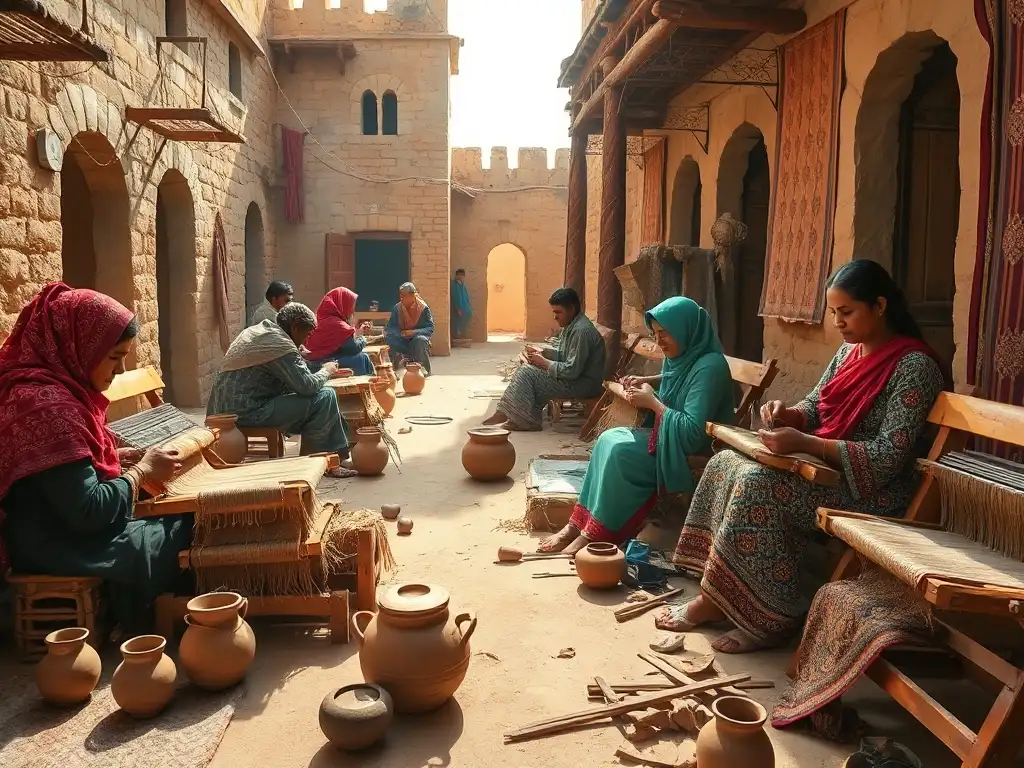
The clothing trends of the Indus Valley civilization were not only a reflection of the environment and materials available but also a testament to the cultural influences that shaped their fashion choices. This ancient civilization, known for its advanced urban planning and sophisticated society, exhibited an array of clothing styles that were influenced by their interactions with neighboring cultures, as well as by their religious and spiritual beliefs. The garments worn by the people of the Indus Valley were practical, yet they also bore intricate designs and embellishments that highlighted the artistic inclinations of the society.
Interaction with Neighboring Civilizations
The Indus Valley civilization, thriving around 2500-1900 BCE, was strategically located near significant trade routes that facilitated interactions with neighboring cultures, including Mesopotamia and Persia. These exchanges allowed for the introduction of new materials, techniques, and styles in clothing.
- Trade and Material Exchange: The trade networks enabled the Indus Valley people to access materials such as cotton, which became a cornerstone of their clothing. Cotton garments were both durable and comfortable, leading to widespread adoption among the population.
- Adoption of Styles: Evidence suggests that the Indus Valley civilization may have adopted certain clothing styles from Mesopotamian cultures. For example, the use of draped garments and intricate jewelry can be traced back to influences from neighboring regions.
The intermingling of cultures through trade resulted in a diverse wardrobe that catered not only to practicality but also to aesthetic appeal, showcasing a blend of styles that enriched Indus Valley clothing trends.
Influence of Religion and Spirituality on Fashion
Religion and spirituality played a significant role in shaping the clothing trends of the Indus Valley civilization. The society’s belief systems influenced not only the types of clothing worn but also the symbols and motifs incorporated into their fashion.
- Symbolic Embellishments: Clothing often featured motifs that held spiritual significance, such as animals and geometric patterns, believed to convey protection or status. These symbols were not merely decorative but served as markers of identity within the community.
- Ceremonial Attire: Special garments were reserved for religious ceremonies and rituals, indicating the importance of attire in spiritual practices. The use of specific colors and styles during these occasions reflected the deep connection between clothing and the sacred beliefs of the people.
As a result, clothing in the Indus Valley was more than just a means of protection; it was a representation of the spiritual life that permeated daily existence.
Conclusion: The Legacy of Indus Valley Clothing Trends
The clothing trends of the Indus Valley civilization have left an indelible mark on the evolution of fashion in subsequent Indian cultures. Their innovative use of materials, intricate designs, and cultural influences continue to resonate in modern interpretations of traditional attire.
Lasting Impact on Subsequent Indian Fashion
The advancements in textile production and garment construction seen in the Indus Valley civilization laid the groundwork for future clothing practices in India. Key elements that persisted include:
- Cotton as a Primary Material: The widespread cultivation and use of cotton established a textile tradition that continues to dominate Indian fashion today.
- Draped Garments: The style of draping clothing, which can be traced back to the Indus Valley, evolved into various forms, such as the sari, which remains a quintessential element of Indian dress.
These enduring influences highlight the sophistication of Indus Valley clothing trends and their role in shaping the aesthetic landscape of Indian fashion throughout history.
Modern Interpretations of Ancient Clothing Styles
In contemporary times, there is a growing interest in reviving and interpreting the clothing styles of the Indus Valley civilization. Designers and artisans draw inspiration from ancient motifs, fabrics, and techniques to create modern garments that pay homage to this ancient culture.
- Fusion Styles: The blending of traditional Indus Valley elements with modern fashion sensibilities has led to innovative designs that appeal to contemporary audiences. This fusion not only celebrates the rich heritage but also ensures its relevance in today's fashion scene.
- Sustainable Fashion: The emphasis on natural fibers like cotton and the intricate craftsmanship of ancient clothing resonate with the modern sustainable fashion movement, making Indus Valley trends relevant as society seeks eco-friendly alternatives in the clothing industry.
The clothing trends of the Indus Valley civilization not only reflect their rich cultural history but also continue to inspire fashion today, illustrating the timeless nature of their contributions to textile and garment design.
Further Reading on Indus Valley Civilization Clothing Trends
The study of clothing trends in the Indus Valley Civilization opens a fascinating window into the daily lives and cultural expressions of one of the world's earliest urban societies. For those interested in diving deeper into this rich topic, a variety of resources are available that provide both scholarly insights and engaging narratives. Below are some recommended readings and online resources that can enhance your understanding of Indus Valley clothing trends.
Suggested Books and Articles
-
"The Indus Valley Civilization: An Encyclopedia" by James C. Harle
This comprehensive encyclopedia covers various aspects of the Indus Valley Civilization, including clothing and textiles. It provides detailed descriptions and illustrations that help visualize the fashion of the time.
-
"Clothing and Textile in Ancient India" by Kumud Sharma
This book explores the evolution of clothing and textile production in ancient India, with a significant focus on the Indus Valley. It discusses the materials used, weaving techniques, and the social implications of clothing.
-
"Fashion in the Indus Valley Civilization" – Journal of Archaeological Studies
This article delves into the archaeological findings related to clothing and textiles in the Indus Valley. It analyzes how these fashion choices reflect the social hierarchies and economic conditions of the civilization.
-
"The Art of the Indus Valley: The Textile Trade" by Sudhir Kumar
This work discusses not only the clothing trends but also the trade aspects related to textiles in the Indus Valley Civilization, providing a broader context for understanding their fashion.
-
"Indus Valley Civilization: A Historical Overview" by R. S. Sharma
This historical overview includes a section dedicated to clothing and personal adornments, offering insight into how fashion was perceived in the context of daily life and rituals.
Online Resources for Exploring Ancient Indian Fashion
-
Indus Valley Civilization Project
This dedicated project offers a wealth of information, including articles, images, and videos related to the Indus Valley Civilization’s clothing traditions. It features contributions from historians and archaeologists.
-
The British Museum's Online Collection
The British Museum hosts an extensive collection of artifacts from the Indus Valley Civilization. Their online database allows users to explore textiles and clothing items, complete with descriptions and historical context.
-
Digital South Asia Library
This resource provides access to digitized texts and images related to South Asian history, including works on ancient Indian fashion. It’s a great place to find primary sources and academic papers.
-
YouTube Channels on Archaeology
Channels like "Ancient History Encyclopedia" and "Archaeology in India" often feature documentaries and discussions focused on the Indus Valley Civilization, providing visual and narrative context about clothing trends.
-
Online Courses on Ancient Civilizations
Platforms like Coursera and edX offer courses on ancient civilizations, including modules that specifically address the Indus Valley Civilization. These can provide structured learning about its fashion and cultural practices.
By exploring these resources, readers can gain a deeper appreciation for the clothing trends of the Indus Valley Civilization and their significance in the broader context of ancient Indian culture.
- Introduction to Indus Valley Civilization Clothing Trends
- Historical Context of Indus Valley Clothing
- Materials Used in Indus Valley Clothing
- Clothing Styles in the Indus Valley Civilization
- Fashion Trends: Accessories and Embellishments
- Social Status and Clothing in the Indus Valley
- Cultural Influences on Indus Valley Clothing Trends
- Conclusion: The Legacy of Indus Valley Clothing Trends
- Further Reading on Indus Valley Civilization Clothing Trends
- What types of clothing were popular in the Indus Valley civilization?
- How did the climate influence clothing in the Indus Valley?
- Were there any distinctive accessories used in Indus Valley clothing?
- How did trade impact clothing trends in the Indus Valley civilization?
- What do archeological findings reveal about clothing in the Indus Valley?
Frequently Asked Questions
What types of clothing were popular in the Indus Valley civilization?
The Indus Valley civilization clothing trends featured garments made from cotton and wool, with styles including draped fabrics and tailored outfits. Both men and women wore simple yet elegant attire.
How did the climate influence clothing in the Indus Valley?
The hot and dry climate of the Indus Valley prompted the use of lightweight and breathable fabrics, primarily cotton. This choice ensured comfort while maintaining modesty in their clothing styles.
Were there any distinctive accessories used in Indus Valley clothing?
Yes, the people of the Indus Valley often adorned themselves with jewelry made from gold, silver, and semi-precious stones. Accessories played a significant role in expressing social status and personal style.
How did trade impact clothing trends in the Indus Valley civilization?
Trade with neighboring regions introduced new materials and styles, influencing fashion trends in the Indus Valley. This exchange allowed for the incorporation of exotic fabrics and ornaments, enriching their clothing culture.
What do archeological findings reveal about clothing in the Indus Valley?
Archaeological discoveries, such as textile remnants and figurines, provide insight into clothing styles, indicating a preference for intricate designs and patterns, reflecting the artistic talents of the civilization.
Final Reflection: Embracing the Timelessness of Indus Valley Clothing Trends
The exploration of Indus Valley civilization clothing trends reveals not only the ingenuity of one of the world's earliest societies but also their enduring influence on contemporary fashion. As we navigate a world increasingly obsessed with fast fashion and fleeting trends, the sophisticated textiles and styles of the Indus Valley remind us of the deep-rooted connections between culture, identity, and clothing. The craftsmanship and aesthetic principles of this ancient civilization continue to resonate, urging us to consider the stories our garments tell.
The legacy of Indus Valley clothing trends extends beyond mere historical curiosity; it shapes our understanding of cultural heritage and sustainable fashion. The intricate designs and natural materials used by the Indus Valley people reflect a profound respect for the environment and community, principles that are more relevant today than ever. Fashion is the armor to survive the reality of everyday life.
– Bill Cunningham. This quote encapsulates the essence of how clothing serves not just as a means of adornment but as a reflection of our values and identities, echoing the practices of those who came before us.
As we reflect on the lessons from the Indus Valley civilization, let us embrace the opportunity to integrate these timeless principles into our own lives. Consider the impact of your clothing choices, not just on your personal style but on the world around you.
By valuing craftsmanship, sustainability, and cultural significance in our fashion choices, we can honor the legacy of the Indus Valley while paving the way for a more thoughtful and connected future. Take a moment to reflect on what your wardrobe says about you and how you can contribute to a more sustainable and meaningful fashion narrative.
Unveil Your Style: Embrace the Elegance of Indus Valley Fashion!
Thank you for taking the time to explore the fascinating world of Indus Valley clothing! You've gained insights into not just the fabrics and styles of one of history's most remarkable civilizations, but also how these timeless trends can inspire your own wardrobe today. Now, it’s your turn to take action!
Here’s how you can connect with this vibrant heritage:
- Dig deep into your closet: Reimagine your style by incorporating earthy tones and handcrafted accessories inspired by the aesthetics of the Indus Valley.
- Share your discoveries: Connect with fellow fashion enthusiasts by sharing what you’ve learned on social media or your favorite fashion community.
- Create your own piece: Try your hand at DIY clothing by blending modern designs with ancient techniques! You might be surprised at what you can create.
What aspect of Indus Valley fashion would you love to integrate into your everyday look? Join the conversation below!