
Discovering Harappa: Excavations that Changed Our Understanding of Ancient India

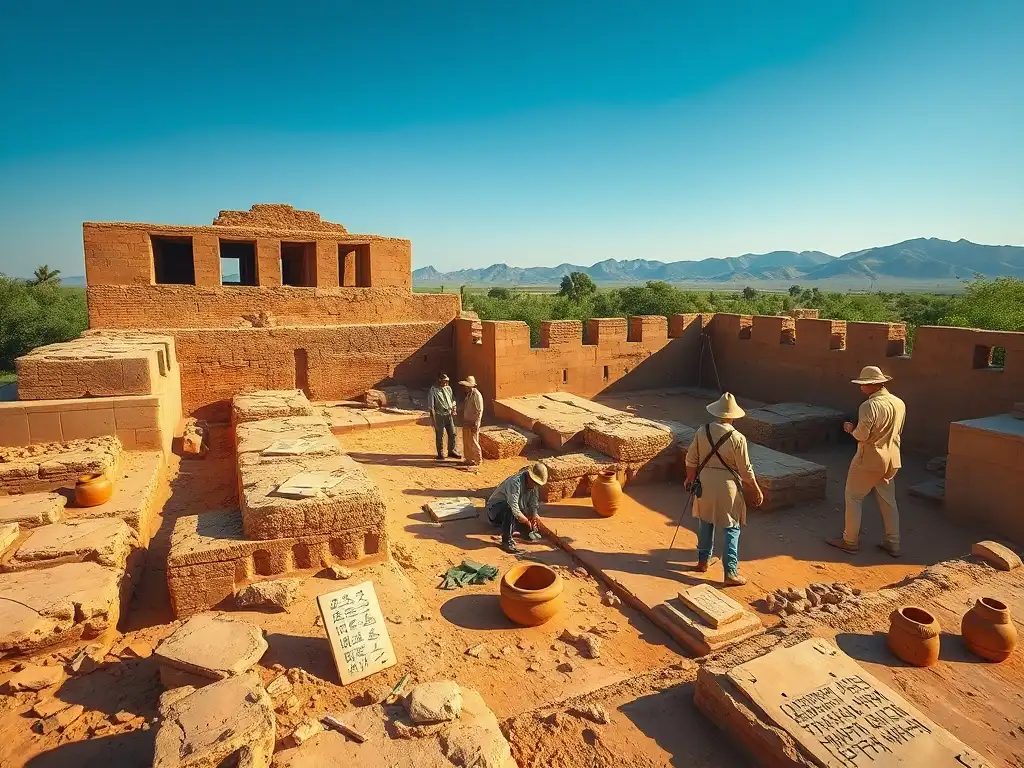
Welcome to Ancient India History, where we embark on an intriguing journey through the rich tapestry of ancient Indian civilizations. This week, we delve into the Harappa archaeological discoveries, a remarkable chapter that has reshaped our understanding of India’s past. From the sprawling urban landscapes of the Indus Valley to the profound innovations of the Gupta Empire, the echoes of history await your exploration.
Join us as we uncover the secrets of Harappa, revealing how these excavations not only illuminate the complexities of ancient life but also invite us to ponder the legacies that continue to influence our world today. Buckle up for an enlightening adventure!
The study of ancient Indian civilizations unveils a tapestry rich with cultural, social, and technological advancements that have shaped the subcontinent over millennia. Among these civilizations, the Indus Valley Civilization stands out for its remarkable urban planning and sophisticated societal structures. Central to this civilization is Harappa, an archaeological site that has transformed our understanding of early urban life in India.
The excavations at Harappa have revealed a wealth of information about the daily lives, economic practices, and cultural norms of its inhabitants, providing crucial insights into the origins and evolution of the Indus Valley Civilization. As we delve into the Harappa archaeological discoveries in India, it becomes evident how these findings have not only reshaped historical narratives but have also highlighted the ingenuity of one of the world's earliest urban cultures.
The Significance of Harappa in the Indus Valley Civilization
The Harappa site, located in present-day Punjab, Pakistan, is one of the key urban centers of the Indus Valley Civilization, which thrived around 2500 BCE. The significance of Harappa lies not only in its architectural and urban development but also in its role as a hub of trade and cultural exchange. The well-planned streets, advanced drainage systems, and standardized weights and measures indicate a highly organized society.
- Urban Planning: Harappa's grid-like layout demonstrates sophisticated urban planning. Streets were laid out in a north-south and east-west orientation, with buildings made of baked bricks.
- Trade and Economy: Excavations have uncovered a variety of goods, including seals, pottery, and tools, suggesting that Harappa was a center for trade, connecting various regions and cultures.
- Cultural Insights: Artifacts such as terracotta figurines and seals provide glimpses into the religious practices and artistic expressions of the Harappan people.
Major Excavations and Discoveries at Harappa
The major excavations at Harappa began in the early 20th century and have continued to yield fascinating discoveries that challenge previous historical assumptions. Key findings include:
- Granaries: Large granaries suggest that agriculture played a vital role in the economy of Harappa, indicating surplus production.
- Weights and Measures: Standardized weights found at the site point to a sophisticated system of trade and commerce, revealing the economic structure of the civilization.
- Seals and Inscriptions: The discovery of seals with inscriptions provides insights into the writing system and possible administrative practices of the Harappan society.
Impact on Our Understanding of Ancient India
The archaeological discoveries at Harappa have had a profound impact on our understanding of ancient Indian history. They provide evidence that challenges earlier views of a linear progression of civilization in the region. Instead, they highlight the complexity and sophistication of the Indus Valley Civilization, which coexisted with other ancient cultures in India.
- Revising Historical Narratives: The findings from Harappa have led historians to reconsider established narratives about the development of urban societies in ancient India.
- Cultural Continuity: The artifacts and structures found at Harappa indicate a continuity of cultural practices that have persisted throughout Indian history.
As we explore the depths of Harappa's archaeological findings, we uncover not just a city but a civilization that has significantly influenced the cultural and historical landscape of India. The ongoing research and excavation efforts continue to reveal the intricacies of life in Harappa, making it an essential focal point for anyone interested in understanding the roots of ancient Indian civilizations.
- The Significance of Harappa in the Indus Valley Civilization
- Major Excavations and Discoveries at Harappa
- Impact on Our Understanding of Ancient India
- What are the Harappa archaeological discoveries?
- How did the excavations at Harappa impact our understanding of ancient Indian civilizations?
- What is the significance of the Indus Valley Civilization in ancient Indian history?
- When were the major excavations at Harappa conducted?
- What contributions did the Harappa discoveries make to the study of ancient culture?
Introduction to Harappa and Its Significance
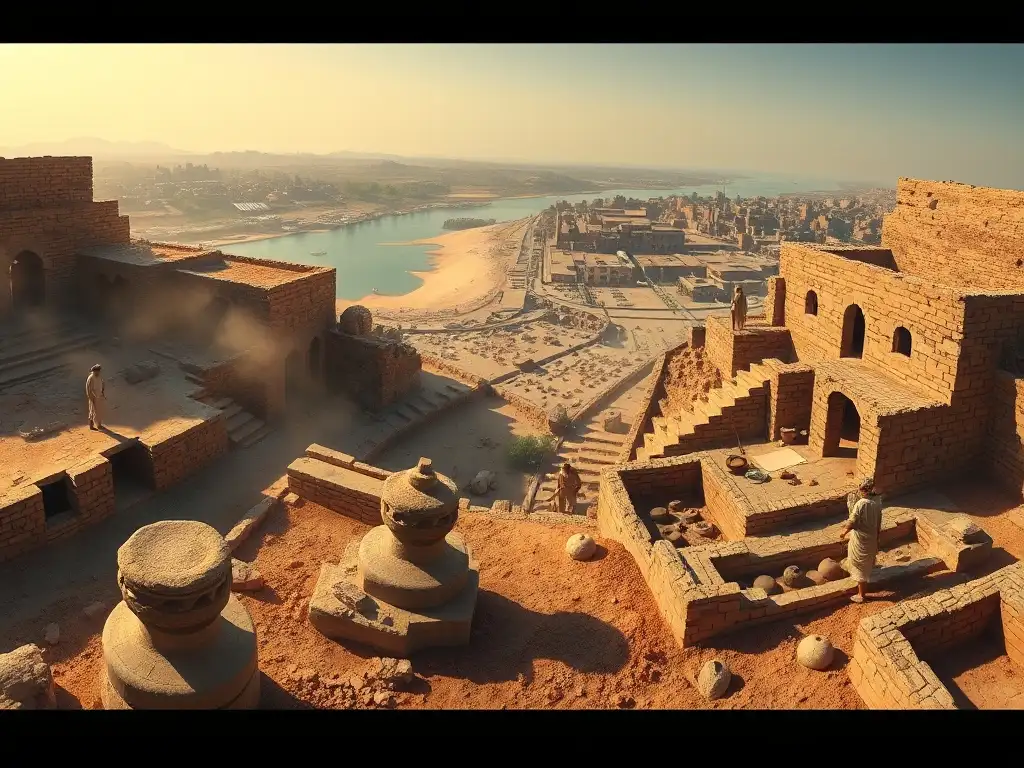
Harappa, one of the most prominent sites of the Indus Valley Civilization, serves as a key to understanding the complexities of ancient Indian civilization. Discovered in the mid-19th century, Harappa's archaeological findings have not only illuminated the societal structures and urban planning of its inhabitants but have also significantly shaped our comprehension of the broader Indus Valley culture.
Overview of Harappa in Ancient Indian Civilization
Harappa flourished around 2500 BCE and was characterized by its advanced urban planning, sophisticated drainage systems, and standardized fired-brick architecture. This city, along with Mohenjo-Daro, forms the backbone of what is regarded as one of the world's earliest urban cultures.
- Geographical Context:
- Located in present-day Punjab, Pakistan, Harappa was strategically positioned near the Ravi River, facilitating trade and agriculture.
- Urban Planning:
- The layout of Harappa is marked by a grid pattern, which reflects a high degree of organization. Streets were lined with houses constructed from uniform bricks, showcasing an early form of urban infrastructure.
| Feature | Description |
|---|---|
| Population | Estimates suggest a population of around 23,000 to 30,000. |
| Architecture | Notable for its large granaries, warehouses, and the Great Bath, believed to have religious significance. |
| Economy | Based on agriculture, crafts, and trade, with evidence of cotton textiles and metalwork. |
The Harappan society was likely complex, with a strong emphasis on trade, evidenced by the discovery of seals used for commercial transactions, indicating a system of writing that remains undeciphered today. The economy was diverse, allowing for specialization in various crafts and fostering trade relationships with neighboring regions, including Mesopotamia.
The Importance of the Harappa Archaeological Discoveries in India
The archaeological discoveries at Harappa have revolutionized our understanding of the Indus Valley Civilization and provided vital insights into ancient Indian history.
- Cultural Insights:
- The findings at Harappa have revealed a rich tapestry of cultural practices, including evidence of ritualistic bathing and possibly early forms of religion centered around water bodies. The Great Bath, for example, is believed to have held significant ceremonial importance.
- Trade and Economy:
- Artifacts such as weights, measuring tools, and seals suggest a complex economic system that involved trade with distant lands. This indicates that Harappa was not just a local hub but a significant player in ancient trade networks, enhancing the historical narrative of interconnected civilizations.
- Technological Advancements:
- The sophistication of the drainage systems and public baths points to advanced engineering skills and a concern for hygiene, which was remarkable for its time. This reflects a high level of civic responsibility and community organization.
- Mysterious Decline:
- The reasons behind the decline of Harappa around 1900 BCE remain a subject of research and debate. Hypotheses range from climate change leading to agricultural decline, to invasion or internal strife. Understanding this decline provides critical insights into the resilience and adaptation of ancient societies.
The Harappa archaeological discoveries in India have been instrumental in piecing together the narrative of the Indus Valley Civilization. They not only highlight the achievements of this ancient society but also raise questions about their eventual decline and the lessons that modern civilizations can learn from them. The significance of Harappa lies not just in what was built, but in what those structures and artifacts reveal about the people who once thrived there.
The Indus Valley Civilization: A Brief Background
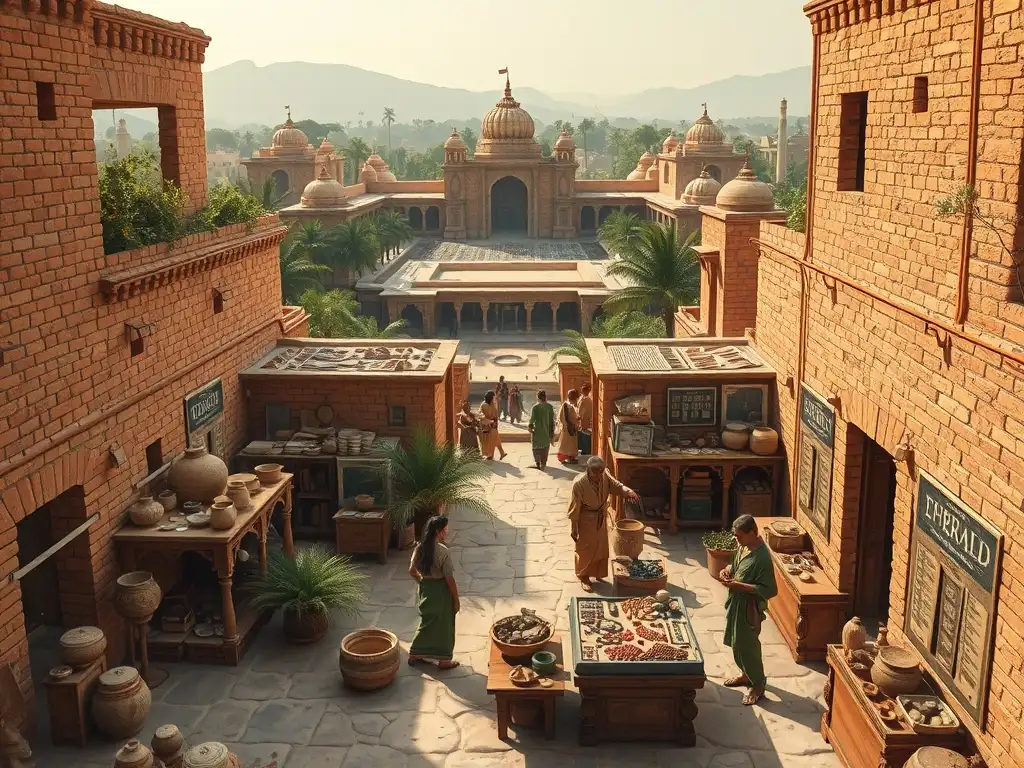
The Indus Valley Civilization (IVC), one of the world's oldest urban cultures, thrived approximately between 3300 BCE and 1300 BCE in the northwestern regions of South Asia, primarily in modern-day Pakistan and northwest India. This civilization is notable for its advanced urban planning, architecture, and social organization, making significant contributions to human history.
The IVC is characterized by its well-planned cities, sophisticated drainage systems, and standardized weights and measures. The civilization was primarily agrarian, relying heavily on the fertile plains of the Indus River, which provided ample resources for agriculture, trade, and sustenance. The rise and eventual decline of the IVC remain subjects of extensive archaeological and scholarly research, with various theories proposed regarding its causes, ranging from climate change to socio-political factors.
Origins of the Indus Valley Civilization
The origins of the Indus Valley Civilization can be traced back to earlier cultures in the region, particularly the Neolithic communities that began to emerge around 7000 BCE. These early inhabitants engaged in agriculture, animal domestication, and pottery, laying the groundwork for more complex societal structures.
Archaeological evidence suggests that around 3300 BCE, the civilization began to take shape with the establishment of urban centers. The Early Harappan phase, marked by smaller settlements and less sophisticated architecture, eventually transitioned into the Mature Harappan phase around 2600 BCE. This transition brought about the construction of major cities like Harappa and Mohenjo-Daro, showcasing remarkable advancements in governance, trade, and technology.
The geographic location of the IVC played a crucial role in its development. Situated along the Indus River, the civilization benefited from fertile floodplains, making it an agricultural hotspot. Furthermore, its proximity to trading routes facilitated commerce with neighboring cultures, including those in Mesopotamia and Persia, enhancing its economic prosperity.
Key Features of the Indus Valley Civilization
The Indus Valley Civilization is distinguished by several key features that reflect its complexity and sophistication:
- Urban Planning: Cities like Harappa and Mohenjo-Daro were meticulously planned, featuring grid layouts, wide streets, and well-organized zoning for residential and commercial areas.
- Architecture: The use of fired brick in construction, along with advanced techniques for drainage and water supply, indicates a high level of architectural skill. The Great Bath in Mohenjo-Daro exemplifies the importance of ritual and hygiene in urban life.
- Writing System: The IVC is known for its script, often referred to as the Indus script, which remains undeciphered. This writing system suggests a form of communication and record-keeping that underscores the civilization's complexity.
- Trade Networks: The civilization engaged in extensive trade, both locally and with distant regions. Artifacts such as seals and weights indicate a well-developed economic system that facilitated trade in goods like cotton, beads, and metalwork.
- Art and Craftsmanship: The IVC produced exquisite pottery, jewelry, and terracotta figurines, showcasing advanced artistic skills. The craftsmanship reflected not only aesthetic values but also the social and cultural dynamics of the civilization.
The Role of Harappa within the Indus Valley Civilization
Harappa, one of the most significant archaeological sites of the Indus Valley Civilization, plays a crucial role in understanding its cultural and historical context. Discovered in the 1920s, Harappa revealed a wealth of information about life during this ancient civilization.
- Urban Center: Harappa was a major urban center, with a population that likely exceeded 20,000 at its peak. The city's strategic location along trade routes contributed to its prominence.
- Administrative Hub: Evidence suggests that Harappa functioned as an administrative hub, with centralized control over trade, resource distribution, and urban planning. The presence of granaries further indicates the importance of agriculture and storage in maintaining the city’s economic stability.
- Cultural Significance: The archaeological findings at Harappa, including seals, terracotta figurines, and pottery, reflect the cultural practices, beliefs, and social organization of the IVC. These artifacts provide insight into the daily lives of its inhabitants.
- Decline and Legacy: The decline of Harappa, along with other IVC cities, is attributed to various factors, including environmental changes and socio-political challenges. However, its legacy persists, as it laid foundational elements of urban planning and cultural practices that would influence later Indian civilizations.
The Harappa archaeological discoveries have not only expanded our understanding of the Indus Valley Civilization but also reshaped the narrative of ancient Indian history, emphasizing the importance of this remarkable civilization in the broader context of human development.
Major Excavations at Harappa
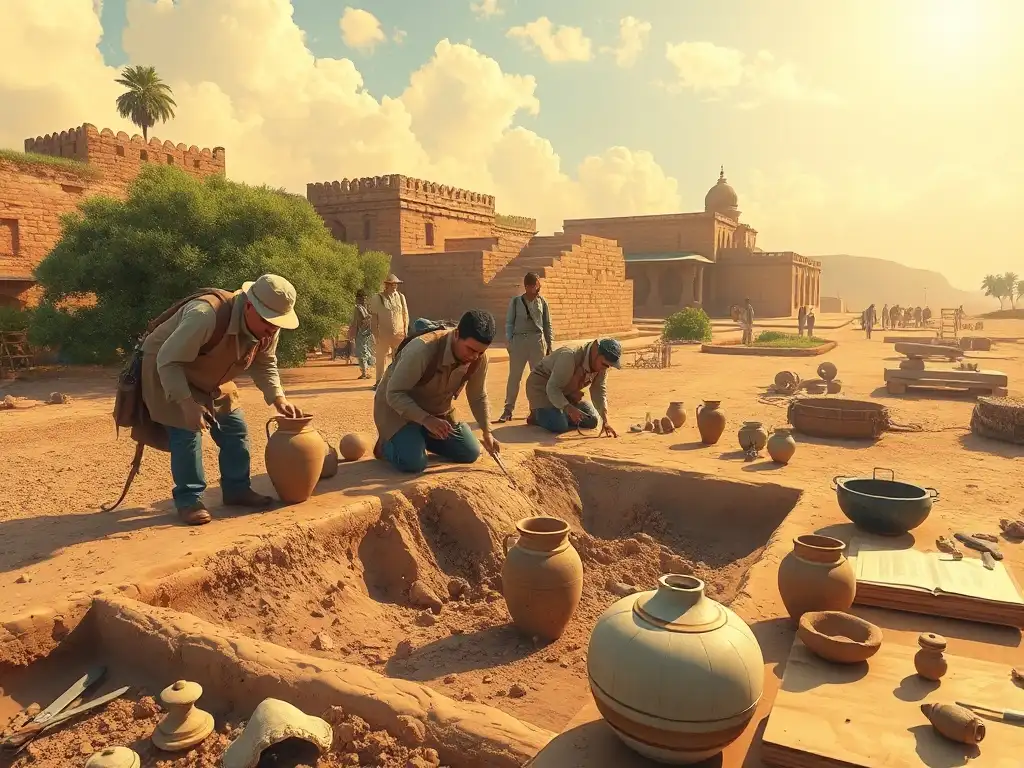
The archaeological site of Harappa, one of the key cities of the Indus Valley Civilization, has been a focal point for researchers aiming to unveil the mysteries of ancient India. The excavations conducted here have significantly altered our understanding of early urban life, trade, and social organization in this ancient civilization. The site was first rediscovered in the 19th century, and several major excavations have taken place since then, each contributing vital information about its historical significance.
Timeline of Harappa Excavations
The timeline of excavations at Harappa is marked by several key phases, each revealing new insights into the life and times of the Indus Valley Civilization:
- 1920-1921: The first major excavations were undertaken by Sir John Marshall and his team, which led to the identification of Harappa as a significant urban center of the Indus Valley Civilization.
- 1923-1924: Further excavations conducted under the supervision of Marshall uncovered more extensive structures, including residential areas and public baths, suggesting advanced urban planning.
- 1930s: Continued work by archaeologists like Ernest Mackay revealed intricate drainage systems and the famous Great Granary, indicating sophisticated agricultural practices.
- 1940s-1950s: Post-independence excavations led by prominent archaeologists like Mortimer Wheeler explored the site’s boundaries and its relationship with contemporary civilizations.
- 1980s-Present: Renewed interest in Harappa has led to ongoing excavations that employ modern techniques, such as remote sensing and geophysical surveys, yielding new data about the city's layout and its trade connections.
Key Archaeological Discoveries in Harappa
Several key archaeological discoveries at Harappa have transformed our understanding of the Indus Valley Civilization:
- Urban Planning: The grid layout of the city, with well-planned streets, public baths, and advanced drainage systems, reveals a highly organized urban environment.
- The Great Bath: This large, public bathing area is one of the most iconic structures, suggesting the importance of ritual cleanliness and possibly religious practices in daily life.
- Seals and Script: Numerous seals featuring animals, symbols, and a yet-to-be-deciphered script provide insights into the economic activities and possibly the religious beliefs of the Harappans.
- Pottery and Artifacts: Excavations have uncovered a vast array of pottery, tools, and ornaments, which showcase the artistic skills and daily life of Harappa's inhabitants.
- Trade Evidence: Findings of weights and measures, along with trade goods like lapis lazuli and carnelian, indicate that Harappa was a bustling trade hub linked to other regions.
| Discovery | Significance |
|---|---|
| Urban Layout | Indicates advanced city planning and organization. |
| The Great Bath | Suggests importance of ritual and social practices. |
| Seals and Script | Offers insights into trade, culture, and religion. |
| Artifacts | Reflects daily life and artistic expression. |
| Trade Goods | Highlights economic relationships and trade networks. |
Notable Archaeologists Involved in Harappa Research
The study of Harappa has attracted numerous prominent archaeologists whose work has been instrumental in advancing our understanding of the Indus Valley Civilization:
- Sir John Marshall: As the Director-General of Archaeology in India, Marshall was pivotal in the initial excavations at Harappa, bringing the site to global attention.
- Ernest Mackay: Known for his detailed excavations during the 1930s, Mackay's work significantly contributed to the understanding of the city's layout and its economic systems.
- Mortimer Wheeler: A key figure in Indian archaeology, Wheeler's excavations in the mid-20th century provided crucial insights into the site's chronology and cultural connections.
- Ravi Korisettar: In recent years, Korisettar has employed modern methods like remote sensing to uncover new aspects of Harappa's urban landscape.
- Shereen Ratnagar: An influential voice in Indus studies, Ratnagar's research has focused on the broader implications of Harappa's discoveries in understanding ancient trade and societal structures.
These archaeologists, through their rigorous research and excavations, have shaped the narrative surrounding Harappa and the Indus Valley Civilization, making it a cornerstone of ancient Indian history.
Findings from Harappa and Their Impact on Ancient Indian History
Urban Planning and Architecture in Harappa
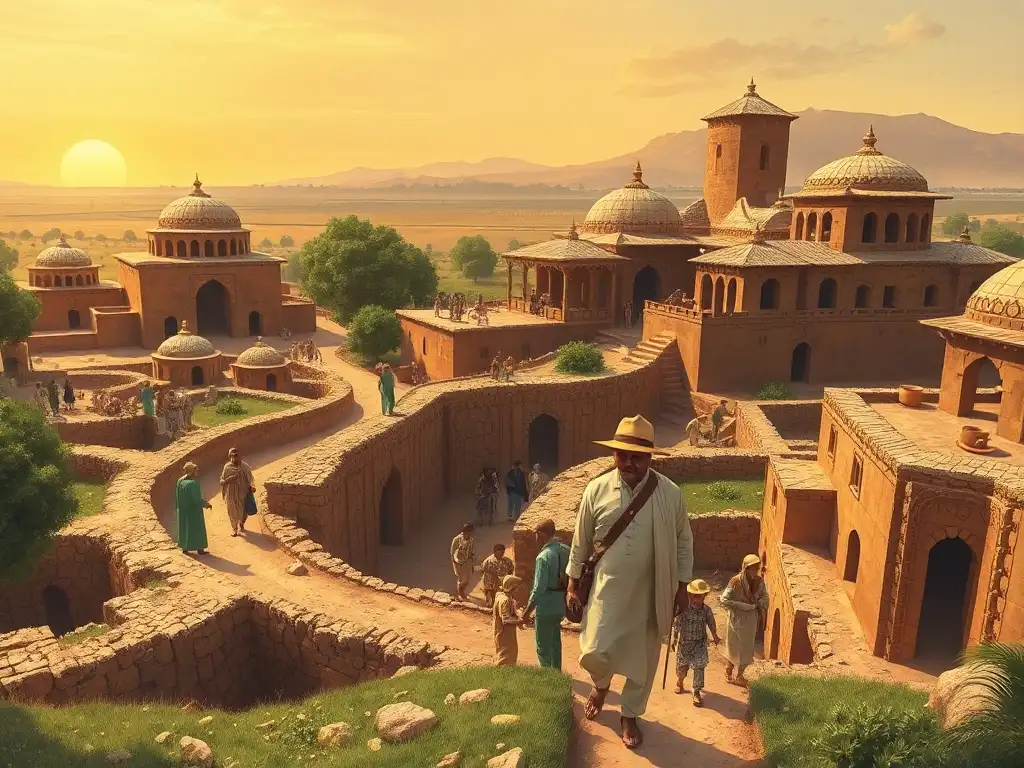
One of the most remarkable aspects of the Harappa archaeological discoveries in India is the sophisticated urban planning and architectural prowess exhibited by the Harappan civilization. The layout of Harappa reveals a meticulously organized city structure, featuring grid patterns that suggest advanced city planning techniques.
- Grid Layout: Streets were laid out in a precise north-south and east-west orientation, creating a grid-like pattern that facilitated movement and trade.
- Drainage Systems: Harappa boasted an elaborate drainage system with covered drains along the streets, showcasing the importance of sanitation and public health in urban life.
- Standardized Brick Size: The use of uniform baked bricks (approximately 10.5 x 20.5 x 7.5 cm) is a defining characteristic of Harappan architecture, indicating a high degree of standardization in construction practices.
- Public Buildings: Structures such as the Great Bath, often considered a ceremonial site, and large granaries highlight the communal and administrative functions central to Harappan society.
These features reveal that the Harappans not only prioritized urban planning but also demonstrated an understanding of engineering principles that would influence subsequent Indian civilizations.
Artifacts Uncovered: Daily Life in Harappa
The artifacts uncovered during excavations at Harappa provide profound insights into the daily life and culture of its inhabitants. The variety and complexity of these items illustrate the advanced nature of Harappan society.
- Pottery and Terracotta: The discovery of intricately designed pottery, including painted and plain wares, indicates a rich tradition of craftsmanship. Terracotta figurines, especially those depicting animals and human figures, suggest a vibrant artistic culture.
- Tools and Implements: A range of tools made from bronze, copper, and stone has been found, highlighting the technological advancements of the civilization. Notably, the presence of weights and measures indicates a developed system of trade and economic activity.
- Seals and Inscriptions: The famous Harappan seals, often inscribed with symbols and animal motifs, reflect a complex script and serve as a testament to the civilization's administrative capabilities. These seals likely played a role in trade and communication.
The artifacts from Harappa not only depict the everyday life of its people but also offer a glimpse into their beliefs, trade practices, and social organization, enriching our understanding of ancient Indian culture.
The Trade Networks of the Harappan Civilization
The Harappan civilization was not an isolated entity; rather, it was part of an extensive trade network that spanned vast regions of the Indian subcontinent and beyond. The archaeological discoveries at Harappa reveal the intricacies of these trade connections.
- Geographical Reach: Harappa's strategic location facilitated trade with neighboring regions, including Mesopotamia, Persia, and the Arabian Peninsula. Goods such as cotton textiles, beads, and semi-precious stones were commonly traded.
- Maritime Trade: Evidence suggests that the Harappans engaged in maritime trade through ports like Lothal, which served as a crucial hub for maritime commerce. This connection to the sea enabled the exchange of goods over long distances.
- Economic Specialization: Different regions within the Harappan civilization specialized in various crafts and products, contributing to a complex economy. For instance, while certain areas were known for bead-making, others specialized in metallurgy or pottery.
These trade networks not only facilitated economic prosperity but also fostered cultural exchanges, influencing the development of ancient Indian civilization and establishing Harappa as a significant player in global trade during its time.
Theories on the Decline of Harappa
Possible Reasons for the Decline of the Harappan Civilization
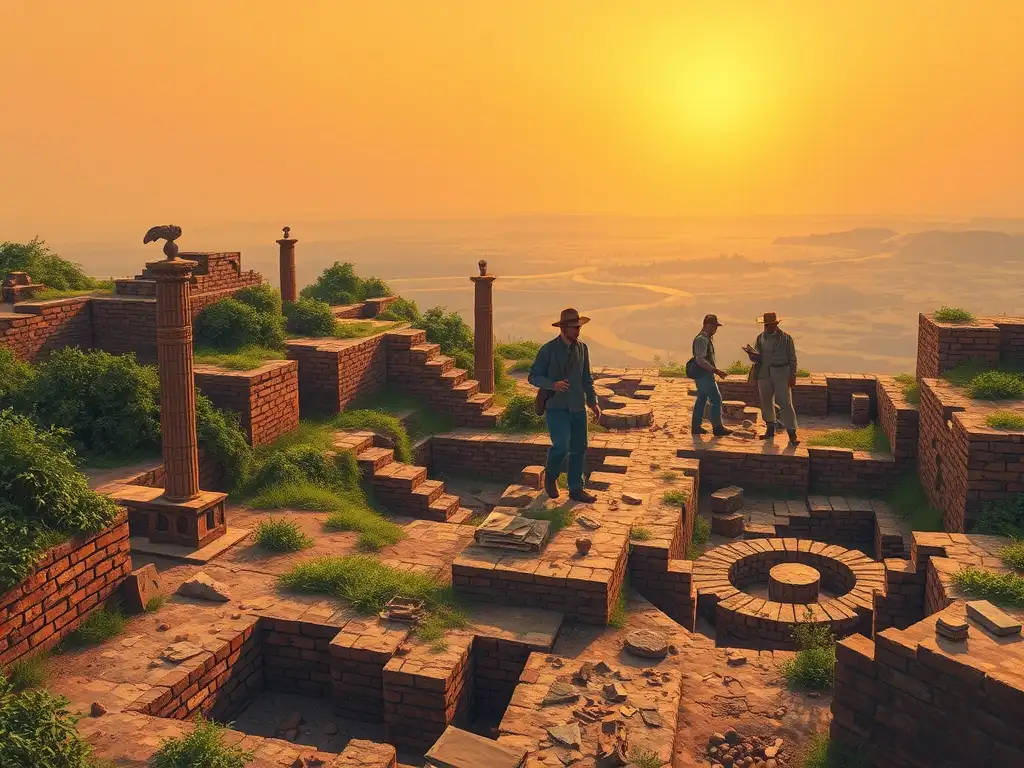
The decline of the Harappan Civilization, which flourished between 2600 and 1900 BCE, is a subject of much scholarly debate. Multiple theories have emerged to explain the factors contributing to its eventual downfall, reflecting the complexity of this ancient society.
- Environmental Changes:
- The shift in the monsoon patterns could have drastically affected agriculture, which was the backbone of the Harappan economy.
- Evidence suggests a decrease in rainfall, leading to crop failures and food shortages.
- Economic Decline:
- The collapse of trade networks, particularly with Mesopotamia, might have led to economic destabilization.
- The Harappans were heavily reliant on trade for essential resources, and disruptions could have precipitated a rapid decline.
- Social Upheaval:
- Increasing social stratification may have led to internal conflicts.
- As resources became scarce, competition among different groups could have resulted in societal fragmentation.
- Invasion Theories:
- Some historians propose that invasions by Indo-Aryan tribes could have contributed to the civilization’s downfall.
- While evidence for this theory remains limited, it suggests a potential for external pressures impacting Harappa.
Impact of Climate Change on Harappa
Climate change plays a pivotal role in understanding the decline of the Harappan Civilization. Research indicates that the region experienced significant climatic fluctuations that would have had profound effects on agriculture and settlement patterns.
- Drought Conditions:
- Archaeological evidence points to a deterioration of climatic conditions, particularly between 2200 and 1900 BCE.
- Studies of sediment cores from the region reveal a correlation between drought periods and the decline of urban centers.
- River Dynamics:
- The Saraswati River, once a vital water source, may have changed its course or dried up, leading to water scarcity.
- The shift in river systems would have made it increasingly difficult for cities to sustain large populations.
- Migration Patterns:
- As climatic conditions worsened, it is likely that populations began to migrate towards more fertile regions, leading to urban decline.
- This migration could have gradually eroded the social and economic structures that had supported the Harappan Civilization.
Cultural and Economic Factors Influencing Harappa's Decline
The decline of Harappa cannot be attributed solely to environmental factors; cultural and economic dynamics also played crucial roles.
- Decline in Urban Infrastructure:
- The once-thriving urban centers began to show signs of neglect, with reduced maintenance of public works such as drainage systems.
- This decline in infrastructure could have made cities less habitable, prompting residents to abandon them.
- Changes in Trade:
- The economic foundation of the Harappan Civilization was largely reliant on trade with neighboring regions.
- With the decline of urban centers, trade routes became less viable, further weakening the economy.
- Cultural Shifts:
- Changes in religious practices and cultural norms may have contributed to societal fragmentation.
- The emergence of new cultural influences, possibly from migrating tribes, could have diluted Harappan cultural identity, leading to its absorption into new societal frameworks.
The decline of the Harappan Civilization resulted from a confluence of environmental, cultural, and economic factors. Each theory offers valuable insights, but together they illustrate the complexities behind the fall of one of the world's earliest urban civilizations. Understanding these dynamics is crucial for appreciating the rich history of ancient India and the legacy of the Indus Valley Civilization.
Harappa's Legacy in Modern Understanding of Ancient India
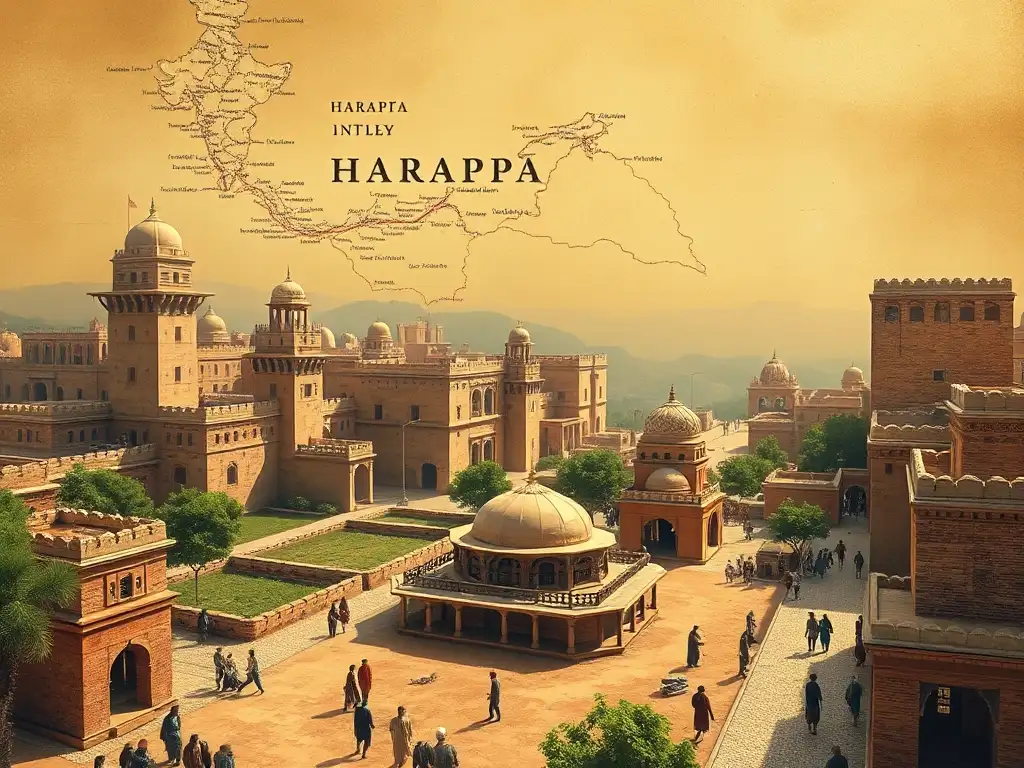
Harappa, one of the principal sites of the Indus Valley Civilization, has profoundly influenced our understanding of ancient Indian societies. The archaeological discoveries at Harappa have reshaped historical narratives, revealing a complex urban culture that thrived over 4,500 years ago.
How Harappa Changed Perspectives on Ancient Indian Societies
The excavations at Harappa, which began in the 1920s, unveiled a well-planned city characterized by advanced urban planning, sophisticated drainage systems, and standardized fired brick construction. This evidence challenged previous perceptions that ancient Indian societies were primarily tribal and nomadic.
- Urban Complexity: The layout of Harappa, with its grid-like streets and organized public spaces, suggested a high degree of social organization and governance. This complexity indicated that the Indus Valley Civilization had established systems of trade, craft specialization, and possibly even early forms of local administration.
- Cultural Practices: Artifacts such as seals, pottery, and tools uncovered at Harappa provided insights into the daily lives and cultural practices of its inhabitants. The presence of intricate seals with animal motifs and script has led scholars to theorize about the existence of a writing system and religious practices that may have influenced later Indian cultures.
- Economic Systems: Harappa's extensive trade networks, evidenced by the discovery of weights and measures, as well as goods traded with neighboring regions, highlighted the economic sophistication of the civilization. This established that ancient Indian societies were interconnected, engaging in commerce that spanned vast geographical areas.
The findings at Harappa have not only altered our understanding of the Indus Valley Civilization but have also redefined the narrative of ancient Indian history, emphasizing the notions of urbanization, social complexity, and cultural richness.
The Influence of Harappa on Contemporary Archaeological Studies
The archaeological discoveries at Harappa have significantly shaped contemporary archaeological methodologies and theories. Scholars and archaeologists have drawn crucial lessons from the site, influencing excavation practices and interpretations of ancient societies.
- Interdisciplinary Approaches: The study of Harappa has led to the integration of various disciplines, including geology, anthropology, and environmental science. Researchers utilize these fields to analyze artifacts, urban layouts, and ecological contexts, enhancing our understanding of the civilization's adaptability and resilience.
- Standardization in Excavation: The meticulous techniques applied during Harappa's excavations have set benchmarks for archaeological digs worldwide. The importance of systematic excavation, documentation, and conservation has been emphasized, ensuring that findings are preserved for future study.
- Cultural Heritage Conservation: The international interest in Harappa has sparked discussions about the preservation of archaeological sites. Contemporary studies often incorporate traditional knowledge and local community engagement in conservation efforts, recognizing the importance of cultural heritage in modern identity.
The influence of Harappa extends beyond its historical significance; it has become a model for archaeological practice that prioritizes comprehensive research and cultural sensitivity.
Harappa and Its Role in National Heritage and Identity
Harappa stands as a symbol of India's rich cultural heritage, playing a pivotal role in shaping national identity. The discoveries made at this site not only serve as a testament to the ingenuity of ancient civilizations but also foster a sense of pride and continuity in India's historical narrative.
- Cultural Symbolism: Harappa is often referenced in discussions about Indian civilization's continuity and diversity. The site exemplifies the long-standing tradition of urban development and cultural sophistication in the region, reinforcing the idea that India has a deep-rooted historical legacy.
- Educational Initiatives: The significance of Harappa has led to its incorporation into educational curricula, fostering awareness and appreciation of ancient Indian history among younger generations. Museums and cultural institutions frequently highlight Harappa's findings, promoting public engagement with archaeological heritage.
- Tourism and Economic Impact: As a UNESCO World Heritage site, Harappa attracts tourists, researchers, and scholars from around the globe. This influx not only promotes awareness of India's ancient history but also contributes to local economies through tourism-related activities.
Harappa's archaeological discoveries have profoundly impacted modern understandings of ancient Indian societies, influenced contemporary archaeological practices, and played a crucial role in shaping national heritage and identity. The legacy of Harappa continues to inspire admiration for the ingenuity and resilience of the Indus Valley Civilization.
Conclusion
Summary of Harappa's Role in Ancient Indian Civilization
Harappa, one of the major urban centers of the Indus Valley Civilization (IVC), has played a pivotal role in shaping our understanding of ancient Indian civilization. Discovered in the 1920s, the site has revealed a wealth of information about urban planning, social organization, and economic practices of the time. The archaeological discoveries at Harappa have underscored the sophistication of this civilization, highlighting features such as:
- Urban Planning: The grid-like layout of Harappa reflects advanced planning and civil engineering. Streets were laid out in a systematic manner, with houses constructed using standardized baked bricks.
- Water Management: The drainage system of Harappa was remarkably progressive, with covered drains and sophisticated water supply systems. This indicates not only an understanding of sanitation but also a commitment to public health.
- Trade and Economy: Evidence of trade with distant regions, including Mesopotamia, has been unearthed. Artifacts such as weights, measures, and seals suggest a complex economy driven by agriculture and commerce.
- Cultural Practices: Pottery, jewelry, and seals discovered at Harappa provide insights into the cultural and artistic expressions of the time, revealing a society that valued craftsmanship and aesthetics.
The amalgamation of these discoveries has led historians and archaeologists to regard Harappa as a cornerstone in the study of the IVC, illustrating the complexity and richness of ancient Indian civilization.
Future Directions for Research on Harappa and the Indus Valley Civilization
The ongoing research into Harappa and the broader context of the Indus Valley Civilization continues to yield exciting possibilities. Here are some potential future directions for exploration:
- Technological Advances in Archaeology: New technologies such as ground-penetrating radar and 3D modeling are enhancing excavation techniques, allowing researchers to uncover more about Harappa's hidden layers without extensive digging.
- Climate Impact Studies: Investigating how environmental changes affected the Harappan civilization can provide insights into its decline. Understanding the interplay between climate and human activity is crucial for a holistic view of IVC history.
- Interdisciplinary Approaches: Collaborating with fields such as genetics, anthropology, and environmental science can offer a comprehensive understanding of the population dynamics and migrations that occurred during the IVC period.
- Public Engagement and Education: Enhancing public awareness through exhibitions, educational programs, and community involvement can foster a deeper appreciation for the significance of Harappa and the Indus Valley Civilization.
- Global Comparisons: Comparing Harappan findings with contemporary civilizations, such as those in Mesopotamia or Egypt, can help contextualize the achievements of the IVC within a global framework.
By pursuing these avenues, researchers can continue to unravel the mysteries surrounding Harappa and its contributions to ancient Indian civilization, enriching our understanding of a pivotal era in human history.
Frequently Asked Questions
What are the Harappa archaeological discoveries?
The Harappa archaeological discoveries refer to the findings from the ancient city of Harappa, which is a significant site of the Indus Valley Civilization. These discoveries have provided crucial insights into the social, economic, and cultural aspects of ancient India.
How did the excavations at Harappa impact our understanding of ancient Indian civilizations?
Excavations at Harappa revealed advanced urban planning, sophisticated drainage systems, and a complex social structure, which have fundamentally changed our understanding of urban life and technology in ancient India.
What is the significance of the Indus Valley Civilization in ancient Indian history?
The Indus Valley Civilization is one of the earliest urban cultures in the world, known for its advanced architecture, trade networks, and writing system, highlighting the cultural and technological achievements of ancient Indian societies.
When were the major excavations at Harappa conducted?
Major excavations at Harappa began in the 1920s and continued into the following decades, uncovering a wealth of information about the lifestyle, economy, and governance of the people who lived there.
What contributions did the Harappa discoveries make to the study of ancient culture?
The Harappa discoveries contributed significantly to our understanding of ancient trade practices, craftsmanship, and daily life, showcasing the rich cultural heritage and innovative practices of early Indian civilizations.
Final Reflection: Unveiling the Past to Illuminate Our Future
The Harappa archaeological discoveries in India have not only reshaped our understanding of ancient civilizations but also continue to resonate with contemporary society. As we delve into the remnants of the Indus Valley Civilization, we uncover a narrative that speaks to the ingenuity and complexity of human societies long before our time. These findings remind us that history is not merely a collection of dates and events; it is a living tapestry that informs our present and shapes our future.
The impact of these discoveries extends far beyond the confines of academia; they have sparked a renewed interest in our cultural heritage and the importance of preserving it. The lessons learned from the sophisticated urban planning and social organization of Harappa encourage us to reflect on our own societal structures. As historian Nayanjot Lahiri aptly stated, "> The past is not a foreign country; it is a part of our identity." This connection to our roots fosters a sense of belonging and responsibility, urging us to engage with our history in meaningful ways.
As we stand on the shoulders of those who unearthed the treasures of Harappa, I invite you to reflect on your own relationship with history. Consider how the stories of our ancestors can guide us in addressing the challenges of today. Let the discoveries of Harappa inspire you to explore your own heritage, to advocate for the preservation of our shared past, and to recognize the profound impact that understanding history can have on our collective future. Embrace the journey of discovery, for it is through the lens of our history that we can envision a brighter tomorrow.
Unveil the Secrets of Harappa Today!
Thank you for diving into the fascinating world of Harappa with us! You've uncovered invaluable insights into one of the greatest civilizations of ancient India, and now it's time to take the next step on your journey of discovery.
Here are a few exciting actions you can take right now to deepen your understanding and appreciation of this remarkable era:
- Explore further: Visit your local library or online archives to find books and articles about the Indus Valley Civilization. The more you learn, the more connections you'll make!
- Engage with the community: Join online forums or social media groups dedicated to ancient history. Sharing your insights about Harappa can spark enlightening conversations!
- Plan a trip: If possible, consider visiting a historical site related to the Indus Valley or participating in an archaeological dig. Experiencing these places firsthand will forever change your perspective!
What aspect of Harappa do you find most intriguing and believe deserves more attention in our understanding of ancient civilizations?