
The Evolution of Urban Art in the Indus Valley Civilization

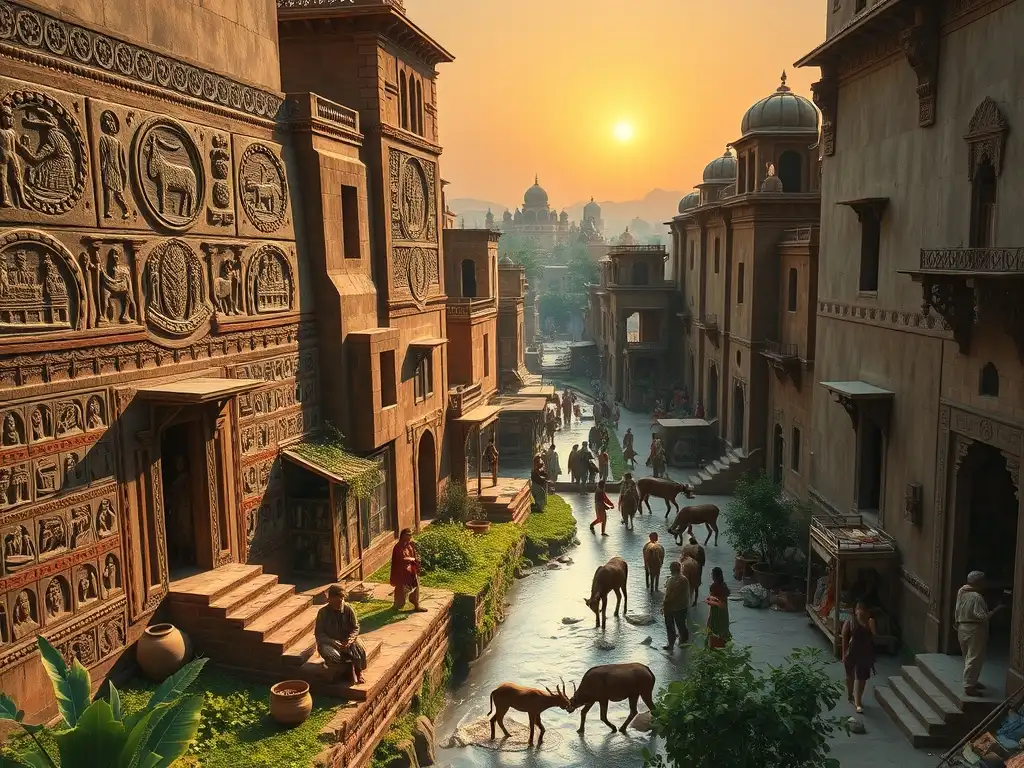
Welcome to Ancient India History, where we embark on a captivating journey through the rich tapestry of ancient Indian civilizations. Here, you'll uncover the fascinating Indus Valley urban art history, a remarkable testament to the creativity and innovation of one of the world's earliest urban societies.
As we delve into the evolution of urban art in the Indus Valley Civilization, prepare to be intrigued by the artistry that shaped a culture and left a lasting legacy. Join us as we explore the vibrant expressions of life, beliefs, and society that thrived thousands of years ago, and discover the stories that await just beyond this introduction.
Introduction to Indus Valley Urban Art History
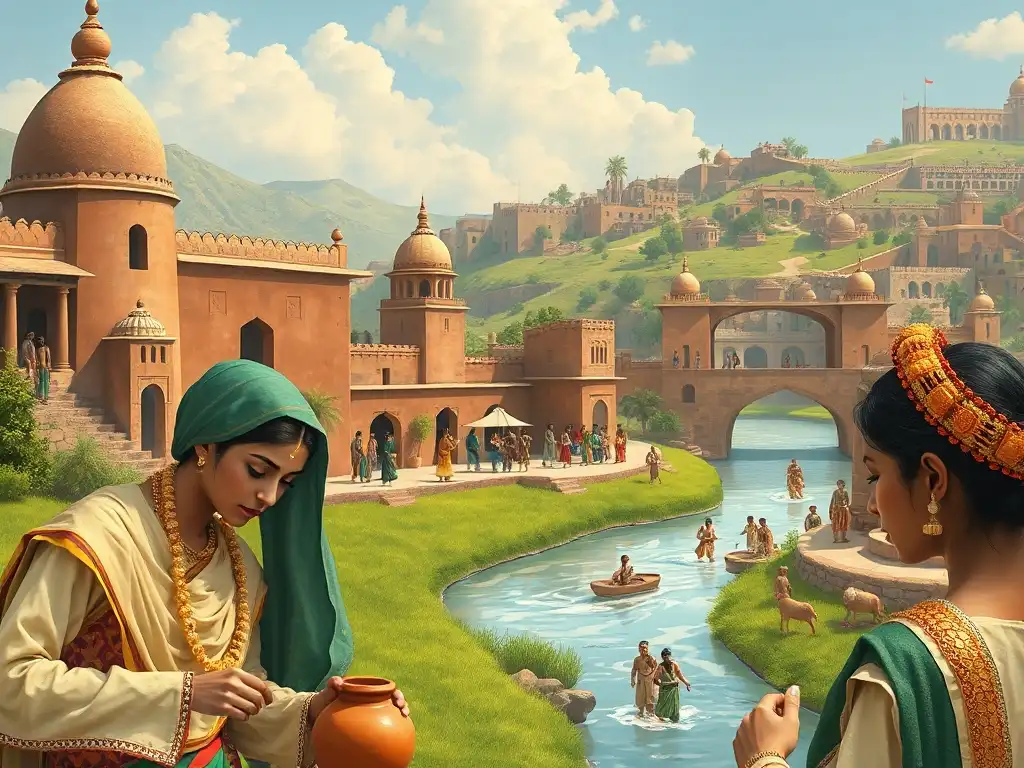
The Indus Valley Civilization, one of the world's earliest urban cultures, flourished between approximately 3300 BCE and 1300 BCE in what is now Pakistan and northwest India. This civilization is renowned not only for its advanced urban planning and architecture but also for its rich artistic expressions that reflect the cultural and social dynamics of the time. The Indus Valley urban art history is a vital lens through which we can explore the complexities of life in one of history's most intriguing civilizations, revealing insights into their values, beliefs, and daily life.
Art in the Indus Valley was not merely a form of aesthetic expression; it served as a means of communication, a reflection of societal norms, and an integral part of urban life. From intricately designed seals to elaborate pottery, the artistic endeavors of the Indus people showcase their sophistication and creativity. Understanding the evolution of urban art within this civilization allows us to appreciate how art played a pivotal role in shaping their urban environments and cultural identity.
Overview of the Indus Valley Civilization
The Indus Valley Civilization emerged around 2500 BCE, characterized by well-planned cities, advanced drainage systems, and a high level of craftsmanship. Major urban centers such as Harappa and Mohenjo-Daro highlight the civilization's significant achievements. These cities were meticulously laid out in grid patterns, with impressive public baths and granaries, indicating a highly organized society.
The economy of the Indus Valley was primarily agrarian, supported by trade in goods like cotton, pottery, and metalwork. Evidence suggests that the people of this civilization had a complex social structure, with distinct roles and professions contributing to the urban economy. The presence of standardized weights and measures indicates a sophisticated approach to trade and commerce, underscoring the importance of urban art as a means of cultural expression and economic identity.
Importance of Urban Art in Ancient Cultures
Urban art has been a crucial aspect of many ancient civilizations, serving as a reflection of cultural values, religious practices, and social organization. In the context of the Indus Valley Civilization, urban art provided a visual narrative of daily life, beliefs, and the environment. Through artifacts such as sculptures, pottery, and seals, we gain insights into the cultural and societal dynamics that defined this ancient community.
Artistic expressions often depicted themes related to nature, fertility, and spirituality, illustrating the significance of these elements in the lives of the Indus people. Furthermore, urban art played a role in establishing social cohesion and cultural identity, fostering a sense of belonging among the inhabitants of the bustling cities.
Key Features of Indus Valley Urban Art
Materials Used in Indus Valley Art
The artisans of the Indus Valley utilized a variety of materials to create their artworks, showcasing their ingenuity and resourcefulness. Key materials included:
- Terracotta: Widely used for crafting pottery, figurines, and seals, terracotta was abundant and easily shaped.
- Stone: Hard stones like steatite were carved into seals and sculptures, demonstrating sophisticated craftsmanship.
- Metal: Copper and bronze were utilized in tools and decorative items, reflecting advancements in metallurgy.
- Shell and Ivory: These materials were often used for intricate inlays and jewelry, highlighting trade connections with coastal regions.
Common Themes and Motifs in Urban Art
Indus Valley urban art is characterized by several recurring themes and motifs that reveal the cultural values and beliefs of the civilization. Some of the most notable include:
- Animals: Many artifacts feature animals, both real and mythical, symbolizing strength, fertility, and protection.
- Fertility Symbols: Representations of women and fertility deities indicate the importance of agriculture and reproduction in their society.
- Geometric Patterns: Intricate geometric designs are commonly found on pottery and seals, reflecting the aesthetic preferences of the time.
Techniques and Styles of Indus Valley Artists
The artists of the Indus Valley employed various techniques and styles that contributed to the distinctiveness of their urban art. These include:
- Carving and Engraving: Skilled artisans used chisels to carve detailed designs into seals and stone sculptures.
- Molding and Hand-Building: Terracotta figures were often shaped by hand or molded, showcasing artistic creativity and individuality.
- Painting: Pottery was frequently adorned with painted designs, utilizing natural pigments to create vibrant colors.
The combination of these techniques resulted in a rich tapestry of artistic expression that continues to captivate historians and art enthusiasts alike. Understanding the evolution of urban art in the Indus Valley Civilization not only sheds light on their artistic achievements but also provides a deeper appreciation for the complexity of their society.
Historical Context of Urban Art in the Indus Valley
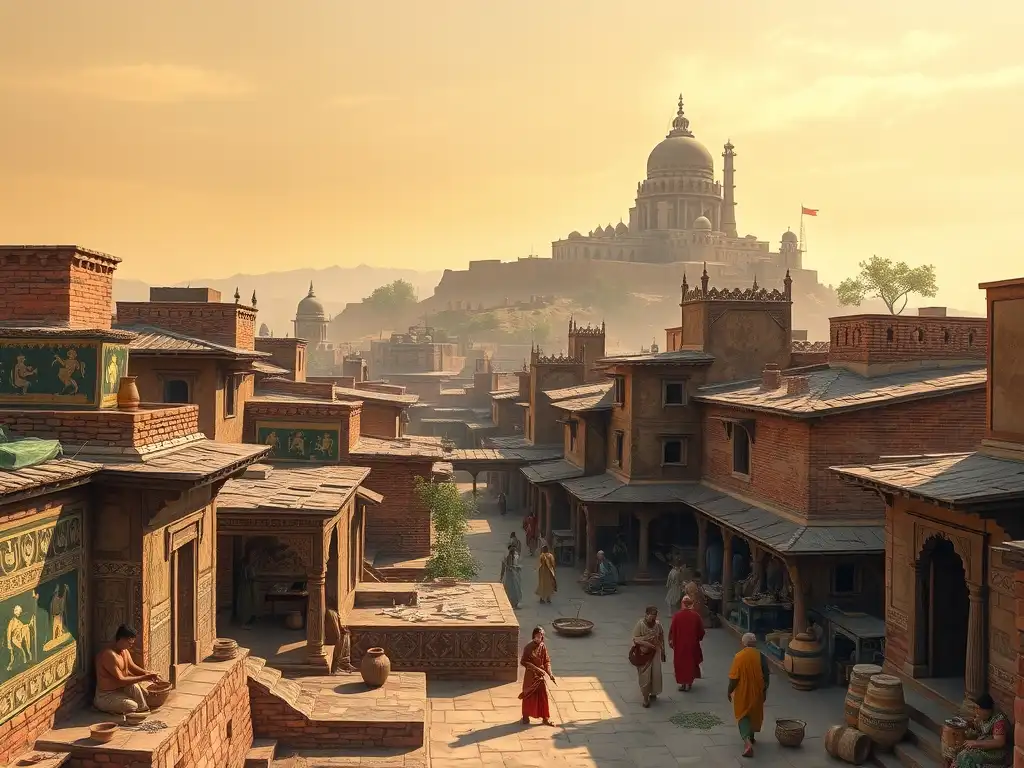
The Indus Valley Civilization, flourishing between approximately 3300 and 1300 BCE, is renowned for its advanced urban planning and rich artistic expression. The urban art of this civilization reflects not only aesthetic preferences but also the socio-political and religious contexts of the time. Cities like Mohenjo-Daro and Harappa were meticulously planned, featuring grid layouts, advanced drainage systems, and sophisticated architecture, which provided a backdrop for artistic endeavors.
Art in the Indus Valley was predominantly functional, intertwining with daily life and religious practices. Terracotta figurines, seals, and pottery served as mediums through which the people expressed their beliefs, rituals, and social status. The existence of such artifacts indicates a society that valued art as a vital component of its cultural identity, shaping the evolution of urban art throughout the region.
Timeline of Urban Art Development in the Indus Valley
The timeline of urban art development in the Indus Valley can be divided into several key phases:
- Early Phase (c. 3300–2600 BCE): The emergence of simple pottery and figurines, primarily made from clay. Early seals featuring animal motifs also appeared during this time.
- Mature Phase (c. 2600–1900 BCE): This period marked significant advancements in artistic techniques, with the introduction of intricate terracotta sculptures, detailed seals, and painted pottery. The craftsmanship reached its zenith, and urban centers like Mohenjo-Daro and Harappa became prominent artistic hubs.
- Late Phase (c. 1900–1300 BCE): As urban centers began to decline, the art became less complex. However, the remnants of earlier artistic traditions persisted, influencing subsequent cultures in the region.
Influence of Geography on Artistic Expression
The geographical features of the Indus Valley played a crucial role in shaping its urban art. The civilization thrived along the fertile banks of the Indus River, which provided abundant resources for crafting materials like clay and stone. The accessibility of these materials facilitated the production of diverse artistic forms.
Moreover, the region's climate influenced the types of art produced. For instance, the dry climate helped with the preservation of terracotta artifacts, allowing modern archaeologists to uncover intricate details of Indus Valley art. The proximity to the Arabian Sea also encouraged trade and cultural exchanges, leading to the incorporation of external artistic influences into local practices.
Interaction with Contemporary Civilizations
The Indus Valley Civilization was not isolated; it engaged in trade and cultural exchanges with various contemporary civilizations, including Mesopotamia and the Persian Gulf cultures. This interaction enriched the artistic landscape of the Indus Valley, as new materials, techniques, and iconography were introduced.
For example, the seals found in the Indus Valley often exhibit motifs and styles reminiscent of Mesopotamian art, indicating a level of cultural diffusion. Additionally, the trade relationships fostered the exchange of ideas and practices, which contributed to the evolution of urban art and architecture in the region.
Major Sites of Urban Art within the Indus Valley
The Indus Valley Civilization boasts several significant archaeological sites that provide invaluable insights into its urban art history. Each site showcases unique artistic contributions that reflect the civilization's cultural richness.
Mohenjo-Daro: The Artistic Hub of the Indus Valley
Mohenjo-Daro, one of the largest cities of the Indus Valley Civilization, is often considered the artistic hub of the region. The site features remarkable urban planning and sophisticated architecture, including the Great Bath, which may have had ritual significance.
Artistic artifacts such as the famous "Dancing Girl" bronze statue and numerous seals with intricate designs highlight the advanced craftsmanship of the inhabitants. The diversity of art found at Mohenjo-Daro illustrates a society that valued creativity and innovation, making it a cornerstone of the Indus Valley urban art history.
Harappa: Architectural Innovations and Artistic Expressions
Harappa, another prominent city of the Indus Valley, is known for its architectural innovations and artistic expressions. The layout of Harappa's streets and buildings reflects careful planning, while the presence of large granaries and public baths indicates a well-organized society.
Artistic artifacts discovered at Harappa include pottery with painted designs and terracotta figurines that depict various aspects of life, from daily activities to ritual practices. These artifacts not only serve as indicators of the artistic capabilities of the civilization but also provide insights into the social and cultural dynamics of the time.
Other Notable Indus Valley Sites Featuring Urban Art
In addition to Mohenjo-Daro and Harappa, several other notable sites within the Indus Valley feature significant urban art. Sites such as Lothal, known for its dockyard and maritime trade, exhibit artifacts that reflect a blend of functionality and artistry.
Dholavira, another important location, showcases monumental architecture and intricate water conservation systems, alongside artistic elements such as engraved stone tablets and pottery. Each of these sites contributes to the overall narrative of Indus Valley urban art history, emphasizing the diversity and complexity of artistic expression in this ancient civilization.
Evolution of Artistic Techniques in the Indus Valley
The Indus Valley Civilization, flourishing from approximately 3300 to 1300 BCE, showcases a remarkable evolution of artistic techniques that reflect the sophistication of its urban centers. Initially, artisans employed simple designs and rudimentary tools, focusing on practical objects such as pottery and beads. However, as the civilization advanced, so did their artistic abilities. Techniques evolved to include intricate carvings, advanced pottery-making methods, and the use of metallurgy, allowing for more detailed and elaborate artistic expressions.
The use of stamps and seals became particularly significant, with artisans creating finely detailed motifs that often depicted animals, deities, and scenes of daily life. These seals were not only artistic creations but also served functional purposes, such as trade and communication. Over time, the introduction of new materials, including semi-precious stones, further expanded the repertoire of artistic techniques, leading to the production of exquisite jewelry and decorative items.
From Simple Designs to Complex Art Forms
The transition from simple designs to complex art forms in the Indus Valley can be traced through archaeological finds. Early artifacts include plain pottery and basic geometric patterns, which served utilitarian purposes. As trade routes expanded and cultural influences mingled, artisans began to experiment with more sophisticated techniques and designs.
The emergence of polychrome pottery, characterized by elaborate painted designs, and the production of detailed terracotta figurines mark significant milestones in this evolution. The introduction of new artistic elements, such as human and animal representations, transformed mundane objects into thoughtful expressions of creativity. This complexity indicates a society that valued art not just for functionality but also for aesthetic and symbolic significance.
The Role of Urban Art in Daily Life and Rituals
Urban art in the Indus Valley played a crucial role in both daily life and spiritual practices. Artifacts suggest that artistic expressions were woven into the fabric of everyday activities, with decorated pottery, tools, and household items reflecting the tastes and values of the community.
Rituals and ceremonies also heavily influenced the creation of urban art. Seals, often used in religious and trade contexts, serve as examples of how art was integrated into spiritual practices. The depictions of deities and mythical creatures on these seals suggest that the people of the Indus Valley imbued their art with deeper meanings, using it as a medium to convey beliefs and cultural narratives.
Shifts in Artistic Styles Over Time
Throughout the life of the Indus Valley Civilization, artistic styles experienced notable shifts, influenced by various factors, including trade, cultural exchange, and political changes. Early Indus art is characterized by its focus on realism and everyday life, but as the civilization matured, there was a noticeable shift towards stylization and abstraction.
Later periods saw the emergence of motifs that were more symbolic and less representational. This evolution may reflect changing societal values or religious beliefs, indicating a move towards art that served more than just aesthetic purposes. The integration of new techniques and influences from neighboring cultures also contributed to the diversification of artistic styles, culminating in a rich tapestry of artistic heritage that is still studied and admired today.
Symbolism and Meaning in Indus Valley Urban Art
Art in the Indus Valley Civilization was rich with symbolism, deeply intertwined with the societal beliefs and practices of the time. The artistic expressions found in various urban settings provide a window into the cultural psyche of the civilization, revealing how they viewed the world around them.
Interpreting Symbols in Indus Valley Art
The symbols present in Indus Valley art are often complex and multifaceted, requiring careful interpretation. Common motifs include animals, geometric patterns, and human figures, each carrying distinct meanings. For instance, the depiction of certain animals may reflect their significance in the local ecosystem or their role in mythology.
Scholars have suggested that these symbols were not merely decorative but served as a form of communication, conveying messages about social status, religious beliefs, or community identity. Understanding these symbols offers insights into the values and priorities of the people who created them, illuminating the cultural landscape of the Indus Valley.
The Spiritual Significance of Urban Artistic Expressions
Urban artistic expressions in the Indus Valley were deeply spiritual, reflecting the civilization's beliefs and practices. Many artifacts, including seals, figurines, and pottery, contain religious iconography that suggests a rich spiritual life.
The recurrence of certain motifs, such as the worship of fertility symbols or animal totems, indicates that art was a medium through which the people sought to connect with the divine. Ritualistic use of art, especially in urban settings, points to its role in ceremonies and offerings, reinforcing the idea that artistic creation was intertwined with spirituality and communal identity.
How Urban Art Reflects Social Hierarchies and Beliefs
The urban art of the Indus Valley also serves as a reflection of social hierarchies and beliefs within the civilization. Artifacts indicate that certain styles and materials were reserved for the elite, suggesting a stratified society where access to artistic production was determined by social status.
Moreover, the themes depicted in urban art often mirrored the prevailing societal beliefs, with representations of power dynamics, trade, and daily life providing insights into how the Indus Valley people understood their world. This connection between art and social structure highlights the significance of artistic expression as a reflection of cultural identity and societal organization in ancient India.
Comparison with Other Ancient Civilizations
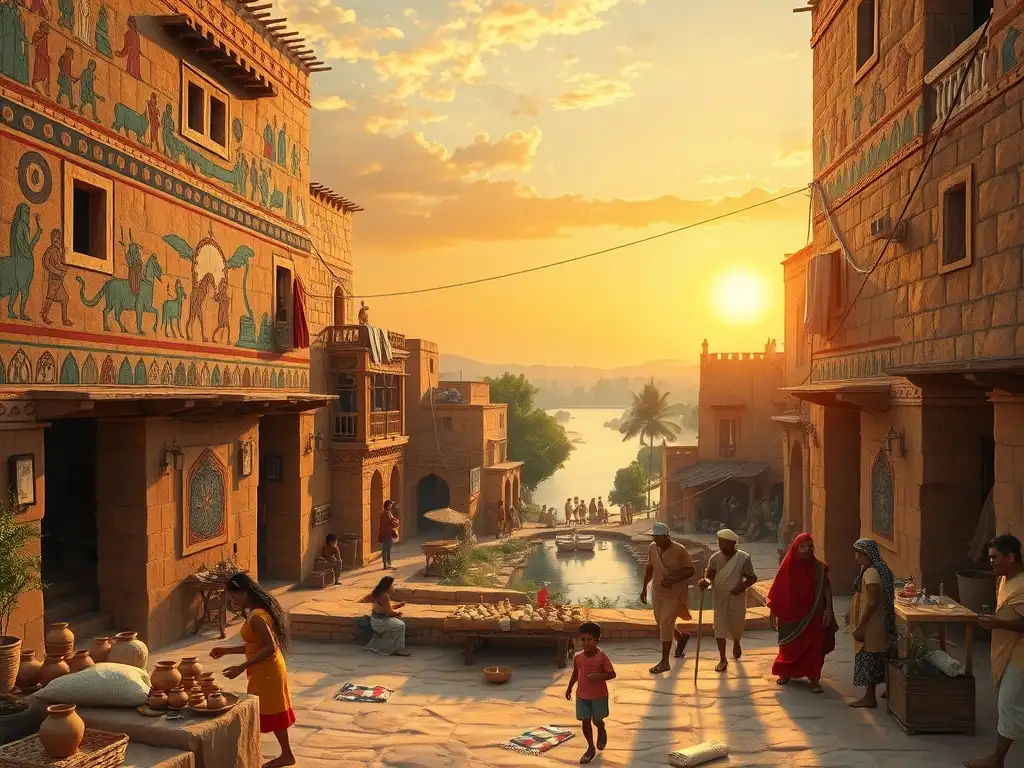
The Indus Valley Civilization (IVC) thrived between approximately 3300 and 1300 BCE, showcasing a unique form of urban art that both parallels and diverges from the artistic expressions found in other ancient civilizations, such as Mesopotamia and Egypt. By examining these comparisons, we can better understand the distinctive characteristics of Indus Valley urban art and its broader implications within the context of ancient cultures.
Similarities and Differences with Mesopotamian Art
Both the Indus Valley Civilization and Mesopotamia were urban societies that exhibited advanced artistic skills. However, the approaches they took to art reveal significant differences.
- Material Usage: While Mesopotamian artists predominantly used clay and stone, the artisans of the Indus Valley favored terracotta, steatite, and semi-precious stones.
- Themes and Motifs: Mesopotamian art often featured mythological themes, gods, and kings, emphasizing power and divine authority. In contrast, Indus Valley art frequently depicted animals and figures engaged in everyday activities, suggesting a focus on the mundane and natural world.
- Stylistic Elements: Mesopotamian art is marked by a certain grandiosity, with monumental structures and intricate carvings, while Indus Valley art is characterized by its subtlety and refinement, often seen in small seals and figurines that reflect a more personal touch.
These differences highlight not only the distinct cultural priorities of the two civilizations but also their unique artistic languages, which developed in response to their respective environments and societal structures.
The Impact of Egyptian Art on Indus Valley Creations
Although geographically distant, the Indus Valley Civilization and ancient Egypt displayed certain artistic parallels, particularly in their use of motifs and iconography.
- Trade Connections: Evidence suggests there were trade relations between the Indus Valley and Egypt, which may have facilitated the exchange of artistic ideas and techniques.
- Symbolism: Both cultures utilized animal motifs, such as bulls and elephants in the Indus Valley, and lions and falcons in Egypt, often to symbolize strength and power. This shared use of symbolism could indicate a broader ancient tradition of representing nature and the divine.
- Architectural Influences: While the architectural styles of the two civilizations differ, aspects such as urban planning and public spaces can be seen as a point of convergence. The well-planned cities of the Indus Valley, similar to those in ancient Egypt, reflect a sophisticated understanding of urban art as an integral component of societal organization.
The influence of Egyptian art on the Indus Valley highlights the interconnectedness of ancient civilizations, where ideas and artistic expressions transcended geographical boundaries.
Unique Aspects of Indus Valley Urban Art
Indus Valley urban art possesses distinctive features that set it apart from the artistic traditions of its contemporaries.
- Seals and Script: The small, carved seals of the IVC, often inscribed with the still undeciphered Indus script, are one of the most unique aspects of its urban art. These seals served both practical and ceremonial purposes, often depicting animals and human figures in stylized forms.
- Terracotta Figurines: Indus Valley artisans created a variety of terracotta figurines, including depictions of women, which suggest a cultural appreciation for female forms and possibly fertility motifs.
- Urban Planning and Sculpture: The integration of art into urban planning—such as public baths and drainage systems adorned with artistic elements—demonstrates a holistic approach to art that encompassed both aesthetics and functionality.
These characteristics of Indus Valley urban art not only showcase the civilization's artistic achievements but also provide insights into their societal values and beliefs.
The Legacy of Indus Valley Urban Art
The legacy of Indus Valley urban art extends beyond its historical context, influencing subsequent artistic traditions in the Indian subcontinent and enriching our understanding of ancient cultures.
Influence on Later Indian Art and Architecture
The innovations of the Indus Valley Civilization laid foundational elements for later Indian art and architecture.
- Integration of Nature: The early emphasis on natural motifs and the representation of daily life in Indus art can be seen in subsequent Indian art forms, including the frescoes and sculptures of the Maurya and Gupta periods.
- Symbolic Representation: The use of seals and symbolic imagery in the Indus Valley inspired later artistic expressions in Indian art, where symbolism remained a crucial element in conveying cultural narratives.
- Urban Aesthetics: The planning and aesthetic considerations of Indus Valley cities influenced architectural designs in later Indian urban centers, emphasizing the importance of integrating art into the built environment.
This legacy underscores the continuity of artistic traditions in India, with roots tracing back to the rich heritage of the Indus Valley.
Preservation and Study of Indus Valley Art Today
The preservation and study of Indus Valley art have become increasingly important in contemporary archaeology and art history.
- Archaeological Sites: Sites like Harappa and Mohenjo-Daro have provided crucial insights into the artistic practices of the IVC. Ongoing excavations continue to unearth artifacts that contribute to our understanding of their urban art.
- Digital Preservation: Modern technology plays a vital role in preserving and analyzing Indus Valley art. Digital databases and 3D modeling allow researchers to study artifacts without causing damage, facilitating wider access to this ancient legacy.
- Interdisciplinary Studies: The study of Indus Valley art is increasingly interdisciplinary, involving historians, archaeologists, and art historians to provide a more holistic understanding of its significance in ancient urban civilization.
These efforts are essential for safeguarding the artistic heritage of the Indus Valley and ensuring its relevance in contemporary discourse.
The Role of Urban Art in Understanding Indus Valley Society
Urban art serves as a critical lens through which we can examine the complexities of Indus Valley society.
- Social Structure: The art produced in the Indus Valley reflects social hierarchies and roles, with certain motifs possibly indicating status and occupation. For example, the prevalence of certain animal figures may suggest a society that valued specific livestock or hunting practices.
- Cultural Identity: Artistic expressions, such as decorative pottery and seals, provide insights into the cultural identity and shared values of the Indus people, revealing a society rich in symbolism and meaning.
- Economic Activity: The presence of trade-related artifacts, such as weights and measures, suggests that urban art was not only decorative but also tied to economic activities, highlighting the interconnections between art, commerce, and daily life.
By analyzing urban art, we gain a deeper understanding of the social, economic, and cultural dynamics that characterized the Indus Valley Civilization, making it a vital area of study in the context of ancient Indian history.
Conclusion: The Significance of Indus Valley Urban Art History
The urban art of the Indus Valley Civilization serves as a vital window into the societal, cultural, and technological advancements of one of the world's earliest urban cultures. By examining the intricate designs, materials, and techniques employed in their artwork, we gain insights into the lives, beliefs, and interactions of the people who inhabited this region. The aesthetic expressions found in seals, pottery, and architecture not only reflect the creativity and skill of the artisans but also illustrate the sophisticated social structures and trade networks that characterized the civilization.
Understanding the evolution of urban art in the Indus Valley is crucial for several reasons. It sheds light on how art was integrated into daily life, providing a means of communication, aesthetic pleasure, and spiritual expression. Additionally, the distinctive features of Indus Valley art—such as geometric patterns, animal motifs, and the use of natural materials—offer a glimpse into the cultural values and environmental consciousness of the society. The legacy of this urban art continues to influence contemporary Indian culture, making its study relevant even today.
Recap of Key Points on Urban Art Evolution
- Diverse Artistic Expressions: The Indus Valley Civilization showcased a variety of artistic forms, including pottery, sculpture, seal carving, and mural painting. Each medium presented unique characteristics and styles that contributed to the civilization's artistic diversity.
- Technological Innovations: The use of advanced techniques, such as kiln firing for pottery and intricate carving methods for seals, highlighted the technological prowess of the artisans. These innovations not only enhanced the quality of art but also facilitated its production at a larger scale.
- Symbolism and Meaning: Many artworks featured symbolic motifs that were significant to the culture, such as animals like the unicorn and various deities. These symbols provided insights into the spiritual beliefs and societal values of the Indus Valley people.
- Trade and Cultural Exchange: The art of the Indus Valley was influenced by interactions with neighboring cultures, evidenced by stylistic elements found in artifacts. This exchange enriched their artistic expressions and played a role in shaping a unique cultural identity.
- Urban Planning and Art Integration: The careful planning of cities like Mohenjo-Daro and Harappa included art as a functional aspect of urban life. Public spaces often featured artistic elements, indicating the importance of aesthetics in daily activities and social gatherings.
The Importance of Preserving Ancient Art for Future Generations
Preserving the art and artifacts of the Indus Valley Civilization is essential for fostering a deeper understanding of human history and cultural evolution. As we study these ancient works, we not only appreciate their aesthetic value but also recognize their role in documenting the lives of people from thousands of years ago.
The preservation of ancient art allows future generations to connect with their heritage, promoting cultural continuity and identity. By safeguarding these artifacts, we ensure that the stories, values, and innovations of past civilizations are not lost. This preservation effort is vital for academic research, educational purposes, and cultural tourism, as it enables a broader audience to engage with the rich tapestry of human history.
Additionally, the study of Indus Valley urban art can inspire contemporary artists and architects, providing them with a rich source of ideas and techniques. By keeping this history alive, we encourage a dialogue between past and present, fostering innovation through an appreciation of traditional forms. Ultimately, investing in the preservation of ancient art is an investment in our collective future, ensuring that the creativity and diversity of human expression continue to thrive for generations to come.
- Introduction to Indus Valley Urban Art History
- Overview of the Indus Valley Civilization
- Importance of Urban Art in Ancient Cultures
- Key Features of Indus Valley Urban Art
- Historical Context of Urban Art in the Indus Valley
- Major Sites of Urban Art within the Indus Valley
- Evolution of Artistic Techniques in the Indus Valley
- Symbolism and Meaning in Indus Valley Urban Art
- Comparison with Other Ancient Civilizations
- The Legacy of Indus Valley Urban Art
- Conclusion: The Significance of Indus Valley Urban Art History
- What is the Indus Valley Civilization known for in terms of urban art?
- How did urban art evolve during the Indus Valley period?
- What materials were commonly used in Indus Valley art?
- How did the urban art of the Indus Valley influence later Indian civilizations?
- What role did trade play in the development of Indus Valley urban art?
Frequently Asked Questions
What is the Indus Valley Civilization known for in terms of urban art?
The Indus Valley Civilization is renowned for its sophisticated urban planning and intricate art forms, which include pottery, seals, and sculptures that reflect a high degree of artistic skill and cultural significance.
How did urban art evolve during the Indus Valley period?
The evolution of urban art in the Indus Valley was marked by the integration of functional and decorative elements, showcasing advancements in craftsmanship and a deeper understanding of aesthetic principles throughout the civilization's development.
What materials were commonly used in Indus Valley art?
Artists in the Indus Valley primarily used materials like terracotta, stone, and metal to create their artworks, emphasizing durability and the ability to convey cultural narratives through their designs.
How did the urban art of the Indus Valley influence later Indian civilizations?
The urban art of the Indus Valley Civilization laid the groundwork for subsequent Indian artistic traditions, influencing styles in later civilizations, particularly in themes of spirituality, daily life, and natural elements.
What role did trade play in the development of Indus Valley urban art?
Trade allowed for the exchange of ideas and materials, significantly impacting the development of urban art. The interaction with other cultures contributed to the diversity and richness of artistic expression in the Indus Valley Civilization.
Final Reflection: The Enduring Legacy of Indus Valley Urban Art
The exploration of Indus Valley urban art history reveals a profound connection between creativity and civilization. As we delve into the intricate designs and vibrant expressions of this ancient society, we uncover not only their artistic prowess but also the cultural values and social structures that shaped their world. The relevance of this topic today lies in our ongoing quest to understand how art reflects and influences societal development. Art is not merely an aesthetic endeavor; it is a mirror of civilization itself.
The impact of Indus Valley urban art continues to resonate in contemporary discussions about cultural identity and heritage. The motifs and techniques employed by these ancient artists serve as a reminder of the rich tapestry of human expression that transcends time and geography. As we appreciate the beauty and complexity of their work, we are reminded of the words of art historian John Berger: The relation between what we see and what we know is never settled.
This observation underscores the importance of recognizing how historical art informs our understanding of both past and present cultural landscapes.
As we reflect on the lessons drawn from the Indus Valley civilization, I invite you to consider how art can serve as a catalyst for personal and communal growth in your own life. Embrace the creativity around you, whether through your own artistic endeavors or by supporting the arts in your community. Let the legacy of Indus Valley urban art inspire you to explore and express your unique voice, fostering a deeper connection to the world and its diverse narratives. Together, we can honor the past while shaping a vibrant future through the power of art.
Unleash Your Creativity and Explore Urban Art!
Thank you for diving into the fascinating world of urban art in the Indus Valley Civilization! You've gained valuable insights into how these ancient artists expressed their culture and creativity. Now, it’s time to take that inspiration and turn it into action!
Here are a few ways you can engage with urban art, both in historical and modern contexts:
- Create Your Own Urban Artwork: Gather your materials and let your imagination soar! Use the motifs you discovered as inspiration and bring a piece of the Indus Valley to life through your own unique artistic expression.
- Connect with Local Artists: Explore your city to find captivating murals and installations created by contemporary artists. Attend local art events or workshops to deepen your understanding of various techniques and styles.
- Share Your Knowledge: Discuss your findings with friends or share them on social media. Initiate conversations about the significance of urban art in both historical and modern cultures.
How can you incorporate the spirit of the Indus Valley's urban art into your own creative projects?