
The Great Bath of MohenjoDaro: A Symbol of Indus Valley Innovation

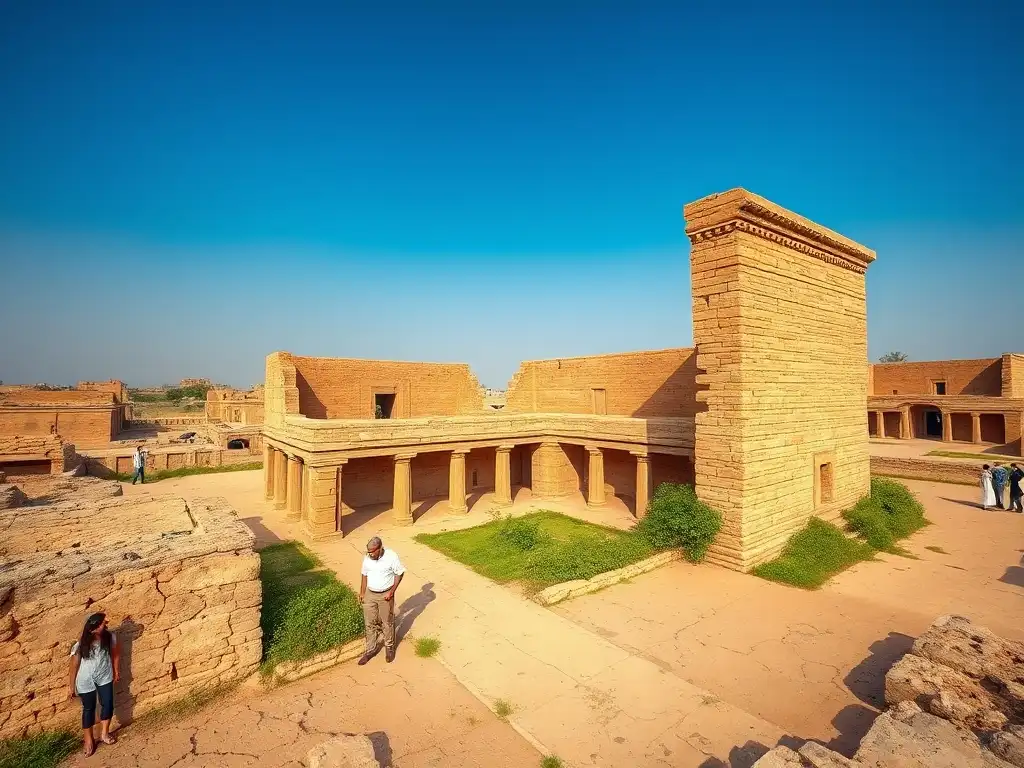
Welcome to Ancient India History, where we journey through the rich tapestry of ancient civilizations and their remarkable contributions to the world. In this exploration, we invite you to delve into the fascinating innovations of the Indus Valley civilization, a testament to human ingenuity and cultural advancement. Our featured article, "The Great Bath of MohenjoDaro: A Symbol of Indus Valley Innovation," uncovers the mysteries behind one of the most iconic structures of this era.
Join us as we unravel the secrets of this ancient marvel and discover why it continues to captivate historians and enthusiasts alike. Are you ready to uncover the past?
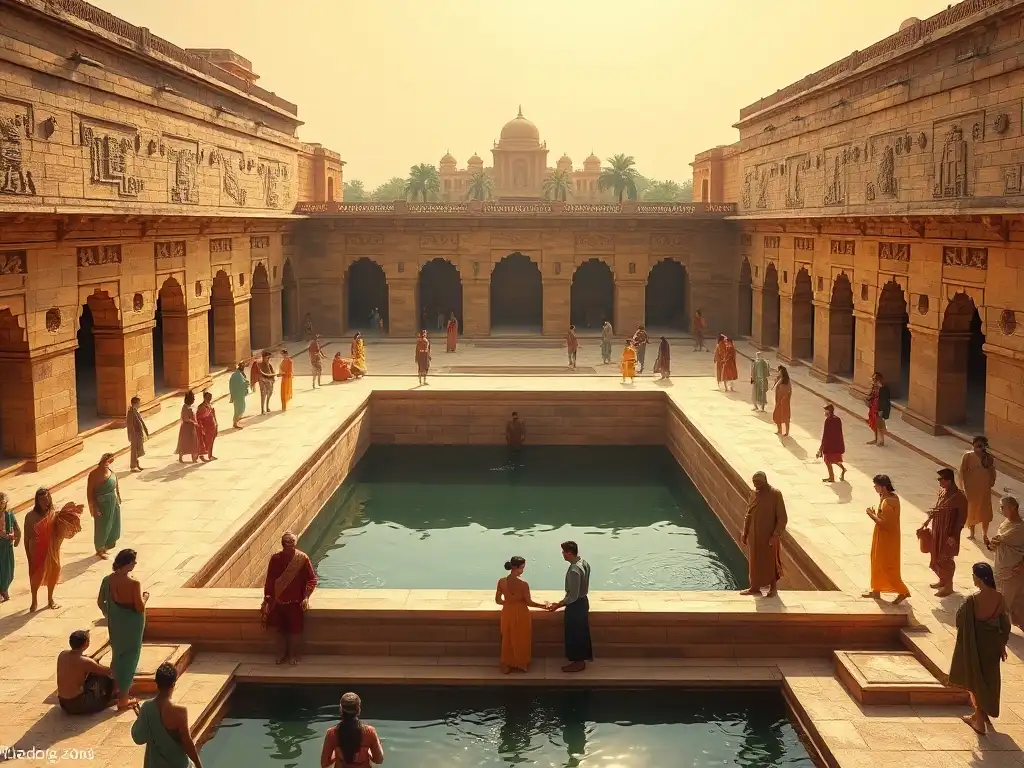
The Great Bath of Mohenjo-Daro stands as a testament to the remarkable ingenuity and architectural prowess of the Indus Valley Civilization. Dating back to approximately 2500 BCE, this iconic structure not only exemplifies the advanced urban planning of one of the world's earliest civilizations but also highlights the significance of water management and public spaces in ancient societies.
As we explore the innovations that characterize the Indus Valley Civilization, we will uncover how these developments laid the groundwork for future advancements in architecture, sanitation, and social organization. This article delves into the Great Bath's architectural marvel and its unique features, revealing how it symbolizes the broader innovations that defined this ancient Indian civilization.
Introduction to Indus Valley Civilization Innovations
Overview of the Indus Valley Civilization
The Indus Valley Civilization, also known as the Harappan Civilization, flourished around 2500 to 1900 BCE in what is now modern-day Pakistan and northwest India. This civilization is renowned for its sophisticated urban centers, including Harappa and Mohenjo-Daro, which were characterized by a grid-like street layout, advanced drainage systems, and standardized fired-brick construction. The people of the Indus Valley made significant contributions in various fields, such as metallurgy, trade, and craft specialization, reflecting a high degree of social organization and economic sophistication.
Key innovations of the Indus Valley Civilization include:
- Urban Planning: Cities were meticulously planned with straight streets, residential blocks, and public areas.
- Water Management: Advanced drainage systems and wells ensured a reliable water supply.
- Weights and Measures: The use of standardized weights facilitated trade and commerce.
Significance of Innovations in Ancient India
The innovations of the Indus Valley Civilization were not merely functional; they laid the foundations for future urban developments in India and beyond. These advancements in architecture and engineering demonstrated an early understanding of urban infrastructure, public health, and community living. The emphasis on water management and sanitation reflected a societal commitment to hygiene and communal well-being, which would influence subsequent Indian cultures and civilizations.
The Great Bath: An Architectural Marvel
Description of the Great Bath Structure
Located in the heart of Mohenjo-Daro, the Great Bath is one of the most significant archaeological discoveries of the Indus Valley Civilization. This large rectangular structure measures approximately 12 meters by 7 meters and is built from meticulously crafted bricks. It features a central bathing area that is sunken and surrounded by a broad walkway, leading to a staircase on one end. The entire complex is thought to have served both ceremonial and practical purposes, indicating that communal bathing may have been a significant social activity.
Unique Features of the Great Bath
The Great Bath is notable for several unique features that highlight the architectural and engineering skills of the Indus Valley people:
- Waterproofing Techniques: The structure was lined with a thick layer of bitumen, ensuring it was waterproof and could hold water effectively.
- Drainage System: An advanced drainage system connected the Great Bath to the main drainage network of the city, ensuring proper sanitation.
- Public Accessibility: The design suggests that the Great Bath was accessible to the public, indicating its importance in social and possibly religious practices.
The Great Bath of Mohenjo-Daro encapsulates the spirit of innovation that defined the Indus Valley Civilization, serving as an enduring symbol of their architectural brilliance and social organization.
Cultural Significance of the Great Bath in Indus Valley Civilization
The Great Bath of Mohenjo-Daro stands as a monumental testament to the cultural and social practices of the Indus Valley Civilization. This impressive structure, measuring approximately 12 meters by 7 meters and over 2.5 meters deep, reflects not just architectural prowess but also the values and lifestyle of its people.
It is widely believed that the Great Bath served a dual purpose: as a center for public bathing and a venue for ritualistic activities. The presence of this grand structure signifies the importance the Indus Valley society placed on cleanliness and water, which were likely considered essential for spiritual and physical well-being.
Moreover, the Great Bath is a symbol of communal life, where individuals from various social strata could gather. This aspect of its usage suggests that the bath was not merely a private luxury but rather a public space that fostered community interaction and cohesion. The careful design and placement of the Great Bath within the city indicate that it was a focal point for the community, illustrating the intricate relationship between urban planning and social practices in the Indus Valley Civilization.
The Role of Bathing in Indus Valley Society
Bathing held a significant role in the daily lives of the people in the Indus Valley Civilization. It is believed that bathing was not just a matter of hygiene but also an important ritual that connected the individual to the divine. Archaeological evidence suggests that the people of Mohenjo-Daro engaged in regular bathing practices, which were likely linked to their beliefs about purification and health. The Great Bath's design, with its multiple staircases leading into the water, indicates that it was accessible to many, promoting collective participation in these practices.
In addition, the emphasis on bathing can be seen as a reflection of the civilization's advanced understanding of health and wellness. The presence of drainage systems and the use of brick-lined pools demonstrate their commitment to maintaining cleanliness and preventing water stagnation, further underscoring the importance of bathing in their society.
Connection to Rituals and Community Gatherings
The Great Bath's significance extends beyond mere bathing; it is also closely linked to various rituals and community gatherings. Scholars suggest that the bath may have been used for religious ceremonies, possibly related to purification rites before important events or festivals. The communal aspect of bathing likely facilitated social bonding and encouraged a sense of unity among the inhabitants of Mohenjo-Daro.
This connection to rituals is supported by the archaeological findings of artifacts near the Great Bath, which indicate that the area may have served as a venue for celebrations or gatherings. Such interactions would have played a crucial role in strengthening social ties and fostering a shared cultural identity among the diverse populations of the Indus Valley Civilization.
Technological Innovations Reflected in the Great Bath
The Great Bath of Mohenjo-Daro is not only a cultural landmark but also an embodiment of the technological innovations that characterized the Indus Valley civilization. Its sophisticated design and construction reflect the advanced engineering skills and understanding of hydraulic principles possessed by its builders.
Advanced Water Management Systems
One of the most remarkable features of the Great Bath is its advanced water management system. The structure was designed with a complex drainage system that allowed for the efficient flow and removal of water, which highlights the civilization's ingenuity in managing water resources. The bath was fed by a well-engineered system of terracotta pipes that brought fresh water in while simultaneously facilitating drainage.
Moreover, the construction of the Great Bath also indicates a deep understanding of water retention and circulation, essential for maintaining the cleanliness of the bathing area. This innovative approach to water management not only showcases the technological expertise of the Indus Valley civilization but also underscores the importance they placed on hygiene and public health.
Construction Techniques of the Great Bath
The construction techniques employed in building the Great Bath are indicative of the advanced architectural knowledge of the Indus Valley civilization. The use of standardized fired bricks, which were meticulously crafted to ensure uniformity, is a hallmark of their building practices. This consistency in materials not only contributed to the structural integrity of the Great Bath but also reflects a high level of organization and craftsmanship within the society.
Additionally, the layout of the Great Bath demonstrates an understanding of spatial planning and aesthetics. The careful alignment of the structure, coupled with its functional design, suggests that the builders prioritized both utility and beauty. Such construction techniques are a testament to the innovative spirit of the Indus Valley civilization, making the Great Bath a significant symbol of their architectural and technological legacy.
Comparisons with Other Ancient Bathing Structures
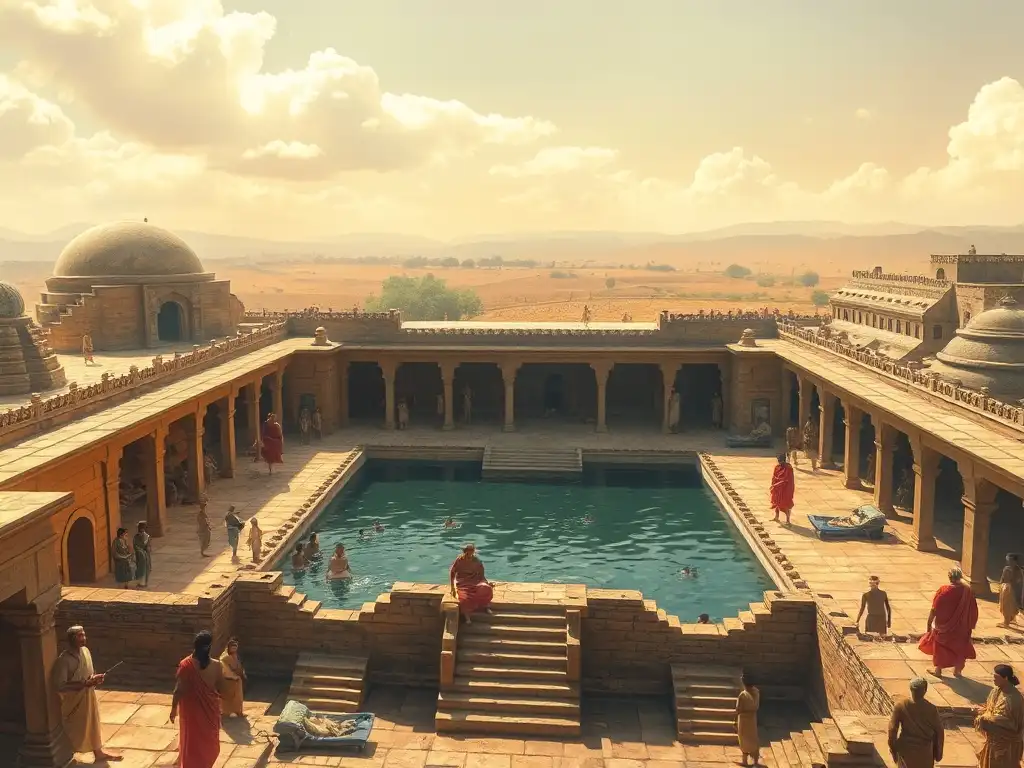
The Great Bath of Mohenjo-Daro is often compared to other ancient bathing structures found throughout the world, particularly in the context of urban sanitation and social practices. For instance, the Roman baths, which became prominent several millennia later, shared similarities in their communal nature but differed significantly in design and purpose. Roman baths were elaborately constructed with heated water systems and were often integrated into larger complexes that included gymnasiums and leisure areas, emphasizing social interaction and relaxation.
In contrast, the Great Bath served a more ritualistic and perhaps religious purpose, rather than merely social or recreational. While the Romans utilized baths for hygiene and leisure, the Great Bath's function remains somewhat ambiguous, suggesting it could have been a site for purification rituals or communal gatherings. The simplicity of the Great Bath's design—comprising a large rectangular pool surrounded by a platform—stands in stark contrast to the more complex and luxurious Roman baths, highlighting the unique cultural values of the Indus Valley civilization.
Bathing Practices in Contemporary Civilizations
Bathing practices have evolved significantly from ancient times to contemporary civilizations, reflecting changing social norms and technological advancements. In modern societies, bathing often emphasizes personal hygiene and relaxation rather than communal activities. The introduction of private bathrooms and showers has transformed the way people engage with water, prioritizing convenience and privacy over social interaction.
However, some contemporary bathing cultures, such as in Japan with its onsen (hot springs) or in Turkish hammams, still retain elements of communal bathing reminiscent of ancient practices. These modern practices echo the communal aspect of the Great Bath, where social interaction and cleansing rituals were integral to the experience. The enduring significance of bathing reflects a continuous human connection to water, symbolizing purification, health, and community.
Similarities and Differences in Design and Function
When examining the design and function of ancient bathing structures, several key similarities and differences emerge. Many ancient cultures, including the Greeks and Romans, constructed baths that served as public spaces for hygiene and socializing. These bathhouses often featured multiple pools, steam rooms, and elaborate decorations, emphasizing luxury and comfort.
In contrast, the Great Bath of Mohenjo-Daro is characterized by its minimalist design and lack of elaborate adornments. Its primary feature is its large, well-engineered water reservoir, which highlights the Indus Valley civilization's advanced engineering techniques. While both the Great Bath and other ancient bathing structures served the purpose of cleanliness, the Great Bath's function may have been more ceremonial, suggesting its role in community rituals rather than just personal hygiene.
The Great Bath as a Symbol of Urban Planning
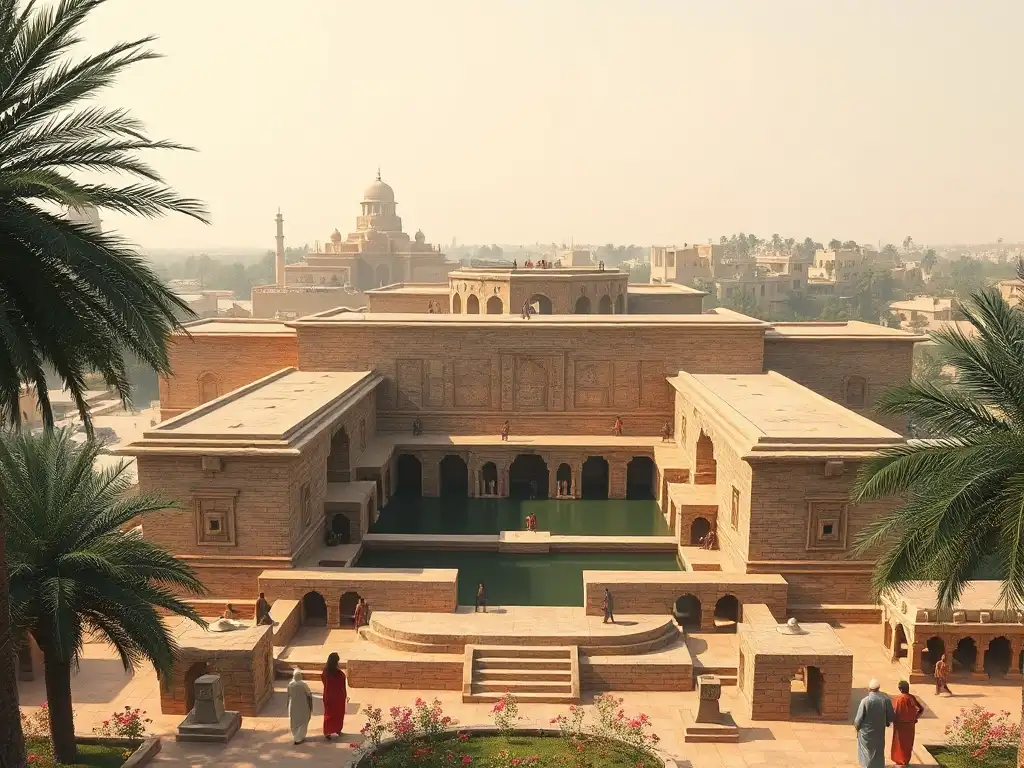
The Great Bath is not only a remarkable architectural achievement but also a profound symbol of urban planning within the Indus Valley civilization. Its construction reflects a high degree of organizational skill and foresight in urban design, indicating an advanced understanding of public health and community needs. The presence of such a large and centrally located bathing structure implies that the inhabitants of Mohenjo-Daro valued cleanliness and communal well-being.
The Layout of MohenjoDaro and the Great Bath’s Position
The layout of Mohenjo-Daro is a testament to the sophisticated urban planning of the Indus Valley civilization. The Great Bath is strategically located in the center of the city, surrounded by residential and commercial areas, highlighting its importance to the community. The proximity of the Great Bath to other public buildings suggests that it was a focal point for social and religious activities.
Moreover, the meticulous engineering of the Great Bath, complete with drainage systems and water supply channels, demonstrates the advanced urban infrastructure that characterized Mohenjo-Daro. This thoughtful placement within the city layout not only facilitated access for residents but also indicated a communal ethos, where public health and social interaction were prioritized.
Implications for Indus Valley Urban Infrastructure
The significance of the Great Bath extends beyond its immediate function, shedding light on the broader implications for urban infrastructure within the Indus Valley civilization. The sophisticated drainage and water management systems associated with the Great Bath reflect an understanding of sanitation that was advanced for its time. This infrastructure likely contributed to the overall health and hygiene of the urban population, reducing the risk of waterborne diseases.
Furthermore, the existence of the Great Bath signals a well-planned urban environment where spaces for public interaction were deliberately integrated into city designs. This focus on community, health, and order suggests that the Indus Valley civilization had a complex social structure with an emphasis on collective well-being. Overall, the Great Bath serves as a crucial indicator of the innovative urban planning that characterized one of ancient India’s most remarkable civilizations.
The Great Bath of Mohenjo-Daro stands as one of the most significant archaeological discoveries of the Indus Valley Civilization. Excavated in the early 1920s by British archaeologist John Marshall, this monumental structure has intrigued scholars and archaeologists alike. Situated in the heart of the ancient city, the Great Bath measures approximately 12 meters long, 7 meters wide, and is about 2.4 meters deep, showcasing remarkable engineering skills.
Recent excavations have revealed not only the bath itself but also the surrounding infrastructure, including drainage systems and water supply channels. These findings underscore the advanced urban planning and hydraulic engineering of the Indus Valley people. The presence of terracotta seals and pottery fragments near the Great Bath further enriches our understanding of the socio-cultural practices of the time.
The meticulous construction of the Great Bath, with its waterproof bricks and sophisticated drainage system, indicates that the Indus Valley civilization placed significant value on water management and sanitation—key components of public health and urban living.
Findings and Their Importance in Understanding Indus Valley Innovations
The discoveries surrounding the Great Bath provide vital insights into the innovations of the Indus Valley Civilization. The bath's design reflects a high level of architectural sophistication and an understanding of hydrology that was advanced for its time. The use of standardized baked bricks, which are uniform in size, highlights the sophisticated manufacturing processes employed by the people.
Furthermore, the layout of the Great Bath suggests that it may have served a ceremonial or ritualistic purpose, indicating that water held cultural significance beyond mere utility. This leads to the hypothesis that the Indus Valley civilization had complex social structures and religious practices, which were intertwined with their architectural innovations.
The discovery of storage areas and possible changing rooms adjacent to the Great Bath supports the idea that bathing was a communal activity, emphasizing social interaction and community cohesion among the inhabitants.
Interpretations of Artifacts Found Near the Great Bath
Artifacts recovered from the vicinity of the Great Bath include pottery, seals, and tools, each offering a glimpse into the daily lives of the Indus Valley people. Pottery fragments adorned with intricate designs suggest a rich artistic tradition, while terracotta seals, often depicting animals and script, indicate a sophisticated system of trade and communication.
Some researchers interpret these artifacts as evidence of ritualistic practices associated with the bath itself. The presence of figurines and ceremonial objects near the Great Bath hints at its role in spiritual or cultural activities, possibly linked to purification rites or communal gatherings.
The diversity and craftsmanship of these artifacts not only highlight the artistic capabilities of the civilization but also provide context for understanding the complex societal norms and values that shaped the Indus Valley way of life.
Conclusion: Legacy of the Great Bath in Indus Valley Civilization
The Great Bath of Mohenjo-Daro remains a powerful symbol of the innovative spirit of the Indus Valley Civilization. Its architectural grandeur and the sophisticated engineering principles employed in its construction reflect the advanced nature of this ancient society.
Lasting Impact on Future Civilizations
The innovations seen in the Great Bath have left a lasting legacy on subsequent civilizations in the Indian subcontinent. The emphasis on public health and hygiene, as evidenced by the sophisticated drainage systems and communal bathing practices, influenced urban planning in later cultures. Such principles can be traced through history, impacting health and sanitation measures in various regions.
Moreover, the architectural techniques and materials used in the Great Bath set a precedent for future builders, inspiring the design of public baths and water management systems in later Indian and even neighboring civilizations.
Importance in the Study of Ancient Indian Architecture and Culture
The Great Bath is crucial in understanding the art and architecture of ancient India. It serves as a testament to the ingenuity and cultural richness of the Indus Valley Civilization. By studying the Great Bath, historians and archaeologists gain insight into the social, religious, and technological advancements of the time.
Furthermore, the Great Bath's role in communal activities illustrates the importance of social cohesion and community life in ancient societies. As researchers continue to unpack the significance of this remarkable structure, it remains a focal point for understanding the broader narrative of ancient Indian civilization and its contributions to human history.
- Introduction to Indus Valley Civilization Innovations
- The Great Bath: An Architectural Marvel
- Cultural Significance of the Great Bath in Indus Valley Civilization
- Technological Innovations Reflected in the Great Bath
- Comparisons with Other Ancient Bathing Structures
- Bathing Practices in Contemporary Civilizations
- Similarities and Differences in Design and Function
- The Great Bath as a Symbol of Urban Planning
- Archaeological Discoveries Related to the Great Bath
- Conclusion: Legacy of the Great Bath in Indus Valley Civilization
- What is the Great Bath of Mohenjo-Daro?
- How did the Indus Valley civilization demonstrate innovations in urban planning?
- What were some notable innovations of the Indus Valley civilization beyond the Great Bath?
- How did the Great Bath influence later civilizations?
- What insights does the Great Bath provide about Indus Valley civilization society?
Frequently Asked Questions
What is the Great Bath of Mohenjo-Daro?
The Great Bath is a prominent structure in Mohenjo-Daro, believed to have been used for ritualistic bathing and possibly for public gatherings. It reflects the advanced urban planning of the Indus Valley civilization.
How did the Indus Valley civilization demonstrate innovations in urban planning?
The Indus Valley civilization showcased innovations through their grid-like city layouts, advanced drainage systems, and the construction of durable buildings, indicating a high level of engineering and organization.
What were some notable innovations of the Indus Valley civilization beyond the Great Bath?
Beyond the Great Bath, the Indus Valley civilization is known for its standardized weights and measures, intricate beadwork, and early forms of writing, showcasing their trade and cultural sophistication.
How did the Great Bath influence later civilizations?
The Great Bath set a precedent for the importance of public bathing in later cultures, influencing rituals and community gatherings, emphasizing the value of cleanliness and social interaction.
What insights does the Great Bath provide about Indus Valley civilization society?
The Great Bath suggests that the Indus Valley civilization placed significant importance on rituals and community life, indicating a complex society with religious or cultural practices centered around water.
Final Reflection: The Enduring Legacy of Indus Valley Innovations
The innovations of the Indus Valley civilization, exemplified by the Great Bath of Mohenjo-Daro, continue to resonate in our modern world. This ancient marvel not only showcases the architectural ingenuity of its time but also serves as a reminder of the sophisticated urban planning and social organization that characterized one of the earliest civilizations. As we navigate contemporary challenges, the lessons from these innovations are more relevant than ever, urging us to rethink our approaches to sustainability and community living.
The Great Bath stands as a testament to the cultural and social dynamics of the Indus Valley civilization, influencing how we perceive public spaces today. Its design reflects a deep understanding of communal needs and the importance of shared experiences in fostering social cohesion. The past is not dead; it is not even past,
as William Faulkner aptly stated, reminding us that the echoes of history shape our present and future. The legacy of the Indus Valley civilization invites us to explore how ancient wisdom can inform modern practices, particularly in urban development and environmental stewardship.
As you reflect on the innovations of the Indus Valley civilization, consider how these ancient principles can inspire your own life and community. What lessons can you draw from the Great Bath's emphasis on communal space and sustainability? Embrace the opportunity to incorporate these timeless values into your daily actions, fostering a sense of connection and responsibility towards both your community and the environment. Let the spirit of innovation from the past guide you as you contribute to a more harmonious future.
Unveil the Wonders of the Indus Valley Today!
Thank you for taking the time to explore the incredible innovations of the Indus Valley through the fascinating lens of the Great Bath of Mohenjo-Daro. Your curiosity not only enriches your understanding of ancient civilizations but also connects you to a legacy of ingenuity and communal spirit. Now, let's transform that interest into action!
- Dive deeper by researching the architectural marvels of the Indus Valley. Discover how their advancements laid the groundwork for modern engineering.
- Share this article with friends or family who appreciate history, and spark a conversation about the remarkable achievements of ancient cultures.
- Join a local history group or an online forum to discuss findings and exchange thoughts on the significance of the Great Bath and other extraordinary structures.
As you reflect on the ingenuity of the Indus Valley, consider: What modern innovations do you believe will become symbols of our era for future generations?