
The Gupta Empire’s Contributions to Ethics and Political Philosophy

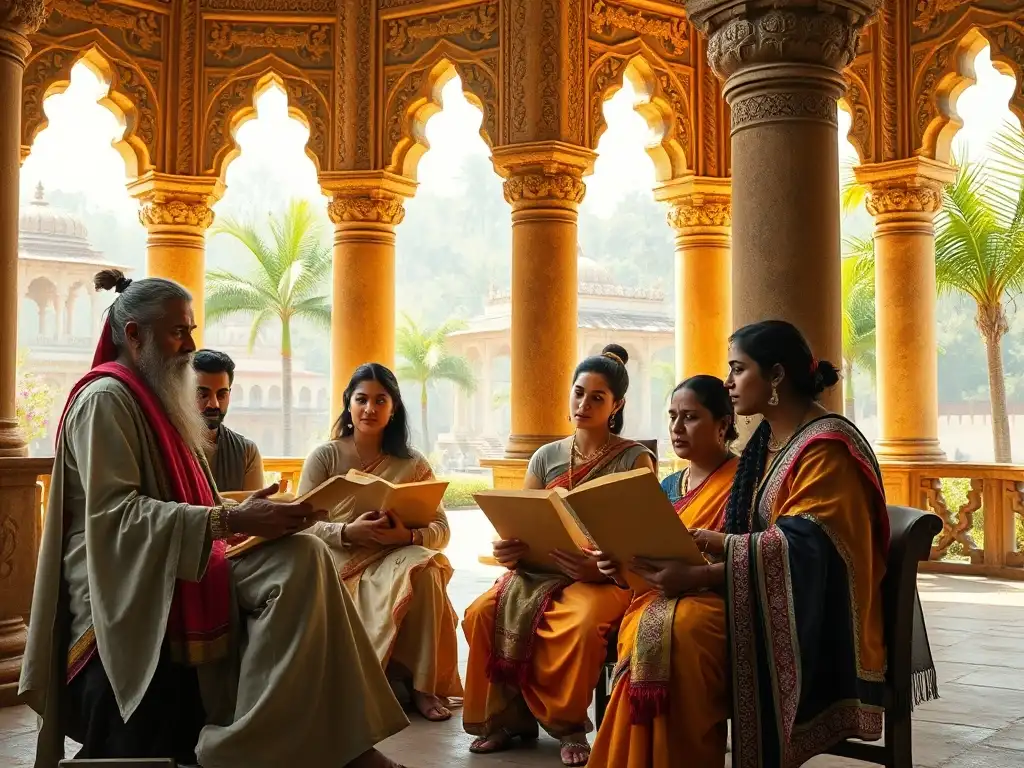
Welcome to Ancient India History, where we embark on a fascinating journey through the rich tapestry of ancient Indian civilizations. In this exploration, we delve into the profound contributions of the Gupta Empire to ethics and political philosophy, a pivotal era that shaped the intellectual landscape of the time. What were the guiding principles that influenced governance and morality during this remarkable period? Join us as we uncover the intricate philosophies that emerged and their lasting impact, igniting your curiosity to learn more about the legacies of ancient India.
- Introduction to the Gupta Empire and Its Significance
- Key Contributions of the Gupta Empire to Political Philosophy
- Ethical Frameworks Established During the Gupta Empire
- Major Philosophical Schools Emerging from the Gupta Empire
- The Impact of Gupta Empire Political Philosophy on Later Indian Thought
- Conclusion: Lasting Legacy of Gupta Empire's Contributions to Ethics and Political Philosophy
-
Frequently Asked Questions
- What were the main contributions of the Gupta Empire to political philosophy?
- How did Gupta rulers implement their political philosophy?
- What role did religion play in Gupta political philosophy?
- Can you name some key texts that influenced Gupta political thought?
- How did the Gupta Empire's contributions affect later Indian civilizations?
- Final Reflection: The Enduring Legacy of Gupta Empire Political Philosophy
- Unveil the Legacy of Gupta Wisdom!
Introduction to the Gupta Empire and Its Significance
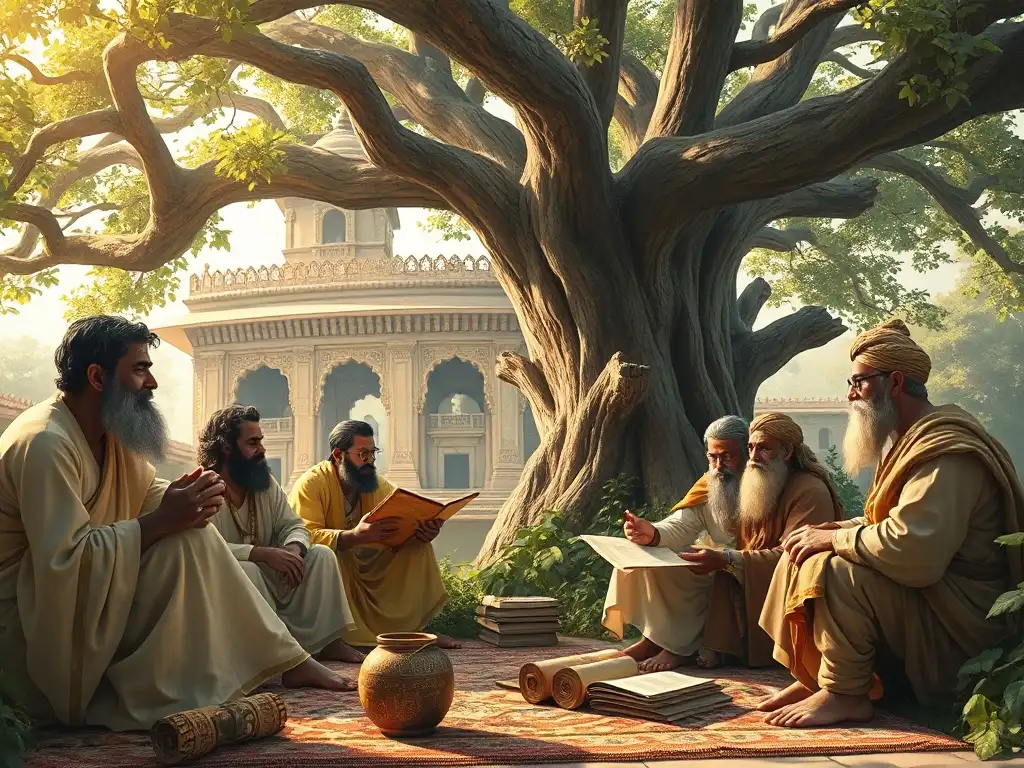
The Gupta Empire, often heralded as a pinnacle of cultural and intellectual achievement, marked a transformative period in ancient Indian history. Spanning from approximately 320 to 550 CE, this era witnessed unparalleled advancements in various fields such as literature, science, mathematics, and philosophy.
Among its many contributions, the Gupta Empire's impact on political philosophy and ethics stands out as a cornerstone that shaped governance and societal norms in subsequent Indian civilizations. This article delves into the intricate tapestry of the Gupta Empire's political philosophy contributions, shedding light on how this remarkable civilization laid the groundwork for ethical governance and political thought that resonates even today.
Overview of the Gupta Empire's Historical Context
The Gupta Empire emerged in northern India, rising to prominence under the leadership of Chandragupta I. This period is characterized by the consolidation of power and the establishment of a centralized administration that fostered stability and prosperity. The empire's strategic location allowed for flourishing trade routes, connecting it to regions as far as the Mediterranean, which facilitated cultural exchange and economic growth.
Key features of the Gupta Empire include:
- Political Unity: The Gupta rulers implemented a system that emphasized local governance while maintaining overarching imperial authority.
- Cultural Renaissance: This era is often referred to as the "Golden Age" of India due to the significant advancements in art, literature, and science.
- Religious Pluralism: The Gupta Empire was notable for its tolerance towards various religions, including Hinduism, Buddhism, and Jainism, which fostered a rich cultural diversity.
The Golden Age of Ancient India
The Golden Age of the Gupta Empire is marked by prolific achievements that set benchmarks in various domains. This era is not only significant for its political stability but also for its contributions to political philosophy and ethics. The Gupta rulers, particularly Samudragupta and Chandragupta II, endorsed the arts and scholarship, which led to the emergence of notable figures such as Aryabhata in mathematics and Kalidasa in literature.
Key contributions during this period include:
- Political Philosophy: The Gupta scholars explored concepts of governance, justice, and ethics, influencing future political thought.
- Literature and Arts: The flourishing of Sanskrit literature and classical arts, which provided a rich cultural legacy.
- Scientific Advancements: Innovations in mathematics, such as the concept of zero and advancements in astronomy, reflecting the intellectual vigor of the time.
The Gupta Empire's contributions to political philosophy and ethics are foundational to understanding the evolution of governance and societal norms in ancient India. This exploration not only highlights the empire's achievements but also emphasizes its lasting impact on the ethical and philosophical discourse in subsequent generations.
Key Contributions of the Gupta Empire to Political Philosophy

The Gupta Empire, often referred to as the Golden Age of India, was a period of remarkable advancements in various fields, including political philosophy. This era, which spanned from approximately 320 to 550 CE, saw significant developments in the understanding of governance, ethics, and the responsibilities of rulers, laying foundational concepts that would influence both Indian and global political thought.
Defining Political Philosophy in the Gupta Context
Political philosophy during the Gupta Empire was characterized by a blend of traditional Hindu thought and practical governance. The rulers emphasized Dharma, a key concept that referred to the moral law governing individual conduct and social order. This notion was crucial in shaping the ethical framework within which political authority was exercised.
- Dharma and Rajdharma:
- Dharma: The ethical obligations and duties that one must follow, varying by one's social class and stage of life.
- Rajdharma: Specifically refers to the duties of a king, emphasizing justice, protection of subjects, and adherence to moral principles.
- Concept of Sovereignty:
- The Gupta rulers believed in a divinely sanctioned authority, where kings were seen as representatives of the divine on earth. This belief reinforced the idea that rulers had a sacred duty to govern wisely and justly.
- Welfare State:
- The Gupta political philosophy introduced concepts related to the welfare of the state and its citizens. Rulers were expected to ensure the prosperity and well-being of their subjects, indicating an early understanding of state responsibility.
This unique blend of ethics and governance established a framework that acknowledged the importance of moral leadership, setting the stage for future political discourse in India.
Influential Texts and Thinkers of the Gupta Period
The Gupta Empire was not only a time of political consolidation but also a vibrant intellectual hub. Several texts and thinkers from this period significantly influenced political philosophy.
- Kautilya's Arthashastra:
- Although written earlier, Kautilya’s Arthashastra continued to be relevant during the Gupta era. This ancient treatise on statecraft, economics, and military strategy emphasized realpolitik, advocating for pragmatic governance and the importance of a ruler's cunning and strategy in maintaining power.
- Bhagavad Gita:
- The Bhagavad Gita, part of the Indian epic Mahabharata, gained prominence during this time. It discusses the nature of duty (Dharma) and righteousness in the face of moral dilemmas, influencing the ethical considerations of governance and leadership.
- Harshavardhana:
- Although slightly post-Gupta, Harshavardhana’s contributions to political thought reflect the lingering influence of Gupta principles. His writings emphasized the responsibilities of kingship and the importance of moral governance.
- Kalidasa:
- The famous poet and playwright Kalidasa, although primarily known for his literary works, also subtly woven political themes into his narratives, reflecting the values and philosophical thought of the era.
These texts and thinkers illustrate the Gupta Empire's profound impact on political philosophy, merging ethical considerations with practical governance and setting the groundwork for future political thought in India and beyond.
Ethical Frameworks Established During the Gupta Empire
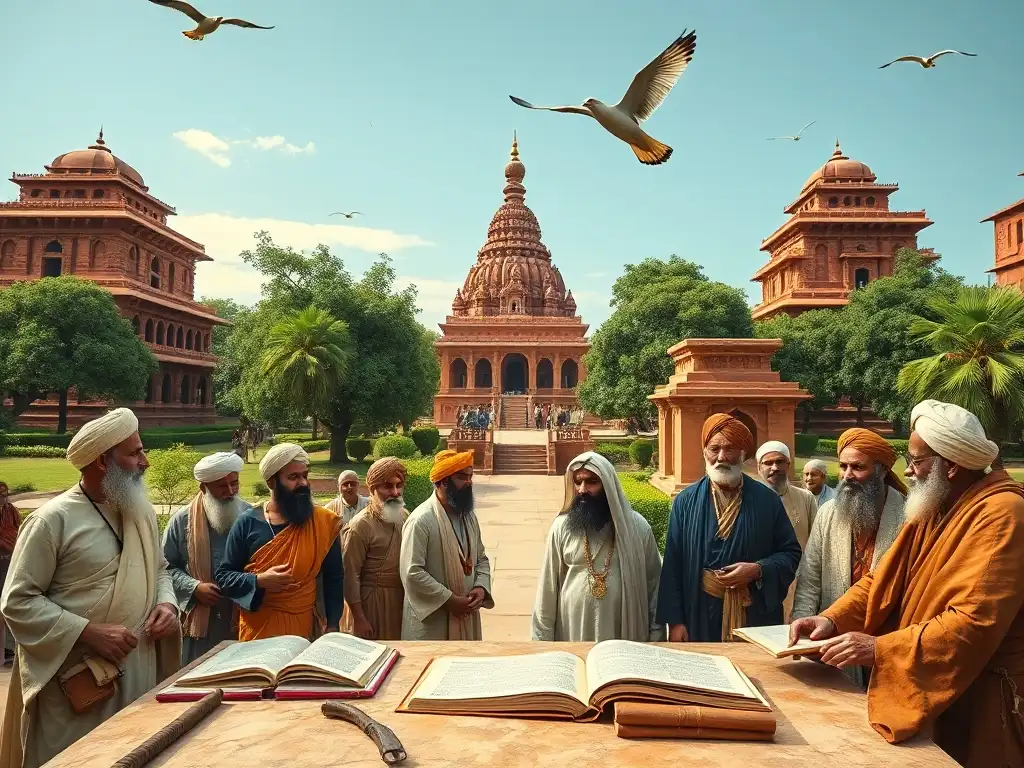
The Gupta Empire, often referred to as the Golden Age of India, was marked not only by significant advancements in science, mathematics, and art but also by the establishment of robust ethical frameworks that shaped its political philosophy. Central to these frameworks was the concept of Dharma, which encompassed moral duties, righteousness, and the principles governing individual and societal conduct.
The Role of Dharma in Gupta Political Thought
Dharma played a pivotal role in the political philosophy of the Gupta Empire. It was considered essential for maintaining social order and harmony. The rulers believed that their legitimacy derived from their adherence to Dharma, which dictated both personal conduct and the governance of the state.
- Moral Responsibilities of Kingship: Gupta kings were seen as Dharma-rulers (Dharma Raj), whose primary duty was to uphold Dharma for their subjects. This included protecting the weak, administering justice, and ensuring the welfare of the populace. For instance, the famous ruler Chandragupta II emphasized this by implementing policies that reflected moral governance.
- Influence of Ancient Texts: The principles of Dharma were deeply rooted in ancient texts like the Manusmriti and Mahabharata, which outlined ethical responsibilities. These texts provided a framework for the rulers to govern justly and impartially, reinforcing their commitment to moral leadership.
- Social Stratification and Dharma: The Gupta period also saw the reinforcement of the Varna system, where different classes (Brahmins, Kshatriyas, Vaishyas, and Shudras) were expected to fulfill specific duties as per their Dharma. This stratification was justified as a means to maintain societal order and stability.
The Interconnection Between Ethics and Governance
The Gupta Empire exemplified a sophisticated intersection between ethics and governance, where political decisions were heavily influenced by ethical considerations. This interconnection can be observed through several key aspects:
- Justice and Fairness: The Gupta rulers implemented a judicial system that was grounded in ethical principles, ensuring fairness in the legal process. Courts operated on the notion of Dharma, where the guidance of wise and learned judges was paramount in delivering justice.
- Public Welfare Policies: Ethical governance translated into policies aimed at public welfare. The Gupta rulers initiated various programs to improve agricultural productivity, trade, and infrastructure, showcasing a commitment to the collective good.
- Philosophical Treatises: Scholars like Kautilya (Chanakya), although earlier, influenced Gupta thought through his work, the Arthashastra, which discussed the moral obligations of rulers. This text emphasized that ethical governance was crucial for the stability and prosperity of the state.
- Promotion of Arts and Education: The Gupta period witnessed a flourishing of arts, literature, and education, all of which were viewed as avenues for cultivating ethical values among citizens. Institutions like Nalanda University became centers for learning that espoused ethical conduct and philosophical inquiry.
The Gupta Empire's contributions to political philosophy were deeply intertwined with ethical frameworks, primarily through the concept of Dharma. This integration of ethics into governance not only shaped the political landscape of the time but also left a lasting legacy on subsequent Indian political thought. The emphasis on justice, moral responsibility, and public welfare set a precedent for future rulers, reflecting the significance of ethical considerations in governance.
Major Philosophical Schools Emerging from the Gupta Empire
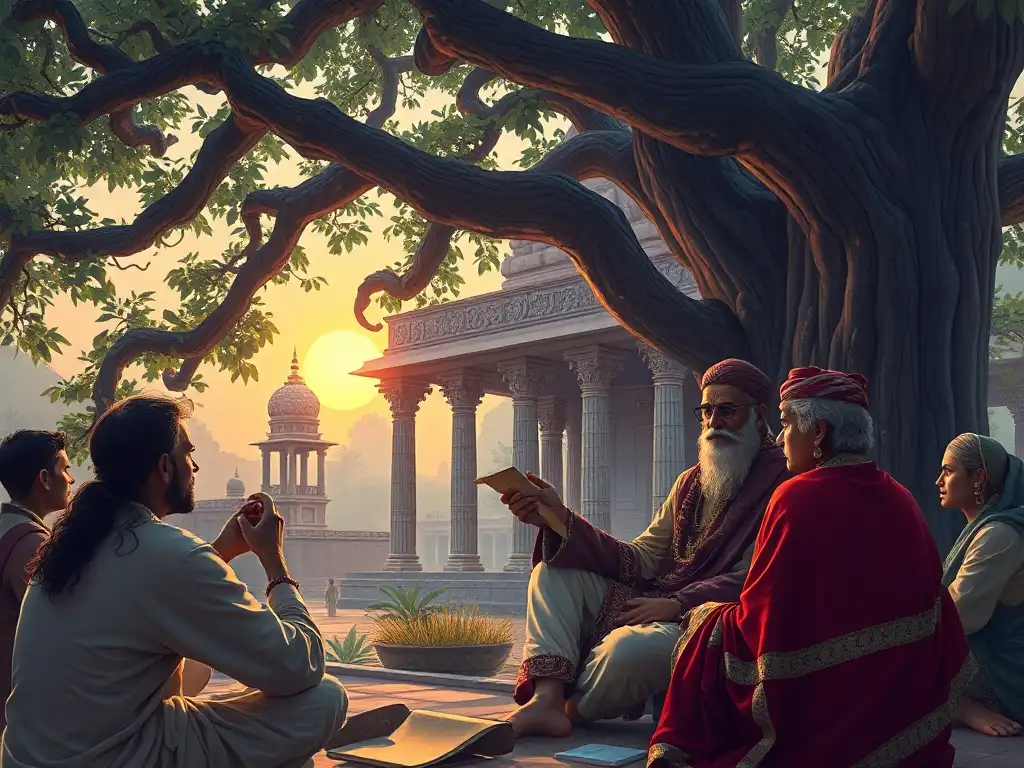
Overview of Different Schools of Thought
The Gupta Empire, often referred to as the Golden Age of India, fostered a vibrant intellectual environment that led to the emergence of several prominent philosophical schools. These schools not only influenced contemporary thought but also laid the groundwork for future philosophical and ethical discussions in India and beyond. The most significant schools of thought during this period included:
- Vedanta: Focused on the interpretation of the Upanishads, Vedanta emphasized the nature of reality and the self's relationship with Brahman (the ultimate reality). Key texts were developed that explored concepts such as Moksha (liberation) and Atman (soul).
- Samkhya: This dualistic philosophy posited two fundamental realities: Purusha (consciousness) and Prakriti (matter). The Gupta period saw further elaboration of Samkhya's metaphysical framework and its application in practical philosophy.
- Yoga: Closely related to Samkhya, Yoga developed as a practical discipline aimed at achieving spiritual insight and self-realization. The Yoga Sutras of Patanjali, which were compiled during this time, outlined ethical precepts, meditation practices, and the ultimate goal of union with the divine.
- Buddhism: While Buddhism had already established itself, the Gupta period witnessed the revival and flourishing of Mahayana Buddhism, with an emphasis on compassion and the bodhisattva ideal. This school of thought greatly influenced ethical considerations and social responsibilities.
- Jainism: Jain philosophical thought continued to develop, particularly with its focus on non-violence ( Ahimsa) and the ethical implications of truth ( Satya). Jain scholars contributed significantly to the discourse on ethics during the Gupta period.
Each of these schools contributed unique perspectives on ethics, governance, and the ideal state of human existence, shaping the political philosophy of the time.
Notable Philosophers and Their Contributions
Several philosophers from the Gupta Empire made profound contributions to political philosophy and ethics, shaping the intellectual landscape of the period. Their insights remain significant even today. Here are a few notable figures:
- Kautilya (Chanakya): Although earlier than the Gupta period, his work, Arthashastra, continued to be influential. Kautilya emphasized the importance of pragmatism in governance, advocating for realpolitik and strategic diplomacy. His ideas about statecraft, economic policy, and ethics in leadership provided a foundational framework for subsequent political thought.
- Vatsyayana: Known for his work, Kama Sutra, Vatsyayana not only addressed issues of love and relationships but also discussed the ethical dimensions of human behavior in society. His treatise encompassed views on moral conduct within both personal and political spheres, highlighting the interconnectedness of ethics and governance.
- Buddhaghosa: A significant figure in the Buddhist tradition during the Gupta period, Buddhaghosa's commentaries on the Abhidhamma provided insights into the ethical implications of Buddhist philosophy. His work emphasized the importance of intention in ethical decision-making, influencing how governance was viewed through a moral lens.
- Dharmakirti: A prominent logician and philosopher, Dharmakirti's contributions to epistemology and ethics were crucial in shaping the discourse on knowledge and its role in ethical governance. His arguments laid the groundwork for understanding the relationship between knowledge, truth, and ethical actions.
- Shankara: As a key figure in the development of Advaita Vedanta, Shankara's ideas on non-duality and the nature of reality influenced ethical thought by promoting the idea that realizing the oneness of existence leads to moral behavior. His teachings emphasized the significance of inner knowledge and the ethical implications of one's actions.
These philosophers not only enriched the philosophical landscape of the Gupta Empire but also provided enduring contributions to the fields of ethics and political philosophy, leaving a legacy that continues to be explored and appreciated in contemporary discourse.
The Impact of Gupta Empire Political Philosophy on Later Indian Thought
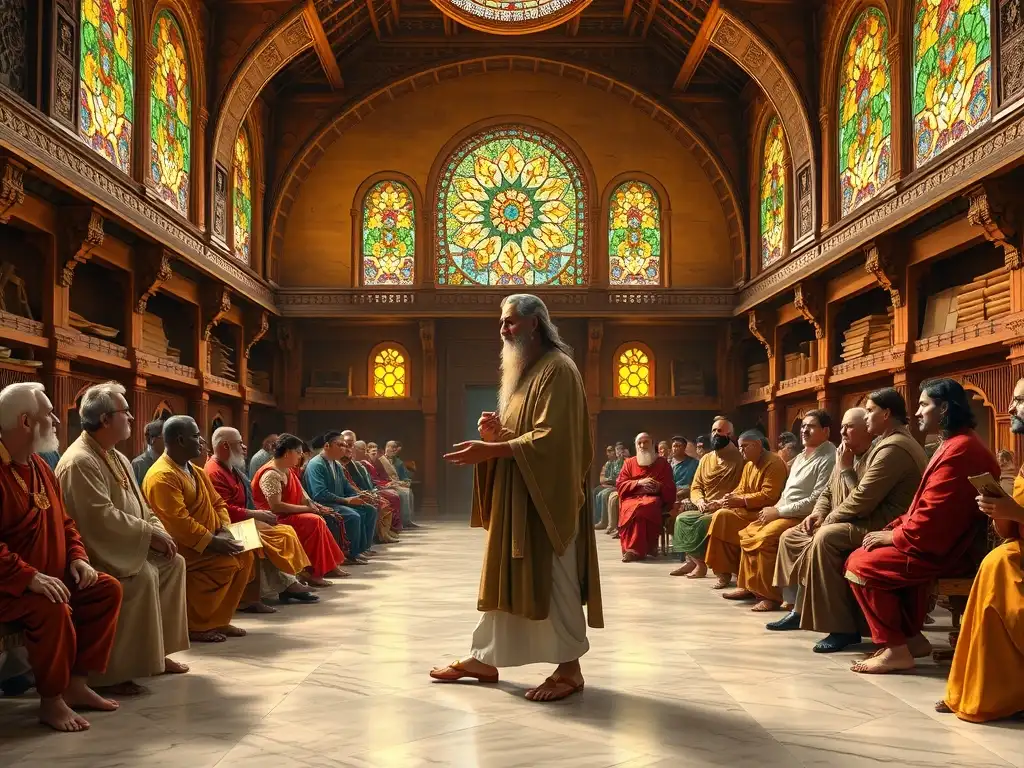
The Gupta Empire, often referred to as the Golden Age of India, significantly influenced the development of political philosophy in the region. The philosophical contributions during this era were not only reflective of the socio-political landscape of the time but also laid the groundwork for future political thought in India. The Gupta rulers embraced a vision of governance that intertwined ethics with politics, fostering a unique approach that resonated through subsequent centuries.
Influence on Medieval and Modern Indian Political Theories
The political philosophies articulated during the Gupta Empire had a profound impact on both medieval and modern Indian thought. Key texts from the period, such as Arthashastra by Kautilya (Chanakya), emphasized the importance of statecraft, ethical leadership, and the role of the ruler in ensuring the welfare of the state. Kautilya’s pragmatic approach, which blended moral considerations with realpolitik, became a reference point for later thinkers.
- Ethical Governance: Later Indian political theorists drew from Gupta principles, advocating for rulers to be just and virtuous. This emphasis on dharma (moral duty) shaped the expectations of leadership well into the medieval period. Many kings adopted these principles, leading to a governance style that prioritized ethical considerations.
- Sovereignty and Rule of Law: The Gupta era also highlighted the importance of the rule of law and the concept of sovereignty. These ideas were integral to medieval kingship, where rulers were expected to uphold justice and ensure social order. The philosophical foundations laid during the Gupta period provided a framework that influenced subsequent dynasties, including the Rajputs and later Mughal rulers.
- Integration with Modern Theories: In the modern context, scholars have revisited Gupta political philosophy, examining its relevance to contemporary governance models. The blend of ethics and strategy found in Gupta thought resonates with modern democratic principles, emphasizing the need for accountability and ethical standards in leadership.
Comparative Analysis with Other Ancient Civilizations
When comparing the political philosophy of the Gupta Empire with other ancient civilizations, several distinctive features emerge that underscore the uniqueness of Indian thought during this period.
- Ancient Greece: In contrast to the Gupta emphasis on ethical governance, ancient Greek philosophers like Plato and Aristotle focused on the ideal forms of government and the role of the citizen. While Plato’s Republic advocates for philosopher-kings, Gupta philosophy prioritizes the practicalities of ruling and maintaining order, reflecting the complexities of Indian society.
- China’s Confucianism: Confucian thought, which emphasized hierarchical relationships and moral integrity, shares similarities with Gupta philosophies concerning the moral responsibilities of rulers. However, Gupta political philosophy uniquely integrates the necessity of pragmatic governance, adapting to the specific cultural and social contexts of India.
| Feature | Gupta Empire Political Philosophy | Ancient Greek Philosophy | Confucianism |
|---|---|---|---|
| Focus on Ethics | Strong emphasis on dharma | Ideal forms of governance | Moral integrity of rulers |
| Approach to Governance | Pragmatic and strategic | Philosophical ideals | Hierarchical relationships |
| Societal Context | Diverse and multi-ethnic | City-states | Centralized bureaucracy |
The political philosophy of the Gupta Empire not only shaped the governance of its time but also influenced later Indian political theories and practices. By integrating ethical considerations with practical governance, the Gupta rulers established a legacy that resonates through the historical narrative of India, distinguishing it from the political philosophies of other ancient civilizations. This rich tapestry of thought continues to inform contemporary discussions on ethics and leadership in the Indian context.
Conclusion: Lasting Legacy of Gupta Empire's Contributions to Ethics and Political Philosophy
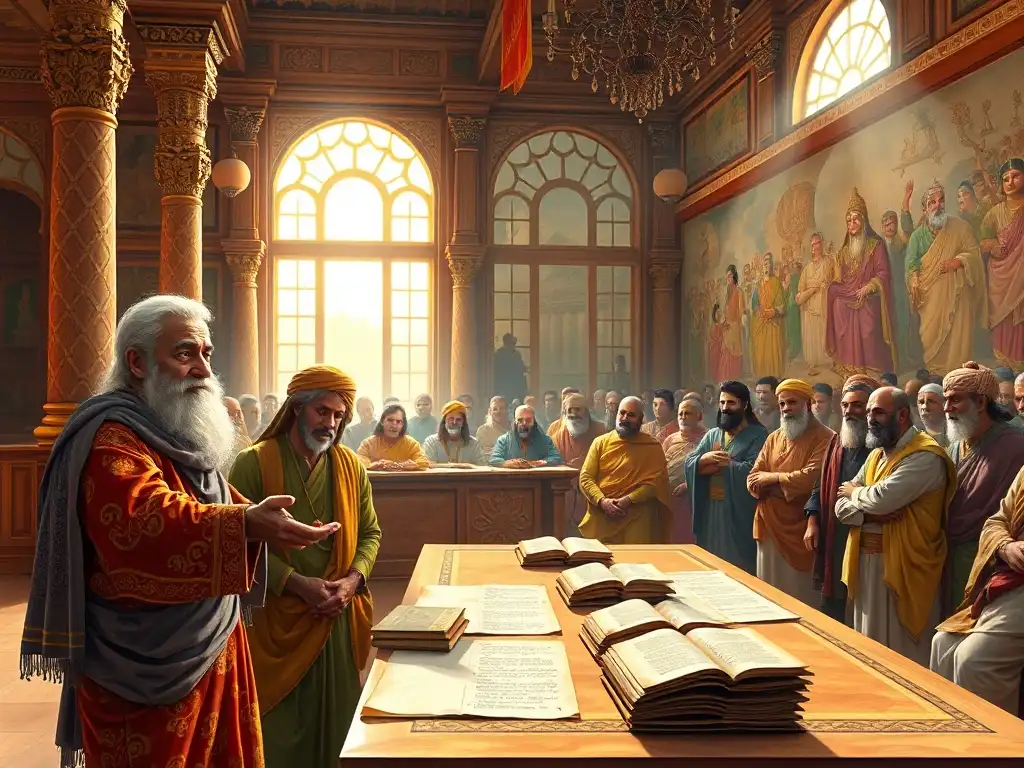
The Gupta Empire, often referred to as the Golden Age of India, significantly advanced the landscape of ethics and political philosophy. Through its various contributions, this period laid the groundwork for future philosophical discourse and ethical frameworks that resonate through history to the present day.
Summary of Key Contributions
The Gupta Empire's contributions to political philosophy can be categorized into several key areas that continue to influence ethical thought today:
- Statecraft and Governance: The Gupta rulers, particularly Chandragupta II, emphasized the importance of just governance. The Arthashastra, attributed to Kautilya (Chanakya), although predating the Gupta era, was revitalized and disseminated during this time, laying foundational principles for statecraft that emphasized both ethical leadership and pragmatic governance.
- Moral Philosophy: Thinkers like Vatsyayana, author of the Kama Sutra, integrated ethics into everyday life, addressing not just political philosophy but also the moral dimensions of personal conduct and societal norms. This work highlighted the balance between personal desires and ethical living, shaping a nuanced understanding of morality.
- Integration of Religion and Politics: The Gupta period saw a harmonious blend of Hindu ethics with governance. Rulers endorsed the idea of Dharma (righteousness) as a guiding principle for rulers and subjects alike. This intertwining of ethics with political authority established a framework for legitimacy based on moral virtue.
- Cultural Flourishing: The patronage of arts and literature during the Gupta Empire led to the production of texts that explored ethical dilemmas and political thought. Poets and playwrights like Kalidasa infused ethical considerations into their works, reflecting societal values and norms.
Reflection on the Relevance of Gupta Political Philosophy Today
The political philosophy contributions of the Gupta Empire remain remarkably relevant in today's world.
- Ethical Governance: The principles of just governance and accountability emphasized by Gupta rulers resonate in contemporary discussions about leadership and ethical political practices. Modern democracies can draw from Gupta ideals to promote transparency and social justice within governance frameworks.
- Moral Frameworks: Gupta-era texts continue to serve as a source of inspiration for ethical decision-making in both personal and professional realms. The integration of morality in day-to-day life, as emphasized by thinkers of the time, urges individuals to consider the broader implications of their actions.
- Cultural Integration: The Gupta Empire's synthesis of religion and politics invites ongoing dialogue about the role of cultural and ethical values in shaping political ideologies. In a globalized world, understanding this historical interplay can foster a more nuanced approach to contemporary governance.
- Philosophical Discourse: The legacy of philosophical inquiry from the Gupta period encourages modern thinkers and policymakers to engage with ethical dilemmas and governance challenges through a philosophical lens, promoting critical thinking and reflective practices in political discourse.
The Gupta Empire's contributions to ethics and political philosophy not only shaped the Indian subcontinent's historical narrative but also provide a rich context for examining contemporary ethical and political issues. The enduring relevance of these contributions underscores the significance of historical discourse in informing and enriching modern governance and ethical frameworks.
Frequently Asked Questions
What were the main contributions of the Gupta Empire to political philosophy?
The Gupta Empire significantly influenced political philosophy by promoting ideas of just governance, the role of dharma, and the importance of ethics in leadership.
How did Gupta rulers implement their political philosophy?
Gupta rulers emphasized moral authority and ethical governance, often incorporating philosophical ideas from texts like the Arthashastra to shape their administration and policies.
What role did religion play in Gupta political philosophy?
Religion, particularly Hinduism, played a vital role in Gupta political philosophy, intertwining spiritual principles with governance to establish a moral framework for rulers and subjects alike.
Can you name some key texts that influenced Gupta political thought?
Major texts that influenced Gupta political thought include the Manusmriti and Arthashastra, which provided insights on ethics, law, and statecraft during this period.
How did the Gupta Empire's contributions affect later Indian civilizations?
The ethical and political philosophies developed during the Gupta Empire laid the groundwork for future Indian states, influencing governance and moral principles in the subcontinent for centuries.
Final Reflection: The Enduring Legacy of Gupta Empire Political Philosophy
The contributions of the Gupta Empire to ethics and political philosophy resonate profoundly in today's world, reminding us that the foundations of governance and moral reasoning were laid centuries ago. As we navigate the complexities of modern political landscapes, the principles established during this golden age of Indian history continue to serve as a guiding light, urging us to reflect on the ethical dimensions of leadership and governance.
The Gupta Empire's insights into justice, duty, and the role of the ruler are not just historical footnotes; they are vital lessons that remain relevant in our quest for a just society.
The impact of the Gupta Empire's political philosophy is evident in contemporary discussions about governance and ethics. These ancient ideas have shaped not only Indian thought but have also influenced global political discourse. The emphasis on dharma, or duty, as a guiding principle for rulers and citizens alike encourages a sense of responsibility that transcends time and culture. The true measure of a leader is not how they govern in times of peace, but how they uphold justice in times of turmoil.
This quote encapsulates the essence of the Gupta legacy, reminding us that the ethical considerations of leadership are as crucial today as they were in ancient times.
As we reflect on the lessons from the Gupta Empire, I invite you to consider how these timeless principles can be applied in your own life. Whether in your personal relationships, community involvement, or professional endeavors, strive to embody the values of justice, integrity, and responsibility that the Gupta philosophers championed. Let us carry forward their legacy by fostering a culture of ethical leadership and thoughtful citizenship, ensuring that the wisdom of the past informs our actions in the present and shapes a brighter future for all.
Unveil the Legacy of Gupta Wisdom!
Thank you for exploring the profound contributions of the Gupta Empire to ethics and political philosophy! Your curiosity marks the beginning of a journey into how these ancient ideas can inspire contemporary thought and governance. Now, let’s take your exploration a step further!
- Dive deeper into the teachings of ancient philosophers: Read texts or resources about influential figures like Kautilya to uncover their relevance in today's world.
- Share your insights: Discuss your favorite ethical principles from the Gupta era with friends or on social media to foster a richer dialogue about historical philosophies.
- Join a community: Connect with online forums or local groups that focus on Indian history to exchange ideas, ask questions, and learn from others who share your passion for this topic.
Which ethical principle from the Gupta period resonates most with your values today, and how might it shape your perspective on leadership?