
Indus Valley Architecture: A Blueprint for Sustainable Living

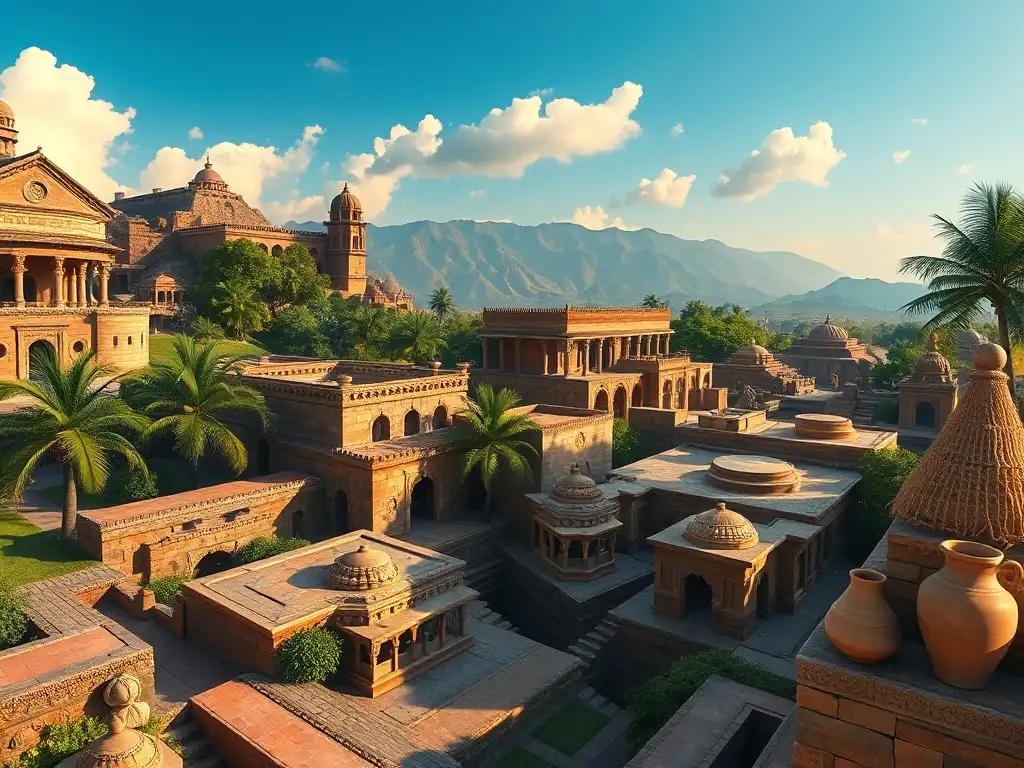
Welcome to Ancient India History, where we embark on a journey through time to uncover the remarkable tapestry of ancient Indian civilizations. In our featured article, "Indus Valley Architecture: A Blueprint for Sustainable Living," we delve into the ingenious sustainable architecture of the Indus Valley, a civilization that thrived thousands of years ago. Discover how their innovative designs and urban planning can inspire modern sustainability efforts.
Are you ready to explore the foundations of a culture that harmonized living with nature? Dive in and uncover the secrets of a civilization that laid the groundwork for sustainable living long before it became a contemporary buzzword!
Introduction to Indus Valley Civilization
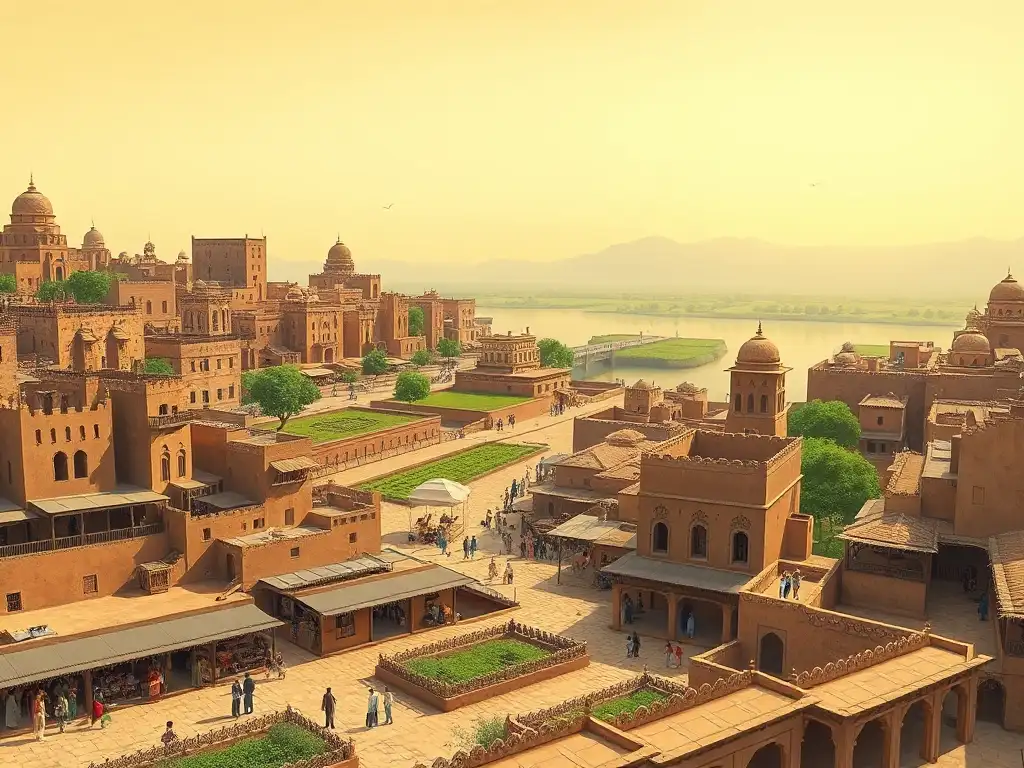
The Indus Valley Civilization, one of the world's earliest urban cultures, flourished between approximately 3300 and 1300 BCE in what is now Pakistan and northwest India. Known for its advanced urban planning, sophisticated drainage systems, and remarkable architectural feats, this civilization provides a rich tapestry of insights into sustainable living practices that resonate even today.
The architectural legacy of the Indus Valley not only reflects the ingenuity of its builders but also serves as a blueprint for sustainable living methodologies that modern societies can learn from. By examining the principles of Indus Valley sustainable architecture, we can uncover how these ancient people harmonized their built environment with nature, an approach that is increasingly relevant in today’s context of environmental challenges.
Overview of the Indus Valley Civilization
The Indus Valley Civilization, often referred to as the Harappan Civilization, was one of the largest ancient civilizations, spanning over 1,260,000 square kilometers. It boasted several prominent urban centers, including Harappa and Mohenjo-Daro, characterized by meticulous planning and impressive infrastructure. Streets were laid out in a grid pattern, and the cities featured advanced drainage systems, public baths, and granaries, showcasing an understanding of urban management that was centuries ahead of its time.
- Urban Centers: Key cities like Harappa, Mohenjo-Daro, and Dholavira.
- Innovative Planning: Grid layouts and sophisticated drainage systems.
- Cultural Achievements: Development of writing, metallurgy, and trade.
Significance of Architecture in Indus Valley Culture
Architecture in the Indus Valley Civilization was not merely a functional necessity but a reflection of cultural values and social organization. The design and layout of cities indicated a structured society that prioritized communal well-being. Public buildings often served as centers for social and religious activities, reinforcing the community's cohesion.
- Cultural Expression: Architectural styles reflecting societal values.
- Community Focus: Public spaces facilitating social interaction.
- Religious Significance: Structures that served spiritual purposes.
Understanding Indus Valley Sustainable Architecture
Indus Valley sustainable architecture is a testament to the civilization's ability to create lasting structures while minimizing environmental impact. By utilizing local materials and innovative design principles, they demonstrated an early understanding of sustainability that is essential in contemporary architectural practices.
Definition of Sustainable Architecture
Sustainable architecture refers to the design and construction of buildings that are environmentally responsible and resource-efficient throughout their life cycle. This approach not only seeks to minimize the ecological footprint of structures but also emphasizes the use of renewable resources, energy efficiency, and the integration of buildings within their natural surroundings.
- Eco-Friendly Design: Use of materials with low environmental impact.
- Energy Efficiency: Techniques that reduce energy consumption.
- Adaptation to Environment: Incorporating natural surroundings into design.
Key Features of Indus Valley Sustainable Architecture
The architecture of the Indus Valley Civilization exhibited several features that align with modern principles of sustainable architecture. These include:
- Use of Local Materials: Structures were primarily built from mud bricks, clay, and stone, minimizing transportation costs and environmental impact.
- Water Management Systems: Advanced drainage and water conservation techniques ensured efficient use of water resources.
- Orientation and Climate Adaptation: Buildings were strategically oriented to maximize natural light and ventilation, enhancing thermal comfort.
Importance of Sustainability in Ancient Civilizations
The sustainable practices observed in ancient civilizations like the Indus Valley are critical for understanding how societies can thrive without depleting their resources. These practices highlight the importance of ecological balance, adaptive reuse of materials, and community-focused living, principles that are increasingly vital in today's world as we strive for sustainability in urban development.
- Lessons for Modern Society: Insights into resource management and community living.
- Resilience and Adaptability: Strategies for thriving in diverse environments.
- Cultural Heritage: Preservation of sustainable practices as part of our historical legacy.
By examining the architectural achievements of the Indus Valley Civilization, we not only celebrate their ingenuity but also recognize the relevance of their sustainable practices in addressing contemporary environmental challenges.
Materials and Techniques Used in Indus Valley Architecture
The architecture of the Indus Valley Civilization reflects a sophisticated understanding of materials and construction techniques, which contributed significantly to the sustainability of their urban environments. The builders of this ancient civilization utilized locally available resources, ensuring their structures were not only durable but also harmonious with the surrounding landscape.
Common Building Materials in the Indus Valley
The Indus Valley builders primarily used baked bricks, which were standardized in size and shape, allowing for efficient construction. These bricks were made from clay and fired at high temperatures, making them more weather-resistant than sun-dried bricks. Other materials included:
- Mud and clay: Used in the construction of walls and houses, providing insulation and temperature regulation.
- Stone: Often employed for more significant structures such as baths and public buildings, showcasing durability.
- Timber: Although less frequently used due to scarcity, timber was utilized for roofing and flooring, adding structural integrity.
This careful selection of materials reflects an understanding of their properties and suitability for various construction purposes, aligning with the principles of Indus Valley sustainable architecture.
Construction Techniques Employed for Durability
Indus Valley architects were adept at employing techniques that enhanced the longevity of their structures. Some notable construction practices included:
- Thick walls: Building with thick walls helped in regulating indoor temperatures, keeping homes cooler in the summer and warmer in the winter.
- Elevated platforms: Many structures were built on raised platforms, which protected them from flooding and moisture damage, particularly important in a region susceptible to monsoons.
- Ventilation systems: The inclusion of strategically placed windows and vents ensured adequate airflow, reducing the need for artificial cooling.
These techniques not only contributed to the durability of the buildings but also demonstrated an early understanding of climate-responsive architecture.
Innovations in Urban Planning and Design
The urban planning of the Indus Valley Civilization was remarkable for its time, demonstrating innovations that contributed to sustainable living. Key aspects included:
- Grid layout: Cities were designed with a grid pattern, facilitating organized movement and efficient land use.
- Zoning: Areas were designated for residential, commercial, and industrial purposes, promoting a balanced urban ecosystem.
- Public infrastructure: The construction of communal facilities like public baths and granaries highlighted a commitment to community welfare and hygiene.
These innovations in urban planning not only improved the quality of life for inhabitants but also reflected a holistic approach to sustainable living.
Urban Planning of Indus Valley Cities
The urban planning of Indus Valley cities is considered one of the most advanced of its time. The meticulous design and organization of these cities underscore a commitment to functionality, sustainability, and community living.
Layout and Structure of Indus Valley Cities
Indus Valley cities, such as Harappa and Mohenjo-Daro, were marked by a systematic layout characterized by:
- Rectangular blocks: The cities were divided into rectangular blocks, each containing houses that shared common walls, optimizing space and resources.
- Main streets and alleys: Broad main streets allowed for easy transportation, while narrower alleys facilitated access to homes.
- Uniformity in construction: The use of standardized bricks led to uniform house designs, contributing to the aesthetic coherence of the urban landscape.
This structured layout not only promoted efficient use of space but also fostered community interaction and social cohesion.
Water Management Systems in Indus Valley Architecture
One of the most significant achievements of Indus Valley architecture was its advanced water management systems, which included:
- Drainage systems: The cities featured sophisticated drainage systems that channeled wastewater away from living areas, reducing health hazards.
- Well systems: Public and private wells provided easy access to clean water, underscoring the importance of hygiene and resource management.
- Water reservoirs: Large reservoirs were constructed to store rainwater, ensuring a steady water supply throughout the year.
These systems not only exemplified engineering prowess but also highlighted the civilization’s commitment to sustainable resource management.
Integration of Green Spaces and Public Areas
The Indus Valley cities incorporated green spaces and public areas, which were integral to community life and well-being. These included:
- Public squares: Central gathering spaces facilitated social interaction and community events, fostering a sense of belonging.
- Gardens and parks: Green spaces provided areas for recreation and relaxation, contributing to the overall quality of life for residents.
- Agricultural zones: The integration of agricultural land within urban settings ensured a sustainable food supply and reduced the need for long-distance transport.
By prioritizing green spaces, the Indus Valley Civilization demonstrated an early understanding of the importance of nature in urban living, aligning with modern principles of sustainability.
Case Studies of Sustainable Structures in the Indus Valley
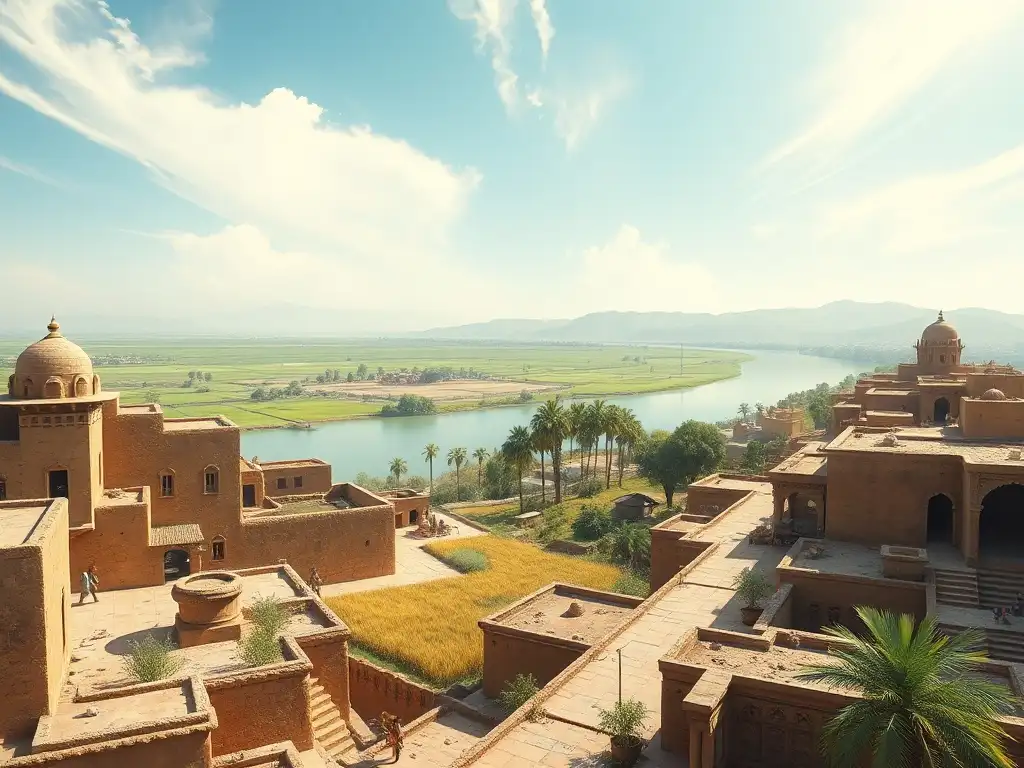
The Indus Valley Civilization (IVC) is renowned for its advanced urban planning and architectural ingenuity, which exemplified sustainable practices long before modern concepts emerged. By examining specific structures within this ancient civilization, we can uncover effective strategies for sustainable living that resonate with today's architectural practices. These case studies highlight the Great Bath, the Citadel, and the residential areas of the IVC, showcasing their innovative designs and their focus on sustainability.
The Great Bath: A Model of Water Conservation
The Great Bath, located in the city of Mohenjo-Daro, serves as a prime example of water conservation in ancient architecture. This large public bathing facility, measuring about 12 meters by 7 meters, is believed to have been used for ritualistic purposes and communal gatherings.
The architectural design of the Great Bath incorporates a sophisticated drainage system that ensured clean water could be replenished while removing wastewater effectively. The presence of terracotta pipes and a waterproof sealant made from natural bitumen demonstrates an understanding of hydraulic engineering that prioritized hygiene and resource management. This innovative use of water aligns with contemporary principles of water conservation and highlights the importance of sustainable resource use in architecture.
The Citadel: An Example of Strategic Urban Design
The Citadel of Mohenjo-Daro stands as a testament to the strategic urban design of the Indus Valley Civilization. Elevated above the lower city, the Citadel was constructed using standardized fired bricks, which provided durability and resilience against natural elements.
This elevated structure not only served as a defensive mechanism but also facilitated the management of urban infrastructure, including drainage and waste disposal systems. The layout of the Citadel reflects an understanding of topography and climate, optimizing air circulation and minimizing the heat retained by buildings. Such considerations are crucial in modern sustainable architecture, where urban design must respond to environmental conditions while promoting the well-being of inhabitants.
Residential Areas: Sustainable Living Spaces for Communities
Residential areas in the Indus Valley showcased a remarkable blend of functionality and sustainability. Homes were typically built around a central courtyard, promoting community interaction while allowing for natural ventilation and light.
The use of mud bricks and locally sourced materials not only reduced transport costs but also minimized environmental impact. Additionally, the incorporation of drainage systems in street layouts ensured effective waste management, preventing contamination of water sources. This emphasis on community-centric living spaces and efficient resource management provides valuable insights for contemporary urban planning, emphasizing the need for sustainable and collaborative living environments.
The Influence of Indus Valley Architecture on Modern Sustainable Practices
The legacy of Indus Valley architecture continues to influence modern sustainable practices. By examining their principles, contemporary architects and urban planners can integrate age-old wisdom into current designs, fostering a more sustainable future.
Lessons from Indus Valley Architecture for Contemporary Design
The Indus Valley Civilization exemplifies several key lessons for contemporary architecture, particularly in water management, urban planning, and community design. Modern architects can learn from the IVC’s integration of natural resources into urban living, emphasizing ecological harmony and sustainability.
Key lessons include:
- Water Management: Like the Great Bath, modern designs can incorporate efficient water conservation systems that recycle and purify water.
- Material Use: The use of local and sustainable materials, as seen in residential structures, is essential for reducing carbon footprints.
- Community Spaces: Creating interactive public spaces reminiscent of the IVC’s courtyards can strengthen social bonds and promote communal living.
Comparisons with Modern Sustainable Architecture
When comparing Indus Valley architecture to modern sustainable architecture, similarities in design principles emerge. Both prioritize efficient use of resources, environmental responsiveness, and community well-being.
Modern sustainable architecture often utilizes advanced technologies such as solar panels and green roofs, while ancient designs relied on natural ventilation and strategic placement. However, both approaches share a commitment to minimizing environmental impact and enhancing quality of life. The lessons from the IVC can serve as foundational principles in developing sustainable architecture today.
Preservation of Indus Valley Architectural Heritage
Preserving the architectural heritage of the Indus Valley is crucial for understanding the foundations of sustainable living. Efforts to protect ancient sites, such as Mohenjo-Daro and Harappa, not only safeguard historical knowledge but also inspire future generations in sustainable design practices.
International collaborations and advancements in archaeological technology play significant roles in preservation. By maintaining these sites, we can continue to draw inspiration from the wisdom of the past, ensuring that the principles of sustainable architecture remain a vital part of our future. The preservation of this heritage is not merely an act of conservation; it is a commitment to learning and adapting ancient wisdom to modern challenges.
Conclusion: The Legacy of Indus Valley Sustainable Architecture
The architectural advancements of the Indus Valley Civilization stand as a testament to the ingenuity and foresight of its builders. Their designs, characterized by meticulous urban planning, efficient drainage systems, and the use of locally sourced materials, illustrate a profound understanding of sustainability that is still relevant today. By creating structures that harmonized with the environment and catered to the needs of the community, the Indus Valley inhabitants laid the groundwork for sustainable living practices that modern society is now rediscovering.
This legacy is not merely historical; it serves as an inspiring blueprint for contemporary architects and urban planners. The principles of sustainability embedded within Indus Valley architecture emphasize the importance of ecological balance, resource management, and community-focused design. As we face challenges such as climate change and urban overcrowding, revisiting these ancient practices can provide invaluable insights into creating resilient and sustainable urban environments.
Reflection on the Importance of Sustainability in Ancient Cultures
Sustainability has been a cornerstone of many ancient cultures, but the Indus Valley Civilization exemplifies this principle in a remarkably comprehensive manner. The civilization's adeptness at water management, waste disposal, and urban planning reflects a deep respect for the environment. They understood that the health of their society was intricately linked to the health of their surroundings.
The reliance on natural materials like mud bricks, timber, and stone also highlights a core aspect of sustainable living: minimal environmental disruption. By using what was readily available, the Indus Valley people not only reduced their ecological footprint but also ensured the longevity and durability of their structures. This ancient wisdom prompts us to reflect on our current practices and the urgent need for sustainable solutions that honor both our heritage and the planet.
The Continued Relevance of Indus Valley Architectural Principles Today
In an era where sustainability is paramount, the architectural principles of the Indus Valley Civilization resonate strongly. Their focus on efficient land use, water conservation, and community-centric designs offers a framework that modern architects can adapt to contemporary challenges. For instance, the use of passive solar heating and natural ventilation seen in Indus Valley homes can inspire today's eco-friendly building designs.
Moreover, the integration of green spaces and public areas in their cities promotes social interaction and fosters a sense of community—elements that are increasingly vital in today's urban landscapes. As cities grow and environmental concerns mount, the Indus Valley's approach to architecture serves as a reminder of the importance of designing spaces that prioritize human and ecological well-being.
By embracing these ancient principles, we can work towards a future that not only honors our past but also paves the way for sustainable living. The Indus Valley civilization, with its rich architectural heritage, provides an enduring legacy that continues to guide and influence contemporary sustainable practices.
- Introduction to Indus Valley Civilization
- Understanding Indus Valley Sustainable Architecture
- Materials and Techniques Used in Indus Valley Architecture
- Urban Planning of Indus Valley Cities
- Case Studies of Sustainable Structures in the Indus Valley
- The Influence of Indus Valley Architecture on Modern Sustainable Practices
- Conclusion: The Legacy of Indus Valley Sustainable Architecture
- What is the significance of Indus Valley sustainable architecture?
- How did the Indus Valley civilization contribute to modern architecture?
- What materials were commonly used in Indus Valley architecture?
- How did the geography of the Indus Valley influence its architecture?
- What are some examples of sustainable practices in Indus Valley architecture?
Frequently Asked Questions
What is the significance of Indus Valley sustainable architecture?
The Indus Valley sustainable architecture showcases advanced urban planning and environmental responsiveness, highlighting how ancient civilizations prioritized sustainability in their construction methods.
How did the Indus Valley civilization contribute to modern architecture?
The Indus Valley civilization introduced concepts such as drainage systems, grid layouts, and the use of durable materials, influencing contemporary architectural practices and promoting sustainable living.
What materials were commonly used in Indus Valley architecture?
Indus Valley architecture primarily utilized baked bricks, lime, and wood, which provided structural integrity and durability while being sourced from local environments.
How did the geography of the Indus Valley influence its architecture?
The geography, with its river systems and fertile land, allowed for the use of natural resources effectively, leading to the development of sustainable architecture that catered to the needs of its inhabitants.
What are some examples of sustainable practices in Indus Valley architecture?
Examples include the integration of rainwater harvesting, ventilation systems for climate control, and the use of natural materials, all of which reflect a commitment to sustainable living.
Final Reflection: Embracing the Legacy of Indus Valley Sustainable Architecture
The architectural marvels of the Indus Valley Civilization remind us that sustainable living is not just a modern concept; it is a timeless principle that has guided human ingenuity for millennia. Today, as we grapple with the pressing challenges of climate change and urbanization, the lessons embedded in the structures of the Indus Valley resonate more than ever. Their innovative use of materials, water management systems, and urban planning serve as a powerful reminder that sustainability can be woven into the very fabric of our living environments.
The influence of Indus Valley sustainable architecture continues to shape contemporary discourse on eco-friendly design and urban planning. As we seek to create spaces that harmonize with nature, we find ourselves looking back at the wisdom of ancient civilizations. This reflection is not merely academic; it is a call to action for architects, urban planners, and individuals alike. The future of architecture is not about building more but building better.
This sentiment encapsulates the essence of what we can learn from the Indus Valley: that true progress lies in creating environments that nurture both people and the planet.
As you ponder the insights shared in this article, I invite you to consider how the principles of Indus Valley sustainable architecture can be applied in your own life. What steps can you take to integrate sustainability into your daily routines or community projects? Whether it’s advocating for green spaces, supporting local materials, or simply being mindful of your consumption, every action counts. Let us honor the legacy of the Indus Valley by committing to a future where architecture and nature coexist in harmony, paving the way for generations to come.
Uncover the Secrets of Sustainable Living Today!
Thank you for taking the time to explore the fascinating world of ancient architecture with us! By learning about their innovative designs, you’ve gained valuable insights into sustainable living that can be applied even today. Now, let’s put this knowledge into action!
Here are some ways you can take charge:
- Start a mini-project in your yard or balcony that incorporates sustainable practices inspired by ancient designs, such as rainwater harvesting or natural ventilation.
- Share your thoughts: Engage friends and family by discussing how historical wisdom can shape our modern lives. You can even plan a community workshop to delve deeper into sustainable architecture.
- Explore further by visiting local museums or heritage sites that showcase ancient architecture. Look for classes or virtual tours that could enhance your understanding!
As you consider these choices, ask yourself: How can the lessons learned from ancient civilizations inspire your lifestyle choices today?