
The Role of Mythology in Gupta Art and Culture

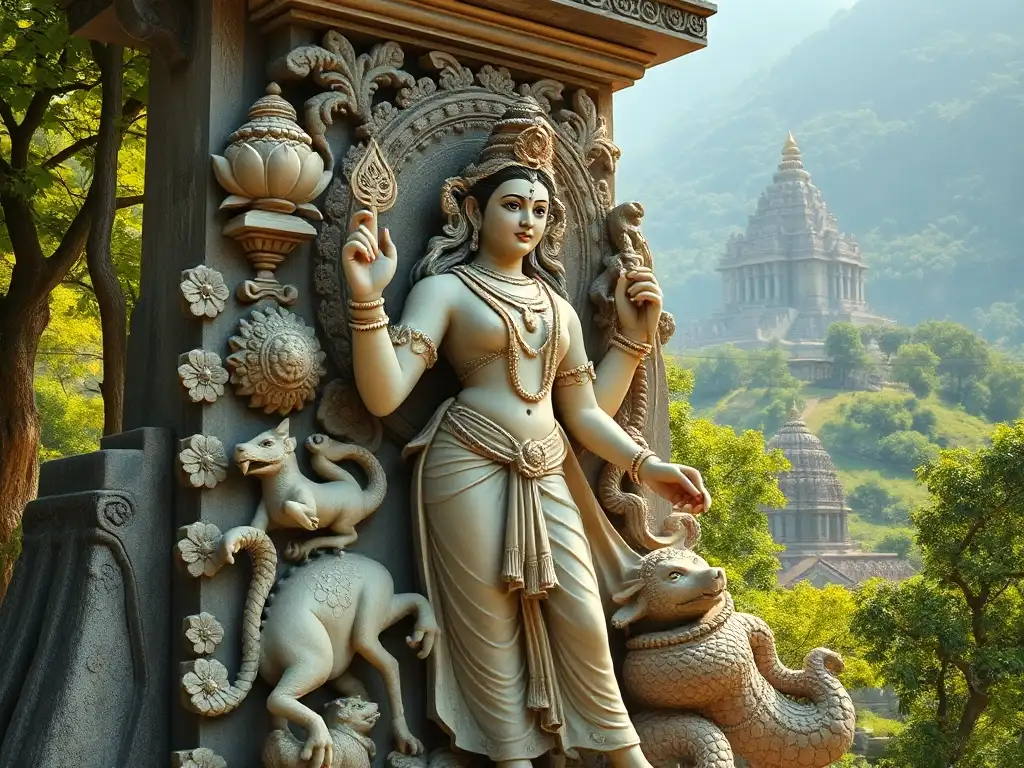
Welcome to Ancient India History, where we embark on a fascinating journey through the vibrant tapestry of ancient Indian civilizations. From the enigmatic streets of the Indus Valley to the intellectual brilliance of the Gupta Empire, our exploration unveils the profound connections between mythology and art that shaped a culture rich in creativity and spirituality. In our featured article, “The Role of Mythology in Gupta Art and Culture,” we delve into how these ancient narratives influenced artistic expression and societal values.
Join us as we uncover the stories behind the art, and discover the enduring legacy of one of history's most remarkable civilizations. Are you ready to unveil the mysteries that lie within?
Introduction to Gupta Empire Mythology and Art
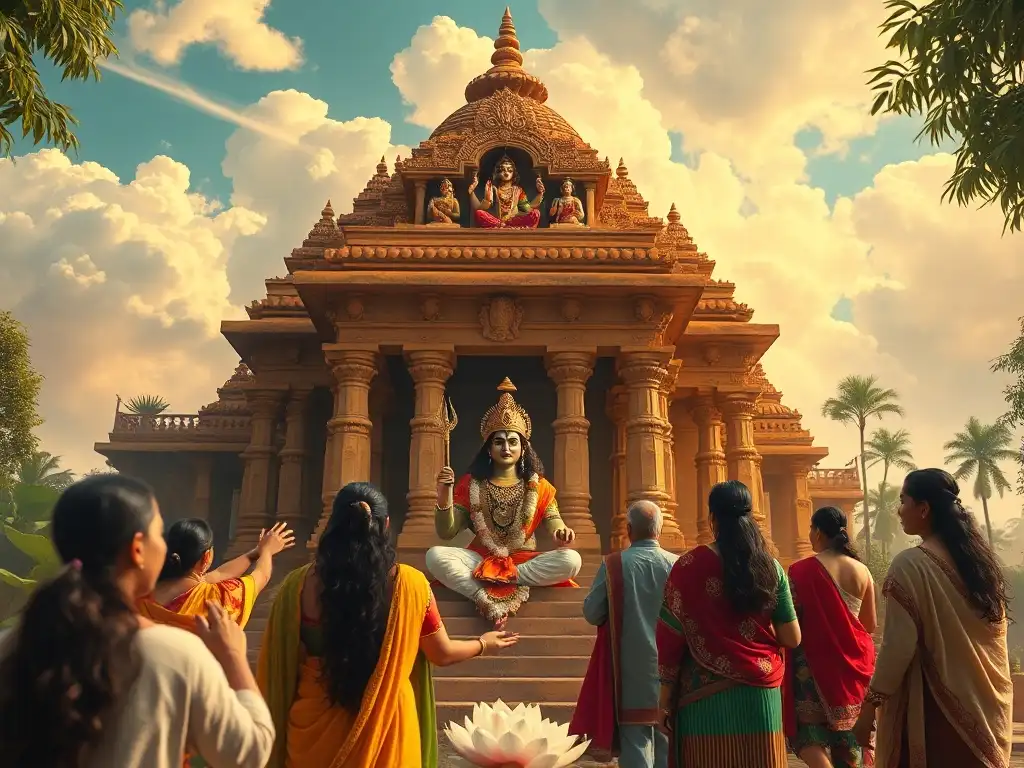
The Gupta Empire, often referred to as the Golden Age of India, flourished from approximately 320 to 550 CE. This period is renowned not only for its remarkable advancements in science, mathematics, and philosophy but also for a profound expression of art and culture that drew heavily on the rich tapestry of mythology.
The intertwining of Gupta Empire mythology and art is a testament to how religious beliefs and mythological tales shaped the creative output of this civilization. Artisans and sculptors of the time harnessed these narratives to create intricate and compelling works that celebrated the divine and conveyed moral lessons, thus enriching the cultural landscape of ancient India.
As we delve deeper into the role of mythology within Gupta art and culture, we will explore the key deities that inspired countless artistic expressions, as well as the mythological narratives that influenced the themes and styles of Gupta art. This exploration not only highlights the significance of mythology in shaping artistic endeavors but also reveals the cultural and spiritual ethos of the Gupta period.
Understanding Gupta Mythology
Gupta mythology is anchored in the extensive pantheon of Hindu deities and narratives that were prevalent during this era. The mythology served as a vital framework that influenced various aspects of daily life, including art, literature, and religious practices. The Gupta artisans portrayed mythological figures with remarkable detail and precision, imbuing their work with symbolic meaning and cultural significance.
The artistic expressions of the Gupta period reflect a blend of religious devotion and aesthetic beauty. Temples became canvases for elaborate carvings, and sculptures depicted deities in various forms, showcasing both their divine attributes and human characteristics. This rich mythological backdrop not only served to inspire artists but also fostered a shared cultural identity among the people of the Gupta Empire.
Key Deities in Gupta Mythology
The Gupta Empire revered a multitude of deities, each playing a significant role in the spiritual and cultural life of the society. Some of the key deities include:
- Vishnu: Often considered the preserver of the universe, Vishnu's incarnations (avatars) were widely depicted in art.
- Shiva: The destroyer and transformer, Shiva was celebrated for his dual nature, embodying both asceticism and sensuality.
- Durga: As a fierce warrior goddess, Durga symbolizes the triumph of good over evil and is often depicted in dynamic poses in sculpture.
- Brahma: The creator god, though less commonly represented, played a crucial role in the cosmology of the time.
These deities were not merely subjects of worship; they were central to the moral and philosophical teachings that permeated Gupta culture. Through their depictions in art, the values and virtues associated with each deity were communicated to the populace, reinforcing social norms and cultural narratives.
Mythological Narratives and Their Influence
The impact of mythological narratives on Gupta art can be observed in various forms, from temple architecture to sculptural reliefs. Stories from texts such as the Mahabharata and Ramayana were frequently illustrated, providing both context and depth to the artistic representations. These narratives served multiple purposes:
- Moral Instruction: The tales often conveyed moral lessons that resonated with the audience, encouraging ethical behavior and spiritual growth.
- Cultural Identity: By depicting shared mythological stories, artists fostered a sense of unity and cultural identity among the people.
- Spiritual Connection: The portrayal of deities and their stories in art acted as a medium for devotees to connect with the divine, enhancing their spiritual experience.
The mythology of the Gupta Empire played an integral role in shaping its art and culture, serving as a rich source of inspiration for artists and a vital component of the societal fabric. Understanding this relationship provides valuable insight into the complexities of Gupta civilization and its enduring legacy in the annals of Indian history.
Gupta Art: A Reflection of Mythology
The art of the Gupta Empire, flourishing from approximately 320 to 550 CE, stands as a remarkable testament to the intertwined nature of mythology and artistic expression during this period. Gupta art is characterized by its elegance, sophistication, and the profound influence of Hindu mythology, Buddhism, and Jainism. Artists meticulously depicted mythological narratives through various mediums, illustrating gods, goddesses, and legendary tales that resonated with the socio-religious fabric of the time.
Gupta artisans employed a range of materials, including stone, metal, and clay, to create sculptures, reliefs, and paintings that not only served aesthetic purposes but also conveyed spiritual and cultural meanings. This artistic output was not merely decorative; it played a significant role in educating the public about religious beliefs and moral values, thus reinforcing the mythology that underpinned Gupta society. The portrayal of mythological themes in art provided a visual narrative, allowing individuals to engage with their cultural heritage and spiritual practices on a deeper level.
Iconography in Gupta Sculpture
Iconography in Gupta sculpture is rich and varied, showcasing a plethora of divine figures and symbolic motifs that reflect the mythology of the era. Sculptors adhered to established iconographic traditions while also innovating within these frameworks to convey specific attributes and powers associated with deities. For instance, the depiction of Vishnu, often illustrated reclining on the serpent Ananta, emphasizes his role as the preserver of the universe, while the multiple arms of Durga symbolize her omnipotence and ability to combat evil.
The intricate carvings found in temples highlight scenes from epics like the Ramayana and Mahabharata, encapsulating key moments that resonate with the audience's understanding of dharma (righteousness) and karma (action and consequence). Additionally, the use of divine symbols such as the lotus or conch shell reinforces the spiritual significance of these narratives, creating a cohesive link between the material and the metaphysical realms.
Painting and Manuscript Illustrations
In addition to sculpture, the Gupta period is renowned for its vibrant painting and manuscript illustrations, which further illustrate the significance of mythology. The murals found in caves, such as those at Ajanta, depict scenes from various mythological texts, including the Jataka tales that recount the previous lives of the Buddha. These artworks are characterized by their vivid colors, detailed figures, and dynamic compositions, which draw viewers into the narrative.
Manuscripts produced during the Gupta era often included illustrations that complemented the textual content, making the stories more accessible and engaging. The visual representation of mythological themes not only enhanced the reading experience but also served as a pedagogical tool, allowing the transmission of cultural knowledge across generations. Through these illustrations, the Gupta Empire showcased its rich storytelling tradition, linking artistic endeavors with the preservation of mythological lore.
The Interconnection Between Art and Religion
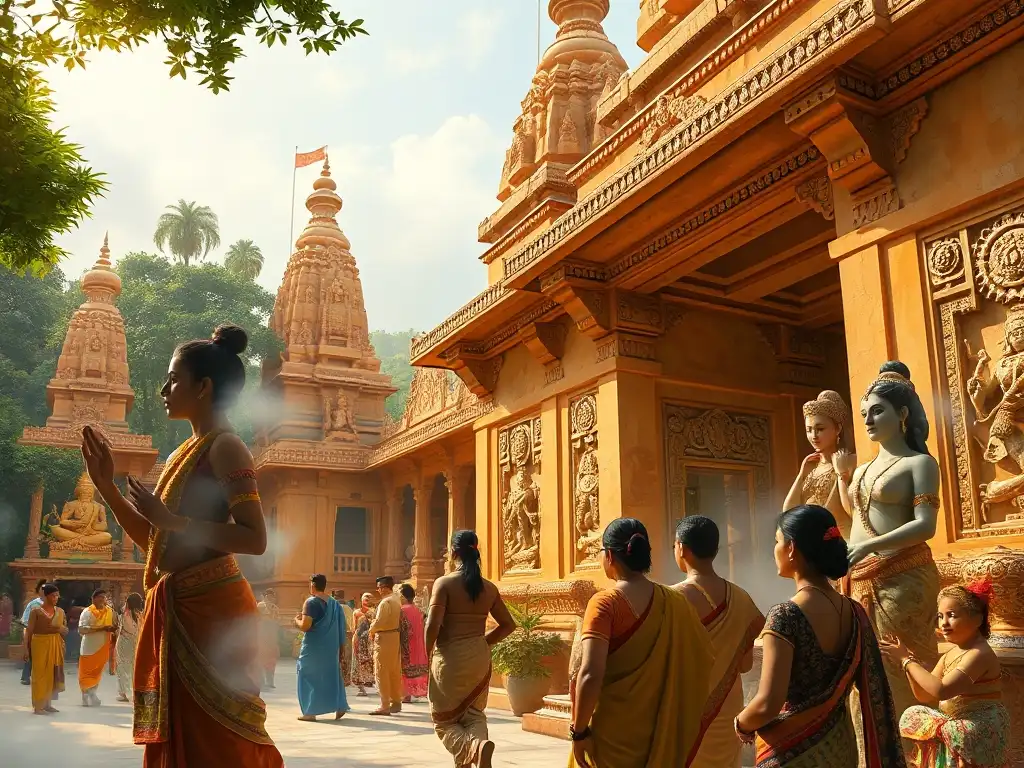
The Gupta Empire's art is inextricably linked with religion, serving as a medium through which spiritual beliefs and practices were expressed. Temples, sculptures, and paintings functioned as vehicles for conveying divine narratives, fostering a sense of connection between the material world and the divine. This relationship between art and religion not only shaped the aesthetic landscape of the Gupta period but also influenced the everyday lives of its people.
Temples as Cultural Hubs
Temples during the Gupta Empire were not merely places of worship; they were vibrant cultural hubs that brought together art, architecture, and community life. The design of temples reflected a blend of functionality and symbolism, with intricate carvings and sculptures adorning their walls, depicting various deities and mythological stories. These artistic elements served to educate devotees about religious teachings and the pantheon of gods, reinforcing the significance of mythology in spiritual practice.
Moreover, temples often hosted festivals and rituals, which were artistic expressions of mythology in themselves. The interplay between art and architecture in these sacred spaces fostered a communal identity, allowing individuals to partake in a shared cultural and religious experience. As a result, temples became central to the social fabric of Gupta society, nurturing a deeper understanding of mythology through artistic representation.
Festivals and Rituals: Artistic Expressions of Mythology
Festivals and rituals in the Gupta Empire were marked by rich artistic expressions that celebrated mythological themes. These events often included elaborate processions, dance performances, and dramatic reenactments of mythological stories, allowing the community to engage with their cultural heritage in a dynamic and participatory manner. The performances provided an avenue for individuals to embody the narratives of gods and goddesses, reinforcing their collective identity and spiritual beliefs.
Artistic elements, such as colorful decorations, traditional attire, and ritualistic offerings, played a pivotal role in these celebrations. They transformed public spaces into vibrant displays of culture and devotion, where mythology was not only remembered but actively lived. This synergy between festivals, rituals, and artistic expression highlights the profound impact of Gupta Empire mythology on the socio-religious landscape, ensuring that these narratives continued to thrive and evolve within the community.
Legacy of Gupta Empire Mythology and Art
The Gupta Empire, often referred to as the Golden Age of India, left an indelible mark on the artistic and cultural landscape of the region. The mythology of this era played a pivotal role in shaping various forms of art, including sculpture, painting, and architecture. One of the most significant legacies is the intricate depiction of Hindu deities and mythological narratives, which were not merely artistic expressions but also served as vehicles for spiritual and philosophical teachings. The Gupta artisans excelled in creating lifelike representations of gods, goddesses, and mythological scenes, showcasing their mastery over form, proportion, and detail.
The emergence of temple architecture during the Gupta period also reflects the intertwining of mythology and art. Temples were adorned with intricate carvings that narrated the stories of epics like the Ramayana and Mahabharata, bringing these tales to life for devotees and reinforcing their cultural significance. This artistic legacy has influenced not only the subsequent developments in Indian art but has also contributed to the broader narrative of South Asian artistic traditions.
Influence on Subsequent Indian Art Forms
The artistic advancements of the Gupta Empire set a benchmark for future generations of artists. The stylistic elements and themes introduced during this period can be traced in later art forms across various regions of India. For instance, the sculptural techniques developed during the Gupta era laid the foundation for the art of the subsequent Pala and Chola dynasties. The emphasis on naturalism and expression in Gupta sculptures influenced the portrayal of deities and figures in medieval Indian art.
Moreover, Gupta art's integration of mythology into everyday life through murals and frescoes can be seen in later works, where narrative storytelling became a common practice in Indian painting. The use of vibrant colors and intricate detailing established a standard that would resonate in Mughal and Rajput paintings, where mythological themes remained prevalent.
In addition, the Gupta tradition of temple architecture inspired the design of temples in South India, where intricate carvings and elaborate gopurams (gateway towers) became hallmarks of later styles. The mythological iconography that flourished during the Gupta period continued to inform artistic expressions in various forms, including dance and theater, thereby enriching India's cultural tapestry.
Preservation of Gupta Mythology in Modern Culture
The mythology of the Gupta Empire has not only persisted in historical texts but has also found a place in contemporary culture. Modern Indian literature, cinema, and performing arts frequently draw inspiration from Gupta-era narratives, reflecting the timeless relevance of these stories. Authors and filmmakers often revisit themes from the Mahabharata and Ramayana, employing them to explore contemporary issues while paying homage to their ancient roots.
Furthermore, the resurgence of interest in traditional art forms has led to the revival of Gupta-inspired crafts, such as sculpture and painting. Artisans today continue to draw from the rich iconography established during the Gupta period, ensuring that the mythology and artistry of this era are preserved and celebrated in the modern context. Festivals and cultural programs often incorporate performances that reinterpret Gupta myths, demonstrating their lasting influence on Indian identity and heritage.
Conclusion: The Enduring Significance of Gupta Empire Mythology and Art
The Gupta Empire's mythology and art have left an enduring legacy that continues to resonate through the ages. Their intricate artistic expressions serve not only as a testament to the skill and creativity of Gupta artisans but also as a reflection of the socio-religious dynamics of the time. The ability of Gupta mythology to transcend time and influence subsequent generations underscores its significance in the broader narrative of Indian culture.
As we explore the rich tapestry of ancient Indian civilizations, the Gupta Empire stands out for its remarkable contributions to art and culture. The interplay between mythology and artistic expression during this period has shaped not only the history of Indian art but has also fostered a sense of continuity in cultural identity. Understanding this legacy enriches our appreciation for the profound ways in which art and mythology have intertwined, shaping the historical and spiritual fabric of India.
- Introduction to Gupta Empire Mythology and Art
- Understanding Gupta Mythology
- Gupta Art: A Reflection of Mythology
- The Interconnection Between Art and Religion
- Legacy of Gupta Empire Mythology and Art
- Conclusion: The Enduring Significance of Gupta Empire Mythology and Art
- What is the significance of mythology in Gupta art and culture?
- How did mythological themes influence Gupta sculptures?
- In what ways did the Gupta Empire contribute to the development of art?
- What are some examples of Gupta art that incorporate mythology?
- How did the religious context shape Gupta art?
Frequently Asked Questions
What is the significance of mythology in Gupta art and culture?
The mythology of the Gupta Empire played a crucial role in shaping its artistic expressions, reflecting religious beliefs and cultural narratives that influenced various art forms.
How did mythological themes influence Gupta sculptures?
Gupta sculptures often depicted mythological figures and scenes, showcasing the intricate craftsmanship and storytelling that conveyed the spiritual and cultural values of the time.
In what ways did the Gupta Empire contribute to the development of art?
The Gupta Empire is renowned for its innovative artistic techniques, including the use of symbolism and naturalism, which set the foundation for future Indian art and influenced subsequent cultures.
What are some examples of Gupta art that incorporate mythology?
Notable examples include reliefs and carvings found in temples that depict scenes from Hindu epics like the Mahabharata and Ramayana, illustrating the intertwining of art and mythology.
How did the religious context shape Gupta art?
The religious context of the Gupta Empire, encompassing Hinduism and Buddhism, deeply influenced artistic themes, resulting in works that celebrate divine figures and convey spiritual narratives through visual means.
Final Reflection: The Enduring Legacy of Gupta Empire Mythology and Art
The exploration of Gupta Empire mythology and art reveals a profound connection between cultural expression and spiritual beliefs that resonates powerfully in today's world. As we navigate a society increasingly influenced by globalization and technological advancement, the rich tapestry of Gupta art serves as a reminder of the timeless nature of storytelling and the universal themes that bind us together. The intricate sculptures and vibrant narratives of this era not only reflect the values and beliefs of their time but also continue to inspire contemporary artists and thinkers, emphasizing the importance of cultural heritage in shaping our identities.
The influence of Gupta mythology and art extends far beyond its historical context, permeating modern cultural landscapes in ways that invite us to reflect on our own narratives. The stories depicted in Gupta art are not merely relics of the past; they are living expressions of human experience that encourage dialogue about morality, existence, and the divine. As noted by art historian John Smith, Art is the most beautiful of all lies; it allows us to explore the truths of our existence through the lens of imagination.
This perspective invites us to consider how the myths and artistic expressions of the Gupta Empire can inform our understanding of contemporary issues and inspire new forms of creativity.
As we conclude this exploration of Gupta Empire mythology and art, I invite you to reflect on the stories that shape your own life and culture. Consider how the themes of love, sacrifice, and the quest for knowledge resonate within your personal narrative. Let the legacy of Gupta art inspire you to seek out and celebrate the myths that enrich your understanding of the world, urging you to create your own stories that contribute to the ongoing tapestry of human experience. Embrace the power of mythology as a tool for connection, reflection, and artistic expression in your journey ahead.
Unveil the Richness of Gupta Art and Culture Today!
Thank you for diving into the fascinating world of Gupta art and mythology! Your interest enriches our understanding of this vibrant period in ancient Indian history. Now that you’ve explored the role of mythology, it’s time to take your journey further. Here’s how you can engage and deepen your connection with this incredible heritage:
- Dive Deeper: Visit local museums or explore online galleries showcasing Gupta art. Experience the intricate beauty of these artifacts firsthand, and allow them to inspire your creativity.
- Become a Part of the Conversation: Join our community of history enthusiasts on our website and social media platforms. Share your thoughts and discoveries about Gupta culture, and connect with others who share your passion.
- Challenge Yourself: Read a book or watch a documentary about ancient Indian mythology. Expand your knowledge and discover how these timeless myths continue to influence modern culture!
What aspects of Gupta mythology resonate with you the most, and how do you see their influence reflected in today's art and culture? We’d love to hear your insights!