
The Indus Valley and Its Contribution to Architectural Heritage

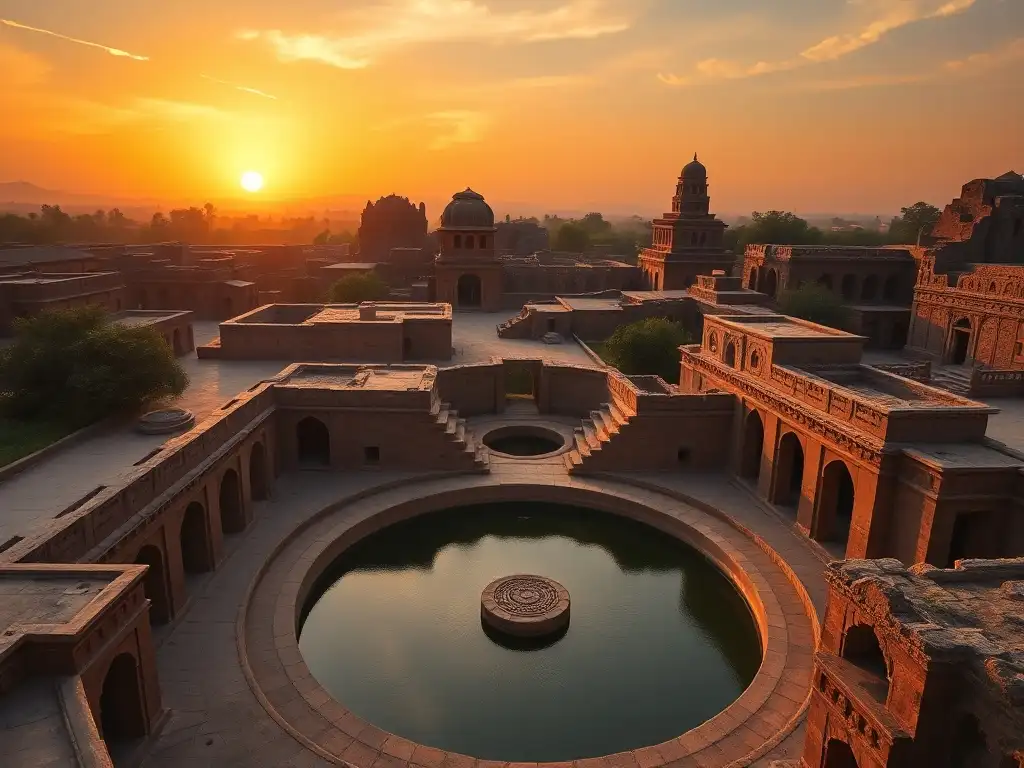
Welcome to Ancient India History, where we journey through the remarkable tapestry of ancient Indian civilizations! Discover the profound architectural contributions of the Indus Valley, a civilization that laid the foundation for many modern architectural principles. As we delve into the intricate designs and innovative urban planning of this ancient society, you'll uncover fascinating insights that shaped not only their environment but also the future of architecture itself. Join us as we unlock the mysteries of the past, starting with the incredible legacy of the Indus Valley—your exploration begins now!
- Introduction to the Indus Valley Architectural Contributions
- Key Features of Indus Valley Architecture
- Major Sites Showcasing Indus Valley Architectural Contributions
- Innovations in Indus Valley Architecture
- The Influence of Indus Valley Architecture on Later Civilizations
- Conclusion: The Legacy of Indus Valley Architectural Contributions
- References for Further Reading on Indus Valley Architectural Contributions
-
Frequently Asked Questions
- What are the key features of Indus Valley architecture?
- How did the Indus Valley civilization influence later architectural styles?
- What materials were primarily used in Indus Valley construction?
- How did the Indus Valley civilization ensure water management in their cities?
- In what ways is the Indus Valley's architectural legacy seen in modern India?
- Final Reflection: Embracing the Legacy of Indus Valley Architectural Contributions
- Unveil the Wonders of Indus Valley Architecture!
Introduction to the Indus Valley Architectural Contributions
The Indus Valley Civilization (IVC), one of the world's earliest urban cultures, flourished around 2500 BCE in what is now modern-day Pakistan and northwest India. Renowned for its advanced urban planning, sophisticated drainage systems, and remarkable architectural achievements, the IVC's contributions to architectural heritage have left an indelible mark on the history of ancient Indian civilization.
This article delves into the architectural innovations of the Indus Valley, exploring how these ancient structures and city layouts have influenced subsequent architectural practices and continue to resonate in the cultural landscape of India today. By examining the IVC's methodologies and designs, we can better appreciate the ingenuity and creative spirit of these early builders, setting the stage for a deeper understanding of their lasting legacy in architectural history.
Overview of the Indus Valley Civilization
The Indus Valley Civilization, also known as the Harappan Civilization, emerged around 3300 BCE and reached its peak between 2600 and 1900 BCE. It encompassed a vast area across the northwestern regions of the Indian subcontinent, with major urban centers such as Harappa and Mohenjo-Daro.
Key features of the Indus Valley Civilization include:
- Urban Planning: Cities were meticulously planned with grid-like streets, indicating a high level of civic organization.
- Advanced Drainage Systems: The presence of covered drains and sophisticated sewage systems showcased their engineering prowess.
- Standardized Weights and Measures: These facilitated trade and commerce, reflecting a well-organized economy.
The architectural achievements of the IVC were not merely functional but also aesthetically pleasing, incorporating intricate designs and the use of materials such as baked bricks. These elements have influenced architectural practices throughout history, showcasing the civilization's lasting impact on both architecture and urban design.
Importance of Architecture in Ancient India
Architecture in ancient India serves as a reflection of its cultural, religious, and social dynamics. The structures built during this period were not only utilitarian but also embodied the spiritual and philosophical ideals of the time.
Some reasons why architecture is vital in understanding ancient Indian history include:
- Cultural Identity: Architectural styles and techniques often varied across regions, reflecting the diverse cultures and traditions within India.
- Religious Significance: Many structures, such as temples and stupas, were designed to be places of worship, showcasing the interconnection between architecture and spirituality.
- Historical Documentation: The architectural remains of ancient civilizations serve as crucial evidence for historians and archaeologists, offering insights into past lifestyles, technologies, and societal structures.
In the context of the Indus Valley Civilization, the architectural contributions not only highlight the technological advancements of the time but also lay the groundwork for future architectural endeavors in India, influencing the development of various styles and practices that emerged in subsequent eras.
Key Features of Indus Valley Architecture
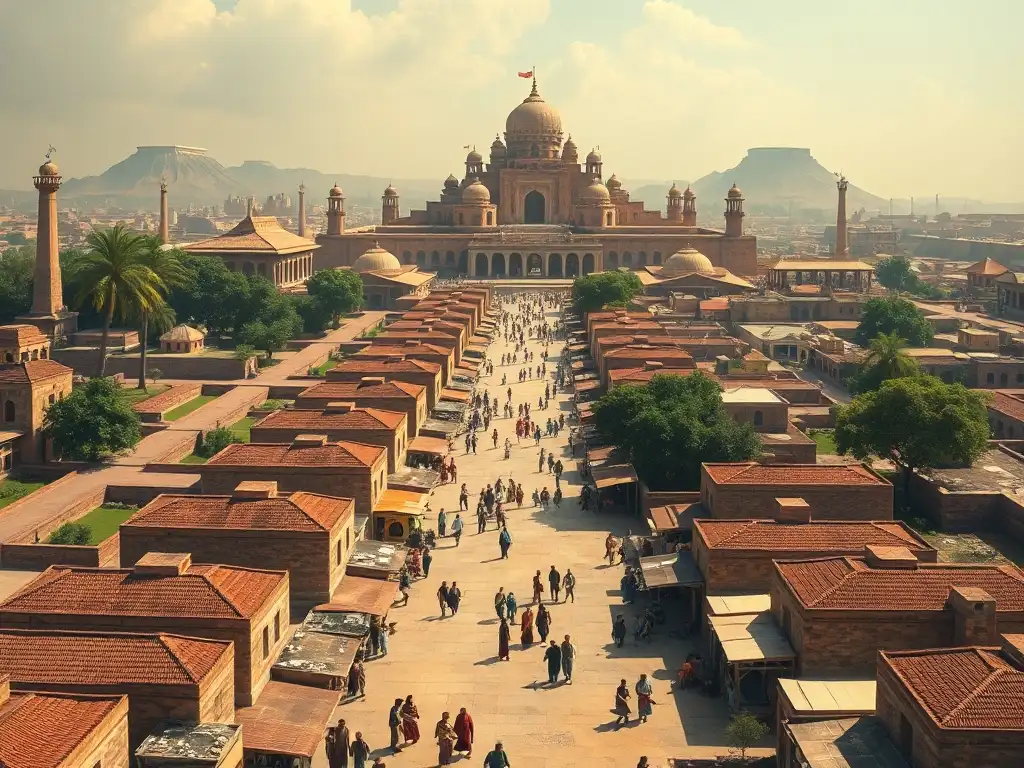
The architectural contributions of the Indus Valley Civilization (IVC) are marked by remarkable sophistication and innovation that laid the groundwork for urban development in ancient India. The key features of Indus Valley architecture reflect a deep understanding of urban planning, material utilization, and unique architectural styles that have influenced generations. This section explores these aspects in detail.
Urban Planning and Layout of Indus Cities
The urban planning of Indus Valley cities, particularly Harappa and Mohenjo-Daro, is characterized by a grid pattern that demonstrates advanced urban design principles.
- Grid System: Streets were laid out in a grid pattern, divided into blocks that facilitated organized movement and efficient land use. This design is considered one of the earliest forms of urban planning in human history.
- Drainage Systems: One of the most notable features of Indus Valley cities was their sophisticated drainage systems. Houses were equipped with toilets connected to a centralized drainage system, showcasing a remarkable understanding of sanitation and public health. The drainage systems were made of well-fired bricks, indicating durability and resilience.
- Zoning: The cities exhibited clear zoning, with areas designated for residential, commercial, and industrial purposes. This separation of spaces allowed for organized community living and trade, enhancing the functionality of urban life.
- Public Buildings: Large public structures, such as the Great Bath in Mohenjo-Daro, suggest the presence of communal activities, possibly for ritualistic or bathing purposes. The precision of such constructions indicates advanced engineering skills.
Use of Materials in Indus Valley Construction
The materials used in Indus Valley construction were selected for their durability and availability, contributing significantly to the architectural legacy of the civilization.
- Bricks: The predominant building material was mud bricks, which were standardized in size (approximately 4:2:1 ratio) and well-baked, offering strength and longevity. The use of baked bricks also indicates advancements in technology and craftsmanship.
- Stone and Wood: While mud bricks were common, local stone and timber were also incorporated into constructions. Stone was utilized for public buildings and some residential structures, while wood was used in roofing and decorative elements.
- Plaster: Lime and gypsum plaster were employed to finish walls and provide a smooth surface, enhancing both aesthetics and protection against the elements.
- Water Management: The presence of large reservoirs and sophisticated wells demonstrates the importance of water management in Indus Valley architecture. These structures were strategically designed to harness and store rainwater, reflecting an understanding of hydrology that was crucial to sustaining urban populations.
Architectural Styles Unique to the Indus Valley
Indus Valley architecture features distinctive styles that set it apart from contemporary civilizations, emphasizing both functionality and aesthetics.
- Houses: The typical residential building was a two-story structure with flat roofs, often including an inner courtyard. This design not only maximized space but also provided ventilation and privacy.
- Public Granaries: The construction of large granaries, such as those found in Harappa, reveals the civilization's emphasis on agriculture and storage. These structures were often located near trade routes, indicating their role in commerce.
- Decorative Elements: The use of decorative motifs, including terracotta figurines and seals, showcased artistic expression in architecture. These elements were often integrated into the structure, enhancing the cultural significance of buildings.
- Fortifications: Many Indus Valley cities were surrounded by fortified walls, constructed to protect against potential invasions. These fortifications not only provided security but also reflected the social and political organization of the civilization.
The Indus Valley architectural contributions are marked by advanced urban planning, innovative use of materials, and unique architectural styles that continue to influence modern architecture. The legacy of the Indus Valley Civilization serves as a testament to the ingenuity and creativity of its people.
Major Sites Showcasing Indus Valley Architectural Contributions
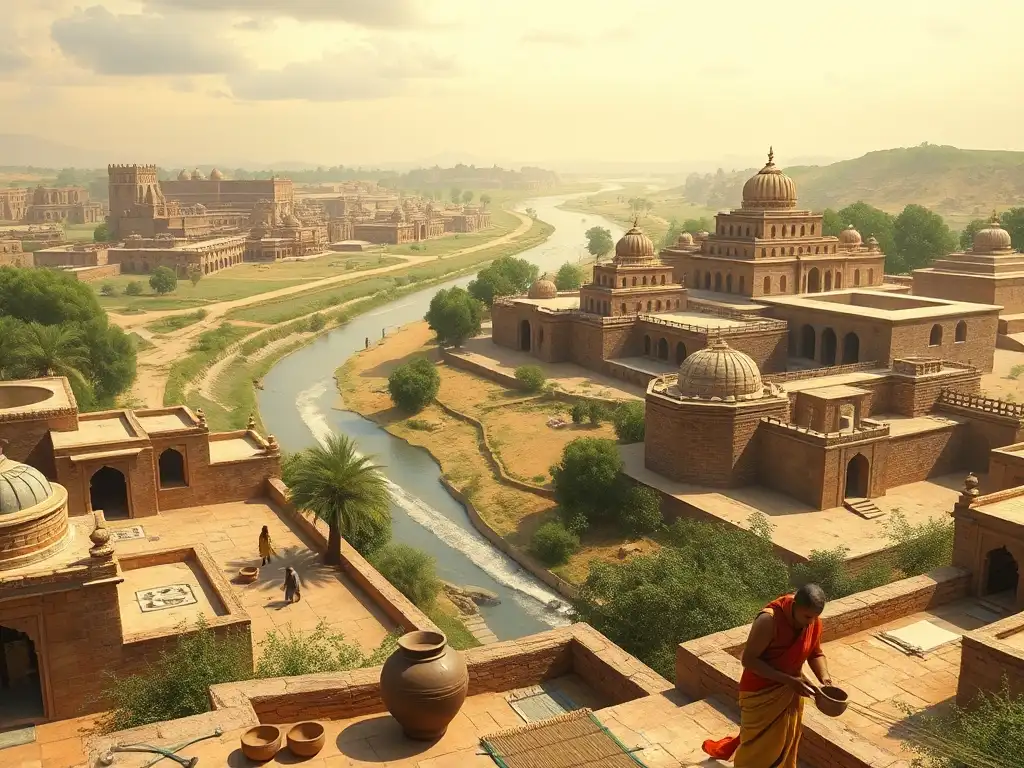
Mohenjo-Daro: The Great Bath and Other Structures
Mohenjo-Daro, one of the most prominent cities of the Indus Valley Civilization, showcases remarkable architectural achievements that reflect the sophistication of urban planning in ancient times. Among its most notable structures is the Great Bath, a large rectangular pool that measures approximately 12 meters by 7 meters and is believed to have been used for ritualistic purposes. The construction of the Great Bath reveals advanced engineering techniques, including:
- Waterproofing: The pool was lined with bricks and coated with a thick layer of bitumen to prevent leaking.
- Drainage System: A sophisticated drainage system ensured that the water could be drained and cleaned, highlighting the importance of hygiene and sanitation.
Other significant structures in Mohenjo-Daro include:
- Residential Areas: Houses built with standardized baked brick, featuring flat roofs and multiple rooms.
- Public Buildings: Large assembly halls and warehouses suggest that the city had a well-organized administrative system.
The architectural contributions of Mohenjo-Daro not only demonstrate the aesthetic sensibilities of the time but also reveal a deep understanding of urban infrastructure and civic amenities.
Harappa: Granaries and Public Buildings
Harappa, another key site of the Indus Valley Civilization, is renowned for its impressive granaries and public buildings, which served essential functions in the social and economic life of the city. The granaries of Harappa are particularly notable for their size and design, indicating a structured approach to food storage and distribution. Key features include:
- Granary Design: Built on raised platforms to prevent moisture and pests, these structures were constructed from large, well-fired bricks, showcasing advanced construction techniques.
- Centralized Storage: The presence of multiple granaries suggests a centralized system of food distribution, vital for sustaining the population.
In addition to granaries, Harappa features several public buildings, including:
- Bathing Platforms: Similar to those found in Mohenjo-Daro, these platforms indicate the significance of ritual bathing in the culture.
- Residential Complexes: The layout of residential areas is indicative of planned urban development, with streets laid out in a grid pattern.
The architectural contributions of Harappa reflect the organizational capabilities of the Indus Valley Civilization and its emphasis on public health and community welfare.
Dholavira: Water Management and Urban Design
Dholavira stands out as a site that exemplifies advanced techniques in water management and urban design within the Indus Valley Civilization. The city's strategic location in a semi-arid region necessitated innovative approaches to water conservation. Key architectural contributions include:
- Water Reservoirs: Dholavira features large reservoirs that were meticulously designed to collect and store rainwater. These reservoirs played a crucial role in ensuring a steady water supply for the inhabitants.
- Drainage System: An extensive drainage system was in place, with channels that directed water away from residential areas, preventing flooding and maintaining sanitary conditions.
The urban design of Dholavira is equally impressive:
- City Layout: The city was divided into distinct areas for administrative, residential, and industrial purposes, showcasing a high level of urban planning.
- Use of Stone: Unlike other Indus Valley cities that primarily used brick, Dholavira incorporated stone into its architecture, giving the structures a unique character.
The architectural contributions of Dholavira highlight not only the ingenuity of its inhabitants in managing natural resources but also their ability to create sustainable urban environments that catered to the needs of their community.
Innovations in Indus Valley Architecture
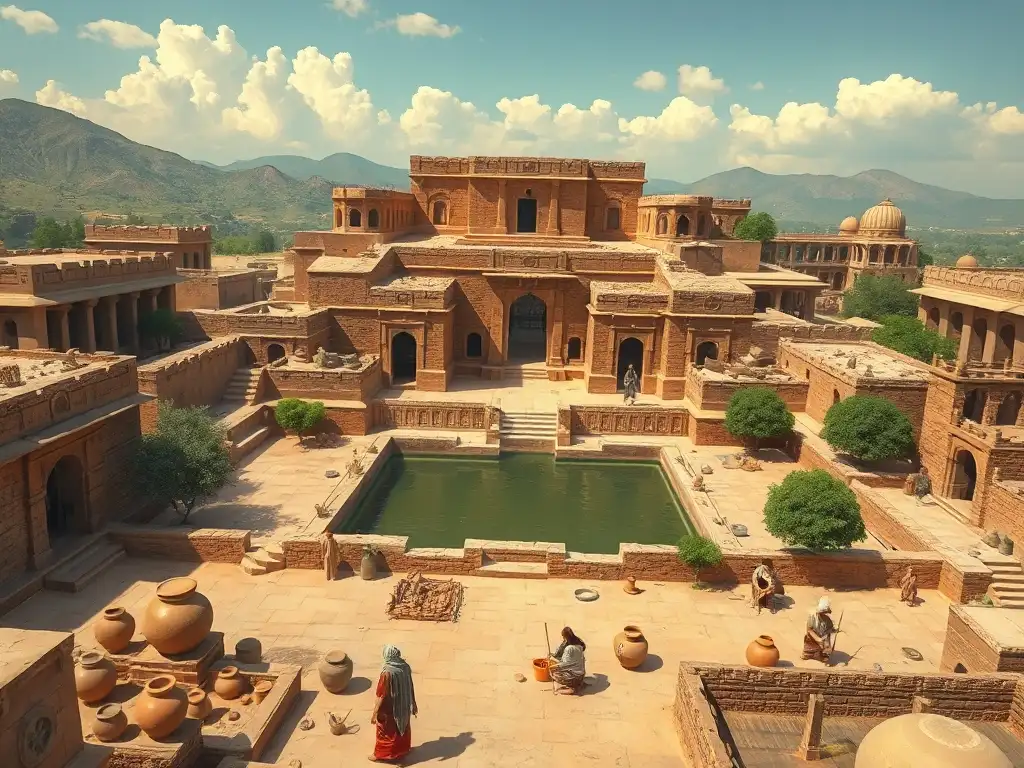
The Indus Valley Civilization, flourishing between 3300 and 1300 BCE, is renowned for its remarkable architectural innovations that laid the groundwork for urban planning and construction techniques. The sophistication of these architectural contributions is evident in their urban layouts, advanced drainage systems, and the quality of residential and public structures. This section delves into the specific innovations that characterize Indus Valley architecture, highlighting their significance in the broader context of ancient Indian civilizations.
Drainage Systems: Engineering Marvels of the Indus Valley
One of the most outstanding features of Indus Valley architecture is its advanced drainage systems. The cities of Harappa and Mohenjo-Daro showcase a remarkable understanding of civil engineering, with sophisticated methods for managing water.
- Construction Techniques: The drainage systems were constructed with burnt brick, ensuring durability. The drains were often covered with stone slabs, allowing for easy maintenance.
- Layout and Design: Streets were generally laid out in a grid pattern, which facilitated efficient drainage. Wastewater was channeled through covered drains that ran along the streets, connecting to larger sewage systems.
- Advantages:
- Sanitation: This system significantly improved sanitation and public health by reducing the accumulation of waste and water.
- Urban Planning: The foresight in planning these systems demonstrated an advanced understanding of urban infrastructure that would influence future civilizations.
“The drainage systems of the Indus Valley are a testament to their engineering prowess, emphasizing the importance of sanitation in urban living.”
Residential Architecture: Houses and Living Spaces
The residential architecture of the Indus Valley reflects the society's emphasis on functionality and organization. Homes were designed with various materials and features that catered to the needs of their inhabitants.
- Construction Materials: Most houses were constructed using baked bricks, which provided sturdiness and thermal insulation. The use of mud bricks was also common in less affluent areas.
- Design Features:
- Floor Plans: Houses typically had flat roofs and were often two stories high, featuring multiple rooms organized around a central courtyard.
- Amenities: Many homes had private bathrooms with drainage facilities, showcasing the civilization's emphasis on hygiene and comfort.
- Ventilation: The design allowed for natural ventilation, which was crucial in the warm climate of the region.
| Feature | Description |
|---|---|
| Room Count | Average of 4-6 rooms per home |
| Courtyards | Central feature for light and airflow |
| Bathrooms | Included in many residential layouts |
“The residential architecture of the Indus Valley was not just about shelter; it was a reflection of the society's values and priorities regarding living spaces.”
Public Structures: Assembly Halls and Marketplaces
Public architecture in the Indus Valley Civilization served as hubs for social interaction and commerce, reflecting the community's organizational skills and social structures.
- Assembly Halls: Large structures were likely used for public gatherings, ceremonies, and decision-making processes. These halls were often centrally located, demonstrating their importance in civic life.
- Marketplaces: The layout of cities included designated areas for trade and commerce, which facilitated economic activities. The presence of standardized weights and measures in these marketplaces indicates well-organized trade practices.
- Architectural Elements:
- Granaries: Large granaries found in various sites suggest advanced agricultural practices and the need for storage facilities for surplus produce.
- Public Baths: The Great Bath of Mohenjo-Daro is one of the most famous structures, believed to have been used for ritualistic purposes, showcasing the significance of communal spaces in their culture.
“The public structures of the Indus Valley not only served functional purposes but also played a crucial role in fostering community ties and social cohesion.”
The architectural contributions of the Indus Valley Civilization significantly impacted urban planning and civil engineering. Their innovations in drainage systems, residential designs, and public structures illustrate a complex society capable of sophisticated construction and urban management, laying the groundwork for future architectural developments in the Indian subcontinent.
The Influence of Indus Valley Architecture on Later Civilizations
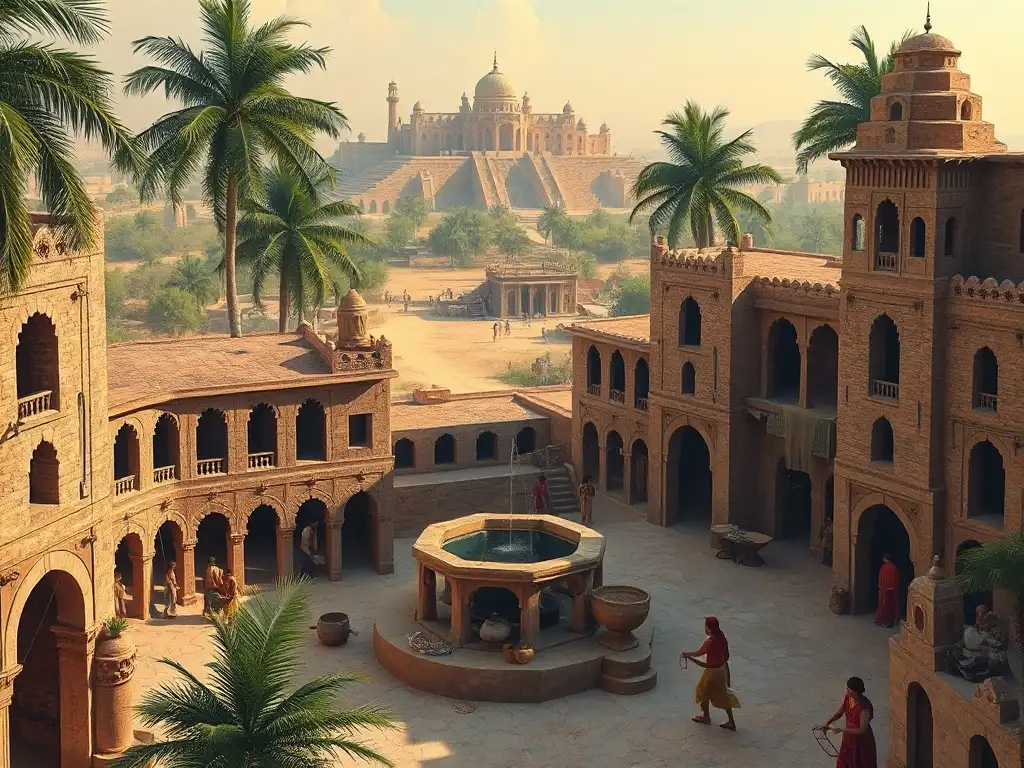
The architecture of the Indus Valley Civilization (IVC), which thrived from approximately 3300 to 1300 BCE, laid foundational principles that influenced subsequent architectural practices in the Indian subcontinent. The remarkable urban planning and construction techniques of the IVC have been observed to persist and evolve through later Indian civilizations, showcasing a continuity that is evident in various architectural styles.
Architectural Continuities in Ancient Indian Architecture
The hallmark features of Indus Valley architecture, such as grid-patterned city layouts, advanced drainage systems, and the use of baked bricks, can be traced throughout the development of ancient Indian architecture. Notably:
- Urban Planning: The meticulous urban planning seen in cities like Mohenjo-Daro and Harappa set a precedent for future settlements. This emphasis on organized streets and public spaces continued in later urban centers, such as those seen in the Mauryan and Gupta periods.
- Materials and Techniques: The preference for fired bricks in the IVC influenced the building materials used in subsequent eras. Structures from later periods, including Buddhist stupas and temples, utilized similar techniques, ensuring durability and aesthetic appeal.
- Drainage and Sanitation: The sophisticated drainage systems of the Indus Valley, which included covered drains and soak pits, became a model for urban sanitation in later cities. This aspect of public health architecture was critical for the growth of populous settlements across ancient India.
These architectural continuities illustrate how the innovations of the Indus Valley were not merely forgotten but adapted and integrated into the architectural lexicon of later civilizations, reinforcing the significance of the IVC's contributions.
Impact on Regional Styles and Techniques
The architectural legacy of the Indus Valley Civilization significantly impacted regional styles and techniques across ancient India. The exchange of ideas and practices can be observed in various aspects:
- Influence on Religious Structures: The layout and design principles of IVC cities can be seen in the development of religious architecture, particularly in the construction of stupas and temples. The emphasis on symmetrical designs and axial alignments in religious architecture can be traced back to the planning concepts established by the Indus builders.
- Regional Variations: As different regions in India began to develop their own architectural identities, elements of IVC architecture persisted. For example, the use of vaulted ceilings and arched structures in later periods, such as the Indo-Islamic architecture, can be linked back to the structural innovations of the Indus Valley builders.
- Cultural Syncretism: The architectural influences from the Indus Valley also merged with local traditions and styles in various regions, leading to unique architectural expressions. The integration of IVC principles with those of the Mauryan Empire resulted in a distinctive architectural style that marked the evolution of ancient Indian architecture.
The Indus Valley architectural contributions serve as a key foundation for understanding the evolution of architecture in ancient India. The influence of their sophisticated urban planning, building techniques, and regional adaptations can be seen across various civilizations that followed, underscoring the enduring legacy of the Indus Valley Civilization in the architectural heritage of India.
Conclusion: The Legacy of Indus Valley Architectural Contributions
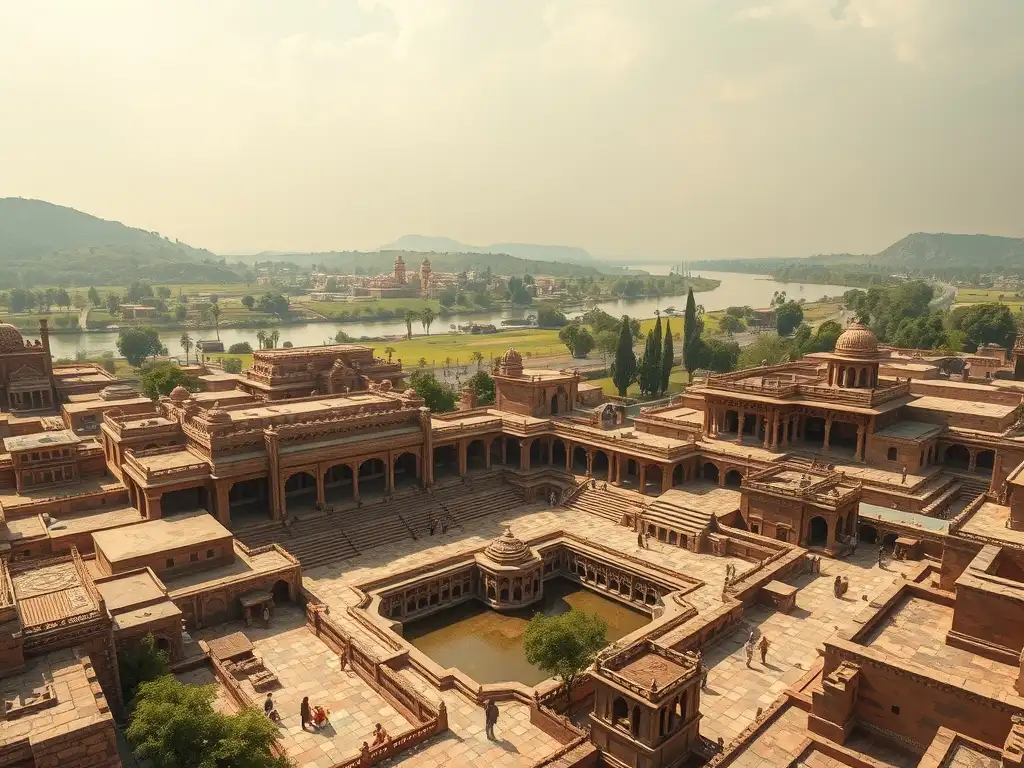
The architectural contributions of the Indus Valley Civilization (IVC) are a testament to the ingenuity and sophistication of one of the world’s earliest urban societies. Spanning from approximately 3300 BCE to 1300 BCE, the IVC was characterized by meticulously planned cities, advanced drainage systems, and impressive public structures. The legacy of these architectural feats continues to influence contemporary practices and remains a focal point in the study of ancient urban development.
Summary of Contributions to Architectural Heritage
The architectural heritage of the Indus Valley is marked by several key features that highlight its innovation and functionality:
- Urban Planning: The cities of the Indus Valley, such as Mohenjo-Daro and Harappa, were notable for their advanced grid layouts. Streets were laid out in a systematic manner, with perpendicular intersections, showcasing early urban planning principles that prioritize order and accessibility.
- Drainage Systems: One of the most remarkable contributions of the IVC is its sophisticated drainage system. Homes were equipped with toilets connected to a network of drains made from fired bricks, which illustrates a deep understanding of sanitation and hygiene—an essential aspect of urban living.
- Public Structures: The Great Bath of Mohenjo-Daro is perhaps the most iconic structure of the civilization. This large public bathing area reflects not only architectural prowess but also the cultural significance of water in religious and social practices.
- Materials and Techniques: The use of baked bricks, which were standardized in size, allowed for more durable construction. The Indus Valley artisans employed advanced techniques in metallurgy and crafting, influencing architectural styles and methods in subsequent civilizations.
- Cultural Symbolism: The intricate designs and motifs found in IVC architecture, such as the use of seals and terracotta figurines, highlight the civilization's rich cultural and artistic expression, providing insights into their beliefs and societal structure.
The Relevance of Indus Architecture in Modern Times
The architectural contributions of the Indus Valley Civilization continue to resonate in modern architectural practices for several reasons:
- Sustainability: As contemporary societies increasingly focus on sustainable urban development, the IVC’s emphasis on efficient drainage and sanitation systems serves as a historical reference. The integration of natural water management techniques is particularly relevant in today’s context of climate change.
- Urban Design Principles: The grid-like city planning of the Indus Valley can be seen reflected in modern urban layouts. Principles of accessibility and organized infrastructure remain fundamental to contemporary city planning, offering lessons in effective urban design.
- Cultural Heritage: Preservation of Indus Valley sites and their architectural heritage has become a priority for archaeologists and historians. The importance of understanding our collective past aids in fostering a sense of identity and continuity in a rapidly changing world.
- Architectural Inspiration: Contemporary architects frequently draw inspiration from the simplicity and functionality of Indus Valley architecture. The aesthetic appeal of their structures, coupled with their emphasis on community spaces, can inform modern architectural designs that prioritize both form and function.
The Indus Valley architectural contributions not only laid the foundation for future urban developments in India but also continue to influence architects and urban planners today. The lessons derived from this ancient civilization remind us of the timeless principles of sustainability, functionality, and cultural significance in architecture.
References for Further Reading on Indus Valley Architectural Contributions
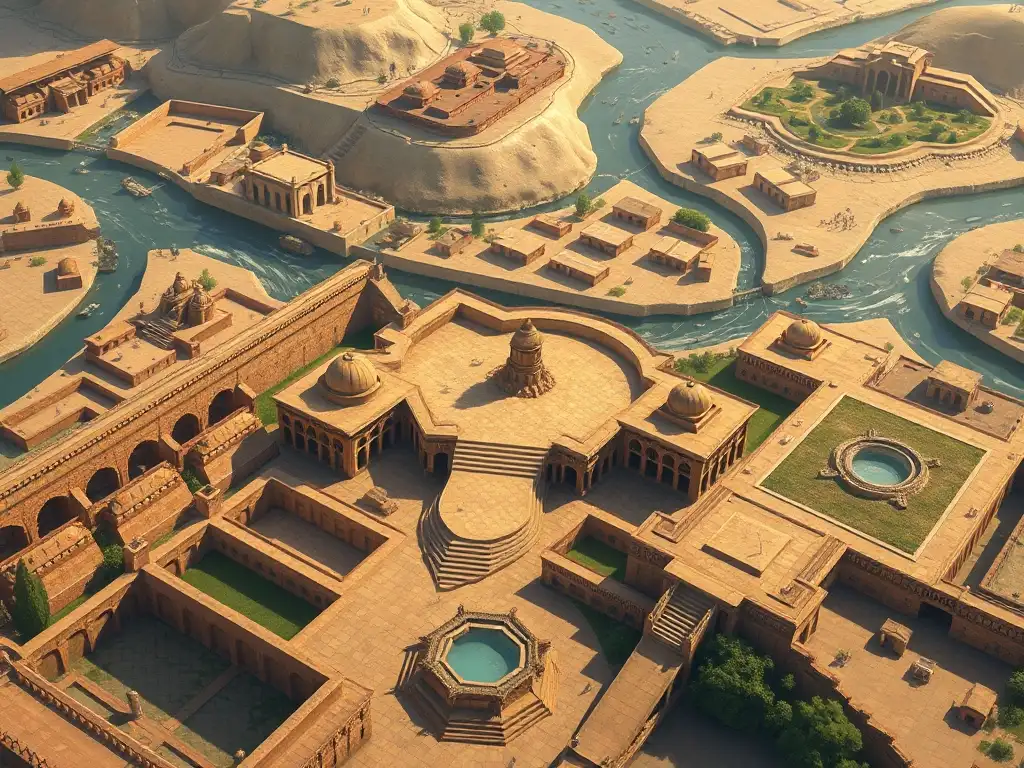
Recommended Books and Articles
-
"The Indus Civilization: A Contemporary Perspective" by Gregory L. Possehl
This book provides a comprehensive overview of the Indus Valley Civilization, focusing on its urban planning and architectural innovations. Possehl discusses the implications of these contributions on later Indian architectural practices.
-
"Indus Valley Civilization: An Encyclopedia" by R. S. Sharma
A detailed encyclopedia that covers various aspects of the Indus Valley, including its art and architecture. Sharma elucidates how the architectural contributions of this civilization laid the foundation for future developments in Indian architecture.
-
"Ancient Cities of the Indus Valley Civilization" by Jonathan Mark Kenoyer
Kenoyer's work is pivotal for understanding the urban design of Indus Valley cities like Mohenjo-Daro and Harappa. This book emphasizes the sophisticated drainage systems and grid layouts that reflect advanced architectural principles.
-
Article: "Urban Planning and Architecture in the Indus Valley Civilization"
Available in various scholarly journals, this article examines the urban design and architectural elements that are unique to the Indus Valley, highlighting their influence on subsequent Indian architecture.
-
"Architecture of the Indus Valley Civilization" by Richard H. Meadow
This book delves into the specific architectural features of the Indus Valley, discussing materials, construction techniques, and how these contribute to our understanding of ancient urban life.
Online Resources and Documentaries
-
The Indus Valley Civilization: A Virtual Tour
This online resource offers a virtual exploration of the major archaeological sites of the Indus Valley. Viewers can navigate through reconstructions of significant structures, gaining insight into their architectural significance.
-
Documentary: "The Great Civilization of the Indus Valley"
This documentary provides a captivating visual presentation of the Indus Valley Civilization, with a focus on its architectural contributions. It features expert interviews and on-site footage of archaeological findings.
-
Website: Archaeological Survey of India (ASI)
The ASI website contains extensive research articles and reports on the Indus Valley sites, detailing architectural features and construction methods. This is a valuable resource for those interested in scholarly research.
-
YouTube Channel: Ancient History Documentary
This channel features various documentaries on ancient civilizations, including a series on the Indus Valley. The videos provide insights into the architectural advancements and urban planning of this remarkable civilization.
-
Academic Journal: "Journal of Asian Architecture and Building Engineering"
A reputable journal that often publishes articles related to the architectural heritage of ancient civilizations, including the Indus Valley. It serves as a platform for scholars to share their findings and analyses.
These references and resources will provide a deeper understanding of the architectural contributions of the Indus Valley Civilization, highlighting its lasting impact on India's architectural heritage.
Frequently Asked Questions
What are the key features of Indus Valley architecture?
The Indus Valley architecture is characterized by well-planned cities, robust drainage systems, and uniform building materials like baked bricks, showcasing advanced urban planning.
How did the Indus Valley civilization influence later architectural styles?
The architectural contributions of the Indus Valley set foundational principles in urban design and construction that influenced subsequent civilizations in India and beyond, particularly in their city layouts.
What materials were primarily used in Indus Valley construction?
Indus Valley builders primarily utilized baked bricks, wood, and stone. The use of baked bricks allowed for durable structures, which were essential for city longevity.
How did the Indus Valley civilization ensure water management in their cities?
The Indus Valley civilization implemented sophisticated drainage systems and water reservoirs to manage water supply and sanitation, highlighting their advanced engineering skills.
In what ways is the Indus Valley's architectural legacy seen in modern India?
The architectural legacy of the Indus Valley can be seen in modern urban planning and civil engineering practices in India, where principles of layout and infrastructure still echo their ancient innovations.
Final Reflection: Embracing the Legacy of Indus Valley Architectural Contributions
The architectural contributions of the Indus Valley civilization resonate profoundly in today's world, reminding us of the ingenuity and sophistication of ancient societies. As we navigate through modern architectural practices, the principles and innovations birthed in the Indus Valley continue to inspire contemporary designs, emphasizing sustainability, urban planning, and community living. The legacy of this remarkable civilization is not merely a relic of the past; it is a beacon guiding us towards a more thoughtful and integrated approach to building our environments.
The impact of Indus Valley architecture extends beyond its historical significance; it shapes our cultural identity and informs our understanding of urban development. The meticulous planning and advanced drainage systems of cities like Mohenjo-Daro and Harappa serve as a testament to the civilization's commitment to public health and community welfare. This enduring influence is encapsulated in the words of architect Frank Lloyd Wright, who said, "> The mother art is architecture.
Without an architecture of our own, we have no soul of our own civilization." The echoes of the Indus Valley's architectural prowess remind us that our built environment is a reflection of our values and aspirations.
As we reflect on the lessons from the Indus Valley, let us challenge ourselves to incorporate these timeless principles into our lives and communities. Consider how you can advocate for sustainable practices, prioritize community spaces, and honor the rich tapestry of architectural heritage in your own projects. The past offers us invaluable insights; it is our responsibility to carry forward this legacy and ensure that the architectural contributions of the Indus Valley continue to inspire future generations. Embrace this call to action and become a steward of architectural wisdom, fostering a world where history and innovation coexist harmoniously.
Unveil the Wonders of Indus Valley Architecture!
Thank you for exploring the rich architectural heritage of the Indus Valley. Your journey through the innovations and designs that shaped ancient civilizations is just the beginning! Now, let’s take the next steps to delve deeper into this fascinating topic.
- Engage with the Past: Visit local museums or explore online exhibits that showcase artifacts and architectural models from the Indus Valley, allowing you to gain a firsthand experience of this remarkable civilization.
- Start a Conversation: Discuss your thoughts and insights about Indus Valley architecture with friends or in online communities to inspire others and foster a greater appreciation for this ancient culture.
- Deepen Your Knowledge: Investigate further into related historical sites and cultures to expand your understanding of how architecture has influenced societies throughout history.
What aspect of Indus Valley architecture do you find most intriguing, and how does it enhance our understanding of ancient living?