
The Influence of Gupta Art on Southeast Asian Cultures

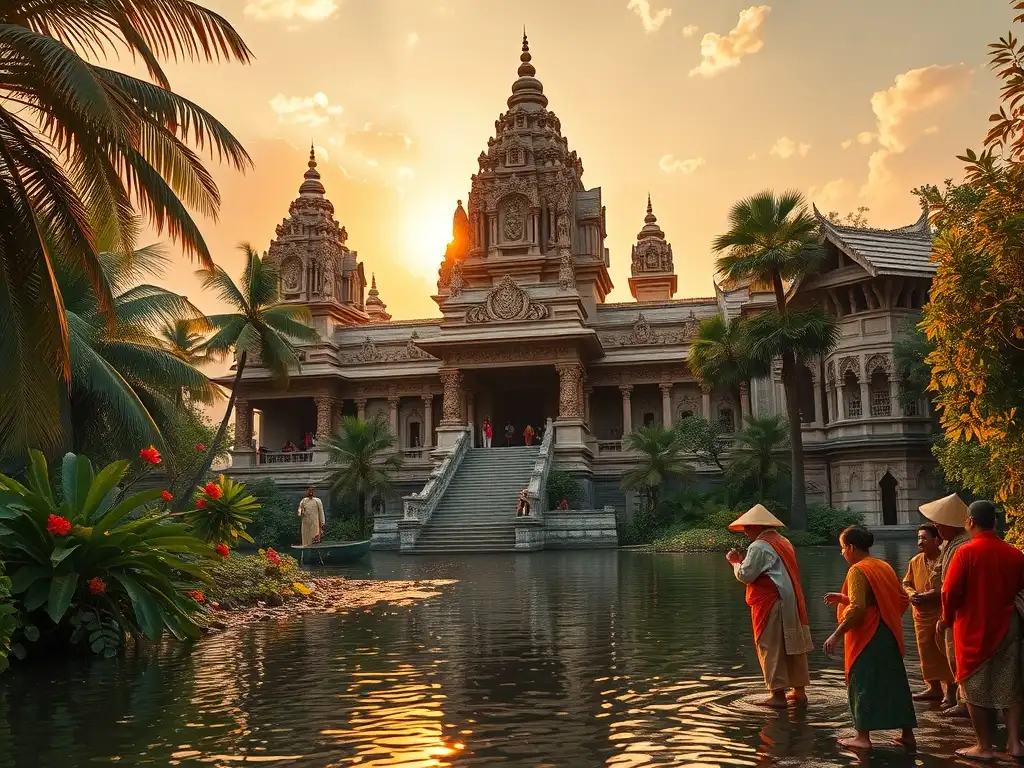
Welcome to Ancient India History, where we embark on a fascinating journey through the rich tapestry of ancient Indian civilizations. Delve into the captivating influence of Gupta art on Southeast Asian cultures, a topic that not only highlights India's artistic legacy but also reveals the profound connections that shaped the cultural landscape of the region.
As you explore our insights and discoveries, prepare to uncover the intricate ways in which Gupta artistry transcended borders, leaving an indelible mark on the hearts and minds of neighboring cultures. Join us as we unravel the stories and significance behind this remarkable exchange—your adventure into the past begins here!
Introduction to Gupta Art and Its Significance
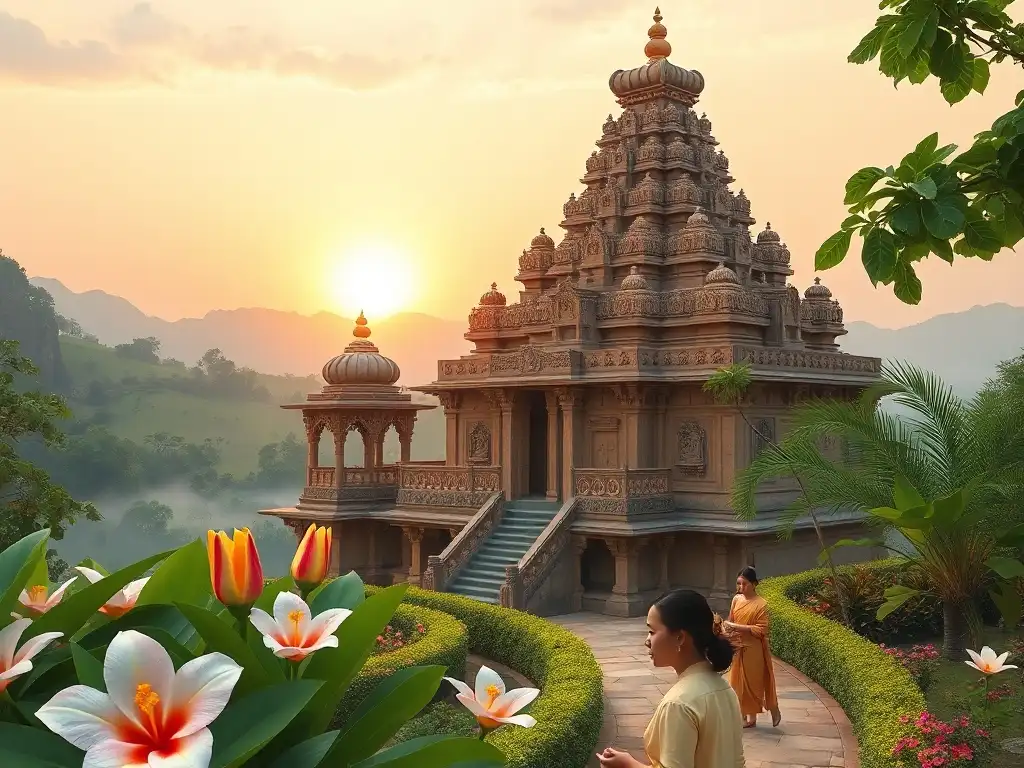
The Gupta Empire, often heralded as a Golden Age in Indian history, flourished from approximately 320 to 550 CE. This era was marked by significant advancements in various fields, including science, mathematics, literature, and art. One of the most profound contributions of this period was the development of Gupta art, which not only defined the cultural landscape of ancient India but also exerted a lasting influence on neighboring regions, particularly Southeast Asia.
Gupta art is characterized by its intricate sculptures, striking architecture, and refined aesthetics, which embodied the spiritual and philosophical ideals of the time. In this article, we will explore how Gupta art influenced Southeast Asian cultures, leaving a legacy that resonates in the artistic traditions of countries such as Thailand, Cambodia, and Indonesia.
Overview of the Gupta Empire's Cultural Achievements
The Gupta Empire is renowned for its cultural achievements that laid the foundation for many aspects of modern Indian culture. Key areas of advancement included:
- Literature and Philosophy: The period saw the creation of notable works, including Kalidasa's plays and the compilation of the Puranas, which enriched Indian literature.
- Science and Mathematics: Scholars like Aryabhata made significant contributions to astronomy and mathematics, including the concept of zero and decimal notation.
- Religion and Philosophy: The Gupta era was instrumental in the spread of Hinduism and Buddhism, with art serving as a vehicle for religious expression and philosophical thought.
These achievements not only strengthened the identity of the Gupta Empire but also facilitated cultural exchanges with neighboring regions, setting the stage for the influence of Gupta art on Southeast Asia.
Definition and Characteristics of Gupta Art
Gupta art can be defined as a distinctive style that emerged during the Gupta period, characterized by:
- Naturalism: Sculptures from this era exhibit a remarkable sense of realism, with attention to human anatomy and expressions.
- Iconography: The art is rich in religious symbolism, often depicting Hindu deities such as Vishnu and Shiva, as well as Buddhist figures.
- Architectural Innovation: The construction of temples with intricate carvings and elaborate designs became a hallmark of Gupta architecture, influencing temple designs across Asia.
This blend of aesthetic beauty and spiritual depth is what makes Gupta art a significant contributor to the cultural heritage of Southeast Asia.
Historical Context of Gupta Art
The Emergence of Gupta Art in Ancient India
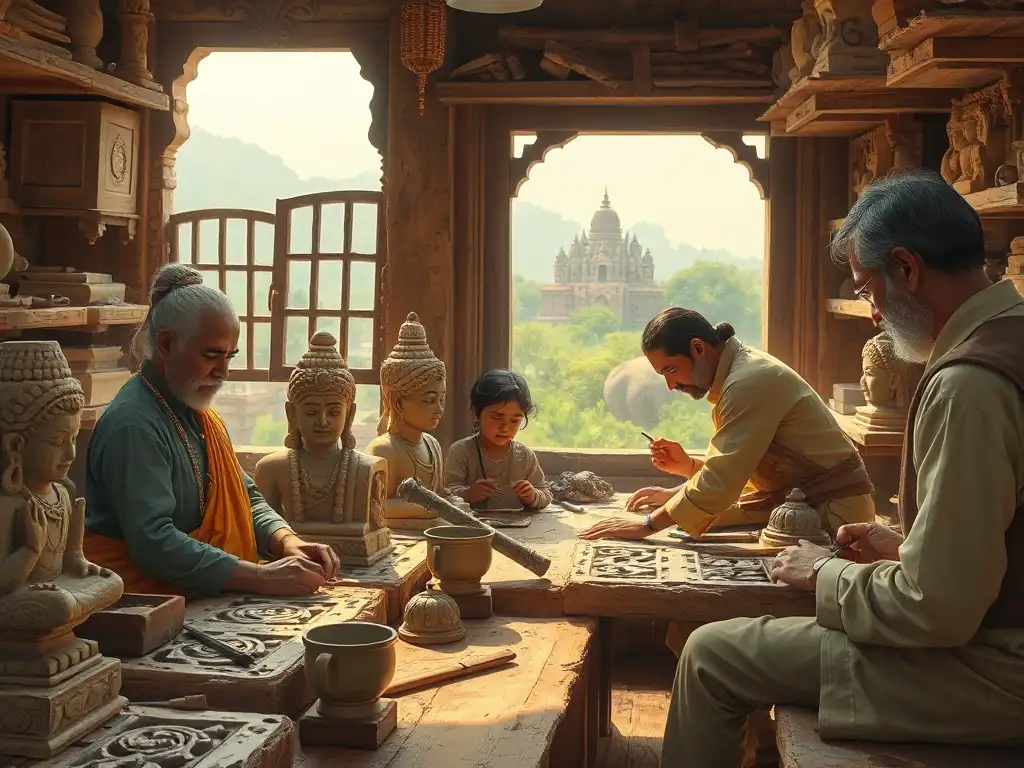
The emergence of Gupta art can be traced back to the early centuries of the Common Era, as the Gupta Empire consolidated its power. This period saw a shift from earlier artistic traditions, such as the Mauryan and Shunga styles, towards a more refined and sophisticated aesthetic. The development of trade routes and increased interactions with other cultures facilitated the exchange of artistic ideas and techniques, enabling Gupta artists to innovate and create a unique style that reflected both local traditions and external influences.
Key Historical Figures and Artists in the Gupta Period
The Gupta period was home to several key figures who played a crucial role in the development of art. Notable artists and patrons included:
- Samudragupta: Often referred to as the "Napoleon of India," he was a great patron of the arts, commissioning numerous sculptures and monuments that exemplified Gupta artistry.
- Chandragupta II: His reign furthered the cultural landscape, with significant contributions to temple architecture and sculpture.
These figures not only fostered artistic talent but also established a legacy that would inspire subsequent generations of artists in both India and Southeast Asia.
Through this exploration, we will delve deeper into the specific influences of Gupta art on the cultures of Southeast Asia, examining how this ancient Indian legacy took root and flourished across the region.
The Spread of Gupta Art to Southeast Asia
The Gupta Empire, often celebrated as the Golden Age of India, not only advanced the arts and sciences within its own borders but also had a profound influence on neighboring regions, particularly Southeast Asia. This cultural diffusion occurred primarily through extensive trade networks and the movements of people, including merchants, scholars, and travelers. As these individuals traversed land and sea routes, they carried with them not only goods but also ideas, artistic techniques, and cultural practices.
The Gupta period, spanning from approximately 320 to 550 CE, saw a flourishing of artistic expression that resonated beyond India. Southeast Asia, with its diverse cultures and burgeoning city-states, became a canvas for the application of Gupta art. This exchange led to the development of unique artistic styles that blended indigenous traditions with Indian influences, resulting in a rich tapestry of cultural heritage across the region.
Trade Routes and Cultural Exchanges
The trade routes connecting India to Southeast Asia were vital conduits for the exchange of art and culture. The maritime trade routes, particularly those across the Indian Ocean, facilitated not just the exchange of goods like spices, textiles, and precious stones, but also ideas and artistic practices. Prominent ports in India such as Calicut and Cochin served as hubs where merchants and travelers would congregate, enabling cultural interactions.
As traders journeyed to Southeast Asia, they introduced the aesthetic principles of Gupta art, characterized by its intricate carvings, harmonious proportions, and symbolic motifs. The establishment of trading cities in Southeast Asia, such as Srivijaya and Funan, created a melting pot of cultures where Indian artistic influences could flourish. This interaction was not one-sided; local artists absorbed these influences and reinterpreted them within their own cultural contexts, leading to a dynamic exchange.
Influence of Indian Merchants and Scholars in Southeast Asia
Indian merchants played a crucial role in the dissemination of Gupta art across Southeast Asia. Their presence in the region fostered not only economic ties but also cultural exchanges. These merchants often settled in trading hubs, establishing communities that became centers of Indian culture. Through their interactions with local populations, they shared not only commercial knowledge but also religious and artistic traditions.
Additionally, Indian scholars traveled to Southeast Asia as part of this exchange. They brought with them texts on philosophy, religion, and art, which significantly influenced local intellectual traditions. The establishment of Hindu and Buddhist temples in Southeast Asia, decorated with Gupta-style artistry, is a testament to the enduring legacy of these interactions. The influence of Indian thought and aesthetics is evident in the art and architecture of countries such as Indonesia, Thailand, and Cambodia, where Gupta-inspired motifs can still be observed today.
Key Features of Gupta Art Influencing Southeast Asia
The artistic legacy of the Gupta Empire is marked by several distinctive features that greatly influenced the art of Southeast Asia. These characteristics include architectural innovations, sculptural styles, and decorative arts that reflected the cultural syncretism of the time. As these elements made their way into Southeast Asian cultures, they not only enriched local art forms but also established a shared cultural heritage that persists to this day.
Architectural Innovations and Temples
One of the most significant contributions of Gupta art to Southeast Asia is its architectural innovations, particularly in temple construction. Gupta architecture is characterized by its monumental scale, intricate carvings, and the use of stone as a primary building material. This style greatly influenced the design of Hindu and Buddhist temples throughout Southeast Asia.
In Indonesia, for example, the temples of Borobudur and Prambanan showcase structural elements and decorative motifs that mirror Gupta architectural styles. The verticality and ornate detailing of these structures reflect the influence of Gupta designs, adapted to local materials and methods. The incorporation of mandapas (pillared halls) and shikharas (spire-like structures) in temple architecture across Southeast Asia can be traced back to Gupta prototypes, demonstrating the lasting impact of Indian architectural principles.
Sculpture and Iconography: A Cross-Cultural Exchange
Sculpture is another area where the influence of Gupta art is prominently observed in Southeast Asian cultures. Gupta sculptures are renowned for their idealized forms, grace, and intricate detailing. The adaptation of these artistic techniques in Southeast Asia led to the creation of iconic religious figures and motifs.
The depictions of Hindu deities like Vishnu and Shiva, as well as Buddhist figures such as the Buddha, often reflect the stylization seen in Gupta sculptures. For instance, the Angkor Wat temple complex in Cambodia features extensive bas-reliefs and statues that bear the hallmarks of Gupta artistry. This cross-cultural exchange illustrates how local artists absorbed and transformed Gupta iconography to convey their own cultural narratives, blending Indian themes with local beliefs and practices.
Painting and Decorative Arts in Southeast Asian Cultures
The decorative arts, including painting, also saw significant influence from Gupta art. The vibrant colors and intricate patterns typical of Gupta paintings inspired a range of decorative styles in Southeast Asia. These influences can be seen in the murals and frescoes that adorned temples and palaces, often illustrating religious stories and local legends.
In places like Thailand and Cambodia, the application of Gupta-inspired techniques in painting led to the creation of visually stunning artworks that convey both spiritual and cultural narratives. The use of gold leaf, vibrant pigments, and meticulous detail in these paintings reflects the aesthetic principles established during the Gupta period, showcasing the enduring legacy of Indian artistic traditions in Southeast Asia. The synthesis of Gupta art with local styles has contributed to a rich and diverse artistic heritage that continues to be celebrated today.
Case Studies of Gupta Art Influence in Southeast Asian Cultures
The Gupta Empire, often referred to as the Golden Age of India, made significant contributions to art and culture that transcended its borders, particularly influencing Southeast Asia. Through trade, diplomacy, and the spread of religion, Gupta art found its way into the artistic expressions of various Southeast Asian cultures. The following sections highlight key examples of this influence, showcasing how Gupta aesthetics shaped the region's architectural and artistic landscapes.
The Borobudur Temple: A Reflection of Gupta Aesthetics
The Borobudur Temple in Indonesia stands as a monumental testament to the influence of Gupta art on Southeast Asian architecture. Constructed in the 8th and 9th centuries, Borobudur showcases elements that are reminiscent of Gupta styles, particularly in its intricate relief carvings and stupas. The temple's design features a series of platforms that culminate in a large stupa, reflecting the architectural principles of the Gupta period.
The reliefs on Borobudur narrate Javanese interpretations of Buddhist teachings, yet they also exhibit stylistic parallels to Gupta sculptures, such as the use of flowing drapery and serene facial expressions. Furthermore, the temple’s emphasis on symbolic meaning, where every architectural element serves a purpose in conveying spiritual narratives, echoes the Gupta dedication to integrating art with philosophy and religion.
The Influence on Khmer Art and Architecture
Gupta art had a profound impact on Khmer art and architecture, particularly during the reign of the Khmer Empire from the 9th to the 15th centuries. Temples such as Angkor Wat and Bayon reflect the sophisticated artistry that emerged from this cultural synthesis. The Khmer adopted the Gupta style of temple architecture, which included intricate carvings, large-scale stone constructions, and the use of bas-relief to depict mythological narratives.
The fusion of Gupta artistic principles with local traditions led to the creation of a unique Khmer identity. Statues of Hindu deities and scenes from Indian epics, rendered with Gupta finesse, became common in Khmer temples. This blend illustrates how the Gupta influence was not merely an adoption but rather a transformation that enriched the local artistic narrative.
Indian Epics in Southeast Asian Art: Ramayana and Mahabharata
The influence of Gupta art extended into the realm of storytelling, particularly through the Indian epics, the Ramayana and Mahabharata. These narratives were not only integral to Indian culture but also found a prominent place in the artistic expressions of Southeast Asian cultures. Temples and sculptures across the region, including those in Cambodia and Thailand, depict scenes from these epics, illustrating their popularity and significance.
The integration of these stories into local art forms was facilitated by the Gupta's established artistic techniques. The narrative style of Gupta art, characterized by dynamic poses and expressive figures, was employed by Southeast Asian artists to convey complex stories and moral lessons. This cultural exchange not only enriched the art forms of Southeast Asia but also helped to disseminate Indian cultural values throughout the region.
The Lasting Impact of Gupta Art on Southeast Asian Identity
The influence of Gupta art has had a lasting impact on the cultural identity of Southeast Asia, intertwining Indian aesthetic principles with local traditions. This synthesis has resulted in a unique artistic heritage that continues to resonate in contemporary Southeast Asian cultures.
Integration of Gupta Artistic Styles in Local Traditions
Southeast Asian artists and craftsmen absorbed various elements of Gupta art, incorporating them into their own artistic practices. The result was a distinctive blend that maintained the essence of Gupta aesthetics while adapting to local tastes and materials. For instance, the use of sandstone in Khmer sculptures mirrored the techniques and styles of Gupta stone carvings but was uniquely adapted to fit regional contexts.
This integration also reflects the broader cultural interactions between India and Southeast Asia, where art became a medium for expressing local identities while acknowledging Indian influences. The continued reverence for Gupta-inspired art forms demonstrates the lasting legacy of this ancient exchange and its role in shaping Southeast Asian artistic traditions.
The Role of Religion in Shaping Artistic Expressions
Religion played a crucial role in shaping the artistic expressions influenced by Gupta art in Southeast Asia. As Buddhism and Hinduism spread to the region, they brought with them rich artistic traditions rooted in Gupta aesthetics. Temples dedicated to these religions often featured Gupta-style sculptures and reliefs, which served as a means of conveying religious narratives and doctrines.
Moreover, the representation of deities and mythological figures in Southeast Asian art often mirrored Gupta iconography, emphasizing the spiritual significance of these works. The artistic expressions became a reflection of the shared cultural and religious ties, underscoring how Gupta art not only influenced aesthetics but also enriched the spiritual landscape of Southeast Asia. This interplay of religion and art continues to be a defining characteristic of the region's cultural identity today.
Conclusion: The Enduring Legacy of Gupta Art in Southeast Asia
The influence of Gupta art on Southeast Asian cultures is a testament to the profound connections that existed between ancient India and its neighboring regions. The Gupta period, often hailed as the Golden Age of India, produced a rich tapestry of artistic expression that transcended geographical boundaries. This legacy is evident in various aspects of art, architecture, sculpture, and religious practices in Southeast Asia, particularly in countries like Indonesia, Thailand, and Cambodia.
The intricate carvings, the emphasis on narrative in sculptures, and the stylistic elements borrowed from Gupta art have left an indelible mark on Southeast Asian artistic traditions. Temples such as Angkor Wat in Cambodia and the Borobudur in Indonesia showcase the blending of indigenous styles with Gupta influences, creating unique architectural marvels that reflect the cultural syncretism of the era. Thus, the Gupta artistic legacy is not only a historical artifact but also a continuing source of inspiration that resonates within Southeast Asian cultures today.
Summary of Key Influences and Cultural Exchanges
The Gupta Empire's influence on Southeast Asia can be summarized through several key aspects:
- Architectural Innovations: The introduction of Hindu and Buddhist temple designs, characterized by ornate carvings and intricate reliefs, which became prominent in Southeast Asia.
- Sculptural Styles: The Gupta period set the standard for sculpture with its graceful figures and expressive postures, influencing local artisans across the region.
- Religious Iconography: The dissemination of Hindu and Buddhist iconography from India to Southeast Asia facilitated the spread of these religions, deeply embedding them in local cultures.
- Trade and Cultural Exchange: Maritime trade routes facilitated not just commerce but also the exchange of artistic ideas, with merchants and travelers carrying artistic motifs and techniques to Southeast Asian shores.
These influences highlight a dynamic cultural exchange, where Gupta art not only shaped the artistic landscape of Southeast Asia but also fostered a deeper understanding of religious and cultural identities in the region.
Future Research Directions on Gupta Art and Southeast Asian Cultures
Future research on Gupta art and its influence on Southeast Asian cultures could take several promising directions:
- Comparative Studies: Conducting comparative analyses between Gupta art forms and local Southeast Asian artistic traditions could reveal deeper insights into the adaptation and transformation of styles.
- Archaeological Excavations: Continued archaeological efforts in Southeast Asia may uncover new artifacts and sites that showcase Gupta artistic influence, providing a clearer picture of historical interactions.
- Cultural Narratives: Investigating local narratives and oral histories regarding the introduction of Gupta art can shed light on how these influences were received and integrated by local populations.
- Interdisciplinary Approaches: Utilizing interdisciplinary methodologies, including anthropology, history, and art history, could enrich our understanding of the cultural exchanges between the Gupta Empire and Southeast Asian societies.
By pursuing these research avenues, scholars can further illuminate the complexities of Gupta art's legacy and its lasting impact on the cultural fabric of Southeast Asia.
- Introduction to Gupta Art and Its Significance
- Overview of the Gupta Empire's Cultural Achievements
- Definition and Characteristics of Gupta Art
- Historical Context of Gupta Art
- The Spread of Gupta Art to Southeast Asia
- Key Features of Gupta Art Influencing Southeast Asia
- Case Studies of Gupta Art Influence in Southeast Asian Cultures
- The Lasting Impact of Gupta Art on Southeast Asian Identity
- Conclusion: The Enduring Legacy of Gupta Art in Southeast Asia
Frequently Asked Questions
What is Gupta art?
Gupta art refers to the artistic style that flourished during the Gupta Empire (approximately 320-550 CE), known for its intricate sculpture, fine metalwork, and beautiful frescoes.
How did Gupta art influence Southeast Asia?
Gupta art significantly influenced Southeast Asian cultures through trade, migration, and cultural exchange, leading to the adoption of artistic techniques and religious themes in regions like Indonesia and Thailand.
What are some examples of Gupta art found in Southeast Asia?
Examples include temple sculptures, Buddhist iconography, and architectural designs that reflect Gupta influence, especially in sites like Borobudur and the Angkor Wat temple complex.
Why is the study of Gupta art important?
Studying Gupta art is crucial for understanding the interconnectedness of ancient civilizations and the cultural diffusion that shaped the artistic traditions in both India and Southeast Asia.
How did trade facilitate the spread of Gupta art?
Trade routes enabled the exchange of ideas and artistic styles, allowing Gupta artisans to share their techniques and aesthetic principles with Southeast Asian cultures, thus enhancing their artistic expressions.
Final Reflection: The Enduring Legacy of Gupta Art in Southeast Asia
The influence of Gupta art on Southeast Asian cultures is not just a historical footnote; it remains a vibrant thread woven into the fabric of contemporary artistic expression. As we explore the intricate ways in which Gupta art has shaped the cultural landscapes of Southeast Asia, we recognize that its impact transcends time, continuing to inspire artists, architects, and scholars alike. The beauty and sophistication of Gupta art serve as a reminder of the interconnectedness of human creativity across borders and eras.
Clearly, the legacy of Gupta art has left an indelible mark on the cultural and social dynamics of Southeast Asia. From the majestic temple architecture to the intricate sculptures that adorn sacred spaces, the influence of Gupta aesthetics can be seen in the region's rich artistic tapestry. As we reflect on this enduring influence, we are reminded of the words of the art historian Ananda K. Coomaraswamy: Art is not a thing; it is a way.
This perspective invites us to consider how the principles and philosophies behind Gupta art continue to resonate within the cultural practices of Southeast Asian communities today.
As we move forward, let us take a moment to reflect on how the lessons of Gupta art can inspire our own lives and creative endeavors. Embrace the idea that art is a bridge connecting diverse cultures and histories. Consider how you can incorporate the values of beauty, harmony, and interconnectedness into your own artistic expressions or daily interactions. By doing so, we not only honor the legacy of Gupta art but also contribute to a more enriched and culturally aware world.
Unveil the Rich Heritage of Gupta Art!
Thank you for diving into the fascinating world of Gupta art and its profound influence on Southeast Asian cultures! Your curiosity about this artistic legacy not only enriches your understanding but also connects you to a vibrant history that spans centuries.
Now, let’s take the next step together to deepen your exploration:
- Visit a local museum: Experience Gupta art firsthand by exploring exhibitions or galleries that showcase ancient Indian artifacts.
- Join an online forum: Engage with fellow history enthusiasts by sharing your insights and questions on platforms dedicated to ancient cultures.
- Create your own art piece: Let the beauty of Gupta aesthetics inspire you to craft an artwork that reflects its elegance—whether through painting, sculpture, or digital design!
What aspect of Gupta art do you believe has had the most enduring impact on Southeast Asian cultures? Share your thoughts below and let’s spark a conversation!