
The Influence of Neighboring Cultures on Daily Life in the Indus Valley

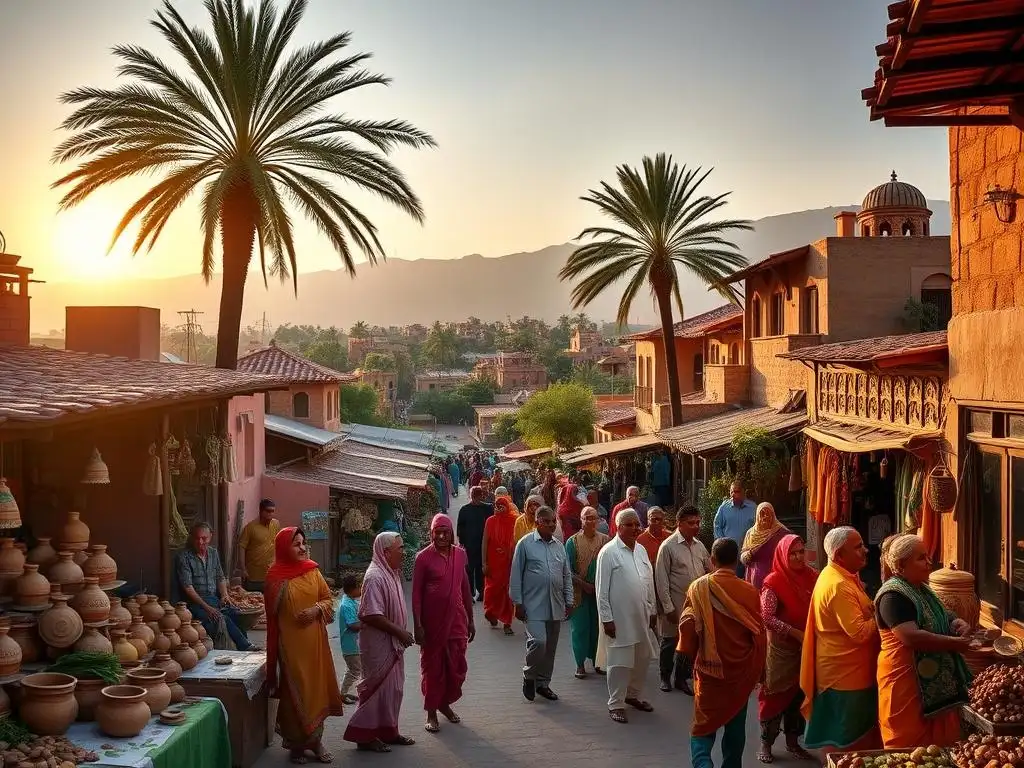
Welcome to Ancient India History, your gateway to the captivating tapestry of one of the world's oldest civilizations. Here, we delve into the rich and diverse history, culture, and contributions of ancient Indian societies, exploring everything from the enigmatic Indus Valley to the illustrious Gupta Empire. In our featured article, "The Influence of Neighboring Cultures on Daily Life in the Indus Valley," we invite you to uncover the profound ways in which surrounding cultures shaped the daily lives of the people in this remarkable civilization.
What secrets lie in their customs, trade practices, and social structures? Join us in this exploration, and let your curiosity guide you deeper into the fascinating world of ancient India!
Introduction to Indus Valley Daily Life Influences
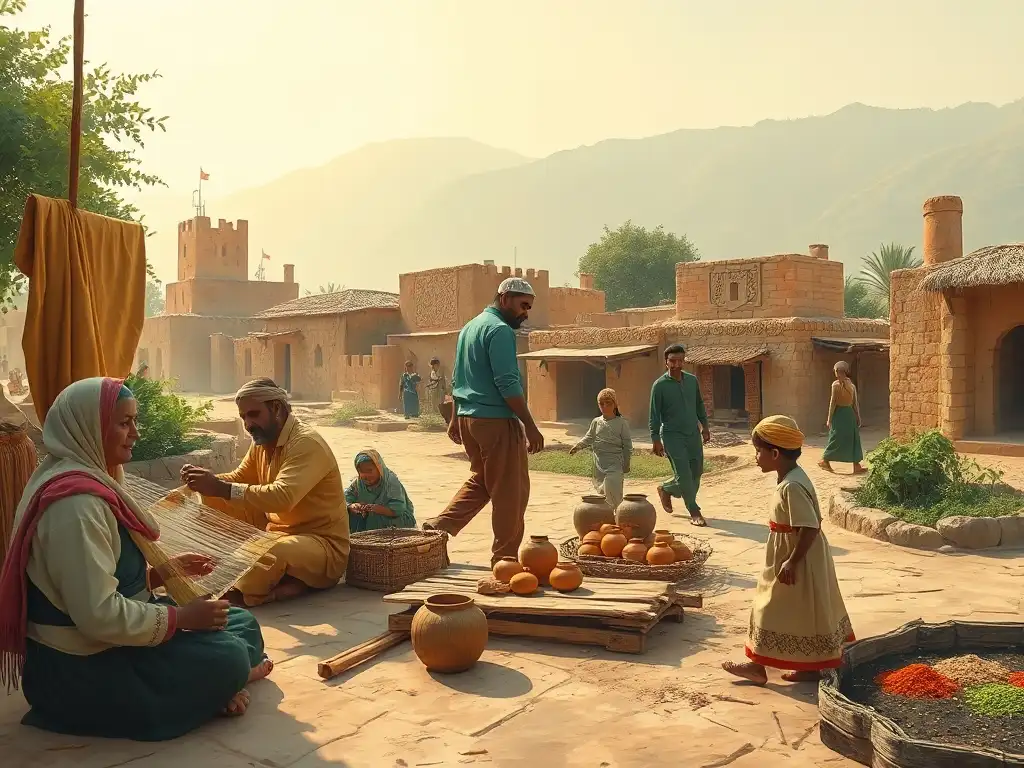
The Indus Valley Civilization, one of the most advanced urban cultures of the ancient world, flourished between approximately 3300 and 1300 BCE in what is now modern-day Pakistan and northwest India. Renowned for its sophisticated city planning, impressive architecture, and advanced drainage systems, the daily life of the people in the Indus Valley was significantly shaped by various external influences.
Understanding these influences is crucial for comprehending the complexity and richness of their society. This article delves into how neighboring cultures impacted the daily life of the Indus Valley inhabitants, revealing the intricate web of interactions that contributed to their cultural development, social practices, and economic activities.
Overview of the Indus Valley Civilization
The Indus Valley Civilization (IVC) was characterized by its well-organized cities such as Harappa and Mohenjo-Daro, which showcased advanced engineering and urban planning. The civilization's economy was primarily based on agriculture, with crops like wheat and barley being cultivated extensively. The IVC also engaged in trade with neighboring regions, which facilitated not only economic exchanges but also cultural interactions. Artifacts from this period, such as seals, pottery, and tools, illustrate the daily life of its people, including their artistic expressions and technological advancements.
Importance of Cultural Interactions in the Ancient World
Cultural interactions played a pivotal role in shaping the societies of ancient civilizations. The exchange of ideas, technologies, and practices among neighboring cultures often led to significant advancements in various fields, including art, architecture, and agriculture. For the people of the Indus Valley, these interactions were essential for integrating new agricultural techniques, crafts, and trade practices into their daily lives. The historical context of these exchanges allows us to appreciate the diversity and dynamism of ancient cultures, highlighting the interconnectedness of human societies.
The Role of Geography in Cultural Exchange
Geographic Location of the Indus Valley
The Indus Valley is strategically located between the Arabian Sea and the Himalayas, making it a significant crossroads for trade and cultural exchange. This geographic positioning facilitated interactions with various neighboring cultures, including those from Mesopotamia, Persia, and Central Asia. The fertile plains of the Indus River provided not only sustenance but also a means of transport and communication, allowing for the easy movement of goods and ideas. The river system played a crucial role in the agricultural practices of the IVC and served as a highway for traders and travelers alike.
Proximity to Neighboring Civilizations: A Catalyst for Influence
The closeness of the Indus Valley to other ancient civilizations, such as Mesopotamia and the Persian Empire, acted as a catalyst for various influences that permeated daily life in the region. Archaeological evidence suggests that trade routes connected the IVC to these cultures, leading to an exchange of materials, technologies, and even religious practices.
For instance, the adoption of certain agricultural techniques from Mesopotamia likely enhanced crop yields in the Indus Valley, while the introduction of new crafts and art styles enriched the local culture. This blend of influences created a unique tapestry of daily life that was both distinct and reflective of broader ancient trends.
Key Neighboring Cultures and Their Impact
The Indus Valley Civilization, flourishing between 3300 BCE and 1300 BCE, was strategically located near several influential cultures. These neighboring civilizations, including Mesopotamia, Persia, and Central Asian tribes, played a significant role in shaping various aspects of daily life in the Indus Valley. Through trade, cultural exchange, and migration, elements such as architecture, religious practices, and artistic expression were enriched and diversified. Understanding these influences is crucial to appreciating the complexity of the Indus Valley society and its interactions with the broader ancient world.
The Influence of Mesopotamian Culture on Indus Valley Society
The cultural exchange between the Indus Valley and Mesopotamia was particularly pronounced due to their proximity and active trade routes. Mesopotamia, known for its advanced urban centers like Ur and Babylon, contributed significantly to various aspects of Indus Valley life.
- Trade Relations: Archaeological evidence indicates that the Indus Valley engaged in extensive trade with Mesopotamia, exchanging goods such as cotton textiles, beads, and precious stones. This trade fostered economic interdependence and likely facilitated cultural exchanges.
- Writing Systems: The Indus script remains undeciphered, but some scholars suggest influences from the cuneiform writing system of Mesopotamia. This connection may have inspired the development of administrative practices in the Indus Valley, aiding in trade and governance.
- Urban Planning: The sophisticated urban planning seen in cities like Harappa and Mohenjo-Daro reflects potential Mesopotamian influence. Features such as grid-patterned streets and advanced drainage systems may have drawn inspiration from contemporary Mesopotamian cities.
The Impact of Persian Culture on Indus Valley Life
The Persian Empire, particularly during the Achaemenid period, extended its influence into the northwest regions of the Indian subcontinent. This interaction left a notable mark on the Indus Valley civilization.
- Trade and Economy: The Persians established trade routes that connected their empire with the Indus Valley, facilitating the exchange of goods, ideas, and cultural practices. This interaction likely enhanced the economic prosperity of the Indus Valley.
- Artistic Influences: The artistic styles of the Persians, characterized by intricate designs and motifs, may have influenced the craftsmanship in the Indus Valley. The use of specific materials and artistic techniques can be traced back to Persian traditions.
- Religious Syncretism: The introduction of Zoroastrian beliefs by Persian traders and settlers may have contributed to the religious tapestry of the Indus Valley. The blending of local beliefs with Persian religious concepts reflects a broader trend of religious syncretism.
The Role of Central Asian Cultures in Shaping Indus Valley Traditions
Central Asian nomadic cultures, particularly the Indo-Iranians, were instrumental in shaping various aspects of life in the Indus Valley. Their migration and interactions introduced new technologies and cultural practices.
- Agricultural Techniques: The arrival of Indo-Iranian peoples brought with them advanced agricultural practices, including the cultivation of new crops. This agricultural diversification likely enhanced food security and supported population growth in the Indus Valley.
- Pottery and Craftsmanship: The influence of Central Asian pottery styles can be observed in the ceramics produced in the Indus Valley. The introduction of new techniques and designs enriched the local artistic traditions.
- Social Structure: The nomadic lifestyle of Central Asian cultures may have influenced the social organization within the Indus Valley. The integration of pastoral practices alongside agricultural ones reflects a blend of lifestyles and economic strategies.
Daily Life in the Indus Valley: A Blend of Influences
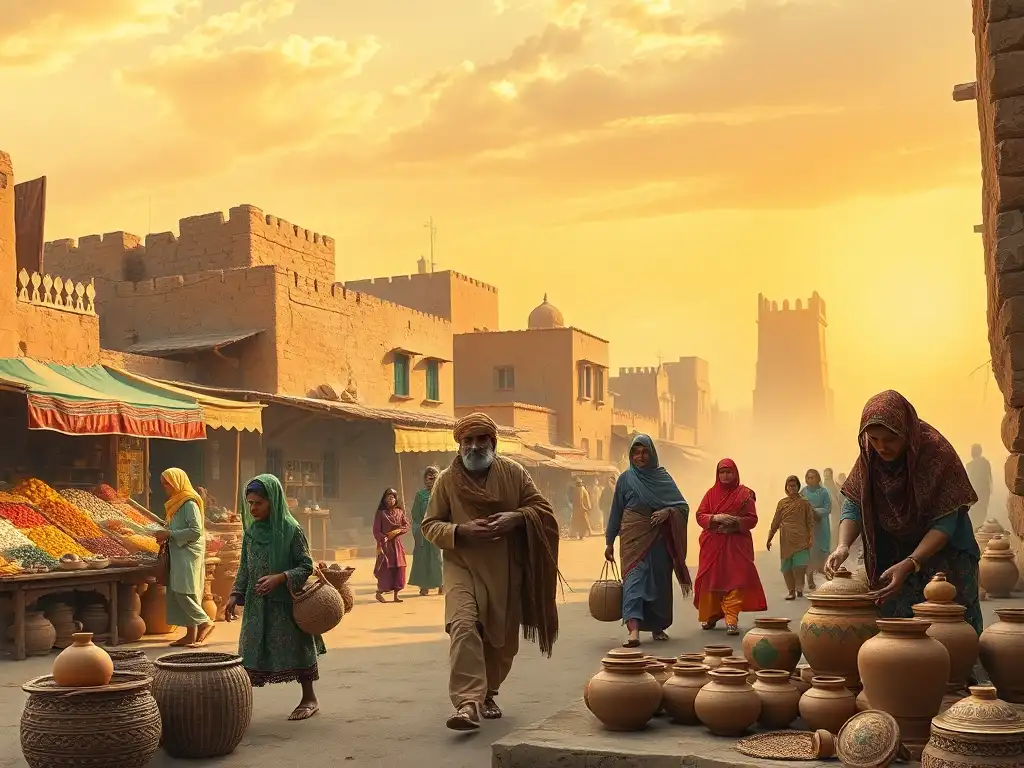
The daily life of the Indus Valley civilization was characterized by a rich tapestry of influences from neighboring cultures. This blend of customs, practices, and innovations created a unique societal framework that shaped the identities of its inhabitants.
Domestic Life and Architecture: Influences from Neighbors
Domestic life in the Indus Valley was largely influenced by architectural styles and domestic practices from neighboring regions.
- Housing Styles: The construction techniques utilized in Indus Valley settlements echo influences from Mesopotamian and Persian architecture. Houses built with baked bricks and featuring flat roofs were common, reflecting a blend of practicality and aesthetic sensibilities.
- Urban Design: The systematic approach to urban planning, including the use of public wells and drainage systems, showcases the impact of both Mesopotamian and Central Asian urban designs. This focus on sanitation and public infrastructure highlights the sophistication of Indus Valley society.
- Domestic Artifacts: Household items, such as pottery, tools, and decorative objects, exhibit cross-cultural influences. The blending of styles reflects the interconnectedness of daily life with broader cultural currents.
Religious Practices and Beliefs: A Melting Pot of Cultures
The religious landscape of the Indus Valley was a complex amalgamation of various beliefs and practices drawn from neighboring cultures.
- Deities and Worship: The presence of figurines and seals depicting various deities suggests a syncretic religious practice that absorbed elements from both Mesopotamian and Central Asian spiritual beliefs. This blending may have enriched local religious traditions.
- Ritual Practices: Some archaeological findings indicate the use of fire altars and ritual bathing, which may have been inspired by Persian and Central Asian religious customs. These practices signify a shared belief in purification and the importance of ritual.
- Cultural Festivals: The integration of diverse cultural elements likely led to the celebration of festivals that combined local traditions with influences from neighboring cultures, showcasing the community's shared values and beliefs.
Clothing and Art: Cross-Cultural Inspirations
The artistic expressions and clothing styles of the Indus Valley civilization reflect a vibrant interaction with neighboring cultures, contributing to a unique artistic identity.
- Textile Production: The Indus Valley is noted for its advanced textile industry, particularly in cotton production. Influences from Mesopotamia can be seen in the patterns and dyeing techniques used, showcasing a blend of local innovation and external inspiration.
- Artistic Styles: The intricate designs found on pottery and seals often mirror motifs from Mesopotamian and Persian art. This cross-cultural exchange enriched the aesthetic experience of daily life and reflected the interconnectedness of ancient societies.
- Fashion and Identity: Clothing styles in the Indus Valley were diverse, incorporating influences from neighboring cultures. The use of jewelry and adornments often indicated social status and cultural affiliations, showcasing the influence of Persian and Central Asian styles.
Daily life in the Indus Valley was a dynamic interplay of influences from neighboring cultures, shaping its society in profound ways. The synthesis of these elements created a civilization that was both distinct and interconnected with the broader ancient world.
The Effects of Trade on Indus Valley Daily Life
The Indus Valley Civilization, flourishing from approximately 3300 BCE to 1300 BCE, was significantly shaped by its trade interactions with neighboring cultures. The strategic location of the Indus Valley, with access to both the Arabian Sea and overland routes to Central Asia and Mesopotamia, facilitated vibrant trade networks that not only enhanced economic prosperity but also enriched daily life.
Trade played a pivotal role in the development of urban centers like Harappa and Mohenjo-Daro, where merchants and artisans thrived. The influx of goods and ideas from neighboring regions led to the adoption of new technologies, artistic styles, and agricultural practices, which were seamlessly integrated into the daily routines of the Indus Valley inhabitants.
Trade Networks and Their Cultural Significance
The trade networks established by the Indus Valley Civilization were extensive and complex, connecting them with various regions, including Mesopotamia, Persia, and parts of the Arabian Peninsula. These connections allowed for the exchange of not only material goods but also cultural and technological innovations.
- Maritime Trade: The proximity of the Indus Valley to the Arabian Sea facilitated maritime trade with distant lands. Archaeological findings, such as seals and weights, indicate that the Indus people engaged in sea trade, exporting cotton textiles, pottery, and semi-precious stones while importing metals, ivory, and luxury items.
- Overland Trade Routes: The civilization also engaged in overland trade, with routes leading to Central Asia and beyond. These connections enabled the exchange of agricultural products, including grains and spices, which were integral to the diet and economy of the Indus Valley.
The cultural significance of these trade networks cannot be overstated. They fostered a cosmopolitan society where diverse influences merged, leading to advancements in urban planning, architecture, and social organization. This cross-cultural interaction laid a foundation for a rich cultural tapestry that defined daily life in the Indus Valley.
Commodities Exchanged and Their Influence on Daily Living
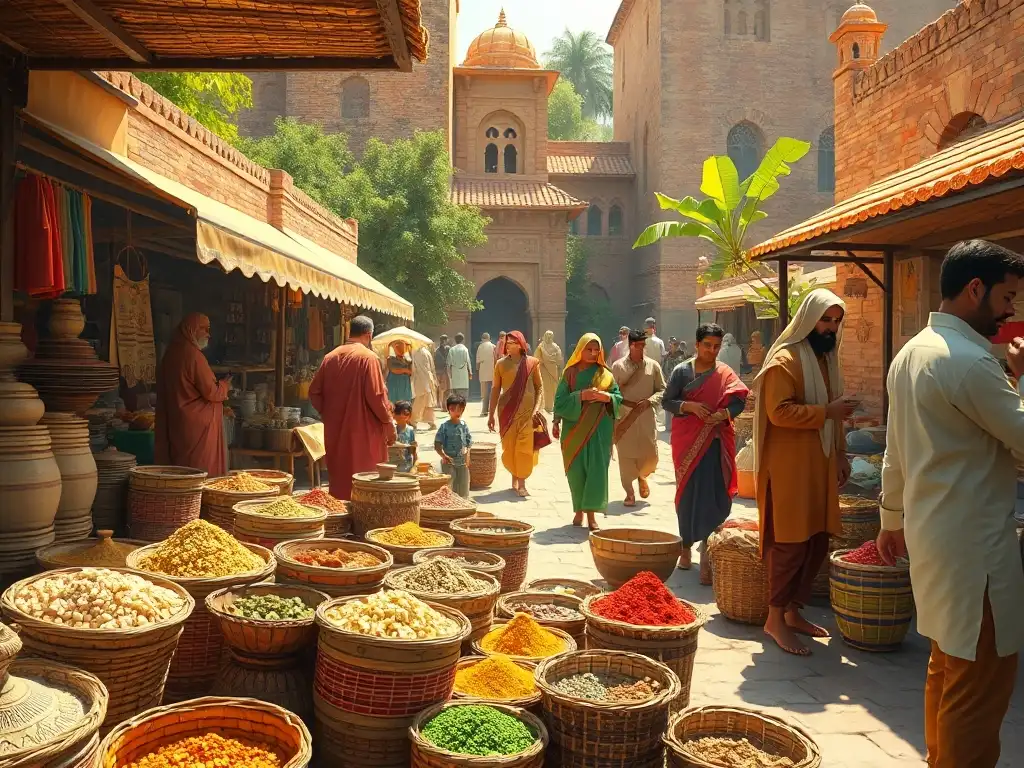
The Indus Valley's daily life was profoundly affected by the commodities exchanged through trade. The variety of goods available not only enhanced material culture but also influenced social structures and practices.
- Textiles: Cotton, a major export of the Indus Valley, revolutionized clothing and textile production. The advanced techniques in weaving and dyeing adopted from other cultures contributed to the development of elaborate garments that reflected social status and regional identities.
- Metals and Tools: The importation of metals, such as copper and bronze, allowed the Indus Valley inhabitants to create superior tools and weapons. This technological advancement improved agricultural efficiency and contributed to the growth of trade and craft specialization.
- Foodstuffs: The exchange of agricultural products led to dietary diversification. Spices, grains, and fruits from neighboring cultures enriched the local cuisine, influencing cooking methods and food preferences, which became integral aspects of daily life.
Through these commodities, the Indus Valley people not only improved their living standards but also established a cultural identity that was both unique and influenced by their neighbors.
Conclusion: The Legacy of Neighboring Cultures on Indus Valley Daily Life
The interplay between the Indus Valley Civilization and its neighboring cultures created a dynamic environment that significantly shaped its societal framework. Understanding these influences provides insight into the complexities of daily life during this era.
Summary of Influences on Society and Culture
The influences of neighboring cultures permeated various aspects of Indus Valley life, from economic practices to social norms. Trade fostered an interconnectedness that allowed for the exchange of ideas, technologies, and cultural practices. The result was a society that was not only economically vibrant but also culturally rich, showcasing a blend of local traditions and external influences.
Lasting Impacts on Future Indian Civilizations
The legacy of the Indus Valley's interactions with neighboring cultures laid the groundwork for future Indian civilizations. The innovations in urban planning, trade practices, and social organization influenced subsequent societies, including the Vedic civilization and the later empires of India. This historical tapestry highlights how the Indus Valley served as a cultural crucible, where diverse influences converged to shape the development of the Indian subcontinent's rich and diverse heritage. The impacts of these interactions continue to resonate in modern Indian culture, reflecting a long-standing tradition of adaptability and integration.
References and Further Reading
Exploring the influences on daily life in the Indus Valley is a fascinating journey into how this ancient civilization interacted with its neighbors. To deepen your understanding of these cultural exchanges and their impacts, consider the following resources.
Suggested Books on Indus Valley Civilization
-
"The Indus Valley Civilization" by Jane McIntosh
This comprehensive book provides an overview of the Indus Valley Civilization, its urban planning, trade networks, and daily life, highlighting the influences from neighboring cultures.
-
"Indus Valley: The First Urban Civilization" by Ravi K. Bhatia
A detailed exploration of the urban aspects of the Indus Valley, this book discusses the social structures and interactions with surrounding civilizations that shaped daily life.
-
"The Archaeology of Ancient India" by R. S. Sharma
This work delves into the archaeological findings of the Indus Valley and surrounding regions, offering insights into cultural exchanges and their impacts on society and daily activities.
-
"Cultural Interactions in Ancient India: The Case of the Indus Valley" by Aditi N. Ghosh
Focusing specifically on cultural interactions, this book examines how neighboring influences molded the social customs, art, and practices in the Indus Valley.
Articles and Journals on Cultural Interactions in Ancient India
-
"Trade and Cultural Exchange in the Indus Valley Civilization"
Published in the Journal of Ancient Indian History, this article analyzes the trade routes and cultural exchanges that contributed significantly to daily life in the Indus Valley.
-
"The Indus Valley Civilization and Its Neighbors: A Study of Cultural Interactions"
Found in Archaeological Review, this paper discusses the archaeological evidence of cultural influences from Mesopotamia and Persia, providing a clear picture of daily life adaptations.
-
"Urban Centers of the Indus Valley: A Reflection of Cultural Syncretism"
This research article, published in South Asian Studies, offers insights into how the urban centers of the Indus Valley were influenced by neighboring cultures, affecting everything from architecture to social customs.
-
"Cultural Crossroads: The Indus Valley and Its Neighbors"
An engaging read in The Indian Historical Review, this article explores how cultural exchanges shaped the social fabric and daily practices of the Indus Valley inhabitants.
These resources will provide a well-rounded understanding of the various influences on daily life in the Indus Valley and how they contributed to the rich tapestry of this ancient civilization.
- Introduction to Indus Valley Daily Life Influences
- The Role of Geography in Cultural Exchange
- Key Neighboring Cultures and Their Impact
- Daily Life in the Indus Valley: A Blend of Influences
- The Effects of Trade on Indus Valley Daily Life
- Trade Networks and Their Cultural Significance
- Commodities Exchanged and Their Influence on Daily Living
- Conclusion: The Legacy of Neighboring Cultures on Indus Valley Daily Life
- References and Further Reading
- What were the main influences on daily life in the Indus Valley?
- How did trade impact the Indus Valley civilization?
- What types of cultural practices influenced the Indus Valley?
- Were there any specific contributions from neighboring cultures?
- How did the geography of the Indus Valley affect its daily life?
Frequently Asked Questions
What were the main influences on daily life in the Indus Valley?
The daily life in the Indus Valley was significantly influenced by agriculture, trade, and cultural practices from neighboring civilizations, such as the Mesopotamians.
How did trade impact the Indus Valley civilization?
Trade played a crucial role in the Indus Valley civilization, facilitating the exchange of goods and ideas with neighboring cultures, which enriched their economy and daily life.
What types of cultural practices influenced the Indus Valley?
Cultural practices from neighboring regions included religious rituals, artistic expressions, and social norms, which blended into the daily life of the Indus Valley people.
Were there any specific contributions from neighboring cultures?
Yes, neighboring cultures contributed technological advancements, such as urban planning and water management systems, which significantly influenced daily life in the Indus Valley.
How did the geography of the Indus Valley affect its daily life?
The geography of the Indus Valley, with its fertile land and river systems, supported agriculture and facilitated trade, shaping the economic activities and daily routines of its inhabitants.
Final Reflection: The Enduring Impact of Indus Valley Daily Life Influences
The exploration of Indus Valley daily life influences reveals a rich tapestry of cultural interconnections that continue to resonate in our modern world. As we examine how neighboring cultures shaped the daily practices, beliefs, and social structures of the Indus Valley civilization, it becomes clear that these historical interactions are not merely relics of the past; they are foundational elements that inform contemporary society. The lessons learned from this ancient civilization remind us that cultural exchange is a powerful force that transcends time and geography.
The legacy of the Indus Valley is evident in the ongoing dialogue between cultures that enriches our social landscape today. The blending of traditions, customs, and innovations from neighboring societies has created a dynamic cultural fabric that weaves through our daily lives. This interconnectedness fosters a sense of community and shared identity, emphasizing the importance of understanding and appreciating our diverse backgrounds.
As Mahatma Gandhi once said, "> Our ability to reach unity in diversity will be the beauty and the test of our civilization." This quote encapsulates the essence of how cultural influences shape our existence and highlights the need for unity amidst diversity.
As we reflect on the influences of the Indus Valley, I invite you to consider how these lessons can be applied in your own life. Embrace the richness of cultural diversity around you and seek to understand the stories and traditions that shape your community. By doing so, you not only honor the past but also contribute to a more inclusive and harmonious future. Let us celebrate the influences that connect us and inspire one another to cultivate a world where cultural exchange thrives and enriches our daily lives.
Unveil the Rich Tapestry of Your Cultural Connections!
Thank you for taking the time to explore the fascinating influence of neighboring cultures on daily life in the Indus Valley! Understanding these connections not only enhances our knowledge of history but also reveals the intricate ways cultures shape our lives today.
Now, let's put this knowledge into action! Consider these next steps:
- Dive Deeper: Visit local museums or attend cultural events that celebrate the heritage of your community or nearby cultures. You might discover unexpected connections!
- Share Your Insights: Engage in discussions about the impact of cultural influences with friends or on social media. Start a conversation that can lead to a deeper understanding and appreciation of cultural diversity.
- Join a Community: Find online groups or local organizations that focus on exploring cultural histories. Connecting with like-minded individuals can broaden your perspective even further.
What cultural influence have you experienced in your daily life that surprised you? Share your story in the comments below!