
The Integration of Indigenous Practices into the Maurya Political System

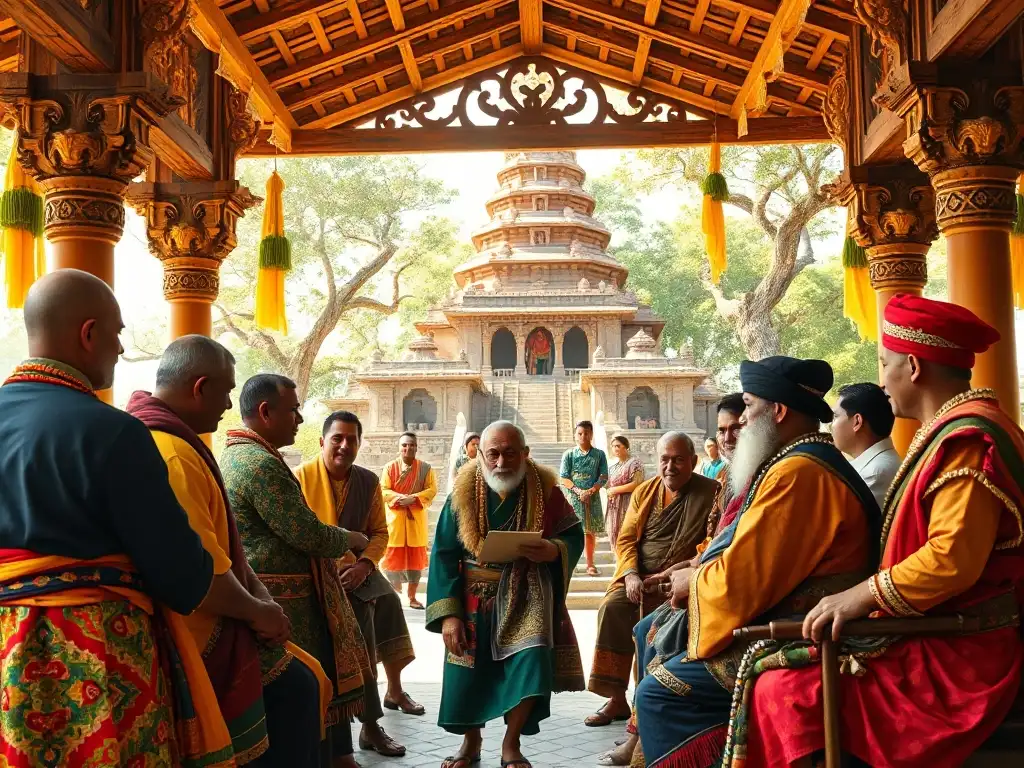
Welcome to Ancient India History, where we embark on a captivating journey through the rich tapestry of India's past. Here, we delve into the intriguing indigenous practices in Maurya governance, shedding light on how these traditions shaped one of the most influential political systems of ancient times.
As we explore the seamless integration of local customs and governance during the Maurya Empire, prepare to uncover the profound impact these practices had on society. Join us as we unravel the stories that connect ancient wisdom to contemporary understanding, and ignite your curiosity to learn more about the extraordinary civilizations that once thrived on this vibrant subcontinent.

The Maurya Empire, one of the largest and most influential empires in ancient India, is renowned for its sophisticated political structure and governance. A key aspect of the Maurya political system is the integration of indigenous practices, which played a pivotal role in shaping its administration and societal norms.
This article delves into how these practices were woven into the fabric of Maurya governance, highlighting their significance and impact on the empire’s stability and success. By exploring the relationship between indigenous practices and Maurya governance, we can better understand the complexities of one of the most remarkable periods in ancient Indian history.
Understanding Indigenous Practices in Ancient India
Definition of Indigenous Practices
Indigenous practices refer to the traditional customs, beliefs, and forms of governance that have been developed and maintained by local communities over generations. These practices encompass a wide range of elements, including social organization, conflict resolution, agricultural techniques, and spiritual beliefs. In the context of ancient India, indigenous practices were deeply intertwined with the cultural and societal norms of various regions, influencing how communities interacted with one another and governed themselves.
Historical Context of Indigenous Practices in India
The roots of indigenous practices in India can be traced back to the early civilizations, such as the Indus Valley Civilization, where local communities developed systems of governance and social order based on their unique geographical and cultural contexts. Over time, these practices evolved, absorbing influences from various dynasties and cultures that emerged across the subcontinent. By the time of the Maurya Empire (c. 322–185 BCE), these indigenous practices were well established and provided a rich tapestry of governance that the Mauryan rulers adeptly integrated into their political system.
Overview of the Maurya Political System
Key Features of Maurya Governance
The Maurya political system was characterized by a centralized administration, a vast bureaucratic network, and a strong military presence. Under the leadership of Emperor Chandragupta Maurya and his grandson Ashoka, the empire expanded significantly, necessitating an organized approach to governance. Key features included:
- Centralized Authority: The emperor held supreme power, supported by a council of ministers and regional governors.
- Administrative Divisions: The empire was divided into provinces, each governed by a viceroy, allowing for effective local governance.
- Legal Framework: A codified set of laws, influenced by indigenous practices, governed the conduct of individuals and the administration of justice.
The Role of Indigenous Influences in Maurya Politics
Indigenous practices were instrumental in shaping the political landscape of the Maurya Empire. The rulers recognized the importance of aligning their governance strategies with the cultural values and traditions of the local populations. This alignment served several purposes:
- Legitimacy: By incorporating indigenous practices, the Mauryan rulers garnered the support and loyalty of diverse communities.
- Social Cohesion: Indigenous customs facilitated social harmony, allowing for the integration of various ethnic and cultural groups within the empire.
- Administrative Efficiency: Local governance structures based on indigenous practices enabled more responsive and effective administration, as local leaders were familiar with the needs and dynamics of their communities.
The integration of indigenous practices into the Maurya political system not only strengthened the empire's governance but also fostered a sense of unity among its diverse population, ensuring the longevity and stability of one of ancient India's most remarkable civilizations.
Indigenous Practices in Maurya Governance
The Maurya Empire, which flourished from 322 to 185 BCE, is notable not only for its vast territorial expanse but also for its innovative political system. At the core of this system was the integration of indigenous practices that were deeply rooted in the traditions and cultures of the diverse population within the empire. These practices played a crucial role in shaping governance, administration, and the socio-political landscape of the Mauryan state. The Mauryan rulers recognized the significance of local customs, adapting them to reinforce their authority, foster loyalty among subjects, and ensure effective governance across varied regions.
Indigenous practices in Maurya governance were not merely superficial adaptations; they were essential to the legitimacy and effectiveness of the Mauryan administration. By incorporating local customs and traditions, the Mauryan rulers were able to create a sense of continuity and stability, bridging the gap between the old and the new. This approach allowed them to maintain control over a vast and diverse empire while respecting the cultural identities of different communities.
Examples of Indigenous Practices Adopted
Several indigenous practices were adopted by the Maurya Empire that significantly influenced its governance. One prominent example is the implementation of panchayat systems, which were local councils that played a vital role in community decision-making. These councils allowed for participatory governance and ensured that local voices were heard, thereby fostering a sense of ownership and responsibility among the populace.
Another indigenous practice was the use of traditional legal codes. The Mauryan rulers often drew upon established local laws and customs to formulate their legal framework, blending them with the overarching principles of Dharma. This integration not only preserved the local legal traditions but also ensured that the laws were relevant and accepted by the people.
Additionally, the Mauryan Empire utilized religious and cultural rituals to reinforce political authority. Rulers like Ashoka embraced Buddhism and its teachings, promoting principles such as non-violence and compassion, which resonated deeply with the local populace. Public ceremonies and rituals often served as a means to display royal power while simultaneously fostering a sense of unity among diverse groups.
Impact of Indigenous Customs on Political Decisions
The integration of indigenous customs had a profound impact on political decisions within the Maurya Empire. By aligning their policies with local traditions, Mauryan rulers were able to enhance their legitimacy and strengthen their rule. For instance, the emphasis on consultative governance through local councils allowed leaders to make more informed decisions that reflected the needs and desires of their constituents.
Moreover, indigenous customs influenced the administration of justice. By adhering to local legal traditions, the Mauryan rulers were more likely to be seen as just and fair, which in turn fostered loyalty among subjects and reduced the likelihood of dissent. This approach also facilitated more effective conflict resolution, as local customs often provided a framework for addressing grievances.
The adoption of indigenous practices also allowed for adaptive governance. As the Maurya Empire expanded, rulers encountered various cultural and social dynamics. Understanding and incorporating indigenous customs enabled them to tailor their policies to different regions, thereby enhancing administrative efficiency and public acceptance.
The Interplay Between Indigenous Practices and Maurya Policies
The relationship between indigenous practices and Maurya policies was characterized by a dynamic interplay that shaped the political landscape of the empire. Mauryan rulers were adept at leveraging local customs to inform their governance strategies, resulting in a political system that was both centralized and responsive to local needs.
One key aspect of this interplay was the balancing act between imperial authority and local autonomy. While the central government maintained overarching control, local leaders often retained significant power within their communities. This dual structure facilitated effective governance and fostered a sense of cooperation between different levels of authority.
How Indigenous Practices Shaped Administrative Strategies
Indigenous practices shaped administrative strategies in several ways. The decentralization of governance through local councils allowed for more responsive decision-making and resource allocation. This structure empowered local leaders to address specific issues within their communities, leading to improved governance outcomes.
Furthermore, the incorporation of traditional agricultural practices into state policies ensured that economic strategies were aligned with local realities. For example, the Mauryan government promoted crop rotation and sustainable farming techniques that were already practiced by indigenous communities, enhancing food security and supporting local economies.
The emphasis on cultural integration also played a vital role in shaping administrative strategies. By recognizing and celebrating the diverse cultures within the empire, Mauryan rulers promoted a sense of unity and loyalty, which was crucial for maintaining stability in a vast territory.
Case Studies of Specific Indigenous Practices in Governance
Several case studies exemplify the successful integration of indigenous practices in Maurya governance. One notable example is the Ashokan edicts, which were inscribed on pillars throughout the empire. These edicts conveyed messages of moral governance, tolerance, and respect for local customs, reflecting the principles of Dharma that resonated with various communities.
Another significant case study is the administration of justice through local customs. In regions with established legal traditions, Mauryan officials often utilized local laws to adjudicate disputes. This practice not only respected indigenous customs but also ensured that the legal system was perceived as legitimate and accessible.
Finally, the celebration of local festivals and rituals by Mauryan rulers served as a powerful tool for political consolidation. By participating in these events, rulers demonstrated their commitment to local cultures, fostering goodwill and loyalty among their subjects. Such practices exemplify how the Maurya Empire effectively harnessed indigenous customs to strengthen its political system and enhance its governance.
The Role of Local Leaders and Indigenous Communities
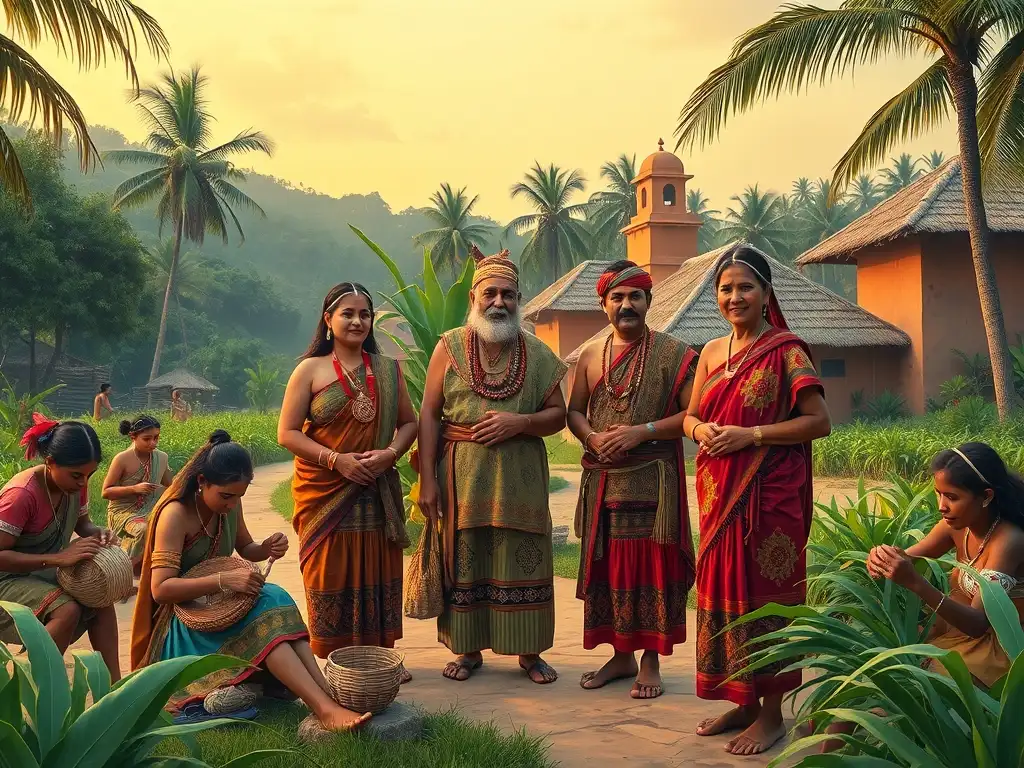
The Maurya Empire, known for its vast expanse and complex political structures, heavily relied on local leaders and indigenous communities to govern various regions. These local leaders, often referred to as rajanyas or chieftains, played a crucial role in maintaining order and implementing the policies of the Mauryan administration. They acted as intermediaries between the central authority and the local populace, ensuring that the indigenous practices and cultural norms of their communities were respected while also enforcing the directives from the Maurya rulers.
The integration of indigenous practices in Maurya governance was instrumental in fostering loyalty among the local populations. By allowing local leaders to retain a degree of autonomy and authority, the Mauryan Empire could effectively manage diverse regions with varying traditions and customs. This approach not only facilitated smoother governance but also enriched the political structure of the Maurya Empire, blending local customs with imperial policies.
The Influence of Local Leaders in Maurya Governance
Local leaders wielded significant influence in the Maurya political system, acting as both enforcers of the central authority's policies and advocates for their communities. These leaders were often chosen for their established connections within the society and their understanding of local customs. Their role was pivotal in ensuring that indigenous practices were incorporated into the governance model, thus making the Mauryan administration more relatable to the common people.
Moreover, local leaders were tasked with collecting taxes, managing local resources, and maintaining law and order. Their deep-rooted understanding of local issues and dynamics enabled them to adjust the Mauryan directives to better suit their communities. This adaptability was essential in curbing dissent and fostering a sense of belonging among the indigenous populations, which, in turn, strengthened the Mauryan Empire's hold over its territories.
Collaboration Between Indigenous Communities and Maurya Officials
The collaboration between indigenous communities and Maurya officials was a hallmark of the Mauryan political system. This partnership was not merely transactional; it involved mutual respect and understanding. Maurya officials often consulted local leaders when formulating policies that would affect their communities. This practice ensured that the unique needs and traditions of indigenous groups were taken into account, allowing for more effective governance.
In many instances, indigenous communities were actively involved in local decision-making processes, particularly in matters concerning land use, resource management, and social customs. This collaboration helped to bridge the gap between the centralized authority of the Maurya Empire and the localized governance that indigenous practices represented. The respect for indigenous traditions not only helped in maintaining social harmony but also ensured that the policies implemented were more effective and widely accepted.
Challenges and Resistance to Indigenous Practices
Despite the integration of indigenous practices into the Maurya political system, challenges and resistance were inevitable. The vastness of the empire meant that not all regions were governed uniformly, leading to disparities in how indigenous practices were integrated. Furthermore, the central authority faced challenges in asserting its power while respecting local traditions, which sometimes led to tensions and conflicts.
Conflicts between Indigenous Traditions and Central Authority
One of the most significant challenges faced by the Maurya Empire was balancing the indigenous traditions with the need for a cohesive central authority. In some regions, local customs and practices clashed with the more standardized policies imposed by the Maurya rulers. This often resulted in conflicts, particularly in areas where indigenous practices were deeply entrenched and resistant to external influence.
The imposition of certain Mauryan policies, such as taxation systems or land reforms, sometimes disregarded local customs, leading to discontent among indigenous communities. Such conflicts highlighted the complexities of governance within a diverse empire and underscored the necessity for the Mauryan administration to navigate these issues carefully to maintain stability and avoid uprisings.
Historical Instances of Resistance to Maurya Policies
Historical records indicate several instances where indigenous communities resisted Maurya policies that were perceived as infringing upon their traditional rights and practices. For example, in regions like present-day Bihar and Uttar Pradesh, local chieftains occasionally led revolts against the Maurya administration, citing the preservation of their customs and autonomy as primary motivations.
These resistance movements were not solely driven by opposition to the Maurya Empire but also reflected a broader struggle for identity and cultural preservation. The Maurya rulers had to navigate these resistance movements delicately, often resorting to negotiation and compromise rather than outright suppression. Such instances underscore the dynamic interplay between indigenous practices and the Maurya political system, revealing both the challenges and the resilience of local communities amidst imperial governance.
Legacy of Indigenous Practices in the Maurya Empire
The Maurya Empire, renowned for its vast territorial extent and sophisticated governance, intricately wove indigenous practices into its political framework. These practices, rooted in local customs and traditions, played a pivotal role in shaping the administration and social structure of the empire. The Mauryan rulers, notably Chandragupta Maurya and his grandson Ashoka, recognized the importance of integrating local governance methods to enhance legitimacy and foster loyalty among diverse populations.
Indigenous practices such as village self-governance, local councils (known as sabhas and samitis), and traditional conflict resolution mechanisms were adapted into the Maurya political system. This integration not only provided a sense of continuity and stability but also encouraged civic participation, allowing local leaders to engage with the broader imperial administration. As a result, the Maurya Empire was able to maintain its authority over a heterogeneous society, balancing central control with local autonomy.
Long-term Effects on Subsequent Indian Governance

The legacy of these indigenous practices has had profound and lasting effects on subsequent Indian governance. The Mauryan model of incorporating local customs served as a foundation for later dynasties, including the Gupta Empire, which adopted similar strategies to manage their own diverse realms. The emphasis on local governance structures persisted, influencing the administrative frameworks of later Indian states and empires.
Moreover, the Maurya Empire's use of indigenous practices laid the groundwork for the concept of decentralized governance in India. This model allowed for a blend of central authority and regional autonomy, which became a hallmark of Indian political systems over the centuries. The principles of local participation and representation continued to resonate in various forms throughout India's history, shaping the interaction between rulers and their subjects in both traditional and modern contexts.
How Indigenous Practices Influenced Later Empires
The influence of indigenous practices in Maurya governance can be traced through the policies and administrative frameworks of subsequent empires. The Gupta Empire, for example, built upon the Mauryan legacy by maintaining local councils and village assemblies, ensuring that local voices were heard in the governance process. This continuity facilitated a smoother transition of power and reinforced the legitimacy of the ruling class.
Additionally, the emphasis on welfare and ethical governance, notably espoused by Ashoka, inspired later leaders to adopt similar philosophies. The promotion of public welfare through infrastructure development, healthcare, and education reflected indigenous values that prioritized community well-being. This approach not only enhanced the quality of life for citizens but also solidified the rulers' reputations as benevolent leaders, a tactic that resonated throughout Indian history.
Conclusion
Summary of Indigenous Practices in Maurya Governance
The integration of indigenous practices into the Maurya political system was instrumental in creating a cohesive and effective governance model. By embracing local customs, the Mauryan rulers established a framework that not only addressed the diverse needs of their subjects but also fostered loyalty and stability within the empire. This legacy of local governance, representation, and ethical leadership has had a lasting impact on the political landscape of India.
Final Thoughts on Their Significance in Ancient Indian History
The significance of indigenous practices in Maurya governance extends beyond the empire itself; it highlights the importance of cultural adaptability in political systems. The Maurya Empire's ability to harmonize central authority with local traditions serves as a testament to the richness of ancient Indian civilization.
Understanding this integration not only enriches our comprehension of the Maurya Empire but also underscores the vital role that indigenous practices have played in shaping the trajectory of Indian history. As we explore these historical dynamics, we gain valuable insights into the foundations of governance that continue to inform contemporary political thought and practice in India.
- Understanding Indigenous Practices in Ancient India
- Overview of the Maurya Political System
- Indigenous Practices in Maurya Governance
- The Interplay Between Indigenous Practices and Maurya Policies
- The Role of Local Leaders and Indigenous Communities
- Challenges and Resistance to Indigenous Practices
- Legacy of Indigenous Practices in the Maurya Empire
- Long-term Effects on Subsequent Indian Governance
- How Indigenous Practices Influenced Later Empires
- Conclusion
- What were the indigenous practices in the Maurya governance system?
- How did the Maurya Empire integrate indigenous practices?
- What role did indigenous practices play in the stability of the Mauryan state?
- Can you provide examples of specific indigenous practices used by the Mauryas?
- How did the integration of indigenous practices influence Maurya's administrative efficiency?
Frequently Asked Questions
What were the indigenous practices in the Maurya governance system?
The indigenous practices in Maurya governance included local customs and traditions that shaped their administrative policies, ensuring that they were contextual and relevant to the diverse population.
How did the Maurya Empire integrate indigenous practices?
The Maurya Empire integrated indigenous practices by recognizing and incorporating local governance methods and cultural norms into their administration, facilitating better acceptance among the populace.
What role did indigenous practices play in the stability of the Mauryan state?
Indigenous practices contributed to the stability of the Mauryan state by fostering trust and cooperation between the rulers and local communities, promoting social harmony and political loyalty.
Can you provide examples of specific indigenous practices used by the Mauryas?
Examples of indigenous practices include local dispute resolution methods, agrarian policies tailored to regional needs, and the promotion of local deities that aligned with the Mauryan governance framework.
How did the integration of indigenous practices influence Maurya's administrative efficiency?
The integration of indigenous practices enhanced administrative efficiency by ensuring that policies were more aligned with the cultural context, making governance more responsive to the needs of the people.
Final Reflection: Embracing Indigenous Practices in Maurya Governance
The integration of Indigenous practices into the Maurya political system is not just a historical curiosity; it is a profound reminder of the value that traditional wisdom holds in contemporary governance. As we navigate the complexities of modern political landscapes, the lessons learned from the Maurya dynasty's incorporation of Indigenous practices resonate more than ever. They challenge us to rethink governance structures and highlight the importance of inclusivity and respect for diverse cultural traditions in shaping effective leadership.
Clearly, the influence of Indigenous practices in Maurya governance has left an indelible mark on the cultural and social fabric of India. This integration fostered a sense of community and belonging among the people, demonstrating that governance can thrive when it is rooted in the values and traditions of its constituents. As Mahatma Gandhi once said, "> A nation's greatness is measured by how it treats its weakest members." This sentiment echoes the need for modern governance to honor and incorporate the voices of Indigenous communities, ensuring that their contributions are recognized and valued.
As we reflect on the lessons from the Maurya political system, I invite you to consider how you can embrace and advocate for Indigenous practices in your own community. Let us strive to create spaces where diverse voices are heard and respected, recognizing that the wisdom of the past can guide us toward a more inclusive and equitable future. By fostering dialogue and understanding, we can build a governance model that honors our shared heritage while paving the way for innovative solutions to today's challenges.
Unveil the Wisdom of Indigenous Practices in Ancient India!
Thank you for exploring the fascinating integration of Indigenous practices into the Maurya political system with us! You've just uncovered the rich tapestry of cultural contributions that shaped ancient governance. Now, it's time to take this knowledge further and engage in meaningful exploration.
Here’s how you can continue your journey:
- Dive Deeper: Read additional resources on Indigenous practices in various ancient civilizations and discover how they compare to Mauryan traditions.
- Share the Insights: Discuss this article with friends or in forums dedicated to ancient history, expanding the conversation and exchanging perspectives.
- Reflect Creatively: Create a work of art or write a short story inspired by the blend of Indigenous practices and Maurya governance, illustrating how history continues to resonate today.
What lessons from the Maurya political system can we apply to modern governance? We invite you to share your thoughts!