
The Maurya Empire and Its Role in Shaping Indian Identity


Welcome to Ancient India History, where we invite you to embark on a fascinating journey through time, exploring the rich tapestry of ancient Indian civilizations. In our featured article, "The Maurya Empire and Its Role in Shaping Indian Identity," we delve into the profound impact of the Maurya Empire on India, uncovering how its legacy continues to resonate in modern times.
Prepare to be captivated by stories of innovation, culture, and transformation that not only defined an era but also laid the foundations for the vibrant identity of India today. Join us as we unravel the intricate connections between past and present, and discover the enduring influence of one of history's most remarkable empires!
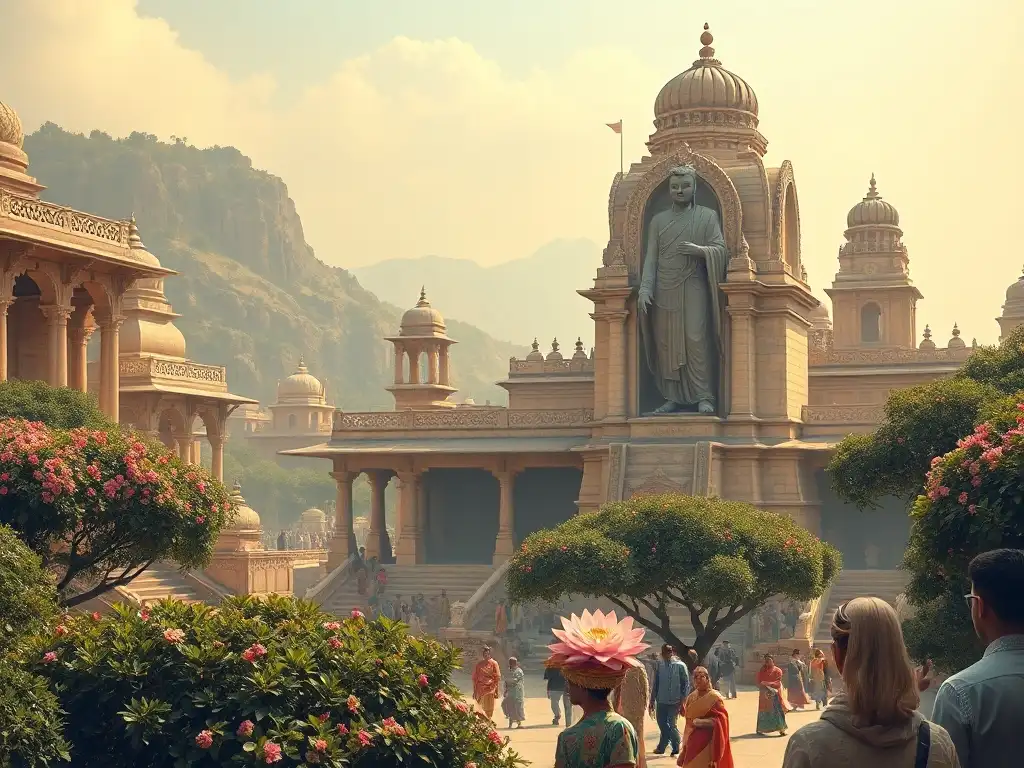
The Maurya Empire stands as a monumental chapter in the annals of ancient Indian history, often regarded as a pivotal force in shaping the cultural, political, and social landscape of the Indian subcontinent. Established in the 4th century BCE, the empire not only unified a vast territory under a centralized governance system but also laid the foundations for a national identity that echoed through subsequent generations.
This article delves into the profound impact of the Maurya Empire on India, exploring its key figures, governance structures, and the enduring legacy that continues to influence modern Indian society. By examining the intricate tapestry of the Maurya Empire's achievements, we aim to highlight how it has left an indelible mark on the identity of India.
Introduction to the Maurya Empire
The Maurya Empire emerged as one of the largest and most influential empires in ancient India, encompassing much of the Indian subcontinent. Founded by Chandragupta Maurya in 322 BCE, this empire reached its zenith under the rule of his grandson, Ashoka the Great. The Maurya period is characterized by remarkable advancements in various fields, including administration, military strategy, and cultural development.
Overview of the Maurya Empire's Timeline
- 322 BCE: Chandragupta Maurya establishes the Maurya Empire after overthrowing the Nanda dynasty.
- 297 BCE: Chandragupta abdicates in favor of his son, Bindusara.
- 273 BCE: Ashoka ascends the throne following Bindusara's death.
- 268-232 BCE: Ashoka's reign, marked by the spread of Buddhism and the promotion of non-violence.
- 185 BCE: The decline of the Maurya Empire, leading to its eventual fragmentation.
Key Figures of the Maurya Empire
- Chandragupta Maurya: The founder of the Maurya Empire, known for his military prowess and strategic acumen.
- Chanakya (Kautilya): The chief advisor to Chandragupta, renowned for his political philosophy and economic strategies, as articulated in the Arthashastra.
- Ashoka the Great: The most celebrated Mauryan ruler, recognized for his transformation from a conqueror to a proponent of peace and Buddhism.
Significance of the Maurya Empire in Ancient Indian History
The Maurya Empire is significant not only for its vast territorial expanse but also for its contributions to statecraft, economic systems, and cultural development. The establishment of a centralized government facilitated the integration of diverse cultures and communities, fostering a sense of unity and identity among the people of India. Furthermore, the promotion of Buddhism during Ashoka's reign played a crucial role in the spread of ethical governance and social welfare, influencing subsequent Indian philosophies and governance systems.
The Political Impact of the Maurya Empire on India
The political landscape of ancient India was irrevocably transformed by the Maurya Empire. Through innovative governance and strategic reforms, the empire established a model that would serve as a reference for future rulers.
Centralized Governance and Administration
The Maurya Empire introduced a highly organized administrative structure, which included:
- Provincial Governance: The empire was divided into several provinces, each overseen by a governor, ensuring effective local administration.
- Bureaucratic Systems: A well-defined bureaucracy managed various aspects of governance, including tax collection, law enforcement, and public works.
- Road and Trade Networks: The development of extensive road systems facilitated trade and communication across the empire, enhancing economic prosperity.
The Role of Chandragupta Maurya in Unifying India
Chandragupta Maurya's vision and leadership were instrumental in unifying disparate kingdoms into a cohesive empire. His military conquests and strategic alliances allowed for the consolidation of power, which not only expanded territorial boundaries but also promoted a unified identity among the diverse populations within the empire.
Ashoka the Great: Policies and Reforms
Ashoka's reign is particularly notable for its emphasis on moral governance and social welfare:
- Edicts of Ashoka: These inscriptions addressed ethical governance, religious tolerance, and the importance of non-violence, reflecting Ashoka's commitment to a just society.
- Promotion of Buddhism: Ashoka's support for Buddhism facilitated its spread across Asia, shaping cultural and spiritual landscapes beyond India.
The Maurya Empire's impact on India is profound and multifaceted, with political innovations, key figures, and cultural advancements that continue to resonate in the country's identity today.
Cultural Contributions of the Maurya Empire
The Maurya Empire, which flourished from 322 to 185 BCE, made significant contributions to the cultural landscape of ancient India. This period marked a transformation in various aspects of Indian society, including religion, art, architecture, and literature. The legacy of the Maurya Empire is evident in the way it shaped Indian identity and established a foundation for future civilizations.
Promotion of Buddhism and Its Influence on Indian Culture
One of the most notable cultural contributions of the Maurya Empire was the promotion of Buddhism, particularly under Emperor Ashoka. After experiencing a profound transformation following the Kalinga War, Ashoka embraced Buddhism and began to propagate its teachings across his empire. He commissioned the construction of stupas, such as the famous Sanchi Stupa, and inscribed edicts that expressed Buddhist values like compassion and non-violence.
The spread of Buddhism contributed to a cultural ethos that emphasized ethical conduct, social welfare, and a sense of community. This influence extended beyond India, impacting regions such as Central Asia, Southeast Asia, and even parts of the Mediterranean, thereby embedding Indian cultural elements in diverse societies.
Art and Architecture: Mauryan Contributions
The Maurya Empire is renowned for its remarkable advancements in art and architecture. The development of stone architecture, particularly during Ashoka’s reign, led to the construction of iconic structures such as the Ashoka Pillars, which are adorned with intricate carvings and inscriptions. These pillars not only served as commemorative monuments but also as vehicles for spreading the message of Buddhism.
Additionally, the Mauryan period saw the emergence of unique artistic styles, including the depiction of realistic human forms and naturalistic motifs. The famous rock-cut caves of Barabar and Nagarjuni Hills exemplify the architectural prowess of the Mauryans, showcasing their ability to harmonize artistry with functionality.
The Role of the Maurya Empire in Advancing Literature and Science
The Maurya Empire played a pivotal role in the advancement of literature and scientific inquiry. The period is marked by the composition of significant texts in various languages, including Sanskrit and Prakrit. Notable works such as the Arthashastra, attributed to Kautilya (Chanakya), laid the groundwork for political science and economics in India.
Moreover, the era fostered a spirit of inquiry, leading to advancements in mathematics, astronomy, and medicine. The contributions of scholars during this time were instrumental in preserving and accumulating knowledge that would influence subsequent generations, thereby embedding a tradition of scholarship within Indian culture.
Economic Impact of the Maurya Empire
The economic policies of the Maurya Empire had a profound and lasting impact on the Indian subcontinent. The empire's strategic governance and organizational structure allowed for efficient administration, which facilitated trade, agriculture, and overall prosperity.
Trade and Commerce during the Mauryan Era
During the Maurya Empire, trade and commerce flourished, thanks to well-established trade routes that connected India with distant lands, including Persia, the Mediterranean, and Southeast Asia. The empire's capital, Pataliputra, became a bustling hub of commerce, where merchants engaged in the exchange of goods such as textiles, spices, and precious stones.
The Mauryan government also implemented standardized weights and measures, which facilitated trade and enhanced economic stability. The minting of coins, particularly during the reign of Chandragupta Maurya, further stimulated commercial activities, allowing for easier transactions and the flourishing of markets.
Agricultural Innovations and Economic Policies
Agriculture was the backbone of the Maurya Empire’s economy. The state invested in irrigation systems, which significantly improved crop yields and food security. Policies promoting agricultural efficiency included land reforms and the establishment of state granaries to store surplus grain.
These innovations not only bolstered the empire's economy but also ensured the sustenance of its large population. By prioritizing agriculture, the Maurya Empire laid the groundwork for a stable economic structure that benefited its citizens and contributed to societal growth.
Influence on Subsequent Indian Economies
The economic foundations laid by the Maurya Empire had a lasting impact on subsequent Indian economies. The principles of governance, trade practices, and agricultural advancements established during this period became integral to the functioning of later empires, such as the Gupta Empire.
The Mauryan emphasis on state-led economic policies and infrastructure development set a precedent that would influence the economic strategies of future rulers. As a result, the legacy of the Maurya Empire can be seen in the evolution of Indian economic practices for centuries to come, weaving a complex tapestry of growth and prosperity throughout the subcontinent.
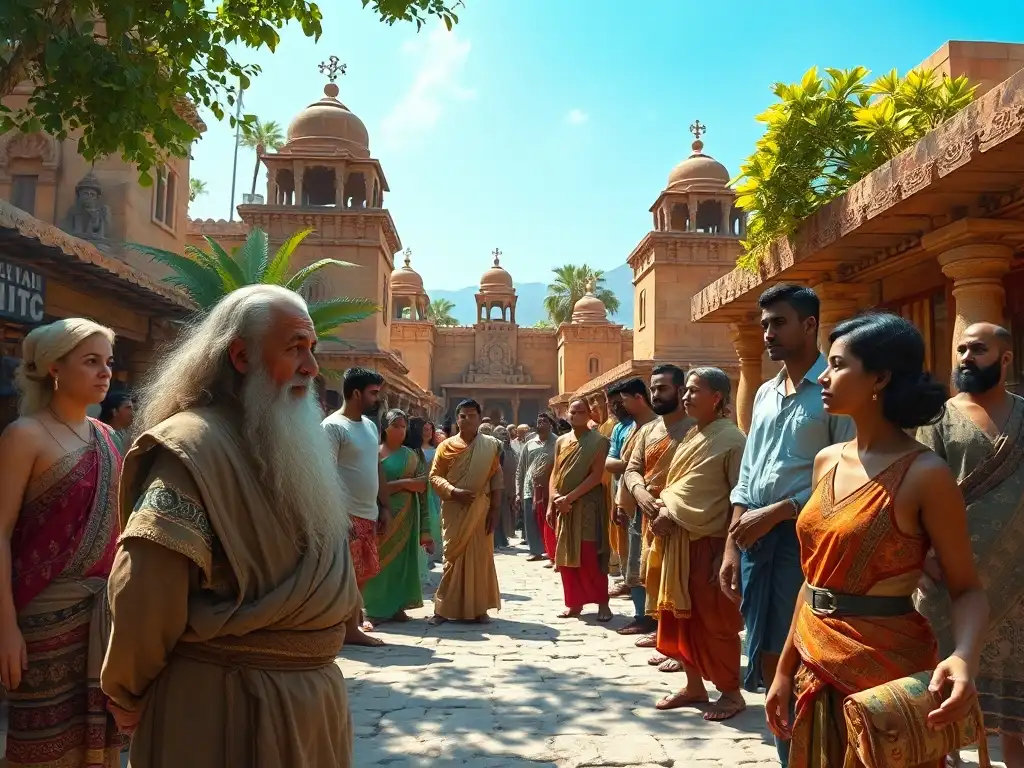
The Maurya Empire, which thrived from approximately 322 to 185 BCE, played a pivotal role in shaping the social structures and identity formation of ancient India. At the heart of this transformation was the establishment of more defined social hierarchies and the integration of various cultural and regional identities into a cohesive Indian identity. The Mauryan administration facilitated a complex organization of society that influenced how individuals interacted and identified themselves within their communities.
As the empire expanded, it incorporated a myriad of ethnic groups and cultures, leading to a unique amalgamation of traditions. This diversity, coupled with the centralized governance of the Mauryan Empire, allowed for the standardization of certain societal norms and practices, ultimately contributing to a more unified Indian identity. The social fabric of Mauryan society was woven with threads of various cultural influences, creating a rich tapestry that would define the identity of India for centuries to come.
Caste System and Social Hierarchies in Mauryan Society
During the Maurya Empire, the caste system began to solidify, serving as a crucial factor in social organization. Although the origins of the caste system can be traced back to earlier Vedic traditions, the Mauryan period saw its institutionalization, which had profound implications for social stratification. Society was primarily divided into four main varnas: Brahmins (priests and scholars), Kshatriyas (warriors and rulers), Vaishyas (traders and agriculturists), and Shudras (laborers and service providers).
The Mauryan rulers, particularly Emperor Ashoka, recognized the importance of maintaining social order. This led to the reinforcement of caste-based roles and duties, influencing identity formation within the empire. Social mobility was limited, and individuals often found their identities closely tied to their caste, which dictated their occupation, social interactions, and even marriage prospects. The rigid nature of the caste system during this period laid the groundwork for societal norms that would persist in Indian culture and society.
The Role of Religion in Shaping Indian Identity
Religion was a central pillar in the formation of identity during the Maurya Empire. The era witnessed the rise and spread of major religions, including Buddhism and Jainism, alongside traditional Hindu practices. Emperor Ashoka, in particular, played a significant role in promoting Buddhism after his conversion following the Kalinga War. His efforts to spread the teachings of the Buddha helped foster a sense of shared identity among diverse populations within the empire.
Ashoka's edicts, inscribed on pillars and rocks throughout the empire, emphasized moral values, non-violence, and compassion. This religious governance not only shaped individual identities but also influenced the socio-political landscape of ancient India. The acceptance and promotion of various religious practices encouraged a culture of tolerance and pluralism, contributing to the notion of a unified Indian identity that respected diverse beliefs.
Women’s Status and Rights in Mauryan Society
The status of women in Mauryan society was multifaceted, reflecting both the complexities of social hierarchies and the prevailing cultural norms. While women were generally subordinate to men, particularly within the caste system, they were granted certain rights and roles that allowed them to participate in various aspects of society. For instance, women had the ability to own property, engage in trade, and even hold some positions of authority within household and community contexts.
However, the patriarchal structure of Mauryan society often limited women's autonomy and freedom in public life. The ideals surrounding gender roles were deeply rooted in cultural narratives, which emphasized women's primary responsibilities as caretakers and homemakers. Despite these constraints, some historical accounts suggest that women could attain influence through their familial connections and contributions to religious life, particularly in the patronage of Buddhist and Jain institutions.
Legacy of the Maurya Empire
The legacy of the Maurya Empire extends far beyond its political and military achievements. It left an indelible mark on the fabric of Indian society, politics, and culture, shaping the trajectory of future civilizations. The principles established during this time laid the groundwork for subsequent empires and influenced the development of Indian identity.
Long-term Effects on Indian Political Structures
The Maurya Empire's political innovations had lasting effects on the governance of India. The centralized administration, characterized by a bureaucratic system, served as a model for future empires, including the Gupta and Mughal empires. The concepts of statecraft and governance articulated in texts like Kautilya's "Arthashastra" became foundational to Indian political thought, emphasizing the importance of a strong central authority and strategic diplomacy.
Moreover, the Mauryan emphasis on law and order, justice, and welfare significantly shaped the expectations of governance in India. The principles of governance established during this period have echoed throughout Indian history, influencing political ideologies and administrative practices in various dynasties that followed.
The Cultural Legacy of the Maurya Empire in Modern India
The cultural legacy of the Maurya Empire is evident in modern India in various forms, including art, architecture, and literature. The stupas and monasteries built during this period, particularly those associated with Buddhism, continue to draw visitors and scholars alike. The architectural achievements, such as the Sanchi Stupa and the Ashoka Pillars, symbolize India's rich historical and cultural heritage.
In literature, the moral and philosophical tenets espoused by Ashoka, particularly his commitment to non-violence and compassion, resonate in contemporary discourse around ethics, governance, and social justice. The Mauryan influence on Indian art forms, such as sculpture and painting, can still be seen in various cultural expressions across the country.
How the Maurya Empire Influenced Future Indian Civilizations
The Maurya Empire set precedents that significantly influenced subsequent Indian civilizations. Its promotion of trade and commerce helped establish extensive trade networks that facilitated economic growth and cultural exchange. This interconnectedness laid the groundwork for the prosperity of later empires, including the Gupta Empire.
Additionally, the religious tolerance and pluralism championed by Ashoka fostered a legacy of cultural diversity that would become a hallmark of Indian civilization. Future rulers and empires often drew from the Mauryan model of governance and cultural integration, leading to the continued evolution of a multifaceted Indian identity that embraced various traditions, religions, and social practices. The impact of the Maurya Empire on India remains a defining element of its historical narrative, shaping the identity of the subcontinent for generations.
Conclusion: The Enduring Impact of the Maurya Empire on Indian Identity
The Maurya Empire, which thrived from approximately 322 to 185 BCE, left an indelible mark on the identity of India. Its contributions in governance, culture, and philosophy not only shaped the socio-political landscape of ancient India but also laid foundational elements that continue to influence contemporary Indian society. The principles of governance established by the Mauryan rulers, particularly under Ashoka, emphasized moral authority, ethical leadership, and social welfare, which resonate with contemporary values in Indian democracy.
The Maurya Empire's legacy is visible in various facets of Indian life, from religious practices and artistic expressions to administrative structures. The promotion of Buddhism by Ashoka, in particular, created a cultural and spiritual framework that fostered a sense of unity and shared identity among diverse communities. The spread of the Dhamma as a guiding philosophy extended beyond religious boundaries, promoting values of compassion, non-violence, and tolerance that are still relevant today.
Summary of Key Contributions
The Maurya Empire's key contributions to Indian identity can be summarized as follows:
- Centralized Administration: The Mauryans established a highly organized bureaucratic system that influenced future governance models in India.
- Cultural Integration: Through trade and diplomacy, the empire facilitated cultural exchanges that enriched Indian art, language, and philosophy.
- Spread of Buddhism: Ashoka's patronage of Buddhism promoted it as a major religious and cultural force, which helped unify diverse populations under shared beliefs.
- Legal and Ethical Framework: The implementation of Dhamma as a guiding principle in governance set a precedent for moral leadership and social responsibility.
- Infrastructure Development: The Mauryan Empire invested in extensive road networks and public works, which enhanced connectivity and economic prosperity.
These contributions collectively helped shape a cohesive Indian identity that embraced both diversity and unity.
Reflection on the Maurya Empire's Role in Shaping Modern India
Reflecting on the Maurya Empire's role in shaping modern India reveals that its impact transcends mere historical significance. The ethical governance and cultural pluralism exemplified by the Mauryan rulers resonate with contemporary India's democratic ethos. As India continues to navigate its identity in a globalized world, the values championed during the Maurya period—such as social justice, communal harmony, and ethical governance—remain critical to its growth and development.
Furthermore, the resurgence of interest in ancient Indian philosophies and practices, particularly in the context of global spiritual movements, underscores the enduring relevance of the Maurya Empire's contributions. The principles of non-violence and compassion associated with Buddhism and promoted by Ashoka are increasingly significant in discussions surrounding peace and coexistence in modern society.
References
Suggested Readings on Maurya Empire and Indian History
- "The Mauryan Empire" by Romila Thapar - A comprehensive exploration of the political, economic, and social aspects of the Maurya Empire.
- "Ashoka: The Search for India's Lost Emperor" by Charles Allen: - An insightful narrative focusing on the life and legacy of Ashoka the Great.
- "Ancient India: From the Earliest Times to the Present" by R. S. Sharma: - A detailed account of Indian history, with a significant emphasis on the Maurya period and its implications.
Primary Sources from the Mauryan Era
- Edicts of Ashoka: These inscriptions, found across various locations in India, provide direct insights into Ashoka's policies, religious beliefs, and commitment to welfare.
- Arthashastra by Kautilya: This ancient treatise on statecraft and military strategy offers a glimpse into the political philosophy that governed the Maurya Empire.
- Buddhist Texts: Texts such as the Dhammapada reflect the teachings and values promoted during Ashoka's reign, contributing to the understanding of the spiritual landscape of the time.
The study of these sources not only enriches our understanding of the Maurya Empire but also highlights its profound influence on shaping the trajectory of Indian identity through the ages.
- Introduction to the Maurya Empire
- The Political Impact of the Maurya Empire on India
- Cultural Contributions of the Maurya Empire
- Economic Impact of the Maurya Empire
- Social Structures and Identity Formation
- Legacy of the Maurya Empire
- Conclusion: The Enduring Impact of the Maurya Empire on Indian Identity
- References
Frequently Asked Questions
What was the Maurya Empire known for in ancient India?
The Maurya Empire was known for its vast territorial expansion, unifying diverse regions of India and establishing one of the first centralized governments in the subcontinent.
How did the Maurya Empire influence Indian culture?
The Maurya Empire significantly impacted Indian culture through the promotion of Buddhism, art, literature, and architecture, leaving a lasting legacy on subsequent civilizations.
Who was the most notable ruler of the Maurya Empire?
Ashoka the Great was the most notable ruler of the Maurya Empire, recognized for his role in spreading Buddhism and advocating for non-violence and compassion throughout his reign.
What were the key economic contributions of the Maurya Empire?
The Maurya Empire contributed to trade and agriculture, establishing trade routes and promoting economic stability that facilitated the growth of urban centers.
How did the Maurya Empire shape modern Indian identity?
The Maurya Empire played a crucial role in shaping modern Indian identity by fostering a sense of unity among diverse cultures and laying the foundations for political and social structures that persist today.
Final Reflection: The Enduring Legacy of the Maurya Empire on Indian Identity
The impact of the Maurya Empire on India is not just a historical footnote; it is a living testament to the power of unity, governance, and cultural synthesis. As we navigate the complexities of modern Indian identity, the lessons from the Maurya Empire resonate profoundly, reminding us of the importance of strong leadership and inclusive policies in shaping a nation. The Mauryan legacy serves as a beacon, illuminating the path toward a cohesive society that values diversity while fostering a shared identity.
The Maurya Empire's influence extends far beyond its time, continuing to shape the cultural and social landscape of India today. From the principles of governance established by Ashoka to the promotion of Buddhism, the Empire laid the groundwork for a rich tapestry of beliefs and practices that define Indian culture. As we reflect on this historical narrative, we can appreciate how it has fostered a sense of belonging and unity among the diverse populations of India. The greatest glory in living lies not in never falling, but in rising every time we fall.
– Nelson Mandela. This quote encapsulates the resilience and adaptability that the Maurya Empire exemplified, qualities that are essential for contemporary society.
As we conclude this exploration of the Maurya Empire's impact, I invite you to reflect on how these historical lessons can be applied in your own life. Consider the values of leadership, inclusivity, and cultural appreciation that emerged from this era. How can you embody these principles in your community? By embracing the rich heritage of the Maurya Empire, we can contribute to a more unified and harmonious society, ensuring that the legacy of this remarkable period continues to inspire future generations.
Unveil the Legacy of the Maurya Empire Today!
Thank you for diving into the fascinating world of the Maurya Empire with us! We hope you gained valuable insights into how this ancient dynasty has profoundly shaped Indian identity. Now, it’s time to take these ideas and put them into action.
Here are a few steps you can take to deepen your understanding and engage with the rich history of this period:
- Explore further: Read historical texts or visit local museums to see artifacts from the Maurya period. You might start with a recommendation from your local library that focuses on ancient Indian history.
- Join the discussion: Share your thoughts on social media or forums dedicated to ancient history. Engaging with others who are passionate about the Maurya Empire can provide you with new perspectives!
- Create a learning group: Organize a discussion group with friends or peers to delve deeper into the Maurya Empire and its impact on modern Indian culture.
As you reflect on this incredible journey, consider this: How do you think the legacy of the Maurya Empire influences Indian society today? We invite you to share your thoughts below!