
The Intriguing Use of Geometry in Indus Valley Architecture

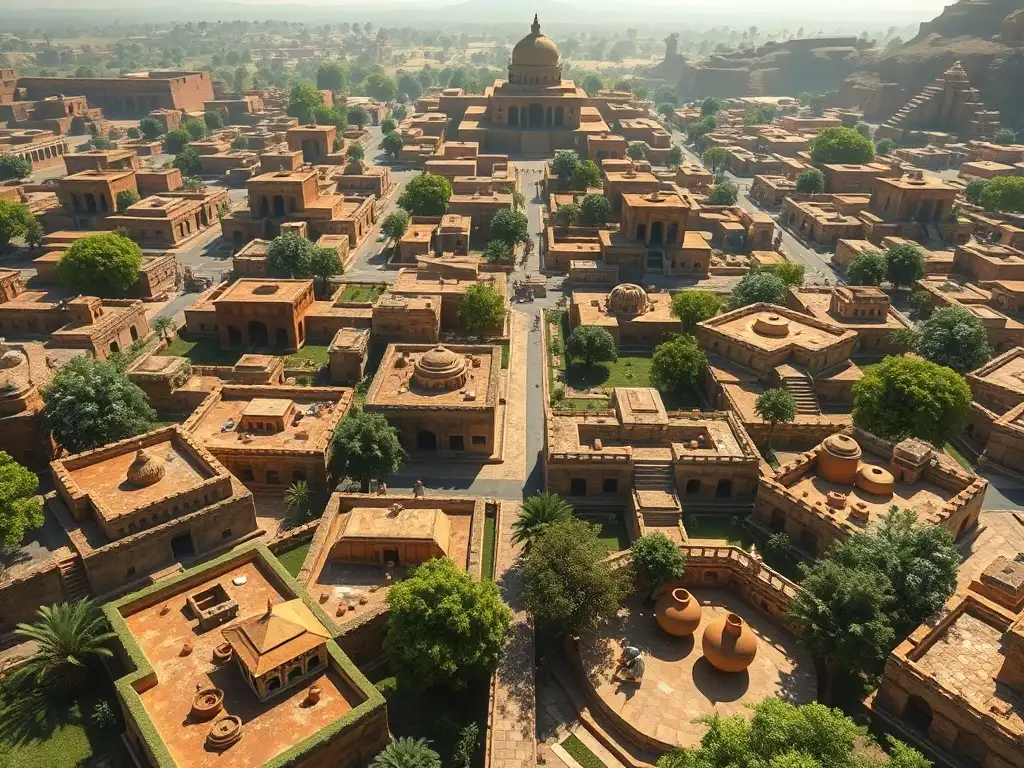
Welcome to Ancient India History, where we embark on an enlightening journey through the vibrant tapestry of ancient Indian civilizations. In our featured article, “The Intriguing Use of Geometry in Indus Valley Architecture,” we delve into the fascinating ways geometric principles shaped the remarkable structures of the Indus Valley. What secrets do these ancient designs hold about the people who built them?
Join us as we uncover the mysteries of geometry that not only reflect the ingenuity of their architects but also hint at the profound cultural significance of their era. Prepare to be captivated and inspired as you explore the rich heritage that continues to resonate today!
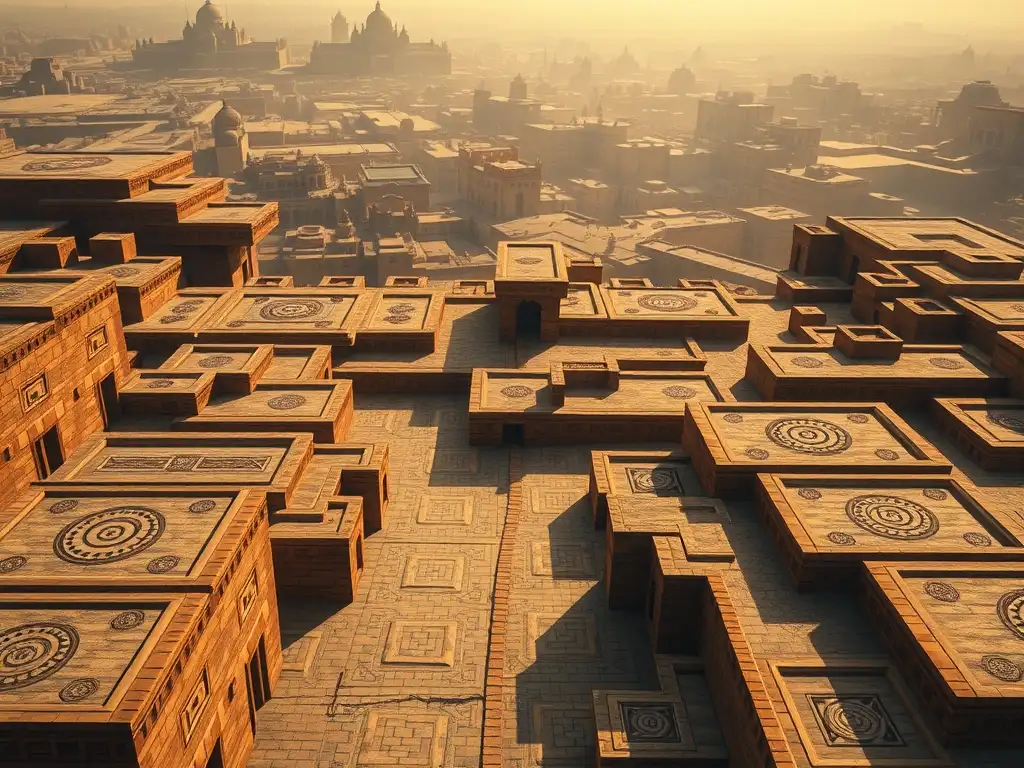
Introduction to Indus Valley Architecture
The Indus Valley Civilization, one of the world's earliest urban cultures, flourished around 2500 BCE in what is now modern-day Pakistan and northwest India. This remarkable civilization is renowned not just for its advanced urban planning and social organization, but also for its extraordinary architectural achievements.
Among these, the use of geometry stands out as a crucial element that shaped the cities, buildings, and infrastructure of this ancient society. Understanding the role of geometry in Indus Valley architecture offers a fascinating glimpse into the intellect and creativity of its people, revealing how mathematical principles were employed to create functional and aesthetically pleasing structures that have endured through millennia.
Overview of the Indus Valley Civilization's Architectural Achievements
The architectural accomplishments of the Indus Valley Civilization are marked by their sophistication and innovation. Key features include:
- Urban Planning: Cities such as Harappa and Mohenjo-Daro were meticulously planned with grid-like layouts, wide streets, and advanced drainage systems.
- Materials and Techniques: Builders utilized fired bricks, which were uniformly sized, and employed techniques that ensured durability and stability.
- Public and Private Structures: The civilization included a mix of public buildings, such as granaries and baths, alongside residential homes that showcased private space and communal living.
These architectural feats reflect not only the civilization's technical expertise but also its understanding of geometry, which was essential in achieving precision and harmony in design.
Importance of Geometry in Ancient Architecture
Geometry played a pivotal role in the architectural practices of ancient cultures, serving as the foundation for design and construction. In the context of the Indus Valley Civilization, the application of geometric principles was vital for several reasons:
- Structural Integrity: Proper geometric alignment ensured the stability of buildings, which was crucial for enduring the test of time.
- Aesthetic Appeal: The use of geometric patterns and proportions contributed to the visual harmony of structures, enhancing their beauty.
- Spatial Organization: Geometry facilitated the efficient arrangement of urban layouts, allowing for effective use of space and accessibility.
By employing geometry, the architects of the Indus Valley Civilization were able to create environments that were not only functional but also reflective of their cultural values.
Understanding Geometry in Indus Valley Architecture
To fully appreciate the impact of geometry on the architecture of the Indus Valley, it is essential to explore the specific geometric concepts that were utilized in their construction practices.
Definition and Role of Geometry in Architecture
Geometry, in the architectural context, refers to the mathematical principles used in designing and constructing buildings and spaces. This includes the study of shapes, sizes, relative positions of figures, and the properties of space. In ancient architecture, geometry served several critical functions:
- Design Framework: It provided a reliable framework for planning and constructing buildings.
- Measurement Standards: Geometric principles established standardized measurements, ensuring consistency across structures.
- Functional Efficiency: Geometry contributed to the functional efficiency of spaces, optimizing the use of light, air, and movement within buildings.
Key Geometric Principles Applied in Indus Valley Structures
The architects of the Indus Valley Civilization implemented a variety of geometric principles in their structures, which can be categorized as follows:
- Symmetry: Many buildings exhibited symmetrical designs, promoting balance and aesthetic appeal.
- Proportionality: Structures were often designed with specific ratios in mind, enhancing visual harmony.
- Grid Patterns: The use of a grid layout in city planning facilitated orderly development and organization of space.
These principles not only underscore the architectural prowess of the Indus Valley Civilization but also highlight their advanced understanding of geometry, a legacy that continues to inspire modern architectural practices.
Key Features of Indus Valley Architecture Geometry
The architecture of the Indus Valley Civilization (IVC) is a testament to the advanced understanding of geometry possessed by its builders. The prominent use of geometry in their urban planning and architectural designs highlights their sophisticated engineering skills and aesthetic sensibilities. Key features of Indus Valley architecture geometry include meticulous grid planning, symmetry, proportionality, and the integration of geometric shapes in both public and private structures. These elements served not only practical purposes but also reflected the cultural and social values of the civilization.
Grid Planning and Urban Layout
One of the most striking aspects of Indus Valley architecture is its systematic grid planning. Cities like Harappa and Mohenjo-Daro were laid out in a rectangular grid pattern, with streets intersecting at right angles. This meticulous planning facilitated efficient movement and organization within the urban space. The streets were wide and aligned with the cardinal directions, a feature that indicates a profound understanding of spatial organization and geometry.
The grid layout also allowed for the effective drainage systems that are characteristic of Indus Valley cities. Each house was typically connected to a centralized drainage system, showcasing not only functionality but also a geometric precision in planning. This urban layout suggests that the architects of the IVC were not only builders but also city planners who utilized geometry to enhance the livability of their environments.
Symmetry and Proportionality in Building Designs
Symmetry and proportionality are fundamental principles observed in the architectural designs of the Indus Valley. Buildings were often constructed with a focus on balanced proportions, creating visually appealing structures. The use of standardized bricks that adhered to specific dimensions further facilitated this symmetry, allowing for uniformity across various buildings.
For instance, many public structures, like granaries and warehouses, exhibited symmetrical facades that enhanced their aesthetic value while maintaining structural integrity. This attention to geometric principles in design indicates a sophisticated understanding of aesthetics and functionality, which was vital for public architecture in the Indus Valley.
The Use of Geometric Shapes in Public and Private Buildings
Indus Valley architecture prominently features geometric shapes such as squares, rectangles, and even circular forms. Public buildings often exhibited a combination of these shapes, enhancing their grandeur and visibility within the urban landscape. For example, the layout of the Great Bath, a significant public structure, demonstrates the use of rectangular shapes combined with a symmetrical design.
In residential architecture, geometric shapes were utilized to optimize space and functionality. Homes were typically constructed in rectangular or square layouts, with careful consideration given to room arrangements, emphasizing both practicality and efficient use of space. The consistent application of geometric forms across different types of architecture reflects a cultural affinity for order and harmony.
Case Studies of Geometric Applications
The Great Bath: An Example of Geometric Precision
The Great Bath of Mohenjo-Daro is an iconic representation of the geometric precision found in Indus Valley architecture. This large, rectangular structure showcases a meticulously designed layout, with dimensions that reflect a careful application of proportionality. The bath was constructed with baked bricks and featured a sophisticated drainage system that exemplifies the advanced engineering capabilities of the civilization.
The geometric precision of the Great Bath not only served a functional purpose but also played a significant role in the cultural and ritualistic practices of the Indus Valley people. It is believed to have been a place for purification rituals, indicating that the architects integrated geometrical design with spiritual significance.
The Citadel of Mohenjo-Daro: Architectural Geometry in Urban Planning
The Citadel of Mohenjo-Daro serves as a prominent example of how geometric principles were applied in urban planning. Elevated above the lower city, the citadel featured an impressive arrangement of buildings, including administrative and public structures, all designed with an eye for symmetry and geometric coherence. The layout of the citadel demonstrates the use of geometric organization to create a sense of order and authority within the urban framework.
The strategic placement of the citadel, along with its robust walls and clearly defined spaces, reflects the architects' understanding of both geometry and societal organization. The geometric layout contributed to the functionality and security of the citadel, reinforcing its status as a central hub for governance and community activities.
Residential Structures: Geometry in Daily Life
Residential structures in the Indus Valley also exhibited a keen application of geometry, reflecting the daily lives of its inhabitants. Houses were designed with rectangular layouts, often surrounding central courtyards that served as communal spaces. This design maximized natural light and ventilation while creating an organized and functional living environment.
The consistent use of geometric principles in residential architecture not only facilitated practical living but also fostered a sense of community among the inhabitants. The geometric organization of homes reflects the interconnectedness of private life and urban planning, showcasing how the residents of the Indus Valley integrated geometry into their daily lives and social structures.
The Influence of Geometry on Indus Valley Culture
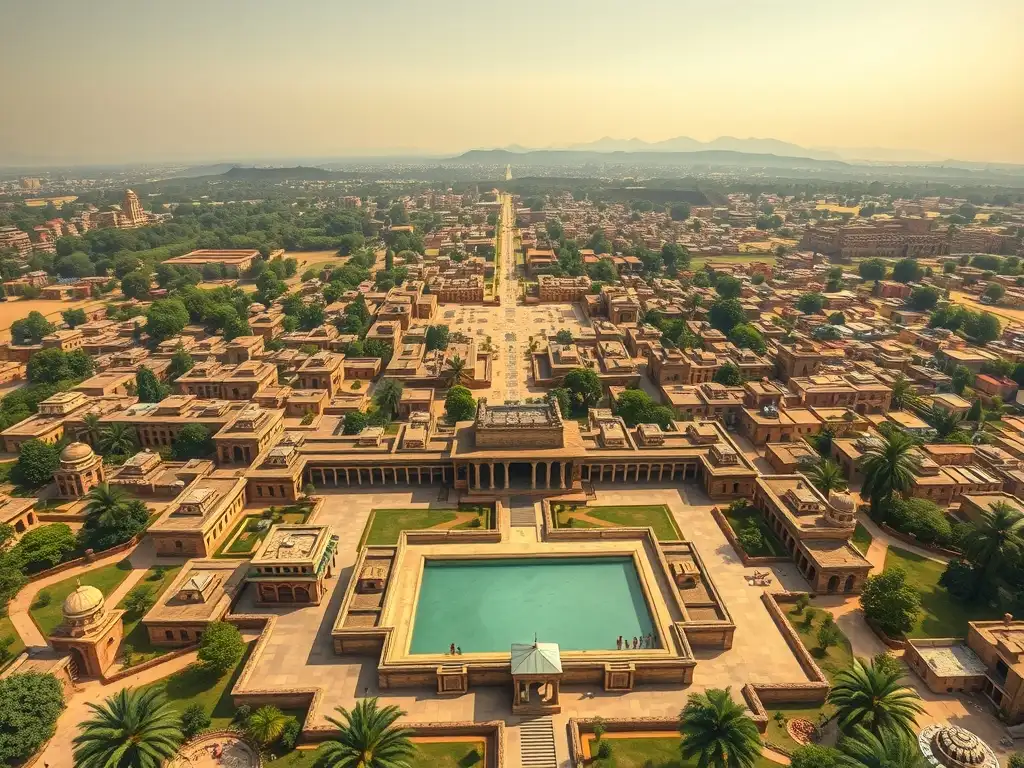
Geometry played a significant role in shaping the architectural landscape of the Indus Valley Civilization, reflecting the profound connection between mathematical principles and cultural identity. The cities of the Indus Valley, such as Harappa and Mohenjo-Daro, were meticulously planned, showcasing a sophisticated understanding of geometric forms. The grid layout of these cities, featuring straight streets and well-defined blocks, indicates that the inhabitants employed geometric concepts to enhance urban organization and efficiency.
Moreover, geometric patterns were not merely functional but also held cultural significance. The use of geometric motifs in seals, pottery, and textiles reveals that these shapes were likely imbued with symbolic meanings, perhaps representing aspects of their cosmology, spirituality, or daily life. Consequently, geometry became a vital medium through which the Indus Valley culture expressed its values and beliefs, embedding mathematical principles within their artistic and architectural practices.
Symbolism of Geometric Patterns in Art and Design
Geometric patterns in Indus Valley art and design served as a canvas for cultural expression and symbolism. The intricate motifs, often featuring circles, squares, and triangles, were prevalent in various artifacts, including pottery, jewelry, and seals. These patterns likely had deeper meanings, possibly representing concepts such as the cycle of life, harmony, and balance.
For instance, the recurring spirals and concentric circles may symbolize the continuity of life and the cyclical nature of existence. Additionally, geometric designs were frequently used in religious contexts, suggesting their role in ritualistic practices. The presence of these patterns in domestic spaces also underscores their importance in daily life, reflecting a society that valued aesthetics as well as functionality.
Thus, geometry in the Indus Valley was not only an artistic choice but also a language of communication, conveying cultural values and spiritual beliefs through its visually compelling forms.
The Connection Between Geometry and Social Organization
The architectural use of geometry in the Indus Valley Civilization is intricately linked to its social organization. The grid-like urban planning of major cities suggests a highly organized society that emphasized order and efficiency. Streets laid out in right angles and residential blocks of uniform size indicate a level of governance and social structure that prioritized communal living and accessibility.
Moreover, the uniformity in construction techniques and the use of standardized brick sizes across the civilization highlight the existence of shared building practices and a collective identity. This geometric precision in architecture likely facilitated trade and social interactions, contributing to a cohesive community structure.
In essence, the application of geometry in urban design not only reflects the Indus Valley's architectural ingenuity but also underscores the interconnectedness of their social, economic, and cultural frameworks.
Comparisons with Other Ancient Civilizations
Indus Valley vs. Mesopotamian Architecture: A Geometric Perspective
When comparing Indus Valley architecture with that of Mesopotamia, one can observe distinct approaches to geometry in urban planning and construction techniques. While both civilizations utilized geometric layouts, the Indus Valley favored a grid system characterized by straight streets and organized blocks, which facilitated movement and commerce. In contrast, Mesopotamian cities often evolved organically, with winding streets and irregular shapes influenced by the surrounding landscape and river systems.
Furthermore, the use of mud bricks in Mesopotamian architecture contrasts with the sophisticated fired brick technology developed by the Indus Valley people. This difference highlights not only variations in material usage but also reflects the influence of geography on architectural choices. While both civilizations employed geometric principles, the Indus Valley's emphasis on uniformity and planning stands out, showcasing a different interpretation of geometry's role in urban development.
Indus Valley vs. Egyptian Architecture: Similarities and Differences
The architectural styles of the Indus Valley and Ancient Egypt illustrate both similarities and differences in their geometric applications. Egyptian architecture, known for its monumental structures like the pyramids and temples, exhibited a strong emphasis on symmetry and alignment with celestial bodies. The use of geometric shapes in Egyptian architecture often had religious significance, reflecting their beliefs in the afterlife and the divine.
In contrast, Indus Valley architecture focused on functionality and urban organization, employing geometry to create well-planned cities that catered to everyday life. While both civilizations recognized the importance of geometry, the Indus Valley's approach was more pragmatic, integrating geometric principles into the layout of residential areas and public spaces.
Overall, these comparisons reveal how different cultural contexts influenced the application of geometry in architecture, with each civilization uniquely interpreting geometric concepts to meet their societal needs and values.
Conclusion: The Legacy of Geometry in Indus Valley Architecture
The Indus Valley Civilization, flourishing between 2600 and 1900 BCE, is renowned for its remarkable urban planning and architectural sophistication, which prominently featured geometry. The careful use of geometric principles not only defined the layout of cities like Mohenjo-Daro and Harappa but also highlighted the civilization's advanced understanding of spatial organization, symmetry, and proportion. These geometric foundations fostered a functional and aesthetically pleasing environment, showcasing the ingenuity of the architects and planners of that era.
The legacy of geometry in Indus Valley architecture extends beyond mere structural design. It represents a harmonious blend of practicality and artistry, influencing subsequent architectural practices in ancient India and beyond. As we explore the intricacies of their geometric applications—from grid layouts to the use of standard measurements—it becomes evident that this civilization laid crucial groundwork in urban planning, engineering, and architectural design that resonates even today.
Lasting Impact on Ancient Indian Architecture
The geometric principles employed in Indus Valley architecture had a lasting impact on later architectural styles throughout ancient India. Notably, the subsequent Vedic and Mauryan periods adopted geometric layouts reflecting similar organizational patterns. For instance, the meticulous planning of cities in the Mauryan Empire, such as Pataliputra, drew inspiration from the spatial awareness demonstrated by the Indus Valley architects.
Moreover, the emphasis on symmetry and proportion in Indus Valley structures influenced the design of religious and civic buildings in later periods. The use of geometric motifs in temple architecture, particularly during the Gupta Empire, can be traced back to the foundational concepts established by the Indus Valley Civilization. This continuity illustrates how the geometric innovations of the Indus Valley not only survived through centuries but also evolved, enriching the architectural heritage of India.
The Relevance of Indus Valley Architectural Geometry Today
In contemporary discussions of architecture and urban planning, the geometry utilized in Indus Valley architecture remains relevant. Modern architects and urban planners often study these ancient designs to draw lessons on sustainable living and efficient land use. The grid layout, for example, offers insights into maximizing space while ensuring accessibility and functionality—principles that are still critical in urban design today.
Furthermore, the integration of geometric aesthetics in modern architecture pays homage to the Indus Valley's legacy. Architects utilize geometric shapes and patterns to create visually striking structures that echo the ancient civilization's emphasis on harmony and balance. This connection to the past enhances our understanding of architectural evolution and inspires innovative approaches to contemporary design.
Further Reading and Resources
For those interested in delving deeper into the fascinating world of Indus Valley architecture, there are numerous books and online resources available that explore the architectural marvels and cultural significance of this ancient civilization.
Suggested Books on Indus Valley Architecture
-
"The Indus Civilization: A Contemporary Perspective" by Gregory L. Possehl
A comprehensive overview of the Indus Valley Civilization, focusing on its urban planning and architectural achievements.
-
"Mohenjo-Daro: The Indus Valley Civilization" by John Marshall
This classic work provides detailed insights into the archaeological findings at Mohenjo-Daro, including its geometric layout and structure.
-
"Indus Valley Civilization: A Comprehensive History" by R. S. Sharma
A thorough exploration of the history, culture, and architecture of the Indus Valley Civilization, offering context for its geometric innovations.
Online Resources for Exploring Ancient Indian Civilizations
-
Ancient India: A Historical Overview
A collection of articles and resources detailing various aspects of ancient Indian civilizations, including architecture and urban planning.
-
The Archaeological Survey of India (ASI)
The ASI website provides access to research, excavation reports, and resources related to ancient Indian architecture and archaeological sites.
-
National Geographic: The Indus Valley Civilization
An engaging online resource featuring articles, images, and videos that explore the history and achievements of the Indus Valley Civilization.
These resources will enhance your understanding of the geometric principles in Indus Valley architecture and their significance in the broader context of ancient Indian civilizations.
- Introduction to Indus Valley Architecture
- Understanding Geometry in Indus Valley Architecture
- Key Features of Indus Valley Architecture Geometry
- Case Studies of Geometric Applications
- The Influence of Geometry on Indus Valley Culture
- Comparisons with Other Ancient Civilizations
- Conclusion: The Legacy of Geometry in Indus Valley Architecture
- Further Reading and Resources
- What is Indus Valley architecture geometry?
- How did geometry influence urban planning in the Indus Valley?
- What are some examples of geometric features in Indus Valley structures?
- Why is the study of Indus Valley architecture important?
- How does the geometry in Indus Valley architecture compare to other ancient civilizations?
Frequently Asked Questions
What is Indus Valley architecture geometry?
Indus Valley architecture geometry refers to the mathematical principles and geometric designs utilized in the construction of ancient structures, showcasing an advanced understanding of spatial design.
How did geometry influence urban planning in the Indus Valley?
Geometry played a crucial role in urban planning, as cities like Mohenjo-Daro and Harappa were laid out with precise grid patterns, indicating a high level of organization and efficiency.
What are some examples of geometric features in Indus Valley structures?
Key features include the use of rectangular layouts, sophisticated drainage systems, and proportional design elements that reflect careful consideration of aesthetic balance and functionality.
Why is the study of Indus Valley architecture important?
Studying this architecture helps us understand the cultural and technological advancements of ancient civilizations, revealing how they adapted to their environments and influenced future architectural practices.
How does the geometry in Indus Valley architecture compare to other ancient civilizations?
While many ancient civilizations used geometry, the Indus Valley's emphasis on grid patterns and uniformity stands out, highlighting their unique approach to architecture and urban design compared to contemporaries like Egypt or Mesopotamia.
Final Reflection: The Enduring Legacy of Indus Valley Architecture Geometry
The intricate use of geometry in Indus Valley architecture is not just a historical curiosity; it remains a powerful testament to the ingenuity of ancient civilizations. As we explore the sophisticated urban planning and architectural designs of the Indus Valley, we uncover a narrative that transcends time, illustrating how geometry served as a foundational element in creating harmonious and functional spaces. This relevance is amplified today, as modern architects and urban planners continue to draw inspiration from these ancient principles to foster sustainable and aesthetically pleasing environments.
The influence of Indus Valley architecture geometry extends far beyond its historical context, shaping our understanding of design and urbanism in contemporary society. The precision and foresight demonstrated by the builders of this ancient civilization remind us of the importance of thoughtful planning and the integration of natural elements into our living spaces. As architect Louis Kahn once said, A great building must begin with the unmeasurable, must go through measurable means when it is being designed and in the end must be unmeasurable.
This sentiment resonates deeply with the geometric elegance found in the ruins of the Indus Valley, which continue to inspire architects and designers around the world.
As we reflect on the lessons embedded within the geometry of Indus Valley architecture, I invite you to consider how these principles can be applied in your own life. Think about the spaces you inhabit—how can you incorporate balance, symmetry, and harmony into your surroundings?
Whether it’s through mindful design choices in your home or fostering a sense of community in your environment, let the legacy of the Indus Valley inspire you to create spaces that are not only functional but also resonate with beauty and purpose. Embrace the geometry of life, and allow it to guide you toward a more harmonious existence.
Unveil the Wonders of Indus Valley Architecture!
Thank you for diving into the fascinating world of geometry in Indus Valley architecture! We hope you've gained valuable insights into how this ancient civilization utilized mathematical principles to create stunning structures. Now, it's time to elevate your newfound knowledge!
Here are some actionable steps you can take today:
- Explore local museums or art galleries that showcase artifacts or exhibitions related to ancient civilizations. This will deepen your appreciation for geometric design in architecture.
- Engage in discussions! Start a conversation with friends or family about the significance of geometry in historical cultures and its influence on modern architectural practices.
- Join online forums or community groups dedicated to ancient architecture to exchange insights and discuss the enduring impact of the Indus Valley on today's architectural design.
What aspect of geometric design in ancient structures do you find most intriguing, and how do you perceive its influence on contemporary architecture?