
The Maurya Empire's Role in Shaping Ancient Indian Political Thought

Welcome to Ancient India History, where we embark on a captivating journey through the rich tapestry of India's past. Our exploration delves into the profound impact of the Maurya Empire on politics, revealing how this remarkable civilization shaped the political landscape of ancient India and laid the groundwork for future governance.
As you navigate through the pages of history, prepare to uncover intriguing insights and connections that will spark your curiosity and deepen your understanding of this influential empire. Join us as we unravel the threads of ancient Indian political thought, starting with the transformative era of the Maurya Empire!
- Introduction to the Maurya Empire's Influence on Politics
- Historical Context of the Maurya Empire
- Political Systems and Governance in the Maurya Empire
- Philosophical Contributions to Political Thought
- The Maurya Empire's Impact on Subsequent Indian Political Thought
- Conclusion: The Lasting Impact of the Maurya Empire on Politics
-
Frequently Asked Questions
- What was the Maurya Empire known for in terms of political structure?
- How did the Maurya Empire influence political thought in ancient India?
- Who were the most notable rulers of the Maurya Empire, and what impact did they have?
- What role did Ashoka's edicts play in the Maurya Empire's political legacy?
- How did the fall of the Maurya Empire affect subsequent Indian political systems?
- Final Reflection: The Enduring Impact of the Maurya Empire on Political Thought
- Unveil the Legacy of the Maurya Empire!
Introduction to the Maurya Empire's Influence on Politics
The Maurya Empire stands as a monumental chapter in the annals of ancient Indian history, renowned not only for its vast territorial expanse but also for its profound impact on political thought and governance. Established in the 4th century BCE, the empire emerged following the decline of the Nanda dynasty and laid the foundational stones for political administration that would resonate throughout subsequent Indian history. Central to the Maurya Empire's legacy is its visionary leader, Chandragupta Maurya, and his grandson, Ashoka the Great, whose policies and philosophies fundamentally transformed the political landscape of ancient India.
The impact of the Maurya Empire on politics is evident in the sophisticated bureaucratic structures, innovative governance strategies, and the introduction of welfare-oriented policies. These developments not only shaped the governance of the empire but also influenced the political ideologies of later Indian states.
Furthermore, the Maurya Empire's promotion of Dharma as a guiding principle for governance showcased a unique blend of morality and politics, which played a crucial role in shaping the ethical framework within which rulers operated. As we delve deeper into this topic, we will explore the intricate dynamics of the Maurya Empire's administration and its enduring influence on political thought in ancient India.
Overview of the Maurya Empire
The Maurya Empire, which flourished from approximately 322 to 185 BCE, marked a significant turning point in Indian history. At its zenith, it spanned across much of the Indian subcontinent, covering modern-day India, Pakistan, and parts of Afghanistan. The empire's foundation was laid by Chandragupta Maurya, who united various kingdoms and tribes under a centralized rule. His relationship with his mentor, Chanakya (Kautilya), played a pivotal role in the establishment of the empire, as Chanakya's treatise, the Arthashastra, provided invaluable insights into statecraft, economics, and military strategy.
The Maurya Empire is perhaps best known for the reign of Ashoka, who ascended the throne after Chandragupta. Ashoka's tenure is particularly noteworthy for its emphasis on non-violence and governance through Dharma, which reflects a significant ideological shift in political thought. His edicts, inscribed on rocks and pillars across the empire, conveyed messages of ethical governance, social welfare, and religious tolerance. This not only solidified the Maurya Empire's authority but also set a precedent for future rulers in their approach to governance.
Importance of Political Thought in Ancient India
Political thought in ancient India was deeply intertwined with the cultural, philosophical, and ethical frameworks of the time. The Maurya Empire significantly contributed to this intellectual landscape by redefining the relationship between the ruler and the ruled. The emphasis on Dharma as a guiding principle for governance established a moral compass for political leaders, influencing their decisions and actions.
Moreover, the Maurya Empire's administrative innovations, including a structured bureaucracy and a codified legal system, laid the groundwork for future political systems in India. These developments underscored the importance of an organized state and the need for effective governance to maintain order and stability within society.
The Maurya Empire's contributions to political thought extended beyond its own borders, inspiring neighboring kingdoms and later empires. The blending of ethical governance with political authority fostered a legacy that resonated throughout Indian history, highlighting the enduring importance of the Maurya Empire in shaping ancient Indian political thought.
Historical Context of the Maurya Empire
The Maurya Empire, one of the largest and most influential empires in ancient India, emerged in the 4th century BCE, following the decline of the Nanda Dynasty. Its rise represents a significant transformation in the political landscape of the Indian subcontinent, characterized by centralized governance and a complex administrative structure. The empire was founded by Chandragupta Maurya, who, with the help of his mentor Chanakya, overthrew the Nandas and established a new dynasty that would expand its territory and influence across northern India.
Rise of the Maurya Empire
The ascent of the Maurya Empire can be attributed to several factors that intertwined to facilitate its growth:
- Economic Prosperity: The region experienced substantial economic growth due to trade routes connecting India with Persia and the Mediterranean, facilitating the exchange of goods and ideas.
- Military Strategy: Chandragupta Maurya's military acumen and the strategic alliances he forged were pivotal in overpowering regional powers and consolidating control over vast territories.
- Political Philosophy: The political theories articulated by Chanakya in the Arthashastra emphasized pragmatic governance and the use of intelligence and espionage in statecraft, which laid the groundwork for Mauryan political thought.
The Maurya Empire's establishment marked a new era of political organization in India, shifting from fragmented kingdoms to a centralized and structured administration, setting a precedent for future Indian empires.
Key Figures in Mauryan Politics
The political landscape of the Maurya Empire was significantly shaped by its key figures, particularly Chandragupta Maurya and Ashoka the Great. Their contributions not only influenced the governance of their time but also left a lasting impact on Indian political thought.
Chandragupta Maurya
Chandragupta Maurya, the founder of the Maurya Empire, played a crucial role in the unification of India. His governance was characterized by:
- Centralized Administration: He established a bureaucratic system that allowed for efficient governance across vast territories, delegating powers to local governors and officials to maintain order and collect taxes.
- Military Organization: Chandragupta's reforms in the military structure ensured a well-trained army capable of defending the empire's borders and expanding its influence.
- Legal Framework: He implemented a legal code that promoted justice and order, which was foundational in shaping future Indian laws and governance practices.
Chandragupta's vision of a unified India paved the way for the empire's expansion and set important precedents for governance and administration.
Ashoka the Great
Ashoka the Great, Chandragupta's grandson, is often regarded as one of the most significant rulers in Indian history. His reign marked a transformative period characterized by:
- Buddhist Philosophy: After witnessing the devastation of the Kalinga War, Ashoka adopted Buddhism and its principles of non-violence and compassion, which influenced his governance style and policies.
- Dhamma Policies: Ashoka's promotion of Dhamma (moral law) included edicts that encouraged ethical behavior, social welfare, and the welfare of all living beings, setting a unique precedent in Indian political thought.
- Cultural Integration: Under Ashoka, the Maurya Empire became a melting pot of cultures, promoting art, architecture, and trade, which fostered a sense of unity among diverse populations.
Ashoka's legacy is not only defined by his policies but also by the ideals of governance he espoused, which continue to resonate in modern political thought. His reign exemplifies the profound impact of the Maurya Empire on the evolution of political ideologies in ancient India, paving the way for future rulers and empires.
Political Systems and Governance in the Maurya Empire
The Maurya Empire, which thrived from 322 to 185 BCE, was a monumental force in shaping the political landscape of ancient India. Known for its sophisticated governance structures and centralized administration, the Maurya Empire established a model that influenced subsequent Indian political thought. This empire, particularly under the reign of Chandragupta Maurya and his grandson Ashoka, laid the groundwork for a more organized and efficient political system that emphasized the rule of law, ethical governance, and the importance of a strong central authority.
Centralized Administration and Its Significance
The Maurya Empire is characterized by its centralized administrative system, which played a crucial role in unifying the vast territories under its control. This system allowed for effective governance and resource management, which were essential for maintaining order and stability in a diverse empire.
- Unification of Diverse Regions: The Mauryan administration was adept at integrating various cultures and languages, fostering a sense of unity among the empire's subjects. This was particularly significant given the empire's expansion across different regions, including the Indus Valley, the Gangetic plains, and parts of present-day Afghanistan.
- Taxation and Revenue Collection: The Maurya Empire implemented a structured taxation system, ensuring a steady flow of revenue to support the administration and military. This system was crucial for funding public works and maintaining infrastructure, which further promoted economic stability.
- Military Organization: A well-organized military was fundamental to the centralized power of the Maurya Empire. The state maintained a large standing army, which was essential for both defense and the enforcement of law and order.
The significance of this centralized administration cannot be overstated, as it set a precedent for the governance models of future Indian empires, reinforcing the importance of a strong central authority in political thought.
Role of Bureaucracy in Mauryan Governance
The bureaucratic apparatus of the Maurya Empire was a vital component of its governance, facilitating the implementation of policies and laws across the vast territory.
- Division of Responsibilities: The empire's bureaucracy was divided into various departments, each responsible for specific aspects of governance such as finance, agriculture, and justice. This specialization allowed for more efficient management of resources and administrative tasks.
- Local Governance: To ensure effective administration at the local level, the Maurya Empire established a network of officials known as amatyas or ministers. These officials acted as intermediaries between the central authority and local populations, ensuring that the directives from the emperor were executed effectively.
- Surveillance and Control: The Mauryan bureaucracy also included a system of spies, known as spies and informants, who reported on local conditions and sentiments. This practice allowed the central government to maintain control and respond promptly to potential unrest.
The role of bureaucracy in Mauryan governance exemplifies the intricate relationship between state power and administrative efficiency, highlighting how a well-structured bureaucracy is essential for the effective functioning of a centralized government.
The Impact of Mauryan Laws and Edicts on Politics
The Maurya Empire is renowned for its codification of laws and the promulgation of edicts, particularly during the reign of Ashoka, which had a profound impact on the political landscape of ancient India.
- Dhamma and Ethical Governance: Ashoka's promotion of Dhamma, a set of moral principles that emphasized non-violence, tolerance, and welfare, transformed the political discourse of the time. The implementation of Dhamma as a guiding principle for governance marked a shift towards ethical leadership, influencing future rulers and political thought.
- Rock Edicts: The Rock Edicts issued by Ashoka served to communicate his policies and ethical guidelines to his subjects. These inscriptions, found throughout the empire, not only conveyed laws but also sought to cultivate a sense of moral responsibility among citizens. This approach to governance fostered a connection between the ruler and the ruled, emphasizing the role of the state in promoting social welfare.
- Legal Reforms: The Mauryan legal system introduced a more systematic approach to justice, incorporating elements of fairness and accountability. The establishment of courts and adjudication systems reflected a commitment to the rule of law, which became a cornerstone of governance in subsequent Indian regimes.
The impact of Mauryan laws and edicts on politics extended beyond the immediate context of the empire, laying the groundwork for future political ideologies that prioritize ethical governance and the importance of the ruler's duty to the welfare of the people. This legacy continues to resonate in discussions of governance and political philosophy in India today.
Philosophical Contributions to Political Thought
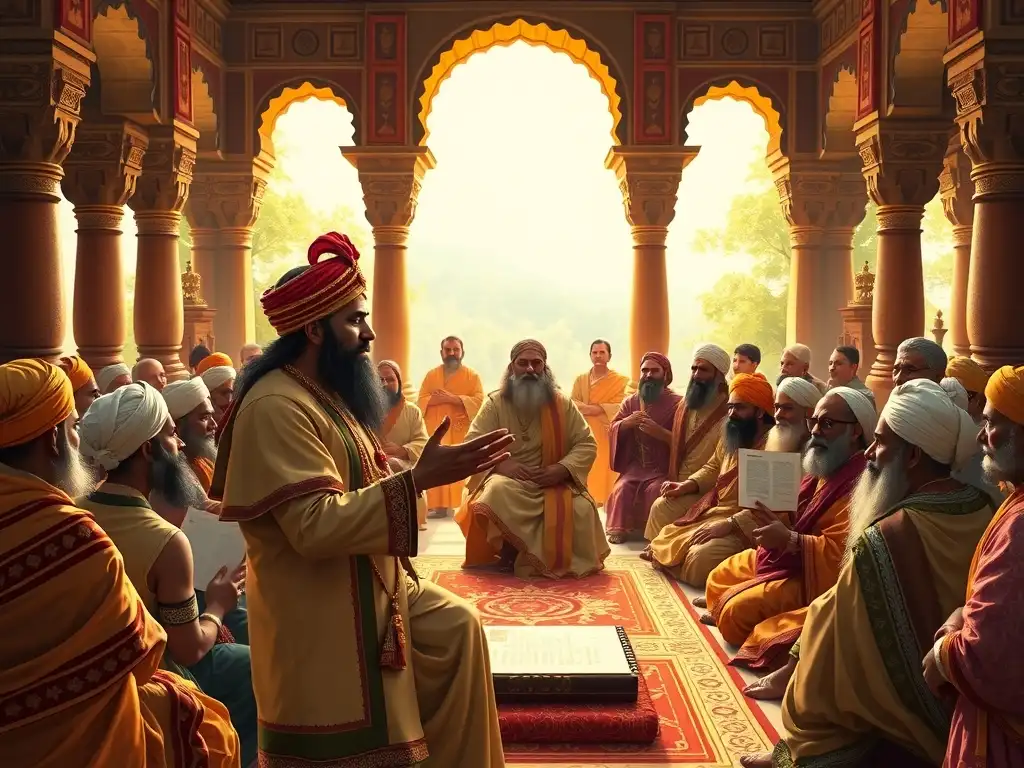
The Maurya Empire, one of the largest and most powerful empires in ancient India, made significant contributions to political thought that resonate even today. With rulers like Chandragupta Maurya and his grandson Ashoka, the empire laid the groundwork for political philosophy that emphasized governance, ethics, and the role of the state in society. This section explores the philosophical underpinnings that shaped the political landscape during the Maurya Empire and their lasting impact on the political thought of ancient India.
The Role of Arthashastra in Political Strategy
One of the most important texts from the Maurya Empire is the Arthashastra, attributed to Kautilya (Chanakya), the chief advisor to Chandragupta Maurya. This ancient treatise on statecraft and military strategy offers profound insights into governance, economics, and political maneuvering.
- Political Realism: The Arthashastra is often regarded as a foundational text of political realism. It emphasizes pragmatic approaches to governance, suggesting that rulers must be shrewd and often ruthless to maintain power and stability. Kautilya argues that the ends justify the means, advocating for strategic deception and manipulation when necessary.
- Administrative Framework: The Arthashastra outlines a comprehensive administrative framework, detailing various ministries and their functions. It emphasizes a structured bureaucracy that could efficiently manage the empire’s vast resources and diverse populations.
- Diplomacy and Warfare: The text also discusses the importance of diplomacy and strategic alliances, alongside military prowess. Kautilya famously categorized states into several types based on their strengths, weaknesses, and relationships, which informed how rulers should interact with each other.
The principles from the Arthashastra had a lasting impact on the political strategies of subsequent Indian rulers, influencing both governance and military tactics in the centuries that followed.
Influence of Buddhism and Jainism on Mauryan Political Ideals
The Maurya Empire was also marked by the significant influence of Buddhism and Jainism, particularly under the reign of Ashoka, who embraced Buddhist values after the Kalinga War.
- Ethical Governance: Ashoka's conversion to Buddhism led to a radical transformation in political thought, emphasizing ethical governance. He promoted the idea that rulers should act as moral exemplars, leading by example and prioritizing the welfare of their subjects.
- Dhamma: The concept of Dhamma (righteousness) became central to Ashoka's policies. He advocated for non-violence, tolerance, and compassion, not only towards his subjects but also towards animals and the environment. This shift towards ethical governance marked a significant departure from the more pragmatic and sometimes harsh principles outlined in the Arthashastra.
- Welfare State: Under Ashoka, the Maurya Empire introduced features of a welfare state, focusing on public health, education, and infrastructure. This was reflected in the construction of hospitals, rest houses, and the establishment of free medical care, showcasing a model of governance that prioritized the well-being of the citizenry.
The integration of Buddhist and Jain ideals into Mauryan governance laid the groundwork for future political philosophies in India, advocating for a more humane and ethical approach to rule.
Concepts of Dharma and Righteous Rule in Mauryan Governance
The Maurya Empire's political thought was also deeply rooted in the concepts of Dharma and righteous rule, which played a crucial role in shaping governance during this period.
- Dharma as a Guiding Principle: In the context of the Maurya Empire, Dharma referred to the moral and ethical duties of individuals, especially rulers. It provided a framework for just governance, emphasizing fairness, justice, and the fulfillment of social responsibilities. Rulers were expected to uphold Dharma to maintain legitimacy and authority.
- Ruler's Responsibility: The Mauryan kings believed that their primary duty was to promote the well-being of their subjects. This included ensuring justice, protecting the weak, and providing for the needs of the populace. The idea of Dharma served as a moral compass for rulers, guiding their decisions and policies.
- Legacy of Righteous Rule: The legacy of the Maurya Empire's emphasis on Dharma and righteous rule would influence future Indian dynasties, embedding these ideals into the broader fabric of Indian political philosophy. The emphasis on moral governance persisted, shaping the expectations of rulers in the centuries to come.
The philosophical contributions of the Maurya Empire, particularly through the Arthashastra, the influence of Buddhism and Jainism, and the concepts of Dharma, significantly impacted ancient Indian political thought. These elements not only guided the governance of the Maurya Empire but also laid the foundation for future political ideologies in India.
The Maurya Empire's Impact on Subsequent Indian Political Thought
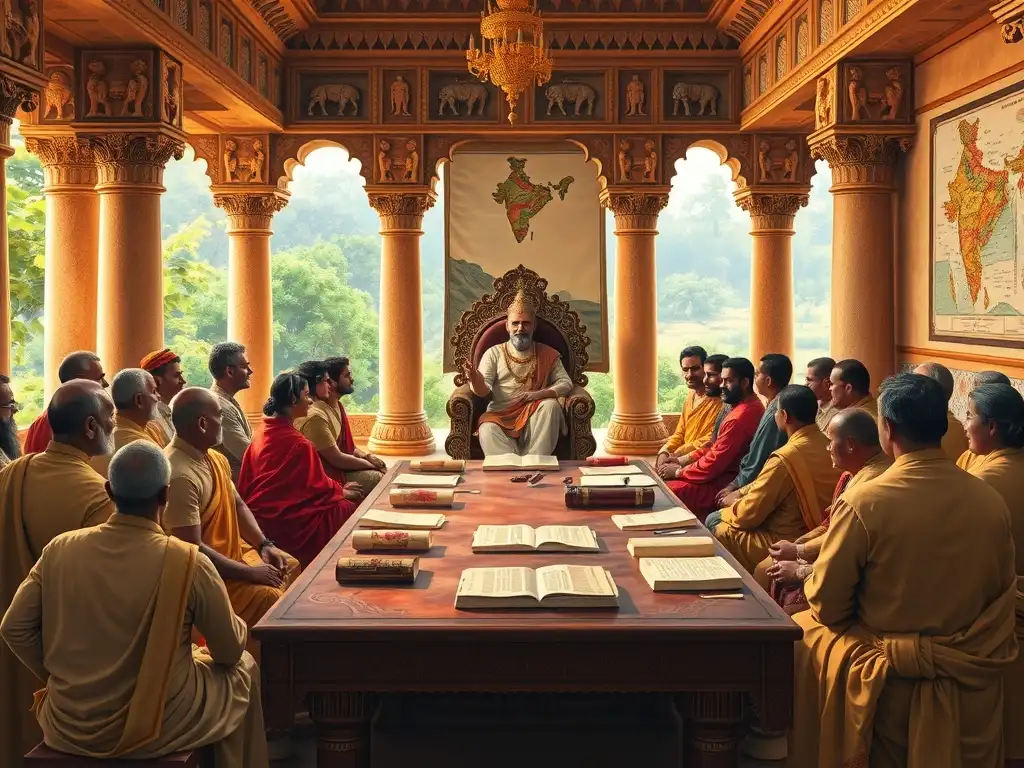
Legacy of the Maurya Empire in Later Dynasties
The Maurya Empire, which flourished from 322 to 185 BCE, laid a foundational framework for governance that influenced subsequent Indian dynasties profoundly. The most notable aspects of the Mauryan legacy include centralized administration, the establishment of a bureaucratic system, and the promotion of legal codes, which became cornerstones for later rulers.
- Centralized Administration: The Mauryan model featured a strong central authority, led by the emperor, who wielded significant power. This approach was emulated by various dynasties, such as the Gupta Empire and the later Chola rulers, who adopted similar administrative structures to maintain control over their vast territories.
- Bureaucratic Innovations: The Mauryas implemented a sophisticated bureaucracy with specific departments responsible for various aspects of governance. This included tax collection, agriculture, and public works. Such divisions were crucial for managing the large empire and were replicated in the administrative practices of later rulers.
- Legal and Ethical Frameworks: The Edicts of Ashoka, which promoted moral governance and welfare, served as a model for subsequent rulers who sought to establish legitimacy through ethical governance. The emphasis on dharma (moral duty) influenced political thought in the post-Mauryan era, where rulers were expected to follow moral principles in their reign.
Overall, the Maurya Empire's comprehensive approach to governance set a precedent that would echo through Indian history, shaping political thought and administrative practices for centuries to come.
Comparison with Other Ancient Indian Political Systems
When analyzing the impact of the Maurya Empire on politics, it is essential to compare its political structures and philosophies with those of other ancient Indian systems.
- Indus Valley Civilization: Unlike the Mauryan Empire, which emphasized a centralized form of governance, the Indus Valley Civilization (c. 2500–1900 BCE) exhibited a more decentralized urban planning approach. Cities like Mohenjo-Daro and Harappa suggest local governance with less evidence of a unified political structure.
- Vedic Period: The political organization during the Vedic period (c. 1500–500 BCE) was primarily tribal and kin-based. The Maurya Empire transitioned from this fragmented structure to a more cohesive and powerful centralized state, showcasing a significant evolution in political thought.
- Post-Mauryan Dynasties: Following the Mauryan Empire, dynasties such as the Kushans and Guptas adopted and adapted Mauryan political principles. While the Gupta Empire built upon the bureaucratic structures established by the Mauryas, they also introduced new concepts, such as the integration of local governance with centralized authority, demonstrating a dynamic interplay between Mauryan legacies and emerging political ideas.
This comparative analysis illustrates how the Maurya Empire not only shaped its contemporary political landscape but also influenced the evolution of governance in India throughout history.
The Enduring Influence of Mauryan Ideals in Modern Politics
The impact of the Maurya Empire on politics can still be felt today, as many of its ideals resonate within modern political frameworks in India and beyond.
- Centralization and Bureaucracy: The principles of centralized governance established by the Mauryas are evident in the structure of modern Indian government. The emphasis on a tiered bureaucracy allows for efficient administration and governance, echoing Mauryan practices.
- Ethical Governance: Ashoka's commitment to dharma and moral governance continues to inspire contemporary political leaders. The notion that rulers should prioritize the welfare of their subjects is a recurring theme in modern political discourse, reflecting the enduring legacy of Mauryan ideals.
- Social Welfare Policies: The Mauryan focus on public welfare and infrastructure development can be seen in modern policies aimed at improving the quality of life for citizens. Initiatives such as rural development programs and public health initiatives are reminiscent of Ashoka's efforts to promote welfare.
The Maurya Empire's political philosophies not only shaped ancient Indian governance but also established principles that continue to influence political thought and practice in the modern era. Its legacy serves as a reminder of the importance of ethical leadership and effective administration in the pursuit of a just society.
Conclusion: The Lasting Impact of the Maurya Empire on Politics
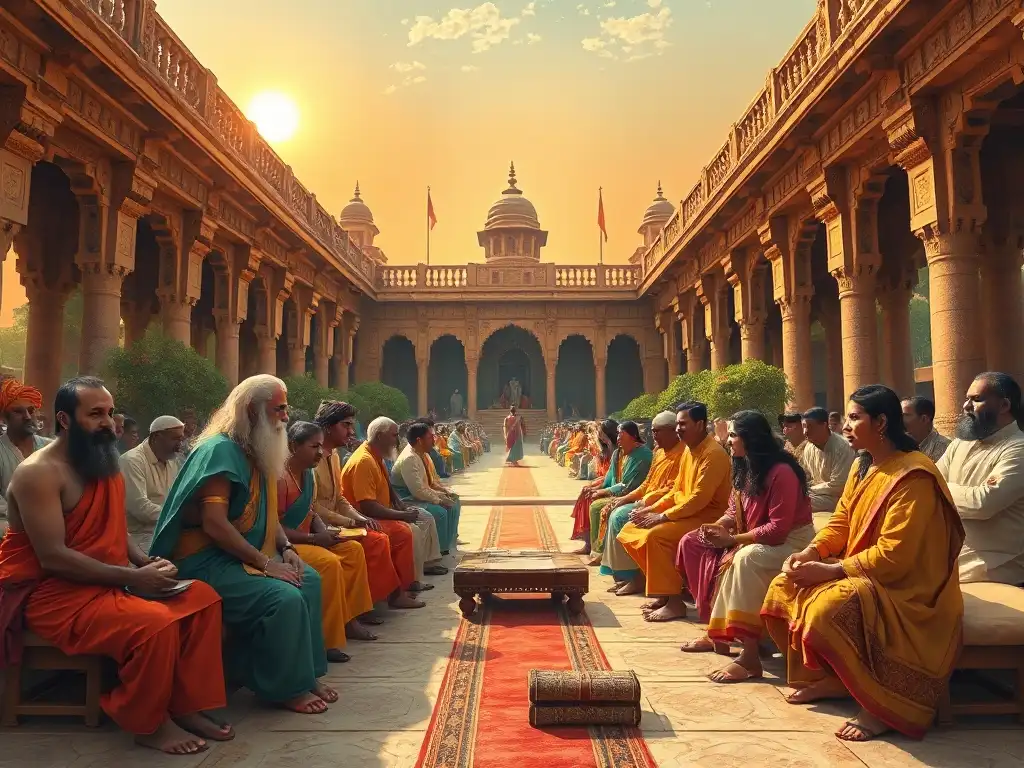
Summary of Key Contributions to Political Thought
The Maurya Empire, which thrived from 322 to 185 BCE, left an indelible mark on the political landscape of ancient India. Its governance strategies, administrative frameworks, and political philosophies have had a profound and lasting impact on the development of political thought in the region. Here are some of the key contributions:
- Centralized Administration: The Mauryan Empire established a highly centralized administrative system, which was crucial for managing its vast territories. The emperor was viewed as the supreme authority, a notion that consolidated power and facilitated efficient governance.
- Legal Frameworks: The empire introduced comprehensive legal systems, notably the Arthashastra, attributed to Kautilya (Chanakya), which provided guidelines on statecraft, economics, and military strategy. This text remains a seminal work in understanding ancient Indian political philosophy.
- Bureaucratic Innovations: The Mauryas implemented a sophisticated bureaucracy, with officials appointed to oversee various departments. This organizational structure laid the groundwork for future administrative practices in India.
- Public Welfare Policies: The Mauryan rulers, particularly Ashoka, emphasized the importance of public welfare and ethical governance. Ashoka's edicts advocated for social justice, animal rights, and the promotion of Dharma (righteousness), influencing the moral dimensions of governance.
- Diplomatic Relations: The Maurya Empire also engaged in diplomacy with foreign states, which expanded its influence and set a precedent for international relations in ancient India.
Reflection on the Maurya Empire's Role in Shaping Future Governance in India
The impact of the Maurya Empire on politics extends well beyond its fall in the 2nd century BCE. Its governance principles and administrative practices influenced subsequent Indian empires, including the Gupta Empire and even later states, such as the Mughal Empire. Here are several reflections on this enduring legacy:
- Influence on Successor States: The administrative frameworks established by the Mauryas were adopted and adapted by later rulers. The Gupta Empire, for instance, inherited many of the bureaucratic practices and legal systems initiated during the Mauryan period, ensuring continuity in governance.
- Philosophical Foundations: The political philosophy articulated in texts like the Arthashastra continued to resonate through centuries, shaping the strategic thinking of Indian rulers. The emphasis on pragmatism, diplomacy, and statecraft provided a blueprint for governance that many later leaders would follow.
- Ethical Governance: Ashoka’s promotion of Dharma as a guiding principle for governance laid a foundation for the expectation of ethical leadership in Indian politics. This concept influenced the moral and ethical considerations that became integral to governance in India, emphasizing rulers’ responsibilities towards their subjects.
- Cultural Integration: The Maurya Empire fostered a sense of unity among diverse populations through a shared administrative system and cultural practices. This integration set a precedent that subsequent empires would strive to maintain, promoting political stability in a region characterized by diversity.
- Legacy of Political Thought: The political models developed during the Maurya Empire continue to be relevant today. Concepts of governance rooted in central authority, legal frameworks, and ethical leadership resonate in modern political discourse, underscoring the empire's lasting impact on Indian political thought.
The Maurya Empire's contributions to political thought and governance not only shaped its contemporary political landscape but also laid foundational elements that influenced the trajectory of Indian politics for centuries to come. The empire's legacy endures, reminding us of its significant role in the evolution of governance in ancient India.
Frequently Asked Questions
What was the Maurya Empire known for in terms of political structure?
The Maurya Empire is renowned for its centralized governance and efficient administration, which set a precedent for future Indian states.
How did the Maurya Empire influence political thought in ancient India?
The Maurya Empire introduced concepts of statecraft, law, and justice that significantly shaped political philosophy in ancient India, particularly through texts like the Arthashastra.
Who were the most notable rulers of the Maurya Empire, and what impact did they have?
Chandragupta Maurya and his grandson Ashoka were pivotal figures; Ashoka's promotion of Buddhism and non-violence influenced both governance and public policy.
What role did Ashoka's edicts play in the Maurya Empire's political legacy?
Ashoka's edicts communicated important moral and ethical guidelines to his subjects, highlighting the role of rulers in ensuring the welfare of their people.
How did the fall of the Maurya Empire affect subsequent Indian political systems?
The decline of the Maurya Empire led to a fragmentation of power, paving the way for regional kingdoms that diversified political practices and philosophies in ancient India.
Final Reflection: The Enduring Impact of the Maurya Empire on Political Thought
The Maurya Empire's influence on ancient Indian political thought remains profoundly relevant today, as it laid the groundwork for governance, administration, and ethical leadership that resonates through centuries. The principles established during this era continue to inform modern political discourse, reminding us that the foundations of effective governance are timeless. The legacy of the Maurya Empire is not just a historical footnote; it is a beacon guiding contemporary political structures and ideologies.
The Maurya Empire's contributions have shaped not only the political landscape of ancient India but also the broader cultural and social frameworks that define governance today. The emphasis on dharma, or moral duty, in leadership is a concept that transcends time, urging leaders to prioritize ethics over power. As Chanakya famously stated, There is some self-interest behind every friendship. There is no friendship without self-interests.
This insight reflects the complexities of political relationships and the necessity for a balance between personal ambition and collective responsibility, a lesson that remains pertinent in today's political climate.
As we reflect on the lessons from the Maurya Empire, I invite you to consider how these ancient principles can be applied in your own life and community. What does ethical leadership look like in your context? How can you embody the values of justice and responsibility that were championed during this remarkable period?
By engaging with these questions, we can honor the legacy of the Maurya Empire and contribute to a political landscape that values integrity, inclusivity, and the common good. Let us take these lessons forward, ensuring that the impact of the Maurya Empire on politics continues to inspire future generations.
Unveil the Legacy of the Maurya Empire!
Thank you for exploring the fascinating world of the Maurya Empire and its profound influence on ancient Indian political thought! Your journey through this rich history highlights the incredible ways political ideologies have shaped society. Now, it's time to take what you've learned and put it into action!
- Dive deeper: Explore more about the key figures of the Maurya Empire by reading biographies and historical accounts. Visit your local library or find online resources to expand your knowledge.
- Engage with others: Share this article with friends who have an interest in history and political thought, and start a discussion about the relevance of ancient ideologies in today's world.
- Reflect personally: Consider how the principles of governance from the Maurya period can be applied to contemporary political issues. Perhaps write a blog post or journal entry to articulate your thoughts.
What lessons from the Maurya Empire do you believe are most relevant to our current political landscape? Let’s discuss!