
The Role of Chanakya: The Mastermind Behind the Maurya Empire's Success

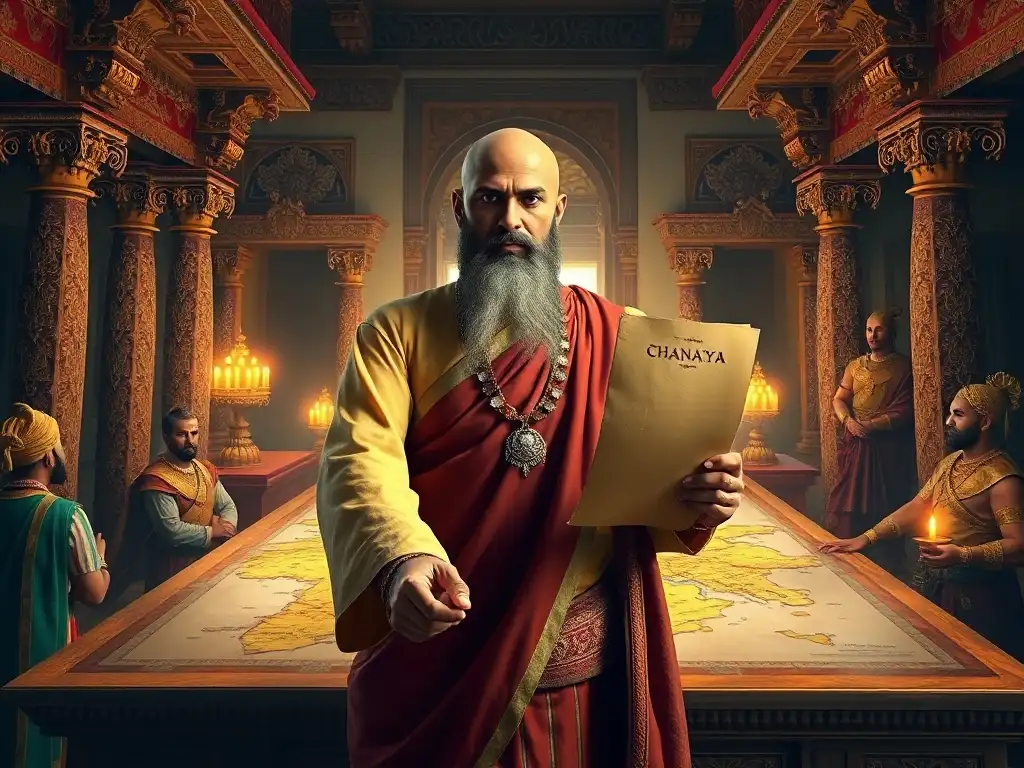
Welcome to Ancient India History, where we embark on an enlightening journey through the rich tapestry of ancient Indian civilizations. In our featured article, we delve into Chanakya's role in the Maurya Empire, uncovering the strategic brilliance and political acumen that shaped one of history's most formidable empires. Prepare to be captivated as we explore the intricate details of Chanakya's influence, his profound contributions, and the lasting legacy he left behind. Join us in this exploration and discover how a single mastermind could ignite the flames of a vast empire!
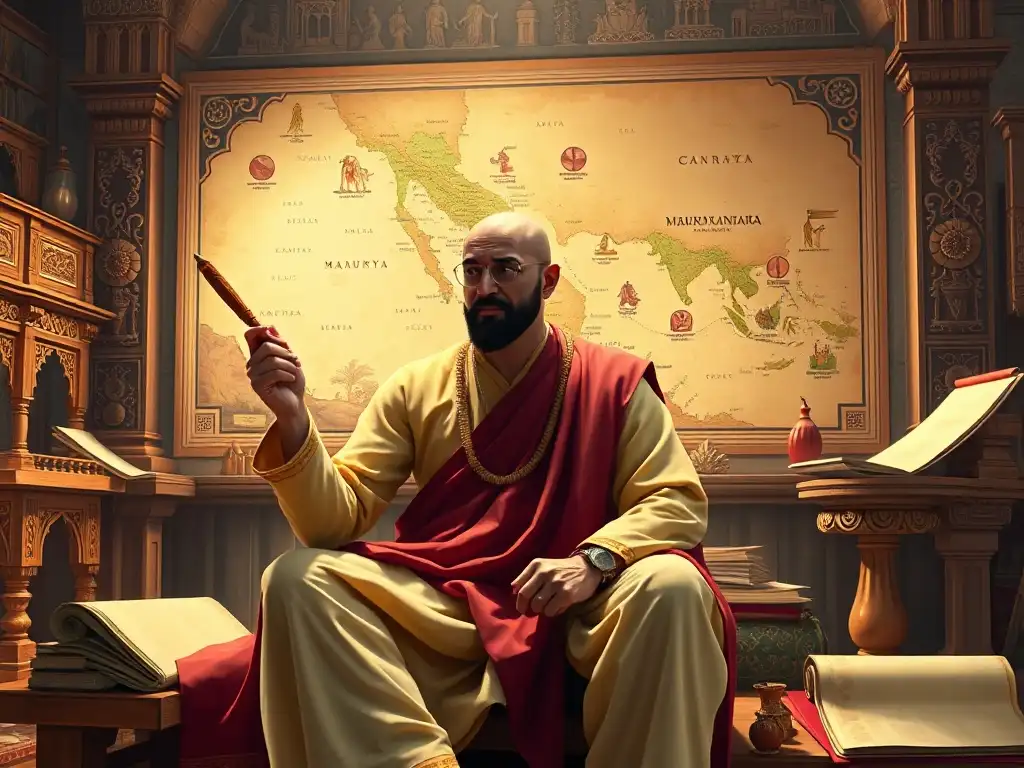
Introduction to Chanakya and His Importance
Chanakya, also known as Kautilya or Vishnugupta, is a towering figure in the annals of ancient Indian history. Renowned as a scholar, philosopher, and strategist, his contributions to the political landscape of ancient India are monumental, particularly during the rise of the Maurya Empire.
His insights into governance, diplomacy, and military strategy laid the foundational principles that guided one of the largest empires in Indian history. This article delves into the multifaceted role Chanakya played in shaping the Maurya Empire, highlighting his intellectual prowess and strategic acumen that not only elevated Chandragupta Maurya to power but also established a legacy that would influence generations.
Overview of Chanakya's Legacy in Ancient India
Chanakya's legacy transcends his immediate political achievements; he is often celebrated as the author of the Arthashastra, an ancient treatise on statecraft and economic policy. This work encapsulates his profound understanding of political dynamics and administration, providing a blueprint for future rulers. Chanakya's teachings emphasize the importance of intelligence, resourcefulness, and cunning in governance. Through his methods, he has been portrayed as a master of political strategy, often likened to figures such as Niccolò Machiavelli in the West.
His legacy is not confined to his literary contributions; Chanakya is also credited with the unification of fragmented Indian states, fostering a sense of nationalism and identity that was crucial for the stability of the Maurya Empire. His ability to navigate complex political landscapes and establish effective governance has made him an enduring symbol of wisdom and strategy in Indian culture.
Significance of Chanakya's Role in the Maurya Empire
Chanakya's role in the Maurya Empire is pivotal, as he was not just an advisor but a key architect of its success. He played a crucial role in the overthrow of the Nanda Dynasty, which enabled Chandragupta Maurya to ascend to the throne. His strategic planning and foresight were instrumental in rallying support from various factions, including the discontented noble classes and local rulers.
Furthermore, Chanakya’s influence extended beyond the initial establishment of the empire. His governance strategies helped to consolidate power, maintain order, and implement policies that promoted economic prosperity. The administrative reforms he initiated laid the groundwork for a centralized government, ensuring that the Maurya Empire became one of the most formidable powers of its time.
Chanakya: The Scholar and Strategist
Early Life and Education of Chanakya
Chanakya was born into a Brahmin family in the ancient city of Takshashila, which was a renowned center for learning. His early education encompassed a wide range of subjects, including economics, political science, and military strategy. Notably, he excelled in the study of Niti Shastra, which pertains to ethics and governance.
The turning point in Chanakya's life came when he witnessed the humiliation of his homeland by the Nanda rulers. This fueled his resolve to dethrone them, leading him to form a strategic alliance with Chandragupta Maurya. His background in scholarly pursuits equipped him with the knowledge and skills necessary to navigate the complexities of court politics and military tactics.
Chanakya's Philosophical Influences and Teachings
Chanakya's teachings are deeply rooted in several philosophical traditions, blending elements of realism and pragmatism. His philosophy emphasizes the importance of virtue and morality in governance, but it is often pragmatic, advocating for cunning and strategic deception when necessary.
In his seminal work, the Arthashastra, Chanakya articulates various strategies for statecraft, including espionage, diplomacy, and warfare. His principles advocate for a ruler to be adaptable and shrewd, recognizing that the political landscape is ever-changing. This blend of ethical governance and strategic maneuvering has influenced not only Indian rulers but also thinkers and leaders across the globe, establishing Chanakya as a timeless figure in the study of political science.
In subsequent sections, we will explore Chanakya's specific strategies and contributions to the Maurya Empire in greater detail, illustrating how his legacy continues to resonate in various realms of governance and leadership today.
Chanakya's Contribution to the Rise of the Maurya Empire
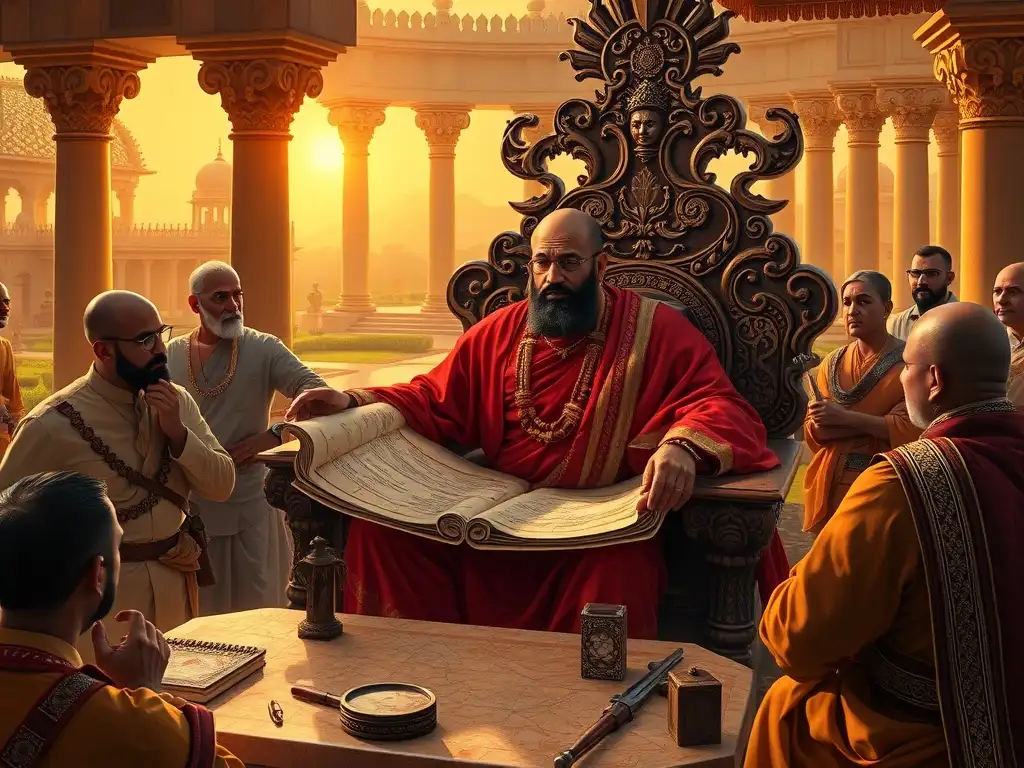
Chanakya, also known as Kautilya or Vishnugupta, was a pivotal figure in the establishment and expansion of the Maurya Empire. His contributions extended beyond mere political advisory; he was the architect of a powerful state that unified much of the Indian subcontinent under Chandragupta Maurya's rule. One of Chanakya's most significant contributions was his strategic vision, which combined military prowess with astute political insights. He recognized the need for a strong, centralized authority to challenge the fragmented states that characterized the era following the decline of the Nanda dynasty.
Furthermore, Chanakya's deep understanding of human nature and statecraft, as articulated in his seminal work, the Arthashastra, laid the groundwork for effective governance and military strategy. His teachings emphasized deception, intelligence gathering, and the importance of alliances, which were instrumental in navigating the complex political landscape of ancient India. Chanakya's role in fostering a sense of unity among diverse tribes and regions was crucial in the Maurya Empire's rise, allowing it to consolidate power and resources effectively.
The Role of Chanakya in Chandragupta Maurya's Ascendancy
Chanakya played a crucial role in Chandragupta Maurya's ascendance to power, serving not only as a mentor but also as a strategist who orchestrated the young leader's rise against the Nanda dynasty. After being humiliated by King Dhana Nanda, Chanakya vowed to dethrone him and sought out Chandragupta, who was then a young adventurer. Recognizing Chandragupta's potential, Chanakya trained him in the arts of warfare, governance, and diplomacy, preparing him for the challenges ahead.
Under Chanakya's guidance, Chandragupta amassed a formidable army and employed guerrilla tactics to disrupt Nanda rule. Chanakya's intelligence network provided crucial information on enemy positions and weaknesses, enabling Chandragupta to launch surprise attacks that would later prove decisive in their campaign. The successful overthrow of the Nandas marked the beginning of the Maurya Empire, with Chandragupta as its first emperor, firmly establishing Chanakya's legacy as the mastermind behind the empire's foundation.
Strategic Alliances and Political Maneuvering
Chanakya's adeptness at forging strategic alliances played an essential role in the Maurya Empire's success. Understanding that military strength alone could not ensure victory, he skillfully negotiated alliances with regional powers and influential local chieftains. This approach not only bolstered Chandragupta's military capabilities but also helped to legitimize his rule in the eyes of the populace.
Moreover, Chanakya employed political maneuvering to weaken opponents. He strategically spread disinformation to create distrust among rival factions, which destabilized their unity and made them more vulnerable to attack. His ability to manipulate the political landscape allowed the Maurya Empire to grow rapidly, as Chanakya ensured that adversaries were kept off-balance while strengthening Chandragupta's position through calculated diplomacy.
Chanakya's Role in Governance and Administration
Chanakya's influence extended far beyond military tactics; he was instrumental in establishing a robust administrative framework within the Maurya Empire. He understood that effective governance was crucial for maintaining control over a vast and diverse territory. Drawing from his insights in the Arthashastra, he implemented policies that emphasized efficiency, accountability, and centralized control.
One of Chanakya's significant contributions to governance was the establishment of a bureaucratic system that allowed for effective tax collection and resource management. His policies ensured that the state could sustain its military and public welfare initiatives, which in turn fostered loyalty among the populace. Chanakya's vision of a well-organized state was central to the Maurya Empire's longevity and stability.
Implementation of Chanakya's Policies in the Maurya Empire
The implementation of Chanakya's policies was pivotal in shaping the Maurya Empire's administrative structure. His focus on meritocracy ensured that positions within the bureaucracy were filled by qualified individuals, which enhanced the efficiency of the state machinery. Chanakya emphasized the importance of a well-trained civil service that could carry out the emperor's directives effectively.
Additionally, Chanakya's policies on trade and commerce fostered economic prosperity. He advocated for the establishment of trade routes and markets, which facilitated commerce across the empire. By ensuring the security of these trade routes, Chanakya not only boosted the economy but also reinforced the empire's power through increased revenue generation, allowing it to support military endeavors and public projects.
Key Administrative Strategies Proposed by Chanakya
Chanakya proposed several key administrative strategies that were foundational to the Maurya Empire's governance. One notable strategy was the establishment of a comprehensive intelligence network, which allowed the state to monitor both internal and external threats effectively. This proactive approach to intelligence gathering helped the empire pre-emptively address potential uprisings or invasions.
In addition, Chanakya emphasized the importance of law and order, proposing strict regulations to maintain societal stability. He believed that a well-governed society was essential for the prosperity of the empire. His legal reforms aimed at ensuring justice and fairness, which in turn cultivated public trust in the government. Through these strategies, Chanakya ensured that the Maurya Empire not only thrived militarily but also enjoyed a high degree of internal stability, contributing to its status as one of the most powerful empires in ancient India.
Chanakya's Military Strategies and Tactics
Chanakya, also known as Kautilya, was not only a brilliant philosopher and statesman but also a master strategist whose military insights were pivotal in establishing and consolidating the Maurya Empire. His approach to warfare was characterized by a combination of psychological warfare, intelligence gathering, and unconventional tactics. Chanakya understood that victory in battle was not solely dependent on brute strength; rather, it required careful planning and an understanding of the enemy's weaknesses. His strategies often emphasized the importance of espionage, diplomacy, and forming alliances, which allowed the Maurya Empire to expand its influence without engaging in prolonged conflicts.
Overview of Chanakya's Military Genius
Chanakya's military genius can be largely attributed to his experience and knowledge of political science as outlined in his seminal work, the Arthashastra. This treatise not only covers military strategies but also delves into statecraft, governance, and economics. His teachings emphasized the importance of adaptability in warfare, advising rulers to be prepared for any eventuality. Chanakya's foresight in recognizing the value of guerilla warfare and the use of spies enabled the Mauryan forces to execute surprise attacks, gather intelligence on enemy movements, and disrupt supply lines.
Moreover, his ability to instill discipline and loyalty among the troops was crucial. Chanakya understood that a well-motivated army was more effective than a larger, disorganized one. His emphasis on training and morale ensured that the Mauryan military was not only formidable but also unified under a common cause, which played a vital role in the empire’s expansion.
Key Battles and Military Campaigns Influenced by Chanakya
Several key battles and military campaigns during the Maurya Empire can be directly linked to Chanakya's strategic thinking. One of the most notable was the overthrow of the Nanda Dynasty, which was achieved through a well-coordinated plan involving both military might and political maneuvering. Chanakya’s guidance was instrumental in the rise of Chandragupta Maurya, who would go on to become the first emperor of the Maurya Empire.
Another significant campaign was the expansion into the northwest territories. Chanakya advised Chandragupta to strategically exploit the weaknesses of the local rulers, thereby facilitating the Mauryan expansion into regions that were previously difficult to conquer. His strategies during conflicts against Alexander the Great's successors also showcased his ability to adapt to changing circumstances, utilizing both direct confrontation and strategic retreats to preserve his forces.
Chanakya's Economic Policies and Their Impact
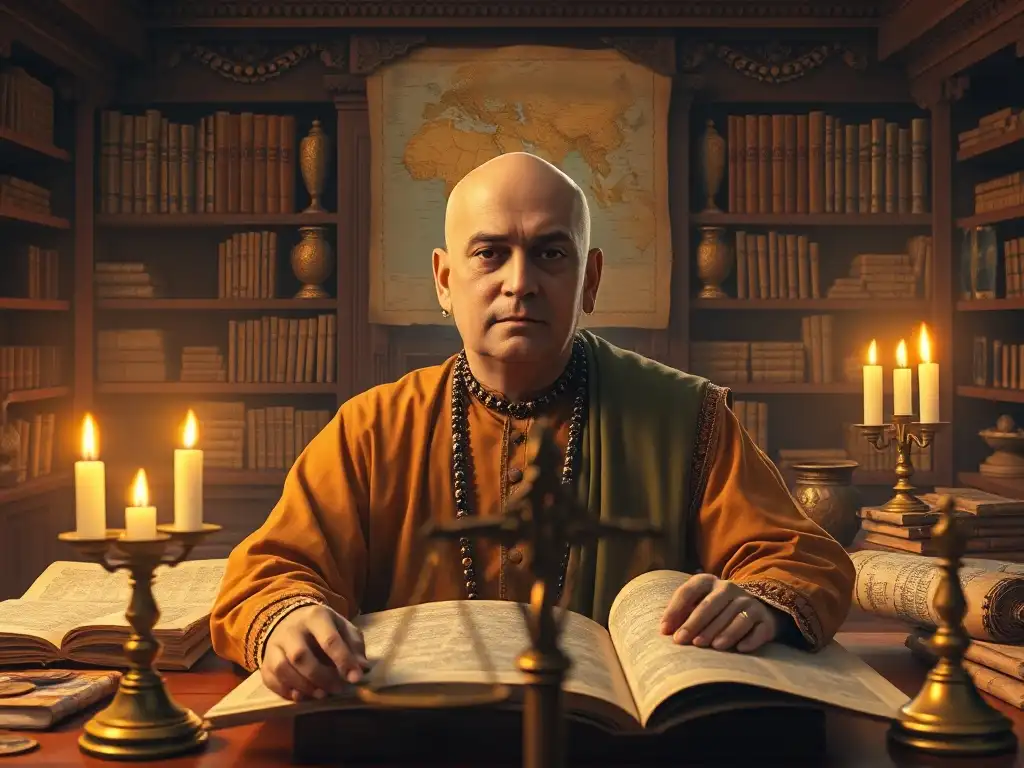
Chanakya recognized that a strong economy was foundational to a powerful state. His economic policies laid the groundwork for the Maurya Empire’s prosperity and stability. By implementing reforms that enhanced agriculture, trade, and taxation, Chanakya ensured that the empire not only expanded territorially but also flourished economically.
Economic Reforms Introduced by Chanakya
Chanakya introduced several key economic reforms that transformed the Maurya Empire into a thriving hub of commerce and agriculture. One of his significant contributions was the establishment of a systematic tax collection method that ensured the state's revenue was maximized while also being fair to the populace. He emphasized the importance of agriculture as the backbone of the economy, implementing policies that encouraged irrigation, crop rotation, and the use of better farming techniques.
Additionally, Chanakya promoted trade by establishing trade routes and marketplaces, which facilitated the exchange of goods and ideas. His policies regarding the regulation of markets helped stabilize prices and protect consumers, creating a conducive environment for economic growth. These reforms not only enriched the Maurya treasury but also improved the standard of living for many citizens, thereby fostering loyalty to the empire.
The Role of Trade and Agriculture in the Maurya Empire
Trade and agriculture were critical components of the Maurya Empire's economy, and Chanakya understood their importance in sustaining the empire's power. The prosperous agricultural sector ensured a steady supply of food, which was vital for maintaining a large standing army and supporting urban populations. Chanakya’s policies in agriculture not only increased yields but also promoted self-sufficiency within the empire.
Trade, on the other hand, allowed the Maurya Empire to connect with distant lands, facilitating the exchange of goods, culture, and technology. Chanakya encouraged the establishment of trade agreements with neighboring kingdoms and regions, which expanded the empire's influence and brought wealth into its coffers. The combination of a robust agricultural base and a thriving trade network underpinned the economic strength of the Maurya Empire, making it one of the most formidable powers of its time.
Chanakya's Legacy and Influence on Subsequent Empires
Chanakya, also known as Kautilya or Vishnugupta, is a towering figure in Indian history whose influence transcended the Maurya Empire and left an indelible mark on subsequent empires. His strategic foresight and political acumen were instrumental in the establishment and consolidation of the Maurya Empire under Chandragupta Maurya. Following the fall of the Maurya dynasty, Chanakya's principles and tactics continued to resonate, guiding rulers and empires in their governance and diplomatic strategies.
The legacy of Chanakya is evident in the way he emphasized the importance of a strong central government, a disciplined army, and a network of spies to maintain state security and stability. These principles became foundational for many Indian empires that followed, including the Gupta Empire, which thrived on the administrative frameworks established by Chanakya. His seminal work, the Arthashastra, served as a manual for governance and statecraft, detailing various aspects of administration, economics, and military strategy that were adopted and adapted by future rulers.
How Chanakya’s Ideas Shaped Future Indian Governance
Chanakya’s ideas significantly shaped the governance of later Indian states through his emphasis on realpolitik—a pragmatic approach to politics that prioritizes results over ideals. His strategies were based on a deep understanding of human behavior and the complexities of political power. For instance, the use of espionage and intelligence gathering became a critical aspect of governance, as rulers recognized the importance of staying informed about both internal and external threats.
Moreover, Chanakya's advocacy for meritocracy in administration influenced future governance structures. He believed that capable individuals should be appointed to key positions regardless of their background, fostering a culture of efficiency and effectiveness in administration. This notion not only encouraged better governance but also promoted social mobility, which became a hallmark of later Indian polities.
Chanakya’s teachings on diplomacy and warfare provided future leaders with a strategic framework for dealing with rivals. His principles of forming alliances, understanding the art of war, and employing deception when necessary were crucial for many rulers seeking to expand their territories and maintain power amidst competing interests.
The Enduring Influence of Chanakya’s Philosophy in Modern India
Chanakya’s philosophy continues to resonate in modern India, influencing political thought and leadership styles. His ideas on governance, economics, and strategy are studied in various academic institutions and are often referenced in discussions about effective leadership and statecraft.
In contemporary political discourse, Chanakya's principles can be seen in the emphasis on strategic alliances and the importance of national security. His insights into human psychology and governance are echoed in modern management practices, where leaders are encouraged to understand the motivations of their teams and stakeholders.
Furthermore, the resurgence of interest in Arthashastra as a guide for economic policy and governance reflects the relevance of Chanakya’s thoughts in addressing current challenges. Politicians and policymakers often draw parallels between Chanakya’s strategies and the complexities of modern governance, highlighting the timeless nature of his teachings.
Conclusion: The Enduring Role of Chanakya in Indian History
Chanakya's role in Indian history is not confined to the Maurya Empire but extends far beyond it, influencing the trajectory of Indian governance and political thought for centuries. His legacy as a strategist, philosopher, and statesman has left an enduring imprint that continues to be relevant in various contexts.
Summary of Chanakya's Role in the Maurya Empire
Chanakya's pivotal role in the formation and consolidation of the Maurya Empire was marked by his strategic brilliance and deep understanding of politics. As the chief advisor to Chandragupta Maurya, he orchestrated the overthrow of the Nanda dynasty and laid the foundations for one of the largest empires in ancient India. His contributions to administration, military strategy, and diplomacy were critical in establishing the Maurya Empire as a formidable power.
Final Thoughts on Chanakya's Impact on Ancient Indian Civilization
In reflecting on Chanakya's impact on ancient Indian civilization, it is clear that his contributions have shaped not only the Maurya Empire but also the broader landscape of Indian history. His teachings on statecraft, economics, and human behavior continue to inform contemporary thought, demonstrating the timeless nature of his insights. As India navigates the complexities of modern governance, the principles laid down by Chanakya remain a valuable resource for leaders and policymakers alike, ensuring that his legacy endures through the ages.
- Introduction to Chanakya and His Importance
- Overview of Chanakya's Legacy in Ancient India
- Significance of Chanakya's Role in the Maurya Empire
- Chanakya: The Scholar and Strategist
- Chanakya's Contribution to the Rise of the Maurya Empire
- Chanakya's Role in Governance and Administration
- Chanakya's Military Strategies and Tactics
- Chanakya's Economic Policies and Their Impact
- Chanakya's Legacy and Influence on Subsequent Empires
- Conclusion: The Enduring Role of Chanakya in Indian History
- What was Chanakya's primary contribution to the Maurya Empire?
- How did Chanakya influence Chandragupta Maurya's rise to power?
- What are some key works attributed to Chanakya?
- How did Chanakya's strategies impact the governance of the Maurya Empire?
- Why is Chanakya considered a significant figure in Indian history?
Frequently Asked Questions
What was Chanakya's primary contribution to the Maurya Empire?
Chanakya, also known as Kautilya, was instrumental in the establishment and expansion of the Maurya Empire through his political strategy and guidance to Chandragupta Maurya.
How did Chanakya influence Chandragupta Maurya's rise to power?
Chanakya played a crucial role in mentoring and strategizing for Chandragupta, helping him overthrow the Nanda dynasty and lay the foundation for the Maurya Empire.
What are some key works attributed to Chanakya?
Chanakya is best known for the Arthashastra, a treatise on politics, economics, and military strategy, which outlines his views on statecraft and governance.
How did Chanakya's strategies impact the governance of the Maurya Empire?
His strategies emphasized realpolitik, focusing on pragmatic and effective governance, which contributed to the prosperity and stability of the Maurya Empire.
Why is Chanakya considered a significant figure in Indian history?
Chanakya is revered not only as a political strategist but also as a philosopher and teacher, whose insights into leadership and statecraft continue to influence modern political thought.
Final Reflection: The Enduring Legacy of Chanakya's Wisdom
Chanakya's role in the Maurya Empire remains profoundly relevant today, as his strategic insights and political acumen continue to resonate in our complex world. The lessons drawn from his life and work not only shaped an empire but also offer timeless wisdom on leadership, governance, and resilience. In an age where effective leadership is more crucial than ever, Chanakya's principles remind us that the right strategy can lead to monumental success, even in the face of adversity.
The influence of Chanakya transcends centuries, shaping not just the Maurya Empire but also the cultural and social fabric of India and beyond. His teachings on diplomacy, ethics, and statecraft have inspired countless leaders and thinkers throughout history. As we navigate the complexities of modern governance and interpersonal relationships, we can draw from Chanakya's insights to foster a more thoughtful and strategic approach to our challenges. There is some self-interest behind every friendship. There is no friendship without self-interests. This is a bitter truth.
This quote encapsulates the pragmatic nature of Chanakya's philosophy, urging us to recognize the underlying motivations in our interactions.
As we reflect on Chanakya's legacy, let us embrace the opportunity to apply his teachings in our own lives. Consider how you can embody his principles of strategic thinking and ethical leadership in your personal and professional endeavors. By doing so, we not only honor the wisdom of a great thinker but also contribute to a future where informed decision-making and integrity guide our actions. Take a moment to ponder: How can you be a mastermind in your own sphere, shaping your environment with the same foresight and determination that Chanakya exemplified?
Unlock the Secrets of Chanakya's Wisdom Today!
Thank you for embarking on the incredible journey through the story of Chanakya and his pivotal role in the success of the Maurya Empire. You've discovered the strategic brilliance and timeless lessons that continue to resonate in our modern world. Now, it's time to take action!
- Dive deeper into Chanakya's teachings by reading his famous work, the Arthashastra, and uncover how you can apply these strategies in your daily life.
- Join our community on social media to discuss Chanakya's insights and share your thoughts on his influence in contemporary society.
- Challenge yourself to implement one of Chanakya's principles in your decision-making this week and observe its impact.
What aspect of Chanakya's philosophy do you find most relevant to today's challenges? **Share your thoughts below and let’s spark a conversation! **