
The Role of Festivals in Gupta Cultural Life: Art, Music, and Dance

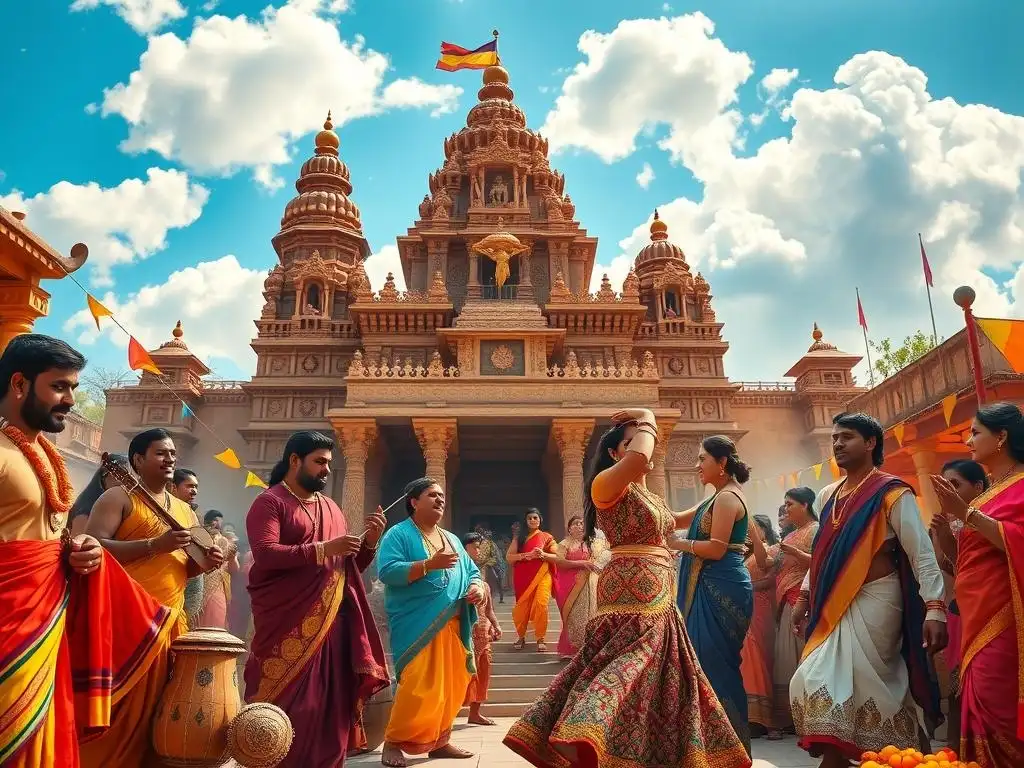
Welcome to Ancient India History, where we embark on a fascinating journey through the vibrant tapestry of ancient Indian civilizations. Here, we dive deep into the cultural festivals of the Gupta Empire, exploring how these vibrant celebrations shaped the artistic expressions of music and dance that still resonate today. What role did these festivals play in the daily lives of the people?
What artistic legacies did they leave behind? Join us as we uncover the rich traditions and contributions that defined an era, inviting you to explore the captivating world of Gupta cultural life. Your adventure into history begins now!
The Gupta Empire, often referred to as the "Golden Age" of ancient India, flourished from approximately 320 to 550 CE, leaving an indelible mark on various aspects of Indian culture. Among the many vibrant threads that wove together the fabric of Gupta society, festivals played a pivotal role in shaping communal identities, artistic expressions, and social cohesion. These cultural festivals were not mere occasions for celebration; they were elaborate events that showcased the empire's rich traditions in art, music, and dance.
They served as platforms for creative expression and communal participation, reflecting the values and beliefs of the time. In this article, we will delve into the significance of these festivals within the context of Gupta cultural life, exploring how they contributed to the flourishing of art forms, musical traditions, and dance practices that are still revered today.
The Importance of Festivals in Gupta Society
Festivals in the Gupta Empire were integral to social and religious life. They provided opportunities for people from different strata of society to come together, transcending class and caste divisions. The celebrations often revolved around agricultural cycles, seasonal changes, and significant religious events, which were deeply rooted in the society's spiritual beliefs and practices. This communal participation fostered unity and reinforced the cultural identity of the Gupta people.
Types of Festivals Celebrated
- Religious Festivals: Many festivals were linked to Hindu deities, with major celebrations such as:
- Diwali: The festival of lights, celebrating the victory of light over darkness.
- Holi: The festival of colors, marking the arrival of spring and the triumph of good over evil.
- Agricultural Festivals: Harvest festivals were crucial for agrarian societies, celebrating the bounty of crops and ensuring community participation.
- Cultural Festivals: These included performances of art, music, and dance, showcasing the talents of local artists and fostering a sense of pride in Gupta culture.
Artistic Expression During Festivals
Festivals served as a canvas for artistic expression, where various forms of art flourished. The Gupta period is renowned for its advancements in sculpture, painting, and architecture.
- Sculpture: Temples adorned with intricate carvings depicted scenes from mythology, often inspired by the festivals being celebrated.
- Painting: The murals in Ajanta Caves are prime examples of how festivals influenced artistic themes, portraying vibrant scenes of celebrations and rituals.
The Role of Music in Festivals
Music played an essential role in enhancing the festive atmosphere. Instruments such as the veena, flute, and mridangam were commonly used during celebrations. Music not only entertained but also served as a means to convey spiritual messages and cultural narratives.
- Vocal Music: Chants and hymns dedicated to deities were sung, creating an ambiance of reverence and joy.
- Instrumental Music: Accompanied dance performances, adding rhythm and energy to the celebrations.
Dance Traditions Associated with Festivals
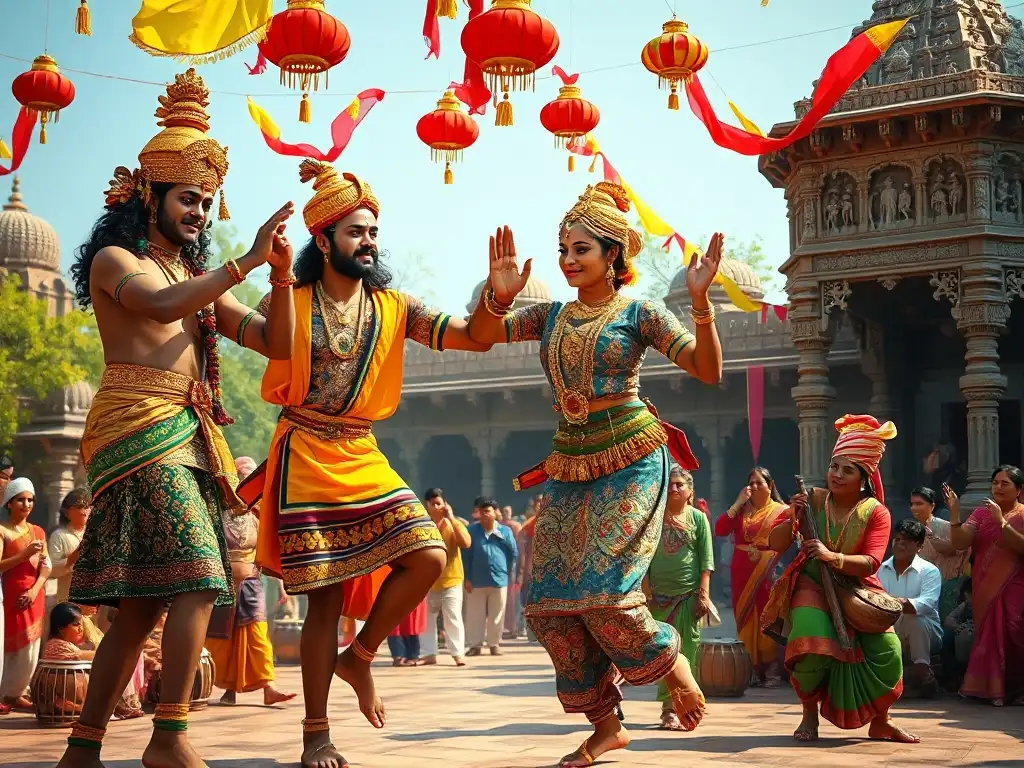
Dance was an integral part of Gupta festivals, often performed to narrate stories from epics and mythology. Various classical dance forms emerged during this period, showcasing skill and artistic expression.
- Bharatanatyam and Kathak: These dance forms, characterized by intricate footwork and expressive gestures, were often performed during religious ceremonies and cultural events.
Conclusion
The cultural festivals of the Gupta Empire were more than just celebrations; they were vital expressions of the society's artistic, musical, and dance traditions. By examining the role of these festivals, we gain insights into the rich cultural tapestry of the Gupta period and its enduring legacy in the history of ancient Indian civilizations. Through art, music, and dance, the essence of Gupta cultural life continues to resonate, reminding us of a time when creativity and spirituality flourished in harmony.
- The Importance of Festivals in Gupta Society
- Artistic Expression During Festivals
- The Role of Music in Festivals
- Dance Traditions Associated with Festivals
- Conclusion
Introduction to Gupta Empire Cultural Festivals
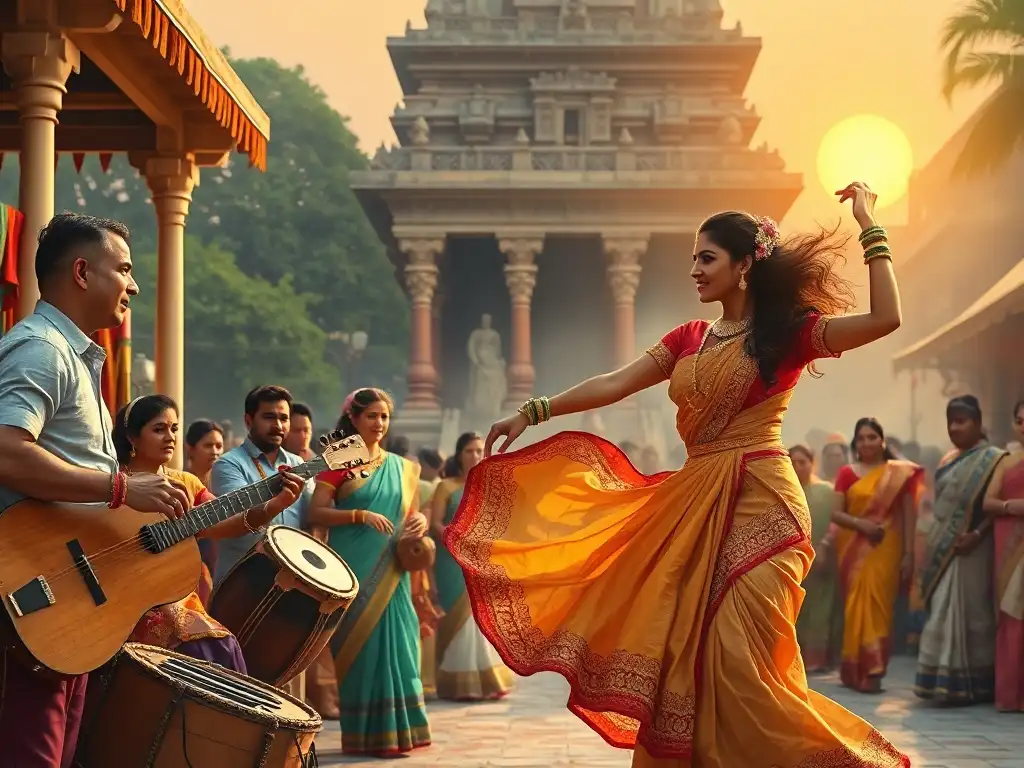
The Gupta Empire, often referred to as the Golden Age of India, was marked by remarkable advancements in art, science, and culture. One of the most vibrant aspects of this era was its cultural festivals, which played a pivotal role in uniting society and celebrating the rich traditions of ancient India.
These festivals not only reflected the spiritual beliefs of the people but also served as a platform for artistic expression through various forms of art, music, and dance. Understanding the cultural festivals of the Gupta Empire provides insight into the values, social structures, and artistic achievements of this influential civilization.
Overview of the Gupta Empire
The Gupta Empire, flourishing from approximately 320 to 550 CE, encompassed a vast territory covering much of northern and central India. Established by Maharaja Sri Gupta, the dynasty reached its zenith under rulers like Chandragupta II and Samudragupta. The empire is renowned for its contributions to various fields, including mathematics, astronomy, medicine, and literature.
The Gupta period was characterized by:
- Political Stability: The centralized governance allowed for socio-economic prosperity, fostering a conducive environment for cultural growth.
- Religious Tolerance: A diverse array of religious practices thrived, including Hinduism, Buddhism, and Jainism, which influenced the festivals celebrated during this time.
- Patronage of Arts: The Gupta rulers were great patrons of the arts, leading to the flourishing of sculpture, painting, and architecture, which were often integral to festival celebrations.
Festivals during the Gupta Empire were often deeply intertwined with religious observances, seasonal changes, and agricultural cycles, contributing to a rich tapestry of cultural life.
Importance of Cultural Festivals in Ancient India
Cultural festivals in ancient India served multiple purposes, acting as a catalyst for community bonding, social interaction, and the preservation of cultural heritage. In the context of the Gupta Empire, these festivals were significant for several reasons:
- Community Unity: Festivals brought people together, fostering a sense of belonging and identity among diverse communities. They provided an opportunity for individuals to participate in communal activities, strengthening social ties.
- Cultural Transmission: Festivals were instrumental in passing down traditions, stories, and values from one generation to the next. This oral and performative transmission helped maintain the cultural continuity of the Gupta civilization.
- Economic Boost: Festivals often involved markets, fairs, and trade, contributing to the local economy. Artisans and merchants showcased their crafts, leading to economic exchanges that supported the livelihoods of many.
- Spiritual Significance: Many festivals were rooted in religious beliefs, offering a time for worship, reflection, and prayer. They served as a reminder of the divine presence in daily life, reinforcing the spiritual fabric of society.
The Significance of Art, Music, and Dance in Festivals
Art, music, and dance were not merely entertainment during festivals; they were essential expressions of cultural identity and spiritual devotion. The Gupta Empire is particularly noted for its advancements in these areas during festival celebrations:
- Artistic Expression: Festivals provided a platform for artists to showcase their skills. Intricate sculptures, paintings, and decorative motifs were often created specifically for these occasions, celebrating deities and important narratives from mythology.
- Musical Heritage: Music played a central role in Gupta festivals, with various instruments such as the veena, flute, and drums enhancing the festive atmosphere. Musical performances often accompanied rituals, dances, and storytelling, serving to evoke emotions and connect participants with the divine.
- Dance as Ritual: Dance forms, including classical styles that are precursors to modern Indian dance, were integral to the festivals. These performances not only entertained but also conveyed important cultural stories and philosophies, acting as a medium for spiritual expression.
Cultural festivals during the Gupta Empire were a reflection of the civilization's artistic accomplishments and societal values. They provided a rich canvas for art, music, and dance, reinforcing community bonds and celebrating the shared heritage of ancient India.
Major Festivals Celebrated in the Gupta Empire
Overview of Key Festivals
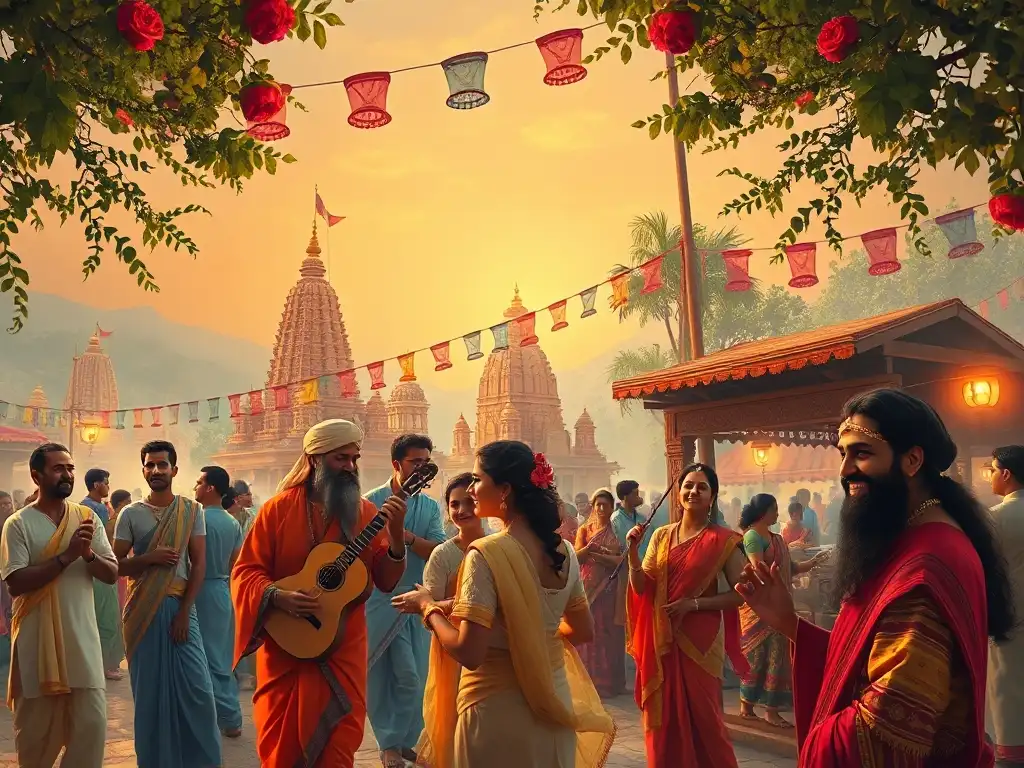
The Gupta Empire, which flourished from approximately 320 to 550 CE, was a period marked by significant advancements in art, literature, and science. The festivals celebrated during this time played a crucial role in shaping the cultural identity of the empire. These festivals were not merely religious observances; they were vibrant celebrations that fostered community bonds and artistic expression.
Some of the major festivals included:
- Makar Sankranti: Celebrated in January, marking the transition of the sun into the zodiac sign of Capricorn.
- Holi: Known as the festival of colors, this spring festival symbolized the victory of good over evil.
- Navaratri: A nine-night festival dedicated to the worship of the goddess Durga, celebrated with music, dance, and feasting.
- Diwali: The festival of lights, celebrating the victory of light over darkness and knowledge over ignorance.
These festivals often featured elaborate rituals, communal gatherings, and artistic performances that reflected the rich cultural tapestry of the Gupta Empire.
The Festival of Makar Sankranti
Makar Sankranti was one of the most significant festivals celebrated in the Gupta Empire. This festival not only marked the onset of the harvest season but also held astrological importance as it signified the sun's transition into the zodiac sign of Capricorn. It was a time of joy and gratitude, where communities came together to celebrate the bounty of nature.
Cultural Significance and Celebrations
The cultural significance of Makar Sankranti in the Gupta Empire extended beyond mere agricultural festivities. It was a time for the community to engage in various activities, including:
- Rituals and Offerings: People performed rituals to honor the sun god, Surya, and made offerings of rice and jaggery to express gratitude for a fruitful harvest.
- Community Feasts: Large communal feasts were organized, where families and neighbors shared traditional dishes, strengthening social ties.
- Pilgrimages: It was common for devotees to undertake pilgrimages to holy rivers and lakes, where they would take ceremonial baths and participate in collective prayers.
The festival reflected the agrarian society's reliance on seasonal changes and the sun's role in ensuring prosperity.
Artistic Expressions During Makar Sankranti
Art and culture thrived during Makar Sankranti, with artistic expressions taking center stage. Various forms of art showcased during the festival included:
- Folk Music and Dance: Traditional folk dances were performed, often depicting the joys of the harvest. Songs celebrating nature and the sun were sung, with dancers adorned in vibrant attire.
- Rangoli and Decorative Art: Homes and public spaces were adorned with intricate rangoli designs made from colored powders, symbolizing welcome and prosperity.
- Craft Exhibitions: Local artisans showcased their crafts, including pottery and textiles, which were often themed around the festival's motifs.
Makar Sankranti served as a platform for artistic expression, allowing the people of the Gupta Empire to celebrate their cultural heritage while fostering a sense of community and continuity.
The Festival of Holi
Holi, often referred to as the "Festival of Colors," was one of the most significant festivals celebrated during the Gupta Empire. This vibrant festival marked the arrival of spring and the triumph of good over evil. Holi was characterized by the playful throwing of colored powders and water, symbolizing the joyous spirit of nature and the renewal of life. It was not just a celebration of colors, but a time for social bonding, reconciliation, and the strengthening of community ties.
Historical Context and Traditions
The origins of Holi can be traced back to ancient Hindu texts and legends, particularly the myth of Holika and Prahlad, which highlight themes of devotion and the victory of righteousness. During the Gupta Empire, Holi developed into a grand celebration involving elaborate rituals and communal festivities. People of all social classes participated, breaking down societal barriers and fostering a sense of unity.
Traditional practices included gathering at temples, singing devotional songs, and performing rituals to honor deities associated with fertility and abundance. The festival was also marked by the preparation of special sweets and dishes, shared among friends and family, reinforcing social bonds.
Music and Dance Forms Associated with Holi
Music and dance played an integral role in the Holi celebrations of the Gupta Empire. Folk songs, often filled with playful lyrics, were sung to celebrate the onset of spring and the joyous atmosphere of the festival. Drums and traditional instruments like the dholak were commonly used to create lively rhythms that encouraged dancing.
Dance forms such as the Raas, which involved group performances depicting the playful interactions between Radha and Krishna, were particularly popular. These performances not only entertained but also served as a means for the community to express their cultural identity and spiritual beliefs during the festival.
The Festival of Diwali
Diwali, known as the "Festival of Lights," was another major festival during the Gupta Empire, symbolizing the victory of light over darkness and knowledge over ignorance. This festival was celebrated with great enthusiasm and was marked by the illumination of homes and public spaces with oil lamps and lanterns, creating a mesmerizing sight.
Rituals and Celebrations in the Gupta Period
The rituals associated with Diwali during the Gupta period were steeped in religious significance. Families would clean their homes and decorate them with rangoli (colorful patterns made from flour, rice, or flower petals) to welcome prosperity and good fortune. The festival involved the worship of Lakshmi, the goddess of wealth, through elaborate pujas (ritualistic prayers).
In addition to the prayers, the celebration included lighting diyas (oil lamps) and bursting firecrackers, which were believed to ward off evil spirits. The exchange of gifts and sweets among friends and neighbors was a common practice, emphasizing the spirit of generosity and community.
Impact on Gupta Art and Music
The celebration of Diwali had a profound influence on Gupta art and music. Artistic representations of the festival can be found in sculptures, paintings, and pottery, showcasing scenes of vibrant festivities and deities associated with light and prosperity. Temples from this period often feature intricate carvings depicting Diwali-related themes.
Musically, Diwali inspired compositions that celebrated the festival's essence. Traditional songs and instrumental pieces were performed during the celebrations, highlighting the importance of music in enhancing the festive atmosphere. The fusion of art and music during Diwali not only enriched Gupta cultural life but also established traditions that continue to resonate in contemporary celebrations across India.
Artistic Expressions in Gupta Festivals
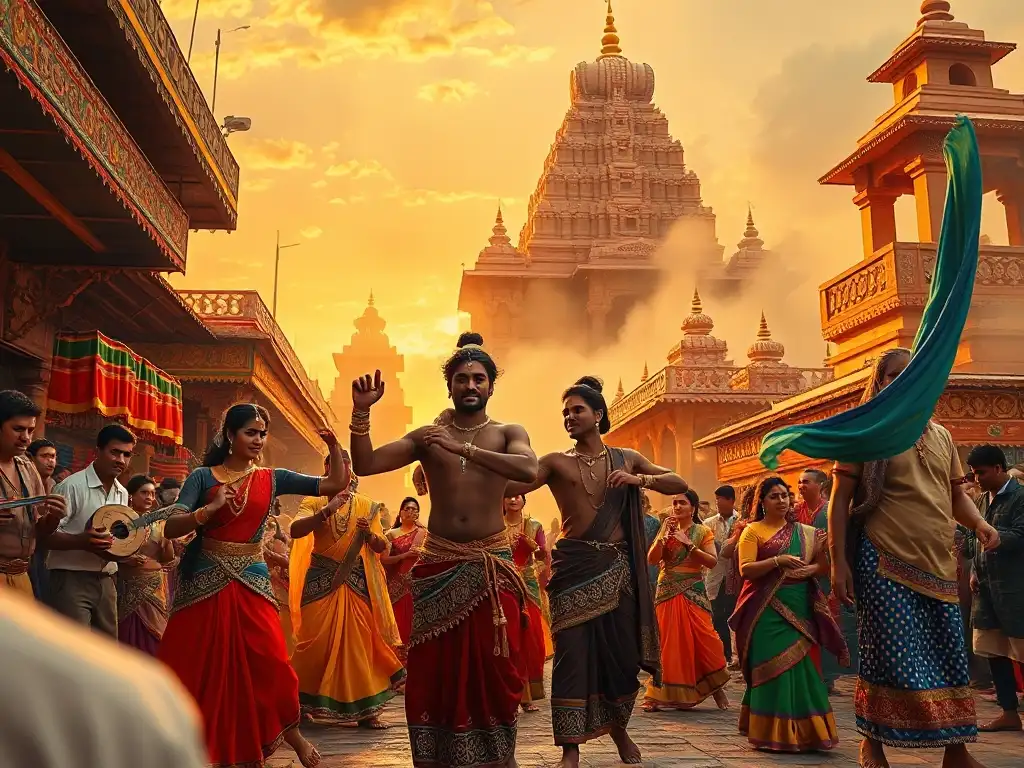
Festivals in the Gupta Empire were vibrant celebrations that showcased the rich artistic expressions of the time. These events were not merely occasions for religious observance but also platforms for the display of various art forms, including visual arts, music, and dance. The artistic elements intertwined with the spiritual and cultural significance of festivals, reflecting the values and beliefs of Gupta society.
Role of Visual Arts in Festivals
Visual arts played a crucial role in enhancing the aesthetic experience of Gupta festivals. The intricate decorations, sculptures, and paintings that adorned public spaces and temples contributed to the overall festive atmosphere.
Sculpture and Painting in Festival Celebrations
Gupta sculptors were renowned for their remarkable skills, producing intricate and expressive sculptures that often depicted deities and mythological scenes. During festivals, these sculptures were adorned with flowers, clothes, and jewelry, creating a breathtaking display that was both sacred and celebratory.
Key Features of Gupta Sculpture:
- Naturalism: Gupta sculptures are characterized by a lifelike representation of figures, with attention to anatomical accuracy and emotional expressions.
- Divine Themes: Many sculptures were created depicting Hindu deities like Vishnu, Shiva, and Durga, which were central to the festivals.
- Narrative Reliefs: The use of narrative reliefs in temple walls illustrated stories from ancient texts, engaging the community in shared cultural narratives.
Similarly, paintings during festivals were vibrant and colorful, often showcasing scenes of festivities, rituals, and the interaction between humans and divine figures. These artworks were typically displayed in temples and public spaces, becoming focal points of the celebrations.
Symbolism in Gupta Art during Festivals
The symbolism embedded in Gupta art during festivals was significant. Each artistic expression carried deeper meanings that resonated with the beliefs and values of the Gupta society.
- Color Symbolism: Colors used in paintings and decorations often had specific meanings. For instance, red symbolized auspiciousness, while yellow represented prosperity.
- Motifs and Patterns: Common motifs included lotus flowers and peacocks, symbolizing purity and beauty, which were often incorporated into festival decorations and rituals.
- Religious Themes: Artworks often depicted scenes of worship, emphasizing the importance of devotion and the connection between the divine and the earthly.
The visual arts thus not only enhanced the aesthetic experience of festivals but also communicated the cultural values and spiritual beliefs of the Gupta people.
Music Traditions during Gupta Festivals
Music was an integral part of Gupta festivals, providing a dynamic auditory backdrop that fueled the energy of the celebrations. The melodies and rhythms played during these events were deeply rooted in the cultural traditions of the time.
Instruments Used in Festival Music
Various musical instruments were prominently featured during festivals, each contributing unique sounds that enriched the overall musical landscape.
- Veena: A stringed instrument associated with classical music, the veena was often played during devotional songs and rituals.
- Mridangam: This percussion instrument provided rhythmic support and was essential for accompanying dance performances during festivals.
- Flute: The melodious sounds of the flute were commonly used to evoke a sense of peace and spirituality, often associated with the divine.
The combination of these instruments created an enchanting atmosphere, inviting participation from the community and enhancing the celebratory spirit.
Notable Composers and Musicians of the Gupta Era
The Gupta Empire was home to several notable composers and musicians whose works have been celebrated throughout history. Their contributions enriched the musical traditions during festivals.
- Bharata Muni: A legendary figure credited with the Natya Shastra, Bharata Muni's teachings influenced the integration of music and dance in festivals.
- Kalidasa: Although primarily known as a poet and playwright, Kalidasa's works often featured musical elements that were performed during festivals, showcasing the interconnectedness of arts in Gupta culture.
The legacy of these musicians and their compositions continues to influence Indian classical music, evidencing the Gupta Empire's significant contributions to the cultural fabric of ancient India.
The festivals of the Gupta Empire were not only celebrations of religious and cultural significance but also remarkable showcases of artistic expressions. Through visual arts, music, and dance, these festivals reflected the richness of Gupta culture, leaving a lasting impact on the heritage of ancient Indian civilizations.
Dance as a Cultural Expression
Dance during the Gupta Empire served as a vital form of cultural expression, intricately woven into the fabric of festivals and public celebrations. It was not merely a performance art but a celebration of life, spirituality, and community. Festivals provided a platform for various dance forms to flourish, reflecting the social, religious, and artistic dimensions of Gupta society. The combination of rhythm, movement, and storytelling in dance communicated themes of love, devotion, and the triumph of good over evil, resonating deeply with the populace.
Moreover, dance was often accompanied by music, creating a multisensory experience that enhanced the emotional and spiritual atmosphere of festivals. The synergy between dance and music during these celebrations highlighted the aesthetic values of Gupta culture, emphasizing grace, precision, and emotional expression. As a result, these performances were not only entertaining but also served to reinforce social hierarchies and community bonds, showcasing the collective identity of the Gupta people.
Traditional Dance Forms Practiced in Festivals
Several traditional dance forms were integral to the festivals celebrated during the Gupta period. Among these, the following stood out:
- Natya Shastra-Inspired Dances: Rooted in Bharatanatyam and Kathak, these dances were characterized by intricate footwork, expressive hand gestures (mudras), and emotive facial expressions (abhinaya).
- Folk Dances: Local communities engaged in folk dances that varied by region but shared common themes of harvest, devotion, and seasonal changes. These dances often involved community participation, reinforcing social ties.
- Religious Dances: Many festivals included dances dedicated to deities, where performers would enact mythological stories, thereby making the divine more accessible to the people. This included dances performed during festivals like Navaratri, honoring the goddess Durga.
- Warrior Dances: Celebrating valor and bravery, these dances showcased martial skills and were performed during festivals that commemorated victories or honored heroes.
Each of these dance forms contributed to the vibrant tapestry of Gupta cultural life, emphasizing the significance of community, devotion, and artistic expression during festivals.
Influence of Dance on Gupta Cultural Identity
The influence of dance on Gupta cultural identity cannot be overstated. It served as a means of expressing the spiritual and philosophical ideals of the time, embedding itself into the daily lives of the Gupta people. Dance was a reflection of the aesthetic values held by society, often depicting stories from epics like the Ramayana and Mahabharata, thereby reinforcing cultural narratives and collective memory.
Furthermore, dance fostered a sense of unity among the people, transcending social classes and regional differences. The communal aspect of festival dances promoted inclusivity, allowing individuals from various backgrounds to participate and contribute to the shared cultural identity of the Gupta Empire.
Through the lens of dance, the Gupta Empire's values of harmony, devotion, and artistry were celebrated, shaping a cultural legacy that would influence future generations. The role of dance in festivals ultimately reinforced societal norms and beliefs, serving as a vital component of Gupta cultural heritage.
The Impact of Festivals on Gupta Society
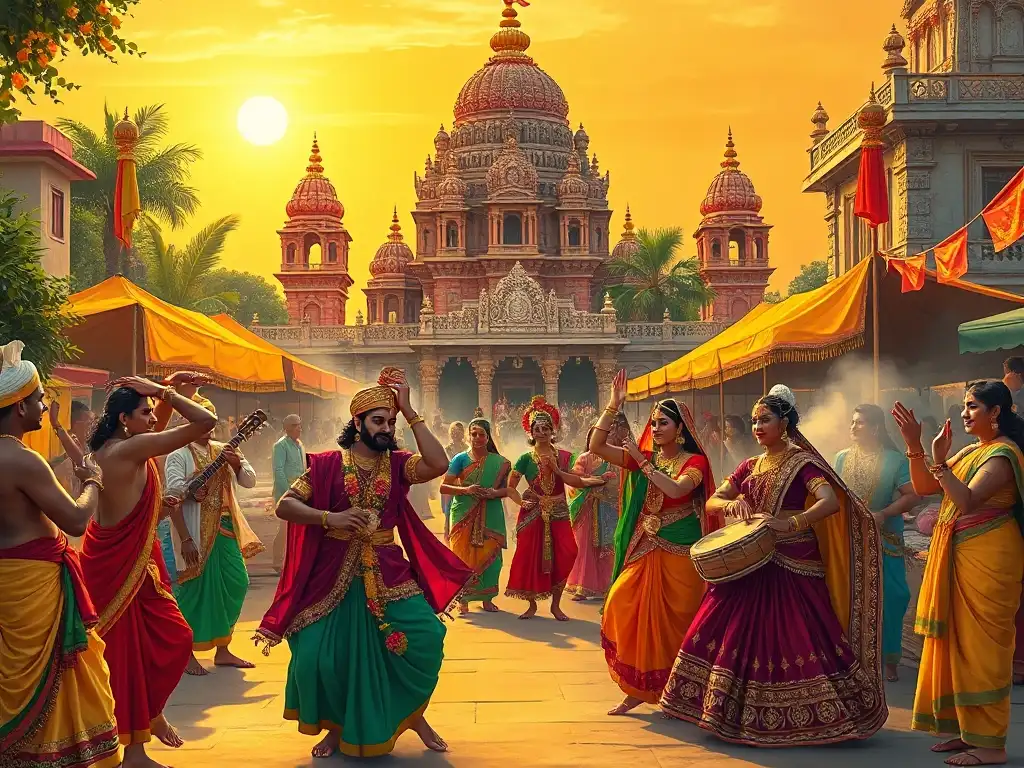
Festivals in the Gupta Empire played a pivotal role in fostering social cohesion among diverse communities. These celebrations, often rooted in religious and agricultural traditions, brought together people from various classes, castes, and backgrounds. By participating in communal activities, such as processions, feasting, and rituals, individuals forged bonds that transcended social barriers.
For instance, major festivals like Maha Shivaratri and Vasant Panchami involved the entire community, encouraging participation from all strata of society. The shared experience of worship, music, and dance during these events created a sense of belonging and unity. Furthermore, local temples often served as hubs for these celebrations, reinforcing the importance of religious institutions in social life.
The vibrant atmosphere during festivals also provided an opportunity for storytelling and oral traditions to flourish. Elders would recount tales of deities and historical events, passing down valuable cultural knowledge to younger generations. This oral transmission not only preserved the cultural identity of the Gupta Empire but also instilled a sense of pride among its citizens.
Economic Aspects of Festivals in the Gupta Empire
The economic impact of festivals in the Gupta Empire was significant, contributing to local economies and enhancing trade networks. Festivals generated increased demand for various goods and services, leading to a flourishing marketplace filled with vendors selling everything from food and textiles to decorative items and religious artifacts.
| Festival | Economic Activities | Impact on Trade |
|---|---|---|
| Maha Shivaratri | Ritual offerings, food stalls, crafts | Boost in local commerce and artisan sales |
| Vasant Panchami | Agricultural fairs, cultural performances | Enhancement of agricultural produce trade |
| Diwali | Fireworks, sweets, and gifts | Surge in demand for luxury goods and textiles |
During festivals, artisans and craftsmen showcased their talents, creating a vibrant marketplace atmosphere. This not only provided them with an opportunity to sell their products but also facilitated the exchange of ideas and techniques among different trades. The bustling trade activity during festivals likely contributed to the economic prosperity of various regions within the Gupta Empire.
Moreover, festivals often coincided with agricultural cycles, marking harvest seasons and ensuring that communities came together to celebrate their bountiful yields. This connection between festivity and agriculture reinforced the economic foundation of Gupta society, showcasing the interdependence of cultural practices and economic viability.
Preservation of Cultural Heritage through Festivals
Festivals in the Gupta Empire served as vital mechanisms for the preservation and transmission of cultural heritage. They provided a platform for the expression of art, music, and dance, ensuring that these traditions were not only celebrated but also sustained across generations.
Artistic performances during festivals showcased intricate dance forms and musical styles that were reflective of Gupta aesthetics. For example, the Natya Shastra, an ancient treatise on performing arts attributed to Bharata Muni, was a significant influence on the dance and theatrical performances that flourished during Gupta festivals. These performances often depicted mythological stories and historical events, thereby reinforcing cultural narratives and values.
In addition to performing arts, festivals also featured visual arts, such as intricate rangoli designs and decorative sculptures that adorned temples and public spaces. Such artistic expressions were not merely decorative; they communicated spiritual and cultural significance, helping to instill a sense of identity within the community.
Through these festive celebrations, the Gupta Empire was able to maintain a rich tapestry of cultural practices, ensuring that traditional art forms, music, and dances not only survived but thrived. This commitment to cultural heritage also played a crucial role in shaping the identity of the Gupta Empire, leaving a lasting legacy that continues to influence Indian culture today.
Conclusion
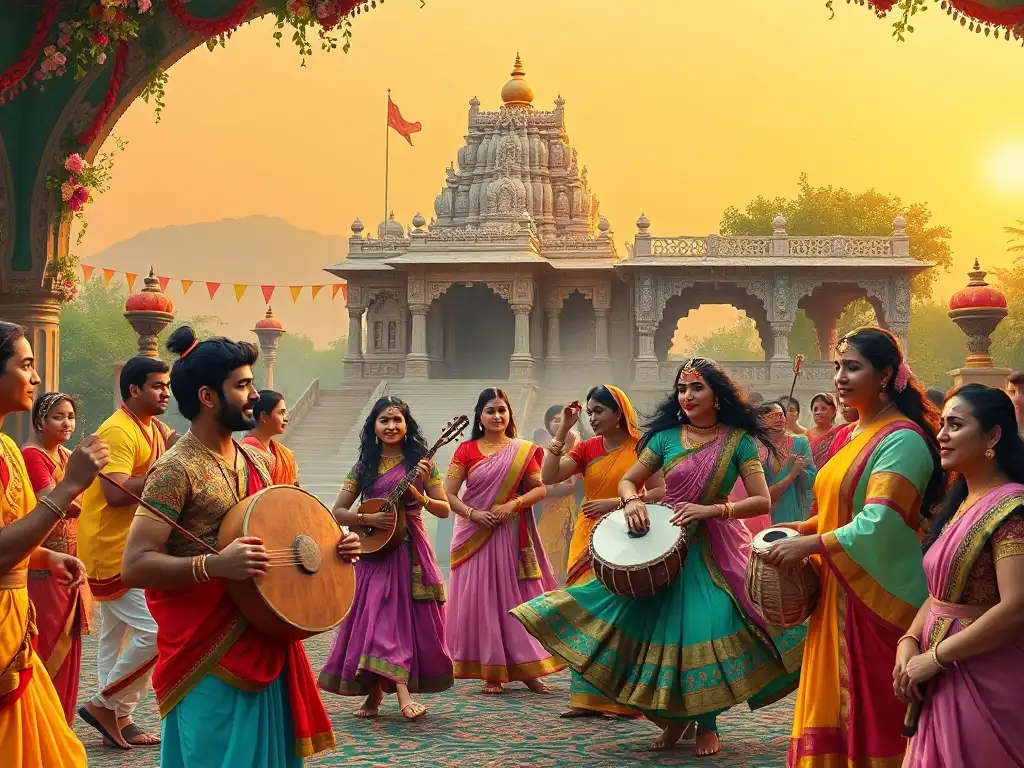
Summary of the Role of Festivals in Gupta Cultural Life
The Gupta Empire, often referred to as the Golden Age of India, was characterized by a flourishing of art, culture, and intellectual pursuits. Festivals played a pivotal role in this vibrant cultural tapestry, serving as a medium for the expression of religious devotion, community bonding, and artistic showcase. Celebrated with great enthusiasm, these cultural festivals were not merely occasions for merriment; they were key events that reinforced social cohesion and cultural identity.
Festivals in the Gupta Empire often featured elaborate rituals and were accompanied by music, dance, and artistic displays. Religious festivals, such as Maha Shivaratri and Navaratri, were particularly significant, providing a platform for communities to come together in worship, offering prayers, and engaging in traditional performances. The rich music of the era, with its intricate rhythms and melodies, was a staple at these events, while dance forms such as Bharatanatyam and Kathak flourished, showcasing the artistic talents of the people.
The Gupta Empire cultural festivals were also instrumental in the promotion of literature and poetry, often featuring recitals and performances that highlighted the era's literary achievements. These celebrations not only honored the deities but also served as a canvas for storytelling, reflecting the values and traditions of the time.
The Lasting Legacy of Gupta Empire Cultural Festivals on Future Generations
The influence of Gupta Empire cultural festivals extends far beyond their historical context. Their legacy continues to permeate modern Indian society, shaping contemporary cultural practices and festivals. Many festivals that originated during the Gupta period are still celebrated today, showcasing a remarkable continuity of tradition.
The artistic expressions seen in dance and music during Gupta festivals have evolved but retain their roots in the rich heritage of this era. For instance, classical dance forms and traditional music styles continue to thrive, often performed during modern-day festivals, thereby preserving the artistic legacy of the Gupta Empire. The emphasis on community participation during these festivals has also fostered a sense of belonging and cultural pride among the people.
Moreover, the philosophical and spiritual teachings that emerged during the Gupta period, often highlighted during festivals, have left an indelible mark on Indian culture. The values of harmony, devotion, and artistic expression remain integral to the cultural ethos of the Indian populace, echoing the lessons learned from the festivals of the Gupta Empire.
The cultural festivals of the Gupta Empire played a crucial role in shaping the social fabric of the time and have left a lasting legacy that continues to resonate in today's cultural celebrations. The interplay of art, music, and dance during these festivals not only enriched the cultural landscape of ancient India but also laid the groundwork for future generations to appreciate and uphold these time-honored traditions.
Additional Resources for Further Exploration
Recommended Reading on Gupta Empire Festivals
For those interested in delving deeper into the cultural festivals of the Gupta Empire, several texts provide insightful analysis and context. Below is a curated list of recommended readings:
-
"The Gupta Empire: A Historical Overview" by R. C. Majumdar
This comprehensive book offers a detailed narrative of the Gupta period, including the significance of festivals in their society. It highlights how these celebrations reflected the values and traditions of the time.
-
"Festivals of Ancient India" by Aditi Chaturvedi
This work explores various festivals across ancient Indian civilizations, with specific sections dedicated to the Gupta Empire. It examines the interplay of religion, art, and culture during festival celebrations.
-
"Art and Culture of the Gupta Period" by K. V. Sarma
Focusing on the artistic achievements of the Gupta Empire, this book discusses how festivals inspired artistic expression in painting, sculpture, and architecture, linking cultural events to visual arts.
-
"The Role of Dance and Music in Gupta Festivals" by Meera Nair
This title provides an in-depth exploration of the performing arts within the context of Gupta festivals, showcasing how music and dance were integral to communal celebrations and religious observance.
Online Resources and Documentaries on Gupta Art, Music, and Dance
The digital age has made a wealth of information accessible to enthusiasts of Gupta cultural life. Here are some valuable online resources and documentaries that explore the art, music, and dance of the Gupta Empire:
-
The Metropolitan Museum of Art - The Gupta Period
This online resource offers virtual exhibits and articles about Gupta art, detailing significant artworks and their historical context. The site also includes high-resolution images for closer inspection.
-
YouTube Documentaries:
-
"The Golden Age of the Gupta Empire"
This documentary provides a visual journey through the Gupta Empire, showcasing its festivals, art, and cultural achievements.
-
"Dance and Music in Ancient India"
A captivating exploration of how music and dance flourished during the Gupta period, featuring reenactments and expert interviews.
-
-
Digital South Asia Library
This online repository contains historical texts, maps, and images related to ancient Indian civilizations, including the Gupta Empire. It serves as a valuable tool for researchers and enthusiasts alike.
-
Online Lectures and Courses:
Platforms such as Coursera and edX offer courses on Indian history that often include modules on the Gupta Empire. These courses are taught by renowned historians and can provide a structured approach to learning about Gupta cultural festivals.
By exploring these resources, readers can gain a richer understanding of the Gupta Empire's cultural festivals and their significance in the broader context of ancient Indian civilization.
Frequently Asked Questions
What were the key cultural festivals during the Gupta Empire?
The Gupta Empire cultural festivals celebrated various themes, including harvests, religious events, and seasonal changes, reflecting the rich traditions of the time.
How did festivals influence art during the Gupta period?
Festivals served as a major inspiration for artistic expression, leading to the creation of intricate sculptures, paintings, and decorative crafts that depicted festival scenes and deities.
What role did music play in Gupta Empire festivals?
Music was an essential component of festivals, with classical forms, instrumental performances, and folk songs enhancing the celebratory atmosphere and cultural identity.
How did dance contribute to Gupta cultural life?
Dance was a vital expression of storytelling and emotion during festivals, showcasing various styles that often included rituals and devotional themes rooted in mythology.
Can you name some specific festivals celebrated in the Gupta Empire?
Notable festivals included Makar Sankranti, celebrating the harvest, and Holi, which symbolized the arrival of spring, both integral to the social and cultural fabric of Gupta society.
Final Reflection: Celebrating the Essence of Gupta Empire Cultural Festivals
The exploration of Gupta Empire cultural festivals reveals their profound significance in shaping the artistic, musical, and dance traditions that continue to resonate today. These vibrant celebrations were not merely events of leisure; they were pivotal in fostering community bonds, preserving heritage, and promoting creativity. In our fast-paced modern world, where cultural expressions can often feel diluted, the legacy of these festivals serves as a powerful reminder of the importance of cultural identity and continuity.
Cultural festivals have always been a mirror reflecting the values and aspirations of a society. The Gupta Empire's festivals were not just occasions for entertainment; they were vital in nurturing a sense of belonging and pride among its people. As we navigate our contemporary landscape, it is essential to recognize how these historical celebrations have laid the groundwork for our current artistic expressions. Art is the most beautiful of all lies.
This quote encapsulates the enduring power of art and culture, reminding us that even in the face of change, the essence of our shared experiences remains timeless.
As we conclude our journey through the vibrant tapestry of Gupta cultural festivals, I invite you to reflect on the role of festivals in your own life. Consider how you can engage with and celebrate your cultural heritage, whether through music, dance, or community gatherings. Let the lessons of the Gupta Empire inspire you to honor your roots and contribute to the ongoing narrative of cultural expression in your community. Embrace the opportunity to celebrate, connect, and create, ensuring that the spirit of festivals continues to thrive for generations to come.
Thank you for exploring the vibrant world of Gupta festivals with us! By delving into how art, music, and dance intertwined, you’ve uncovered the heartbeat of this fascinating cultural era. Now, let’s bring that excitement into action!
Here’s how you can further embrace and celebrate the legacy of Gupta culture:
- Engage with local cultural institutions by attending or participating in art and dance festivals inspired by ancient traditions.
- Share your insights! Write a blog post or create a social media update about a Gupta festival that intrigues you, and connect with others who are passionate about ancient history.
- Explore virtual tours or documentary films on Gupta art and music to deepen your appreciation and knowledge.
How has your exploration of the festivals from the Gupta period inspired you to celebrate or learn more about your own cultural heritage?