
The Maurya Empire's Diplomatic Relations: Governance Beyond the Borders


Welcome to Ancient India History, where we embark on a captivating journey through the rich tapestry of ancient Indian civilizations. Today, we delve into the intricate web of diplomatic relations during the illustrious Maurya Empire—a period that not only shaped governance within its borders but also crafted alliances that echoed through time. Have you ever wondered how the Mauryan rulers navigated the complex landscape of foreign diplomacy? Prepare to uncover the strategies and stories that defined an empire, and let your curiosity lead you deeper into the fascinating world of ancient India's contributions to global governance.
Introduction to the Maurya Empire
The Maurya Empire, which thrived from 322 to 185 BCE, stands as one of the most significant and influential empires in ancient Indian history. Founded by Chandragupta Maurya, this expansive empire reached its zenith under the rule of Ashoka the Great, who is renowned for his transformative approach to governance and his promotion of Buddhism. Spanning much of the Indian subcontinent, including present-day India, Pakistan, and Bangladesh, the Maurya Empire was characterized by a highly organized administrative structure, advanced urban planning, and a profound cultural and philosophical legacy.
One of the lesser-explored aspects of the Maurya Empire is its diplomatic relations. Unlike many contemporary empires that often relied solely on military conquests, the Maurya Empire recognized the importance of diplomacy in fostering stability and facilitating trade. The strategic establishment of diplomatic ties with neighboring kingdoms and far-off nations not only enhanced their political leverage but also enriched their cultural exchanges and economic interactions. Through treaties, alliances, and embassies, the Maurya rulers managed to create a robust network that transcended geographical boundaries, highlighting the empire's commitment to governance beyond its borders.
The Importance of Diplomatic Relations in Ancient Civilizations
Diplomatic relations in ancient civilizations, particularly within the context of the Maurya Empire, played a crucial role in shaping the political landscape of the time. The ability to navigate complex international relations allowed empires to:
- Secure Political Alliances: By forming alliances with neighboring states, the Maurya Empire was able to strengthen its security and deter potential threats. These alliances often involved marriage ties, treaties, and mutual agreements that ensured peace and cooperation.
- Enhance Trade Opportunities: Diplomatic relations facilitated trade routes and partnerships, enabling the exchange of goods, ideas, and cultural practices. The Maurya Empire’s strategic location made it a hub for trade between the East and West, significantly boosting its economy.
- Cultural Exchange: Diplomacy fostered cultural interactions that enriched the empire's social fabric. Diplomatic envoys often brought back not only trade goods but also new ideas, philosophies, and cultural practices, leading to a more diverse society.
- Conflict Resolution: Through diplomacy, the Maurya Empire could address disputes and conflicts without resorting to war. This approach minimized the costs associated with military campaigns and promoted long-term stability.
The Maurya Empire's diplomatic relations were not merely a tool for governance; they were a fundamental aspect of its identity, influencing its administration, economy, and cultural development. As we delve deeper into the specifics of these diplomatic endeavors, we will uncover the intricate web of alliances and interactions that defined the empire's legacy in ancient India.
- What were the key features of the Maurya Empire's diplomatic relations?
- How did Chandragupta Maurya establish diplomatic relations?
- What role did Kautilya play in the Maurya Empire's diplomacy?
- How did the Maurya Empire handle relations with neighboring kingdoms?
- What impact did the Maurya Empire's diplomatic relations have on its legacy?
Overview of the Maurya Empire Diplomatic Relations
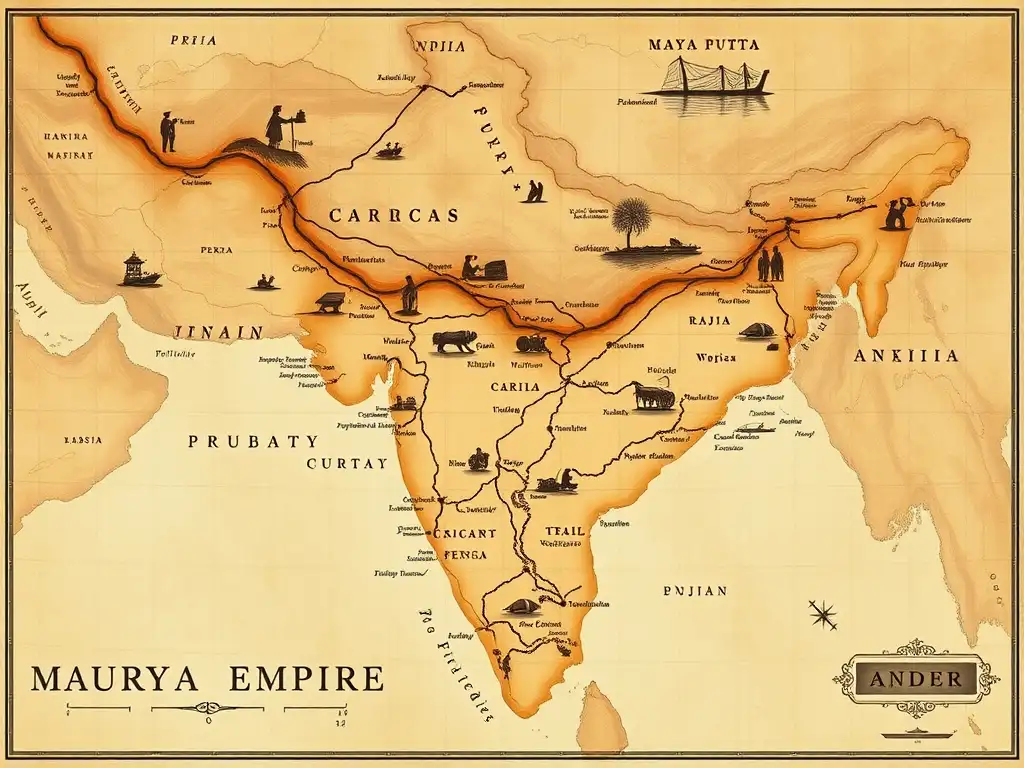
The Maurya Empire, which thrived from approximately 322 to 185 BCE, was not only remarkable for its political and military achievements but also for its sophisticated approach to diplomacy. Under the leadership of emperors like Chandragupta Maurya and his grandson Ashoka, the empire expanded its influence far beyond its borders through a complex web of diplomatic relations. These relations were crucial for maintaining peace, forging alliances, and facilitating trade, allowing the Maurya Empire to flourish in a competitive geopolitical landscape.
Definition and Significance of Diplomacy in the Maurya Empire
Diplomacy in the Maurya Empire encompassed a variety of practices aimed at managing relationships with foreign states and tribes. It involved formal negotiations, treaties, and the appointment of envoys to represent the empire's interests.
- Definition: Diplomacy can be defined as the art and practice of negotiating alliances, treaties, and agreements between sovereign states. In the context of the Maurya Empire, it was a strategic tool used to enhance political stability and economic prosperity.
- Significance: The significance of diplomacy in the Maurya Empire lies in its ability to:
- Foster Alliances: By forming alliances with neighboring states, the Maurya Empire could bolster its military strength and deter potential aggressors.
- Facilitate Trade: Diplomatic relations opened up trade routes, enabling the empire to engage in commerce with distant lands, thus enriching its economy.
- Cultural Exchange: Diplomacy also allowed for cultural exchanges that contributed to the richness of Mauryan society, promoting the spread of ideas, art, and religion.
Key Features of Maurya Empire Diplomatic Relations
The diplomatic relations of the Maurya Empire were characterized by several distinctive features that set them apart from other ancient civilizations:
- Strategic Marriages: The Maurya emperors often engaged in marital alliances with the royal families of neighboring states. This practice not only solidified political ties but also served to integrate diverse cultures within the empire.
- Use of Envoys: The appointment of envoys was a hallmark of Mauryan diplomacy. These diplomats were responsible for negotiating treaties, conveying messages, and representing the emperor's interests abroad. One notable envoy was the famous ambassador Megasthenes, who provided valuable insights into Mauryan society to the Greeks.
- Treaties and Agreements: The Maurya Empire was known for its formal treaties, which were meticulously crafted to ensure mutual benefits for the parties involved. These agreements often included provisions for trade, military cooperation, and conflict resolution.
- Cultural and Religious Diplomacy: Under Ashoka, the Maurya Empire adopted a more benevolent approach to diplomacy, emphasizing moral values and ethical governance. Ashoka’s promotion of Buddhism and his efforts to send missionaries to spread the faith exemplified how cultural diplomacy could enhance the empire's influence.
- Intelligence and Information Gathering: The Maurya Empire placed a high value on intelligence gathering to inform its diplomatic strategies. This involved understanding the political dynamics of neighboring states and leveraging that information in negotiations.
The Maurya Empire's diplomatic relations were a vital component of its governance strategy, characterized by strategic alliances, the use of envoys, and a focus on cultural diplomacy, all of which contributed to the stability and prosperity of one of ancient India's most powerful empires.
Historical Context of Maurya Empire's Diplomatic Relations
The Rise of the Maurya Empire and Its Influence
The Maurya Empire, founded by Chandragupta Maurya in 322 BCE, marked a significant turning point in the history of ancient India. It expanded rapidly, reaching its zenith under the reign of Ashoka the Great, who ruled from 268 to 232 BCE. This empire not only unified a substantial part of the Indian subcontinent but also established a complex administrative framework that facilitated effective governance.
The rise of the Maurya Empire was influenced by several key factors:
- Military Conquests: Chandragupta Maurya, with the strategic guidance of his advisor Chanakya, effectively utilized military strength to conquer neighboring territories, including the Nanda Empire and regions in modern-day Pakistan and Afghanistan.
- Administrative Innovations: The Mauryan administration was characterized by a centralized government with a well-organized bureaucratic system. This allowed for effective management of resources and integration of diverse cultures within the empire.
- Economic Prosperity: The empire's control over trade routes, particularly in the northwestern regions, facilitated economic growth. The Mauryas established a network of roads and trade links that enhanced commerce and cultural exchange.
The diplomatic relations of the Maurya Empire were not merely an extension of military conquests; they were a strategic tool employed to maintain stability and foster alliances. Ashoka, in particular, is noted for his shift from military expansion to a focus on diplomacy and non-violence, particularly after the Kalinga War. His commitment to spreading Buddhism also influenced diplomatic interactions, as he sent emissaries to various regions, promoting peace and cultural exchange.
Major Kingdoms and States Interacting with the Maurya Empire
The Maurya Empire's diplomatic relations extended far beyond its borders, involving numerous kingdoms and states. These interactions were critical in shaping the political landscape of ancient India and facilitating cultural exchanges. Some of the prominent kingdoms and states that engaged diplomatically with the Maurya Empire include:
- The Seleucid Empire: Following Alexander the Great's invasion of India, the Seleucid Empire emerged as a significant player in the region. The Maurya Empire and the Seleucids engaged in diplomatic negotiations, culminating in a treaty that included the exchange of diplomats and marriage alliances, which served to strengthen ties between the two powers.
- The Greco-Bactrian Kingdom: The proximity of the Greco-Bactrian Kingdom to the Maurya Empire allowed for mutual trade and cultural exchange. Diplomatic missions were common, and the influence of Hellenistic culture can be observed in Mauryan art and architecture during this period.
- The Kingdom of Kalinga: Prior to the Kalinga War, the Maurya Empire maintained diplomatic relations with this powerful kingdom through trade and cultural exchanges. However, the war marked a turning point, leading to a shift in Ashoka's approach to diplomacy, focusing more on peace and reconciliation.
- Local Rulers and Republics: Various smaller kingdoms and republics, such as the Lichchhavis and the Mallas, interacted with the Maurya Empire through alliances, intermarriages, and trade agreements. These relationships were vital for maintaining local governance and stability within the empire.
- Buddhist Kingdoms in Southeast Asia: Ashoka's missionary activities extended the Maurya Empire's influence to regions beyond India, including present-day Sri Lanka and Southeast Asia. The establishment of diplomatic relations with these kingdoms facilitated the spread of Buddhism and cultural exchanges.
The Maurya Empire's diplomatic relations were characterized by a blend of military might and strategic alliances, allowing it to navigate the complexities of ancient politics. This multifaceted approach not only ensured the empire's longevity but also left a lasting impact on the cultural and political landscape of the region.
Strategies and Methods of Diplomacy in the Maurya Empire

The Maurya Empire, one of the largest and most powerful empires in ancient India, is renowned for its sophisticated diplomatic strategies that extended its influence beyond its borders. The empire utilized various methods to navigate complex international relations, fostering alliances, engaging in cultural exchanges, and establishing treaties that strengthened its position in the region. Understanding these diplomatic strategies provides insight into how the Maurya Empire maintained stability and expanded its influence during its zenith.
Use of Envoys and Ambassadors in Maurya Diplomacy
The use of envoys and ambassadors was a cornerstone of the Maurya Empire's diplomatic relations. Envoys were appointed to represent the empire in negotiations with foreign powers, acting as the face of Mauryan diplomacy. These envoys were often highly educated individuals, skilled in languages and cultural nuances, enabling them to communicate effectively with foreign courts.
- Selection of Envoys: The selection process for envoys was meticulous. The Mauryan administration prioritized individuals with knowledge of foreign customs and languages, ensuring that they could navigate complex diplomatic landscapes. Notable historical figures, such as Kautilya (Chanakya), provided guidance on the qualities necessary for successful diplomacy.
- Roles of Envoys: Envoys had multiple roles, including:
- Negotiating treaties and trade agreements.
- Collecting intelligence about foreign territories.
- Conveying messages from the Mauryan emperor to other rulers.
- Impact on Relations: The effectiveness of these envoys often determined the outcome of diplomatic engagements. Successful negotiations could lead to peaceful coexistence, while failures could escalate tensions.
Treaties and Alliances: Instruments of the Maurya Empire
The Maurya Empire was adept at forming treaties and alliances, which served as critical instruments for maintaining peace and expanding influence. These agreements were not merely formalities but strategic tools that shaped the political landscape of the time.
- Types of Treaties: The treaties established by the Maurya Empire typically included:
- Peace Treaties: Agreements that ended hostilities and established terms for coexistence.
- Trade Agreements: Contracts that facilitated commerce, often involving the exchange of goods, resources, and cultural practices.
- Examples of Alliances: One notable example of a strategic alliance is the relationship between Chandragupta Maurya and the Nanda Dynasty. Through diplomatic negotiations, Chandragupta was able to secure his position and gather support against external threats.
- Impact of Alliances: These alliances not only bolstered the military strength of the Maurya Empire but also enhanced its cultural and economic exchanges with neighboring states. This interconnectedness fostered mutual benefits, such as increased trade and cultural diffusion.
Cultural Exchanges: Art, Religion, and Knowledge
Cultural exchanges played a crucial role in the Maurya Empire's diplomatic relations, enriching both the empire and its neighbors. The empire was a melting pot of diverse cultures, and its diplomatic engagements often facilitated the exchange of ideas, art, and religious practices.
- Artistic Influences: The Mauryan period witnessed the amalgamation of different artistic styles, influenced by interactions with other civilizations. For instance, the use of Greek artistic elements in Mauryan sculptures and architecture can be traced back to diplomatic encounters with Hellenistic kingdoms.
- Religious Exchanges: The Maurya Empire was notable for its promotion of Buddhism under Emperor Ashoka. As Ashoka sent missionaries to various regions, including Sri Lanka and Central Asia, these religious exchanges significantly impacted the spread of Buddhism and its teachings, fostering goodwill and mutual respect.
- Knowledge Transfer: The diplomatic relations also facilitated the transfer of knowledge in fields such as astronomy, medicine, and agriculture. This cross-cultural exchange enriched the intellectual landscape of the empire and contributed to advancements in various disciplines.
The Maurya Empire's diplomatic relations were characterized by sophisticated strategies that included the use of envoys, the establishment of treaties and alliances, and vibrant cultural exchanges. These elements not only solidified the empire's power but also contributed to a rich tapestry of interactions that defined the ancient Indian landscape.
Key Diplomatic Relationships of the Maurya Empire
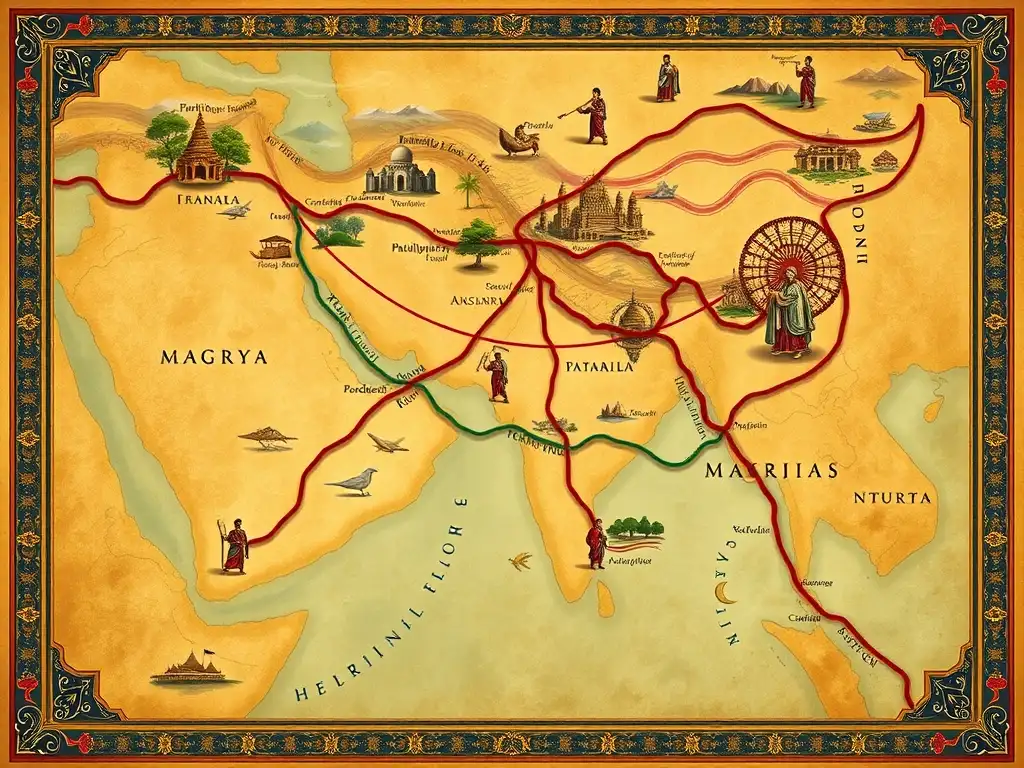
The Maurya Empire, renowned for its extensive governance and territorial expanse, also excelled in establishing diplomatic relations that significantly influenced its power dynamics and cultural exchange. By fostering relationships with neighboring kingdoms and foreign powers, the Maurya Empire not only secured its borders but also facilitated trade, cultural interactions, and political alliances.
Diplomatic Relations with Neighboring Kingdoms
The Maurya Empire's diplomatic strategies with neighboring kingdoms were pivotal for maintaining stability and expanding influence. Various kingdoms, such as the Magadha, Kosala, and Kalinga, were integral to the Mauryan diplomatic landscape.
- Strategic Marriages: One of the primary methods employed was strategic marriages that solidified alliances. For instance, the marriage between Mauryan royalty and local rulers helped to ensure loyalty and foster cooperation.
- Treaties and Agreements: The Mauryan emperors often engaged in treaties that guaranteed mutual protection and trade benefits. These treaties were crucial in preventing hostilities and creating a network of alliances.
- Cultural Exchanges: Diplomatic relations also facilitated cultural exchanges, enriching the Mauryan Empire's cultural tapestry. Through these interactions, arts, literature, and religious practices were disseminated across regions, enhancing the societal fabric of the empire.
The effectiveness of these diplomatic relations is evident in the stability maintained during the early years of the Maurya Empire, allowing it to focus on governance and internal development.
Relations with Foreign Powers: Seleucid Empire and Beyond
The Maurya Empire's diplomatic relations extended to far-off lands, notably the Seleucid Empire. This engagement marked one of the earliest instances of diplomatic relations between Indian and Hellenistic powers.
- Chandragupta Maurya and Seleucus I Nicator: Following the conquests of Alexander the Great, Chandragupta Maurya established relations with Seleucus I, who ruled a substantial portion of Alexander's former empire. The two leaders negotiated a treaty around 303 BCE, which included territorial exchanges and the marriage of royal families, enhancing political ties.
- Cultural and Economic Exchange: The treaty with the Seleucid Empire opened avenues for cultural and economic exchanges. Greek influences penetrated Indian arts and sciences, while Indian goods, including spices and textiles, found new markets in the West.
- Subsequent Diplomatic Relations: The Maurya Empire continued to maintain relations with various other foreign powers, including the Persians and the Hellenistic kingdoms. Such interactions were pivotal in establishing the Maurya Empire as a significant player on the global stage.
Through these diplomatic endeavors, the Maurya Empire not only secured its interests but also positioned itself as a bridge between the East and West, fostering a legacy of cultural and economic interconnectivity.
The Role of Ashoka in Promoting Diplomacy
Emperor Ashoka, the third ruler of the Maurya Empire, significantly advanced its diplomatic relations, particularly through a unique approach that emphasized non-violence and moral governance.
- Dhamma as a Diplomatic Tool: Ashoka’s promotion of Dhamma (moral law) served as a foundation for his diplomatic initiatives. His principles of non-violence and respect for all living beings resonated with many nations, fostering goodwill and trust.
- Missionary Diplomacy: Ashoka extended his diplomatic outreach by sending emissaries and missionaries to various regions, including Southeast Asia and the Hellenistic world. This form of diplomacy not only spread Buddhism but also established peaceful relations based on shared values, significantly enhancing the Maurya Empire's influence.
- Edicts and Proclamations: The edicts issued by Ashoka, which articulated his commitment to peace and ethical governance, served as diplomatic statements that were recognized and respected by foreign powers. These inscriptions communicated his vision for a harmonious world, positioning the Maurya Empire as a leader in fostering peace.
Ashoka's diplomatic relations exemplified a remarkable blend of political strategy and ethical governance, leaving an indelible mark on the diplomatic landscape of ancient India and beyond.
Impact of Maurya Empire Diplomatic Relations on Governance

The Maurya Empire, which flourished from the 4th to the 2nd century BCE, is renowned for its extensive diplomatic relations that significantly influenced its governance. The empire’s strategic use of diplomacy allowed it to maintain stability within its vast territories while also expanding its influence beyond its borders. Diplomatic relations during this period were not merely about formal agreements; they encompassed a complex web of alliances, negotiations, and cultural exchanges that shaped political strategies and economic prosperity.
How Diplomacy Shaped Political Strategies in the Maurya Empire
Diplomacy in the Maurya Empire was a vital tool for crafting political strategies that promoted both internal cohesion and external stability. Chandragupta Maurya, the founder of the empire, recognized the importance of fostering relationships with neighboring kingdoms and tribes.
- Alliances and Treaties: Through alliances, the Maurya Empire was able to secure its borders against potential invasions. Notable treaties, such as those with the Seleucid Empire, facilitated peaceful coexistence and allowed for the exchange of ambassadors, which was crucial for maintaining diplomatic ties.
- Cultural Diplomacy: The Mauryan rulers also engaged in cultural diplomacy, sending emissaries to spread Buddhist teachings. This not only enhanced the empire’s reputation but also fostered goodwill with other regions, such as the Hellenistic world, where Buddhism began to spread.
- Intelligence Gathering: Diplomacy served as a means of gathering intelligence about neighboring states. The Maurya Empire employed spies and envoys to monitor political developments, enabling them to make informed decisions regarding military and political strategies.
- Conflict Resolution: Diplomatic negotiations often resolved conflicts without the need for military intervention. The Maurya Empire’s approach to diplomacy allowed it to navigate complex political landscapes and manage its relationships with rival states effectively.
The diplomatic relations established by the Maurya Empire shaped its political strategies by promoting alliances, facilitating intelligence gathering, and providing avenues for peaceful conflict resolution.
The Influence of Diplomatic Relations on Economic Prosperity
The economic success of the Maurya Empire was significantly bolstered by its diplomatic relations. The empire's strategic positioning and active engagement in diplomacy opened new avenues for trade and commerce, contributing to its overall prosperity.
- Trade Agreements: The Maurya Empire established trade agreements with various regions, including the Persian Empire and regions along the Silk Road. These agreements enhanced trade routes, allowing for the exchange of goods such as textiles, spices, and precious metals, which enriched the empire.
- Infrastructure Development: Diplomatic relations facilitated the development of infrastructure, such as roads and ports, to support commerce. The Grand Trunk Road, for example, was crucial in connecting the Maurya Empire with distant trading partners, fostering economic growth.
- Cultural Exchange: The influx of ideas and goods through diplomatic channels also led to cultural exchanges that further stimulated economic activity. The introduction of new agricultural techniques and technologies helped improve productivity within the empire.
- Taxation and Revenue: The wealth generated from trade and commerce allowed the Mauryan rulers to implement a sophisticated taxation system. This revenue was essential for funding public works, maintaining a standing army, and supporting the empire’s administrative apparatus.
The Maurya Empire's diplomatic relations were instrumental in enhancing its economic prosperity through trade agreements, infrastructure development, cultural exchanges, and effective taxation policies. The interplay between diplomacy and governance thus played a crucial role in the empire's ability to thrive in a competitive ancient world.
Challenges in Diplomatic Relations during the Maurya Empire

The Maurya Empire, one of the largest and most powerful empires in ancient India, faced a myriad of challenges in its diplomatic relations. These challenges arose from both internal and external factors, impacting the empire's ability to maintain effective governance and foster beneficial relationships with neighboring states. Understanding these obstacles provides insight into the complexities of Mauryan diplomacy and its strategic decisions.
Internal Conflicts and Their Impact on Foreign Relations
Internal strife within the Maurya Empire significantly influenced its diplomatic relations. The vastness of the empire, which stretched across diverse cultures and territories, led to various internal conflicts, including:
- Power Struggles: The succession of Mauryan rulers often sparked disputes among potential heirs. For instance, the transition from Chandragupta Maurya to his son Bindusara was marked by challenges from ambitious generals and nobles, which could have diverted attention from foreign diplomacy.
- Regional Rebellions: Various provinces within the Maurya Empire occasionally revolted due to local grievances. These uprisings not only strained resources but also required the central authority to allocate military forces to quell dissent, thereby weakening diplomatic efforts. For example, the revolt in Taxila necessitated military intervention, which limited the empire's capacity to engage with external entities.
- Cultural Diversity: The empire encompassed a multitude of ethnic and cultural groups, each with its own interests. The need to balance these interests often hampered cohesive foreign policy initiatives. The differing priorities of local rulers and clans could lead to conflicting stances on diplomatic negotiations, affecting the empire's overall foreign relations strategy.
The repercussions of these internal conflicts were profound. Diplomatic relations were often sidelined as the Mauryan leadership focused on stabilizing the empire. The need for a strong internal governance structure sometimes took precedence over forging alliances or fostering trade relationships with neighboring states.
External Threats and Diplomatic Responses
The Maurya Empire also faced significant external threats, compelling it to adopt various diplomatic strategies to safeguard its borders and maintain stability. Key external challenges included:
- Military Aggressions: The empire contended with the ambitions of neighboring kingdoms and regional powers. For example, the frequent skirmishes with the Seleucid Empire following Alexander the Great's conquests posed a substantial challenge. To counter this, the Maurya Empire utilized diplomacy to negotiate peace treaties, such as the one arranged by Chandragupta Maurya with Seleucus I Nicator, which included territorial concessions and alliances.
- Trade Rivalries: The Maurya Empire thrived on trade, which sometimes led to rivalries with other powerful trading entities. The competition for control over trade routes necessitated diplomatic negotiations to secure favorable terms. The Mauryas often engaged in treaties that not only ensured trade security but also facilitated cultural exchanges.
- Cultural Diplomacy: The Maurya Empire strategically employed cultural diplomacy to enhance its influence. By promoting Buddhism as a unifying cultural force, particularly during Ashoka's reign, the empire sought to forge ties with neighboring regions through shared values and beliefs. This approach not only mitigated tensions but also expanded the Mauryan sphere of influence.
The Maurya Empire's diplomatic relations were shaped by both internal conflicts and external threats. The need to maintain stability within the empire often conflicted with the demands of foreign diplomacy, while external challenges required astute diplomatic responses to protect the empire's interests. The interplay of these factors reveals the complexities of governance beyond the borders of the Maurya Empire and underscores the significance of diplomacy in ancient Indian history.
Legacy of the Maurya Empire's Diplomatic Relations
The diplomatic relations established during the Maurya Empire have left a profound legacy that shaped not only its own governance but also influenced future Indian empires and their approaches to diplomacy. The Mauryan rulers, particularly Chandragupta Maurya and his grandson Ashoka, emphasized the importance of diplomacy in maintaining peace and stability across their vast territory.
Long-term Effects on Subsequent Indian Empires
The diplomatic strategies employed by the Maurya Empire set a precedent for subsequent Indian empires, notably the Gupta Empire. These strategies included:
- Alliance Formation: The Maurya Empire actively sought alliances with neighboring states through marriage and treaties. This approach became a common practice in later empires, emphasizing the importance of strategic partnerships to enhance political strength and stability.
- Cultural Diplomacy: The Mauryas were pioneers in employing cultural diplomacy, promoting Buddhism beyond their borders. Ashoka’s edicts, which emphasized moral governance and ethical conduct, resonated with other cultures and facilitated diplomatic ties through shared values.
- Intelligence Networks: The Mauryan administration developed sophisticated intelligence networks to gather information about neighboring kingdoms, allowing them to make informed diplomatic decisions. This practice was adopted by later empires, ensuring that they remained attuned to regional dynamics.
- Trade Relations: The Maurya Empire established trade relations with distant lands, which not only enriched their economy but also integrated them into a broader network of international commerce. Future empires continued to build on this legacy, recognizing that trade can serve as a powerful tool for diplomacy.
The impact of these diplomatic practices is evident in subsequent Indian empires, where the principles of alliance, cultural exchange, and trade were further refined and expanded.
The Evolution of Diplomacy in Ancient India Post-Maurya Empire
Following the decline of the Maurya Empire, the evolution of diplomacy in India witnessed significant transformations. While the Gupta Empire built on Mauryan principles, it also introduced new elements:
- Increased Regional Autonomy: As regional states gained power, diplomacy often shifted from centralized control to more localized interactions. This decentralization allowed for a more diverse set of diplomatic relationships tailored to specific regional contexts.
- Incorporation of New Ideologies: The post-Maurya period saw the rise of various philosophies and religions, such as Hinduism and Jainism, which influenced diplomatic conduct. These ideologies often shaped the moral and ethical frameworks guiding interactions with foreign powers.
- Military Diplomacy: While the Mauryas emphasized diplomacy as a means of maintaining peace, later empires sometimes resorted to military action as a primary diplomatic tool. This shift reflected changing attitudes toward conflict resolution in the region.
- Diplomatic Missions: The practice of sending envoys or missions to foreign courts became more formalized. These missions were not only tasked with negotiating treaties but also with cultural exchanges, fostering greater understanding between disparate regions.
The evolution of diplomacy in ancient India post-Maurya illustrates a dynamic interplay between continuity and change, where foundational practices were adapted to meet the needs of emerging empires.
Conclusion: The Significance of Diplomacy in the Maurya Empire's Governance
The significance of diplomacy in the Maurya Empire's governance cannot be overstated. The diplomatic relations established during this period were not merely political maneuvers; they were integral to the empire's stability, cultural cohesion, and international presence. The legacy of Maurya diplomacy fostered an environment where collaboration, trade, and cultural exchanges thrived, creating a model for future Indian empires to emulate.
As we reflect on the Maurya Empire's diplomatic relations, it becomes evident that their strategies laid the groundwork for a nuanced approach to governance that extended beyond borders. The emphasis on ethical conduct, cultural integration, and strategic alliances continues to resonate in contemporary discussions of diplomacy, highlighting the enduring relevance of the Mauryan legacy in shaping the trajectory of Indian civilization.
References and Further Reading on Maurya Empire Diplomatic Relations
The diplomatic relations of the Maurya Empire are a significant area of study that reveals much about the governance, trade, and cultural exchanges of ancient India. For those interested in delving deeper into this topic, the following references and resources provide valuable insights:
Books
-
"The Maurya Empire" by Romila Thapar
This book offers a comprehensive overview of the Maurya Empire, focusing on its political structure and diplomatic strategies. Thapar's work is renowned for its scholarly depth and accessibility.
-
"Ancient Indian History and Culture" by R.S. Sharma
Sharma examines the broader context of Indian history, including the Maurya period. His analysis includes discussions on trade relations and interactions with other civilizations.
-
"Mauryan India: A Historical Overview" by K. A. Nilakanta Sastri
This volume provides an in-depth look at the Maurya Empire, highlighting its diplomatic practices and relationships with neighboring states.
Articles
-
"Diplomatic Strategies of the Maurya Empire"
This article explores how the Maurya Empire established and maintained diplomatic relations with other kingdoms, detailing key figures and events that shaped these interactions.
-
"Cultural Exchanges in Ancient India: The Maurya Period"
This research paper discusses the cultural implications of the diplomatic relations during the Maurya Empire, emphasizing how these interactions influenced art, religion, and trade.
Journals
-
Journal of Ancient Indian History
This academic journal frequently publishes articles on the Maurya Empire, including studies on its diplomatic relations and governance. Subscriptions or access through educational institutions may be required.
-
Indian Historical Review
Featuring various articles on India's ancient past, this journal often includes research on the Maurya Empire's diplomatic strategies and international relations.
Online Resources
-
Digital South Asia Library
A comprehensive digital archive that includes texts and resources about the Maurya Empire, with sections dedicated to its diplomatic history.
-
The British Museum's Collection Online
This resource offers access to artifacts and documents related to the Maurya Empire, some of which illustrate its diplomatic relations and international trade.
Documentaries
-
"The Mauryas: Rise and Fall"
This documentary series provides a visual exploration of the Maurya Empire, including episodes dedicated to its diplomatic endeavors and relationships with foreign powers.
These resources will equip readers with a deeper understanding of the Maurya Empire's diplomatic relations and their significance in the broader context of ancient Indian history. Whether through scholarly texts, articles, or multimedia, there is a wealth of material available for those interested in exploring this fascinating subject further.
Frequently Asked Questions
What were the key features of the Maurya Empire's diplomatic relations?
The Maurya Empire's diplomatic relations were characterized by strategic alliances, trade agreements, and marriage diplomacy. These methods helped the empire maintain peace and expand its influence.
How did Chandragupta Maurya establish diplomatic relations?
Chandragupta Maurya leveraged alliances with local rulers and sought the advice of Kautilya to form effective diplomatic strategies. His approach laid the foundation for a powerful and interconnected empire.
What role did Kautilya play in the Maurya Empire's diplomacy?
Kautilya, also known as Chanakya, was instrumental in shaping the empire's foreign policy. His treatise, the Arthashastra, emphasized the importance of diplomacy alongside military power.
How did the Maurya Empire handle relations with neighboring kingdoms?
The Maurya Empire utilized a combination of diplomatic negotiations and military actions to manage relations with neighboring kingdoms. This balance helped to secure territorial integrity and foster economic ties.
What impact did the Maurya Empire's diplomatic relations have on its legacy?
The diplomatic relations established during the Maurya Empire contributed to its legacy by promoting cultural exchange and trade, which influenced subsequent empires and laid the groundwork for future diplomatic practices in India.
Final Reflection: The Enduring Legacy of the Maurya Empire's Diplomatic Relations
The exploration of the Maurya Empire's diplomatic relations reveals a profound truth about governance that resonates in today's interconnected world: diplomacy is not merely a tool for negotiation, but a vital framework for fostering peace and collaboration across borders. In an era where global challenges demand cooperative solutions, understanding the sophisticated diplomatic strategies employed by the Maurya Empire offers invaluable insights into how we can navigate contemporary international relations. The lessons from this ancient civilization remind us that effective governance transcends territorial boundaries and is rooted in mutual respect and understanding.
Cultural and social landscapes continue to be shaped by the diplomatic practices established during the Maurya Empire. The emphasis on diplomacy as a means of maintaining stability and fostering alliances has influenced modern statecraft and international relations. As we reflect on the impact of these ancient practices, we can appreciate the wisdom encapsulated in the words of Chanakya: There is some self-interest behind every friendship. There is no friendship without self-interests. This is a bitter truth.
This observation underscores the importance of strategic alliances and the necessity of recognizing the underlying motivations that drive diplomatic interactions, both then and now.
As we look to the future, I invite you to consider how the principles of diplomacy and governance explored in this article can be applied in your own life. Reflect on the relationships you cultivate and the ways you engage with others across different backgrounds. Just as the Maurya Empire navigated complex political landscapes, we too can foster understanding and collaboration in our communities. By embracing the spirit of diplomacy, we can contribute to a more harmonious world, where dialogue and cooperation pave the way for progress and peace.
Unveil the Secrets of Diplomacy!
Thank you for taking the time to explore the intricate world of the Maurya Empire's diplomatic relations! By diving into this rich history, you've gained a deeper understanding of governance and its impact beyond borders. Now it's time to put this knowledge into action.
Here’s how you can further engage with this fascinating topic:
- Dive deeper into historical texts: Visit local libraries or online archives to discover ancient Indian scriptures and writings that illuminate the Maurya Empire’s foreign policies.
- Share your newfound knowledge: Engage in discussions with friends or participate in online forums to spark conversations about ancient diplomacy.
- Join a historical discussion group: Connect with fellow enthusiasts who share your passion for ancient history and contribute your insights on governance and diplomatic relations.
What aspect of the Maurya Empire’s diplomacy intrigues you the most, and how do you believe it influences modern international relations?