
The Role of Metallurgy in the Rise of the Indus Valley Civilization

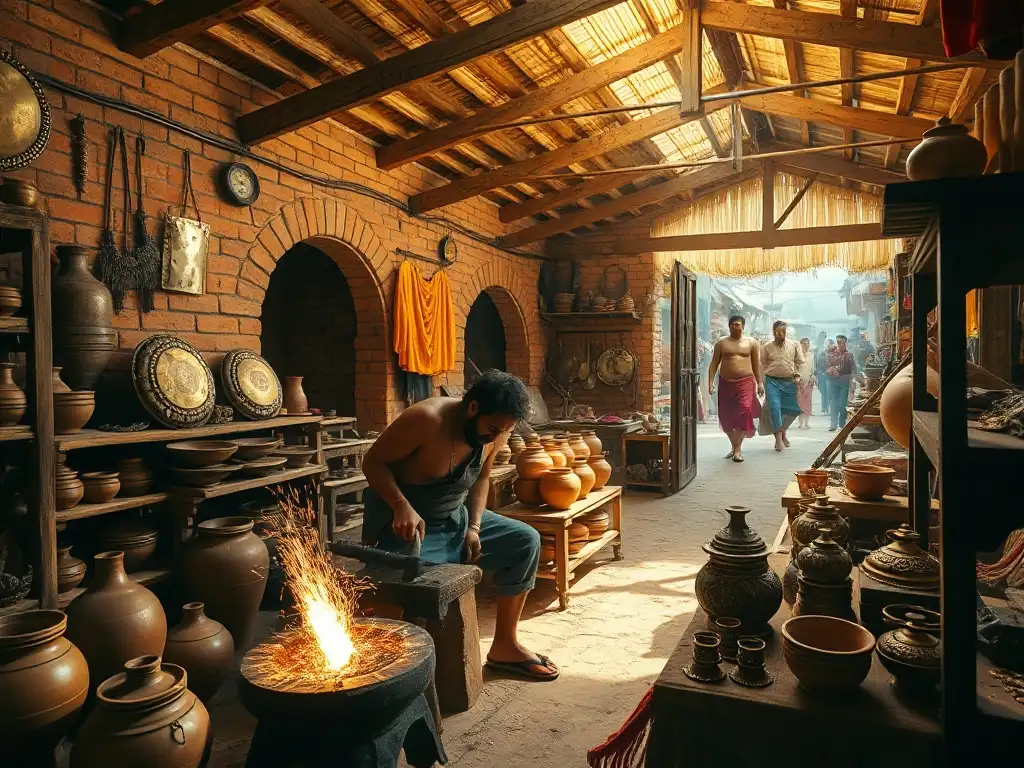
Welcome to Ancient India History, where we embark on a fascinating journey through the rich tapestry of ancient Indian civilizations. Today, we delve into a captivating exploration of metallurgy in the Indus Valley civilization, a pivotal element that not only shaped technological advancements but also laid the foundation for social and economic growth. What secrets does the mastery of metals unveil about this remarkable era?
Join us as we uncover the profound impact of metallurgy on the rise of one of history's most enigmatic civilizations, and discover how these early innovations continue to influence our world today. Read on to ignite your curiosity and deepen your understanding of this ancient marvel!
Introduction to Metallurgy in Indus Valley Civilization
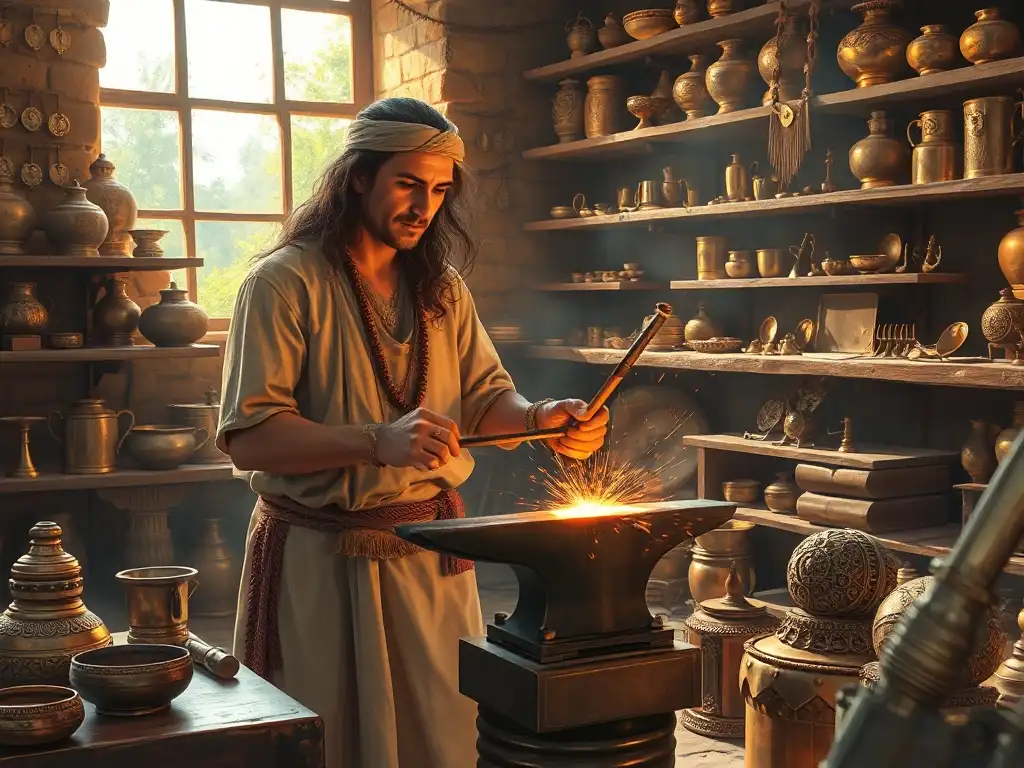
The Indus Valley Civilization, one of the oldest urban cultures in the world, flourished from approximately 3300 BCE to 1300 BCE in what is now Pakistan and northwest India. Central to its development was metallurgy, a transformative technology that not only impacted the economy but also shaped the social and cultural fabric of the civilization.
The mastery of metalworking enabled the production of tools, weapons, and ornaments, contributing significantly to the rise and sustainability of urban centers such as Harappa and Mohenjo-Daro. This article delves into the significance of metallurgy in the Indus Valley Civilization, exploring its definition, historical context, and the key phases that marked its development.
Definition of Metallurgy
Metallurgy refers to the science and technology of metals, encompassing the extraction of metals from ores, their purification, and the processes involved in shaping them into usable forms. This discipline not only includes the methods of working with metals but also the study of their properties and the development of metal-related technologies. In the context of the Indus Valley Civilization, metallurgy primarily involved the use of copper, bronze, and, to a lesser extent, gold and silver, which played vital roles in daily life, trade, and craftsmanship.
Importance of Metallurgy in Ancient Civilizations
Metallurgy was a cornerstone of technological advancement in ancient civilizations. Its importance can be summarized as follows:
- Economic Growth: The production of metal tools and weapons improved agricultural productivity and facilitated trade.
- Cultural Exchange: Metallurgical advancements spurred interactions with neighboring cultures, leading to the exchange of goods and ideas.
- Social Structure: Control over metal resources often led to the establishment of social hierarchies, as skilled metalworkers gained prestige and influence.
- Innovation: The ability to manipulate metals fostered innovation in various sectors, from construction to art.
Historical Context of the Indus Valley Civilization
Overview of the Indus Valley Civilization
The Indus Valley Civilization is renowned for its advanced urban planning, sophisticated drainage systems, and standardized weights and measures. Its cities were characterized by well-organized layouts, featuring grid patterns, public baths, and granaries. The civilization thrived due to its strategic location near fertile floodplains, facilitating agriculture and trade. The inhabitants engaged in various crafts, including pottery, bead-making, and, notably, metallurgy. This multifaceted approach to production and trade underscored the civilization's complexity and its role as a cradle of early technological advancements.
Timeline of Development and Key Phases
The development of the Indus Valley Civilization can be segmented into several key phases:
| Phase | Period (BCE) | Key Developments |
|---|---|---|
| Early Harappan | 3300 - 2600 | Initial urbanization; early metallurgy begins |
| Mature Harappan | 2600 - 1900 | Flourishing trade; advanced metallurgy and crafts |
| Late Harappan | 1900 - 1300 | Decline of urban centers; shifts in metallurgy practices |
Understanding these phases is crucial to appreciating how metallurgy not only supported the Indus Valley Civilization's rise but also influenced its eventual decline. The skills and technologies developed during this era laid the groundwork for future civilizations in the Indian subcontinent and beyond.
The Evolution of Metallurgy in the Indus Valley
The evolution of metallurgy in the Indus Valley Civilization marks a significant chapter in ancient technological advancement. Emerging around 3300 BCE, this civilization showcased remarkable skills in metalworking that contributed to their economic and cultural development. The early inhabitants of the Indus Valley began experimenting with various metals, primarily copper, which laid the foundation for more advanced metallurgical practices. Over time, the transition from basic metal usage to sophisticated techniques in metallurgy enriched their society and facilitated trade, military strength, and cultural expression.
Early Metallurgical Practices
Initially, the Indus Valley Civilization utilized native copper for crafting tools and ornaments. Archaeological findings from sites such as Harappa and Mohenjo-Daro reveal that these early metallurgists employed simple techniques such as smelting and hammering to shape copper into functional and decorative items. The production of small-scale tools, like chisels and knives, demonstrated their understanding of metal properties and manipulation. Furthermore, the ability to create alloys by mixing copper with other elements started to emerge, signaling an important shift in metallurgical practices.
Transition from Copper to Bronze
The transition from copper to bronze marked a pivotal moment in the technological evolution of the Indus Valley Civilization. By around 2500 BCE, the introduction of tin to the copper alloy led to the creation of bronze, a stronger and more durable material. This advancement enabled the production of superior tools and weapons, which were crucial for agriculture, trade, and defense. Archaeological evidence suggests that the Indus Valley craftsmen not only adapted the techniques for bronze production but also engaged in extensive trade networks to procure tin, indicating a sophisticated understanding of resource management and trade relations.
Innovations in Metallurgical Techniques
Innovations in metallurgical techniques were central to the Indus Valley's industrial prowess. The use of furnaces capable of reaching high temperatures allowed for the efficient smelting of ores and the casting of metal objects. Techniques like lost-wax casting emerged, enabling artisans to produce intricate designs and complex shapes in metalwork. This period also saw the development of advanced tools such as saws and drills, which facilitated precision in crafting. The combination of these techniques not only enhanced the quality of metallurgical products but also contributed to the artistic expression seen in their metalwork, reflecting the civilization's cultural sophistication.
Key Metallurgical Contributions of the Indus Valley Civilization
The metallurgical contributions of the Indus Valley Civilization played a vital role in shaping their society and influencing neighboring regions. Their advancements in metalworking not only served practical purposes but also had far-reaching implications for trade, culture, and technological development in the broader context of ancient Indian civilizations.
Production of Tools and Weapons
The production of tools and weapons was one of the most significant contributions of metallurgy in the Indus Valley Civilization. The transition from stone to metal tools revolutionized agricultural practices, allowing for more efficient farming techniques and improved productivity. Metal weapons, such as daggers and arrowheads, enhanced military capabilities, providing a competitive edge in conflicts and territorial defense. The widespread use of these metal tools and weapons facilitated the growth of trade, as they became valuable commodities exchanged with neighboring civilizations.
Craftsmanship in Jewelry and Ornaments
Metallurgical skills in the Indus Valley extended beyond utilitarian objects to encompass the creation of exquisite jewelry and ornaments. Artisans skillfully crafted intricate pieces using gold, silver, and gemstones, showcasing their advanced techniques in metallurgy and artistry. These decorative items reflected social status and played a significant role in cultural and religious practices. The craftsmanship exhibited in the jewelry of the Indus Valley Civilization highlights not only their technological prowess but also their appreciation for aesthetics and personal adornment.
Impact on Trade: Metallurgical Goods as Commodities
The metallurgical advancements of the Indus Valley Civilization significantly impacted trade dynamics in the ancient world. Metal tools, weapons, and jewelry became sought-after commodities, facilitating trade with neighboring regions such as Mesopotamia and Persia. The exchange of metallurgical goods not only enriched the Indus Valley economy but also contributed to cultural interactions between civilizations. This exchange of materials and techniques helped spread metallurgical knowledge, influencing other societies and leading to further advancements in technology and craftsmanship across the region.
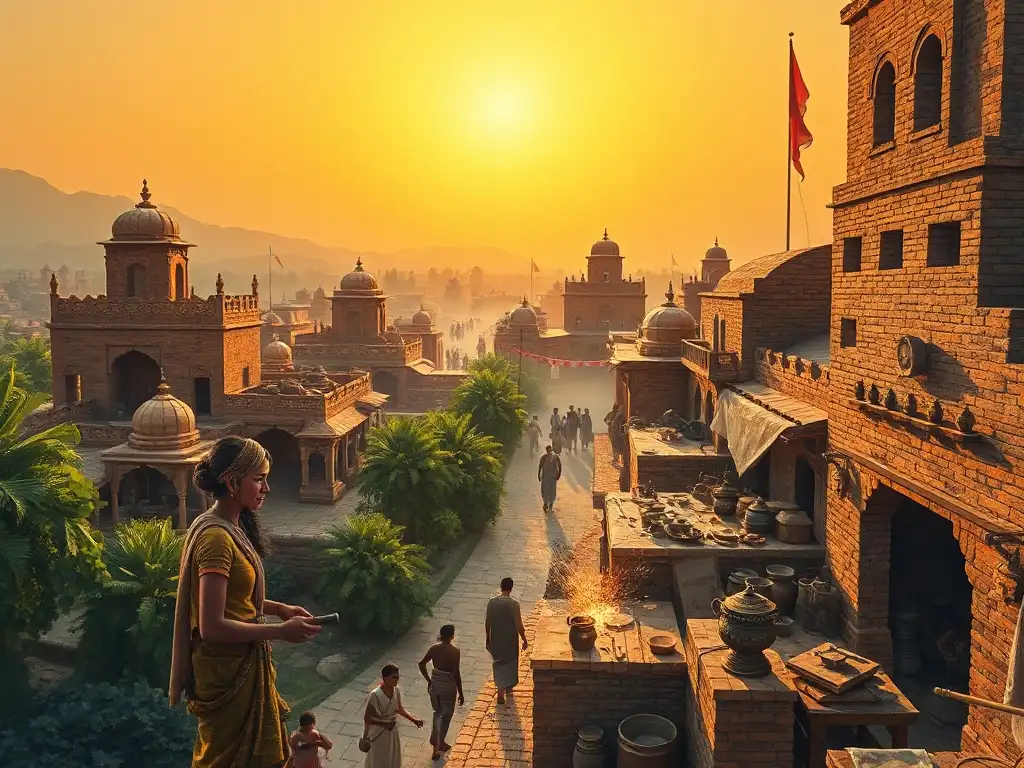
Metallurgy played a significant role in the rise of the Indus Valley Civilization, contributing to urban development and shaping the social structure of its society. The advancement in metallurgical techniques allowed for the production of a variety of tools and artifacts that influenced agricultural productivity, trade, and daily life. As cities like Harappa and Mohenjo-Daro flourished, the ability to create robust metal implements facilitated the management of resources and construction of sophisticated urban infrastructures.
Influence on City Planning and Architecture
The development of metallurgy directly impacted city planning and architecture in the Indus Valley. Metal tools enabled the precise cutting and shaping of stones and other materials, allowing for advancements in construction techniques. The impressive drainage systems, well-planned streets, and uniform brick sizes seen in Indus cities can be attributed to these metallurgical advancements. Moreover, the ability to create metal weights and measures contributed to standardized construction practices, enhancing the overall organization of urban spaces.
Metallurgy and Economic Prosperity
Economic prosperity in the Indus Valley Civilization was significantly bolstered by advancements in metallurgy. The production of bronze tools and weapons not only improved agricultural efficiency but also supported trade. The ability to create durable and efficient tools resulted in increased agricultural output, which in turn facilitated trade with neighboring regions. Craftsmen produced various metal goods, which became valuable trade commodities, fostering economic ties and enhancing the wealth of urban centers.
Social Implications of Metallurgical Advancements
The advancements in metallurgy also had profound social implications within the Indus Valley Civilization. The emergence of specialized metalworking crafts led to the development of a skilled artisan class, which played a crucial role in the economy. This specialization may have contributed to the stratification of society, as individuals with metallurgical skills likely held higher status due to their expertise and the value of their products. Furthermore, the distribution of metal goods may have influenced social dynamics, with access to such items serving as indicators of wealth and power.
Comparative Analysis: Metallurgy in the Indus Valley vs. Other Civilizations
A comparative analysis of metallurgy in the Indus Valley Civilization with other ancient civilizations reveals both similarities and unique characteristics. While other civilizations, such as Mesopotamia and Egypt, also made significant advancements in metallurgy, the Indus Valley exhibited distinct techniques and applications that set it apart.
Comparison with Mesopotamian Metallurgy
When comparing Indus Valley metallurgy with that of Mesopotamia, several key differences emerge. Both civilizations utilized copper and bronze; however, the Indus Valley is noted for its innovative use of alloys and the development of specific tools suited for agriculture and urban infrastructure. In contrast, Mesopotamian metallurgy was heavily influenced by their immediate needs for warfare and large-scale construction, leading to a different focus in their metallurgical practices.
Differences in Techniques and Applications
The techniques employed in metallurgy also varied between the Indus Valley and other civilizations. The Indus Valley Civilization is characterized by its use of advanced casting methods and the production of high-quality bronze. Unique to this civilization was the creation of seals and decorative items that reflected their artistry and cultural values. Conversely, other regions may have prioritized weapons and utilitarian tools, highlighting the diverse applications of metallurgy across cultures.
Influence of Trade Networks on Metallurgical Practices
Trade networks significantly influenced metallurgical practices in the Indus Valley, facilitating the exchange of materials, techniques, and ideas with neighboring civilizations. The Indus Valley's strategic location allowed for trade with Mesopotamia, Persia, and possibly even Egypt, which led to the introduction of new metallurgical techniques and raw materials. This exchange not only enriched the metallurgical practices of the Indus Valley but also fostered a sense of interconnectedness among ancient civilizations, showcasing the importance of trade in the advancement of technology.
Challenges and Decline of Metallurgical Practices
The metallurgical practices in the Indus Valley Civilization were once a hallmark of their technological innovation, but several challenges ultimately contributed to their decline. As the civilization progressed, the complexities of metal production faced various hurdles that hindered their ability to sustain and advance these practices.
One significant challenge was the depletion of natural resources. The mining and extraction of metals such as copper and bronze required considerable amounts of ore, and over time, the exhaustion of these resources could have significantly affected production capabilities. Additionally, the trade networks that facilitated the import of raw materials may have weakened, limiting access to essential ores.
Another critical factor was the increasing difficulty of maintaining the advanced techniques necessary for metallurgy. The skillsets required for metalworking were passed down through generations, but disruptions in social structures, such as migrations or conflicts, could have led to a loss of knowledge and expertise.
Environmental Factors Impacting Metal Production
Environmental changes played a pivotal role in the decline of metallurgical practices in the Indus Valley. The region experienced fluctuations in climate, which likely affected the availability of resources essential for metal production.
- Climate Change: Shifts towards arid conditions may have reduced the accessibility of water sources vital for smelting processes. The scarcity of water would have made it challenging to sustain large-scale metallurgical operations, directly impacting productivity.
- Soil Degradation: Intensive agricultural practices, coupled with deforestation for fuel and construction, could have led to soil erosion and degradation. As agricultural yields diminished, the population may have faced food shortages, diverting focus and resources away from metallurgy.
- Natural Disasters: Evidence suggests that the Indus Valley was susceptible to flooding and earthquakes. Such natural disasters could have destroyed infrastructure, including workshops and storage facilities, leading to a decline in production capabilities.
Socio-Political Factors Leading to Decline
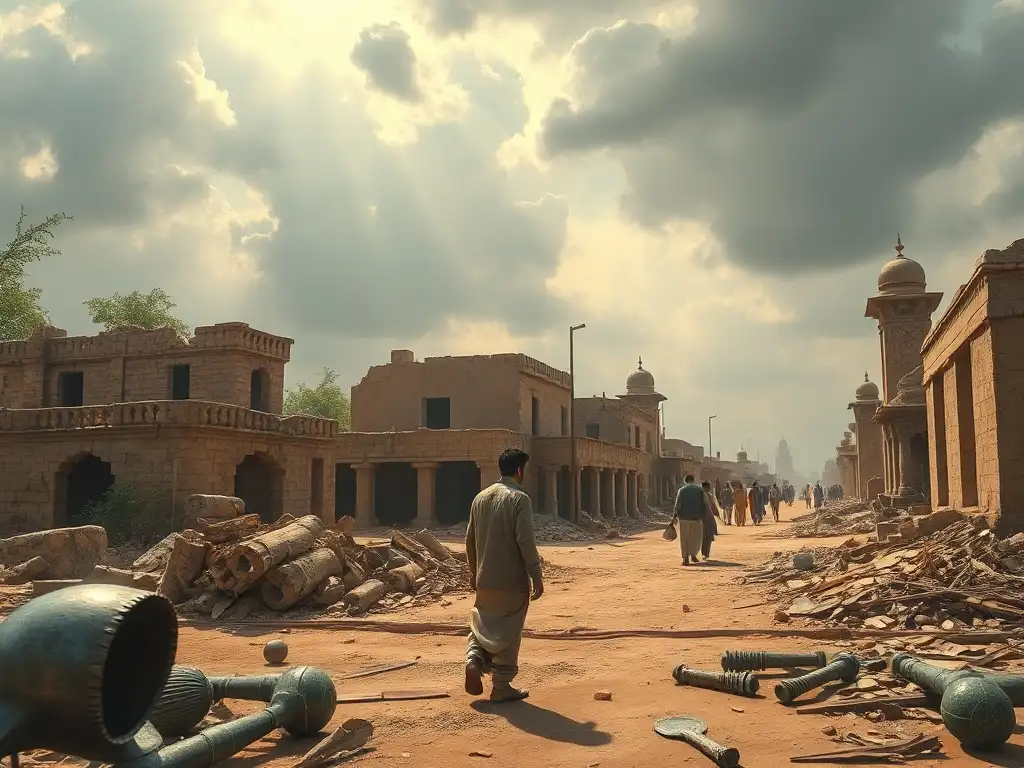
The socio-political landscape of the Indus Valley Civilization also contributed significantly to the decline of metallurgical practices. As the civilization evolved, several factors influenced the stability required for these practices to thrive.
- Invasion and Migration: The arrival of new groups, such as the Indo-Aryans, may have disrupted existing trade routes and social structures. Invasive groups often brought their technologies and practices, which could have overshadowed traditional metallurgical methods.
- Decline in Trade: The Indus Valley Civilization was heavily reliant on trade for raw materials and finished goods. As trade routes became less secure due to political instability, the flow of essential materials for metallurgical practices may have diminished, leading to a decline in production.
- Internal Conflict: Evidence of urban decline suggests that social unrest and internal conflicts may have arisen during the latter stages of the civilization. These conflicts could have diverted resources and attention away from metallurgy, leading to its deterioration.
Legacy of Metallurgy in Subsequent Indian Civilizations
Despite the decline of metallurgical practices in the Indus Valley Civilization, their legacy persisted in subsequent Indian civilizations. The techniques and knowledge developed during this era laid the groundwork for future advancements in metallurgy.
- Cultural Transmission: The skills and techniques of metallurgy were likely preserved and adapted by subsequent cultures, such as the Mauryan and Gupta Empires. These civilizations built upon the foundations laid by the Indus Valley, advancing metalworking techniques and expanding the use of metals.
- Technological Innovations: The early innovations in metallurgy, such as the production of high-quality steel and alloys, influenced later Indian metallurgical practices. Techniques like wootz steel production emerged, which would eventually gain global recognition.
- Artistic Influence: The artistry showcased in Indus Valley metalwork, including jewelry and tools, continued to inspire artisans in later periods. The aesthetic qualities of metal objects from the Indus Valley became part of the broader Indian artistic tradition.
Conclusion
The exploration of metallurgy in the Indus Valley Civilization reveals both the technological prowess of this ancient society and the factors that led to the decline of their practices.
Summary of Metallurgy's Impact on the Indus Valley Civilization
Metallurgy played a crucial role in the economic and cultural development of the Indus Valley Civilization. The ability to produce and work with metals enhanced trade, craftsmanship, and daily life, marking a significant leap in technological advancement. However, environmental and socio-political challenges ultimately hindered the sustainability of these practices, leading to their decline.
The Lasting Influence of Indus Metallurgy on Future Societies
Despite its decline, the legacy of metallurgy in the Indus Valley Civilization endured, influencing subsequent Indian civilizations and shaping their technological advancements. The early metallurgical achievements laid the groundwork for innovations that would have a lasting impact on the region's cultural and economic landscapes, demonstrating the resilience and adaptability of ancient Indian societies in the face of change.
References and Further Reading on Metallurgy in Indus Valley Civilization
The study of metallurgy in the Indus Valley Civilization offers valuable insights into the technological advancements and societal developments of one of the world's earliest urban cultures. For those interested in exploring this fascinating topic further, a variety of academic sources and literature is available that delve into the intricacies of metallurgical practices and their implications for the civilization's rise.
Key Academic Sources
-
"The Indus Civilization: A Contemporary Perspective" by Gregory L. Possehl
This comprehensive work examines the technological innovations of the Indus Valley, including metallurgy. Possehl discusses how these advancements contributed to trade and urbanization, making it essential for understanding the broader context of the civilization.
-
"Metallurgy in Ancient India" by A. G. M. Jha
Jha's research focuses specifically on the metallurgical practices of ancient India, providing detailed analyses of metal artifacts from the Indus Valley. This source is particularly valuable for its archaeological insights and discussions on the techniques used.
-
"The Archaeology of Early Historic South Asia: A History of India" by Robin Coningham and Ruth Young
This book covers the transition from the Indus Valley Civilization to later historical periods, with a focus on technological developments, including metallurgy. Coningham and Young offer a broader perspective on how these advancements influenced subsequent Indian cultures.
-
"Indus Valley Civilization: A Historical Perspective" by A.K. Sharma
Sharma's work provides a historical overview of the Indus Valley Civilization, with specific sections dedicated to technological and metallurgical advancements. It highlights the significance of copper and bronze tools and their impact on daily life.
Suggested Literature for In-Depth Understanding
-
"The Metal Age: From the Indus Valley to the Gupta Era" by R. S. Sharma
This book explores the evolution of metallurgy in ancient India, tracing its development from the Indus Valley through subsequent civilizations. It offers a detailed examination of the social and economic implications of metalworking.
-
"Ancient Indian Metallurgy: A Study of the Indian Subcontinent" by R. Bhattacharya
Bhattacharya provides an in-depth analysis of metallurgical practices across ancient India, including case studies from the Indus Valley. This literature is crucial for understanding the technological sophistication of the era.
-
"Copper and Bronze Metallurgy in Ancient India" by N. S. Saini
This text focuses specifically on the use of copper and bronze in ancient Indian civilizations, including the Indus Valley. Saini discusses the techniques, trade, and cultural significance of these metals in-depth.
-
"Indus Valley Civilization: The Story of a Forgotten Civilization" by D. K. Chattopadhyay
Chattopadhyay's book not only covers the history of the Indus Valley Civilization but also emphasizes the crucial role of metallurgy in shaping its urban landscape, making it a valuable resource for readers interested in the technological aspects.
These references and suggested readings provide an excellent foundation for understanding the crucial role that metallurgy played in the rise of the Indus Valley Civilization, offering insights into the technological, cultural, and economic dimensions of this ancient society.
- Introduction to Metallurgy in Indus Valley Civilization
- Historical Context of the Indus Valley Civilization
- The Evolution of Metallurgy in the Indus Valley
- Key Metallurgical Contributions of the Indus Valley Civilization
- Metallurgy's Role in Urban Development and Social Structure
- Comparative Analysis: Metallurgy in the Indus Valley vs. Other Civilizations
- Challenges and Decline of Metallurgical Practices
- Environmental Factors Impacting Metal Production
- Socio-Political Factors Leading to Decline
- Legacy of Metallurgy in Subsequent Indian Civilizations
- Conclusion
- References and Further Reading on Metallurgy in Indus Valley Civilization
- What was the significance of metallurgy in the Indus Valley civilization?
- Which metals were primarily used in Indus Valley metallurgy?
- How did metallurgy influence trade in the Indus Valley?
- What were some key technological advancements in Indus Valley metallurgy?
- How did the decline of the Indus Valley civilization affect metallurgy practices?
Frequently Asked Questions
What was the significance of metallurgy in the Indus Valley civilization?
Metallurgy played a crucial role in the development of the Indus Valley civilization, enabling advancements in tools, trade, and urbanization.
Which metals were primarily used in Indus Valley metallurgy?
The Indus Valley civilization predominantly utilized copper, bronze, and lead, which were essential for crafting tools and ornaments.
How did metallurgy influence trade in the Indus Valley?
The expertise in metallurgy allowed for the production of high-quality metal goods, which enhanced trade networks with neighboring regions, fostering economic growth.
What were some key technological advancements in Indus Valley metallurgy?
Innovations included the lost-wax casting technique and the ability to produce bronze, which improved the durability and effectiveness of tools and weapons.
How did the decline of the Indus Valley civilization affect metallurgy practices?
The decline led to a decrease in metallurgical activities, as trade routes collapsed and technological knowledge was lost, impacting subsequent civilizations in the region.
Final Reflection: The Enduring Legacy of Metallurgy in the Indus Valley Civilization
The profound impact of metallurgy in the Indus Valley Civilization underscores its pivotal role in shaping not only the technological advancements of the time but also the very fabric of society. As we explore the intricate relationship between metallurgy and the rise of this ancient civilization, we recognize that the innovations in metalworking were not merely about tools and weapons; they were foundational to trade, culture, and urban development. The lessons gleaned from this historical narrative resonate deeply today, reminding us of the transformative power of technology in human progress.
Culture and society are inextricably linked to the technological advancements that define them. The mastery of metallurgy in the Indus Valley allowed for the creation of sophisticated tools and trade goods, fostering economic growth and cultural exchange. This legacy continues to influence modern societies, where the interplay of innovation and culture shapes our collective identity. > “Technology is best when it brings people together.” This quote encapsulates the essence of how metallurgy not only advanced the Indus Valley Civilization but also laid the groundwork for future civilizations to thrive through shared knowledge and collaboration.
As we reflect on the significance of metallurgy in the Indus Valley Civilization, let us consider how we can apply these lessons in our own lives. Embrace the spirit of innovation and collaboration that characterized this ancient society. Whether in our personal endeavors or within our communities, we have the opportunity to harness technology and knowledge to foster growth and connection. Take a moment to reflect on how you can contribute to a culture of innovation and cooperation, ensuring that the legacy of the past inspires a brighter future for all.
Unveil the Secrets of Metallurgy in Ancient India!
Thank you for diving into the fascinating world of metallurgy and its impact on the rise of the Indus Valley Civilization! Your interest helps uncover the innovative spirit and technological advancements that shaped this remarkable era. Now, let's take the next step together and explore how you can further engage with this incredible history.
- Discover more about ancient techniques by visiting our dedicated section on metallurgical practices in India.
- Join the conversation! Share your thoughts or questions about the role of metals in early civilizations in the comments below.
- Explore connections by linking this article to your own studies or discussions on technology in ancient societies—consider starting a blog or a social media discussion!
What aspect of metallurgy do you find most intriguing, and how do you think it influenced daily life in the Indus Valley Civilization?