
The Role of Music and Dance in the Indus Valley Civilization

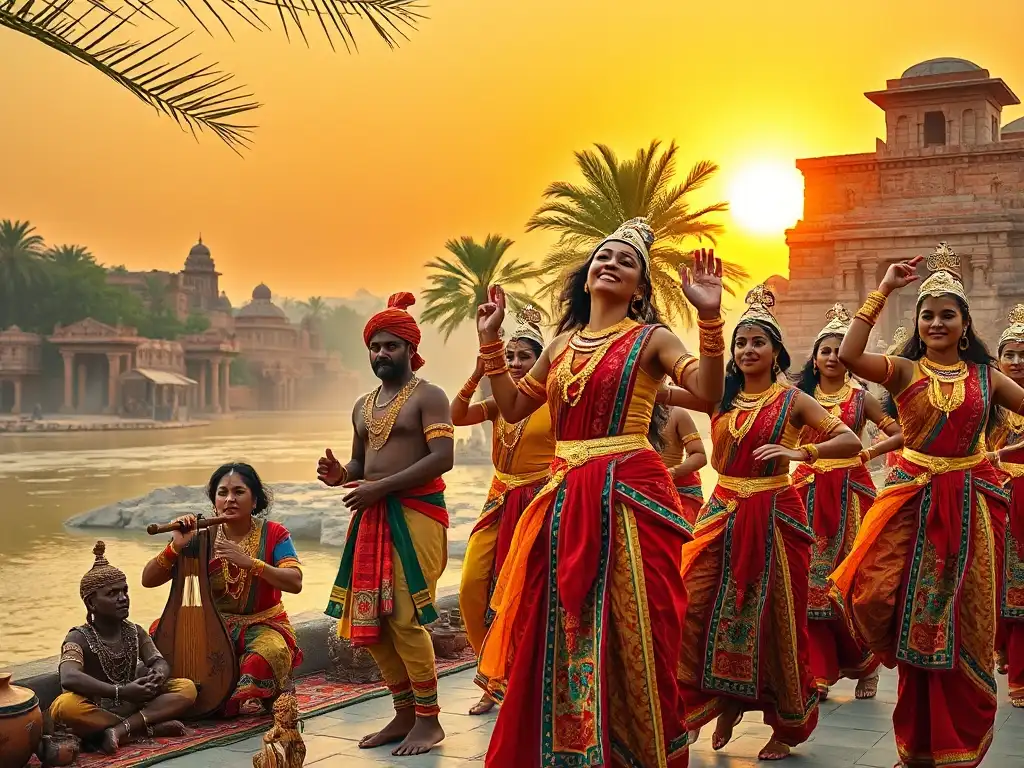
Welcome to Ancient India History, where we delve into the rich and diverse tapestry of ancient Indian civilizations. Here, you will uncover the profound contributions and vibrant cultures that have shaped our past. In our featured article, we explore the captivating world of Indus Valley music and dance.
Discover how these art forms not only entertained but also played a crucial role in the social and spiritual lives of the people. Join us on this journey as we unravel the rhythms and movements that echoed through the ancient streets of the Indus Valley, inviting you to explore more about this fascinating civilization.
Introduction to Indus Valley Music and Dance
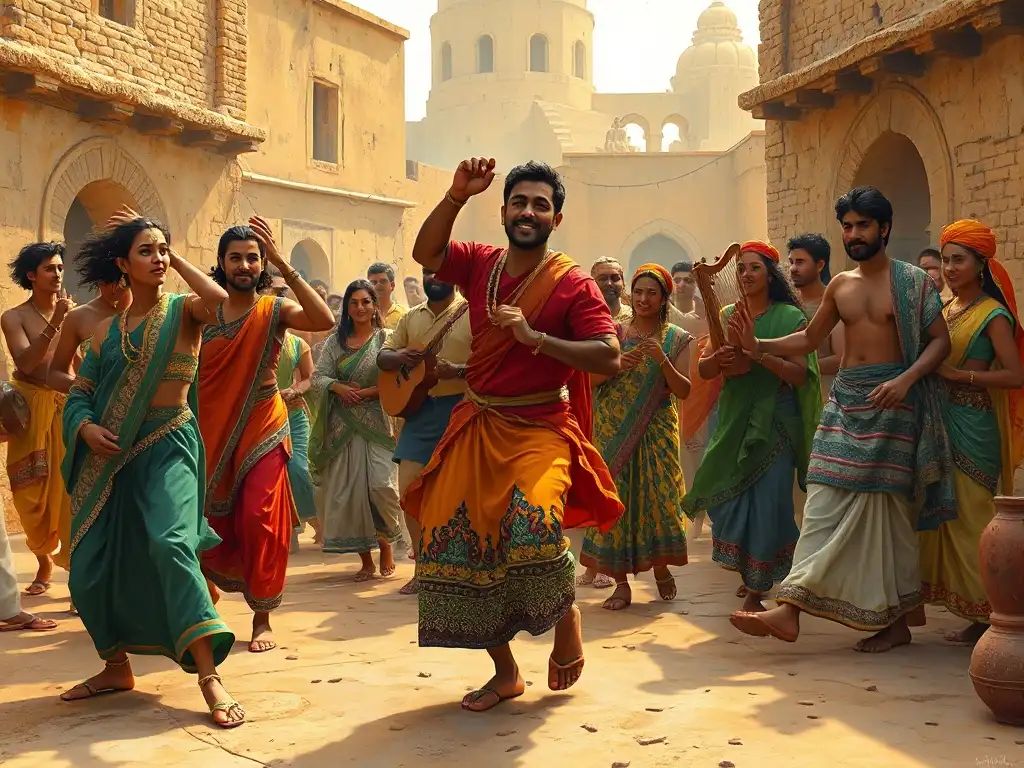
The Indus Valley Civilization, which thrived from approximately 3300 BCE to 1300 BCE in what is now modern-day Pakistan and northwest India, is renowned for its advanced urban planning, architecture, and trade networks. However, one facet of this ancient civilization that remains underexplored is music and dance. These artistic expressions played a crucial role in the cultural fabric of the Indus Valley, serving not only as forms of entertainment but also as vital components of religious and social life.
By examining the music and dance of the Indus Valley Civilization, we can gain deeper insights into the beliefs, practices, and daily lives of its people. This article delves into the realm of Indus Valley music and dance, unraveling its significance and historical context.
Understanding the Cultural Context of the Indus Valley
To appreciate the role of music and dance in the Indus Valley Civilization, it is essential to consider the broader cultural context. The civilization was characterized by a rich tapestry of influences stemming from its diverse population, which included various ethnic and linguistic groups. Music and dance likely acted as a unifying force, transcending linguistic barriers and fostering community cohesion.
- Religious Practices: Rituals and ceremonies often incorporated music and dance, enhancing the spiritual experience of the participants. Instruments may have been used to accompany offerings and worship, creating a sacred atmosphere.
- Social Functions: Music and dance were integral to communal gatherings, festivals, and celebrations, reflecting the vibrant social life of the Indus Valley inhabitants. These activities likely served to strengthen social bonds and transmit cultural values across generations.
Significance of Music and Dance in Ancient Civilizations
Throughout history, music and dance have been pivotal in shaping the identities of various civilizations. In the context of the Indus Valley, these art forms were not merely for entertainment; they played significant roles in:
- Storytelling: Music and dance served as mediums for preserving and conveying stories, myths, and traditions, ensuring the continuity of cultural heritage.
- Emotional Expression: They allowed individuals to express a range of emotions, from joy to sorrow, thus playing a therapeutic role in society.
- Community Engagement: Collective music-making and dancing fostered a sense of belonging and community, reinforcing social ties among the population.
Historical Evidence of Music in the Indus Valley Civilization
The exploration of Indus Valley music and dance is significantly enhanced by archaeological discoveries that provide clues about the musical practices of this ancient civilization. While direct evidence is scarce, various findings indicate a rich musical tradition.
Archaeological Discoveries Related to Indus Valley Music
Several archaeological sites have yielded artifacts that suggest the presence of music in the Indus Valley:
- Terracotta Figurines: Numerous figurines depicting dancers have been unearthed, indicating that dance was a prevalent art form. These figures often showcase elaborate costumes and postures, hinting at the performance aspects of dance in their culture.
- Seals and Inscriptions: Some seals depict musicians and dancers, suggesting that music was an integral part of their rituals and daily life. The imagery provides vital insights into the cultural significance of these practices.
Instruments Used in Indus Valley Music
The musical instruments of the Indus Valley Civilization, though not extensively documented, can be inferred from archaeological findings:
- String Instruments: Evidence of stringed instruments, possibly resembling lyres or harps, has been suggested through depictions on seals and figurines.
- Percussion Instruments: Pottery fragments that resemble drums have been discovered, indicating the use of percussion in musical performances.
- Wind Instruments: Some artifacts hint at the existence of wind instruments, although concrete evidence is limited.
The exploration of Indus Valley music and dance reveals a complex interplay of cultural, social, and religious factors that influenced these art forms. As we delve deeper into the historical evidence and the instruments used, we can further appreciate the rich heritage of the Indus Valley Civilization and its contributions to the arts.
Dance Practices in the Indus Valley Civilization
The Indus Valley Civilization, flourishing around 2500 BCE in what is now Pakistan and northwest India, showcased a rich tapestry of cultural expressions, including music and dance. While specific records of dance practices from this ancient civilization are scarce, archaeological findings suggest that dance was an integral part of their social and religious life.
Evidence such as figurines, seals, and pottery often depicts dancers in various postures, indicating that dance was not only a form of entertainment but also a medium for storytelling and cultural expression. The absence of written records makes it challenging to ascertain the exact nature of these dance practices, but the visual evidence points to a society that valued movement as a form of communication and celebration.
Forms of Dance in Ancient Indus Valley Society
Although the precise forms of dance practiced in the Indus Valley remain largely unknown, it is believed that they included both solo and group performances that were likely integral to rituals and festivities. The diverse depictions on seals and pottery suggest various styles, which could include folk dances that celebrated agricultural cycles, life events, and seasonal festivals.
The dances might have been accompanied by music played on instruments such as drums and flutes, as suggested by the presence of musical instruments in archaeological finds. Moreover, the movements may have been influenced by the natural surroundings and the spiritual beliefs of the people, reflecting their connection to the earth and the divine.
Depictions of Dance in Indus Valley Art and Artifacts
Indus Valley art provides crucial insights into the dance practices of the civilization. Numerous terracotta figurines, often found in the ruins of ancient cities like Mohenjo-Daro and Harappa, feature figures in dynamic poses, suggesting dance movements. Some of these figurines depict women adorned with jewelry and elaborate hairstyles, indicating that dance was likely a form of social expression, particularly for women.
Additionally, seals featuring dancers or dance motifs have been uncovered, hinting at the symbolic significance of dance in their society. These artistic representations not only highlight the aesthetic appreciation of movement but also suggest that dance could have held deeper meanings related to fertility, community bonding, and spiritual offerings.
Music and dance played a vital role in the social fabric of the Indus Valley Civilization, serving as important avenues for communal interaction and cultural expression. While specific details about the musical traditions remain elusive, the intertwining of music and dance in social contexts is evident. These art forms likely fostered a sense of unity and identity among the inhabitants, contributing to the overall cohesiveness of the community.
Music and Dance in Religious Practices
Religious rituals and ceremonies in the Indus Valley may have prominently featured music and dance, reinforcing spiritual beliefs and communal ties. The presence of figurines thought to represent deities and ritualistic practices suggests that dance could have been a means of worship or connection with the divine. Accompanied by music, these performances may have served as offerings to gods, invoking blessings for fertility, health, and prosperity. The rhythmic patterns of dance movements, synchronized with musical beats, could have created an atmosphere of transcendence during religious gatherings, enhancing the spiritual experience of participants.
Community Gatherings and Celebrations
Beyond religious contexts, music and dance likely played a central role in various community gatherings and celebrations within the Indus Valley Civilization. Festivals marking agricultural cycles, seasonal changes, and life milestones such as births and marriages would have been occasions for communal celebration. Dance, accompanied by music, would have served to strengthen social bonds among community members, promoting a sense of belonging and shared identity. These gatherings not only provided entertainment but also allowed for the expression of collective joy, reinforcing cultural traditions and values through the vibrant art of movement.
Influence of Indus Valley Music and Dance on Subsequent Cultures
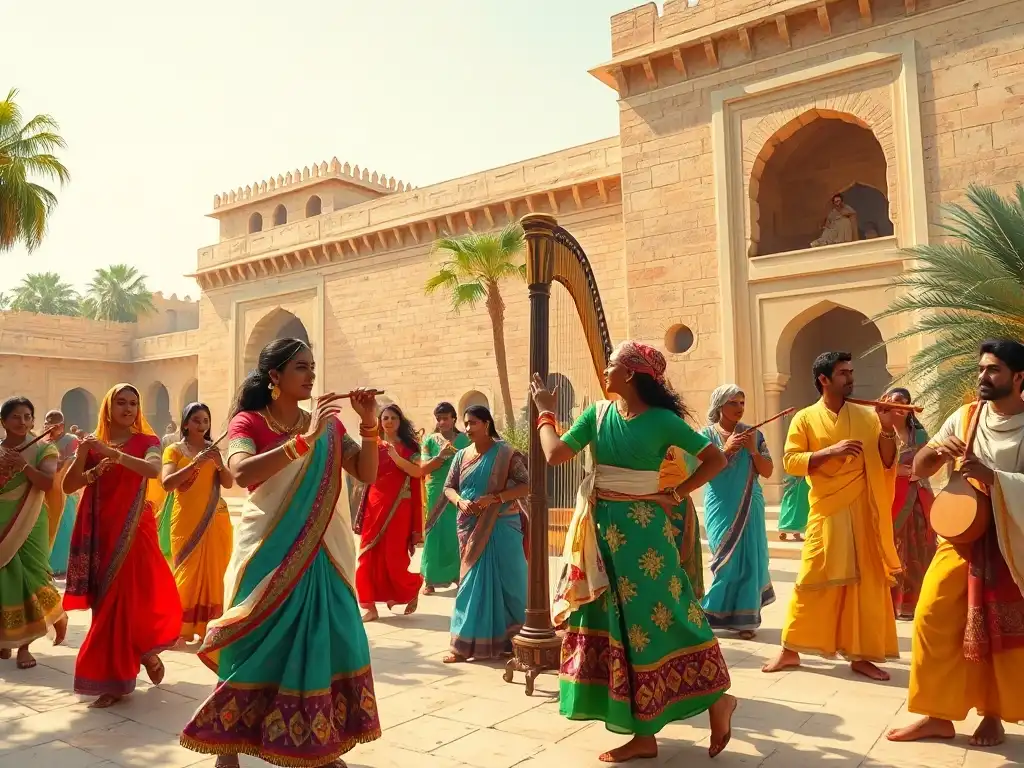
The music and dance of the Indus Valley Civilization played a crucial role in shaping the cultural landscape of ancient India and beyond. Evidence suggests that these artistic expressions were integral to social and religious practices, influencing various aspects of life in the region. The rich musical heritage, characterized by rhythm, melody, and movement, laid the groundwork for future cultural developments. This influence can be traced through archaeological findings, including seals and figurines depicting dancers, which indicate a celebration of artistic expression and communal gatherings.
Furthermore, the integration of music and dance in religious rituals likely contributed to their preservation and evolution in subsequent cultures. As the Indus Valley Civilization transitioned into later historical periods, elements of its music and dance were absorbed into the practices of emerging civilizations, including the Vedic society. This cultural continuity highlights the significance of Indus Valley music and dance as a foundational element in the broader tapestry of Indian artistic heritage.
Continuity of Musical Traditions in Ancient India
The musical traditions originating from the Indus Valley Civilization established a legacy that persisted through the ages. Various archaeological discoveries, such as ancient instruments like the flute and drums, suggest that the musical practices of the Indus people were not only sophisticated but also enduring. The seamless transition of these traditions into later periods is evident in early Vedic texts, which incorporate musical elements that echo the rhythms and patterns found in Indus Valley artifacts.
The continuity of these traditions can also be observed in regional variations of music that developed across India. Over centuries, the foundational principles of melody and rhythm established by the Indus Valley musicians informed the classical music systems that emerged, including Hindustani and Carnatic music. Thus, the influence of Indus Valley music is embedded within the very fabric of Indian cultural identity.
Impact on Later Indian Classical Music and Dance Forms
The foundational aspects of Indus Valley music significantly impacted the evolution of Indian classical music and dance forms. The rhythmic patterns and melodic structures that can be traced back to this ancient civilization served as precursors to the more formalized systems that developed later. Over time, these influences manifested in various forms of classical music, including the intricate ragas and talas characteristic of Indian classical traditions.
Moreover, dance forms that arose from the cultural milieu of ancient India also reflect the legacy of Indus Valley practices. The expressive movements and gestures seen in classical dance forms such as Bharatanatyam and Kathak can be linked to the celebratory dances of the Indus Valley, emphasizing storytelling and spiritual themes. This connection illustrates not only the continuity of artistic expression but also the adaptability of these forms to convey evolving cultural narratives.
Conclusion: The Legacy of Indus Valley Music and Dance
The legacy of music and dance from the Indus Valley Civilization is a testament to the sophistication and cultural richness of ancient Indian societies. These art forms not only enriched the daily lives of the people but also served as a means of communication and spiritual expression. The enduring influence of Indus Valley music and dance is reflected in the diverse artistic traditions that followed, showcasing a continuity that spans millennia.
Summary of Key Contributions to Cultural Heritage
The key contributions of Indus Valley music and dance to the cultural heritage of India include:
- Foundation of Musical Principles: Establishing early rhythmic and melodic structures that influenced classical music.
- Cultural Integration: Serving as a medium for social and religious expression, fostering community bonds.
- Artistic Continuity: Laying the groundwork for subsequent dance forms and musical traditions that thrive today.
These contributions underscore the importance of recognizing the Indus Valley Civilization as a pivotal chapter in the history of Indian art and culture.
Final Thoughts on the Importance of Music and Dance in Historical Context
Understanding the importance of music and dance in the historical context of the Indus Valley Civilization offers valuable insights into the cultural dynamics of ancient India. These art forms were not merely entertainment; they were vital components of societal life, reflecting the beliefs, values, and social structures of the time.
The legacy of Indus Valley music and dance serves as a reminder of the interconnectedness of culture, art, and history, illustrating how creative expressions can transcend time and continue to resonate in contemporary society. The preservation and appreciation of these traditions highlight the enduring significance of the arts in enriching human experience across generations.
References
The exploration of music and dance within the Indus Valley Civilization is a nuanced field enriched by archaeological findings, ancient texts, and contemporary interpretations. Scholars have dedicated extensive research to unravel the cultural significance of these art forms in ancient Indus society. Key references include:
- Archaeological Reports: Excavations at sites like Harappa and Mohenjo-Daro have unearthed artifacts, such as figurines and musical instruments, that provide insight into the musical practices of the time.
- Historical Accounts: Ancient texts and scriptures from later Indian civilizations often reference the cultural practices of their predecessors, allowing for a deeper understanding of the continuity and evolution of music and dance.
- Ethnomusicological Studies: Research conducted by modern ethnomusicologists offers comparative analyses with contemporary Indian music, shedding light on traditional practices that may have their roots in the Indus Valley.
These references contribute to a layered understanding of how music and dance were integral to the social and ritual life of the Indus Valley Civilization.
Recommended Readings on Indus Valley Civilization Music and Dance
For those interested in delving deeper into the role of music and dance in the Indus Valley Civilization, the following readings are highly recommended:
- "The Music of Ancient India: A Cultural Perspective" by Anuradha K. Sharma
- This book explores the evolution of music in India, with a dedicated section on the Indus Valley Civilization, discussing archaeological findings and their implications.
- "Dancing through Time: The Cultural History of Dance in Ancient India" by R. S. Desai
- Desai provides a comprehensive overview of dance forms in ancient India, with specific references to the figurative evidence found in Indus Valley sites.
- "Indus Valley Civilization: An Archaeological Perspective" by K. M. Srivastava
- This text covers various aspects of the Indus Valley, including the significance of rituals and performances that likely included music and dance.
- "Echoes of the Past: Music and Ritual in Ancient Cultures" by Aditi Banerjee
- Banerjee's work examines the role of music in ancient civilizations worldwide, with a focus on the parallels and contrasts with the Indus Valley's practices.
- "Symbols of the Indus: Art, Culture and Society" edited by S. P. Verma
- This collection of essays features contributions from various scholars discussing the artistic expressions of the Indus Valley, including music and dance.
These readings provide valuable insights and are essential for anyone looking to understand the cultural tapestry of the Indus Valley Civilization.
- Introduction to Indus Valley Music and Dance
- Historical Evidence of Music in the Indus Valley Civilization
- Dance Practices in the Indus Valley Civilization
- The Role of Music and Dance in Social Life
- Influence of Indus Valley Music and Dance on Subsequent Cultures
- Conclusion: The Legacy of Indus Valley Music and Dance
- References
- What was the significance of music and dance in the Indus Valley Civilization?
- How did the Indus Valley people incorporate music into their daily lives?
- What instruments were commonly used in Indus Valley music?
- Were there any dance forms unique to the Indus Valley Civilization?
- How did the cultural contributions of the Indus Valley influence later Indian traditions?
Frequently Asked Questions
What was the significance of music and dance in the Indus Valley Civilization?
Music and dance played a crucial role in the Indus Valley Civilization, serving as a medium for cultural expression and social cohesion among the people.
How did the Indus Valley people incorporate music into their daily lives?
The Indus Valley people integrated music into various aspects of life, including religious ceremonies, festivals, and social gatherings, highlighting its importance in their cultural practices.
What instruments were commonly used in Indus Valley music?
While specific instruments remain largely unknown, archaeological findings suggest the use of percussion instruments and possibly stringed instruments, indicating a rich musical tradition.
Were there any dance forms unique to the Indus Valley Civilization?
Although specific dance forms are not well-documented, it is believed that the Indus Valley Civilization had diverse dance styles that were likely performed during ceremonies and celebrations.
How did the cultural contributions of the Indus Valley influence later Indian traditions?
The cultural contributions of the Indus Valley, particularly in music and dance, laid the foundation for many artistic traditions in India, influencing subsequent civilizations and their cultural expressions.
Final Reflection: The Enduring Legacy of Indus Valley Music and Dance
The exploration of Indus Valley music and dance reveals a profound connection between art and culture that remains relevant today. In a world increasingly dominated by technology, the timeless expressions of music and dance serve as a reminder of our shared humanity and the cultural roots that bind us. The rhythms and melodies of the past continue to resonate, inviting us to reflect on our own identities and the ways in which we express ourselves through art.
Cultural expressions such as music and dance have shaped societies throughout history and continue to influence contemporary life. The legacy of the Indus Valley Civilization, with its intricate musical instruments and vibrant dance forms, underscores the importance of these art forms in fostering community and identity. As noted by anthropologist John Blacking, “Music is not just a form of entertainment; it is a fundamental aspect of human life that reflects our social realities.” This observation highlights the ongoing significance of music and dance as tools for connection and expression, transcending time and geography.
As we contemplate the lessons from the Indus Valley, let us embrace the power of music and dance in our own lives. I encourage you to explore your own cultural heritage and engage with the art forms that speak to you.
Whether through learning an instrument, participating in dance, or simply listening to the melodies that inspire you, take a moment to reflect on how these expressions can enrich your life and strengthen your connection to the world around you. The legacy of the Indus Valley Civilization is not just a historical footnote; it is an invitation to celebrate the art that continues to shape our identities today.
Unveil the Rhythms of the Past!
Thank you for exploring the enchanting world of music and dance in the Indus Valley Civilization with us! We hope you gained valuable insights into how these art forms shaped their culture and connected communities. Now it’s your turn to delve deeper and engage with this captivating history.
Here are a few ways to take action and connect with this vibrant heritage:
- Join a local dance class inspired by traditional forms to experience the rhythms of history firsthand.
- Share your newfound knowledge with friends and family—consider creating a small presentation or hosting a discussion group about the significance of music and dance in ancient cultures.
- Conduct further research by exploring other ancient civilizations and their art forms. You may be surprised at the connections between them!
Which aspect of music or dance from the Indus Valley intrigues you the most? We would love to hear your thoughts!