
Terracotta Wonders: The Significance of Figurines in Indus Culture

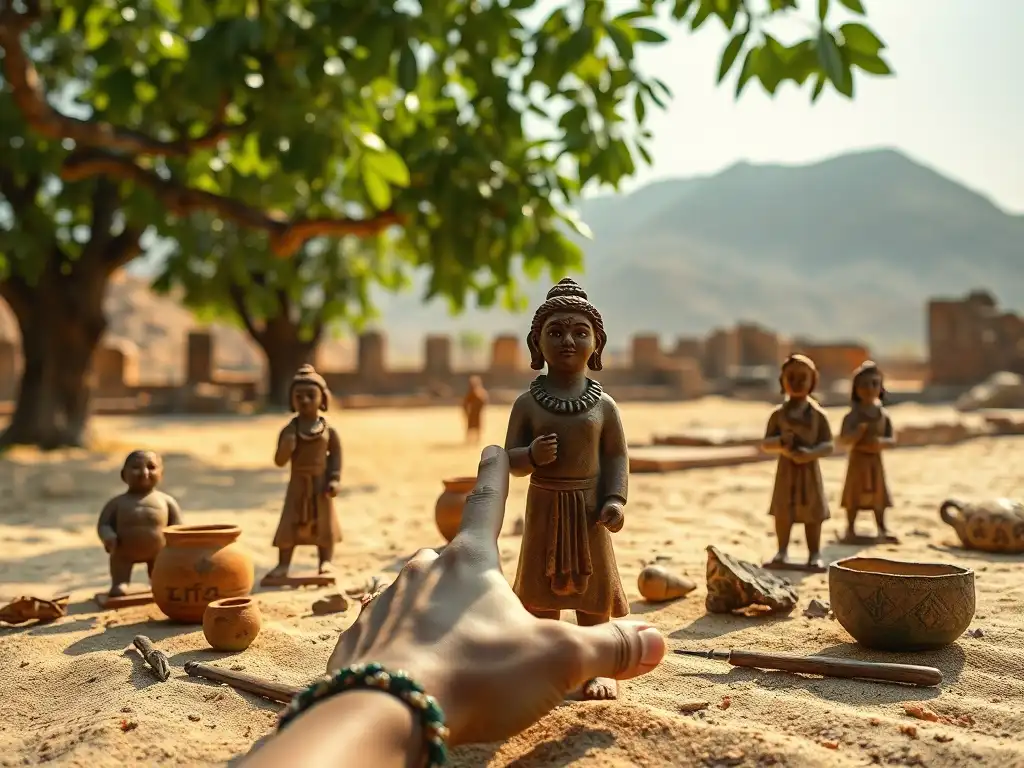
Welcome to Ancient India History! Here, we invite you to embark on a captivating journey through the rich tapestry of ancient Indian civilizations, where every artifact tells a story and every culture has its unique legacy. In our featured article, "Terracotta Wonders: The Significance of Figurines in Indus Culture," we delve into the intriguing world of Indus Valley terracotta figurines, uncovering their profound significance and what they reveal about the lives of those who crafted them.
Prepare to be amazed as you explore the artistry and cultural insights that these remarkable pieces offer. Join us as we unlock the mysteries of the past and discover the enduring impact of ancient India on our world today!
The Indus Valley Civilization, one of the world's earliest urban societies, is renowned for its remarkable advancements in various fields, including art and architecture. Among its many contributions, terracotta figurines stand out as significant artifacts that not only reflect the artistic prowess of the time but also provide crucial insights into the social, cultural, and religious aspects of Indus society.
These small, clay figures, crafted with intricate designs and varying styles, serve as vital evidence of the beliefs, practices, and daily life in one of the most sophisticated civilizations of ancient India. This article delves into the Indus Valley terracotta figurines significance, exploring their role as markers of identity, expression of spirituality, and reflections of technological innovations.
Historical Context of Indus Valley Terracotta Figurines
The Indus Valley Civilization flourished between approximately 3300 BCE and 1300 BCE, covering a vast area that included present-day Pakistan and northwest India. The production of terracotta figurines began in this period, coinciding with the rise of urban centers such as Harappa and Mohenjo-Daro. These artifacts are typically associated with various aspects of life, from religious practices to social customs.
- Cultural Significance: The figurines often depict animals, humans, and deities, suggesting a complex belief system. For example, the prevalence of mother goddess figurines indicates the importance of fertility and femininity in their culture.
- Artistic Techniques: The craftsmanship involved in creating these objects showcases advanced techniques in pottery. This includes methods such as coiling and molding, which allowed artisans to create detailed and expressive figures.
Types of Figurines and Their Meanings
Indus Valley terracotta figurines are diverse in form and function, each providing unique insights into the civilization's values and practices. Here are some notable types:
- Human Figurines: Often adorned with elaborate jewelry, these figures may represent deities or significant societal roles, hinting at the importance of status and aesthetics in their culture.
- Animal Figurines: Commonly depicting animals like bulls and elephants, these figurines may have served as totems or symbols of power and protection.
- Miniature Models: Some figurines were created as models of everyday life, highlighting domestic activities and the clothes worn by people, thus showcasing the social dynamics of the time.
The Role of Terracotta Figurines in Rituals and Daily Life
Terracotta figurines were not merely decorative; they played an integral role in the rituals and daily activities of the Indus Valley people.
- Ritualistic Use: Many scholars believe that these figurines were used in religious ceremonies or as offerings to deities. This connection to spirituality emphasizes the significance of these artifacts beyond mere artistic expression.
- Functional Aspects: Some figurines may have had practical purposes, serving as toys for children or as teaching tools for artisans, indicating a multifaceted use in daily life.
Archaeological Discoveries and Their Impact
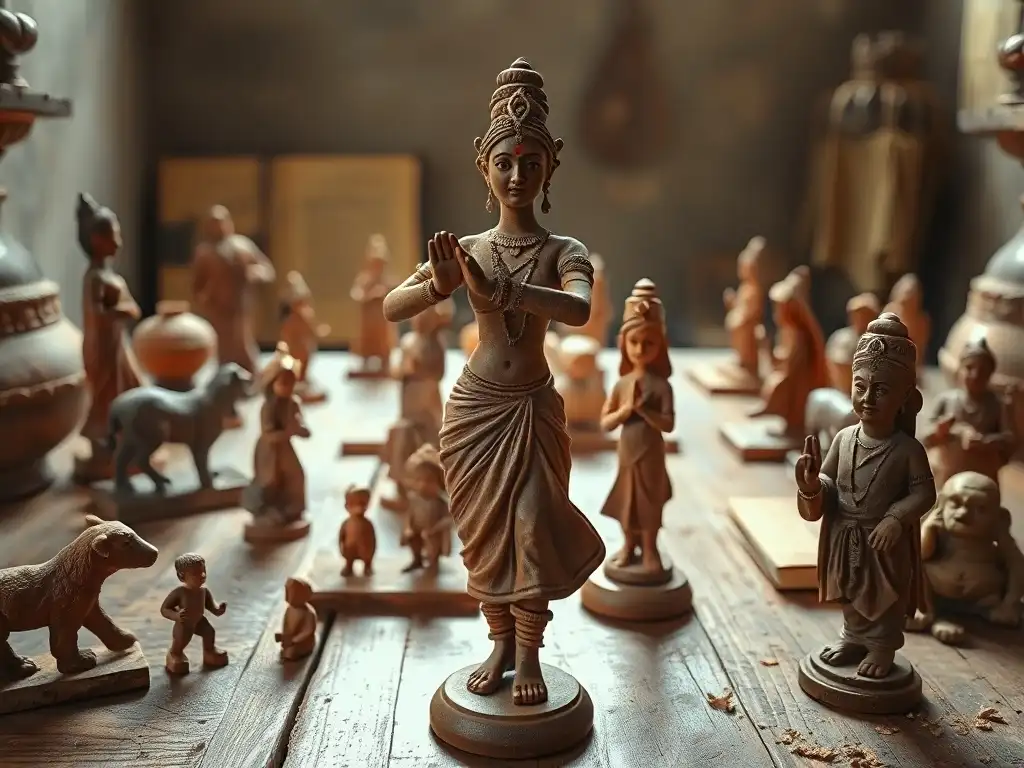
The discovery of terracotta figurines at various archaeological sites has greatly contributed to our understanding of the Indus Valley Civilization.
- Excavations: Sites like Harappa and Mohenjo-Daro have yielded thousands of these artifacts, providing a wealth of information about the culture and practices of the time.
- Interpretations: Ongoing research and analysis of these figurines continue to shed light on the social structures, religious beliefs, and artistic expressions of one of the most enigmatic civilizations in history.
Conclusion
The Indus Valley terracotta figurines significance extends far beyond their aesthetic appeal. They are vital keys to unlocking the mysteries of an ancient civilization that laid the foundations for future cultures in South Asia. By examining these terracotta wonders, we gain a deeper appreciation for the rich tapestry of life in the Indus Valley and the lasting impact of its contributions to human history. Through this exploration, we can better understand how art and culture intertwine, reflecting the complexities of societal values and beliefs in ancient India.
- Historical Context of Indus Valley Terracotta Figurines
- Types of Figurines and Their Meanings
- The Role of Terracotta Figurines in Rituals and Daily Life
- Archaeological Discoveries and Their Impact
- Conclusion
Introduction to Indus Valley Civilization
The Indus Valley Civilization (IVC), one of the world's earliest urban cultures, flourished in the northwestern regions of South Asia around 3300–1300 BCE. This civilization is renowned for its advanced urban planning, architecture, and a sophisticated socio-economic structure. The significance of the Indus Valley terracotta figurines lies not only in their artistic value but also in their reflection of the cultural, religious, and social dynamics of this enigmatic civilization.
Overview of the Indus Valley Civilization
The Indus Valley Civilization encompassed a vast territory, including present-day Pakistan and northwest India. Major urban centers such as Harappa and Mohenjo-Daro showcased impressive infrastructure, including well-planned streets, drainage systems, and public baths. The civilization's economy was primarily agrarian, supplemented by trade with neighboring regions.
Key Features of the Indus Valley Civilization:
- Urban Planning: Cities were laid out in a grid pattern, with advanced drainage systems and standardized fired-brick construction.
- Trade Networks: The IVC engaged in extensive trade with Mesopotamia, exchanging goods such as textiles, metals, and pottery.
- Cultural Practices: Evidence of seals, weights, and measures indicates a complex socio-economic system.
The terracotta figurines discovered in excavations are integral to understanding the cultural fabric of the Indus Valley. The figurines vary in size, style, and function, providing insights into the aesthetic preferences and daily life of the people.
Importance of Art and Architecture in Ancient India
Art and architecture in ancient India serve as vital expressions of cultural identity, social order, and religious beliefs. The Indus Valley Civilization offers a unique perspective on these themes through its terracotta figurines, which are significant for several reasons:
- Cultural Representation:
- The figurines often depict human forms, animals, and mythological motifs, reflecting the daily life, rituals, and the artistic sensibilities of the time.
- Notable examples include the famous "Dancing Girl" figurine, which highlights the sophistication of craftsmanship and the importance of dance and music in their society.
- Religious and Ritual Significance:
- Many terracotta figurines are believed to have served ritualistic purposes, possibly associated with fertility or worship of deities.
- The presence of female figurines, often with exaggerated features, suggests a connection to fertility cults which may have played a role in agricultural success.
- Socio-Economic Insights:
- The variety and distribution of these figurines across different sites indicate trade connections and cultural exchanges within the Indus Valley and beyond.
- The craftsmanship of the figurines reveals the technological advancements and the existence of specialized artisans in the civilization.
- Artistic Techniques:
- The terracotta figurines were created using the coiling method and were often decorated with intricate designs, showcasing the artisans' skills and the aesthetic values of the society.
- The use of pigments and the variety of finishes demonstrate a rich tradition of artistic expression that warrants further exploration.
The significance of Indus Valley terracotta figurines extends far beyond mere aesthetics; they are a window into the lives, beliefs, and values of one of the world's earliest civilizations. Understanding these artifacts allows for a deeper appreciation of the complexities and richness of ancient Indian culture.
Understanding Terracotta Figurines
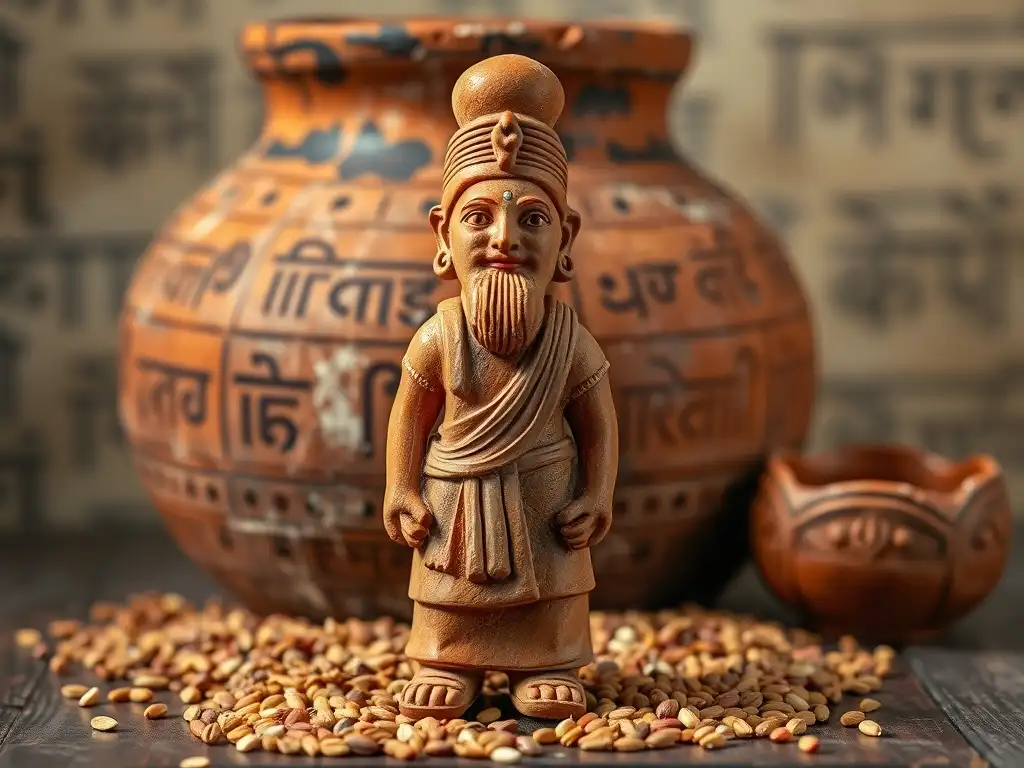
Terracotta figurines are a significant aspect of the artistic heritage of the Indus Valley Civilization, showcasing not only the craftsmanship of ancient artisans but also offering insights into the cultural and social dynamics of the time. These small clay sculptures, often depicting human and animal forms, serve as a tangible connection to the daily lives, beliefs, and artistic expressions of a civilization that thrived over four millennia ago.
Definition and Characteristics of Terracotta Figurines
Terracotta, derived from the Italian words "terra" (earth) and "cotta" (cooked), refers to clay that has been molded and fired to create durable objects. In the context of Indus Valley terracotta figurines, these small sculptures are characterized by:
- Size and Scale: Typically ranging from a few centimeters to about 30 centimeters in height, these figurines are small enough to be easily handled but large enough to convey intricate details.
- Variety of Depictions: The figurines often represent a wide array of subjects, including:
- Humans: Various figures, including women in elaborate attire, male figures, and children.
- Animals: Depictions of domesticated animals such as cattle, as well as mythical creatures.
- Deities: Some figurines are believed to represent deities or spiritual figures, showcasing the religious beliefs of the civilization.
- Artistic Features: Many terracotta figurines exhibit:
- Facial Expressions: Detailed facial features that suggest a range of emotions.
- Attire and Adornments: Items such as jewelry and clothing intricately crafted, indicating social status or cultural identity.
- Postures and Gestures: The positioning of the figures often conveys specific actions or rituals.
These characteristics highlight not just the artistic talent of the Indus Valley artisans but also provide vital clues about the society's structure, beliefs, and daily life.
Materials and Techniques Used in Crafting Figurines
The crafting of terracotta figurines in the Indus Valley was an intricate process that involved a deep understanding of materials and techniques. Here are the key components of the crafting process:
- Materials:
- Clay: The primary material used was natural clay, sourced from riverbanks and alluvial plains, which was abundant in the Indus Valley.
- Additives: Sometimes, organic materials like straw were mixed with clay to enhance texture and durability.
- Crafting Techniques:
- Hand-Molding: Most figurines were shaped by hand, allowing for detailed customization. Artisans would skillfully mold the clay into the desired forms.
- Coiling Method: This technique involved rolling clay into coils and stacking them to build up the figure, which was then smoothed to create a seamless appearance.
- Sculpting and Detailing: After the basic shape was formed, artisans would carve and model finer details, such as facial features and clothing patterns.
- Firing Process:
- Once the figurines were crafted, they underwent a firing process in a kiln. This step was crucial as it transformed the clay into a hard, durable material, making the figurines resistant to decay.
- Temperature Control: The temperature during firing needed to be carefully controlled to avoid cracking or warping, showcasing the artisans' expertise.
The combination of quality materials and skilled techniques resulted in terracotta figurines that not only served aesthetic purposes but also held significant cultural and ritual importance in the Indus Valley Civilization. Understanding these aspects allows us to appreciate the profound significance of these artifacts in the broader narrative of ancient Indian history.
The Role of Terracotta Figurines in Indus Valley Culture
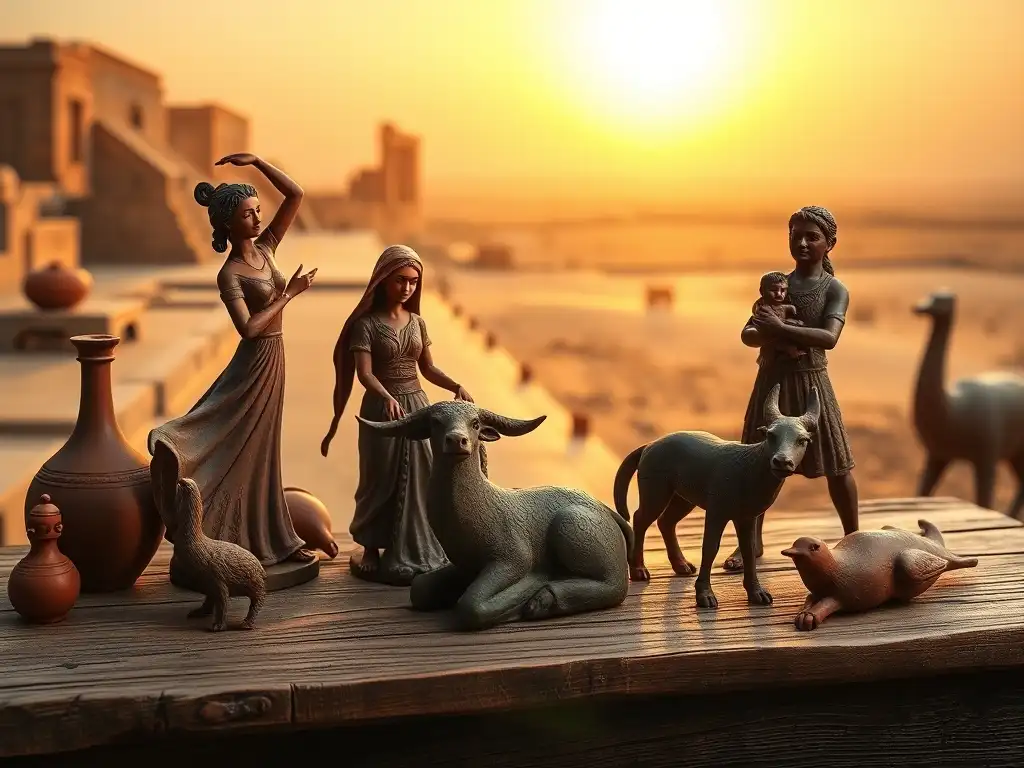
Terracotta figurines are among the most captivating artifacts uncovered from the Indus Valley Civilization, which thrived from approximately 3300 to 1300 BCE. These figurines serve as a window into the socio-cultural fabric of ancient Indian society. They are not merely decorative items; rather, they embody the values, beliefs, and daily practices of the Indus people. Through their intricate designs and varied forms, these terracotta figures provide insights into the cultural significance and social structure of the civilization.
Symbolism and Cultural Significance of Figurines
The terracotta figurines of the Indus Valley Civilization are rich in symbolism, often reflecting the spiritual and social beliefs of the people. Many of these figures depict human forms, animals, and mythical creatures, each carrying distinct meanings.
- Deity Representations: Some figurines are believed to be representations of deities or divine figures. These religious icons suggest that the Indus Valley people had a system of beliefs involving worship and rituals. For instance, the depiction of female figures with exaggerated features may symbolize fertility and motherhood, indicating the reverence for feminine qualities.
- Animal Symbolism: Animal figurines, including bulls, elephants, and birds, hold particular significance. The bull, especially, is thought to represent strength and prosperity, possibly linked to agriculture and livestock breeding, which were vital to the Indus economy. These animals may have also had a role in religious practices or as totems.
- Cultural Identity: The variety in styles and forms of the figurines reveals regional differences and artistic expressions within the Indus Valley. Different settlements may have produced unique designs, indicating a rich tapestry of cultural identity and local traditions.
- Ritualistic Use: Some scholars suggest that certain figurines were used in rituals or as offerings. This hypothesis is supported by the discovery of figurines in burial contexts, hinting at their potential role in funerary practices and beliefs surrounding the afterlife.
Functions of Terracotta Figurines in Daily Life
Terracotta figurines in the Indus Valley Civilization were not solely limited to religious or ceremonial use; they also played various roles in the daily lives of the people.
- Toys and Playthings: Many smaller figurines are believed to have served as toys for children. The presence of these playthings suggests an understanding of childhood and the importance of play in socialization and learning.
- Domestic Artifacts: Figurines were likely used as domestic decorations, enhancing the aesthetic appeal of living spaces. This indicates a cultural appreciation for art and beauty, reflecting the values of the society.
- Trade and Economy: The crafting of terracotta figurines suggests a specialized skill set, pointing to an organized craft industry. These figurines may have been traded, facilitating economic interactions between different regions of the Indus Valley and beyond.
- Social Status Indicators: The quality and intricacy of figurines may have reflected social status. More elaborate and finely crafted pieces could indicate wealth or higher social standing within the community, revealing aspects of the social hierarchy.
The significance of Indus Valley terracotta figurines extends beyond mere artistic expression; they encapsulate the values, beliefs, and daily practices of a complex civilization. By studying these artifacts, we gain invaluable insights into the rich cultural landscape of ancient India, fostering a deeper understanding of its history and contributions to human civilization.
Types of Indus Valley Terracotta Figurines
The Indus Valley Civilization, known for its advanced urban planning and sophisticated culture, produced a variety of terracotta figurines that hold significant value in understanding their society. These figurines can be categorized into three main types: human figurines, animal figurines, and figurines of deities. Each category reveals unique insights into the daily lives, beliefs, and artistic expressions of the Indus people.
Human Figurines: Depictions and Interpretations
Human figurines from the Indus Valley are often characterized by their intricate designs and attention to detail. These figurines typically depict individuals in various poses and attires, showcasing the craftsmanship of Indus artisans.
- Physical Attributes: Many human figurines display exaggerated physical features, such as large eyes or elongated limbs, which may suggest an emphasis on certain traits that were culturally significant. For example, some figures exhibit a high degree of stylization, indicating a sophisticated understanding of human anatomy and aesthetics.
- Gender Representation: The figurines often reflect gender roles within the society. Female figurines, typically identified by their elaborate hairstyles and jewelry, may represent fertility and motherhood. Conversely, male figurines are often depicted in more subdued poses, possibly indicating their roles in labor or leadership.
- Cultural Interpretations: Scholars have suggested that these human figurines could have served various purposes, including toys, religious offerings, or even as representations of ancestors. The diversity in styles and forms points to a complex social structure with varying roles and statuses.
Animal Figurines: Significance and Symbolism
Animal figurines are another prominent aspect of Indus Valley terracotta art, often symbolizing the connection between humans and nature. The significance of these figurines can be understood through their representation and the roles animals played in the daily lives of the Indus people.
- Common Animals Represented: Common animal figures include cattle, elephants, and various wild animals. Cattle, for instance, were vital to agricultural practices and trade, thus their representation may symbolize wealth and status.
- Symbolic Meanings: Animals in Indus figurines often carry symbolic meanings. For example, the bull is frequently associated with strength and fertility, while the elephant may symbolize power and wisdom. This symbolism reflects the reverence the Indus people had for these animals and their importance in agricultural and religious contexts.
- Cultural Insights: The presence of animal figurines in toys or ritual contexts suggests that animals were integral to both the economy and the spiritual life of the Indus Valley Civilization. They likely played a role in daily activities, as well as in mythological or cultural narratives.
Figurines of Deities: Religious and Spiritual Context
The figurines of deities found in the Indus Valley offer a fascinating glimpse into the spiritual beliefs and practices of the civilization. These figurines were often stylized and intricately designed, reflecting the religious significance attributed to them.
- Variety of Deities: The terracotta figurines include representations of various deities or supernatural figures, which may have played a role in worship or ritual practices. The presence of female figures with elaborate headdresses has led some scholars to suggest the veneration of a mother goddess, symbolizing fertility and nurturing.
- Ritualistic Function: Many of these figurines may have been used in religious rituals or as offerings to deities, indicating the importance of religious practice in Indus society. The discovery of such figurines in settlement sites suggests that they were integral to the daily life and spiritual beliefs of the people.
- Artistic Techniques: The craftsmanship of these figurines reflects a high level of artistic skill, with attention to detail that suggests a deep understanding of form and texture. The use of natural pigments and the diversity in poses and expressions indicate a rich tradition of artistic expression linked to spiritual beliefs.
The Indus Valley terracotta figurines serve as a significant testament to the civilization's artistry, culture, and spiritual life. Understanding the types and meanings of these figurines enhances our appreciation of their contributions to ancient Indian history and their enduring legacy.
Contextualizing the Significance of Indus Valley Terracotta Figurines
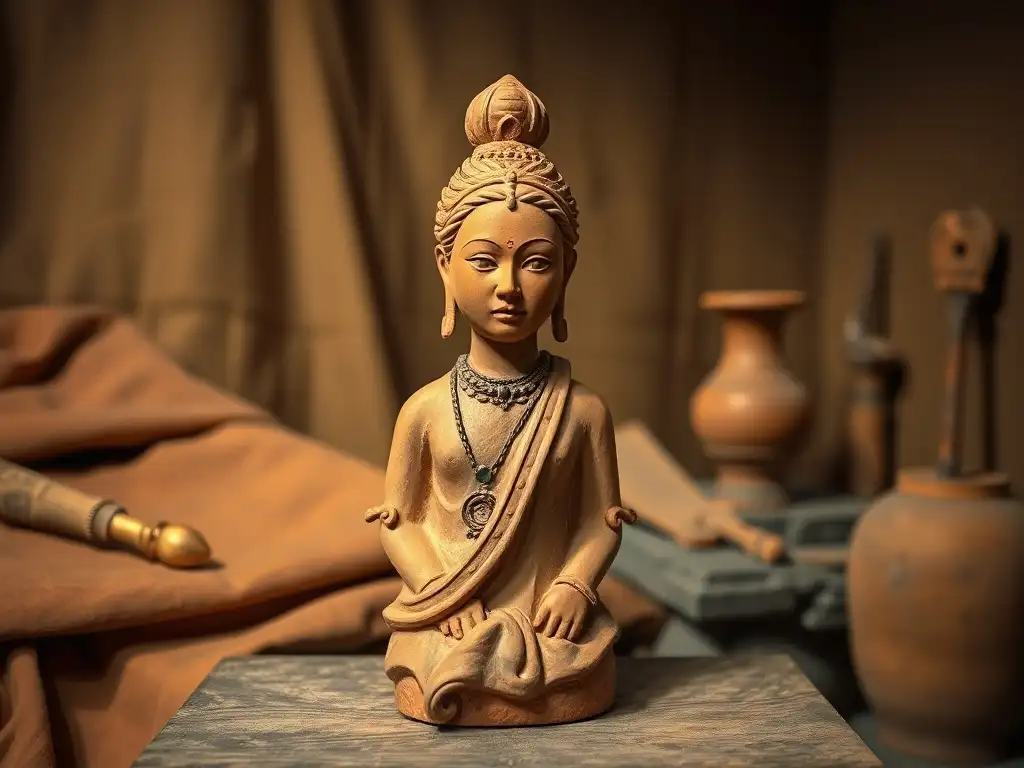
The Indus Valley Civilization, one of the world's earliest urban cultures, flourished between approximately 3300 BCE and 1300 BCE in what is now modern-day Pakistan and northwest India. Among the numerous artifacts that have been unearthed, terracotta figurines stand out as a significant aspect of their material culture. These figurines not only offer a glimpse into the artistic prowess of the era but also serve as vital indicators of the social, economic, and spiritual life of the Indus Valley people.
The significance of Indus Valley terracotta figurines can be analyzed through various lenses, including their role in social structure, economic implications, and their expression of artistic and cultural identity. Each of these aspects reveals the multifaceted nature of life in the Indus Valley and contributes to our understanding of this ancient civilization.
Terracotta figurines from the Indus Valley exhibit a wide range of forms, including animals, humans, and mythical creatures. These artifacts are not mere decorative items; they reflect the complex social hierarchy and cultural practices of the time.
- Representation of Deities and Rituals: Many figurines are believed to represent deities or are associated with religious rituals. The presence of female figurines, often interpreted as mother goddesses, suggests a matrifocal aspect of society. This implies that women may have held a significant role in spiritual and domestic spheres.
- Social Stratification: The variety in the size and quality of the figurines suggests social stratification. Wealthier individuals likely commissioned larger or more elaborate pieces, indicating their status within the community. Conversely, simpler figures may have been produced for everyday households, demonstrating varying levels of access to artistic resources.
- Cultural Symbolism: Figurines often serve as symbols of cultural practices, such as fertility, protection, and prosperity. They may have been used in rituals or as offerings, showcasing the intersection of art, spirituality, and daily life.
Economic Implications of Figurine Production and Trade
The production of terracotta figurines also sheds light on the economic structure of the Indus Valley Civilization.
- Craftsmanship and Labor Division: The creation of these figurines involved skilled craftsmanship, indicating a division of labor within the society. Artisans specialized in terracotta work, suggesting the existence of a robust craft economy. This specialization likely contributed to the development of trade networks, as figurines could have been exchanged for other goods.
- Trade Networks: The discovery of terracotta figurines in various archaeological sites across the Indus Valley indicates that these artifacts were traded beyond local communities. This trade not only facilitated the exchange of goods but also the sharing of cultural practices and artistic styles, enhancing the interconnectedness of ancient civilizations.
- Market Demand: The wide distribution of figurines suggests a significant market demand for these artifacts. Their presence in domestic settings points to their role in daily life, possibly serving as symbols of wealth or status for the owners.
Artistic Expression and Cultural Identity Reflected in Figurines
The artistic qualities of Indus Valley terracotta figurines reveal much about the cultural identity and aesthetic values of the civilization.
- Stylistic Diversity: The figurines exhibit a remarkable range of styles and forms, from realistic depictions of animals to abstract human figures. This diversity reflects the creativity and innovation of artisans, as well as the cultural influences present during the period.
- Symbolic Motifs: Many figurines incorporate symbolic motifs, such as geometric patterns and natural elements, that are indicative of the zeitgeist of the Indus Valley people. These motifs may have held specific meanings, contributing to a shared cultural language within the society.
- Connection to Modern Identity: The legacy of these artifacts continues to influence modern Indian culture. Contemporary artists often draw inspiration from the motifs and forms of Indus Valley figurines, showcasing the enduring impact of this ancient civilization on current artistic expressions.
The significance of Indus Valley terracotta figurines extends far beyond their aesthetic appeal. They are crucial for understanding the social structure, economic dynamics, and artistic heritage of one of the world's earliest civilizations. By examining these figurines, we gain invaluable insights into the daily lives, beliefs, and identities of the people who once thrived along the banks of the Indus River.
Comparative Analysis of Figurines Across Ancient Civilizations
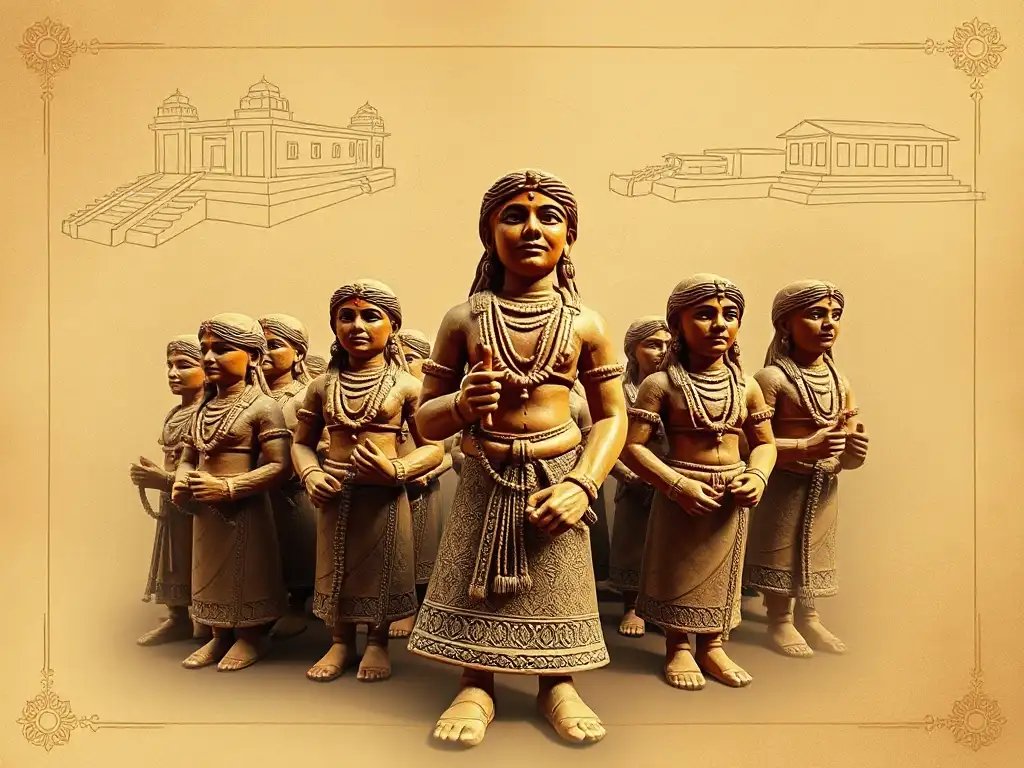
The examination of terracotta figurines reveals a tapestry of cultural expressions across ancient civilizations, including the Indus Valley Civilization (IVC). By comparing the figurines from different cultures, we can unearth similarities and distinct characteristics that highlight the significance of these artifacts in their respective societies.
Similarities with Other Ancient Civilizations' Figurines
Terracotta figurines from various ancient civilizations, such as the Mesopotamians, Egyptians, and Mesoamericans, share notable similarities with those of the Indus Valley. These parallels can be categorized into several key aspects:
- Functionality: Across civilizations, terracotta figurines served multiple purposes, from religious and ceremonial roles to toys for children. In the IVC, the figurines likely held spiritual significance, much like those found in Mesopotamia, where they were often used in religious rituals.
- Representation of Deities: Many ancient cultures utilized figurines to represent gods and goddesses. For instance, the Egyptians created figures of deities for worship and protection. Similarly, Indus Valley figurines often depicted female forms, which might symbolize fertility and motherhood, reflecting a common reverence for feminine power across these civilizations.
- Artistic Techniques: The techniques employed in crafting these figurines show remarkable similarities. The use of molds was prevalent in the IVC, akin to those found in Mesopotamia and Egypt, indicating shared artistic practices and possibly trade connections.
- Material and Durability: Terracotta, as a medium, was favored in many ancient cultures due to its availability and ease of shaping. This material was not only practical but also durable, allowing for the preservation of cultural expressions over millennia.
These shared characteristics underscore a broader trend in ancient societies where figurines acted as a bridge between the physical and spiritual realms, showcasing a universal human experience.
Distinct Features of Indus Valley Terracotta Figurines
While the Indus Valley terracotta figurines share similarities with artifacts from other cultures, they also exhibit unique features that reflect the distinctiveness of IVC artistry and beliefs:
- Stylized Forms: IVC figurines are known for their highly stylized and abstract representations, often emphasizing geometric shapes and patterns. Unlike the more realistic portrayals seen in Egyptian or Greek art, Indus Valley figures maintain a sense of abstraction that speaks to the cultural values of the society.
- Focus on Female Figures: The predominance of female figurines in the IVC is particularly noteworthy. Many of these figures appear to celebrate femininity, with exaggerated features such as large breasts and elaborate hairstyles, possibly indicating a cultural emphasis on fertility and motherhood. This focus contrasts with other civilizations, where male figures often dominated the artistic landscape.
- Lack of Inscription: Unlike the Mesopotamian and Egyptian civilizations that frequently inscribed their figurines with symbols or text, Indus Valley terracotta figurines generally lack written language. This absence raises intriguing questions about communication and meaning within IVC culture, suggesting a reliance on visual symbolism rather than written narratives.
- Cultural Context: The context in which these figurines were found often differs significantly from those of other civilizations. Many Indus Valley figurines have been excavated from domestic settings, implying they may have had everyday significance, as opposed to the primarily ceremonial roles seen in other cultures.
While the Indus Valley terracotta figurines share commonalities with other ancient civilizations, their distinct features provide a glimpse into the unique artistic sensibilities and cultural values of the Indus Valley Civilization. The significance of these figurines is not only in their aesthetic appeal but also in their ability to convey the rich tapestry of life, beliefs, and practices in one of the world's earliest urban societies.
Archaeological Discoveries and Their Impact
The exploration of the Indus Valley Civilization (IVC) has yielded numerous archaeological discoveries, particularly concerning terracotta figurines. Major excavations at sites like Harappa, Mohenjo-Daro, and Dholavira have provided critical insights into the cultural and artistic practices of this ancient society.
- Harappa Excavations:
- Conducted in the 1920s, these excavations uncovered hundreds of terracotta figurines, which varied in size and design.
- Notable examples include small female figurines, often depicted with elaborate hairstyles and jewelry, believed to symbolize fertility or femininity.
- Mohenjo-Daro Discoveries:
- Excavations in the 1930s revealed a wealth of terracotta objects, including animals, human figures, and ritualistic items.
- The famous "Dancing Girl" figurine, a bronze sculpture that reflects the advanced metallurgy of the time, is often associated with the terracotta art of the region, showcasing the intricate craftsmanship of the IVC artisans.
- Dholavira Findings:
- This site has provided a different perspective, highlighting a variety of terracotta seals and figurines that indicate trade practices and social hierarchies.
- The presence of figurines resembling animals suggests a connection to agricultural practices and possibly religious beliefs surrounding livestock.
The sheer volume and diversity of these figurines indicate that they held significant social, religious, and economic roles within the Indus Valley Civilization. They were not merely decorative items but integral components in the cultural fabric of the society.
Contributions of Archaeological Studies to Understanding Significance
Archaeological studies have been pivotal in unraveling the significance of Indus Valley terracotta figurines. Each excavation has contributed to a broader understanding of the socio-cultural dynamics of this ancient civilization.
- Cultural Insights:
- The figurines provide a window into the daily lives, beliefs, and rituals of the people. For instance, figurines depicting mothers with children suggest a strong emphasis on family and nurturing, while those representing animals highlight the importance of fauna in their society.
- Artistic Techniques:
- Studies of terracotta craftsmanship reveal advanced techniques in molding and firing, indicating a high level of artistic skill. The variety of shapes and sizes points to a sophisticated understanding of form and function in art.
- Religious and Ritualistic Context:
- Many figurines are believed to have had ritualistic purposes, possibly used in worship or as offerings to deities. The examination of their iconography has led to discussions about the spiritual beliefs of the IVC, including potential mother goddess worship.
- Trade and Interaction:
- The distribution of terracotta figurines across different sites highlights the trade networks established by the IVC. This connectivity suggests that these figurines were not only locally significant but also played roles in broader regional interactions.
The significance of Indus Valley terracotta figurines extends beyond their aesthetic appeal; they are essential artifacts that encapsulate the civilization's identity, beliefs, and interactions with the environment and each other. As archaeological techniques advance, further discoveries are anticipated to deepen our understanding of these remarkable artifacts and their roles in ancient Indian history.
Conclusion: The Enduring Legacy of Indus Valley Terracotta Figurines
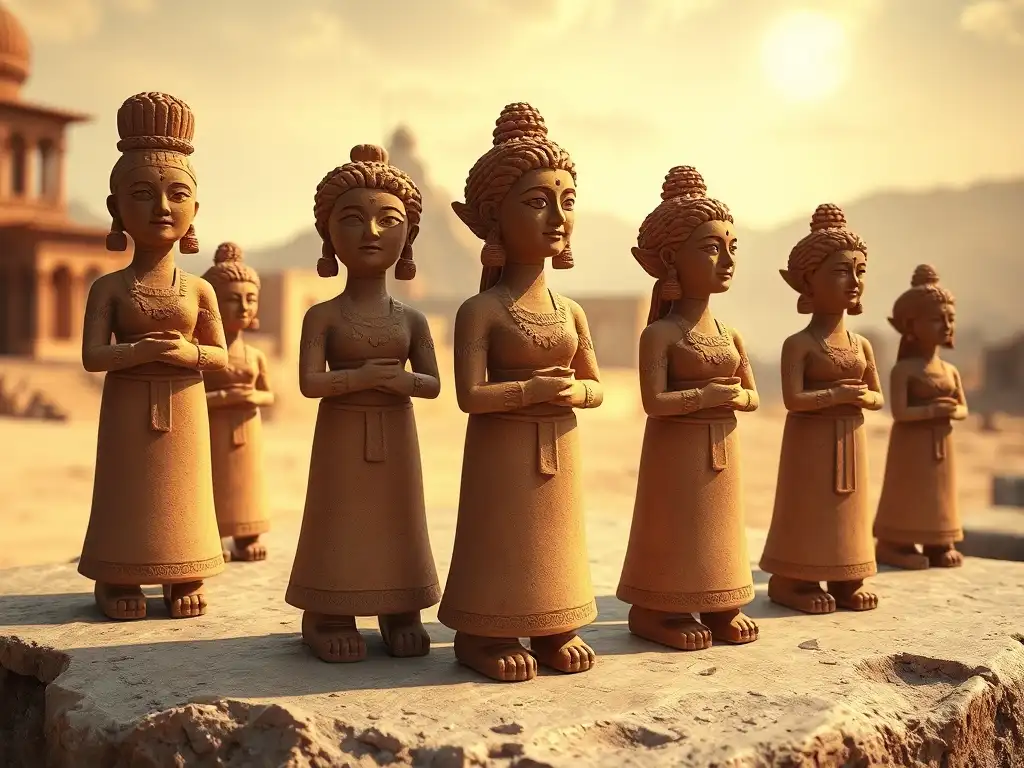
The study of Indus Valley terracotta figurines provides invaluable insights into the rich cultural tapestry of ancient Indian civilizations. These artifacts not only showcase the artistic prowess of the people but also serve as crucial indicators of societal norms, religious beliefs, and economic activities. The enduring legacy of these figurines continues to captivate researchers and enthusiasts alike, highlighting the sophistication of the Indus Valley Civilization and its contributions to the broader narrative of human history.
Reflection on Cultural Heritage and Historical Importance
The terracotta figurines from the Indus Valley Civilization are more than mere artifacts; they represent a fascinating cross-section of ancient life. Their significance lies in several key areas:
- Artistic Expression: The craftsmanship displayed in these figurines reflects the artistic innovation of the time. The intricate detailing, from the facial features to the clothing, offers a glimpse into the aesthetics that prevailed in ancient society.
- Cultural Insights: The themes depicted in the figurines often hint at the religious and social practices of the people. For instance, many figurines are thought to represent deities or fertility symbols, emphasizing the importance of religion and agriculture in their daily lives.
- Societal Structure: Analysis of the figurines also reveals information about the social hierarchy and gender roles within the civilization. The prevalence of female figures suggests a significant reverence for femininity, potentially linking these artifacts to fertility and motherhood.
- Trade and Economy: The wide distribution of terracotta figurines across various sites indicates trade networks that extended beyond the Indus Valley. This highlights the economic interactions and cultural exchanges with neighboring regions, showcasing the civilization's influence beyond its geographical borders.
The terracotta figurines serve as a bridge connecting modern audiences to the complexities of ancient life, inviting reflection on the cultural heritage that continues to shape contemporary society.
Future Research Directions on Indus Valley Terracotta Figurines
As scholars delve deeper into the significance of Indus Valley terracotta figurines, several areas for future research emerge:
- Technological Analysis: Investigating the techniques and tools used in the creation of these figurines could provide insights into the technological advancements of the time. Understanding the materials and methods could also reveal trade relationships and resource availability.
- Symbolism and Iconography: Further exploration of the motifs and symbols present in the figurines could enhance our understanding of the cultural and religious beliefs of the Indus Valley people. This could involve comparative studies with other ancient civilizations to identify common themes and unique characteristics.
- Environmental Context: Examining the environmental conditions and their impact on the production and usage of terracotta figurines may offer a broader perspective on the interplay between culture and environment during the Indus Valley period.
- Public Engagement: Developing educational initiatives that promote awareness of Indus Valley terracotta figurines can foster a deeper appreciation for ancient Indian history. Interactive exhibits and digital platforms could help engage a wider audience in exploring this fascinating aspect of cultural heritage.
The future of research into Indus Valley terracotta figurines holds great promise. By continuing to investigate these artifacts, we not only honor the legacy of the Indus Valley Civilization but also enrich our understanding of the human experience across time and space.
References
The significance of Indus Valley terracotta figurines extends far beyond their artistic appeal; they serve as a window into the socio-cultural fabric of one of the world's earliest urban civilizations. These artifacts are essential for understanding the religious beliefs, daily life, and societal structures of the Indus Valley Civilization (IVC). The following references provide a comprehensive overview of the role and importance of terracotta figurines in the context of the IVC:
- Moore, K. (2012). Indus Valley Figurines: A Study of Terracotta Artefacts. This work offers an extensive analysis of various figurines, exploring their shapes, sizes, and potential functions, while linking them to broader cultural practices.
- Kenoyer, J. M. (1998). Ancient Cities of the Indus Valley Civilization. This book provides insights into urban planning, trade, and the artistic expressions of the IVC, highlighting the importance of terracotta in everyday life and ritual practices.
- Rao, S. R. (2009). The Terracotta Figurines of the Indus Valley Civilization: An Analytical Study. This resource delves deeply into the typology of figurines, discussing their significance in archaeological contexts and potential interpretations.
- Thapar, R. (2002). The Early History of India: From 600 B.C. to A.D. 1200. This historical narrative includes discussions on the cultural continuity from the IVC to later Indian civilizations, providing context for the terracotta figurines as cultural artifacts.
- Possehl, G. (2016). The Indus Civilization: A Contemporary Perspective. This contemporary overview discusses the latest archaeological findings, including terracotta figurines, and their implications for understanding the IVC.
Suggested Readings on Indus Valley Civilization and Terracotta Art
For those interested in delving deeper into the artistry and significance of terracotta figurines within the Indus Valley Civilization, the following suggested readings are invaluable resources:
- “Art and Iconography of Indus Valley Civilization” by M. S. S. Rao: This book explores the artistic expressions found in the IVC, focusing on terracotta figurines and their symbolic meanings.
- “Terracotta Figurines from the Indus Valley: A Comprehensive Study”: by R. S. Deshpande: This detailed study examines various figurines, categorizing them and discussing their relevance to understanding gender roles and social structure in IVC society.
- “The Indus Valley Civilization: A Historical Overview”: by A. K. Sharma: This book provides a broader historical context for the IVC, integrating discussions of art, culture, and the significance of terracotta artifacts.
- “Indus Valley Artifacts: A Window to Ancient Lives”: by N. K. Gupta: This reading focuses on everyday life and cultural practices, emphasizing how terracotta figurines reflect the beliefs and customs of the people.
These resources not only enhance understanding of the Indus Valley terracotta figurines significance but also contribute to a broader appreciation of the rich tapestry of ancient Indian civilization.
Frequently Asked Questions
What are Indus Valley terracotta figurines?
Indus Valley terracotta figurines are small clay sculptures created by ancient civilizations in the Indus Valley. They often depict animals, humans, and deities, showcasing the artistic skills and cultural beliefs of the time.
Why are these figurines considered significant?
These figurines are significant as they provide insights into the daily life, religious practices, and social structures of the Indus Valley civilization. They also reflect the artistic expression and craftsmanship of ancient Indian artisans.
How do terracotta figurines contribute to our understanding of Indus culture?
Terracotta figurines contribute to our understanding of Indus culture by revealing aspects of symbolism, rituals, and trade practices. They serve as valuable archaeological evidence that helps reconstruct the historical narrative of the civilization.
What themes are commonly represented in the figurines?
Common themes represented in the figurines include fertility, animals, and deities. These themes highlight the spiritual beliefs and the importance of agriculture in Indus society.
Where can one find these terracotta figurines today?
Many of the terracotta figurines can be found in museums around the world, particularly in India and Pakistan, where they are preserved as part of the archaeological heritage of the Indus Valley civilization.
Final Reflection: The Enduring Significance of Indus Valley Terracotta Figurines
The exploration of Indus Valley terracotta figurines reveals their profound significance in understanding the cultural and social dynamics of one of the world's earliest civilizations. These artifacts are not merely remnants of a bygone era; they are a testament to the creativity, beliefs, and daily lives of the people who crafted them. As we delve into the past, we uncover layers of meaning that resonate with contemporary society, reminding us of the universal human experiences that transcend time.
The impact of these figurines extends beyond archaeology, influencing our understanding of identity, spirituality, and artistic expression in the modern world. The intricate designs and varied representations found in these terracotta pieces speak to a rich cultural tapestry that continues to inspire artists, historians, and enthusiasts alike. As noted by cultural historian Dr. Anjali Rao, Art is a mirror reflecting the soul of a civilization, and the terracotta figurines of the Indus Valley are a vivid reflection of their creators' world.
This ongoing dialogue between the past and present invites us to appreciate the depth of human creativity and the stories embedded within these artifacts.
As we reflect on the significance of Indus Valley terracotta figurines, let us embrace the lessons they impart about cultural heritage and the importance of preserving our history. I invite you to explore these connections in your own life—whether through art, storytelling, or community engagement. By recognizing the value of our shared past, we can foster a deeper appreciation for the diverse narratives that shape our world today and inspire future generations to continue this journey of discovery and connection.
Unveil the Mysteries of Indus Culture Today!
Thank you for taking the time to explore the fascinating world of terracotta figurines within Indus culture! We hope you now appreciate their significance in revealing the captivating history of this ancient civilization. Now, let’s take this newfound knowledge and put it into action!
- Dive deeper into the subject! Discover more about the other remarkable artifacts of the Indus civilization by visiting our resource page.
- Join the conversation! Share your thoughts and insights in the comments below to connect with fellow history enthusiasts.
- Spread the knowledge! Share this article with friends or on social media to inspire others to learn about the incredible wonders of ancient cultures.
What aspect of Indus culture intrigues you the most, and how will you explore it further?