
The Gupta Empire’s Contributions to Chemistry: Ancient Alchemy Practices


Welcome to Ancient India History, where we embark on an enriching journey through the tapestry of time that showcases the extraordinary civilizations of ancient India. Today, we delve into the fascinating realm of the Gupta Empire, a period renowned not only for its cultural and artistic achievements but also for its groundbreaking alchemy practices. What hidden secrets did these ancient chemists uncover, and how did their innovations shape the world we know today?
Join us as we unravel the mysteries behind the Gupta Empire's contributions to chemistry and explore how these ancient practices continue to influence modern science. Prepare to be captivated!
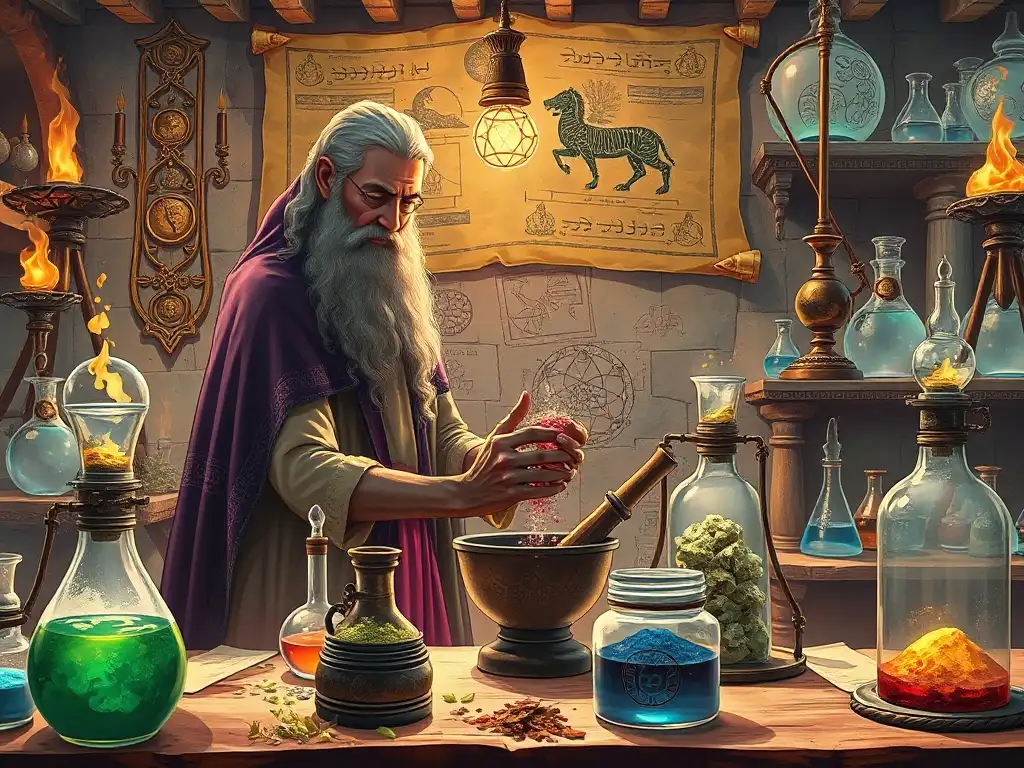
Introduction to Gupta Empire Ancient Chemistry Practices
The Gupta Empire, often referred to as the Golden Age of India, was a period of remarkable achievements in various fields, including science, mathematics, and the arts. Among the many disciplines that flourished during this era, chemistry, particularly ancient alchemy practices, played a pivotal role in shaping the understanding of materials and their properties.
The Gupta scholars engaged in a rich tradition of experimentation and theoretical inquiry, drawing on earlier knowledge from the Indus Valley civilization and subsequent contributions. This article delves into the significant contributions of the Gupta Empire to ancient chemistry practices, highlighting their impact on both contemporary science and the cultural fabric of India.
Overview of the Gupta Empire's Influence on Science
The Gupta Empire (approximately 320 to 550 CE) was characterized by a profound interest in various branches of science. The period witnessed the emergence of notable scholars such as Aryabhata, Varahamihira, and Kalidasa, who made advancements in mathematics, astronomy, and literature. Chemistry, often intertwined with alchemical practices, was no exception. The Gupta scholars laid the groundwork for later scientific exploration by documenting their findings and sharing their knowledge through texts and teachings.
- Key Contributions:
- Development of medicinal practices through alchemical principles.
- Innovations in metallurgy and the understanding of chemical processes.
- Integration of chemistry into spiritual and philosophical frameworks.
Importance of Alchemy in Ancient Indian Culture
Alchemy in ancient India was not merely a precursor to modern chemistry; it encompassed a holistic approach to understanding the natural world. This practice blended spirituality, philosophy, and empirical experimentation, reflecting the cultural and religious ethos of the time. Alchemists sought to transform base metals into noble metals, create elixirs for health, and uncover the secrets of life and existence.
- Cultural Significance:
- Alchemy was linked to the quest for immortality and enlightenment.
- It provided a framework for integrating scientific inquiry with religious beliefs.
- The texts produced during this period served as a foundation for future generations of scholars.
Historical Context of Chemistry in the Gupta Empire
Understanding the historical context of chemistry during the Gupta Empire requires an exploration of the scientific advancements that preceded it. The amalgamation of knowledge from earlier civilizations, including the Indus Valley and Vedic traditions, significantly influenced Gupta practices. Furthermore, the empire's extensive trade networks facilitated the exchange of ideas and materials, promoting scientific dialogue across regions.
Development of Chemistry During the Gupta Period
During the Gupta period, chemistry saw significant developments, particularly in the fields of metallurgy, medicine, and alchemical processes. The application of chemical knowledge to metallurgy allowed for the creation of high-quality alloys and the production of intricate metalwork. Ancient texts, such as the Rasa Shastra, document the methods used to extract and purify metals, highlighting the advanced understanding of chemical reactions.
- Key Areas of Advancement:
- Techniques for producing mercurous chloride and gold from common ores.
- The synthesis of medicinal compounds through alchemical processes.
- Innovations in metalworking and the creation of durable materials.
Key Figures in Gupta Ancient Chemistry
Several prominent figures emerged during the Gupta Empire, contributing to the field of ancient chemistry through their writings and practices. Among them, Varaha Mihira and Sushruta stand out as key contributors whose works exemplified the integration of chemistry with medicine and astronomy, respectively.
- Notable Contributors:
- Varaha Mihira: His texts detail astrological and medicinal practices, emphasizing the chemical methods employed in healing.
- Sushruta: Often regarded as the father of surgery, he utilized alchemical techniques in his medical practices, showcasing the importance of chemistry in health.
As we delve deeper into the contributions of the Gupta Empire to ancient chemistry practices, we will uncover the profound impact these early scholars had on the scientific landscape, setting the stage for future innovations in the field.
Core Concepts of Gupta Empire Ancient Alchemy
The Gupta Empire, flourishing from approximately 320 to 550 CE, was a period marked by significant advancements in various scientific fields, including chemistry. Central to the Gupta understanding of chemistry was alchemy, a practice that combined elements of philosophy, medicine, and spirituality. The alchemical traditions during this time sought not only to transform materials but also to understand the underlying principles of matter and energy. The Gupta alchemists were particularly interested in the processes of transmutation, where base metals could be transformed into more valuable ones, such as gold, through specific chemical reactions and manipulations.
Alchemy in the Gupta period was deeply intertwined with Ayurveda, the traditional system of medicine. This relationship emphasized the importance of chemical substances in creating medicinal compounds, highlighting the significance of alchemical practices in health and wellness. The concepts of rasa (essence or juice), sukshma (subtle), and parada (mercury) were foundational in Gupta alchemical texts, reflecting a sophisticated understanding of chemical properties and interactions.
Definition and Significance of Alchemy in Ancient Chemistry
Alchemy in the context of ancient chemistry refers to the philosophical and proto-scientific practice that aimed to understand and manipulate the properties of substances. It is defined as a discipline that encompasses a variety of goals, including the pursuit of the philosopher’s stone, which was believed to have the ability to turn base metals into gold and grant immortality. In ancient India, particularly during the Gupta Empire, alchemy was significant as it represented the merging of spiritual and material pursuits, where practitioners sought not only wealth through transformation but also enlightenment through understanding the nature of reality.
The significance of alchemy in this period can be seen in its integration with spiritual practices and its role in the broader context of Indian philosophy. Alchemists were viewed as sages, whose work had implications beyond mere chemical reactions; they were thought to be engaged in a quest for ultimate knowledge and moksha (liberation). The alchemical processes and theories developed during this time laid the groundwork for future advancements in chemistry, influencing both scientific thought and practical applications in medicine and metallurgy.
Relationship Between Alchemy and Early Chemistry Practices
The relationship between alchemy and early chemistry practices in the Gupta Empire is complex and multifaceted. While modern chemistry is grounded in empirical techniques and the scientific method, ancient alchemy was a blend of mysticism and practical experimentation. Gupta alchemists employed various techniques such as calcination, distillation, and sublimation, which are foundational processes in modern chemistry.
Moreover, the alchemical tradition emphasized the importance of observation and experimentation, mirroring the methodologies that would later be crucial in scientific inquiry. This relationship reveals that while the goals of alchemy were often esoteric, the practices themselves contributed significantly to the development of early chemical knowledge. The alchemical texts from the Gupta period often served as a bridge, linking mystical interpretations of material transformation with the practical applications observed in metallurgy and medicine.
Major Contributions to Chemistry from the Gupta Empire
The Gupta Empire made several noteworthy contributions to the field of chemistry, particularly through its alchemical practices. These contributions not only advanced the understanding of materials and their transformations but also influenced subsequent scientific developments in both the Indian subcontinent and beyond. The period is characterized by a rich tradition of experimentation and theoretical discourse that shaped the future of chemistry.
Innovations in Chemical Processes and Techniques
One of the major contributions of the Gupta Empire to ancient chemistry was the innovation of various chemical processes and techniques. Gupta alchemists developed sophisticated methods for purifying metals, which involved the use of mercury and other substances to enhance the quality of ores. This process allowed for the extraction of precious metals with greater efficiency, laying the foundation for advanced metallurgy.
Furthermore, the Gupta period saw the introduction of chemical reactions that involved the combination of elements to create new compounds. Techniques such as alembication (a form of distillation) and coagulation were refined, facilitating the production of important medicinal substances. The emphasis on experimentation and practical application helped establish a systematic approach to chemical processes, which would later influence the scientific methods used in chemistry.
Texts and Treatises on Chemistry from the Gupta Period
The Gupta Empire produced several important texts and treatises on chemistry that documented the knowledge and practices of the time. One of the most notable works is the "Rasa Ratna Samuccaya," attributed to the alchemist Nagarjuna, which serves as a comprehensive guide to various alchemical processes and medicinal formulations. This text not only provides insight into the chemical practices of the Gupta period but also reflects the philosophical underpinnings of alchemy in ancient Indian thought.
Another significant treatise is the "Rasa Siddhanta," which outlines the principles of alchemical transformations and the properties of different substances. These texts played a crucial role in preserving the knowledge of ancient chemistry and influenced subsequent generations of scholars and practitioners. The documentation of these practices helped to transition alchemy from a mystical art into a more systematic science, which would eventually contribute to the development of modern chemistry.
The Gupta Empire's contributions to ancient chemistry through alchemical practices represent a rich tapestry of innovation, philosophy, and practical application that laid the groundwork for future advancements in the field.
Practical Applications of Gupta Empire Ancient Chemistry Practices

The Gupta Empire, often heralded as a golden age of science and culture in ancient India, made significant strides in the field of chemistry, particularly through the practice of alchemy. These ancient chemistry practices had varied practical applications that influenced daily life, health, and industry during this period.
One of the most notable applications was in metallurgy, where alchemists experimented with various compounds to create alloys, enhance the properties of metals, and even develop sophisticated techniques such as distillation and crystallization. This led to the production of high-quality tools, weapons, and decorative items that were both functional and aesthetically pleasing. Additionally, the Gupta period saw advancements in dyeing and textile production, with alchemical processes utilized to create vibrant colors and improve fabric durability.
Moreover, the Gupta Empire’s chemists also contributed to the development of early chemical processes in food preservation and preparation. Techniques such as fermentation and the use of natural preservatives were paramount in extending the shelf life of food, which facilitated trade and improved nutrition among the populace.
Alchemical Practices in Everyday Life
Alchemical practices in the Gupta Empire were deeply intertwined with daily life, as they provided practical solutions to various challenges faced by individuals in their households. For instance, alchemists worked on the formulation of household items, including soaps, perfumes, and cosmetics, all derived from natural substances. The knowledge of extracting essential oils and creating fragrant compounds was particularly valued, leading to the flourishing of artisanal crafts in urban centers.
Additionally, alchemy played a role in agricultural practices. Gupta chemists developed fertilizers and plant treatments that enhanced crop yields, contributing to the agrarian economy. Their understanding of soil chemistry allowed them to advise farmers on the best practices for maintaining soil health, directly impacting food production and societal stability.
The arts were also influenced by alchemical practices, as artists and craftsmen applied chemical techniques to create vivid pigments and innovative glazing methods in pottery. This cross-disciplinary approach enriched cultural expressions and left a lasting imprint on the artistic heritage of the region.
Influence on Traditional Medicine and Healing
Traditional medicine in the Gupta Empire was profoundly shaped by ancient chemistry practices, particularly through the application of alchemical techniques in herbal medicine. Alchemists meticulously studied the properties of various plants and minerals, leading to the development of early pharmacology. They prepared medicinal compounds through processes such as extraction, distillation, and calcination, which allowed for the concentration of active ingredients.
The texts from this era, such as the Sushruta Samhita and Charaka Samhita, highlight the importance of alchemy in diagnosing and treating ailments. Alchemical remedies included a variety of potions and elixirs that were believed to balance the body’s elements and promote healing. This holistic approach to health emphasized prevention and well-being, paving the way for future developments in Ayurveda and other traditional healing systems.
Furthermore, the blending of chemistry with spirituality in alchemical practices underscored the Gupta Empire's unique worldview, where physical health was linked to mental and spiritual states. This interconnectedness remains a hallmark of traditional Indian medicine today.
Legacy of Gupta Empire Ancient Chemistry Practices
The legacy of the Gupta Empire's ancient chemistry practices is evident in various fields of science and culture that followed. The advancements made during this period laid a solid foundation for subsequent scientific inquiries and methodologies, influencing both local and global scientific landscapes.
Impact on Subsequent Scientific Developments
The Gupta Empire's contributions to chemistry and alchemy significantly impacted later scientific developments in both India and beyond. The methodologies established by Gupta alchemists, including systematic experimentation and documentation, became benchmarks for future scholars.
As the knowledge of alchemical practices spread along trade routes, it influenced the development of chemistry in other cultures, including Islamic alchemy, which incorporated many Indian concepts and techniques. This cultural exchange was pivotal in the evolution of scientific thought, ultimately leading to the Renaissance in Europe.
The texts and practices from the Gupta period continued to be referenced and built upon by later scholars, ensuring that the legacy of Gupta chemistry endured. The emphasis on empirical observation and the quest for understanding the material world remain core principles in modern scientific inquiry.
Continuation of Alchemical Traditions in Later Indian Civilizations
The alchemical traditions initiated during the Gupta Empire did not vanish but rather evolved and integrated into the fabric of later Indian civilizations. Subsequent dynasties, such as the Chola and Mughal empires, inherited and adapted Gupta knowledge, further enriching the field of chemistry.
In the medieval period, Indian alchemical texts continued to flourish, with practitioners exploring new techniques and materials. The focus on metals, minerals, and herbal compounds persisted, leading to advancements in metallurgy and medicine that echoed the Gupta innovations.
Moreover, the philosophical underpinnings of alchemy, which sought to understand the transformation of substances and the nature of existence, continued to resonate within Indian spiritual and scientific discourse. This enduring legacy illustrates how the Gupta Empire’s ancient chemistry practices not only shaped their contemporary society but also laid the groundwork for future generations to explore and expand upon these foundational concepts.
Conclusion: The Enduring Influence of Gupta Empire Chemistry
The Gupta Empire, often regarded as the Golden Age of India, marked a significant turning point in the development of ancient chemistry. The practices and principles established during this era laid the groundwork for various scientific disciplines, influencing not just the Indian subcontinent but also extending to other civilizations. The alchemical traditions fostered during this period encompassed a blend of spirituality and empirical experimentation, leading to advancements that resonate even in modern scientific practices.
The profound understanding of chemical processes, such as distillation, sublimation, and the preparation of medicinal compounds, exemplifies the Gupta scholars' innovative spirit. Their meticulous documentation and systematic approach to experimentation not only enhanced the knowledge of materials but also established a framework for future scientific inquiry. The legacy of Gupta chemistry continues to be felt today, as it significantly influenced later developments in both the Islamic Golden Age and European Renaissance.
Summary of Key Contributions to Ancient Chemistry
During the Gupta Empire, several key contributions to ancient chemistry emerged, showcasing the advanced scientific knowledge of the time. These contributions include:
- Alchemy and Transmutation: Gupta alchemists, or "rasayana" practitioners, explored the transformation of base materials into valuable substances, particularly gold. Their methods laid the groundwork for the later development of modern chemistry.
- Medicinal Chemistry: The compilation of texts such as the Sushruta Samhita and Charaka Samhita reflected the systematic study of herbal medicines and chemical treatments, emphasizing the importance of pharmacology in healthcare.
- Metallurgy: The Gupta period saw advancements in metallurgy, including the extraction and purification of metals, which were critical for both artistic expression and practical applications. Notably, the iron pillar of Delhi exemplifies their expertise in metallurgy and corrosion resistance.
- Chemical Processes: The understanding of various chemical processes such as distillation, calcination, and the preparation of mercury compounds revealed a sophisticated grasp of material transformations.
These contributions collectively highlight the Gupta Empire's pivotal role in the evolution of ancient chemistry, setting the stage for future scientific advancements.
Reflection on the Gupta Empire's Role in Shaping Modern Science
The Gupta Empire's impact on ancient chemistry cannot be overstated; it served as a crucial link in the chain of scientific development that leads into modern science. The methodologies and principles established by Gupta scholars influenced the scientific thought processes of subsequent civilizations, particularly during the Islamic Golden Age, where many of these ideas were further expanded upon and disseminated.
The emphasis on empirical observation and systematic experimentation laid the groundwork for the scientific method, a cornerstone of modern scientific inquiry. Furthermore, the Gupta texts have been instrumental in preserving alchemical knowledge that would later inform European alchemists and chemists during the Renaissance.
The Gupta Empire's contributions to ancient chemistry reflect a rich tapestry of intellectual achievement that has endured through the ages. The principles and practices developed during this golden age continue to inspire contemporary scientists, demonstrating the timelessness of Gupta innovations in the field of chemistry.
- Introduction to Gupta Empire Ancient Chemistry Practices
- Historical Context of Chemistry in the Gupta Empire
- Core Concepts of Gupta Empire Ancient Alchemy
- Major Contributions to Chemistry from the Gupta Empire
- Practical Applications of Gupta Empire Ancient Chemistry Practices
- Legacy of Gupta Empire Ancient Chemistry Practices
- Conclusion: The Enduring Influence of Gupta Empire Chemistry
- What were the key contributions of the Gupta Empire to chemistry?
- How did alchemy influence ancient Indian chemistry?
- What were some notable texts from the Gupta period related to chemistry?
- How did Gupta chemists view the relationship between spirituality and chemistry?
- What is the legacy of the Gupta Empire's ancient chemistry practices today?
Frequently Asked Questions
What were the key contributions of the Gupta Empire to chemistry?
The Gupta Empire significantly advanced ancient chemistry practices through the development of alchemical techniques, including the extraction of metals and the creation of various compounds.
How did alchemy influence ancient Indian chemistry?
Alchemy in the Gupta Empire laid the groundwork for later scientific practices by mixing philosophical and practical elements, emphasizing the transformation of materials and the study of their properties.
Textual sources like the "Rasa Ratna Samuccaya" and the "Rasa Siddhanta" contain valuable insights into chemical processes and alchemical theories practiced during the Gupta period.
How did Gupta chemists view the relationship between spirituality and chemistry?
Gupta chemists often intertwined spiritual beliefs with their practices, believing that mastering alchemy could lead to not just material transformation but also personal enlightenment.
What is the legacy of the Gupta Empire's ancient chemistry practices today?
The ancient chemistry practices of the Gupta Empire laid the foundation for modern chemistry, contributing to the scientific method and inspiring future generations of scientists in both India and beyond.
Final Reflection: The Enduring Legacy of Gupta Empire Ancient Chemistry Practices
The Gupta Empire's ancient chemistry practices are not merely relics of the past; they are foundational elements that continue to shape our understanding of science today. The innovations and methodologies developed during this golden age of Indian civilization laid the groundwork for modern chemistry, influencing both Eastern and Western scientific thought. As we navigate an era increasingly defined by technological advancements, it is vital to recognize the profound impact of these ancient practices on contemporary science and industry.
Chemistry, as we know it, owes much to the pioneering work of ancient alchemists, whose experiments and discoveries resonate through the ages. The Gupta Empire's contributions exemplify how cultural and intellectual pursuits can transcend time, fostering a legacy that informs current scientific endeavors. Science knows no country, because knowledge belongs to humanity, and is the torch which illuminates the world.
This quote encapsulates the universal significance of the Gupta Empire's ancient chemistry practices, reminding us that the pursuit of knowledge is a shared journey that enriches all of humanity.
As we reflect on the Gupta Empire's remarkable contributions, I invite you to consider how these ancient practices can inspire your own exploration of science and creativity. Embrace the spirit of inquiry and innovation that defined this era; let it motivate you to delve deeper into the mysteries of the natural world. Whether through formal study or personal experimentation, your engagement with chemistry can honor the legacy of the Gupta Empire and contribute to the ongoing narrative of human discovery.
Unleash the Secrets of Ancient Chemistry!
Thank you for diving into the captivating world of the Gupta Empire and their incredible contributions to the field of chemistry! You've uncovered a rich legacy of ancient alchemical practices that laid the groundwork for future scientific advancements. Now, it’s time to take that knowledge and turn it into action!
Here’s how you can engage further with this fascinating topic:
- Dive deeper: Explore the unique alchemical techniques used during the Gupta period by reading additional articles available on our site.
- Join the conversation: Share your insights or research on ancient chemistry in the comments below, and connect with other enthusiasts!
- Experiment yourself: Attempt to replicate a simple ancient alchemical experiment at home, and document your findings to share with us!
What insights from ancient chemistry do you believe will shape the future of modern science? Join the discussion!