
Avalokiteshvara: The Bodhisattva of Compassion and His Importance in Buddhism


Welcome to Ancient India History, where we delve into the rich tapestry of ancient Indian civilizations and their profound contributions to culture and spirituality. In this exploration, we invite you to discover the fascinating world of Avalokiteshvara, the Bodhisattva of Compassion, whose significance in Indian Buddhism resonates through the ages. What makes this figure so pivotal in the spiritual landscape of ancient India?
Join us as we unravel the layers of history, belief, and compassion that surround Avalokiteshvara, and prepare to embark on a journey that will deepen your understanding of ancient Indian religions. Your adventure into the heart of history starts here!
Introduction to Avalokiteshvara in Indian Buddhism
Avalokiteshvara, one of the most revered figures in Buddhism, embodies the profound concept of compassion. Known as the Bodhisattva of Compassion, Avalokiteshvara holds a significant place in the hearts and minds of Buddhists, particularly within the Indian context. His name, which translates to "The Lord Who Looks Down," reflects his role as a compassionate savior who hears the cries of suffering beings and responds with unwavering kindness.
In Indian Buddhism, Avalokiteshvara symbolizes the ideal of altruism, urging followers to cultivate compassion in their own lives. His narratives are woven into various texts and teachings, illustrating not only his divine qualities but also practical approaches to compassion in daily life. The reverence for Avalokiteshvara transcends borders, influencing various forms of Buddhism across Asia, from Tibetan Buddhism to Mahayana traditions, making him a pivotal figure in the evolution of Buddhist thought and practice.
This article delves into the multifaceted nature of Avalokiteshvara, exploring his origin, significance, and the philosophical teachings associated with him. Understanding Avalokiteshvara in Indian Buddhism allows us to appreciate the rich tapestry of beliefs and practices that have shaped the spiritual landscape of ancient India and continue to resonate with millions today.
Significance of Avalokiteshvara in Buddhist Philosophy
Avalokiteshvara's importance in Buddhist philosophy can be traced through several interconnected themes that highlight his role within the broader framework of Buddhist teachings:
- Embodiment of Compassion: Avalokiteshvara is often depicted with multiple arms, symbolizing his ability to reach out and help countless beings simultaneously. This imagery reinforces the idea that compassion is not merely an emotion but a dynamic force that can manifest in various forms of action.
- Bodhisattva Ideal: As a Bodhisattva, Avalokiteshvara exemplifies the path of selflessness, wherein one seeks enlightenment not just for oneself but for all sentient beings. This ideal challenges practitioners to prioritize the well-being of others, cultivating a spirit of generosity and empathy.
- Connection to the Divine: Avalokiteshvara serves as a bridge between the human experience and the divine. His compassionate nature reminds followers that the pursuit of enlightenment is intertwined with the responsibility to alleviate the suffering of others, thus creating a harmonious balance between personal and collective spiritual growth.
- Cultural Influence: The teachings and iconography of Avalokiteshvara have permeated various cultures, influencing art, literature, and religious practices across Asia. His presence in temples and monasteries is a testament to his enduring legacy and the universal appeal of compassion as a core tenet of Buddhism.
Avalokiteshvara's significance in Buddhist philosophy extends beyond his representation as a figure of compassion; he embodies the very essence of Buddhist practice, encouraging followers to embrace a life dedicated to alleviating suffering and promoting kindness. His teachings continue to inspire and guide practitioners on their spiritual journeys, making Avalokiteshvara a central figure in the rich and diverse tapestry of Indian Buddhism.
- Introduction to Avalokiteshvara in Indian Buddhism
- Significance of Avalokiteshvara in Buddhist Philosophy
Historical Background of Avalokiteshvara

Avalokiteshvara, known as the Bodhisattva of Compassion, holds a significant place in the tapestry of Buddhism, particularly within Indian Buddhism. His historical roots trace back to the early texts of Buddhism, where he emerges as a figure embodying compassion and mercy. The evolution of Avalokiteshvara's image and teachings reflects the broader cultural and spiritual currents of ancient Indian civilization, marking his importance in the religious landscape of the time.
Origins of Avalokiteshvara in Early Buddhism
The origins of Avalokiteshvara can be traced to several early Buddhist texts, including the "Lotus Sutra," where his compassionate nature is first articulated. Initially, Avalokiteshvara was depicted as a male figure, associated with various qualities, such as wisdom and empathy. The name "Avalokiteshvara" itself means "The Lord Who Looks Down," symbolizing his role in observing the suffering of sentient beings and responding with compassion.
Scholarly interpretations suggest that Avalokiteshvara may have evolved from earlier Indian deities associated with mercy, drawing influences from both local traditions and the broader Buddhist ethos. For example, his link to the concept of the Bodhisattva — an enlightened being who postpones Nirvana to help others achieve enlightenment — reflects the teachings of Mahayana Buddhism that gained prominence around the first century CE.
The Bodhisattva ideal represents a transformative approach within Buddhism, where the emphasis shifts from individual enlightenment to collective well-being, thus establishing Avalokiteshvara as a central figure in this movement.
Evolution of Avalokiteshvara's Image and Iconography in Indian Buddhism
As Buddhism spread throughout India, the image and iconography of Avalokiteshvara evolved significantly, reflecting the diverse cultural contexts in which he was venerated. Initially, he was represented in simple forms, often depicted as a serene male figure. However, as artistic styles and cultural influences merged, his iconography became increasingly complex and symbolic.
One notable transformation is his depiction in various forms, including Padmapani (the Lotus Holder), where he is shown holding a lotus flower, symbolizing purity and the potential for enlightenment amidst suffering. This representation is particularly prominent in the Gandhara art style, which flourished from the 1st century CE and is characterized by its Greco-Buddhist influences.
Over time, Avalokiteshvara's attributes expanded, leading to the emergence of various manifestations, such as Kannon in Japan and Guanyin in China. In Indian Buddhism, he is often depicted with multiple arms, symbolizing his ability to assist countless beings simultaneously. Each arm may hold different objects, such as a mala (prayer beads) or a vase, representing his readiness to provide solace and spiritual guidance.
The evolution of Avalokiteshvara's iconography is not merely artistic; it encapsulates the shifting paradigms of compassion and the inclusive nature of Buddhism. His visual representation serves as a reminder of the Bodhisattva's commitment to alleviating suffering, making him a pivotal figure in the religious practices and beliefs of ancient India.
Avalokiteshvara's origins and evolution in Indian Buddhism showcase a rich interplay between early Buddhist philosophy and the artistic expressions of compassion. His significance in the cultural and spiritual milieu of ancient India continues to resonate, affirming his role as a vital Bodhisattva within the Buddhist tradition.
The Role of Avalokiteshvara in Buddhist Texts
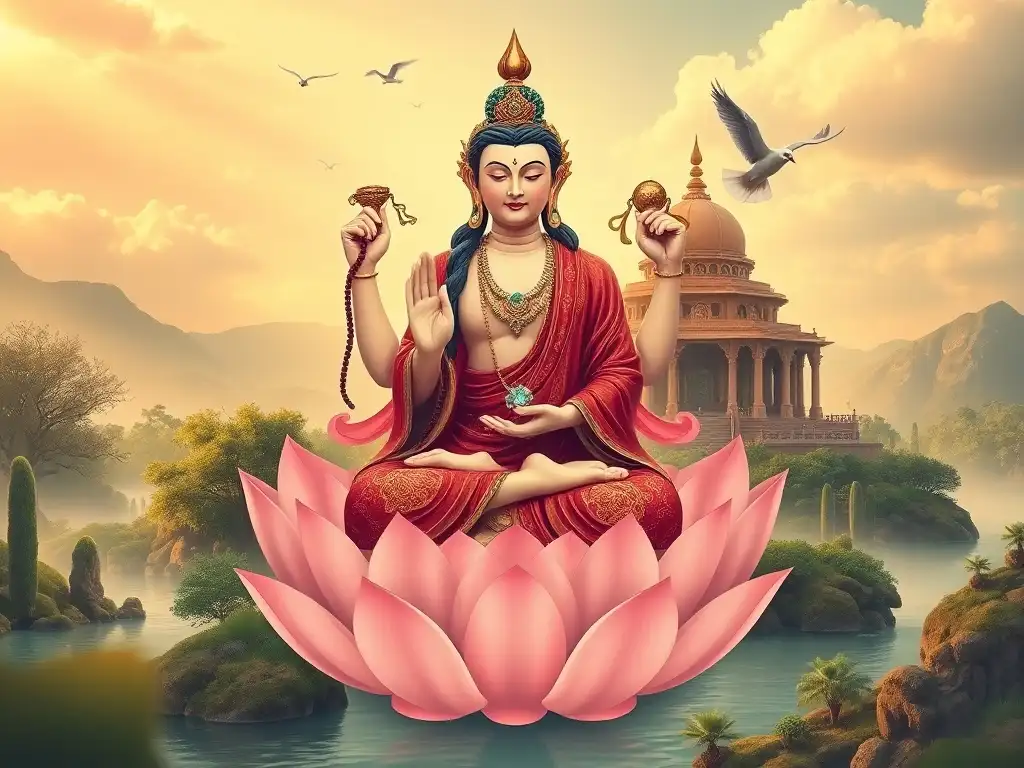
Avalokiteshvara, known as the Bodhisattva of Compassion, holds a significant place in the various texts of Buddhism. His role as a figure of mercy and compassion is deeply rooted in the foundational scriptures, where he embodies the ideal of selfless service towards all sentient beings. The narratives and teachings surrounding Avalokiteshvara illustrate his importance not only as a deity but also as a guiding principle for practitioners seeking enlightenment.
Key Texts Featuring Avalokiteshvara
Avalokiteshvara is prominently featured in several key Buddhist texts, each highlighting different aspects of his character and teachings. Below are some of the most significant texts:
- Lotus Sutra (Saddharma Pundarika Sutra):
- In this seminal text, Avalokiteshvara is portrayed as a protector of beings, capable of manifesting in various forms to assist those in distress.
- The chapter "The Universal Gateway of Avalokiteshvara" (Chapter 25) specifically details his ability to hear the cries of suffering beings and respond to their needs.
- Lankavatara Sutra:
- This text emphasizes the Bodhisattva's role in teaching profound insights into the nature of reality and enlightenment.
- Avalokiteshvara is seen as a compassionate guide who helps practitioners navigate the complexities of the mind and spiritual practice.
- Heart Sutra (Prajnaparamita Hridaya):
- The Heart Sutra is one of the most recited texts in Mahayana Buddhism, where Avalokiteshvara appears in his quest to understand the nature of emptiness (śūnyatā).
- His inquiry into the essence of reality serves as a profound teaching on the interdependence of all phenomena.
- Tibetan Buddhist Texts:
- In Tibetan Buddhism, the "Avalokiteshvara Sadhana" outlines rituals and meditative practices centered around invoking his compassionate qualities.
- Texts such as the "Sadhana of Arya Avalokiteshvara" elaborate on practices aimed at developing compassion and wisdom.
These texts collectively reinforce Avalokiteshvara's essential role in Buddhist philosophy as a manifestation of compassion, guiding practitioners toward the path of enlightenment.
Teachings and Representations of Compassion in Buddhist Literature
The teachings of Avalokiteshvara provide a rich tapestry of understanding regarding compassion in Buddhist literature. His representations often serve as a model for how individuals can cultivate qualities of kindness, empathy, and altruism.
- Embodiment of Compassion:
- Avalokiteshvara's very name translates to "The Lord Who Looks Down with Compassion," indicating his active engagement in the welfare of all beings.
- His multiple arms symbolize the ability to reach out and assist countless beings simultaneously, embodying the idea that compassion should be extended universally.
- Teachings on Selflessness:
- The Bodhisattva ideal, as illustrated by Avalokiteshvara, emphasizes the importance of selflessness in achieving enlightenment.
- Texts often portray him as willingly postponing his own enlightenment to help others attain liberation, reflecting the profound commitment to the well-being of all sentient beings.
- Meditative Practices:
- Many Buddhist traditions incorporate Avalokiteshvara into their meditative practices, focusing on developing compassion through visualization and mantra recitation.
- The mantra "Om Mani Padme Hum," associated with Avalokiteshvara, encapsulates the essence of compassion and serves as a tool for practitioners to cultivate the same quality within themselves.
- Cultural Representations:
- Artistic depictions of Avalokiteshvara, such as in sculptures and paintings, often highlight his serene expression and multiple forms, underscoring his omnipresent compassion.
- These representations serve as reminders of the Bodhisattva’s teachings, encouraging practitioners to embody compassion in their daily lives.
Through these teachings and representations, Avalokiteshvara continues to inspire countless individuals on their spiritual journeys, emphasizing the critical role of compassion in the pursuit of enlightenment. His legacy as a figure of mercy and selflessness remains a cornerstone of Avalokiteshvara in Indian Buddhism, guiding the ethical framework of Buddhist practice across cultures and time.
Avalokiteshvara's Influence on Buddhist Practices

Avalokiteshvara, known as the Bodhisattva of Compassion, has played a transformative role in shaping various Buddhist practices, particularly within the context of Indian Buddhism. His influence is evident across a myriad of rituals, teachings, and meditative practices that cultivate compassion and empathy. As a pivotal figure, Avalokiteshvara embodies the ideal of selfless love and compassion, inspiring both lay practitioners and monastics alike.
His presence in Buddhist texts and iconography has not only enriched devotional practices but also provided a framework for understanding the importance of compassion in the path to enlightenment. The diverse representations of Avalokiteshvara across different Buddhist traditions highlight his universal relevance and adaptability, allowing practitioners from various cultural backgrounds to connect with his teachings.
Avalokiteshvara in Rituals and Devotional Practices
Avalokiteshvara's impact on rituals and devotional practices is profound. His essence is captured through a variety of ceremonies, chants, and offerings that foster a deep connection with the Bodhisattva.
- Chanting Mantras:
- One of the most prominent practices associated with Avalokiteshvara is the recitation of the "Om Mani Padme Hum" mantra. This mantra, which translates to "Hail to the jewel in the lotus," serves as a profound invocation of compassion and is believed to purify the mind and foster loving-kindness.
- Benefits of Chanting:
- Reduces stress and anxiety
- Enhances emotional stability
- Cultivates a sense of connection with others
- Prayer Offerings:
- Devotees often engage in prayer offerings, where they express their heartfelt requests for compassion and assistance, both for themselves and for all sentient beings. This practice reinforces the interconnectedness of all life and the importance of altruism.
- Festivals and Observances:
- Special observances, such as Avalokiteshvara Day, are celebrated in various Buddhist communities. These events often include communal chanting, meditation sessions, and artistic expressions that honor the Bodhisattva's compassionate nature.
- Art and Iconography:
- Avalokiteshvara is frequently depicted in Buddhist art, often shown with multiple arms symbolizing his ability to reach out to suffering beings. These images serve as focal points for devotion, inviting practitioners to reflect on the qualities of compassion and mercy.
Through these rituals and practices, Avalokiteshvara serves as a guiding light for practitioners, encouraging the cultivation of compassion as a central tenet of their spiritual journey.
The Role of Avalokiteshvara in Meditation and Mindfulness
Avalokiteshvara's teachings significantly inform meditation and mindfulness practices within Indian Buddhism. His embodiment of compassion serves as a focal point for practitioners seeking to deepen their understanding of self and other.
- Loving-Kindness Meditation:
- Practitioners often incorporate Avalokiteshvara into loving-kindness (Metta) meditation, where they visualize the Bodhisattva and invoke feelings of compassion towards themselves and others. This meditation practice enhances emotional well-being and fosters a sense of connection with all beings.
- Steps to Practice:
- Begin with self-compassion, envisioning Avalokiteshvara surrounding you with love.
- Gradually extend this compassion to friends, family, and eventually to all sentient beings.
- Visualizations of Avalokiteshvara:
- Practitioners may engage in visualization techniques where they meditate on the form of Avalokiteshvara. This practice can evoke a sense of peace and compassion, allowing the practitioner to embody these qualities in daily life.
- Benefits of Visualization:
- Enhances emotional resilience
- Promotes a compassionate outlook
- Cultivates a deeper understanding of interdependence
- Mindfulness Practices:
- Incorporating Avalokiteshvara into mindfulness can help practitioners remain present while fostering compassion. Through mindful breathing and awareness, individuals can reflect on their thoughts and actions, aligning them with the compassionate principles embodied by Avalokiteshvara.
- Compassion-Based Mindfulness:
- This approach emphasizes recognizing and responding to one's own suffering as well as the suffering of others. By integrating Avalokiteshvara into mindfulness practices, practitioners learn to cultivate a compassionate response to pain and adversity.
Avalokiteshvara's influence in the realms of rituals, devotional practices, and meditation underscores the importance of compassion in Buddhism. His teachings resonate deeply within Indian Buddhism, providing a rich foundation for both individual and communal practices that aspire toward enlightenment through the cultivation of loving-kindness and empathy.
Avalokiteshvara's Symbolism and Attributes
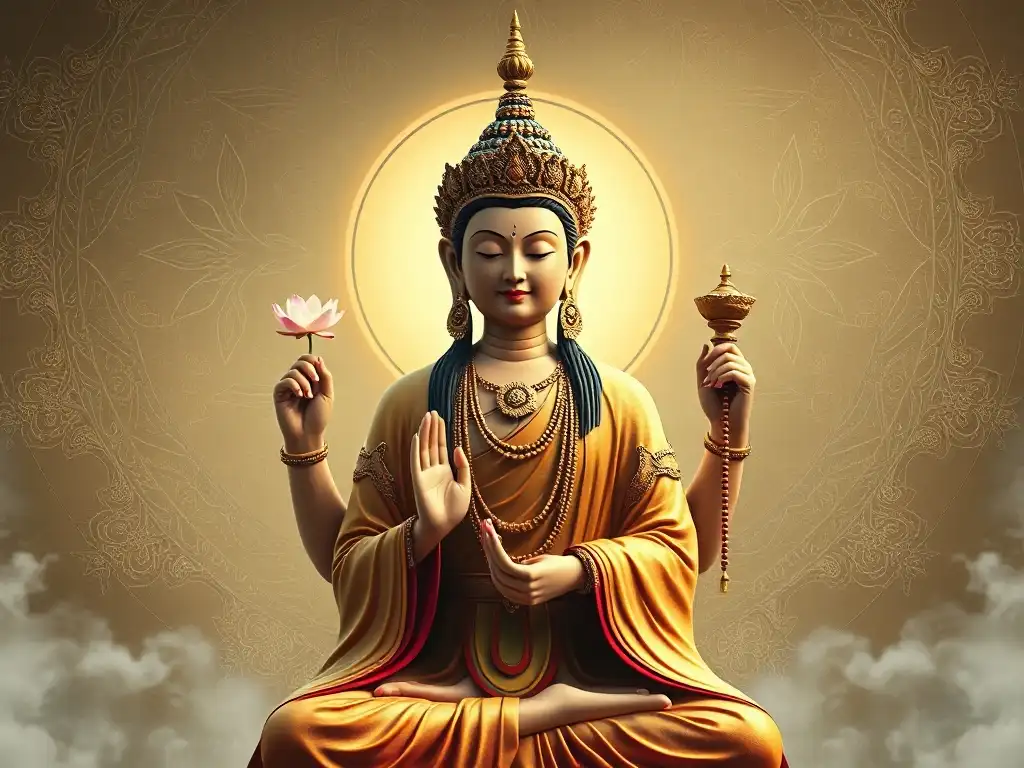
Avalokiteshvara, known as the Bodhisattva of Compassion, holds a significant place in Indian Buddhism, symbolizing the profound ideals of empathy and mercy. His name translates to "The Lord Who Looks Down" or "The One Who Hears the Cries of the World," reflecting his role as a protector and savior for those in suffering. Central to Avalokiteshvara's identity is the embodiment of compassion, which is not merely an emotion but a moral imperative within Buddhist philosophy.
Compassion and Mercy as Central Themes
Avalokiteshvara's teachings emphasize karuna (compassion) and maitri (loving-kindness), urging followers to cultivate these virtues in their daily lives. This focus on compassion is represented in various forms throughout Buddhist texts, where Avalokiteshvara is depicted as a figure who vows to help all sentient beings attain enlightenment, regardless of the challenges they may face. His compassion is often described as boundless, transcending time and space, emphasizing that no one is beyond his reach.
One of the most profound expressions of Avalokiteshvara's compassion is found in the Lotus Sutra, where he is portrayed as responding to the cries for help from those suffering in the world. This narrative reinforces the idea that true enlightenment is intertwined with the well-being of others. In essence, Avalokiteshvara serves as a reminder that the path to personal liberation is also a commitment to alleviating the suffering of others, encapsulating the principle that one's spiritual practice must be coupled with active compassion.
Iconographic Representations of Avalokiteshvara in Art
The artistic representations of Avalokiteshvara in Indian Buddhism are rich and varied, each symbolizing different aspects of his character and attributes. Commonly depicted with a serene countenance, he often appears in a posture that conveys calmness and receptivity.
Common Iconographic Features:
- Multiple Arms: Often shown with multiple arms (usually 4, 8, or 1,000), each hand is equipped with different attributes or gestures (mudras) that signify various forms of assistance and protection.
- Lotus Flower: Frequently, Avalokiteshvara is depicted holding a lotus flower, symbolizing purity and the unfolding of spiritual enlightenment, rising above the murky waters of desire and ignorance.
- Avalokiteshvara and the Female Form: In some traditions, particularly in Tibetan Buddhism, Avalokiteshvara is represented in a female form, called Tara, which emphasizes nurturing and compassionate qualities.
The iconography of Avalokiteshvara not only serves an aesthetic purpose but also acts as a visual reminder of the values he embodies. The various forms and postures invite practitioners to reflect upon compassion and the active role they can play in the world.
Avalokiteshvara in Indian Buddhism represents an ideal of compassionate action, deeply ingrained in the fabric of Buddhist practice and philosophy. His symbolism and attributes encourage followers to embody these values, making him a central figure within the spiritual landscape of ancient Indian religions.
Avalokiteshvara Across Different Buddhist Traditions
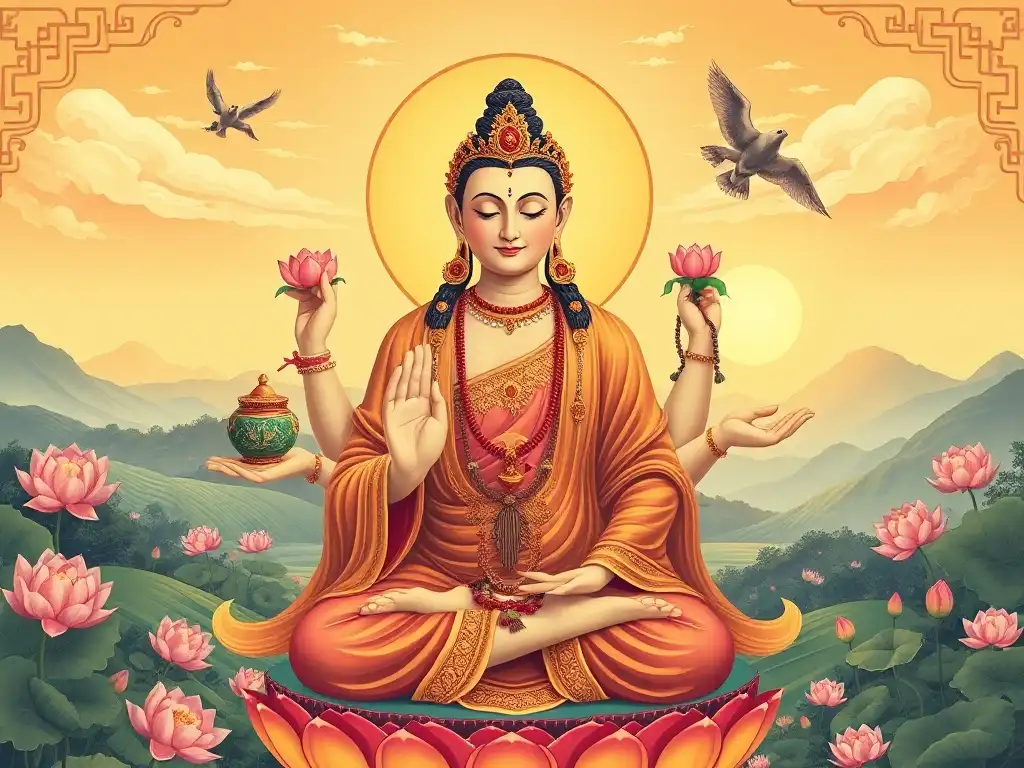
Tibetan Buddhism and the Cult of Avalokiteshvara
In Tibetan Buddhism, Avalokiteshvara, known as Chenrezig, holds a position of profound significance as the embodiment of compassion. The practice surrounding Chenrezig is deeply intertwined with the spiritual life of Tibetan communities, where he is revered as a protector and savior. His mantra, "Om Mani Padme Hum," is chanted widely, believed to embody the essence of compassion and promote the alleviation of suffering.
The cult of Avalokiteshvara in Tibet is not merely a devotional practice; it serves as a cornerstone of Tibetan identity and spirituality. In various forms, Chenrezig is depicted with multiple arms—often portrayed with a thousand arms in the form of Avalokiteshvara with a Thousand Eyes—symbolizing his ability to see and respond to the suffering of all sentient beings. This iconography represents the boundless compassion he offers to those in distress.
Tibetan Buddhists often engage in various rituals and practices dedicated to Avalokiteshvara, including:
- Prayer Flags: These flags, often inscribed with the mantra of Avalokiteshvara, are hung in natural settings to disperse blessings and compassion into the world.
- Puja Ceremonies: Special pujas are performed to invoke Avalokiteshvara's blessings, especially during times of crisis or suffering.
- Meditative Practices: Practitioners meditate on the qualities of Avalokiteshvara, visualizing him in their minds to cultivate compassion and loving-kindness within themselves.
The Dalai Lama, considered a manifestation of Avalokiteshvara, highlights the importance of compassion in everyday life, reinforcing the belief that engaging with Avalokiteshvara assists practitioners in achieving enlightenment and alleviating the suffering of others.
Mahayana Buddhism's Perspective on Avalokiteshvara
In Mahayana Buddhism, Avalokiteshvara is revered as a pivotal figure representing the ideal of compassion and the Bodhisattva path. This tradition emphasizes the importance of the Bodhisattva's vow to remain in the cycle of samsara (the cycle of birth, death, and rebirth) to help all sentient beings achieve liberation. Avalokiteshvara is often depicted in multiple forms, each representing different aspects of compassion and the capacity to assist beings in various realms of existence.
One of the most notable aspects of Avalokiteshvara in Mahayana Buddhism is the concept of "Kuan Yin," the female aspect of Avalokiteshvara, particularly prominent in East Asian traditions. This adaptation illustrates the Bodhisattva's universal appeal, transcending cultural boundaries while retaining the core qualities of compassion and mercy.
Mahayana texts, such as the "Lotus Sutra," emphasize Avalokiteshvara's role as a savior who hears the cries of the world. This scripture highlights the transformative power of his compassion, showcasing numerous miracles performed on behalf of those who call upon him. Key teachings in Mahayana Buddhism regarding Avalokiteshvara include:
- The Bodhisattva Vow: A commitment to attain enlightenment for the benefit of all beings, emphasizing selflessness and compassion.
- The Perfection of Wisdom: Avalokiteshvara embodies the insight into emptiness, teaching practitioners to understand the nature of reality and alleviate suffering.
- Compassionate Action: Encouragement for followers to act with kindness and compassion, mirroring Avalokiteshvara's qualities in their interactions with others.
Through his various representations and teachings, Avalokiteshvara remains a central figure in Mahayana Buddhism, inspiring practitioners to cultivate compassion as a means to alleviate suffering in themselves and others. The reverence for Avalokiteshvara continues to grow, illustrating the enduring importance of compassion in the pursuit of enlightenment within the diverse traditions of Buddhism.
The Contemporary Relevance of Avalokiteshvara in Buddhism
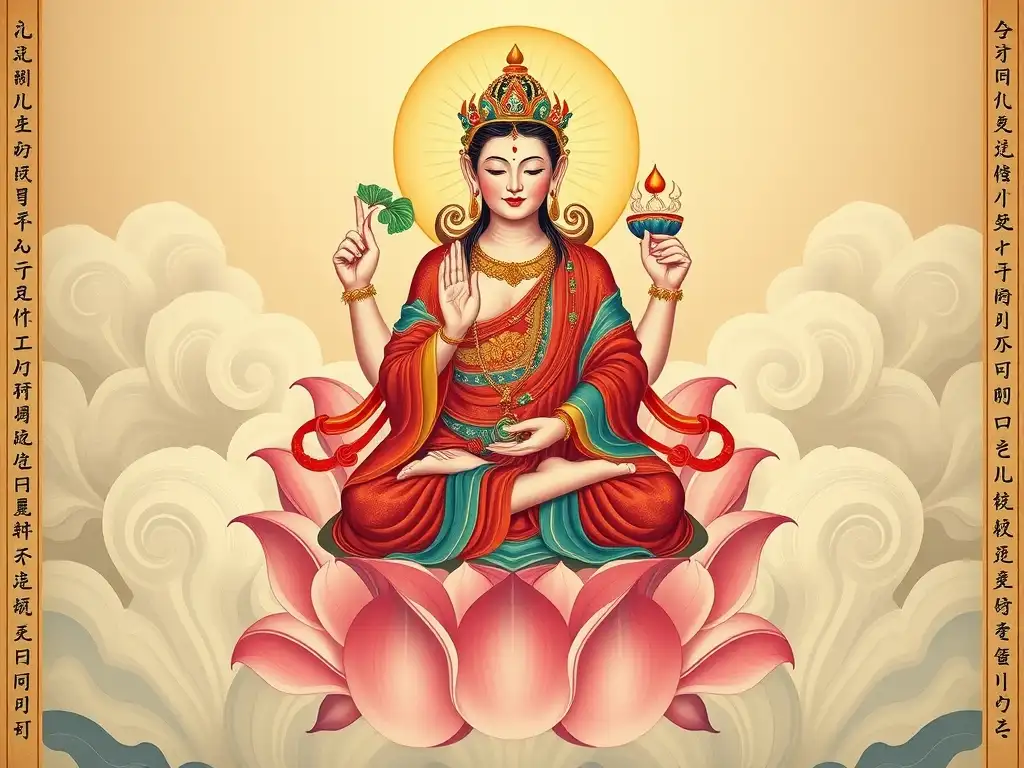
Avalokiteshvara as a Symbol of Global Compassion
Avalokiteshvara, often referred to as the Bodhisattva of Compassion, holds a significant position in contemporary Buddhism, transcending cultural and geographical boundaries. This figure is not merely a relic of ancient religious practices; rather, Avalokiteshvara serves as a powerful symbol of global compassion and humanitarianism in today's society.
The essence of Avalokiteshvara can be encapsulated in the mantra "Om Mani Padme Hum," which translates to "Hail to the Jewel in the Lotus." This mantra emphasizes the interconnectedness of all beings and the importance of compassion in achieving enlightenment. As societies around the world grapple with issues such as inequality, war, and environmental degradation, the teachings of Avalokiteshvara resonate deeply, inspiring individuals and communities to take action in fostering compassion and empathy.
In various Buddhist traditions, Avalokiteshvara is depicted with multiple arms, symbolizing the ability to reach out in help to those in need. This imagery has become a universal representation of compassion that transcends cultural boundaries. Many contemporary movements advocating for social justice and environmental protection invoke the spirit of Avalokiteshvara, calling for collective action to alleviate suffering and promote understanding among diverse populations.
The modern interpretations and practices surrounding Avalokiteshvara vary significantly across different Buddhist schools and cultures. In Tibetan Buddhism, for instance, Avalokiteshvara is revered as the embodiment of the compassion of all Buddhas. His manifestation as the Dalai Lama, who is regarded as a reincarnation of Avalokiteshvara, has made it crucial for the Tibetan people and the global community to understand the relevance of compassion in their daily lives.
In Zen Buddhism, Avalokiteshvara is often depicted as Kannon in Japan, a representation that emphasizes the Bodhisattva’s role in granting solace to those in distress. The practice of chanting the Kannon mantra has gained popularity among practitioners seeking peace and clarity in a chaotic world. Furthermore, meditative practices focusing on Avalokiteshvara encourage practitioners to cultivate compassion not just for themselves but for all sentient beings, fostering a sense of interconnectedness.
Moreover, the rise of eco-Buddhism has led to a renewed focus on Avalokiteshvara as a symbol for environmental activism. Many Buddhists today invoke the spirit of Avalokiteshvara when engaging in ecological preservation efforts and advocating for sustainable practices. By emphasizing compassion for all living beings, these modern interpretations of Avalokiteshvara highlight the urgent need for a compassionate response to the environmental crises facing our planet.
Conclusion: The Enduring Legacy of Avalokiteshvara in Indian Buddhism
The legacy of Avalokiteshvara in Indian Buddhism extends far beyond historical significance; it continues to inspire millions around the globe today. As a Bodhisattva who embodies compassion, Avalokiteshvara serves as a reminder of the importance of altruism in our increasingly fragmented world.
Through the lens of Avalokiteshvara, contemporary practitioners are encouraged to engage in acts of kindness, promote social justice, and work towards the alleviation of suffering. The teachings and practices associated with this revered figure challenge individuals to look beyond their immediate concerns and embrace a more compassionate worldview.
Avalokiteshvara remains an integral part of the spiritual landscape of Indian Buddhism, embodying the timeless values of compassion and interconnectedness. As communities around the world continue to seek solutions to pressing global challenges, the teachings of Avalokiteshvara are more relevant than ever, illuminating a path towards a more compassionate and harmonious existence for all.
Frequently Asked Questions
What is Avalokiteshvara in Indian Buddhism?
Avalokiteshvara is the Bodhisattva of Compassion, representing the compassionate aspect of Buddhism. He is revered for his ability to help beings achieve enlightenment and relieve their suffering.
How did Avalokiteshvara influence Indian Buddhism?
Avalokiteshvara significantly influenced Indian Buddhism by embodying compassion and mercy, promoting the idea that helping others is essential on the path to enlightenment. His teachings encourage altruism and selflessness.
What are the different forms of Avalokiteshvara?
Avalokiteshvara is depicted in various forms, including Bodhisattva with multiple arms and eyes, symbolizing his ability to help many beings simultaneously. Each form represents different aspects of compassion and protection.
Why is Avalokiteshvara important in Buddhist practice?
Avalokiteshvara is important because he serves as a source of inspiration for practitioners. Chanting his name or mantra is believed to promote compassion, peace, and the alleviation of suffering in the world.
How is Avalokiteshvara celebrated in modern Buddhism?
In modern Buddhism, Avalokiteshvara is celebrated through various rituals, prayers, and festivals that honor his compassion. Many Buddhists invoke his name for guidance and support in their spiritual journeys.
Final Reflection: The Enduring Legacy of Avalokiteshvara in Indian Buddhism
The teachings and compassion embodied by Avalokiteshvara remain profoundly relevant in today's world, where suffering and disconnection are prevalent. As we navigate the complexities of modern life, the Bodhisattva's message of empathy and selflessness serves as a guiding light, reminding us of the power of compassion in fostering understanding and healing within our communities. Avalokiteshvara stands not only as a figure of reverence in Indian Buddhism but also as a beacon of hope for humanity.
Culturally and socially, the influence of Avalokiteshvara transcends religious boundaries, inspiring countless individuals to cultivate compassion in their daily lives. His presence in art, literature, and spiritual practices continues to resonate, encouraging a collective consciousness that values kindness and altruism. As the Dalai Lama once said, ">Love and compassion are necessities, not luxuries. Without them, humanity cannot survive." This sentiment encapsulates the essence of Avalokiteshvara's teachings and their vital role in nurturing a more compassionate society.
As we reflect on the lessons imparted by Avalokiteshvara, let us embrace the call to action that his life represents. I invite you to explore ways in which you can embody compassion in your own life, whether through small acts of kindness or by fostering deeper connections with those around you. By integrating the principles of Avalokiteshvara into our daily interactions, we can contribute to a more compassionate world, honoring the legacy of this revered Bodhisattva and making a meaningful impact in our communities.
Embrace Compassion: Take Action Today!
Thank you for immersing yourself in the profound world of Avalokiteshvara and his significance as the Bodhisattva of Compassion! Your engagement with this topic not only deepens your understanding of Buddhism but also empowers you to embody compassion in your everyday life.
Now, it's time to transform that newfound knowledge into meaningful action. Here’s how you can make a difference:
- Practice Compassion Daily: Begin by incorporating small acts of kindness into your routine—whether it’s helping a neighbor or offering a listening ear to a friend who needs support.
- Share Your Insights: Engage in conversations about what you’ve learned with friends or through social media. You can also share articles that inspire others to explore the teachings of Avalokiteshvara.
- Join a Local Meditation or Compassion Group: Look for community gatherings that focus on mindfulness and compassion, allowing you to connect and grow with like-minded individuals.
What small act of compassion could you commit to today to honor Avalokiteshvara’s teachings? Your journey towards a more compassionate life begins now!