
The Concept of Unity in Diversity: Understanding Hindu Philosophical Ideals

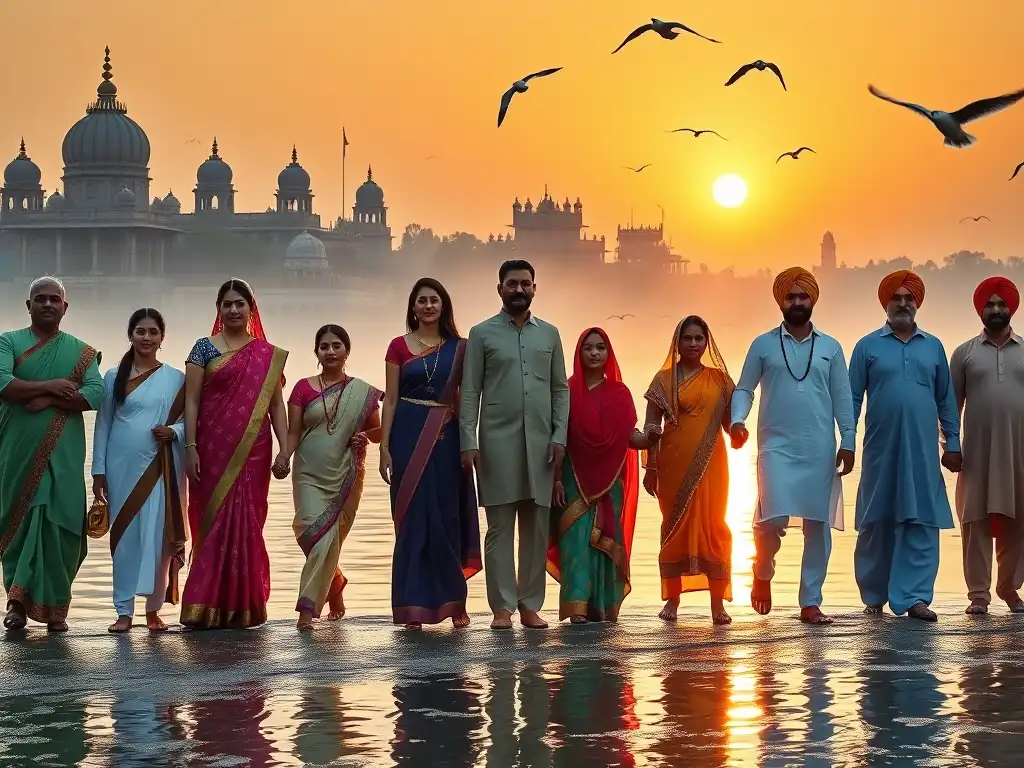
Welcome to Ancient India History, where we embark on a fascinating journey through the rich tapestry of ancient Indian civilizations. From the enigmatic streets of the Indus Valley to the intellectual heights of the Gupta Empire, our exploration reveals the profound cultural and philosophical contributions that shaped the region. In this article, we delve into the captivating world of Hindu philosophical ideals history, uncovering the concept of unity in diversity that lies at the heart of these timeless philosophies.
Join us as we unravel the threads of history that connect past and present, and discover how these ideals continue to resonate today. Your adventure into the depths of ancient wisdom starts here!
Introduction to Hindu Philosophical Ideals
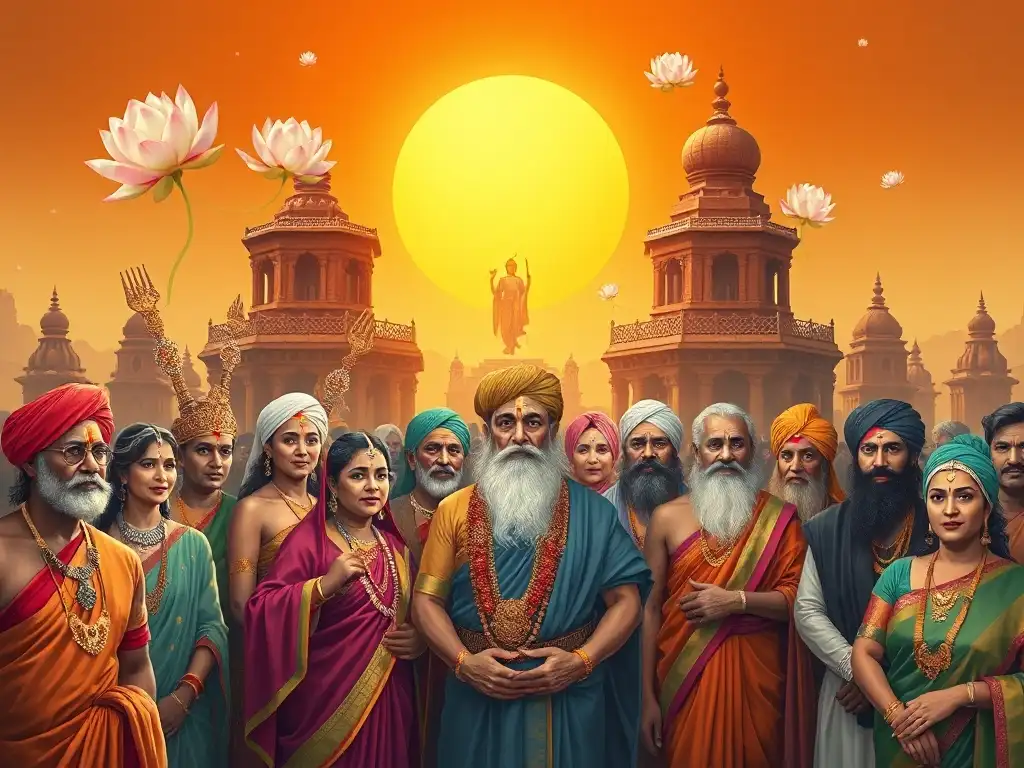
The concept of unity in diversity is a cornerstone of Hindu philosophical ideals, reflecting the intricate tapestry of beliefs, practices, and traditions that have evolved over millennia in ancient India. This notion emphasizes that despite the myriad differences in customs, languages, and rituals across various regions, there exists an underlying oneness that binds the diverse elements of Hinduism together. Understanding this dynamic is crucial for appreciating how Hindu philosophy has shaped the cultural and spiritual landscape of India and continues to influence millions today.
This article delves into the history of Hindu philosophical ideals, exploring their origins, significance, and the profound impact they have had on shaping the ethical and spiritual frameworks within which Hindus operate. By examining historical texts and the influence of significant events, we can gain deeper insights into how these ideals have persisted and adapted through time.
Overview of Hinduism and Its Philosophical Foundations
Hinduism, one of the world's oldest religions, is characterized by a rich diversity of beliefs and practices. Central to its philosophy is the idea of Dharma, which refers to moral order and duty that governs individual behavior. This principle is complemented by Karma, the law of cause and effect, and Moksha, the ultimate goal of liberation from the cycle of birth and rebirth.
The philosophical foundations of Hinduism are encapsulated in several ancient texts, including:
- The Vedas: The oldest sacred scriptures, laying the groundwork for various philosophical inquiries.
- The Upanishads: These texts explore metaphysical concepts and the nature of reality, emphasizing the interconnectedness of all beings.
- The Bhagavad Gita: A dialogue that presents the moral complexities of life, advocating for righteous action while maintaining a sense of unity amidst diversity.
Together, these texts provide a comprehensive framework that encourages the appreciation of diverse perspectives within a unified philosophical ethos.
Significance of Unity in Diversity in Hindu Philosophy
The significance of unity in diversity within Hindu philosophy cannot be overstated. It serves as a guiding principle that fosters tolerance, respect, and harmony among varied cultural expressions. This ideal manifests in several ways:
- Celebration of Diversity: Hindu philosophy acknowledges and celebrates the pluralistic nature of existence, promoting an understanding that various paths can lead to the same ultimate truth.
- Interconnectedness of All Life: The belief in a shared spiritual essence among all beings nurtures compassion and empathy, urging individuals to recognize the divine in others.
- Cultural Syncretism: Throughout history, Hinduism has absorbed and integrated diverse influences, enriching its philosophical discourse and enabling it to adapt to changing societal contexts.
This approach has not only shaped the spiritual practices of Hindus but has also contributed to the broader cultural ethos of India, underscoring the importance of coexistence and mutual respect.
Historical Context of Hindu Philosophical Ideals
Understanding the historical context of Hindu philosophical ideals is vital for grasping their evolution and relevance. The interplay between philosophical thought and significant historical events has shaped the trajectory of Hinduism, influencing how its ideals are interpreted and practiced.
Ancient Texts and Scriptures Reflecting Unity in Diversity
Ancient Indian scriptures provide a wealth of insights into the concept of unity in diversity. Texts such as the Upanishads and the Bhagavad Gita articulate the notion that while individual experiences and practices may differ, the essence of all existence is ultimately one.
- The Rigveda: This text emphasizes the idea of a singular cosmic reality, indicating that despite the multiplicity of forms and deities, there is a fundamental unity underpinning the universe.
- The Mahabharata: Through its complex narrative of conflict and resolution, this epic illustrates the importance of understanding different perspectives and finding common ground.
These texts not only reflect the philosophical ideals of their time but also serve as enduring sources of wisdom that continue to inspire discussions on diversity and unity.
Influence of Historical Events on Hindu Philosophical Thought
Hindu philosophical thought has been significantly influenced by various historical events, including invasions, the rise of empires, and interactions with different cultures. These events have led to a dynamic evolution of ideas, integrating new concepts while reinforcing existing beliefs.
- The Maurya and Gupta Empires: During these periods, Hindu philosophy flourished, with scholars and thinkers engaging in dialogues that enriched the understanding of unity in diversity.
- Cultural Exchanges: The trade routes and cultural exchanges between India and neighboring regions facilitated the exchange of ideas, contributing to the pluralistic nature of Hindu thought.
Through these influences, Hindu philosophical ideals have demonstrated a remarkable capacity for adaptation and resilience, maintaining their relevance across different historical contexts.
The exploration of Hindu philosophical ideals history reveals a rich tapestry of thought that is both profound and intricate, inviting further inquiry into the ways these ideals continue to shape the spiritual and cultural landscape of contemporary society.
Key Principles of Unity in Diversity in Hinduism
Hinduism is characterized by its rich tapestry of beliefs, practices, and philosophies that emphasize the concept of unity in diversity. This principle is rooted in the idea that while there are numerous paths to spiritual realization, they ultimately converge towards a singular truth. The core tenets of this concept include:
- Inclusiveness: Hindu philosophy embraces a multitude of beliefs and practices, encouraging the idea that different religions and philosophies can coexist harmoniously. This inclusiveness is foundational in fostering a sense of unity among diverse communities.
- Interconnectedness: The belief in the interconnectedness of all living beings is central to Hindu thought. Every individual, regardless of their background or beliefs, is seen as part of a larger cosmic whole, promoting respect and empathy towards others.
- Pluralism: Pluralism in Hinduism acknowledges that multiple truths can exist simultaneously. It recognizes the validity of various interpretations and practices, allowing for a broader understanding of spirituality.
These principles establish a framework that not only enriches individual spiritual journeys but also cultivates a collective consciousness that values diversity as a strength rather than a division.
The Concept of Dharma and Its Role in Unity
Dharma, often translated as “righteousness” or “duty,” is a fundamental concept in Hindu philosophy that plays a crucial role in maintaining unity amidst diversity. Each individual’s dharma is unique, influenced by their social context, stage of life, and personal inclinations. This uniqueness fosters a sense of responsibility and purpose, as individuals strive to fulfill their roles in society.
- Social Harmony: By adhering to one’s dharma, individuals contribute to the overall harmony of society. When everyone performs their designated duties, it ensures balance and order, allowing diverse groups to coexist peacefully.
- Moral Framework: Dharma provides a moral compass that guides individual actions. This shared ethical foundation helps mitigate conflicts arising from differences, promoting understanding and cooperation among diverse communities.
- Adaptability: The flexible nature of dharma allows it to accommodate various cultural practices and beliefs. This adaptability is a key factor in fostering unity, as it respects individual differences while promoting a common ethical framework.
Ultimately, dharma serves as a unifying force that encourages individuals to embrace their unique identities while contributing to the collective good.
The Importance of Ahimsa in Promoting Diversity
Ahimsa, or non-violence, is another cornerstone of Hindu philosophical ideals that underlines the importance of unity in diversity. This principle extends beyond mere abstention from physical violence; it encompasses mental and emotional dimensions as well.
- Respect for All Life: Ahimsa promotes respect for all living beings, fostering an attitude of compassion and understanding. This respect is essential for appreciating the diverse beliefs and practices that exist within society.
- Conflict Resolution: By advocating for non-violent means of resolving disputes, ahimsa encourages dialogue and mutual respect. This approach helps bridge gaps between differing perspectives, allowing for peaceful coexistence.
- Spiritual Growth: Practicing ahimsa is seen as a pathway to spiritual advancement. By cultivating compassion towards others, individuals can transcend their egos and recognize the interconnectedness of all beings, reinforcing the unity amidst diversity.
Through ahimsa, Hinduism promotes a culture of peace, acceptance, and mutual respect, essential for nurturing diversity within the broader framework of unity.
The Role of Karma in Understanding Interconnectedness
Karma, the law of cause and effect, plays a significant role in Hinduism’s understanding of interconnectedness among individuals and communities. This philosophical ideal posits that every action has consequences, influencing not just the individual but also their relationships with others.
- Collective Responsibility: The concept of karma emphasizes that our actions can impact the wider community. This awareness fosters a sense of collective responsibility, encouraging individuals to act with consideration for others.
- Learning from Diversity: Different life experiences, shaped by past karmic actions, lead to diverse perspectives. Recognizing the role of karma in shaping these experiences allows individuals to appreciate and learn from the diversity in human experiences.
- Cycle of Rebirth: The belief in reincarnation deepens the understanding of interconnectedness. As individuals navigate through multiple lives, their actions in one life can affect their future lives and the lives of others, reinforcing the idea that we are all part of a larger cosmic cycle.
Karma thus serves as a profound reminder of the interconnected web of existence, promoting a sense of unity while celebrating diversity.
Comparison of Unity and Diversity in Different Hindu Schools of Thought
Hindu philosophy is diverse in itself, with various schools of thought offering unique perspectives on unity and diversity. Each school interprets these concepts in a distinctive way, contributing to the richness of Hindu philosophical discourse.
Advaita Vedanta: Non-Dualism and Unity
Advaita Vedanta, a non-dualistic school of thought, emphasizes the oneness of the individual soul (Atman) with the ultimate reality (Brahman). This perspective highlights unity as the fundamental essence of existence.
- Illusion of Duality: According to Advaita, the perception of diversity is an illusion (Maya). The ultimate goal is to realize the underlying unity of all beings, leading to liberation (Moksha).
- Universal Consciousness: The philosophy advocates that all beings are manifestations of the same universal consciousness, fostering a profound sense of unity despite apparent diversity.
- Path to Enlightenment: Through self-inquiry and meditation, practitioners seek to transcend the illusion of duality, ultimately experiencing the interconnectedness of all existence.
Advaita Vedanta thus presents a powerful argument for unity in diversity, suggesting that true understanding lies in recognizing the singular reality that binds all.
Dvaita Vedanta: Dualism and the Celebration of Diversity
In contrast, Dvaita Vedanta, or dualistic philosophy, celebrates the distinction between the individual soul and the supreme being (God). This school affirms the reality of diversity and emphasizes the importance of devotion.
- Distinct Identities: Dvaita holds that while the individual soul and God are different, they exist in a harmonious relationship. This distinction allows for the appreciation of diversity in the universe.
- Role of Devotion: The path to spiritual realization in Dvaita involves devotion (Bhakti) to God. This relationship fosters a sense of belonging and community among devotees, highlighting the beauty of diversity in worship and practice.
- Moral Diversity: Dvaita recognizes that different individuals may follow varied paths to connect with the divine, promoting a pluralistic approach to spirituality that values diverse expressions of faith.
Through its dualistic lens, Dvaita Vedanta provides a framework that honors both the unity of existence and the richness of diversity in religious practices and beliefs.
Samkhya Philosophy: The Balance Between Purusha and Prakriti
Samkhya philosophy presents a unique perspective by exploring the relationship between Purusha (consciousness) and Prakriti (nature or matter). This duality reflects a balance that is essential for understanding unity in diversity.
- Interdependent Existence: Samkhya posits that Purusha and Prakriti exist independently but are interdependent. This relationship illustrates how consciousness and the material world coexist, reinforcing the idea of unity amidst diversity.
- Evolution of Consciousness: The philosophy outlines how the evolution of Prakriti leads to the manifestation of diverse forms of life. Understanding this process encourages respect for the myriad expressions of existence.
- Path to Liberation: The ultimate goal in Samkhya is to recognize the distinction between Purusha and Prakriti, leading to liberation. This journey acknowledges the diversity of experiences while guiding individuals towards the realization of a unified consciousness.
Samkhya philosophy thus offers a balanced view that appreciates both the diversity of the material world and the unity of consciousness, contributing to the broader discourse on Hindu philosophical ideals.
Case Studies of Unity in Diversity in Ancient Indian Society
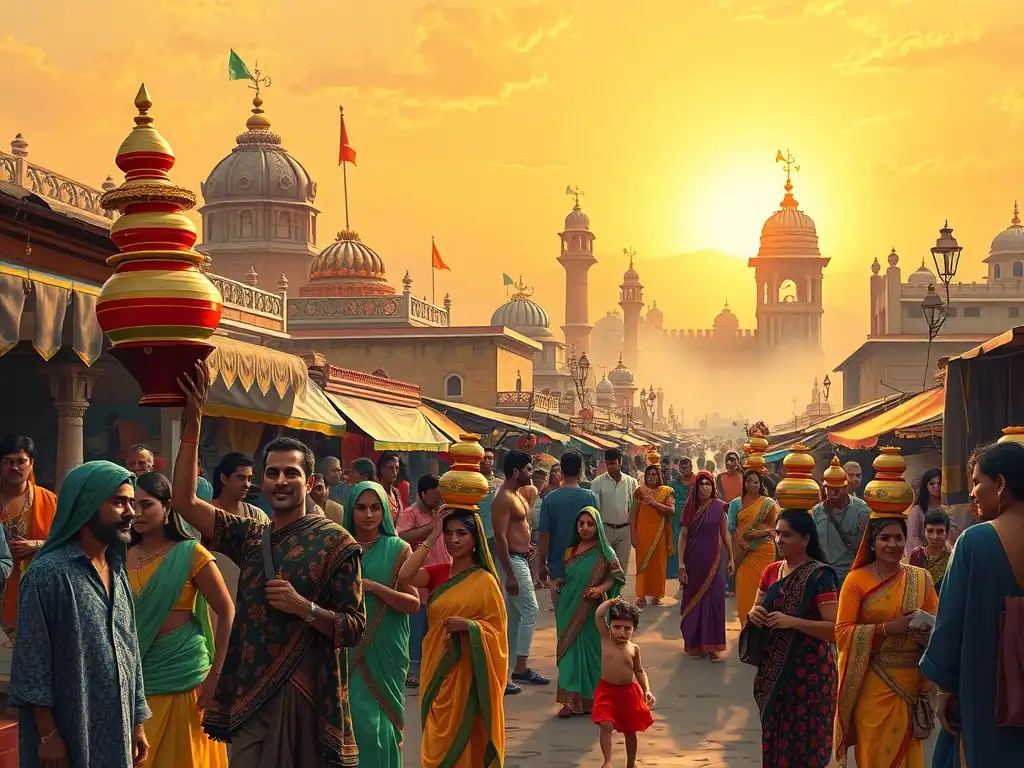
The concept of unity in diversity is deeply embedded in the historical fabric of ancient Indian society. This principle is reflected in various civilizations and empires, showcasing how diverse cultural, religious, and philosophical elements coexisted harmoniously. These case studies highlight the ways in which ancient Indian societies embraced diversity while fostering a sense of unity.
Examples from the Indus Valley Civilization
The Indus Valley Civilization (c. 3300–1300 BCE) is one of the earliest urban cultures in the world, characterized by a remarkable degree of social organization and cultural variety. Archaeological findings suggest a rich tapestry of life, where diverse languages, crafts, and religious practices thrived simultaneously.
- Urban Planning and Trade: Cities like Harappa and Mohenjo-Daro exhibited advanced urban planning, indicating a collaborative effort among various groups. The standardized weights and measures used in trade reflect a unified economic system despite cultural diversity.
- Religious Practices: The presence of numerous seals and figurines, such as the famous "Dancing Girl" and the "Priest-King," hints at a complex spiritual life that likely combined elements of animism, nature worship, and possibly early forms of what would later become Hindu deities. This showcases how different belief systems could coexist, contributing to a shared cultural identity.
- Art and Craftsmanship: The artifacts, pottery, and jewelry from the Indus Valley highlight a blend of styles and techniques, suggesting interactions among various communities. These exchanges fostered a shared appreciation for art, allowing diverse expressions to enhance the collective cultural heritage.
The Gupta Empire: A Model of Cultural Synthesis
The Gupta Empire (c. 320–550 CE) is often regarded as a golden age of Indian civilization, where unity in diversity reached its zenith. This period saw the flourishing of arts, sciences, and philosophy, underpinned by a cohesive yet diverse societal structure.
- Religious Pluralism: The Gupta period is noted for its embrace of multiple religions, including Hinduism, Buddhism, and Jainism. This pluralism was evident in the construction of temples and stupas, which celebrated various deities and teachings. For instance, the Ajanta and Ellora caves reflect a synthesis of artistic styles catering to different faiths.
- Cultural Achievements: The era produced prolific scholars like Aryabhata and Kalidasa, who drew from various cultural and philosophical influences. Their works not only enriched Indian literature and science but also demonstrated how diverse intellectual traditions could contribute to a unified cultural identity.
- Festivals and Traditions: The celebration of festivals such as Diwali and Makar Sankranti during the Gupta period exemplified the blending of local customs and pan-Indian traditions. These festivals encouraged participation from various communities, reinforcing social cohesion while respecting individual identities.
Modern Interpretations of Hindu Philosophical Ideals
The ancient ideals of unity in diversity continue to resonate in modern interpretations of Hindu philosophy. These interpretations shape contemporary understanding and practice, influencing how individuals engage with their cultural and spiritual identities.
The Relevance of Unity in Diversity in Contemporary Hinduism
In today's context, the principle of unity in diversity remains a cornerstone of Hindu philosophical ideals. This relevance can be observed in various aspects:
- Interfaith Dialogue: Modern Hinduism promotes dialogue and understanding among different religious communities. The emphasis on respecting diverse beliefs fosters a sense of community and togetherness, reflecting ancient ideals in contemporary society.
- Social Movements: Initiatives aimed at promoting social justice and equality often draw upon the philosophical foundations of unity in diversity. Leaders and activists invoke these ideals to advocate for marginalized groups, echoing the ancient emphasis on inclusivity.
- Cultural Revival: The resurgence of interest in ancient texts and practices highlights the enduring nature of Hindu philosophical ideals. Contemporary practitioners often seek to integrate diverse aspects of spirituality, celebrating the multiplicity of paths to understanding the divine.
Impact on Modern Indian Society and Global Perspectives
The impact of Hindu philosophical ideals of unity in diversity extends beyond India, influencing global perspectives on multiculturalism and coexistence.
- Cultural Exchange: The global diaspora of Hindus has fostered cultural exchanges that promote understanding among various communities. Festivals, yoga, and meditation practices introduced by Hindu traditions contribute to a broader appreciation of diversity in spiritual practices worldwide.
- Philosophical Discourse: Scholars and philosophers worldwide have engaged with Hindu ideals, exploring themes of unity and diversity in their works. This discourse enriches global philosophical discussions, offering insights into coexistence and harmony.
- Social Cohesion: In a world marked by division, the ancient Indian ideal of unity in diversity serves as a powerful reminder of the potential for harmony among diverse groups. Movements advocating for peace and understanding often draw inspiration from these philosophical roots, promoting a vision of a more inclusive society.
The exploration of unity in diversity within Hindu philosophical ideals provides valuable insights into the historical and contemporary significance of these concepts, underscoring their role in fostering a rich tapestry of cultural and spiritual identities.
Conclusion: The Enduring Legacy of Hindu Philosophical Ideals
The concept of unity in diversity is a pivotal theme within Hindu philosophical ideals, encapsulating the essence of a tradition that embraces a multitude of beliefs, practices, and perspectives. This foundational principle illustrates how various schools of thought and sects coexist within Hinduism, each contributing uniquely to the broader tapestry of Indian spirituality and culture.
Historically, this ideal has fostered an environment where dialogue and mutual respect thrive, allowing for the integration of diverse philosophical perspectives—from the dualism of the Dvaita school to the non-dualistic teachings of Advaita Vedanta. The enduring legacy of these ideals is evident not only in religious practices but also in the social and cultural fabric of India, promoting harmony and coexistence among its myriad communities.
Furthermore, Hindu philosophical ideals continue to inspire contemporary thought, providing frameworks for understanding complex social issues and guiding ethical decision-making. As we reflect on the past and recognize the richness of these traditions, we see their relevance in modern discourse, emphasizing the importance of inclusivity and respect for diverse viewpoints in our increasingly interconnected world.
Summary of Key Insights on Hindu Unity in Diversity
- Diverse Philosophical Schools: Hinduism comprises various philosophical schools, each offering distinct interpretations of concepts such as Brahman, Atman, and Moksha. This diversity embodies the core idea of unity in diversity, allowing for a comprehensive understanding of the ultimate truths.
- Cultural Integration: The adaptability of Hindu philosophy has led to the incorporation of regional beliefs and practices, resulting in a rich mosaic of rituals and traditions. This cultural integration fosters a sense of belonging and identity among practitioners.
- Dialogue and Debate: The tradition of philosophical discourse, exemplified in texts like the Upanishads and the Bhagavad Gita, encourages open dialogue and debate. This practice promotes critical thinking and the exploration of various perspectives, enhancing the collective understanding of spirituality.
- Ethical Frameworks: Hindu philosophical ideals often emphasize ethical living and the importance of Dharma (righteousness). This focus on ethical principles contributes to societal cohesion and individual moral development.
- Global Relevance: In a globalized context, the ideals of unity in diversity resonate with contemporary challenges, advocating for tolerance, respect, and understanding among different cultures and belief systems.
The Future of Hindu Philosophical Thought in a Globalized World
As the world becomes increasingly interconnected, the future of Hindu philosophical thought is poised for both challenges and opportunities. The rise of globalization presents a unique platform for Hindu ideals to engage with other philosophical traditions, fostering cross-cultural exchanges that can enrich global dialogues on spirituality and ethics.
- Interfaith Dialogues: The principles of unity in diversity can facilitate meaningful interfaith dialogues, where Hindu philosophies engage with other religious and philosophical systems. Such exchanges can cultivate mutual respect and shared understanding, promoting peace and cooperation.
- Cultural Preservation: As global influences permeate traditional practices, there is a pressing need to preserve and adapt Hindu philosophical thought in ways that resonate with younger generations. Innovative expressions of these ideals—through art, literature, and digital platforms—can breathe new life into ancient teachings.
- Addressing Contemporary Issues: Hindu philosophical frameworks offer valuable insights into pressing global issues such as environmental sustainability, social justice, and ethical governance. By applying these philosophies to contemporary challenges, Hindu thought can contribute to a more compassionate and equitable world.
- Education and Awareness: Encouraging education about Hindu philosophical ideals in diverse settings can foster a deeper understanding of its richness and relevance. This awareness can empower individuals to embrace diversity and promote inclusivity in their communities.
Hindu philosophical ideals, rooted in the concept of unity in diversity, hold significant potential for shaping the future of spiritual and philosophical thought in a globalized world. By embracing these principles, we can cultivate a more harmonious and understanding society, reflecting the timeless wisdom of ancient Indian civilizations.
- Introduction to Hindu Philosophical Ideals
- Historical Context of Hindu Philosophical Ideals
- Key Principles of Unity in Diversity in Hinduism
- Comparison of Unity and Diversity in Different Hindu Schools of Thought
- Case Studies of Unity in Diversity in Ancient Indian Society
- Modern Interpretations of Hindu Philosophical Ideals
- Conclusion: The Enduring Legacy of Hindu Philosophical Ideals
- What are Hindu philosophical ideals?
- How does the concept of unity in diversity manifest in Hinduism?
- What historical periods are significant in the development of Hindu philosophical ideals?
- How do Hindu philosophical ideals influence Indian culture today?
- What role do ancient texts play in understanding Hindu philosophical ideals?
Frequently Asked Questions
What are Hindu philosophical ideals?
Hindu philosophical ideals encompass a range of concepts and beliefs that emphasize the importance of unity in diversity, reflecting the multifaceted nature of existence and spirituality.
How does the concept of unity in diversity manifest in Hinduism?
In Hinduism, unity in diversity is illustrated through the coexistence of various deities, practices, and cultural traditions within a single framework, promoting the idea that all paths lead to the same ultimate truth.
What historical periods are significant in the development of Hindu philosophical ideals?
Key historical periods include the Indus Valley Civilization, the Vedic Age, and the Gupta Empire, during which philosophical texts and spiritual practices were developed and refined, shaping foundational Hindu concepts.
How do Hindu philosophical ideals influence Indian culture today?
Hindu philosophical ideals continue to influence contemporary Indian culture, including art, literature, and social practices, promoting values of tolerance, respect, and spiritual exploration.
What role do ancient texts play in understanding Hindu philosophical ideals?
Ancient texts like the Upanishads and Bhagavad Gita are crucial for understanding Hindu philosophical ideals, as they articulate profound insights on existence, duty, and the nature of reality.
Final Reflection: Embracing Unity in Diversity through Hindu Philosophical Ideals
The essence of Hindu philosophical ideals lies in their profound ability to weave together the threads of diversity into a harmonious tapestry of unity. In today's world, where divisions often overshadow our shared humanity, these ancient teachings resonate more than ever. They remind us that embracing differences can lead to a richer, more fulfilling existence. The call for unity amidst diversity is not just a philosophical concept; it is a pressing necessity in our contemporary society.
The influence of Hindu philosophical ideals extends far beyond religious boundaries, shaping cultural narratives and social interactions across the globe. These ideals encourage us to recognize the beauty in our differences and to find common ground in our shared experiences. As Mahatma Gandhi once said, Unity in diversity is not only a slogan; it is a way of life.
This perspective invites us to reflect on how these teachings continue to inspire movements for social justice, inclusivity, and peace, fostering a deeper understanding of our interconnectedness.
As we navigate our individual journeys, let us take a moment to reflect on how we can embody the principles of unity in diversity in our daily lives. Consider how you can celebrate the unique qualities of those around you while also seeking commonality. By doing so, we not only honor the rich history of Hindu philosophical ideals but also contribute to a more compassionate and understanding world. Together, let us strive to cultivate a spirit of unity that transcends our differences and uplifts our collective humanity.
Embrace the Power of Unity in Diversity!
Thank you for exploring the rich concept of unity in diversity within Hindu philosophical ideals with us! You've gained insights into how these principles shape our understanding of community and individuality. Now, let’s put these ideas into action!
- Reflect on your surroundings: Take a moment to appreciate the diverse cultures and perspectives in your community. Consider keeping a journal to document your thoughts and experiences related to these interactions.
- Engage in conversation: Reach out to someone from a different background and initiate a dialogue about your unique experiences. Sharing stories can foster greater understanding and connection between individuals.
- Share your learnings: Spread the word about the importance of unity in diversity by sharing this article or discussing it with your friends and family on social media!
What steps will you take today to celebrate the beauty of diversity in your life? Join the conversation below!