
The Influence of Vedic Literature on Modern Hinduism

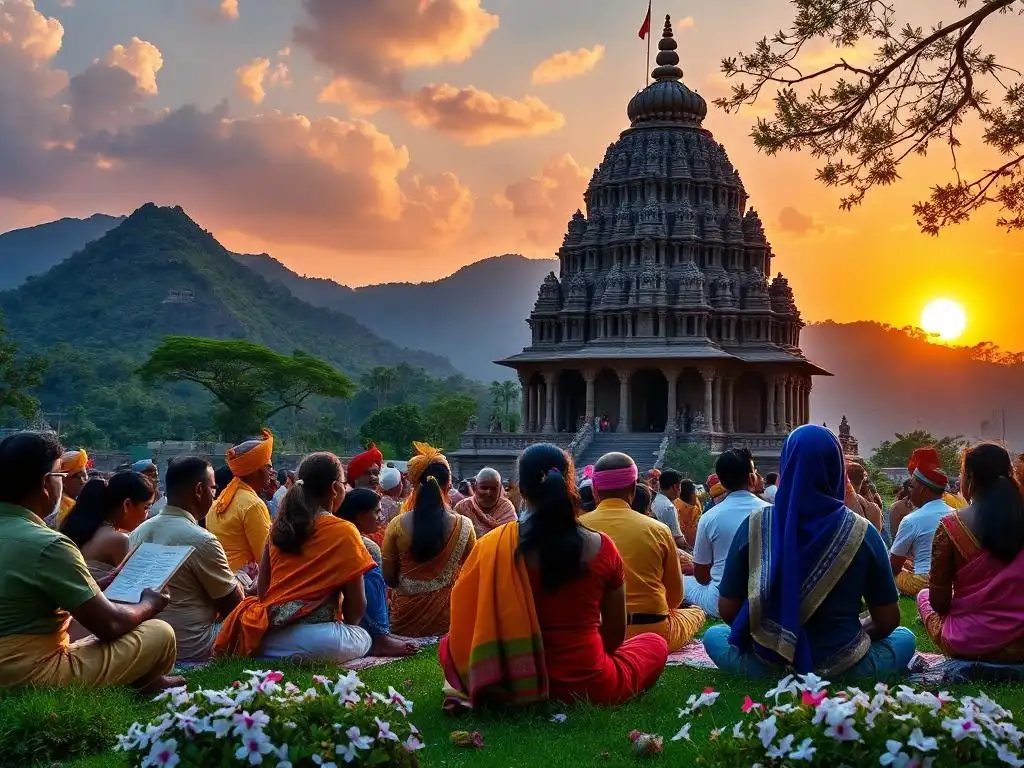
Welcome to Ancient India History, where we embark on a journey through the rich tapestry of ancient Indian civilizations. Here, we delve into the profound impact of Vedic literature on Hinduism, a topic that reveals the intricate connections between ancient texts and modern beliefs. Are you ready to uncover how these sacred writings have shaped spiritual practices and cultural values throughout the ages? Join us as we explore this fascinating legacy that continues to resonate today, inviting you to discover the depths of India's historical and religious heritage.
Introduction to Vedic Literature and Hinduism
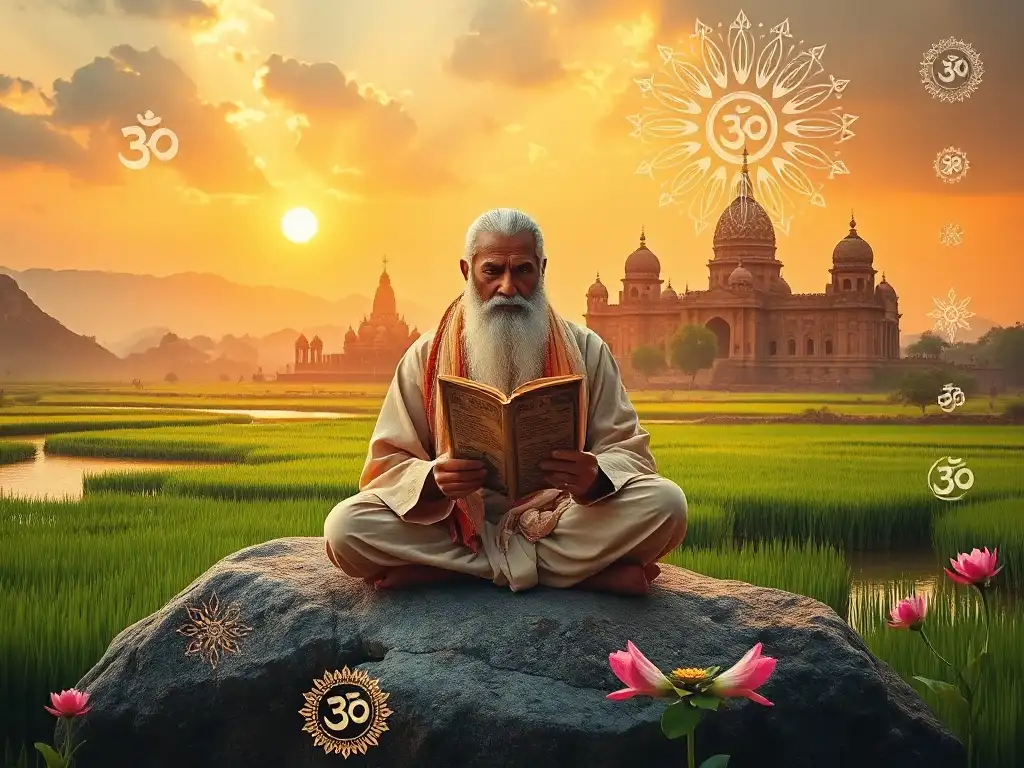
Vedic literature serves as the bedrock of Hindu philosophy, spirituality, and culture, offering profound insights into the beliefs, practices, and social frameworks that shape modern Hinduism. The Vedas, composed over 3,000 years ago, are not just ancient texts; they encapsulate a complex tapestry of hymns, rituals, and philosophical discourses that have influenced countless generations. This article delves into the impact of Vedic literature on Hinduism, exploring how these foundational texts continue to resonate within contemporary practices and beliefs.
Overview of Vedic Literature
The Vedic literature comprises four main texts: the Rigveda, Samaveda, Yajurveda, and Atharvaveda. These texts are primarily written in Sanskrit and are divided into two categories: mantras (hymns) and Brahmanas (ritualistic prose). Each Veda has its unique focus, with the Rigveda containing hymns dedicated to various deities, while the Samaveda emphasizes melodies for liturgical use. The Yajurveda presents the procedures for rituals, and the Atharvaveda encompasses a wide array of topics, including magic and medicine.
- Key Components of Vedic Literature:
- Mantras: Hymns and prayers directed towards deities.
- Brahmanas: Instructions and explanations for rituals.
- Aranyakas: Texts that bridge rituals and philosophical inquiry.
- Upanishads: Philosophical treatises that explore the nature of reality and the self.
Definition and Significance of Modern Hinduism
Modern Hinduism, a vibrant and diverse faith, encompasses a wide range of beliefs, practices, and sects. It has evolved significantly from its ancient roots, integrating various philosophical thoughts and cultural influences. Central to modern Hinduism is the concept of dharma (duty/righteousness), karma (action and its consequences), and the quest for moksha (liberation). Understanding the Vedic origins of these principles is essential for grasping the intricacies of Hindu thought today.
- Core Concepts of Modern Hinduism:
- Dharma: Ethical and moral duties based on one's role in society.
- Karma: The law of cause and effect, influencing future lives.
- Moksha: The ultimate goal of liberation from the cycle of birth and rebirth.
The Connection Between Vedic Literature and Hinduism
The connection between Vedic literature and modern Hinduism is profound. Many contemporary rituals, philosophical ideas, and ethical frameworks can be traced back to Vedic texts. For instance, the practice of yajna (sacrificial rituals) remains central to Hindu worship, echoing the ritualistic elements found in the Vedas. Furthermore, concepts like Brahman (the ultimate reality) and Atman (the individual soul) explored in the Upanishads continue to form the philosophical backbone of Hindu spirituality.
Historical Context of Vedic Literature
To appreciate the impact of Vedic literature on Hinduism, it is essential to explore its historical context. The origins of these texts, their evolution over centuries, and the key figures involved in their scholarship provide valuable insights into their enduring significance.
Origins of Vedic Texts
The origins of Vedic texts are shrouded in mystery, with scholars generally agreeing that they were composed between 1500 BCE and 500 BCE. Emerging during the Vedic period, this era was marked by the early Indo-Aryans' migration into the Indian subcontinent, leading to the establishment of a rich oral tradition. The texts were initially transmitted orally, emphasizing the importance of sound and pronunciation in preserving their sacred nature.
- Key Points on the Origins:
- Emergence during the Vedic period (1500 BCE - 500 BCE).
- Oral tradition as a primary mode of transmission.
- Integration of various cultural influences.
Evolution of Vedic Literature Over Centuries
As centuries progressed, Vedic literature underwent significant transformation. The transition from oral to written forms marked a pivotal shift, allowing for broader dissemination and interpretation. The emergence of philosophical schools, such as Vedanta, further illustrated the adaptability of Vedic thought, leading to diverse interpretations and practices within Hinduism.
- Stages of Evolution:
- Oral Transmission: Initial phase with a focus on memorization and recitation.
- Written Texts: Transition to written forms, facilitating wider access.
- Philosophical Development: Rise of various schools interpreting Vedic principles.
Key Historical Figures in Vedic Scholarship
Throughout history, numerous scholars and sages have contributed to the interpretation and understanding of Vedic literature. Figures such as Vyasa, who is credited with compiling the Vedas, and Adi Shankaracharya, known for his commentaries on the Upanishads, have played vital roles in shaping Vedic scholarship. Their works continue to influence modern interpretations of Hindu texts and practices.
- Notable Scholars:
- Vyasa: Compiler of the Vedas and author of the Mahabharata.
- Adi Shankaracharya: Philosopher who consolidated Advaita Vedanta.
- Rāmānuja: Influential theologian who contributed to the development of Vishishtadvaita.
The impact of Vedic literature on Hinduism is both profound and complex, intertwining ancient wisdom with contemporary beliefs and practices. This exploration serves to illuminate the enduring legacy of the Vedas and their foundational role in shaping the spiritual landscape of modern Hinduism.
Major Components of Vedic Literature
Vedic literature forms the foundational corpus of Hindu philosophy and spirituality. It encompasses a variety of texts that have shaped the religious and cultural landscape of ancient India. The major components of Vedic literature include the four Vedas, the Upanishads, and the Brahmanas and Aranyakas. Each of these texts contributes uniquely to the understanding of Hindu beliefs, rituals, and philosophical thoughts, establishing a framework that influences modern Hinduism profoundly.
The Four Vedas: Rigveda, Samaveda, Yajurveda, and Atharvaveda
The Vedas are the oldest sacred texts of Hinduism, composed in ancient Sanskrit, and are divided into four main scriptures:
- Rigveda: The oldest of the Vedas, consisting of hymns dedicated to various deities. It emphasizes the importance of rituals and the relationship between humans and the divine.
- Samaveda: Primarily focused on melodies and chants, the Samaveda serves as a liturgical text, guiding the performance of rituals through its musical notation.
- Yajurveda: This Veda provides instructions on the performance of rituals, detailing the offerings and the procedures to be followed during sacrifices, thus acting as a manual for priests.
- Atharvaveda: Unlike the other Vedas, the Atharvaveda contains hymns and spells for everyday life, addressing health, prosperity, and social issues, thereby reflecting a more practical aspect of spirituality.
These Vedas collectively lay the groundwork for Hindu worship, philosophy, and societal norms, which continue to influence the practices and beliefs of modern Hinduism.
Upanishads: Philosophical Insights and Spiritual Teachings
The Upanishads, often regarded as the culmination of Vedic thought, delve into profound philosophical inquiries about the nature of reality, the self (Atman), and the ultimate reality (Brahman). They introduce concepts such as:
- Brahman: The universal spirit or ultimate reality that transcends the material world.
- Atman: The individual soul that is fundamentally connected to Brahman, emphasizing the idea of unity between the self and the cosmos.
- Moksha: The liberation from the cycle of birth and rebirth, which is achieved through self-realization and understanding of the oneness of Atman and Brahman.
The teachings of the Upanishads have significantly influenced various Hindu philosophies, promoting introspection and meditation as paths to spiritual enlightenment, making them a vital component of modern Hindu thought.
Brahmanas and Aranyakas: Rituals and Interpretations
The Brahmanas are prose texts that serve as commentaries on the rituals found in the Vedas, explaining their significance and the procedures involved. They provide guidance on how to conduct sacrifices and interpret the symbolism behind various rituals.
- Aranyakas, on the other hand, represent a transition from ritualistic practices to asceticism and philosophical reflection. They emphasize the importance of meditation and the search for deeper spiritual truths, paving the way for the contemplative aspects found in later Hindu philosophy.
Together, the Brahmanas and Aranyakas illustrate the evolution of Vedic thought, showcasing a shift from ritualistic practices towards a more introspective and philosophical approach, which is crucial in understanding the development of Hinduism.
The Impact of Vedic Literature on Hindu Philosophy
Vedic literature has shaped the philosophical landscape of Hinduism, influencing its core concepts and practices. The teachings within these texts have laid the foundation for ethical principles, metaphysical inquiries, and spiritual aspirations that continue to resonate in modern Hindu philosophy.
Concept of Dharma and Its Vedic Roots
The concept of Dharma, often translated as duty, righteousness, or moral law, is a central tenet in Hindu philosophy. Rooted deeply in Vedic literature, especially within the context of the Brahmanas and Upanishads, Dharma encompasses the ethical and moral responsibilities of individuals based on their role in society and their stage of life (ashrama). It emphasizes the importance of harmony in personal conduct and societal order, shaping the moral framework that guides modern Hindu practices.
The Role of Karma and Rebirth in Vedic Teachings
The principles of Karma (action) and Rebirth (Samsara) are integral to Vedic teachings, establishing a moral cause-and-effect relationship that governs the cycle of life. The Rigveda and Upanishads introduce these concepts, suggesting that one's actions in this life directly affect their future reincarnations. This understanding of Karma encourages ethical living and accountability, influencing modern Hindu views on justice, morality, and the afterlife.
Influence on Major Hindu Philosophical Schools
Vedic literature has significantly influenced the development of various Hindu philosophical schools, including:
- Vedanta: Focuses on the teachings of the Upanishads concerning the nature of Brahman and Atman, emphasizing non-dualism.
- Samkhya: Analyzes the relationship between consciousness and matter, drawing from the dualistic aspects present in Vedic thought.
- Yoga: Incorporates Vedic meditation practices and ethical precepts, promoting spiritual discipline as a means to achieve self-realization.
These schools derive their foundational principles from Vedic literature, demonstrating its enduring impact on the evolution of Hindu philosophy and ensuring its relevance in contemporary religious thought.
Vedic Literature’s Influence on Hindu Rituals and Practices
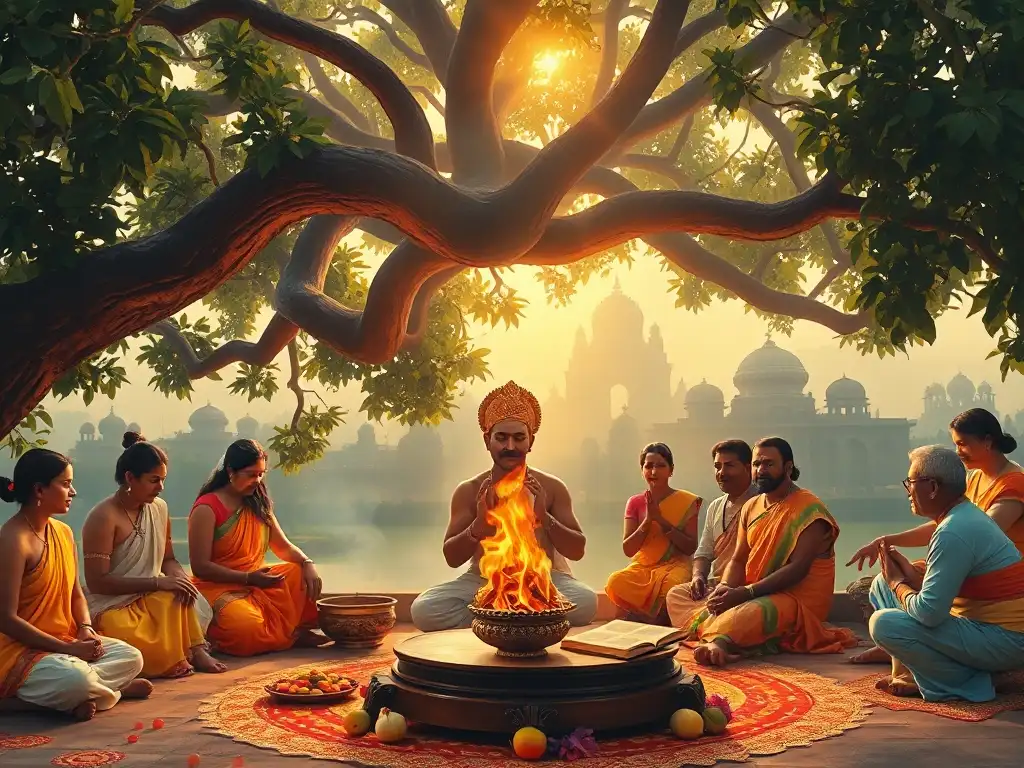
Vedic literature, comprising the Vedas, Brahmanas, and Upanishads, has played a foundational role in shaping Hindu rituals and practices that persist today. The intricate rituals outlined in these texts not only establish a spiritual connection but also serve to reinforce community and cultural identity. Modern Hinduism, with its diverse practices, can trace many of its elements back to these ancient texts, illustrating a continuity of tradition that binds past and present.
The Vedic texts emphasize the importance of ritualistic worship, which is evident in various contemporary Hindu practices. Offerings to deities, recitations of sacred texts, and the performance of specific rites during significant life events are all influenced by Vedic prescriptions. These rituals are not merely ceremonies; they embody profound spiritual significance, aiming to invoke divine blessings and maintain cosmic order.
Vedic Rituals: Sacrifices and Ceremonies in Modern Hinduism
Sacrifices, or yajnas, are central to Vedic rituals and continue to find expression in modern Hindu ceremonies. The act of offering oblations into the sacred fire, as prescribed in the Vedas, is performed during various rites of passage, including weddings and naming ceremonies. These rituals are seen as a means to honor the divine and seek the favor of the gods.
In contemporary practices, while the elaborate yajnas of the Vedic era may have simplified, the core essence remains intact. For instance, the Homa, a fire ritual, is commonly performed in many households, symbolizing purification and the presence of divinity. The adaptations of these rituals reflect a blend of ancient traditions with modern sensibilities, showcasing how Vedic literature continues to influence the spiritual landscape of Hinduism.
The Significance of Mantras in Contemporary Worship
Mantras, or sacred sounds, hold a vital place in Vedic literature and are integral to modern Hindu worship. Derived from the Vedas, these rhythmic chants are believed to possess spiritual potency. Reciting mantras is thought to invoke divine energies and facilitate a deeper connection with the divine.
In contemporary worship, mantras are utilized during rituals, meditation, and personal prayers. Popular mantras, such as the Gayatri Mantra, are recited to seek enlightenment and protection. The practice of chanting not only enhances concentration but also fosters a sense of community during collective worship, as congregants unite in shared devotion. Thus, the significance of mantras transcends time, continuing to be a powerful tool for spiritual expression and connection in modern Hinduism.
Festivals and Their Vedic Origins
Many Hindu festivals have their roots in Vedic literature, reflecting the seasonal cycles and agricultural practices of ancient India. Festivals such as Makar Sankranti and Pongal celebrate the solar cycle and the harvest, echoing the agrarian context of Vedic society. The rituals performed during these festivals often include elements of Vedic rites, such as offerings to deities and the recitation of mantras.
Moreover, festivals serve as a reminder of the cosmic principles outlined in the Vedas, reinforcing the connection between the divine and the natural world. They provide opportunities for communal gatherings and the reinforcement of cultural identity, illustrating how Vedic origins continue to shape the vibrant tapestry of modern Hindu celebrations.
Vedic Literature in Modern Hindu Texts
The impact of Vedic literature extends into modern Hindu texts, where its principles and themes are woven into various philosophical and spiritual frameworks. The synthesis of Vedic thought with later texts reflects an ongoing dialogue within Hinduism, fostering a rich literary tradition that continues to evolve.
Adaptations of Vedic Principles in the Bhagavad Gita
The Bhagavad Gita, a cornerstone of Hindu philosophy, incorporates numerous Vedic concepts, adapting them to address the moral and existential dilemmas faced by individuals. Central themes such as dharma (duty), karma (action), and moksha (liberation) are deeply rooted in Vedic literature, demonstrating its enduring relevance.
In the Gita, the dialogue between Krishna and Arjuna serves as a platform for exploring the complexities of life, morality, and spirituality. The Gita's teachings encourage adherence to Vedic principles while allowing for personal interpretation and application, showcasing how ancient wisdom can guide contemporary ethical dilemmas.
The Influence of Vedic Thought on Puranic Literature
Puranic literature, which emerged as a significant body of Hindu texts, is heavily influenced by Vedic thought. The Puranas, with their narratives of gods, goddesses, and cosmic cycles, often draw upon Vedic cosmology and theology. These texts serve to popularize and elaborate on Vedic principles, making them accessible to a broader audience.
The intertwining of Vedic themes within Puranic stories illustrates a continuity of thought that enriches Hindu mythology and spiritual practice. The narratives not only preserve Vedic ideas but also adapt them to the needs and understandings of later generations, ensuring their relevance and resonance within the evolving landscape of Hindu belief.
Contemporary Writings Inspired by Vedic Literature
Modern writings, including philosophical treatises and spiritual guides, often draw inspiration from Vedic literature. Authors and scholars explore the depths of Vedic thought, interpreting its teachings for contemporary audiences. This resurgence of interest reflects a desire to reconnect with the spiritual heritage of Hinduism.
Contemporary works may address themes such as spirituality, ethics, and the environment, showcasing how Vedic principles can inform modern life. These writings serve as a bridge between ancient wisdom and contemporary challenges, demonstrating the timeless nature of Vedic literature and its impact on modern Hinduism.
The Role of Vedic Literature in Shaping Hindu Identity
Vedic literature, composed of the four Vedas—Rigveda, Samaveda, Yajurveda, and Atharvaveda—serves as a foundational text in the development of Hindu identity. These texts encapsulate the spiritual, ritualistic, and philosophical underpinnings of Hinduism, providing a framework that has influenced various aspects of life in India. The Vedas establish the notion of dharma (duty/righteousness), which is central to the Hindu way of life. This concept shapes individual responsibilities within families and communities, thereby fostering a collective identity rooted in shared beliefs and practices.
Furthermore, the rituals and practices outlined in the Vedic texts have been pivotal in defining religious observances. From daily prayers (sandhyavandanam) to significant life events (samskaras), Vedic literature provides a blueprint that individuals and families follow, reinforcing a sense of belonging and continuity with the past. The reverence for Vedic knowledge also extends to various sects within Hinduism, where interpretations may vary, yet the core principles remain deeply respected and followed.
Vedic Literature's Influence on Cultural Practices
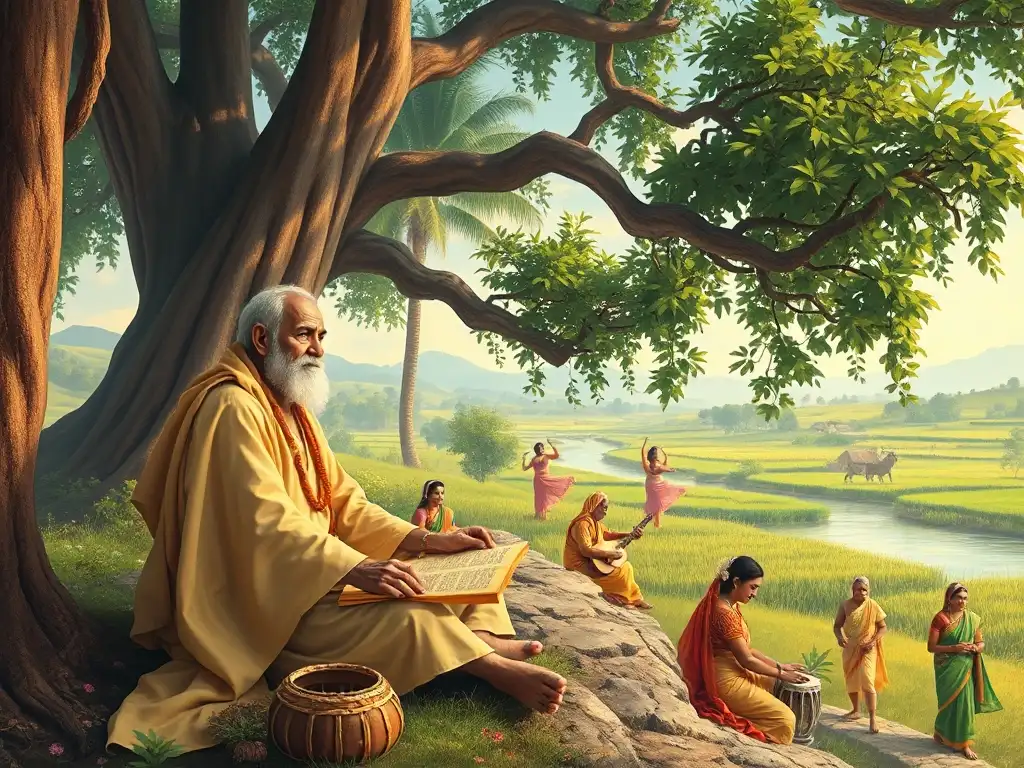
The rich tapestry of cultural practices in modern Hindu society owes much to the teachings found within Vedic literature. Festivals, rituals, and ceremonies often trace their origins back to Vedic prescriptions. For instance, the celebration of major festivals such as Diwali and Makar Sankranti incorporates Vedic rituals and mantras, reflecting the ancient roots of these celebrations.
Moreover, the arts, including music, dance, and drama, are heavily influenced by Vedic concepts. The tradition of classical music, for example, draws from the Samaveda, which emphasizes the importance of sound and rhythm in worship. Similarly, dance forms like Bharatanatyam and Kathak often incorporate themes and stories derived from Vedic texts, illustrating the ongoing relevance of these ancient scriptures in contemporary cultural expressions.
The Preservation of Vedic Traditions in Modern Society
Despite the passage of time and the evolution of society, many Vedic traditions have been preserved through oral transmission and community practices. Gurukula systems, where students live with their teachers, have historically been a method of passing down Vedic knowledge. In modern times, these systems have adapted to contemporary educational frameworks, yet the essence of Vedic teachings continues to be imparted.
Additionally, various organizations and movements, such as the Arya Samaj and the International Society for Krishna Consciousness (ISKCON), actively promote Vedic teachings and practices. They play a crucial role in revitalizing interest in Vedic literature, facilitating workshops, and conducting discourses that highlight its significance in daily life. This ongoing commitment to preservation ensures that Vedic traditions remain relevant and accessible to new generations.
Vedic Literature as a Source of National Identity
In the broader context of Indian identity, Vedic literature has emerged as a symbol of cultural heritage. The texts are often cited as proof of India's ancient civilization and its contributions to philosophy, ethics, and spirituality. During the Indian independence movement, leaders like Swami Vivekananda and Mahatma Gandhi invoked Vedic principles to inspire a sense of pride and unity among Indians, reinforcing the idea that these texts are not just religious scriptures, but also a part of the national cultural identity.
Furthermore, the emphasis on Vedic teachings in educational curricula, particularly in institutions focused on Hindu studies, has helped forge a deeper connection between contemporary Indian society and its ancient roots. This connection fosters a sense of belonging and continuity, as individuals can trace their cultural and spiritual lineage back to the Vedic period.
Challenges and Critiques of Vedic Literature’s Influence
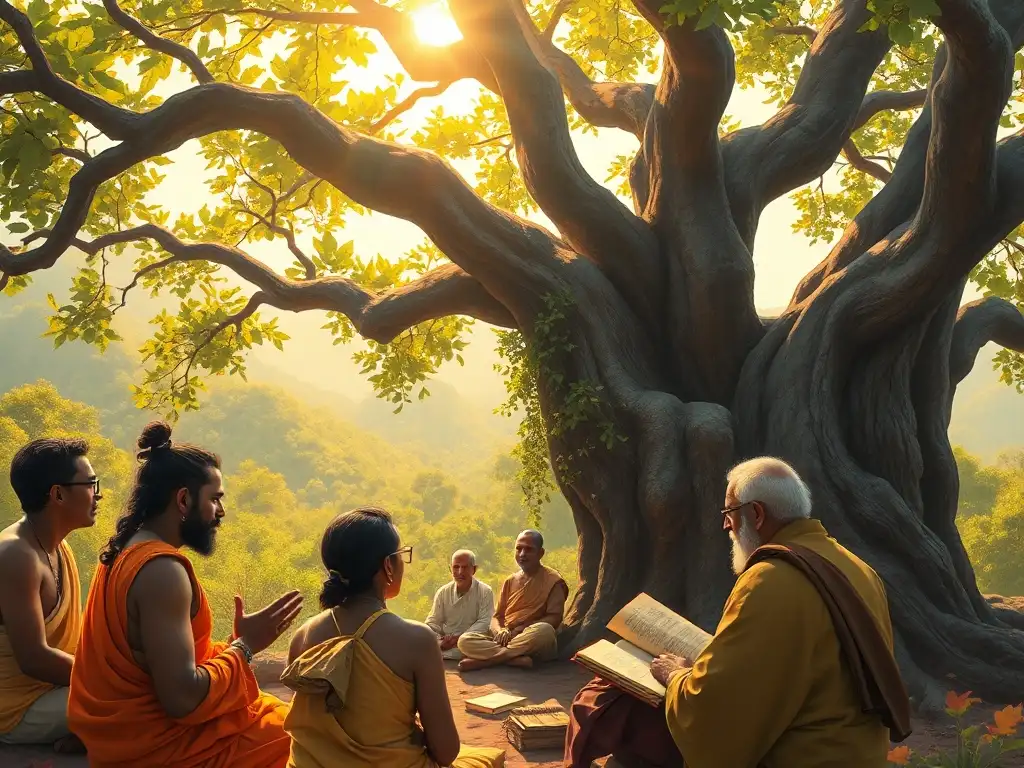
While Vedic literature has significantly shaped modern Hinduism, it is not without its challenges and critiques. Scholars and practitioners alike have raised concerns about the relevance and interpretation of these ancient texts in today’s rapidly changing society. The duality of tradition and modernity often leads to conflicts within the interpretation of Vedic teachings, prompting discussions on how to reconcile ancient wisdom with contemporary values.
Misinterpretations and Misapplications in Modern Times
One of the major challenges is the misinterpretation of Vedic scriptures, often leading to dogmatic practices that may not align with the original intent of the texts. For example, certain caste-based practices have been justified using selective interpretations of Vedic verses, despite the texts emphasizing equality and duty over social hierarchy. Such misapplications can create divisions within the community and detract from the inclusive spirit that Vedic literature intends to promote.
Moreover, the commercialization of Vedic rituals in some contexts has sparked debates about authenticity. Rituals that are performed for monetary gain rather than spiritual significance can undermine the true essence of Vedic practices, leading to a disconnect between the teachings and their implementation.
The Debate on Traditionalism vs. Modernity in Hinduism
The tension between traditionalism and modernity presents another significant challenge. As Hindu society evolves, there is a growing discourse around how to adapt Vedic teachings to modern ethical standards and lifestyles. For instance, discussions around gender roles, environmental concerns, and social justice are increasingly prompting reinterpretations of Vedic texts to ensure they resonate with contemporary values.
Some traditionalists argue that adhering strictly to Vedic prescriptions is essential for maintaining the sanctity of Hindu practices. Conversely, more progressive voices advocate for a reinterpretation of the texts in light of modern understandings, emphasizing the need for inclusivity and adaptability in Hindu practices.
Addressing the Critiques of Vedic Literature’s Relevance
In light of these critiques, it is essential for scholars and practitioners to engage in open dialogues about the relevance of Vedic literature today. This involves critically examining the texts while honoring their historical significance. Educational initiatives that promote a nuanced understanding of Vedic literature can help dispel misconceptions and encourage respectful interpretations.
Additionally, integrating Vedic teachings with contemporary issues—such as sustainability and gender equality—can demonstrate their enduring relevance. By framing Vedic literature as a living tradition that can adapt to modern challenges while retaining its core values, Hindu society can continue to draw inspiration from these ancient texts and apply them to current realities.
Conclusion
The influence of Vedic literature on modern Hinduism is profound and multifaceted, shaping spiritual practices, philosophical thought, and cultural traditions. As the foundational texts of Hinduism, the Vedas and their subsequent interpretations provide a framework that informs contemporary beliefs and rituals. The intricate relationship between the ancient scriptures and modern practices illustrates the dynamic nature of Hinduism, allowing it to adapt and evolve while maintaining a connection to its roots.
Summary of Vedic Literature’s Impact on Hinduism
Vedic literature serves as the cornerstone of Hindu philosophy, ethics, and rituals. The core teachings found within the Vedas—such as the concepts of Dharma (righteousness), Karma (action and consequence), and Moksha (liberation)—continue to influence the moral and spiritual landscape of Hindu society today. The Upanishads, which explore the nature of reality and the self, have also played a critical role in shaping modern Hindu thought, emphasizing personal experience and introspection over mere ritualistic observance. This blending of ancient wisdom with contemporary understanding fosters a unique approach to spirituality that remains relevant to millions.
The Future of Vedic Literature in Contemporary Hindu Practice
As Hinduism continues to adapt in the face of globalization and modern challenges, the Vedic texts are likely to maintain their significance. Contemporary practitioners are increasingly turning back to these ancient scriptures to seek guidance on ethical living and spiritual growth. The use of technology—such as online platforms for discussion and virtual study groups—has revitalized interest in Vedic literature, especially among younger generations. This accessibility can facilitate a deeper understanding of the texts and their teachings, ensuring that they remain a vital part of Hindu identity in the future.
Final Thoughts on the Enduring Legacy of Vedic Texts
The legacy of Vedic literature is not merely historical; it is alive and continually evolving within the fabric of modern Hinduism. The texts provide a bridge between the past and the present, offering insights that resonate with contemporary life. As practitioners reinterpret and recontextualize these teachings, the Vedic texts will likely continue to inspire and inform the spiritual journeys of individuals, affirming their place in the ongoing narrative of Hinduism.
References
Key Texts and Resources for Further Reading on Vedic Literature and Hinduism
- The Rig Veda: One of the oldest known scriptures, essential for understanding early Vedic thought.
- The Upanishads: A collection of philosophical texts that delve into the meaning of existence and the self.
- The Bhagavad Gita: Often considered a spiritual and philosophical guide, deeply influenced by Vedic concepts.
Suggested Academic Works on the Influence of Vedic Literature
- "Vedic Literature and its Impact on Contemporary Hinduism" by Dr. Anil Kumar: A comprehensive study exploring the connections between Vedic texts and modern practices.
- "The Philosophy of the Vedas" by Prof. Meera Sharma: An analysis of the philosophical underpinnings of Vedic literature and their relevance today.
- "Hinduism: A Very Short Introduction": by Kim Knott: A concise overview of Hinduism that highlights the significance of Vedic teachings.
- Introduction to Vedic Literature and Hinduism
- Historical Context of Vedic Literature
- Major Components of Vedic Literature
- The Impact of Vedic Literature on Hindu Philosophy
- Vedic Literature’s Influence on Hindu Rituals and Practices
- Vedic Literature in Modern Hindu Texts
- The Role of Vedic Literature in Shaping Hindu Identity
- Vedic Literature's Influence on Cultural Practices
- The Preservation of Vedic Traditions in Modern Society
- Vedic Literature as a Source of National Identity
- Challenges and Critiques of Vedic Literature’s Influence
- Conclusion
- References
Frequently Asked Questions
What is Vedic literature?
Vedic literature refers to the sacred texts of ancient India, primarily composed in Sanskrit, which include the Vedas, Upanishads, and Brahmanas. These texts are foundational to Hindu thought and spirituality.
How did Vedic literature influence Hinduism?
Vedic literature laid the groundwork for many core beliefs and practices in Hinduism, including rituals, philosophical concepts, and the caste system. Its teachings continue to shape modern Hindu traditions.
What are the main texts within Vedic literature?
The principal texts of Vedic literature are the Rigveda, Samaveda, Yajurveda, and Atharvaveda, alongside the Upanishads which delve into philosophical ideas and spiritual knowledge.
How does Vedic literature relate to contemporary Hindu practices?
Many rituals and ceremonies in modern Hinduism, such as sacrifices and chanting, can be traced back to guidelines established in Vedic literature, demonstrating its lasting impact on the faith.
What role do the Upanishads play in Vedic literature?
The Upanishads are considered the culmination of Vedic thought, focusing on meditation, ethics, and the nature of the self (Atman) and the universe (Brahman), thus influencing the philosophical aspects of Hinduism.
Final Reflection: The Enduring Legacy of Vedic Literature on Modern Hinduism
The profound impact of Vedic literature on modern Hinduism cannot be overstated; it serves as the bedrock of spiritual and philosophical thought that continues to shape the beliefs and practices of millions today. As we navigate an increasingly complex world, the timeless wisdom found in these ancient texts remains a guiding light, illuminating paths toward understanding, harmony, and personal growth.
Cultural and social landscapes are continually influenced by the teachings of Vedic literature, fostering a sense of identity and community among practitioners. The principles of dharma, karma, and moksha resonate deeply, encouraging individuals to reflect on their actions and their consequences. The Vedas are the foundation of all knowledge and wisdom, providing a lens through which we can understand our place in the universe.
This ongoing dialogue between ancient wisdom and contemporary life underscores the relevance of Vedic teachings in addressing modern challenges, from ethical dilemmas to existential questions.
As we conclude this exploration of Vedic literature's impact on Hinduism, I invite you to reflect on how these teachings can enrich your own life. Consider the values of compassion, self-awareness, and interconnectedness that emerge from these texts, and think about how you can embody them in your daily interactions. By embracing the lessons of the Vedas, we can contribute to a more harmonious society, fostering understanding and respect across diverse cultures and beliefs. Let the wisdom of the ancients inspire your journey toward a more meaningful existence.
Unveil the Wisdom of Vedic Literature!
Thank you for taking the time to explore the profound influence of Vedic literature on modern Hinduism. Your curiosity about this rich tradition is a step toward deeper understanding and connection with ancient wisdom. Now, let’s take the next step together!
Consider these actions to further your journey:
- Dive deeper into Vedic texts: Begin reading a translation of the Vedas or a commentary that resonates with you. This foundational literature can transform your understanding of spiritual practices.
- Join a local study group: Engaging with others who share your interest can enhance your insights and foster a sense of community.
- Share your newfound knowledge: Start a conversation with friends or write a brief post on social media about how Vedic principles inspire modern practices.
What aspect of Vedic literature do you find most intriguing, and how do you believe it shapes your understanding of spirituality today?