
The Role of Festivals in Buddhism: Celebrating the Teachings

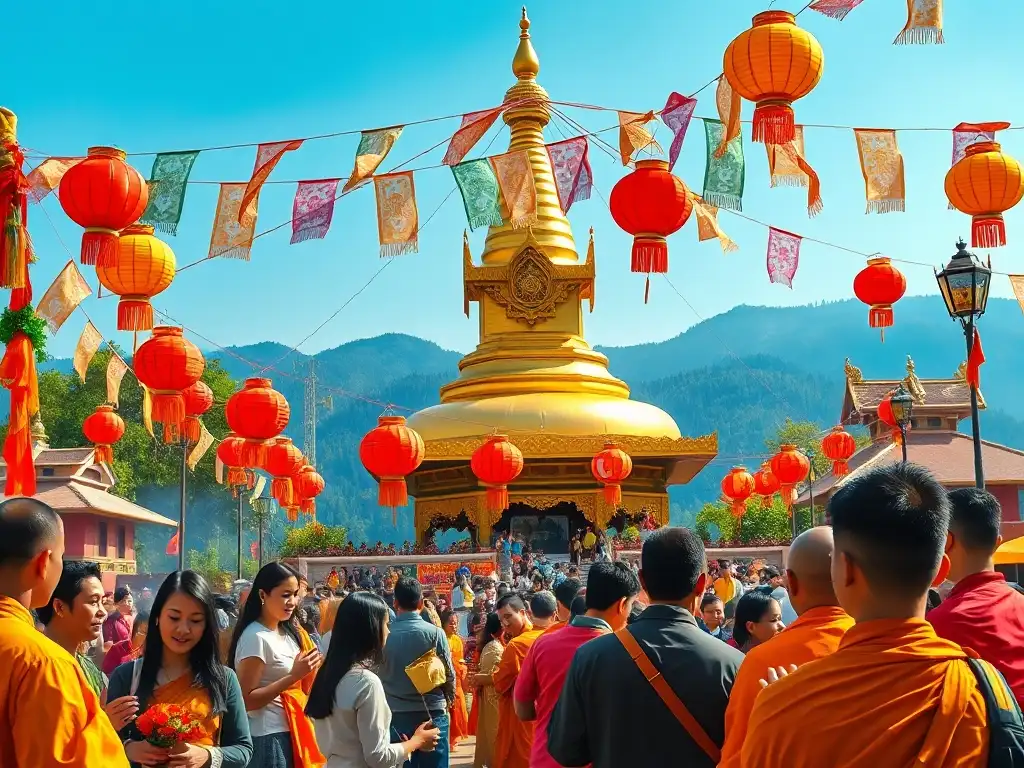
Welcome to Ancient India History, where we embark on a journey through the vibrant tapestry of ancient Indian civilizations. Here, we delve into the profound cultural significance of Buddhism festivals, unlocking the wisdom and traditions that have shaped this remarkable faith. From the joyous celebrations that honor the teachings of Buddha to the rich historical context that surrounds them, each festival offers a glimpse into the heart of a civilization that has influenced millions.
Join us as we explore these festivals, igniting your curiosity and inviting you to uncover the layers of meaning behind each celebration. Let's dive deeper into how these traditions continue to resonate today!
Introduction to Buddhism Festivals and Their Cultural Significance
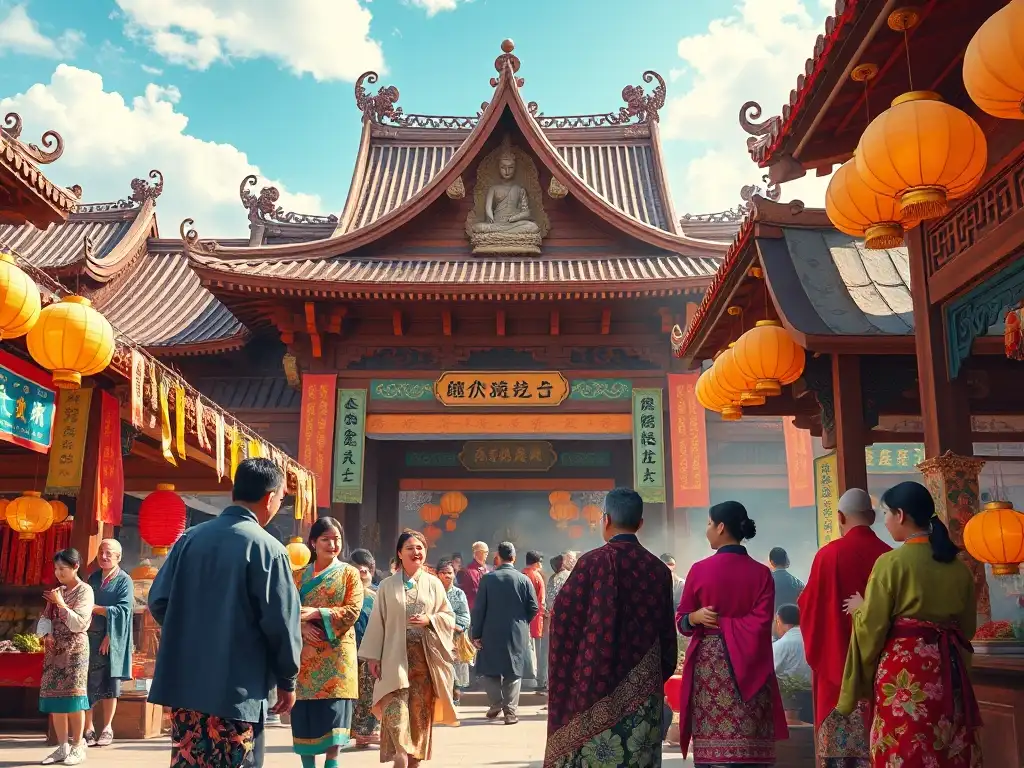
Festivals hold a pivotal role in the practice of Buddhism, serving as vibrant expressions of the religion's teachings and values. They provide a unique opportunity for communities to come together, reflect on the principles of compassion, mindfulness, and generosity, and celebrate the profound impact of the Buddha's life and teachings.
The cultural significance of these festivals extends beyond mere celebration; they are moments of deep reflection, learning, and communal bonding that reinforce the teachings of Buddhism. In this article, we will explore the various festivals observed within the Buddhist tradition, emphasizing their teachings and cultural importance, while understanding how they contribute to the spiritual growth of practitioners and the cohesive fabric of Buddhist communities.
Overview of Buddhism and Its Core Teachings
Buddhism, founded by Siddhartha Gautama—commonly known as the Buddha—around the 5th century BCE, is grounded in a set of core teachings known as the Four Noble Truths and the Eightfold Path.
- The Four Noble Truths:
- The truth of suffering (Dukkha)
- The truth of the cause of suffering (Samudaya)
- The truth of the end of suffering (Nirodha)
- The truth of the path leading to the end of suffering (Magga)
- The Eightfold Path:
- Right Understanding
- Right Intent
- Right Speech
- Right Action
- Right Livelihood
- Right Effort
- Right Mindfulness
- Right Concentration
These teachings encourage individuals to cultivate wisdom, ethical conduct, and mental discipline, leading to the ultimate goal of enlightenment (Nirvana). Festivals in Buddhism serve to reinforce these teachings, creating a space for practitioners to engage with them in a communal context.
Importance of Festivals in Buddhist Practice
Festivals in Buddhism are not only occasions for celebration but also serve as important educational platforms. They allow practitioners to:
- Reinforce Teachings: Festivals often center around significant events in the Buddha's life, serving as reminders of his teachings and the path to enlightenment.
- Foster Community: They strengthen communal bonds, encouraging collaboration and shared experiences among practitioners.
- Promote Generosity: Many festivals emphasize the importance of giving, whether through offerings to monks, donations to the needy, or community service.
- Encourage Reflection: They provide opportunities for mindfulness and reflection on one’s spiritual journey, allowing practitioners to assess their progress.
Through these multifaceted roles, festivals contribute significantly to the vibrancy and continuity of Buddhist practice across cultures.
Major Buddhist Festivals and Their Teachings
Vesak: Celebrating the Birth, Enlightenment, and Death of Buddha
Vesak, also known as Buddha Purnima, is one of the most important festivals in Buddhism, commemorating the three significant events in the life of the Buddha: his birth, enlightenment, and death. Celebrated on the full moon day in the month of May, Vesak is marked by various rituals and activities, including:
- Meditation and Reflection: Practitioners engage in meditation to reflect on the Buddha’s teachings.
- Acts of Kindness: People are encouraged to perform acts of kindness and generosity, reflecting the Buddha’s compassionate nature.
- Processions and Offerings: Many communities hold processions and make offerings at temples, symbolizing respect and reverence for the Buddha.
This festival serves as a powerful reminder of the Buddha's journey and the relevance of his teachings in the lives of practitioners.
Asalha Puja: Commemorating the First Sermon of Buddha
Asalha Puja, also known as Dharma Day, celebrates the Buddha's first sermon delivered at Deer Park in Sarnath. This event is significant as it introduced the core teachings of Buddhism to the world. The day is observed on the full moon in July and includes:
- Listening to Teachings: Monks and laypeople gather to listen to teachings and discussions on the Four Noble Truths and the Eightfold Path.
- Meditation and Chanting: Practitioners engage in meditation and chanting to deepen their understanding of the Dharma.
- Community Gatherings: It emphasizes the importance of community in practicing and sharing the teachings of Buddhism.
Asalha Puja serves as a reminder of the transformative power of the Buddha's teachings and the importance of sharing them within the community.
Magha Puja: The Significance of the Gathering of Disciples
Magha Puja, also known as Sangha Day, commemorates the gathering of 1,250 enlightened disciples who came to pay homage to the Buddha. This festival, celebrated on the full moon in February, emphasizes the importance of community and collective practice. Key elements include:
- Community Worship: Practitioners gather in temples to honor the Sangha (community of monks) and reflect on the significance of unity in practice.
- Rituals and Offerings: Offerings are made to the monks, reinforcing the relationship between the lay community and the monastic community.
- Mindfulness Practices: Many engage in mindfulness practices to cultivate awareness and deepen their commitment to the teachings.
Magha Puja highlights the significance of community in Buddhism and the collective journey toward enlightenment.
Kathina: The Importance of Generosity and Community
Kathina is a festival that follows the Vassa (rainy season) retreat, during which monks traditionally stay in one place to meditate and study. Celebrated in October or November, Kathina is a time for laypeople to offer robes and other essentials to monks. The festival includes:
- Offerings to Monks: Laypeople gather to present robes and necessities, emphasizing the practice of generosity (dana).
- Community Participation: It fosters a sense of community as individuals come together to support the monastic community.
- Ceremonial Activities: Various ceremonial activities, such as chanting and meditation, are conducted to honor the monks and the teachings of the Buddha.
Kathina serves as a powerful reminder of the interdependence between the monastic and lay communities, highlighting the values of generosity and communal support within Buddhism.
Regional Variations in Buddhist Festivals
Buddhism, as a multifaceted religion, showcases a rich tapestry of festivals that vary greatly across different regions. These festivals not only reflect the local culture and traditions but also serve as vital expressions of Buddhist teachings. Each region has tailored its celebrations to incorporate indigenous customs while preserving the core tenets of Buddhism. Understanding these regional variations offers insights into how festivals function within the broader context of Buddhist practice and community life.
South Asian Buddhist Festivals
In South Asia, particularly in countries like Sri Lanka, Myanmar, and Thailand, Buddhist festivals often revolve around key events in the life of the Buddha. One of the most significant is Vesak, celebrated on the full moon in May, commemorating the birth, enlightenment, and death of Siddhartha Gautama. This festival is marked by various rituals, including candle-lit processions, the offering of flowers, and the practice of meditation.
Another important festival in South Asia is Poson, observed in Sri Lanka, which celebrates the arrival of Buddhism in the country. The festivities include the re-enactment of the Buddha's teachings, religious processions, and the decoration of temples with lights and flowers. These festivals not only reinforce the teachings of Buddhism but also encourage community participation and a sense of belonging among practitioners.
East Asian Buddhist Festivals
East Asian countries, such as China, Japan, and Korea, have developed unique Buddhist festivals that often intertwine with local traditions and beliefs. One prominent festival is Buddha's Birthday, celebrated on the eighth day of the fourth lunar month in many East Asian cultures. This day is marked by various activities, including bathing the Buddha statue, offering food at temples, and participating in parades, emphasizing the reverence for the Buddha and the teachings he imparted.
In Japan, Obon is a significant festival that honors deceased ancestors, showcasing the intersection of Buddhism and Shinto practices. During Obon, families return to their ancestral homes to pay respects, participate in dances, and light lanterns to guide the spirits. This blending of traditions highlights the adaptability of Buddhism in East Asian contexts and its efforts to resonate with local customs.
Tibetan Buddhist Festivals
Tibetan Buddhism features a rich array of festivals that often reflect the region's unique spiritual practices and cultural identity. One of the most notable is Losar, the Tibetan New Year, which usually occurs in February or March. This festival lasts for several days and includes rituals, family gatherings, and traditional meals. Losar serves as a time for purification and renewal, aligning with Buddhist principles of transformation and rebirth.
Another important festival is the Monlam Prayer Festival, which celebrates the achievements of the great Tibetan scholar Tsongkhapa. During this time, practitioners engage in extensive prayers and rituals, fostering a sense of unity and devotion within the community. Tibetan festivals are deeply embedded in the spiritual life of practitioners, providing opportunities to reinforce their faith and collective identity.
The Cultural Significance of Festivals in Buddhism
Buddhist festivals play a crucial role in reinforcing cultural values, preserving traditions, and fostering a sense of community among practitioners. They serve as a means of expressing devotion, transmitting teachings, and reflecting on the core beliefs of Buddhism. The significance of these festivals extends beyond religious observance; they are vital cultural events that shape the identity of Buddhist communities worldwide.
Festivals as a Means of Preserving Buddhist Traditions
Festivals serve as essential vehicles for the transmission of Buddhist teachings and practices across generations. During these celebrations, communities engage in rituals that encapsulate the essence of Buddhist philosophy. For instance, storytelling, chanting, and meditative practices during festivals help keep the teachings alive and relevant.
Moreover, festivals often include educational components, such as lectures and discussions led by monks or scholars, allowing participants to deepen their understanding of Buddhist doctrines. This preservation of tradition not only strengthens the faith of individuals but also reinforces the community's cultural heritage.
The Role of Community and Social Cohesion in Buddhist Celebrations
Buddhist festivals are inherently communal events that foster social cohesion among practitioners. They provide an occasion for individuals and families to come together in a shared expression of faith, enhancing their sense of belonging within the community.
These gatherings often involve collaborative activities, such as preparing offerings, decorating temples, and organizing processions, which reinforce social bonds and promote teamwork. Furthermore, festivals encourage inclusivity, inviting people from diverse backgrounds to participate, thereby enriching the collective experience and understanding of Buddhism.
Festivals as Opportunities for Spiritual Reflection and Growth
Buddhist festivals offer practitioners a unique opportunity for spiritual reflection and personal growth. The communal atmosphere during these events encourages individuals to engage in mindfulness practices, such as meditation and prayer, allowing them to connect deeply with their faith.
Additionally, the festive environment often inspires individuals to contemplate the teachings of the Buddha and how they apply to their lives. This period of reflection can lead to insights and personal transformations, aligning with the ultimate goals of Buddhism—enlightenment and the alleviation of suffering. Through these moments of introspection, festivals become not just celebrations but also catalysts for spiritual development.
Rituals and Practices Associated with Buddhist Festivals
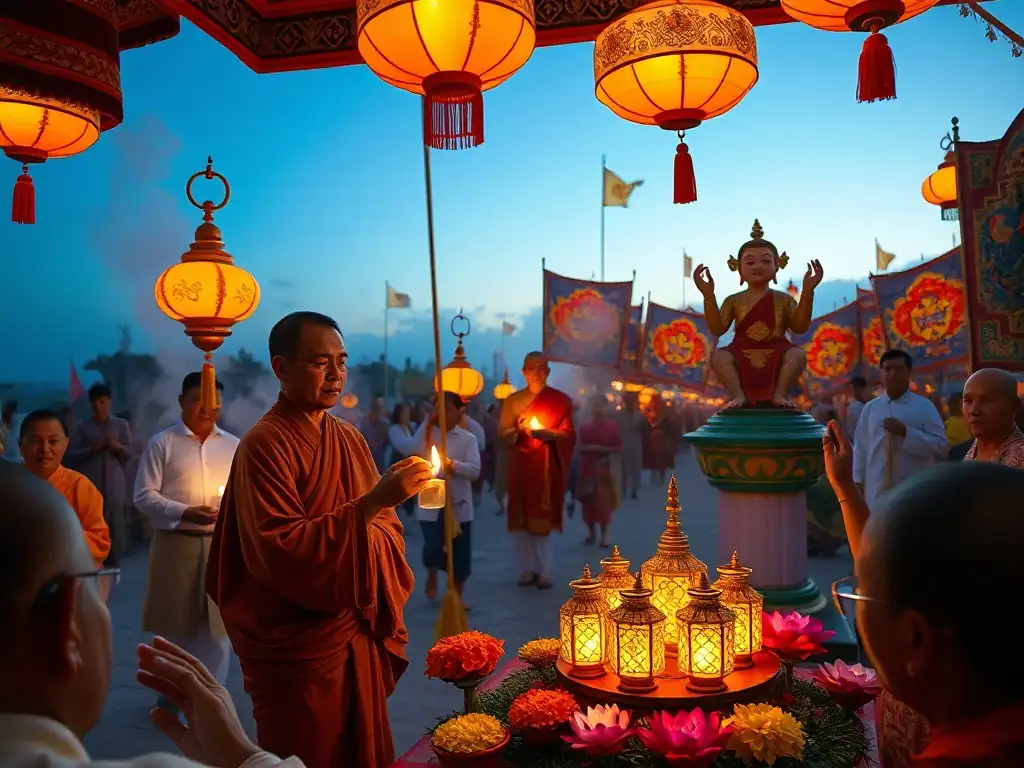
Buddhist festivals are rich in rituals and practices that reflect the teachings of the Buddha and the values of the community. These festivals often serve as a time for reflection, celebration, and communal bonding. Key rituals may include:
- Ceremonial Processions: Many festivals feature vibrant processions where monks and laypeople gather to honor the Buddha, often accompanied by offerings of flowers, candles, and incense.
- Meditation Retreats: During major festivals, meditation retreats are organized, allowing participants to deepen their understanding of the Dharma and cultivate mindfulness.
- Teachings and Discourses: Festivals frequently include teachings from revered monks or scholars, where they share insights related to the significance of the festival and its connection to Buddhist philosophy.
These rituals not only reinforce the community's shared beliefs but also provide a platform for individuals to engage in spiritual practices that enhance their connection to Buddhism.
Prayer and Meditation Practices During Festivals
Prayer and meditation are central components of Buddhist festivals, serving to align the participants' intentions with the teachings of the Buddha.
- Group Meditation: Many festivals feature group meditation sessions, which foster a sense of unity among practitioners. This collective experience is believed to amplify the meditative focus and deepen spiritual insights.
- Mindfulness Practices: Participants are encouraged to engage in mindfulness throughout the festivities, allowing them to remain present and aware of their thoughts and actions, thus embodying the principles of Buddhism.
- Prayer Rituals: Specific prayers are recited during festivals, often invoking blessings for peace, compassion, and enlightenment. These prayers may vary by tradition, but they all emphasize the core values of Buddhism.
These practices not only enhance personal spiritual growth but also strengthen the communal bonds among practitioners, reinforcing a shared commitment to Buddhist teachings.
Offerings and Almsgiving in Buddhist Celebrations
Offerings and almsgiving play a significant role in Buddhist festivals, embodying the practice of generosity, which is a vital aspect of Buddhist teachings.
- Almsgiving Ceremonies: Festivals often include ceremonies where laypeople offer alms to monks and nuns. This act is seen as a way to support the monastic community and gain merit, which is believed to contribute to one's spiritual journey.
- Symbolic Offerings: Participants commonly present symbolic offerings such as fruits, flowers, and incense at altars. These offerings express gratitude and reverence towards the Buddha and signify the participants' commitment to following the path of Dharma.
- Community Contributions: In many cultures, festivals are also a time for community members to come together and contribute to charitable causes, reinforcing the importance of social responsibility and compassion.
Through these acts of giving, individuals cultivate generosity and reinforce the interconnectedness of the community.
The Significance of Chanting and Rituals in Festivals
Chanting is a prominent aspect of Buddhist festivals, serving both a spiritual and communal purpose.
- Recitation of Sutras: During festivals, it is common for practitioners to chant selected sutras or teachings of the Buddha. This recitation aids in memorizing important texts and deepening the understanding of Buddhist philosophy.
- Puja Ceremonies: Rituals known as puja, which involve chanting mantras and offering prayers, are integral to many festivals. These ceremonies create a sacred atmosphere, inviting participants to reflect on the teachings and seek spiritual blessings.
- Cultural Transmission: Chanting rituals also play a vital role in the transmission of culture and teachings from one generation to the next. They help maintain the continuity of Buddhist traditions, ensuring that the essence of Buddhism is preserved.
Through chanting and rituals, festivals become a powerful medium for reinforcing Buddhist values and connecting individuals to their spiritual heritage.
The Impact of Buddhist Festivals on Local Cultures
Buddhist festivals significantly influence local cultures, fostering a sense of identity and community among practitioners. They often serve as a bridge between spiritual practices and cultural expressions, creating a rich tapestry of traditions.
Festivals as Cultural Interactions and Exchanges
Buddhist festivals often act as platforms for cultural interactions, allowing diverse communities to share and exchange traditions.
- Cultural Fusion: In regions where Buddhism coexists with other religions, festivals can lead to a fusion of practices, resulting in unique celebrations that reflect local customs while honoring Buddhist principles.
- Tourism and Pilgrimage: Major festivals attract visitors from around the world, fostering intercultural dialogue and understanding. These gatherings promote tourism and economic activity, showcasing local arts, crafts, and cuisines.
- Artistic Expressions: Festivals inspire various forms of artistic expression, including music, dance, and visual arts, which often depict Buddhist themes or narratives. This artistic engagement enriches the cultural landscape and encourages creativity.
Through these interactions, festivals contribute to a vibrant cultural exchange that enhances the appreciation of both Buddhist and local traditions.
The Role of Festivals in Promoting Buddhist Values in Society
Buddhist festivals serve as vital opportunities for promoting core Buddhist values within society.
- Compassion and Generosity: Festivals emphasize values such as compassion and generosity, encouraging practitioners to engage in charitable acts and community service. This outreach reinforces the importance of social responsibility.
- Moral and Ethical Teachings: By highlighting the teachings of the Buddha during festivals, communities can reflect on ethical conduct and personal growth. These teachings inspire individuals to apply Buddhist principles in their daily lives.
- Community Cohesion: Festivals unite diverse members of the community, fostering a sense of belonging and shared identity. This collective participation strengthens social ties and promotes a harmonious society.
Through these influences, Buddhist festivals play a crucial role in embedding Buddhist values into the fabric of local cultures, creating a more compassionate and interconnected world.
Conclusion: The Enduring Legacy of Buddhism Festivals
The festivals in Buddhism serve as a vital conduit for the transmission and celebration of Buddhist teachings, values, and community spirit. From the vibrant celebrations of Vesak, which honors the birth, enlightenment, and death of the Buddha, to the more localized festivals that reflect regional customs, each event encapsulates the rich tapestry of Buddhist thought and practice. These festivals are not merely occasions for celebration; they are profound expressions of faith that reinforce the teachings of compassion, mindfulness, and impermanence.
Through the lens of these celebrations, one can observe how Buddhism has adapted and thrived across different cultures and epochs. The rituals, decorations, and communal activities associated with these festivals foster a sense of belonging and collective identity among practitioners. The enduring legacy of Buddhism festivals lies in their ability to unite individuals across diverse backgrounds, encouraging a shared commitment to the core tenets of Buddhism.
As we reflect on the historical context and cultural significance of these festivals, it becomes evident that they are essential to the preservation and dissemination of Buddhist teachings. They serve as a bridge between past traditions and contemporary practices, ensuring that the wisdom of Buddhism continues to resonate in the hearts of practitioners worldwide.
Summary of the Cultural Significance of Festivals in Buddhism
Buddhism festivals are deeply embedded in the cultural fabric of Buddhist communities, illustrating the interplay between faith and social customs. These events encapsulate a variety of cultural significances, including:
- Reinforcement of Teachings: Festivals provide opportunities to reflect on and teach the fundamental principles of Buddhism, such as the Four Noble Truths and the Eightfold Path. They often include sermons, discussions, and activities that emphasize these teachings.
- Community Bonding: Festivals foster communal bonds, bringing together practitioners to share in collective rituals, offerings, and celebrations. This communal aspect strengthens social ties and enhances the sense of belonging among members of the Buddhist community.
- Cultural Exchange: As Buddhism spread across various regions, local customs and traditions were integrated into the celebrations. This cultural exchange enriches the festivals, making them unique to each locale while still rooted in Buddhist principles.
- Expressions of Devotion: The rituals and practices associated with festivals are expressions of devotion, allowing practitioners to demonstrate their faith through acts of generosity, service, and mindfulness.
In essence, the cultural significance of festivals in Buddhism transcends mere celebration; they are vital to the practice, understanding, and evolution of Buddhist thought and community life.
Future Perspectives on Buddhism Festivals in Modern Society
As we move forward into a rapidly changing world, the future of Buddhism festivals holds intriguing possibilities. Several trends are shaping how these festivals may evolve in modern society:
- Globalization and Adaptation: The increasing interconnectedness of the world allows for the cross-pollination of ideas and practices. As Buddhists from different cultures come together, festivals may evolve to incorporate a blend of traditional elements and contemporary practices, making them more accessible to a broader audience.
- Environmental Awareness: Amid growing concerns about environmental sustainability, future festivals may emphasize eco-conscious practices. This could include using sustainable materials for decorations or promoting mindfulness about consumption, aligning with Buddhist principles of respect for all living beings.
- Digital Engagement: The rise of technology offers opportunities for virtual celebrations, allowing individuals who may not be able to attend in person to engage with festivals. This digital format can broaden participation and create a more inclusive environment for diverse practitioners.
- Interfaith Dialogues: As societies become more pluralistic, Buddhism festivals may increasingly serve as platforms for interfaith dialogue and cooperation. Shared celebrations can promote understanding and respect among different religious traditions, fostering a sense of unity in diversity.
The future of Buddhism festivals is likely to reflect a dynamic interplay between tradition and innovation, ensuring that these celebrations continue to resonate with practitioners while adapting to the needs of a modern, global society.
- Introduction to Buddhism Festivals and Their Cultural Significance
- Major Buddhist Festivals and Their Teachings
- Regional Variations in Buddhist Festivals
- The Cultural Significance of Festivals in Buddhism
- Rituals and Practices Associated with Buddhist Festivals
- The Impact of Buddhist Festivals on Local Cultures
- Conclusion: The Enduring Legacy of Buddhism Festivals
Frequently Asked Questions
What are the main Buddhism festivals celebrated in ancient India?
Buddhism festivals include Vesak, which commemorates the birth, enlightenment, and death of Buddha, and Kathina, which is a time for giving and community bonding.
How do Buddhism festivals reflect cultural significance?
These festivals embody the teachings of Buddha, emphasizing values such as compassion, generosity, and mindfulness, which are integral to Buddhist practice and community life.
What is the historical importance of Buddhism festivals?
Buddhism festivals have historically fostered community bonds and provided a platform for the dissemination of Buddhist teachings, helping to maintain cultural identity across generations.
How are Buddhism festivals celebrated today in India?
Today, festivals like Vesak are celebrated with rituals, meditation, and community gatherings, promoting both spiritual and social aspects of Buddhist life.
What role do Buddhism festivals play in education?
Festivals serve as an opportunity for teaching younger generations about Buddhist philosophy and practices, reinforcing the importance of tradition and community in Buddhism.
Final Reflection: Celebrating the Essence of Buddhism Through Festivals
The exploration of Buddhism festivals reveals their profound significance in contemporary society, as they serve not only as moments of joy and community but also as vital expressions of the teachings that guide millions. In a world increasingly marked by division and uncertainty, these festivals stand as beacons of hope and unity, reminding us of the values of compassion, mindfulness, and interconnectedness that are central to Buddhist practice. They are not merely events on a calendar; they are vibrant celebrations that encapsulate the essence of a rich spiritual heritage.
The cultural and social landscape continues to be shaped by these festivals, offering a space for reflection and connection among practitioners and those curious about Buddhism. Each festival is a tapestry woven with threads of tradition, community, and spirituality, inviting individuals to engage with the teachings of the Buddha in a meaningful way.
As the Dalai Lama once said, "> The purpose of our lives is to be happy." This pursuit of happiness is often celebrated during these festivals, where the joy of togetherness and the sharing of wisdom create an atmosphere of peace and understanding that transcends cultural boundaries.
As you reflect on the role of festivals in Buddhism, consider how these celebrations can inspire you in your own life. Embrace the teachings they embody and seek to cultivate a sense of community and compassion in your daily interactions. Whether you participate in a festival or simply take a moment to appreciate its significance, let the spirit of these celebrations guide you toward a deeper understanding of yourself and your connection to others. In doing so, you not only honor the traditions of Buddhism but also contribute to a more harmonious world.
Embrace the Spirit of Buddhist Festivals Today!
Thank you for exploring the vibrant world of Buddhist festivals with us! By delving into these celebrations, you've gained insight into how they reflect the teachings of Buddhism and foster community spirit. Now, it’s time to take that inspiration a step further!
Here are some actionable suggestions to deepen your connection with these teachings and practices:
- Participate in a Local Festival: Find a nearby Buddhist festival and immerse yourself in the experience. Celebrate with your community and learn firsthand about the traditions that bind us together.
- Share Your Insights: Write a blog post or create a social media update discussing your favorite festival and its significance. Inspire others to appreciate the rich cultural heritage of Buddhism!
- Engage in Mindfulness Activities: Attend a local meditation or mindfulness workshop that resonates with the themes of the festival. Discover how these practices can enhance your daily life.
What festival experience has profoundly influenced your understanding of Buddhism, and how can you share that insight with others?